

For families in our service areas
For families in our service areas, this guide explains dementia care and how non-medical in-home caregiving can support care planning in East Idaho, Treasure Valley & Magic Valley, Northern Wasatch, North Central West Virginia, and Northeast Ohio.
Why 24-Hour Care for Dementia Patients: Matters
Navigating the complexities of dementia care presents a significant challenge for families. The unique difficulties stemming from cognitive impairments can lead to increased safety risks and emotional distress for individuals with dementia. As these challenges mount, the need for comprehensive support becomes crucial.
This article explores the multifaceted world of 24-hour care for dementia patients. We will examine its numerous benefits, the various types of care available, and the financial implications families must consider. How can families balance the critical need for continuous support with the realities of caregiving costs? By understanding these elements, caregivers can make informed decisions that enhance the quality of care for their loved ones.
Define 24-Hour Care for Dementia Patients
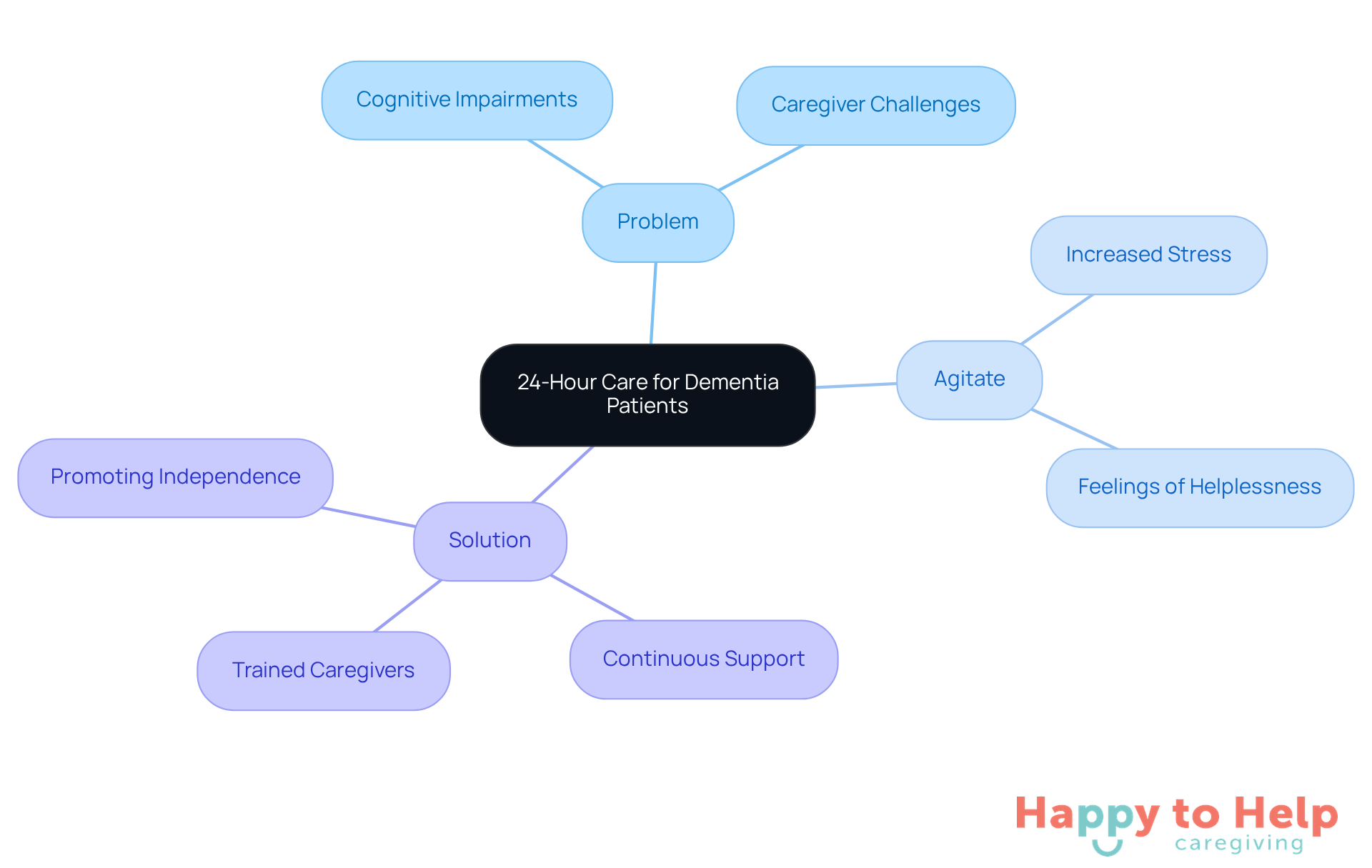
Problem: Individuals with cognitive impairments often face significant challenges that can affect their daily lives and safety. Caregivers struggle to provide the necessary support, especially when symptoms like wandering or confusion arise.
Agitate: These challenges can lead to increased stress for caregivers, who may feel overwhelmed by the demands of ensuring their loved ones' safety and well-being. The lack of continuous support can exacerbate feelings of anxiety and helplessness for both caregivers and those they care for.
The solution of 24-hour care for dementia patients offers a comprehensive support service that provides continuous help and oversight throughout the day and night. This model ensures that individuals receive the care they need in a familiar setting, promoting their safety and well-being. Caregivers are trained to assist with daily activities, manage medications, and provide emotional support, all while fostering a sense of independence. This support is particularly beneficial for those displaying severe symptoms, allowing them to remain in the comfort of their own homes while receiving essential assistance.
Explore Benefits of 24-Hour Care for Dementia Patients
The challenges faced by individuals with memory disorders and their caregivers are significant. Continuous support is essential to address these challenges effectively.
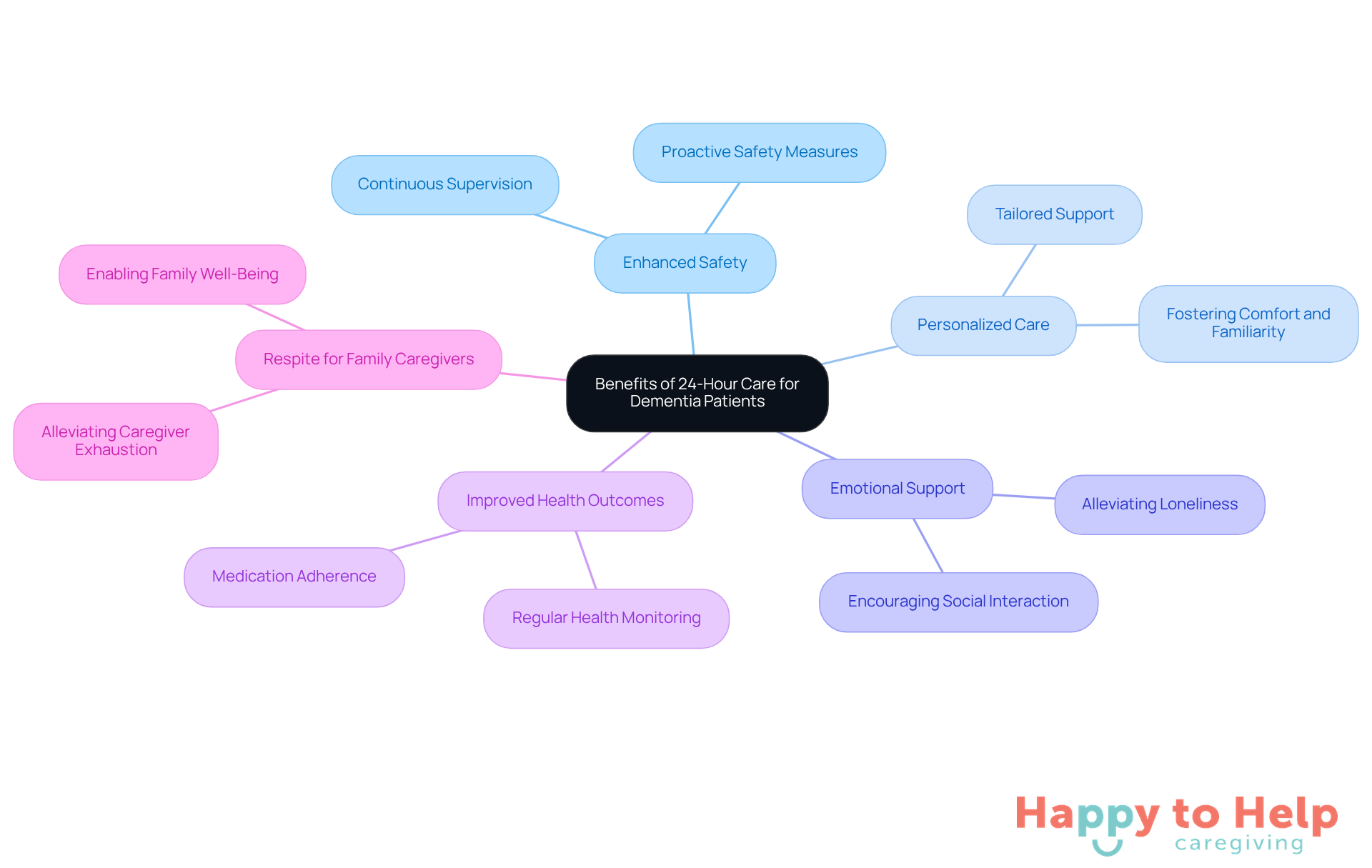
Problem: Individuals with memory disorders, such as dementia, often face safety risks, emotional distress, and health complications. Caregivers struggle to provide the necessary support while managing their own well-being.
Agitate: Without round-the-clock assistance, the risk of accidents, such as falls or wandering, increases. Feelings of loneliness and anxiety can overwhelm both the individual and their family members. Moreover, family caregivers may experience exhaustion, leading to burnout and decreased quality of care.
Solution: Implementing 24-hour support can significantly enhance safety and well-being. Here are key benefits:
- Enhanced Safety: Continuous supervision reduces the risk of accidents. Caregivers are trained to proactively address safety concerns, ensuring a secure environment. As noted by Heaven at Home Senior Support, "24-hour assistance ensures there’s always someone awake and alert to help during these nighttime challenges."
- Personalized Care: Caregivers can tailor their support to meet the unique needs of each individual, fostering comfort and familiarity. This customized approach not only improves the quality of support but also enhances emotional well-being.
- Emotional Support: The presence of a caregiver alleviates feelings of loneliness and anxiety, providing companionship and reassurance. This consistent support creates a nurturing atmosphere that encourages social interaction.
- Improved Health Outcomes: Regular monitoring of health conditions and adherence to medication can lead to better overall health and fewer hospitalizations. Caregivers are equipped to manage health observations and respond promptly to changes in the individual’s condition.
- Respite for Family Caregivers: Family members can take necessary breaks, knowing their loved one is in safe hands. This respite is vital in alleviating caregiver exhaustion, enabling households to maintain their well-being while providing assistance.
Real-world examples illustrate these benefits effectively. A caregiver providing 24-hour care for dementia patients not only addresses urgent support needs but also encourages moments of connection, allowing family members to enjoy quality time together. Furthermore, caregivers trained in memory-related support use soothing methods to handle difficult behaviors, improving the overall caregiving experience. This comprehensive support system ultimately leads to enhanced safety and quality of life for individuals with cognitive impairments. With nearly 7 million Americans affected by Alzheimer's disease and other cognitive disorders, the importance of round-the-clock support cannot be overstated. Additionally, caregivers provide approximately 18 billion hours of unpaid support annually, highlighting the essential role of professional services in alleviating the strain on families.
Identify Types of 24-Hour Care Available
Choosing the right 24-hour care for dementia patients can be a daunting task for families. The challenge lies in understanding the various options available and their implications for both the patient and the caregiver. Families must consider critical factors such as safety concerns, emotional well-being, and the need for personalized support when seeking 24-hour care for dementia patients.
-
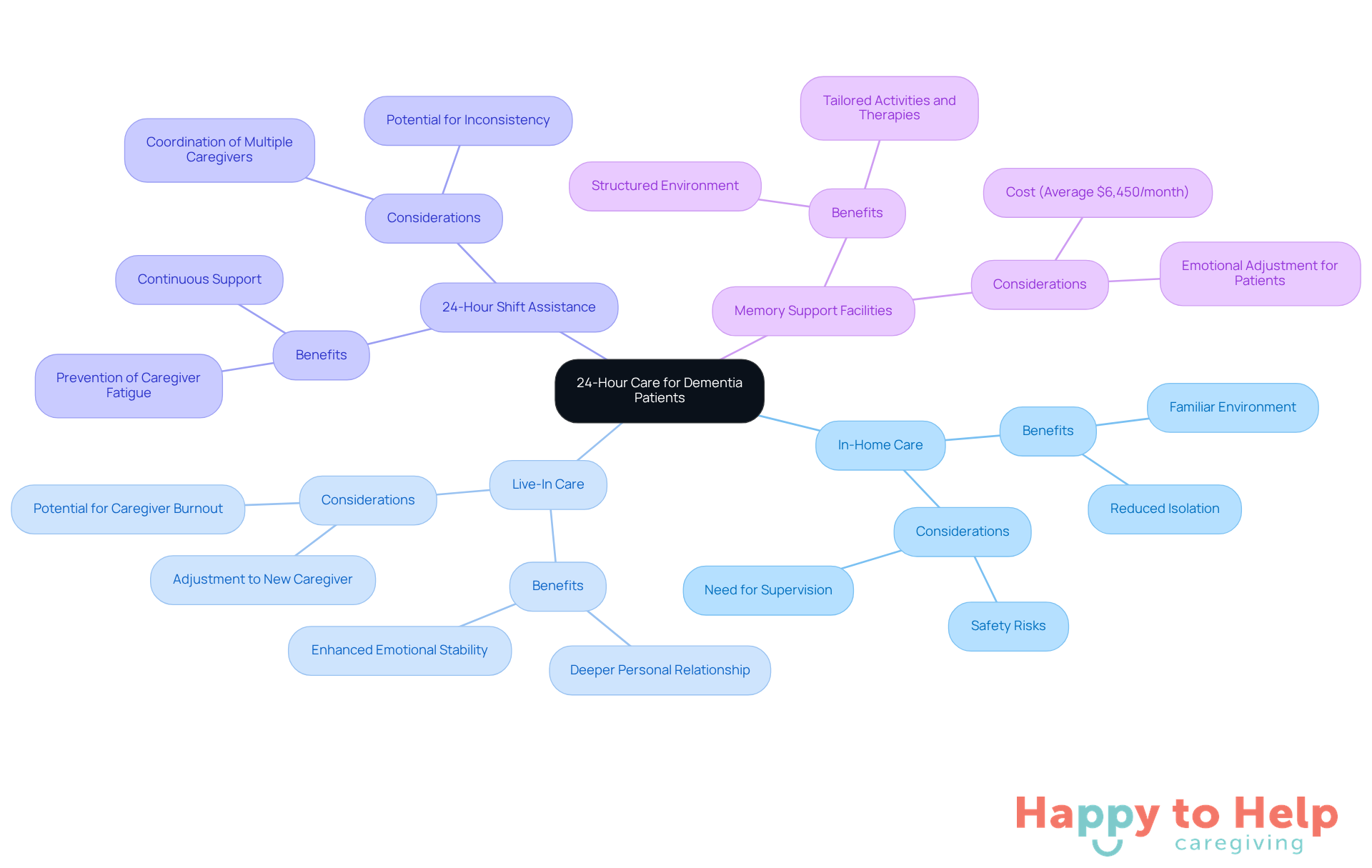
In-Home Care allows patients to remain in a familiar environment, which can significantly reduce feelings of isolation. However, families must assess potential safety risks in the home, as these can complicate the provision of 24-hour care for dementia patients.
-
Live-In Care offers a caregiver who resides in the home, fostering a deeper personal relationship and enhancing emotional stability for the individual. This arrangement can be beneficial for those needing 24-hour care for dementia patients.
-
24-Hour Shift Assistance involves multiple caregivers rotating shifts, ensuring that support is always available. This model helps prevent caregiver fatigue, which is essential for maintaining high-quality care.
-
Memory Support Facilities provide structured environments specifically designed for individuals with dementia. These facilities offer tailored activities and therapies that cater to cognitive needs, ensuring residents receive appropriate stimulation. However, families should be aware that the national average cost for memory assistance is $6,450 monthly, which is an important consideration when evaluating options.
Ultimately, the decision among these alternatives depends on the individual's unique needs, the family's capacity to provide support, and the safety of the living conditions, especially when considering 24-hour care for dementia patients. For instance, while in-home assistance may be comforting, it might not be suitable if safety risks are present or if the individual requires constant supervision due to behaviors like wandering. Conversely, memory support facilities may offer enhanced safety features and skilled personnel, but they can also necessitate a significant emotional adjustment for the individual. Understanding these differences can empower families to make informed decisions about the best support methods for their loved ones.
Understand Cost Considerations for 24-Hour Care
The expense of 24-hour care for dementia patients poses a significant challenge for families. Costs can vary widely based on factors like location, the level of support required, and the type of service chosen. This variability can create financial strain, making it crucial for caregivers to understand the potential expenses involved.
On average, families can expect to pay:
-
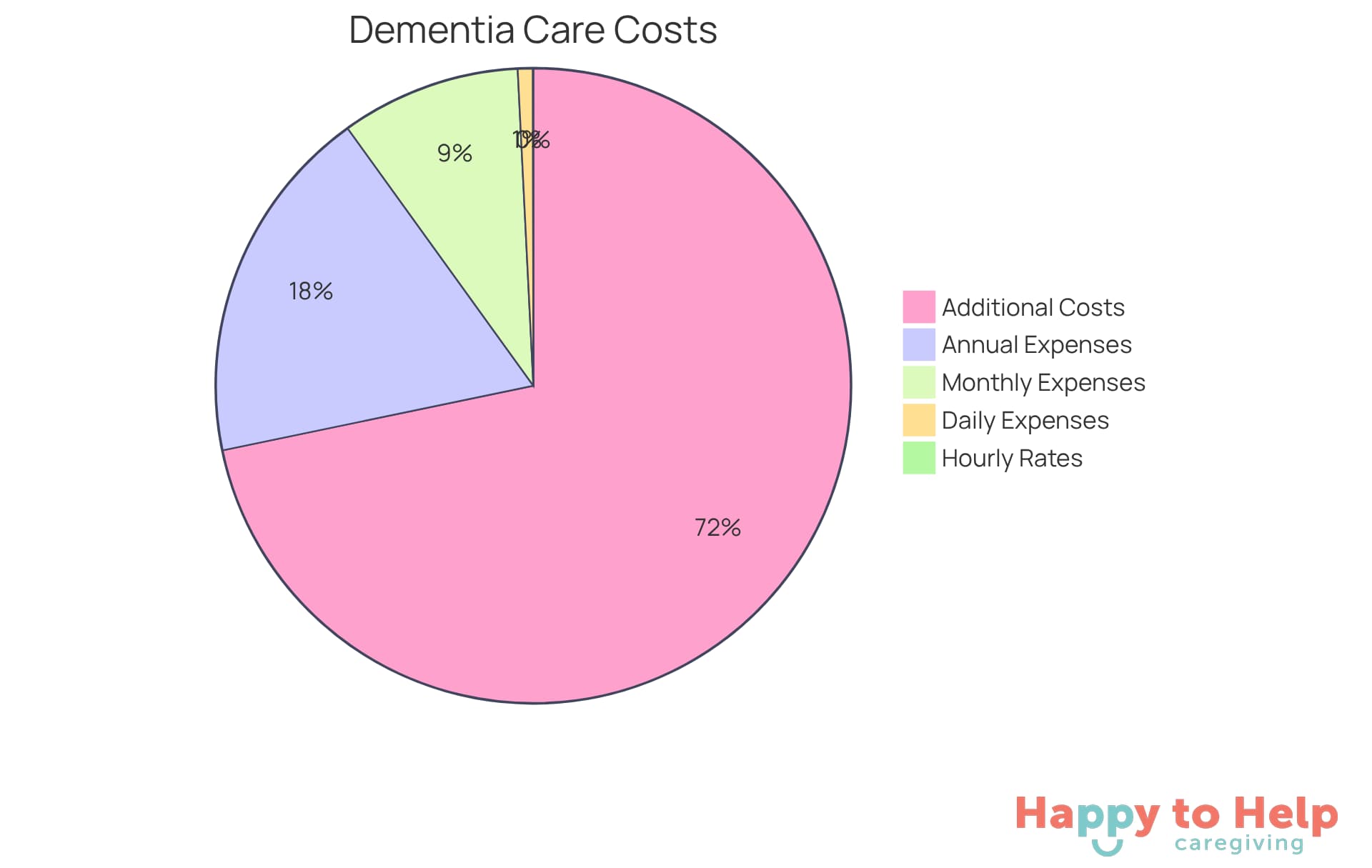
Hourly Rates: The national median cost for in-home care is about $33 per hour. This can accumulate quickly for full-time care. By 2025, the national median expense for 24-hour care for dementia patients is projected to range from $21,823 to $24,006 annually.
-
Daily and Weekly Expenses: For 24-hour care for dementia patients, households may incur costs between $720 to $1,000 per day, depending on the services provided.
-
Monthly Expenses: Monthly costs can vary from $4,000 to $12,000. It’s essential for families to explore financial assistance options, such as Medicaid, long-term care insurance, or veterans' benefits. Eligible patients can receive up to $2,500 annually for respite benefits, which can help ease some financial burdens.
-
Additional Costs: Families should also be aware of potential extra charges for specialized services, transportation, or medical supplies. In 2024, the average annual rate for an assisted-living facility was $74,148, with dementia units costing over $94,000. Understanding these costs upfront can aid families in planning and budgeting effectively for their loved one's care.
As Mollie Gurian from LeadingAge states, "Alternative payment models like this are critical to helping individuals remain in the setting of their choice." By being informed and proactive, families can navigate the complexities of caregiving costs more effectively.
Moving Forward with 24-Hour Care for Dementia Patients:
The provision of 24-hour care for dementia patients presents a significant challenge for families grappling with the complexities of cognitive impairments. This ongoing need for support not only impacts the safety and well-being of those affected but also places a considerable emotional and physical burden on family caregivers. By ensuring that patients receive consistent assistance, families can find peace of mind knowing their loved ones are in capable hands, ultimately leading to a better quality of life.
The benefits of 24-hour care are numerous: enhanced safety, personalized attention, and emotional support are just a few. Families must consider various care options, including:
- In-home care
- Live-in care
- Specialized memory support facilities
to determine the best fit for their unique circumstances. Understanding the financial implications-from hourly rates to potential additional costs-is crucial for effective planning and budgeting.
Given the rising prevalence of dementia and the challenges it brings, the need for comprehensive, round-the-clock care has never been more urgent. Families are encouraged to explore available resources and support systems that can alleviate the caregiving burden. By prioritizing the well-being of both patients and caregivers, it is possible to foster a nurturing environment that promotes dignity, safety, and connection for those navigating the complexities of dementia care.
https://iframe.tely.ai/cta/eyJhcnRpY2xlX2lkIjogIjY5M2Y3ZTJkZDczMzQzMWZhMTIyM2FmZCIsICJjb21wYW55X2lkIjogIjY4ZWU1ZGNhNzMxNzYyNTU3ZjNjOTVjMSIsICJpbmRleCI6IG51bGwsICJ0eXBlIjogImFydGljbGUifQ==Frequently Asked Questions
What is 24-hour care for dementia patients?
24-hour care for dementia patients is a comprehensive support service that provides continuous help and oversight throughout the day and night, ensuring individuals receive necessary care in a familiar setting.
What challenges do individuals with cognitive impairments face?
Individuals with cognitive impairments often face significant challenges such as wandering, confusion, and difficulties in daily activities, which can affect their safety and overall quality of life.
How does 24-hour care benefit caregivers?
24-hour care alleviates stress for caregivers by providing continuous support, allowing them to ensure their loved ones' safety and well-being without feeling overwhelmed by the demands of caregiving.
What types of support do caregivers provide in a 24-hour care model?
Caregivers in a 24-hour care model assist with daily activities, manage medications, provide emotional support, and promote a sense of independence for dementia patients.
Why is 24-hour care particularly beneficial for those with severe symptoms?
It allows individuals with severe symptoms to remain in the comfort of their own homes while receiving essential assistance, promoting their safety and well-being.
List of Sources
- Define 24-Hour Care for Dementia Patients
- Medicare covers at-home nursing care for dementia patients for the first time this year (https://tampabay.com/news/health/2025/08/14/medicare-covers-at-home-nursing-care-dementia-patients-first-time-this-year)
- The Alzheimer’s Association and Rippl Partner to Improve Quality Dementia Care and Caregiver Support (https://alz.org/news/2024/the-alzheimer-s-association-and-rippl-partner-to-improve-quality-dementia-care-and-caregiver-support)
- Medicare offering dementia caregiver benefit: It's a start, advocates say (https://naplesnews.com/story/news/local/2025/08/20/medicare-now-offers-2500-dementia-caregiving-stipend-how-it-helps/84334583007)
- Explore Benefits of 24-Hour Care for Dementia Patients
- Medicare explores a new way to support caregivers of dementia patients (https://npr.org/sections/shots-health-news/2024/07/04/nx-s1-5026964/caregivers-dementia-alzheimers-medicare-support)
- The Importance Of 24-Hour Home Care For Dementia Patients | In-Home Senior Care In Palm Desert, CA (https://alwaysbestcare.com/palm-desert/resources/the-importance-of-24-hourhome-care-for-dementia-patients)
- The Life-Changing Impact of 24-Hour Live-In Care for Dementia (https://heavenathomecare.com/the-life-changing-impact-of-24-hour-live-in-care-for-someone-with-dementia)
- Medicare offering dementia caregiver benefit: It's a start, advocates say (https://naplesnews.com/story/news/local/2025/08/20/medicare-now-offers-2500-dementia-caregiving-stipend-how-it-helps/84334583007)
- Medicare covers at-home nursing care for dementia patients for the first time this year (https://tampabay.com/news/health/2025/08/14/medicare-covers-at-home-nursing-care-dementia-patients-first-time-this-year)
- Identify Types of 24-Hour Care Available
- The Life-Changing Impact of 24-Hour Live-In Care for Dementia (https://heavenathomecare.com/the-life-changing-impact-of-24-hour-live-in-care-for-someone-with-dementia)
- Memory Care vs. Home Care for Dementia: 5 Key Differences (https://aplaceformom.com/caregiver-resources/articles/memory-care-vs-home-care)
- Memory Care Executive Forecast 2025: Memory Care Sector ‘Poised for Evolution’ (https://seniorhousingnews.com/2025/02/17/memory-care-executive-forecast-2025-memory-care-sector-poised-for-evolution)
- Dementia housing without locked wards? It's a small but growing movement (https://npr.org/sections/shots-health-news/2025/11/17/nx-s1-5600877/dementia-alzheimers-care-housing-senior-living-inclusion-segregation)
- Understand Cost Considerations for 24-Hour Care
- Texas voters approve $3 billion dementia fund; Washington voters make LTC insurance changes (https://mcknightsseniorliving.com/news/texas-voters-approve-3-billion-dementia-fund-washington-voters-make-ltc-insurance-changes)
- 24/7 In-Home Care Costs in 2025 - Assisted Living Magazine (https://assistedlivingmagazine.com/24-7-in-home-care-costs-in-2025)
- Congress Introduces Bipartisan Legislation to Support Our Nation’s Dementia Caregivers (https://alz.org/news/2025/credit-caring-act-dementia-caregivers)
- New Medicare program offers much-needed relief for caregivers of dementia patients (https://finance.yahoo.com/news/new-medicare-program-offers-much-needed-relief-for-caregivers-of-dementia-patients-203450020.html)