Understanding a Home for Seniors: Key Features and Benefits

For families in our service areas
For families in our service areas, this guide explains caregiving and how non-medical in-home caregiving can support care planning in East Idaho, Treasure Valley & Magic Valley, Northern Wasatch, North Central West Virginia & Southwestern Pennsylvania, and Northeast Ohio.
What to Expect
This article delves into the understanding of homes for seniors, emphasizing their vital features and benefits that significantly enhance the quality of life for elderly individuals. It compassionately highlights how these residences offer personalized care, safety, and accessibility, fostering independence. More than just a living space, they create a nurturing community that actively combats loneliness and promotes emotional well-being.
For caregivers, the emotional challenges can often feel overwhelming. The stress and burnout they experience are real, but these residences provide a solution. With a focus on compassionate care, they not only support the physical needs of seniors but also address the emotional aspects that are so crucial.
Imagine a place where your loved ones can thrive, surrounded by a community that understands their needs. Here, residents are not just cared for; they are valued and connected. Personal stories from caregivers and clients reveal the transformative impact of such environments, highlighting moments of joy and connection that combat isolation.
In conclusion, these homes offer reassurance and encouragement. They are designed to be more than just a shelter; they are spaces where seniors can feel safe, supported, and truly at home. With a nurturing approach, they ensure that every individual is treated with dignity and compassion, allowing them to live their lives to the fullest.
What You Need to Know About A Home
A home for seniors is more than just a living space; it embodies a supportive environment tailored to the unique needs of elderly adults. It is a place where safety, accessibility, and personalized care converge to enhance the quality of life for seniors while promoting their independence.
However, amidst the growing demand for such facilities, families often find themselves grappling with concerns about their loved ones’ well-being. How can they ensure that their cherished family members receive the compassionate and effective care they truly deserve? This exploration delves into the key features and benefits of senior living arrangements, shedding light on the vital role they play in fostering community and well-being for older adults.
As we navigate this journey together, let us reflect on the emotional and practical support available, reassuring families that they are not alone in this process. The compassionate care provided in these residences not only addresses the physical needs of seniors but also nurtures their emotional well-being, creating a fulfilling and enriching living experience.
Define a Home for Seniors
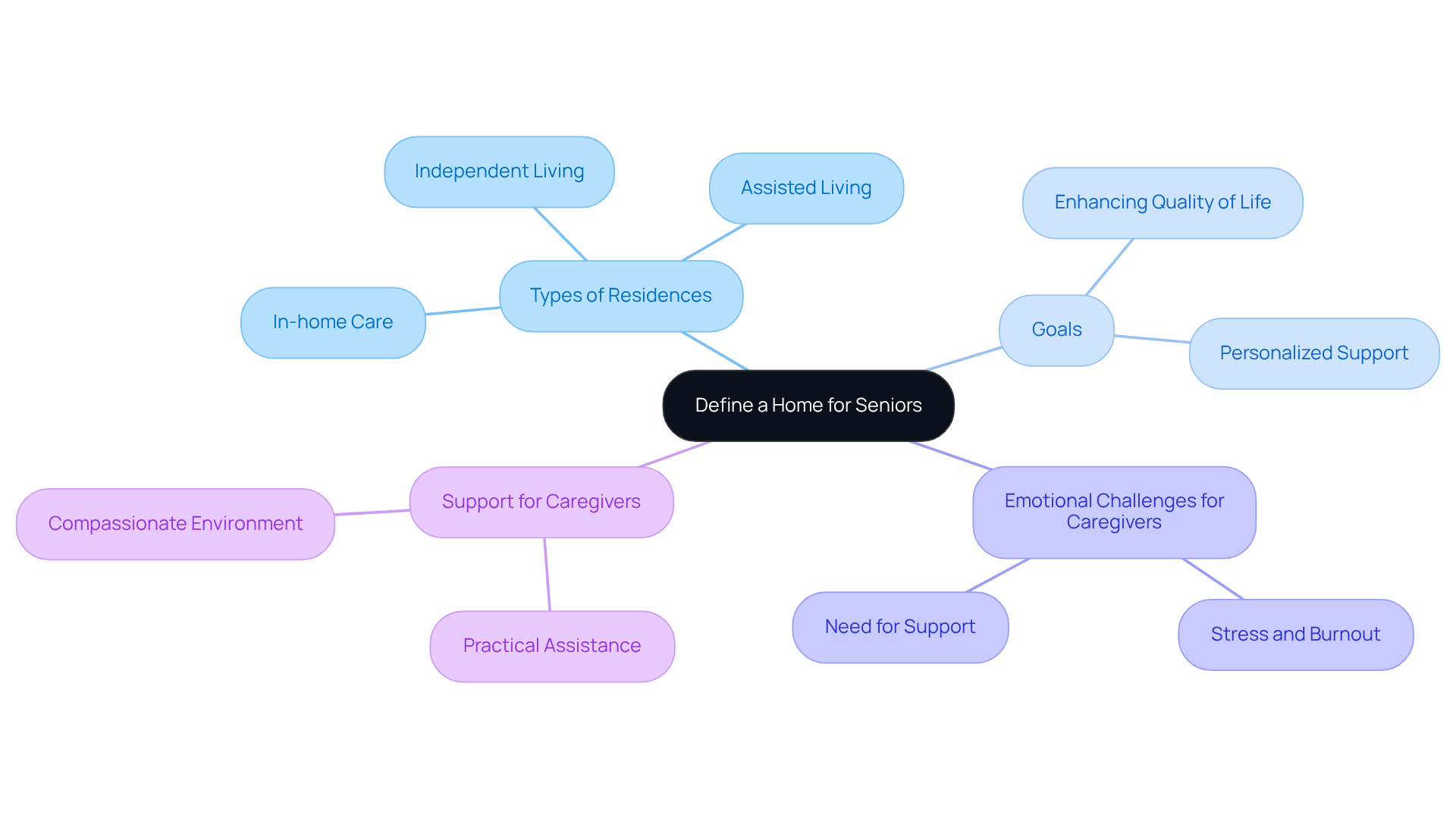
A home for seniors represents a nurturing environment specifically designed to meet the needs of elderly adults. It prioritizes their safety, comfort, and assistance. These residences can take various forms, including independent living communities, assisted living facilities, and in-home caregiving services.
The primary goal of a home for seniors is to enhance the quality of life for elderly individuals by providing personalized support that encourages autonomy while ensuring that essential help is readily available. Over time, this concept has evolved into what is now recognized as a home for seniors, reflecting a growing acknowledgment of the importance of individualized care and the desire for older adults to remain in familiar surroundings.
As we understand the emotional challenges faced by caregivers, it becomes clear that their stress and burnout can weigh heavily on their hearts. These residences not only offer practical support but also function as a home for seniors with a compassionate approach that acknowledges their struggles.
In these environments, caregivers can find solace in knowing that their loved ones receive the care they deserve, allowing them to focus on their well-being too. The journey may be challenging, but with the right support, there's reassurance that older adults can thrive in a setting that feels like home.
Identify Key Features of Senior Homes
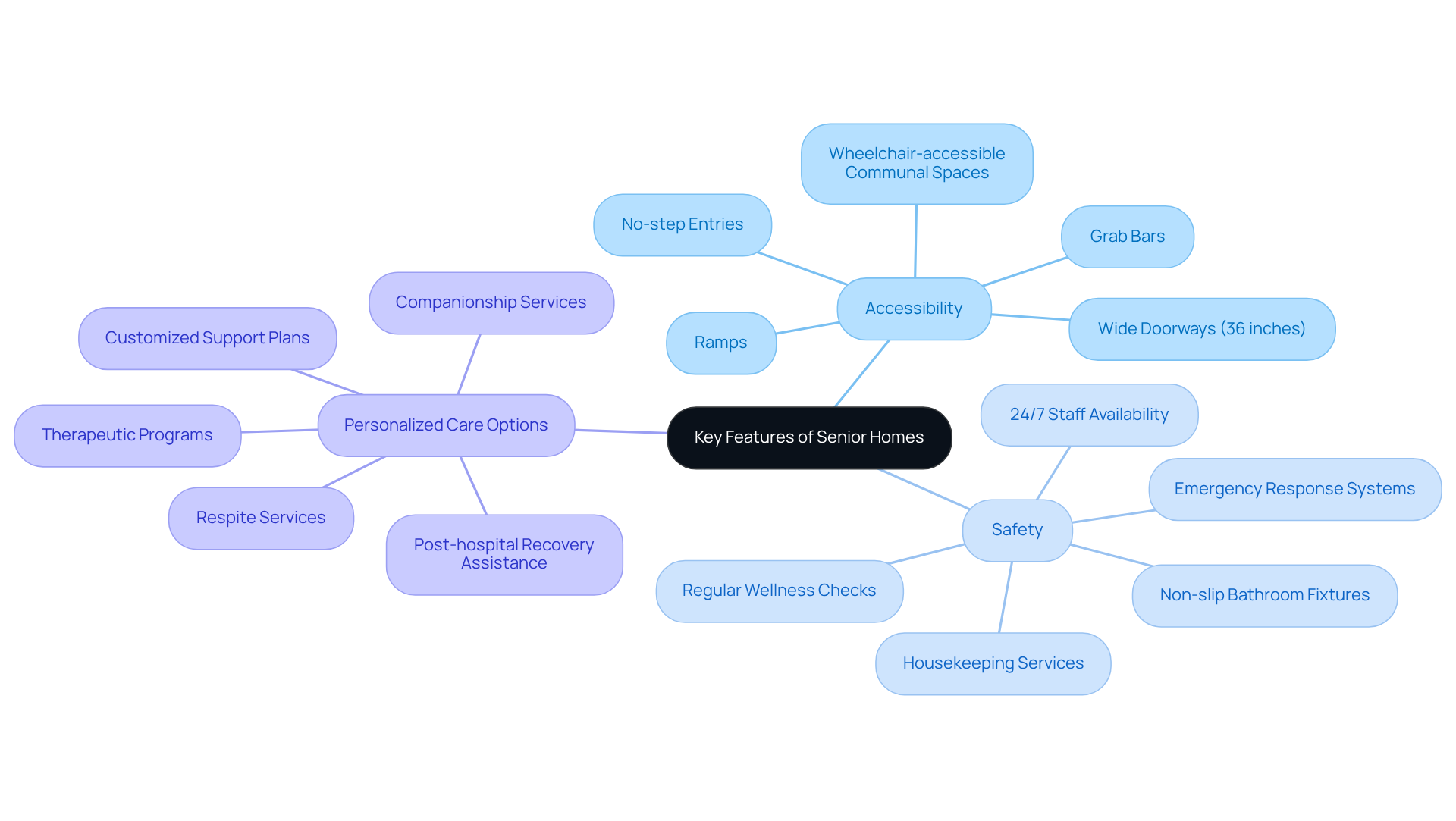
Key features of a home for seniors encompass accessibility, safety, and personalized care options, all essential for fostering a supportive environment. Accessibility is paramount. Spaces are thoughtfully designed to accommodate mobility challenges, featuring:
- Ramps
- Grab bars
- Doorways that are at least 36 inches wide
These features facilitate easy movement with mobility aids. As noted, "these enhancements not only cater to physical accessibility but also foster a greater sense of independence among residents."
Safety measures are equally critical. Facilities are equipped with emergency response systems that provide residents with 24/7 access to assistance, ensuring peace of mind for both residents and their families. Regular wellness checks and responsive assistance are integral parts of the safety measures in assisted care facilities.
Furthermore, individualized support options, such as:
- Companionship services
- Post-hospital recovery assistance
- Respite services
enable older adults to obtain customized assistance that corresponds with their distinct requirements. Customized support plans are a fundamental aspect of assisted residences, emphasizing the significance of tailored assistance in improving the quality of life for older adults.
These collective features not only enhance safety and independence but also promote a sense of community and belonging in a home for seniors. They enable older adults to thrive in their living environments, fostering connections that enrich their daily lives.
Explore Benefits of Senior-Friendly Homes
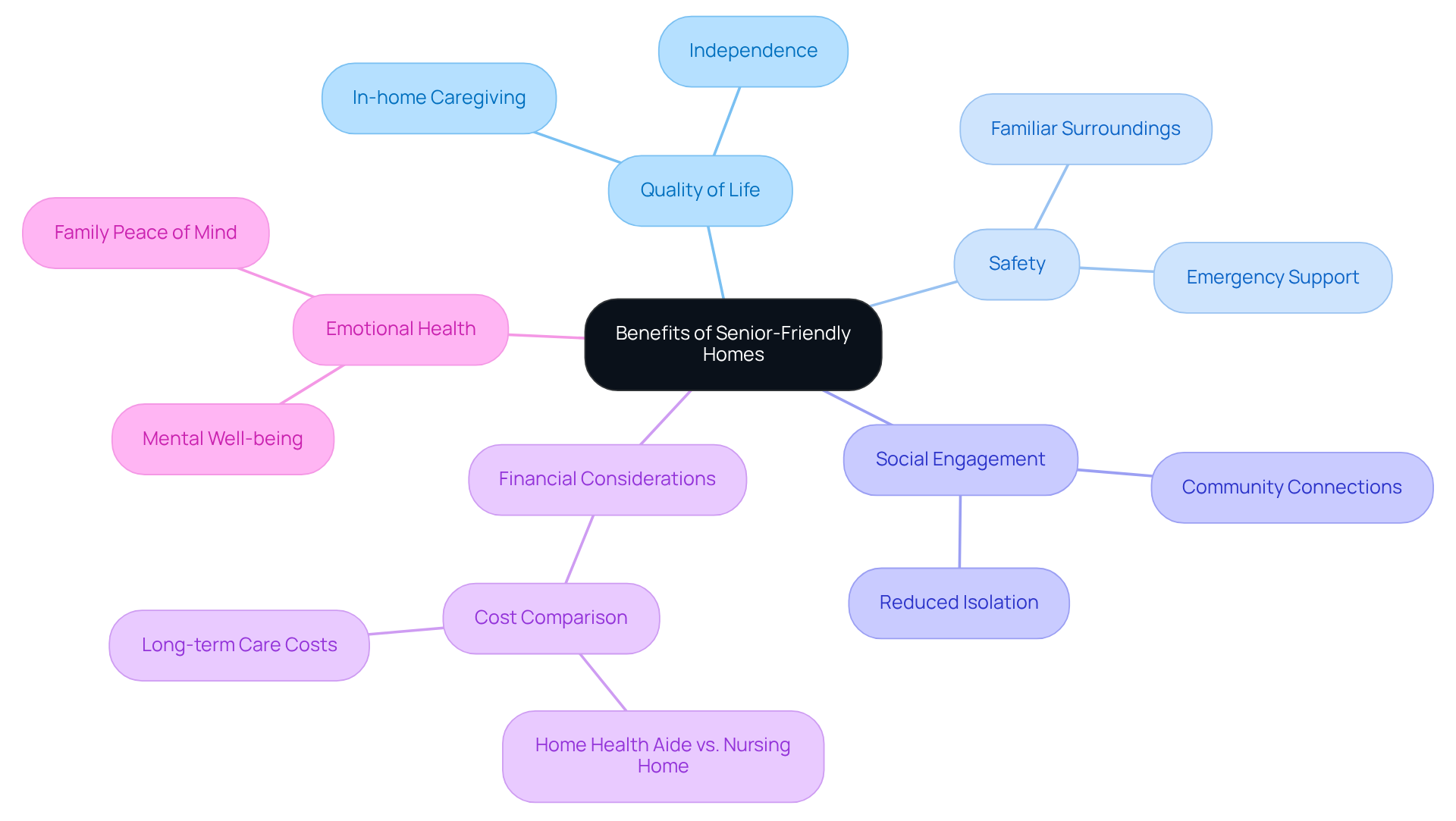
A home for seniors provides numerous benefits that significantly enhance quality of life, safety, and opportunities for social engagement. These settings provide tailored care and support in a home for seniors, allowing elderly individuals to maintain their independence while ensuring that help is readily available when needed.
In-home caregiving services, such as those offered by Happy to Help Caregiving, allow seniors to remain in familiar surroundings, fostering a profound sense of security. Research shows that social connections are crucial for mental well-being, with 25% of older adults reporting feelings of isolation. Living in a supportive community can alleviate these feelings, promoting emotional health and overall happiness.
Families often find peace of mind knowing their loved ones are in a home for seniors that prioritizes their unique needs. This assurance leads to an improved quality of life and overall well-being for seniors living in a home for seniors. Furthermore, the typical yearly expense for a home health aide is $77,792, compared to $127,750 for a private room in a nursing facility. This makes in-home assistance a more economical choice for many families.
As the demand for home health care services continues to grow, families are increasingly recognizing the benefits of personalized, flexible care options. This approach not only addresses practical needs but also nurtures emotional connections, ensuring that seniors feel valued and supported in their daily lives.
Discuss Community and Support in Senior Living
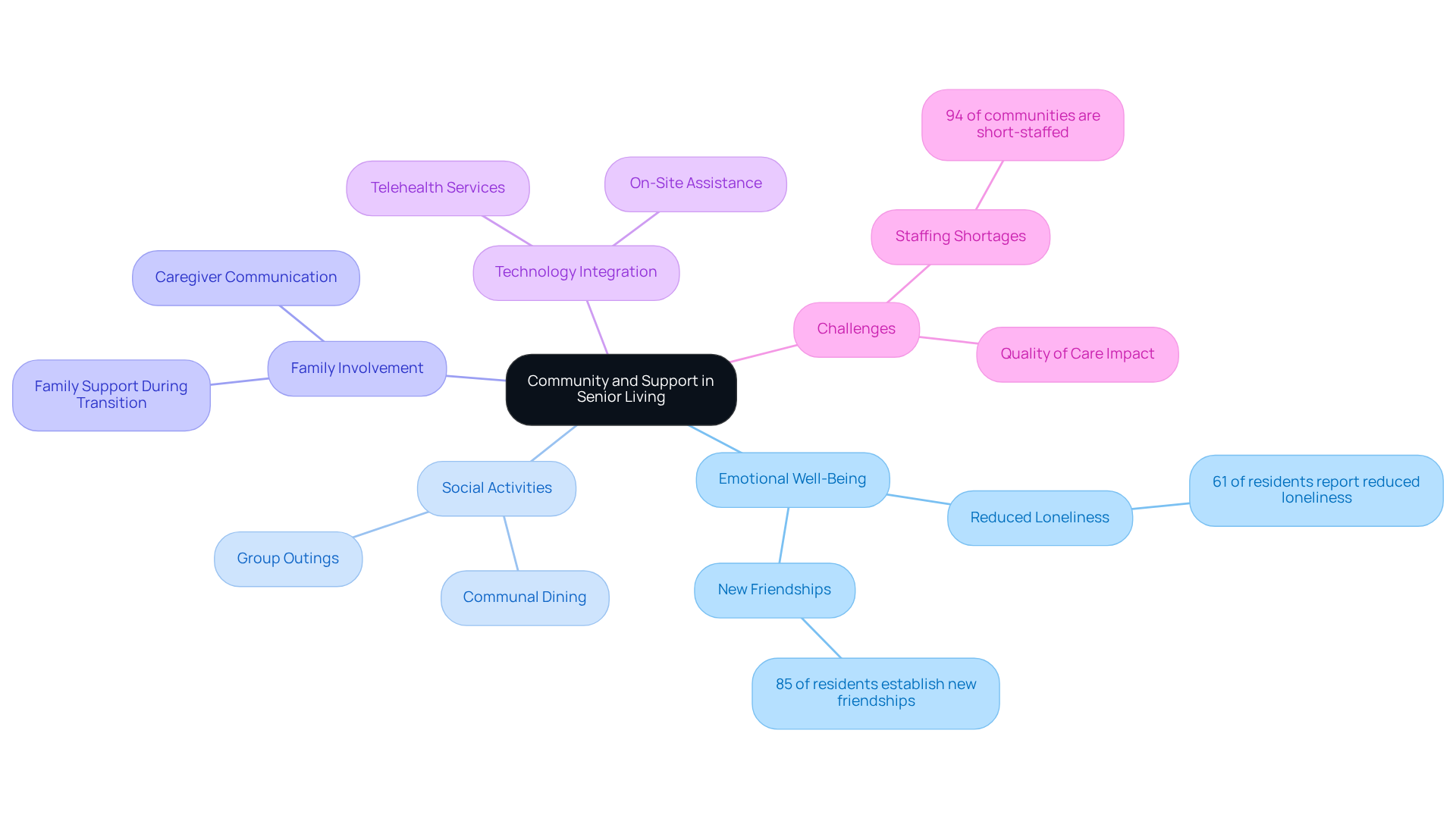
Community and support are vital in elder care, nurturing connections that enhance emotional and social well-being. Many elderly residences encourage social activities, group outings, and communal dining, helping residents forge relationships and combat loneliness. Research indicates that 61% of individuals in elder housing experience reduced loneliness, and 85% establish new friendships after moving, underscoring the positive impact of social groups on older adults' emotional health.
Support systems, including family involvement and caregiver communication, are crucial for ensuring that older adults feel valued and understood. Liz Pearce, Director of Elder Care at U.S. News, emphasizes that choosing a home for seniors is a significant life decision for older individuals and their families, highlighting the importance of family support during this transition.
Happy to Help Caregiving exemplifies this compassionate approach by integrating technology that keeps families informed about their loved ones' well-being, such as telehealth and on-site assistance. This integration strengthens the support network, fostering a sense of connection.
However, elder living facilities face challenges, including anticipated staffing shortages, which may impact the quality of care. Ultimately, a strong community can greatly enhance the quality of life for seniors in a home for seniors, making them feel more engaged and less alone.
Key Takeaways for Caregivers
A home for seniors is more than just a living space; it embodies a supportive environment tailored to the unique needs of elderly adults. These residences are designed to prioritize safety, comfort, and personalized assistance, ensuring that seniors can maintain their independence while receiving the help they require. The evolution of senior living reflects a growing recognition of the importance of individualized care, allowing older adults to thrive in settings that feel like home.
Throughout this article, we have highlighted key features of senior homes, including:
- Accessibility
- Safety measures
- Personalized care options
Accessibility features such as ramps and grab bars facilitate mobility, while safety systems provide peace of mind for residents and their families. Additionally, individualized support—ranging from companionship services to post-hospital recovery assistance—underscores the importance of tailored care in enhancing the quality of life for seniors. The benefits of these environments extend beyond physical needs, fostering social connections and emotional health, which are crucial for overall well-being.
Ultimately, the significance of a home for seniors lies in its ability to create a nurturing community that not only addresses practical needs but also promotes emotional connections. As families increasingly recognize the value of personalized care, the focus should remain on ensuring that older adults feel valued and supported. Emphasizing community and support within senior living can greatly enhance the quality of life for residents, making it essential to advocate for environments that prioritize both safety and social engagement.
https://iframe.tely.ai/cta/eyJhcnRpY2xlX2lkIjogIjY5MDJhYWYzMTRlZTQ1NmUxNzQ5MWRkZSIsICJjb21wYW55X2lkIjogIjY4ZWU1ZGNhNzMxNzYyNTU3ZjNjOTVjMSIsICJpbmRleCI6IG51bGwsICJ0eXBlIjogImFydGljbGUifQ==Frequently Asked Questions
What is a home for seniors?
A home for seniors is a nurturing environment designed to meet the needs of elderly adults, prioritizing their safety, comfort, and assistance.
What types of residences are considered homes for seniors?
Homes for seniors can take various forms, including independent living communities, assisted living facilities, and in-home caregiving services.
What is the primary goal of a home for seniors?
The primary goal is to enhance the quality of life for elderly individuals by providing personalized support that encourages autonomy while ensuring essential help is available.
How has the concept of a home for seniors evolved?
The concept has evolved to reflect a growing acknowledgment of the importance of individualized care and the desire for older adults to remain in familiar surroundings.
What emotional challenges do caregivers face?
Caregivers often experience stress and burnout, which can weigh heavily on them as they care for their loved ones.
How do residences for seniors support caregivers?
These residences offer practical support and a compassionate approach, allowing caregivers to find solace in knowing their loved ones receive the care they deserve, which helps them focus on their own well-being.
Can older adults thrive in a home for seniors?
Yes, with the right support, older adults can thrive in a setting that feels like home, despite the challenges they may face.