Understanding Adult Home Care: Essential Insights for Family

For families in our service areas
For families in our service areas, this guide explains home care and how non-medical in-home caregiving can support care planning in East Idaho, Treasure Valley & Magic Valley, Northern Wasatch, North Central West Virginia, and Northeast Ohio.
What to Expect
Adult home care plays a vital role in providing personalized support to individuals who need assistance due to age, illness, or disability. This care allows them to maintain their independence in a familiar environment, which is so important for their well-being. It’s essential to recognize the emotional challenges faced by caregivers, who often experience stress and burnout. By offering compassionate services, adult home care not only alleviates these burdens but also enriches the lives of those receiving care.
The article highlights the numerous benefits of adult home care, such as:
- Reducing loneliness among seniors
- Presenting a more affordable alternative to nursing homes
This approach not only supports the individuals but also provides relief to their family caregivers, who can feel overwhelmed by the demands of care. Various services are detailed, catering to the unique needs of both the individuals and their caregivers, ensuring that everyone feels supported and valued.
In sharing personal stories and testimonials, we see how compassionate care can transform lives. These narratives foster a deeper emotional connection, reminding us that we are not alone in this journey. Adult home care is not just about assistance; it’s about creating a nurturing environment where individuals can thrive.
As we reflect on the importance of this care, let us find reassurance in the knowledge that support is available. With adult home care, individuals can enjoy their independence while receiving the help they need, allowing them to live fulfilling lives surrounded by love and understanding.
What You Need to Know About Adult Home Care: Essential Insights
Adult home care serves as a compassionate lifeline for individuals grappling with the challenges of aging, illness, or disability. It allows them to receive essential support in the comfort of their own homes. This approach not only promotes independence but also nurtures the emotional well-being of seniors, who often face feelings of loneliness and isolation.
However, for family caregivers, navigating the complexities of adult home care can feel overwhelming. They must balance the needs of their loved ones with their own well-being. The stress and burnout can be significant, leaving caregivers feeling stretched thin.
What strategies can caregivers employ to ensure they provide the best support while also maintaining their health and peace of mind? By seeking help and utilizing available resources, caregivers can find ways to care for themselves while offering compassionate support to their loved ones. This journey, though challenging, can also be filled with moments of connection and fulfillment.
Define Adult Home Care and Its Importance
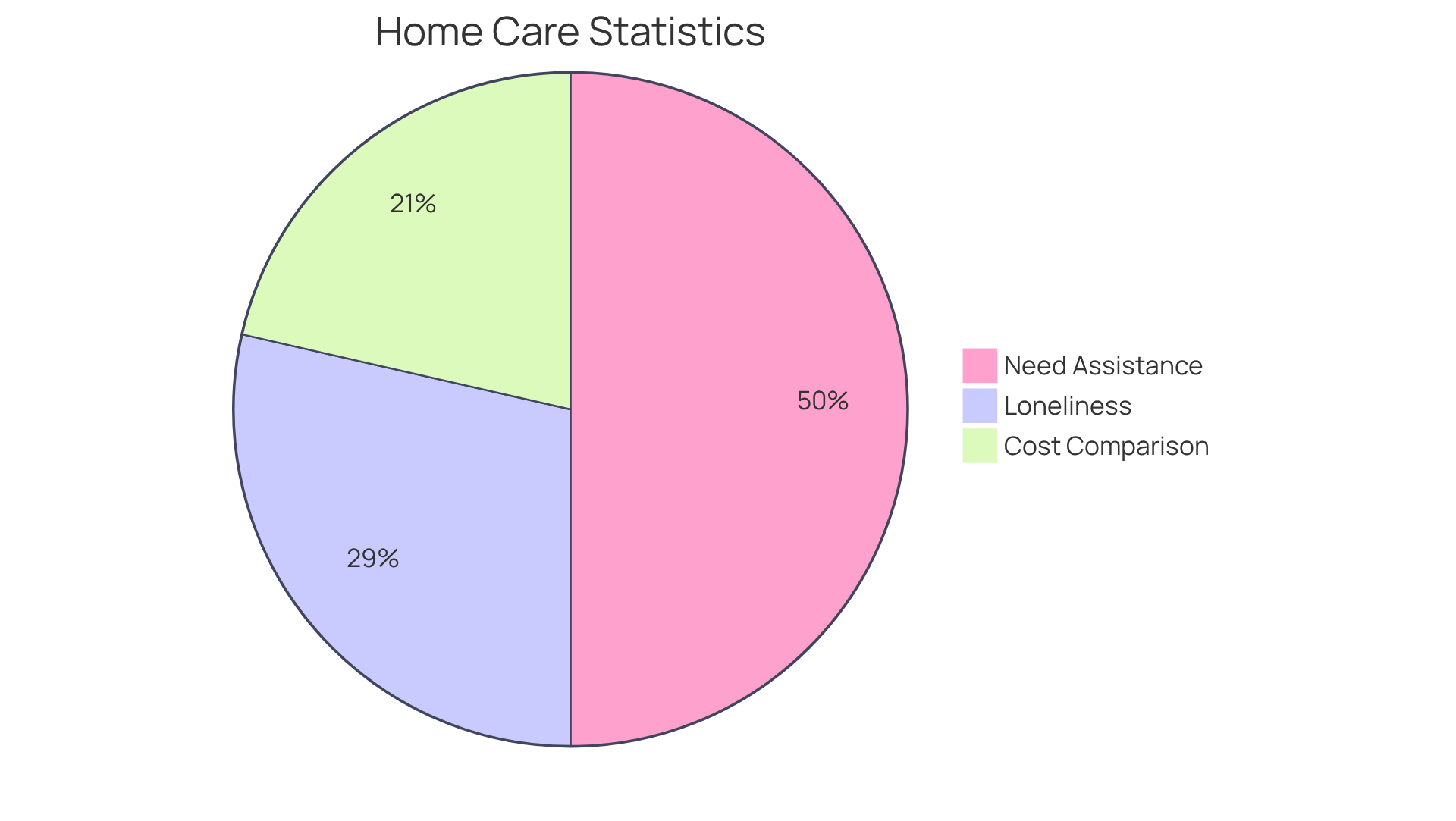
Adult home care provides a range of compassionate services right in the comfort of a person's home, specifically designed to meet the needs of those who require assistance due to age, illness, or disability. This approach is essential, as it allows seniors to maintain their independence and stay in familiar surroundings, which can significantly uplift their emotional well-being. It's heartbreaking to note that more than 40% of older adults often feel lonely, underscoring the critical role of companionship in their support.
Home support services, which include personal assistance, companionship, and medical help, are tailored to meet the unique needs of each individual. This customization not only enhances dignity and quality of life but also allows individuals to , greatly reducing the stress associated with moving to institutional settings. Moreover, nearly 70% of those aged 65 and above will require some form of long-term support assistance, highlighting the growing importance of accessible and effective home support solutions.
Financially, the typical monthly cost for full-time assistance at home is $6,481, compared to $10,646 for a private nursing home room. This makes in-home support a more affordable option for many families. By fostering a sense of security and comfort, adult home care empowers individuals to lead fulfilling lives in their own homes, surrounded by the love and familiarity they cherish.
Explore Key Services in Adult Home Care
In the realm of adult home care, several key services stand out, all crafted with compassion and understanding in mind.
- Companionship Care is one such service, dedicated to providing emotional support and fostering social interaction. This service helps alleviate feelings of loneliness and isolation, reminding individuals that they are not alone in their journey.
- Post-Hospital Recovery Assistance is another vital service. Caregivers step in to assist individuals recovering from surgery or illness, ensuring they follow medical advice and manage daily activities safely. This support not only aids in physical recovery but also provides peace of mind to both the individual and their family.
- Respite Assistance offers temporary relief for family caregivers, allowing them to take much-needed breaks while ensuring their loved ones continue to receive quality support. This service acknowledges the emotional and physical toll caregiving can take, providing a nurturing solution.
- Lastly, Palliative Support Care is aimed at individuals facing serious illnesses. This program focuses on delivering comfort and enhancing quality of life through effective symptom management and emotional support, ensuring that every moment is as meaningful as possible.
Each of these services in adult home care can be tailored to meet the unique requirements and preferences of the individual, ensuring a comprehensive approach to support. We understand that navigating these challenges can be overwhelming, but rest assured, is always within reach.
https://iframe.tely.ai/cta/eyJhcnRpY2xlX2lkIjogIjY4ZWVlNzdkNzkxMmY3NGU3MDVmODU1MiIsICJjb21wYW55X2lkIjogIjY4ZWU1ZGNhNzMxNzYyNTU3ZjNjOTVjMSIsICJpbmRleCI6IDEsICJ0eXBlIjogImFydGljbGUifQ==Address Challenges Faced by Family Caregivers
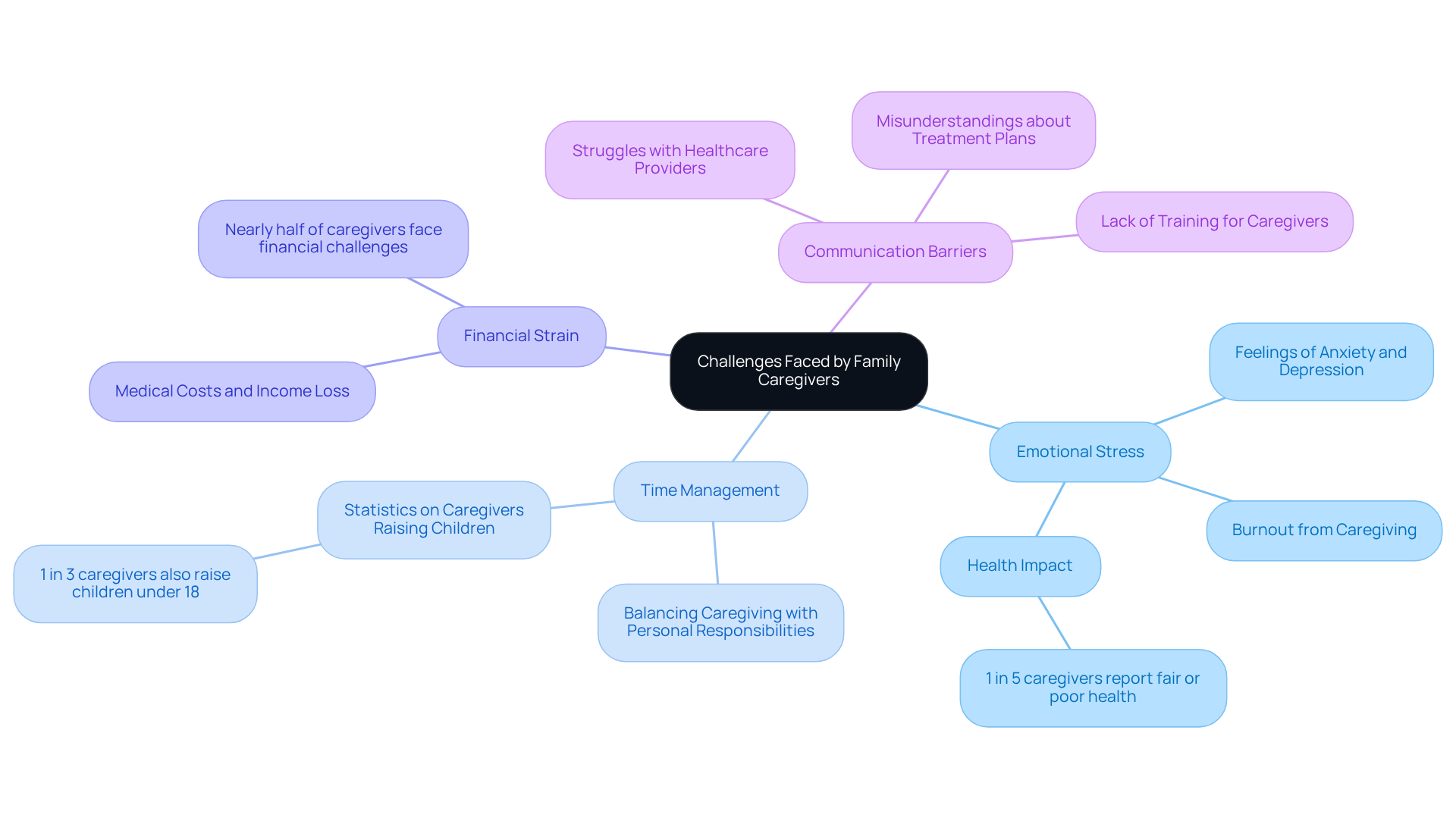
Family supporters often encounter significant challenges that can impact their well-being and effectiveness in providing care. These issues can weigh heavily on their hearts and minds.
- Emotional Stress: The emotional toll of caregiving can lead to feelings of anxiety, depression, and burnout. Caregivers often find themselves juggling the demands of caring for a loved one while trying to meet their own emotional and physical needs. Recent studies reveal that nearly 1 in 5 caregivers report being in fair or poor health, underscoring the profound impact caregiving can have on personal well-being.
- Time Management: Balancing caregiving with personal and professional responsibilities can feel overwhelming. Statistics indicate that almost 1 in 3 caregivers are also raising children under 18 while caring for an adult family member, intensifying the time constraints and exhaustion they experience. It’s crucial for caregivers to adopt effective time management strategies to help navigate these competing demands.
- Financial Strain: The financial burden of caregiving can be considerable, involving medical costs and potential income loss. Nearly half of caregivers report facing significant financial challenges due to their caregiving roles, which can lead to stress and anxiety about their financial futures.
- Communication Barriers: Caregivers often struggle to communicate effectively with healthcare providers, which can result in misunderstandings about treatment plans and needs. This lack of clarity can heighten stress and hinder the quality of care provided. Dr. Myechia Minter-Jordan, CEO of AARP, notes that family supporters frequently offer complex assistance with little to no training, putting their financial stability and health at risk.
To address these challenges, caregivers should with healthcare professionals, seek support from community resources, and embrace self-care practices. By recognizing and addressing these issues, family caregivers can enhance their own well-being while providing the best possible support for their loved ones.
Enhance Communication with Care Agencies
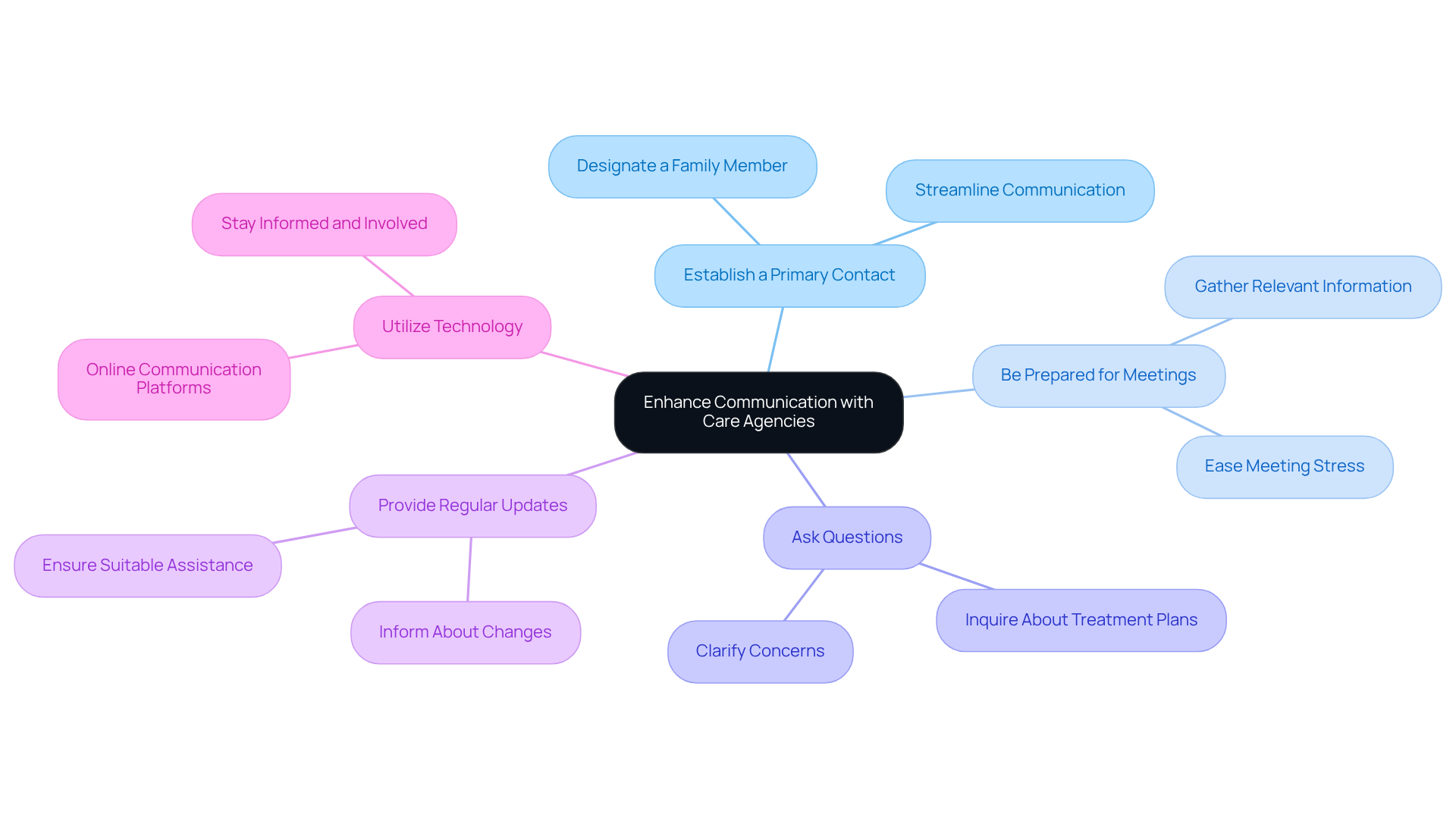
To enhance communication with care agencies, it's important to consider some thoughtful strategies:
- Establish a Primary Contact: Designate one family member as the main point of contact for the care agency. This helps streamline communication and reduces confusion, ensuring that everyone is aligned.
- Be Prepared for Meetings: Gather relevant information about your loved one's health, preferences, and support needs before meeting with agency representatives. Being prepared can ease some of the stress that comes with these discussions.
- Ask Questions: Don’t hesitate to ask about treatment plans, services, or any concerns you may have. Remember, clear communication is key to ensuring that everyone is on the same page, which can alleviate worries.
- Provide Regular Updates: Keep the agency informed about any changes in your loved one's condition or needs. This ongoing communication ensures that the assistance provided remains suitable and effective.
- Utilize Technology: Many agencies offer online platforms for communication and updates. Embrace these tools to stay informed and involved in your loved one's well-being, making the process feel more manageable.
By fostering open lines of communication, caregivers can build strong partnerships with care agencies. This collaboration can lead to better outcomes for their loved ones, providing reassurance and support during challenging times.
Key Takeaways for Caregivers
Adult home care is a vital service that allows individuals to receive essential support while remaining in the comfort of their own homes. This model not only fosters independence but also significantly enhances the emotional well-being of seniors, who often grapple with feelings of loneliness and isolation. By prioritizing personalized care, adult home care ensures that each individual's unique needs are met, ultimately contributing to a higher quality of life.
Throughout this article, we have explored several key aspects of adult home care, including the diverse range of services such as:
- Companionship care
- Post-hospital recovery assistance
- Respite care
- Palliative support
The emotional stress, time management challenges, financial strains, and communication barriers faced by family caregivers have also been highlighted. Addressing these challenges is crucial for both caregivers and their loved ones, ensuring that everyone involved receives the support they need.
Recognizing the significant role that adult home care plays in the lives of seniors and their families, it is essential to foster effective communication and collaboration with care agencies. By maintaining open lines of dialogue and utilizing available resources, families can enhance the care experience for their loved ones. Embracing adult home care not only promotes independence and dignity for seniors but also provides invaluable support to family caregivers, paving the way for a more compassionate and supportive caregiving journey.
https://iframe.tely.ai/cta/eyJhcnRpY2xlX2lkIjogIjY4ZWVlNzdkNzkxMmY3NGU3MDVmODU1MiIsICJjb21wYW55X2lkIjogIjY4ZWU1ZGNhNzMxNzYyNTU3ZjNjOTVjMSIsICJpbmRleCI6IG51bGwsICJ0eXBlIjogImFydGljbGUifQ==Frequently Asked Questions
What is adult home care?
Adult home care provides a range of compassionate services designed to assist individuals due to age, illness, or disability, all within the comfort of their own homes.
Why is adult home care important?
It allows seniors to maintain their independence and stay in familiar surroundings, which can significantly enhance their emotional well-being and reduce feelings of loneliness.
What types of services are included in adult home care?
Adult home care services include personal assistance, companionship, and medical help, all tailored to meet the unique needs of each individual.
How does adult home care impact the quality of life for seniors?
Customized home support enhances dignity and quality of life, allowing individuals to enjoy their routines and activities, which reduces stress compared to moving to institutional settings.
What is the prevalence of long-term support needs among older adults?
Nearly 70% of individuals aged 65 and above will require some form of long-term support assistance, highlighting the growing importance of accessible home support solutions.
How does the cost of adult home care compare to nursing homes?
The typical monthly cost for full-time assistance at home is $6,481, while a private nursing home room costs about $10,646, making in-home support a more affordable option for many families.
What emotional benefits does adult home care provide?
Adult home care fosters a sense of security and comfort, empowering individuals to lead fulfilling lives in their own homes, surrounded by love and familiarity.