Understanding Agitation in Dementia: Causes, Management,

For families in our service areas
For families in our service areas, this guide explains dementia care and how non-medical in-home caregiving can support care planning in East Idaho, Treasure Valley & Magic Valley, Northern Wasatch, North Central West Virginia, and Northeast Ohio.
What You Need to Know About Agitation in Dementia: Causes,
Understanding agitation in dementia presents a significant challenge for caregivers. With a staggering percentage of individuals experiencing agitation as dementia progresses, recognizing the symptoms and underlying causes is essential for effective management. This issue not only affects those with dementia but also takes an emotional toll on caregivers, who often find themselves overwhelmed.
How can caregivers balance their well-being while providing the necessary support? This article delves into the multifaceted nature of agitation in dementia, exploring its causes and management strategies. It also highlights essential support systems for caregivers, offering practical solutions to navigate this complex landscape.
Define Agitation in Dementia: Key Concepts and Symptoms
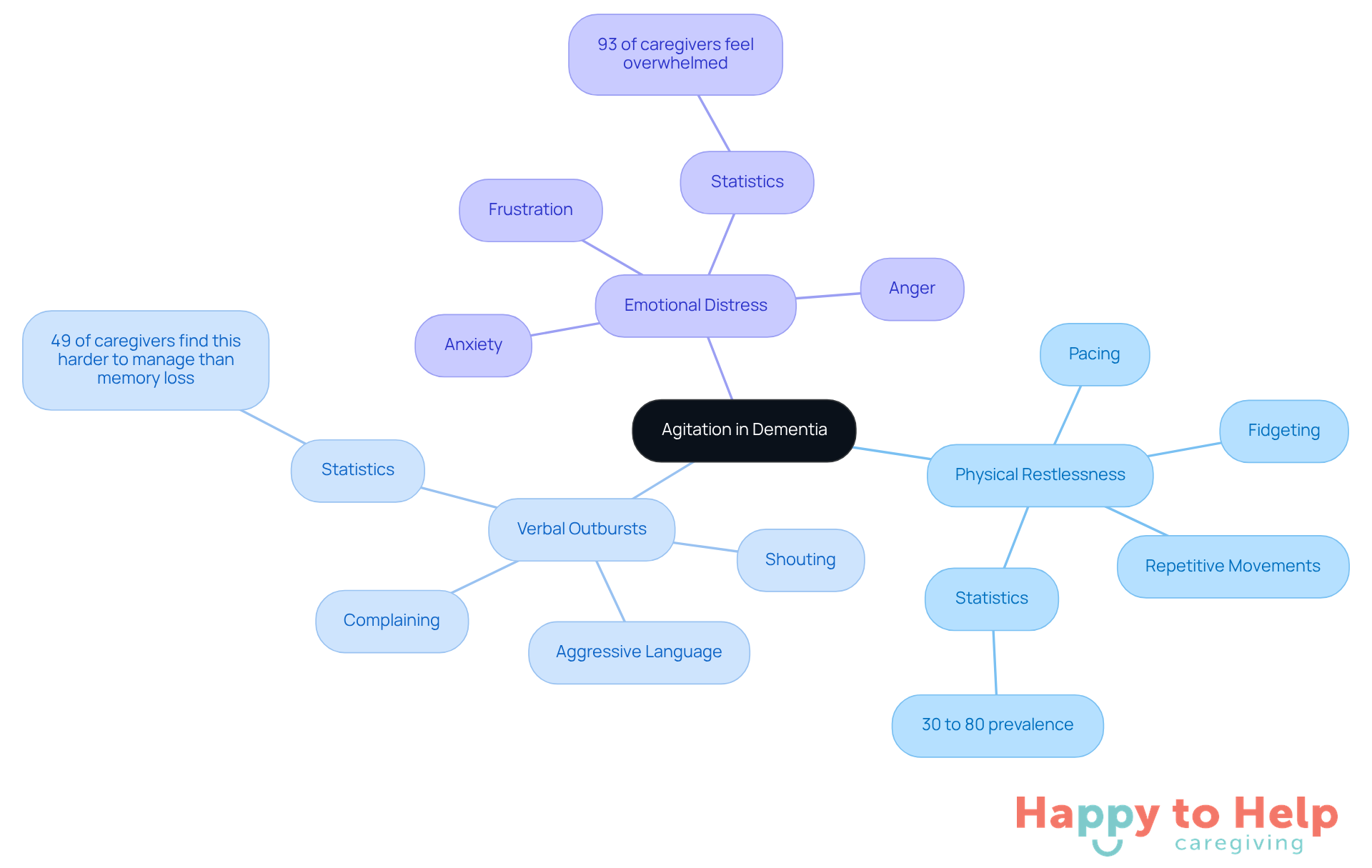
Agitation in dementia presents a significant challenge for caregivers, encompassing a range of behaviors that signal heightened emotional distress and restlessness. Common symptoms include:
- Physical restlessness: This may manifest as pacing, fidgeting, or repetitive movements, often indicating discomfort or anxiety.
- Verbal outbursts: Caregivers may observe shouting, complaining, or aggressive language, which can be alarming and challenging to manage.
- Emotional distress: Expressions of anxiety, frustration, or anger are prevalent, reflecting the internal turmoil experienced by the person.
Identifying these symptoms early is essential. Research indicates that agitation in dementia affects 30% to 80% of people, particularly as the condition progresses. Alarmingly, 49% of caregivers report that managing agitation in dementia is more challenging than dealing with memory loss itself. This underscores the necessity for caregivers to be alert and proactive in addressing these behaviors.
Real-world examples illustrate the importance of understanding unrest. Caregivers often recount instances when a loved one suddenly becomes restless or verbally aggressive, leading to confusion and concern. Such situations emphasize the need for caregivers to differentiate agitation in dementia from normal cognitive decline, as many mistakenly believe that agitation in dementia requires the same care strategy as memory loss.
Experts stress the importance of early recognition and intervention. As Prof. George Grossberg noted, "Integrating early diagnostics with symptom-specific treatments could reshape personalized care." Recognizing agitation in dementia as a component of the illness, rather than merely a behavioral issue, can empower caregivers and alleviate feelings of isolation. Notably, 40% of U.S. adults do not associate symptoms of restlessness with Alzheimer's disease, highlighting widespread misunderstandings. By fostering awareness and dialogue with healthcare professionals, caregivers can more effectively manage agitation in dementia, ultimately improving the quality of care for individuals with dementia.
Furthermore, 93% of caregivers report feeling overwhelmed or emotionally exhausted due to distress symptoms, illustrating the emotional burden on supporters. Current management options, such as the FDA-approved therapy Brexpiprazole for restlessness in Alzheimer's disease, provide important context for those seeking solutions.
Identify Causes of Agitation: Triggers and Underlying Factors
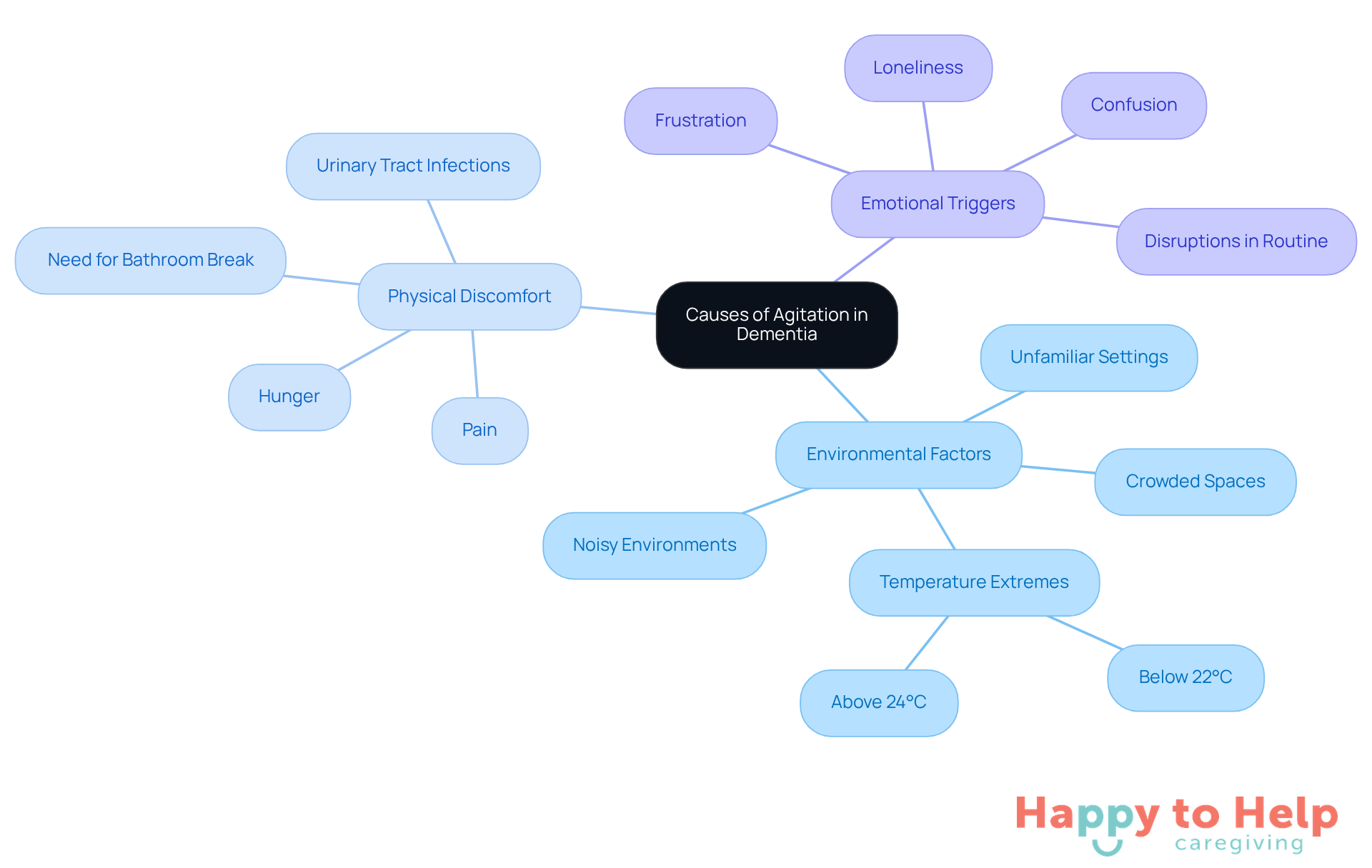
Agitation in dementia presents a significant challenge for caregivers, stemming from various causes that must be recognized for effective support. Key triggers include:
- Environmental Factors: Noisy environments, crowded spaces, or unfamiliar settings can heighten anxiety and lead to agitation. Studies show that sustaining a tranquil, familiar environment is essential for lowering levels of unrest. Alarmingly, unrest is prevalent in 80% of nursing home residents, underscoring the urgency of addressing these environmental factors in dementia care.
- Physical Discomfort: Common physical issues such as pain, hunger, or the need for a bathroom break can significantly contribute to restlessness. For instance, discomfort from urinary tract infections is more prevalent in agitated patients, highlighting the need for regular assessments of physical health. Additionally, keeping indoor temperatures within the comfort range of 22°C-24°C is crucial for minimizing unrest.
- Emotional Triggers: Feelings of loneliness, confusion, or frustration can exacerbate agitation. Caregivers should be aware that emotional distress is often linked to environmental changes or disruptions in routine, which can lead to increased unrest.
By recognizing these triggers, caregivers can create a more nurturing atmosphere that helps reduce agitation in dementia. Implementing strategies such as maintaining a consistent routine, ensuring physical comfort, and fostering emotional connections can significantly enhance the quality of life for individuals with dementia. Furthermore, professional recommendations emphasize the importance of environmental adjustments, like minimizing noise and maintaining familiar settings, to effectively manage restlessness. As highlighted by the Alzheimer’s Association, prioritizing non-drug interventions is essential for the effective management of agitation.
Implement Strategies for Management: Techniques and Interventions
The problem of agitation in dementia patients poses significant challenges for caregivers, affecting both the emotional well-being of the individual and the quality of care provided. This unrest can lead to increased stress and frustration for caregivers, making it essential to find effective management strategies.
Research indicates that a calming environment can significantly reduce agitation in dementia. For instance, multisensory stimulation has shown a large effect size in decreasing unrest (g = -0.96). Without proper strategies, caregivers may feel overwhelmed and helpless, struggling to maintain a peaceful atmosphere.
Solution: Here are effective strategies for managing agitation in dementia patients:
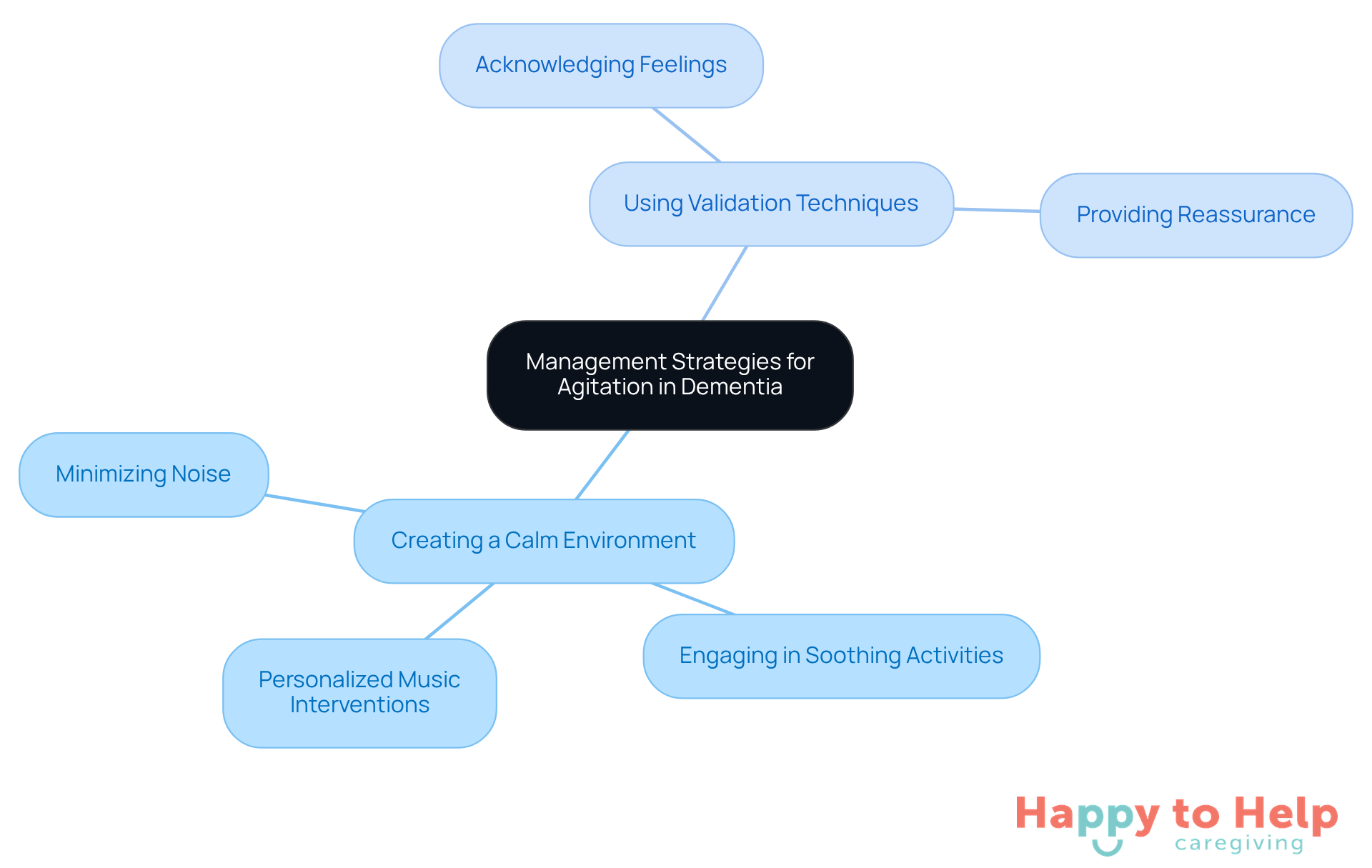
- Creating a calm environment: Minimizing noise and distractions fosters a sense of security. A tranquil setting can help alleviate feelings of unrest. Engaging in soothing activities such as listening to music, gentle exercise, or simple crafts can help redirect focus and reduce agitation in dementia. Personalized music interventions have been shown to decrease verbally agitated behaviors while enhancing pleasure without adverse effects.
- Using validation techniques: Acknowledging a person's feelings and providing reassurance helps them feel understood. This method not only soothes the individual but also assists caregivers in managing difficult behaviors.
Implementing these strategies can significantly enhance the emotional well-being of both the caregiver and the individual with dementia, creating a more harmonious living environment.
Support Caregivers: Addressing Burnout and Emotional Well-being
Caregiver support is essential for maintaining long-term care. Caregivers often face significant challenges, including burnout and emotional strain, which can impact their ability to provide effective care.
To address these issues, consider the following strategies:
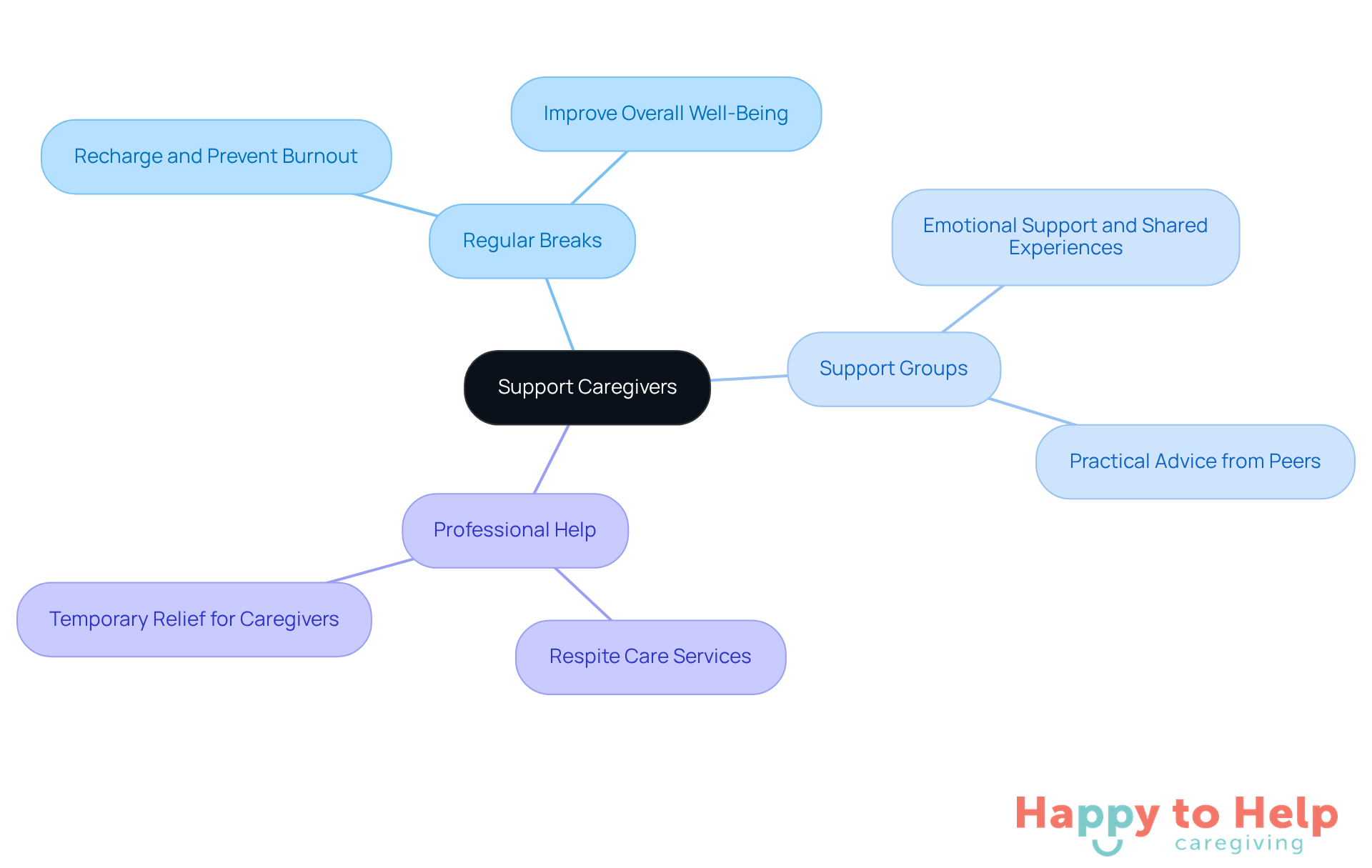
- Regular breaks: Schedule time away from caregiving duties to recharge. Taking breaks can help prevent burnout and improve overall well-being.
- Support groups: Join local or online groups to share experiences and gain insights from others in similar situations. Connecting with peers can provide emotional support and practical advice.
- Professional help: Consider respite care services to provide temporary relief. This allows caregivers to take necessary breaks while ensuring their loved ones are cared for.
By prioritizing their own well-being, caregivers can enhance their resilience and effectiveness in managing agitation in dementia for their loved ones.
Making the Right Choice
Understanding agitation in dementia presents a significant challenge for caregivers and healthcare professionals. This issue not only affects the quality of life for those living with dementia but also places a heavy burden on caregivers. Recognizing agitation as a complex symptom rather than just a behavioral problem is essential for effective management.
Agitation manifests through various symptoms, including:
- Physical restlessness
- Verbal outbursts
- Emotional distress
These behaviors can create a stressful environment for both patients and caregivers. Triggers such as environmental factors, physical discomfort, and emotional turmoil can exacerbate these symptoms, making it crucial for caregivers to identify and address them promptly.
To effectively manage agitation, caregivers can implement several practical strategies:
- Creating a calming environment
- Employing validation techniques
- Ensuring caregiver support
These approaches not only help in reducing agitation but also enhance the overall care experience for both the caregiver and the individual with dementia.
Moreover, caregivers must prioritize their own well-being alongside that of those they care for. Engaging in self-care practices, seeking peer support, and utilizing professional resources can significantly reduce caregiver burnout. By fostering a deeper understanding of agitation and its implications, caregivers can cultivate a more supportive care environment, ultimately leading to improved outcomes for everyone involved.
https://iframe.tely.ai/cta/eyJhcnRpY2xlX2lkIjogIjY5MjI0ZjgwZmViYTIxODdjZTM2NWJlYiIsICJjb21wYW55X2lkIjogIjY4ZWU1ZGNhNzMxNzYyNTU3ZjNjOTVjMSIsICJpbmRleCI6IG51bGwsICJ0eXBlIjogImFydGljbGUifQ==Frequently Asked Questions
What is agitation in dementia?
Agitation in dementia refers to a range of behaviors that indicate heightened emotional distress and restlessness, posing significant challenges for caregivers.
What are common symptoms of agitation in dementia?
Common symptoms include physical restlessness (such as pacing or fidgeting), verbal outbursts (like shouting or aggressive language), and emotional distress (expressions of anxiety, frustration, or anger).
How prevalent is agitation in individuals with dementia?
Research indicates that agitation affects 30% to 80% of people with dementia, particularly as the condition progresses.
Why is early identification of agitation in dementia important?
Early identification is crucial because 49% of caregivers find managing agitation more challenging than dealing with memory loss, highlighting the need for proactive care strategies.
How can caregivers differentiate agitation in dementia from normal cognitive decline?
Caregivers should recognize that agitation may require different care strategies than memory loss, as it reflects emotional distress rather than just cognitive decline.
What do experts suggest about managing agitation in dementia?
Experts emphasize the importance of early recognition and intervention, suggesting that integrating diagnostics with symptom-specific treatments can enhance personalized care.
What is the general public's awareness of agitation symptoms related to Alzheimer's disease?
Notably, 40% of U.S. adults do not associate symptoms of restlessness with Alzheimer's disease, indicating a significant misunderstanding about the condition.
How do caregivers feel about managing agitation in dementia?
A significant 93% of caregivers report feeling overwhelmed or emotionally exhausted due to the distress symptoms associated with agitation in dementia.
Are there any treatment options available for agitation in dementia?
Yes, current management options include therapies like Brexpiprazole, which is FDA-approved for addressing restlessness in Alzheimer's disease.
List of Sources
- Define Agitation in Dementia: Key Concepts and Symptoms
- Advances in managing agitation in Alzheimer’s disease: Insights from AAIC 2025 - touchNEUROLOGY (https://touchneurology.com/insight/advances-agitation-alzheimers-disease-aaic-2025)
- Widespread Misunderstanding of Agitation in Alzheimer Dementia Leaves US Caregivers Struggling (https://hmpgloballearningnetwork.com/site/altc/news/widespread-misunderstanding-agitation-alzheimer-dementia-leaves-us-caregivers)
- New Survey Reveals Critical Gaps in Awareness and Understanding of Agitation in Alzheimer’s Dementia - Alliance for Aging Research (https://agingresearch.org/news/new-survey-reveals-critical-gaps-in-awareness-and-understanding-of-agitation-in-alzheimers-dementia)
- Publication Highlights Person-Centered Approach to Managing Agitation in Alzheimer’s Disease (https://geron.org/News-Events/GSA-News/Press-Room/Press-Releases/publication-highlights-person-centered-approach-to-managing-agitation-in-alzheimers-disease)
- Identify Causes of Agitation: Triggers and Underlying Factors
- The Real-World Burden of Dementia-Related Agitation: Insights, Impacts, and Innovations (https://psychiatryadvisor.com/cch/dementia-related-agitation-alzheimer-disease-brexpiprazole)
- Indoor environmental conditions and likelihood of reported violence and aggression in a purpose-built residential dementia hospital (https://sciencedirect.com/science/article/pii/S0272494424002500)
- Agitation and Dementia: Prevention and Treatment Strategies in Acute and Chronic Conditions - PMC (https://pmc.ncbi.nlm.nih.gov/articles/PMC8085397)
- The Surprising Trigger for Intense Dementia-Related Behaviors (https://responsive-homecare.com/unexpected-trigger-for-intense-dementia-related-behaviors)
- New Survey Reveals Critical Gaps in Awareness and Understanding of Agitation in Alzheimer’s Dementia - Alliance for Aging Research (https://agingresearch.org/news/new-survey-reveals-critical-gaps-in-awareness-and-understanding-of-agitation-in-alzheimers-dementia)
- Implement Strategies for Management: Techniques and Interventions
- Multisensory stimulation reduces neuropsychiatric symptoms and enhances cognitive function in older adults with dementia: A meta-analysis of randomized controlled trials (https://sciencedirect.com/science/article/pii/S2274580725000354)
- Non-drug therapies show real promise in calming agitation in Alzheimer’s (https://news-medical.net/news/20250528/Non-drug-therapies-show-real-promise-in-calming-agitation-in-Alzheimere28099s.aspx)
- Coping With Agitation, Aggression, and Sundowning in Alzheimer's Disease (https://nia.nih.gov/health/alzheimers-changes-behavior-and-communication/coping-agitation-aggression-and-sundowning)
- Expert Consensus Highlights Evidence-Based Recommendations for Managing Agitation in Alzheimer Dementia (https://hmpgloballearningnetwork.com/site/altc/news/expert-consensus-highlights-evidence-based-recommendations-managing-agitation)
- Doll Therapy May Help Calm Agitation in Patients With Dementia (https://neurologyadvisor.com/news/doll-therapy-calm-agitation-patients-with-dementia)
- Support Caregivers: Addressing Burnout and Emotional Well-being
- Alzheimer’s Association Encourages Dementia Caregivers to Make Their Health and Well-Being an Equal Priority (https://alz.org/news/2024/november-national-family-caregivers-month)
- The Benefits of Support Groups for Older Adults and Caregivers (https://watermarkcommunities.com/resources/in-the-news/the-benefits-of-support-groups-for-older-adults-and-caregivers)
- Caregiving connects us, community strengthens us - VA News (https://news.va.gov/143323/caregiving-connects-us-community-strengthens-us)
- Caregiving can be a tough, lonely mission. One daughter found ways to reconnect (https://npr.org/sections/shots-health-news/2024/10/31/nx-s1-5172517/caregiver-caregiving-isolation-burnout-resources)
- New program reduces burnout in dementia caregivers, novel research evaluation proves (https://publichealth.gmu.edu/news/2025-10/new-program-reduces-burnout-dementia-caregivers-novel-research-evaluation-proves)