

For families in our service areas
For families in our service areas, this guide explains dementia care and how non-medical in-home caregiving can support care planning in East Idaho, Treasure Valley & Magic Valley, Northern Wasatch, North Central West Virginia, and Northeast Ohio.
Why Agitation in Dementia Patients: Causes Matters
Understanding agitation in dementia patients presents a significant challenge for caregivers, often overlooked in the caregiving process. With a staggering 90% of individuals with Alzheimer's likely to experience behavioral issues, caregivers must navigate the complexities of identifying and managing agitation, which can manifest in distressing ways.
This issue not only affects the patients but also places a heavy emotional and practical burden on caregivers. The implications of unmanaged agitation can lead to increased stress and decreased quality of life for both parties. Therefore, it is crucial to explore the causes of agitation, ranging from physical discomfort to psychological triggers.
Fortunately, there are practical management strategies that caregivers can implement to significantly improve the situation. By understanding the root causes and employing effective techniques, caregivers can enhance the quality of life for their loved ones. How can caregivers effectively navigate this challenging landscape to provide the best support? This article will delve into actionable solutions that can make a real difference.
Define Agitation in Dementia
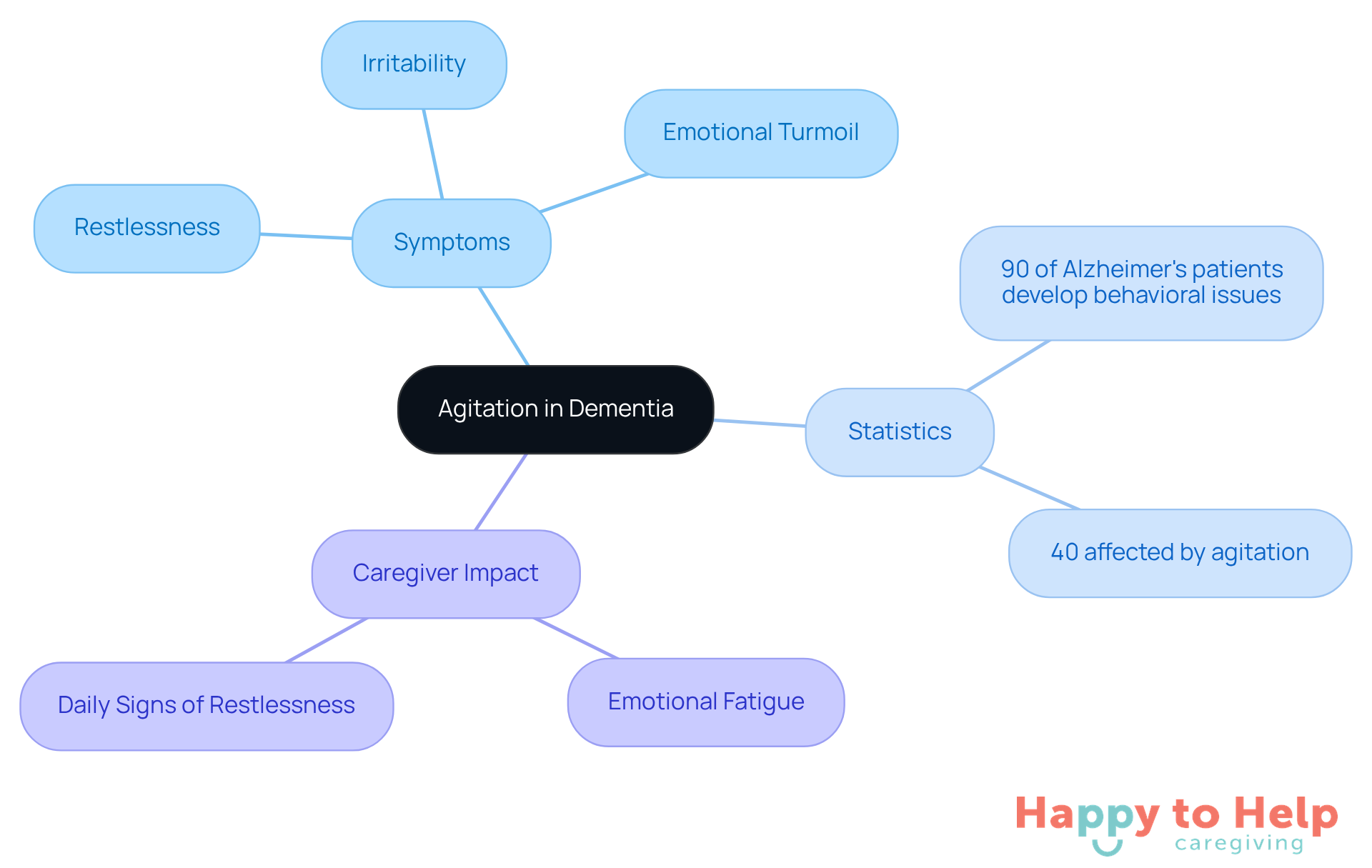
Agitation in dementia patients presents a significant challenge for caregivers, encompassing behaviors like restlessness, irritability, and emotional turmoil. These behaviors can manifest physically, such as through pacing or fidgeting, and verbally, through expressions of frustration or aggression. Understanding this unrest is crucial, as it often signals unmet needs or discomfort in the patient.
Studies indicate that around 90% of individuals with Alzheimer's dementia will face behavioral issues, with agitation in dementia patients affecting 40% of those with dementia. Recognizing these signs early allows caregivers to respond effectively, potentially reducing distress and improving the overall quality of care. For instance, a nationwide study revealed that 93% of caregivers for those with Alzheimer’s experience emotional fatigue, with 59% witnessing daily signs of restlessness in their loved ones.
This underscores the necessity for caregivers to be aware of restlessness as a distinct neuropsychiatric symptom, separate from cognitive decline. Many caregivers may not realize this difference, which can hinder their ability to provide effective support. By fostering open communication with healthcare professionals and understanding the nuances of restlessness, caregivers can enhance care outcomes and assist their loved ones more effectively.
Identify Causes of Agitation
Agitation in dementia patients poses a significant challenge for caregivers, arising from various causes that necessitate careful consideration. Understanding these triggers is essential for effective caregiving to manage agitation in dementia patients.
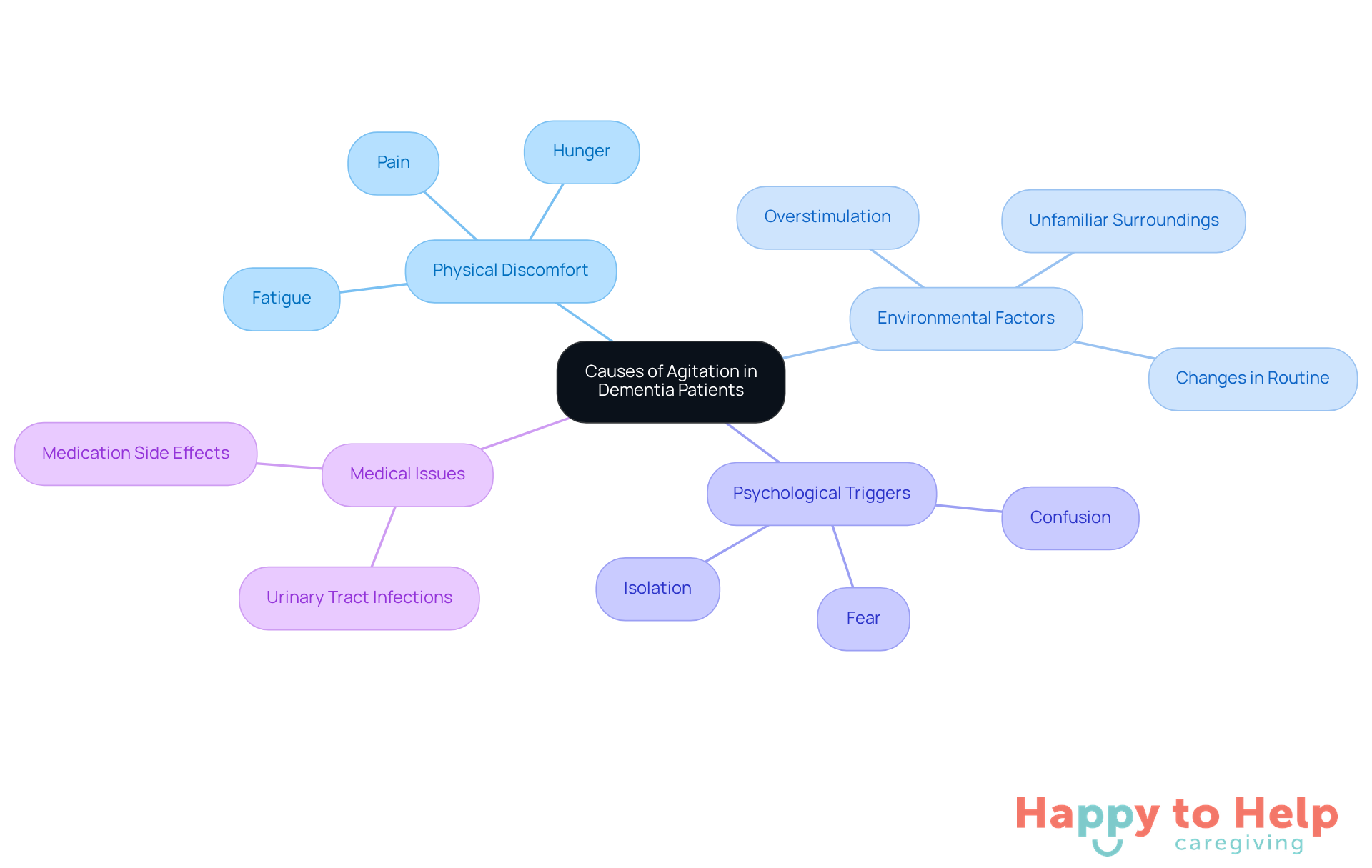
Problem: Agitation can arise from several key contributors:
- Physical discomfort: Common issues like pain, hunger, or fatigue can lead to significant agitation. Research indicates that addressing these basic needs is crucial for reducing distress, as unmet needs can exacerbate restlessness.
- Environmental factors: Overstimulation from excessive noise, bright lights, or unfamiliar surroundings can trigger distress in individuals with cognitive decline. Changes in routine or support arrangements may also overwhelm them, resulting in heightened agitation.
- Psychological triggers: Emotions such as fear, isolation, or confusion are prevalent among dementia patients and can intensify unrest. Caregivers often find that understanding these emotional responses enables them to provide better support. One provider noted, "When restlessness starts, it can be alarming and perplexing." Recognizing that it’s part of the disease can help caregivers feel less isolated and more hopeful.
- Medical issues: Underlying medical conditions, like urinary tract infections or medication side effects, can lead to restlessness. Research shows that agitation in dementia patients often leads to the need for additional healthcare consultations and results in increased hospitalization rates, underscoring the necessity for vigilant health monitoring.
Recognizing these triggers allows caregivers to implement effective strategies to reduce agitation in dementia patients and improve their quality of life. Notably, 67.5% of individuals with Alzheimer's disease experience frequent restlessness, highlighting the prevalence of this issue. Distressed individuals also incur greater healthcare costs, averaging $32,322 annually compared to $30,121 for those without distress, illustrating the financial burden associated with agitation.
Solution: Caregivers can take proactive steps to address these challenges. By ensuring physical comfort, creating a calming environment, understanding emotional triggers, and monitoring medical conditions, they can significantly lessen agitation in dementia patients and enhance their overall well-being.
Implement Management Strategies
Managing agitation in dementia patients is a significant challenge faced by caregivers. With nearly 10 million new cases of dementia reported each year, the implications of this issue are profound, affecting both the well-being of patients and the caregiving experience.
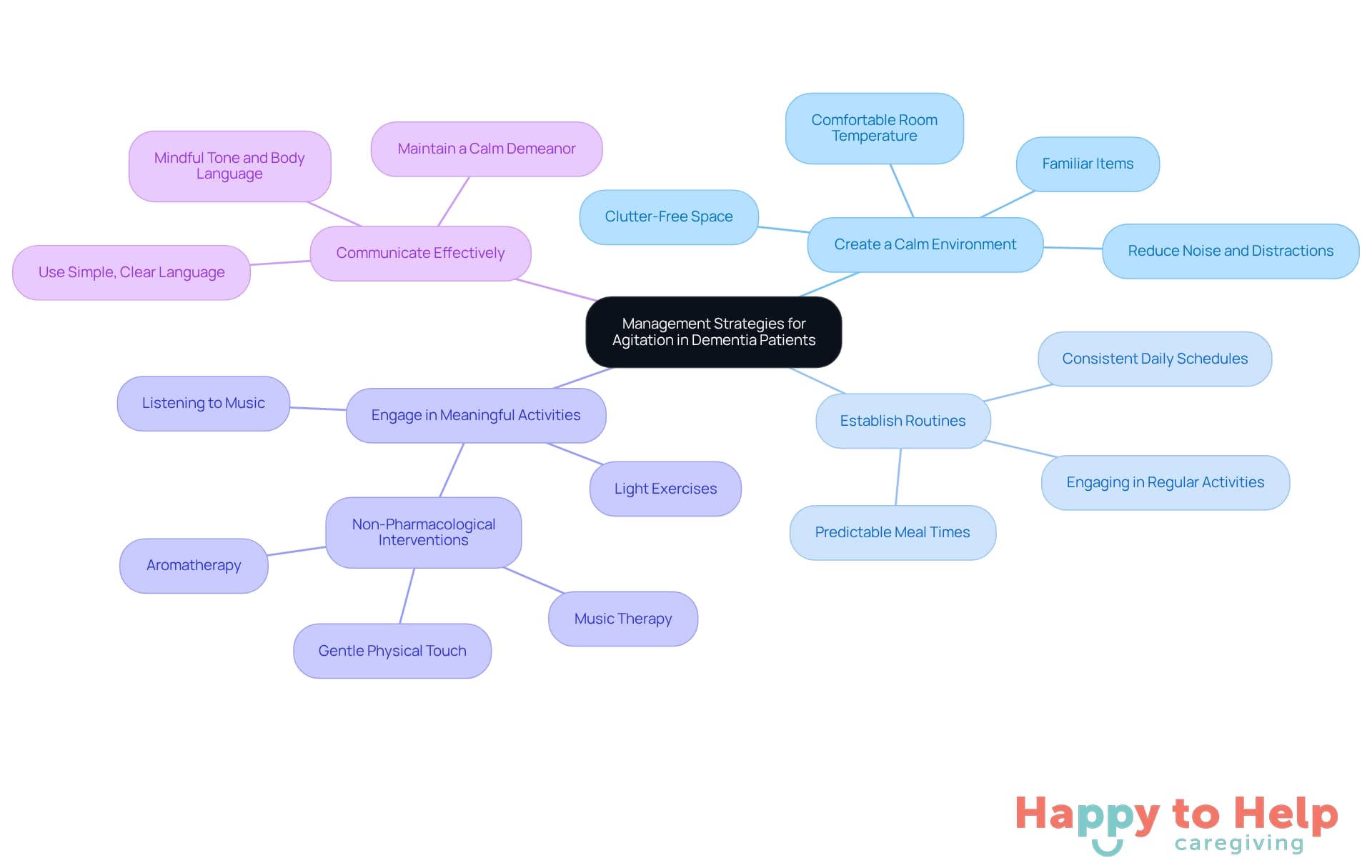
To address this problem, caregivers can implement several key strategies:
- Create a Calm Environment: Reducing noise and distractions is essential for helping patients feel secure. A clutter-free space with familiar items can significantly lower anxiety levels.
- Establish Routines: Consistent daily schedules provide a sense of stability and predictability, crucial for individuals with dementia. Engaging in regular activities at the same time each day can help reduce confusion and agitation in dementia patients. As Juliet Gallagher highlights, "A regular daily schedule with significant activities is highly advised to lessen unrest and improve individual involvement."
- Engage in Meaningful Activities: Involving patients in activities they enjoy can redirect their focus and lessen restlessness. Simple pleasures, such as listening to music or participating in light exercises, can enhance mood and engagement. Utilizing non-pharmacological interventions, such as music therapy, aromatherapy, and gentle physical touch, has been shown to effectively calm agitation in dementia patients. Personalized music interventions, for instance, can reduce verbally agitated behaviors while increasing pleasure without escalating negative emotions. Research indicates that non-pharmacological interventions have demonstrated a reduction of agitation in dementia patients within 10-14 days following completion.
- Communicate Effectively: Using simple, clear language and maintaining a calm demeanor helps individuals feel understood and supported. Caregivers should be mindful of their tone and body language, as these can significantly influence the emotional state of the individual.
By implementing these strategies, caregivers can foster a more positive caregiving experience and significantly enhance the well-being of dementia patients.
Moving Forward with Agitation in Dementia Patients: Causes
Understanding agitation in dementia patients presents a significant challenge for caregivers. This complex behavior, often characterized by restlessness and emotional distress, is not just a symptom of cognitive decline; it signals unmet needs that require attention. Recognizing the nuances of agitation empowers caregivers to provide effective support and create a stable environment for their loved ones.
Several key causes of agitation include physical discomfort, environmental factors, psychological triggers, and underlying medical conditions. By identifying these contributors, caregivers can implement targeted strategies to alleviate distress. Effective management techniques such as:
- Creating calming environments
- Establishing routines
- Engaging in meaningful activities
- Communicating clearly
These approaches can significantly reduce agitation levels and enhance the overall caregiving experience.
Ultimately, addressing agitation in dementia patients goes beyond symptom management; it enhances the dignity and well-being of individuals living with this condition. Caregivers should remain vigilant and proactive in understanding and responding to agitation, fostering a compassionate approach that prioritizes the emotional and physical needs of those they care for. By embracing these insights and strategies, caregivers can facilitate more fulfilling interactions and improve the quality of life for both patients and themselves.
https://iframe.tely.ai/cta/eyJhcnRpY2xlX2lkIjogIjY5Mjc5NGRiNmFmMzU5NTU2OTU3ODdiNiIsICJjb21wYW55X2lkIjogIjY4ZWU1ZGNhNzMxNzYyNTU3ZjNjOTVjMSIsICJpbmRleCI6IG51bGwsICJ0eXBlIjogImFydGljbGUifQ==Frequently Asked Questions
What is agitation in dementia patients?
Agitation in dementia patients refers to behaviors such as restlessness, irritability, and emotional turmoil, which can manifest physically (like pacing or fidgeting) or verbally (through expressions of frustration or aggression).
How common is agitation among individuals with dementia?
Agitation affects approximately 40% of individuals with dementia, and studies show that around 90% of those with Alzheimer's dementia will encounter behavioral issues.
Why is it important for caregivers to recognize agitation in dementia patients?
Recognizing agitation is crucial as it often indicates unmet needs or discomfort in the patient. Early recognition allows caregivers to respond effectively, potentially reducing distress and improving the quality of care.
What challenges do caregivers face regarding agitation in dementia patients?
Caregivers often experience emotional fatigue, with 93% of caregivers for individuals with Alzheimer’s reporting this issue. Additionally, 59% observe daily signs of restlessness in their loved ones.
How can caregivers improve their ability to support dementia patients experiencing agitation?
Caregivers can enhance support by understanding restlessness as a distinct neuropsychiatric symptom, separate from cognitive decline, and by fostering open communication with healthcare professionals about the nuances of these behaviors.
List of Sources
- Define Agitation in Dementia
- New Survey Reveals Critical Gaps in Awareness and Understanding of Agitation in Alzheimer’s Dementia - Alliance for Aging Research (https://agingresearch.org/news/new-survey-reveals-critical-gaps-in-awareness-and-understanding-of-agitation-in-alzheimers-dementia)
- Study: Synthetic THC May Reduce Agitation in Patients with Alzheimer’s Dementia (https://tuftsmedicine.org/about-us/news/study-synthetic-thc-may-reduce-agitation-patients-alzheimers-dementia)
- 2025 News - University of Maryland School of Medicine Launches Groundbreaking Study on THC/CBD Therapy for Dementia-Related Agitation at End of Life | University of Maryland School of Medicine (https://medschool.umaryland.edu/news/2025/university-of-maryland-school-of-medicine-launches-groundbreaking-study-on-thccbd-therapy-for-dementia-related-agitation-at-end-of-life.html)
- Widespread Misunderstanding of Agitation in Alzheimer Dementia Leaves US Caregivers Struggling (https://hmpgloballearningnetwork.com/site/altc/news/widespread-misunderstanding-agitation-alzheimer-dementia-leaves-us-caregivers)
- Identify Causes of Agitation
- New Survey Reveals Critical Gaps in Awareness and Understanding of Agitation in Alzheimer’s Dementia - Alliance for Aging Research (https://agingresearch.org/news/new-survey-reveals-critical-gaps-in-awareness-and-understanding-of-agitation-in-alzheimers-dementia)
- Agitation in Dementia: Real-World Impact and Burden on Patients and the Healthcare System - PMC (https://pmc.ncbi.nlm.nih.gov/articles/PMC8461728)
- Healthcare Resource Utilization Among Patients With Agitation in Alzheimer Dementia | Published in Journal of Health Economics and Outcomes Research (https://jheor.org/article/124455-healthcare-resource-utilization-among-patients-with-agitation-in-alzheimer-dementia)
- Agitation and Aggression Associated with Alzheimer’s Dementia: Coping Strategies for Caregivers - Alzheimer's Orange County (https://alzoc.org/agitation-and-aggression-associated-with-alzheimers-dementia-coping-strategies-for-caregivers)
- FDA Approves First Drug to Treat Agitation Symptoms Associated with Dementia due to Alzheimer’s Disease (https://fda.gov/news-events/press-announcements/fda-approves-first-drug-treat-agitation-symptoms-associated-dementia-due-alzheimers-disease)
- Implement Management Strategies
- Understanding and Managing Agitation in Dementia (https://verywellhealth.com/agitation-in-dementia-11711137)
- Anxiety & Agitation | Alzheimer's Association (https://alz.org/help-support/caregiving/stages-behaviors/anxiety-agitation)
- Non-drug therapies show real promise in calming agitation in Alzheimer’s (https://news-medical.net/news/20250528/Non-drug-therapies-show-real-promise-in-calming-agitation-in-Alzheimere28099s.aspx)
- Barriers and facilitators to care for agitation and/or aggression among persons living with dementia in long-term care - BMC Geriatrics (https://bmcgeriatr.biomedcentral.com/articles/10.1186/s12877-024-04919-0)
- Expert Consensus Highlights Evidence-Based Recommendations for Managing Agitation in Alzheimer Dementia (https://hmpgloballearningnetwork.com/site/altc/news/expert-consensus-highlights-evidence-based-recommendations-managing-agitation)