

For families in our service areas
For families in our service areas, this guide explains alzheimer's care and how non-medical in-home caregiving can support care planning in East Idaho, Treasure Valley & Magic Valley, Northern Wasatch, North Central West Virginia, and Northeast Ohio.
What You Need to Know About Alzheimer Patients: Do They Know They
Understanding the complexities of Alzheimer's disease presents a significant challenge for caregivers. Approximately 10% of individuals aged 65 and older are affected by this progressive condition, and the degree of awareness among patients can vary drastically. This variability often leads to profound challenges for those providing care, as many patients may lose insight into their own condition as the disease advances.
This raises a critical question: do Alzheimer patients know they have it? The implications of this lack of awareness can be profound, affecting communication and emotional connections between caregivers and their loved ones. Caregivers must navigate these emotional and cognitive landscapes, which can be overwhelming and isolating.
To address these challenges, caregivers can adopt effective communication strategies that foster understanding and support. By equipping themselves with the right tools, they can enhance their interactions with patients, ultimately improving the caregiving experience. This exploration into awareness not only sheds light on the experiences of those with Alzheimer’s but also empowers caregivers to provide compassionate and informed care.
Understand Alzheimer's Disease and Awareness Levels
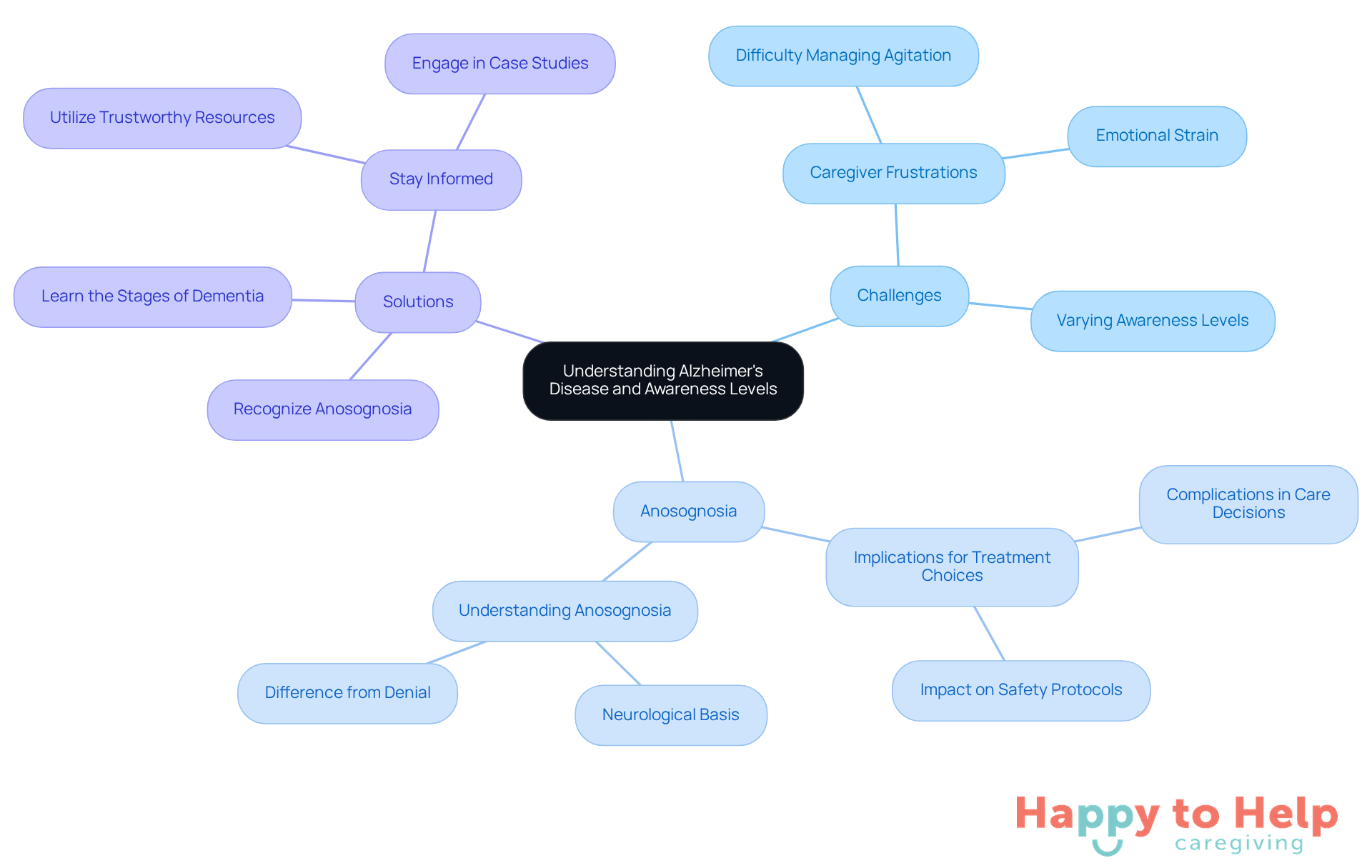
To effectively care for someone with dementia, understanding the condition is crucial. Dementia is a progressive neurological disorder that affects memory, cognition, and behavior. Awareness levels can vary significantly among patients, raising the question of whether do Alzheimer patients know they have it, often influenced by the disease's stage. In the early stages, individuals may recognize their cognitive decline, but as the disease progresses, many lose this awareness, leading to the question of whether do Alzheimer patients know they have it, a phenomenon known as anosognosia.
Problem: Many caregivers face significant challenges due to the varying levels of awareness in dementia patients. Research indicates that approximately 10% of individuals aged 65 and older have Alzheimer's, and awareness diminishes as the disease advances. This can lead to frustration for both the caregiver and the patient.
Agitate: Understanding anosognosia is essential, as it raises the question of whether do Alzheimer patients know they have it. This lack of insight can complicate treatment choices and safety protocols. Almost half of caregivers report that managing agitation symptoms in dementia is more challenging than dealing with memory loss, highlighting the difficulties encountered in providing support.
Solution: To navigate these challenges, caregivers can take several practical steps:
- Learn the Stages of Dementia: Familiarize yourself with the different stages, from mild cognitive impairment to severe dementia. Each stage presents unique challenges and varying levels of awareness.
- Recognize Anosognosia: Be aware that many individuals may not recognize their condition, which can lead to frustration. Understanding this can help in managing expectations and responses.
- Stay Informed: Regularly update your knowledge of dementia through trustworthy resources, such as reputable organizations or medical journals. Utilizing strategies from case studies on managing anosognosia can provide practical guidance for caregivers, helping to navigate the complexities of care.
Recognize Signs of Awareness in Patients
Recognizing signs of awareness in individuals with Alzheimer's can be challenging, yet it is essential for effective caregiving. Caregivers often struggle with the issue of do Alzheimer patients know they have it, which can lead to feelings of frustration and helplessness. This lack of awareness can complicate caregiving efforts and impact the emotional well-being of both the caregiver and the patient.
To address this issue, here are some practical steps caregivers can take:
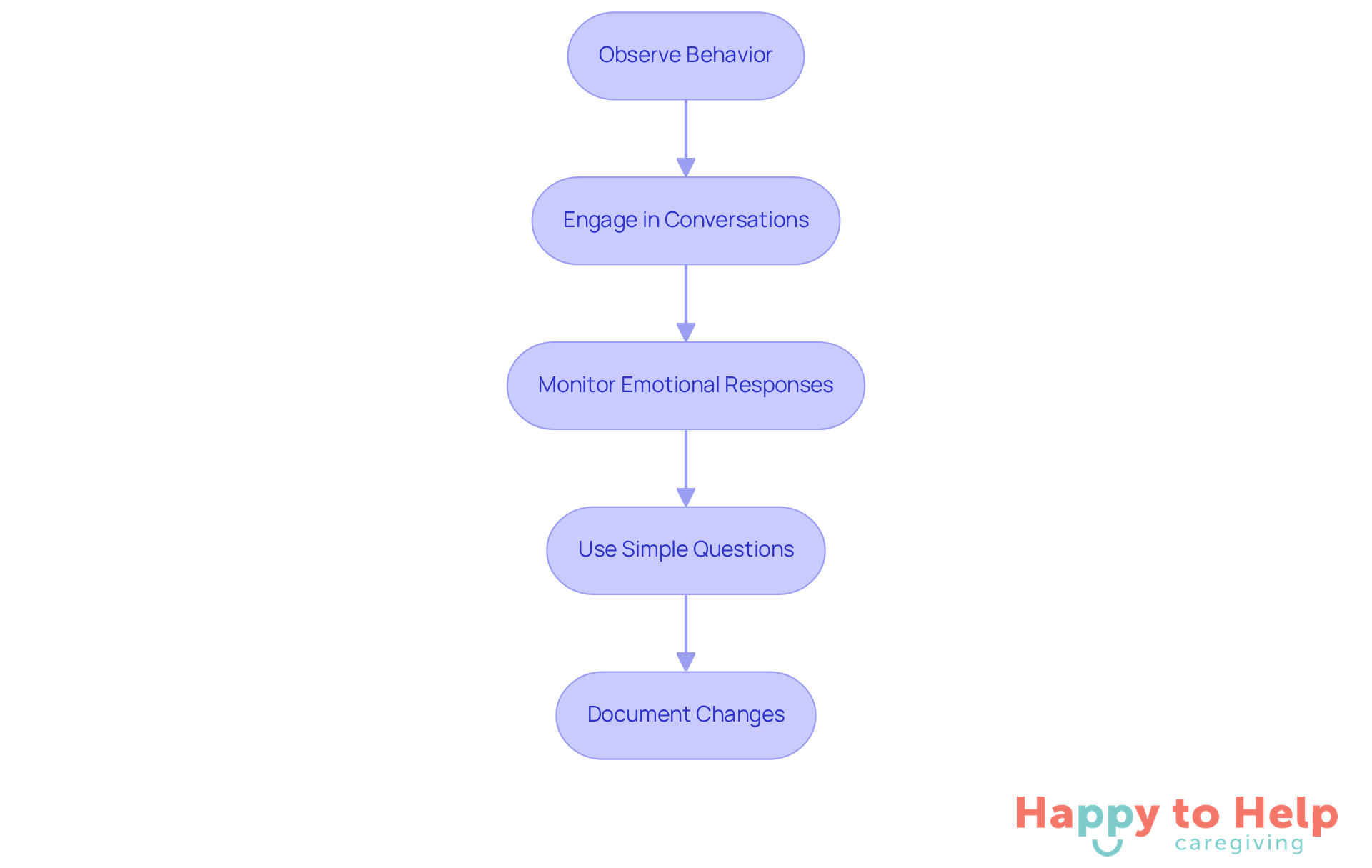
- Observe Behavior: Pay attention to how the individual reacts to questions about their condition. Some may express confusion or frustration, which leads to the question of whether do Alzheimer patients know they have it.
- Engage in Conversations: Initiate discussions about daily activities or past experiences. Patients who can recall events or express feelings about their condition may have some level of awareness, raising the question of do Alzheimer patients know they have it.
- Monitor Emotional Responses: Notice if the patient shows signs of anxiety or sadness when discussing their memory issues. Emotional reactions can indicate if do Alzheimer patients know they have it. As Rob Guzas Jr. observes, "Love means showing up fully, especially when things get hard," emphasizing the significance of recognizing these feelings.
- Use Simple Questions: Ask straightforward questions about their feelings or thoughts. Their responses can provide insight into their awareness level.
- Document Changes: Keep a journal of observed behaviors and responses over time to track any changes in awareness, which can help in adjusting care strategies.
By employing these techniques, caregivers can better understand the emotional landscape of their loved ones, fostering a more supportive and responsive caregiving environment. With almost 12 million Americans offering unpaid support for relatives affected by dementia, acknowledging awareness is crucial for improving the quality of care.
Implement Effective Communication Strategies
Effective communication is essential for connecting with individuals who have Alzheimer's disease, especially when considering if do Alzheimer patients know they have it. Caregivers often face significant challenges in this area, which can lead to frustration and emotional strain.
To address these challenges, here are strategies to enhance your interactions:
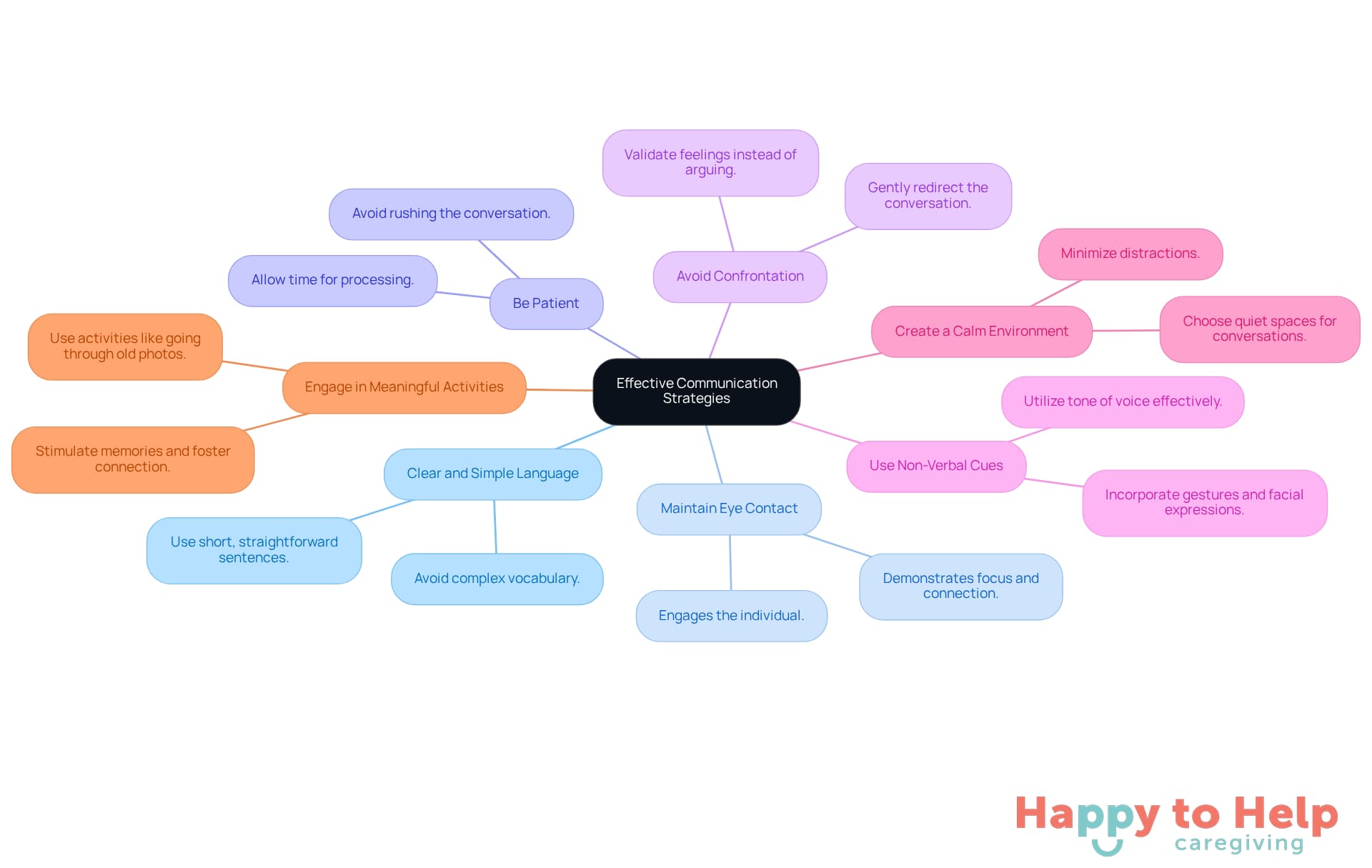
- Use Clear and Simple Language: Favor short, straightforward sentences. Avoid complex vocabulary that may confuse the individual, as clarity is crucial for understanding.
- Maintain Eye Contact: Establishing eye contact engages the individual and demonstrates your focus on them, fostering a sense of connection.
- Be Patient: Allow ample time for the individual to process information and respond. Rushing can lead to frustration and hinder effective communication.
- Avoid Confrontation: If the individual expresses confusion or denial, refrain from arguing. Instead, validate their feelings and gently redirect the conversation to maintain a supportive atmosphere.
- Use Non-Verbal Cues: Incorporate gestures, facial expressions, and tone of voice to convey your message. Non-verbal communication can often resonate more deeply than words alone, enhancing understanding.
- Create a Calm Environment: Minimize distractions by choosing a quiet space for conversations. A serene environment can help the individual focus better and engage more fully in the interaction.
- Engage in Meaningful Activities: Activities like going through old photos can help stimulate memories and foster connection, making conversations more engaging and enjoyable.
These methods not only enhance communication but also significantly impact the involvement and mental wellness of individuals with memory loss, raising the question of do Alzheimer patients know they have it, and helping them feel appreciated and understood. Furthermore, caregivers should be aware of their own psychological challenges, as navigating these interactions can be demanding and requires self-care.
Provide Emotional Support and Companionship
Emotional support is vital for individuals with Alzheimer's, significantly impacting their overall well-being. However, caregivers often face high stress levels, especially when they wonder do Alzheimer patients know they have it, with 59% reporting high or very high stress. This highlights the need for caregivers to prioritize their own well-being while supporting their loved ones.
Here are effective strategies to provide companionship and enhance emotional health:
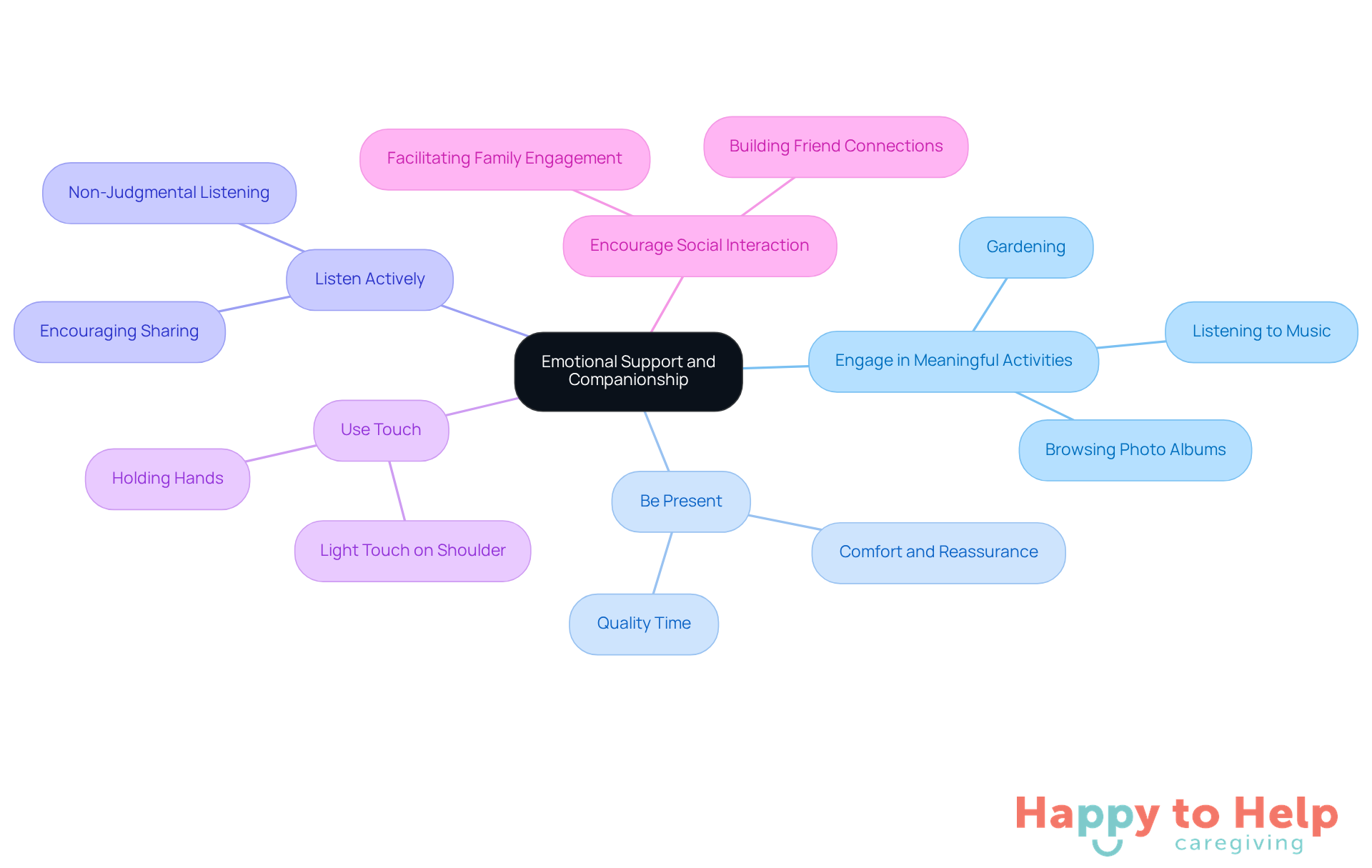
- Engage in Meaningful Activities: Involve the individual in activities they enjoy, such as listening to music, browsing through photo albums, or gardening. These experiences can trigger positive memories and emotions, fostering a sense of joy.
- Be Present: Dedicate quality time to the individual, even if they may not always recognize you. Your presence alone can offer comfort and reassurance, which raises the question of do Alzheimer patients know they have it and reinforces their sense of security.
- Listen Actively: Encourage the patient to share their feelings and thoughts. Listening without judgment helps them feel valued and understood, fostering a sense of connection, which raises the question: do Alzheimer patients know they have it?
- Use Touch: Gentle physical contact, like holding hands or a light touch on the shoulder, can convey warmth and support, enhancing the emotional bond. Establishing a daily routine can help clarify whether do Alzheimer patients know they have it, as it provides structure and predictability that aids them in navigating their day with ease.
- Encourage Social Interaction: Facilitate opportunities for the patient to engage with family and friends. Social connections are vital for emotional health, as they can alleviate feelings of isolation and enhance overall well-being.
As Elizabeth Edgerly, senior director of community programs and services, states, "Maintaining your health can help you be a better supporter." Furthermore, supporters should acknowledge that individuals with dementia can also offer assistance, cultivating a mutually advantageous relationship that improves emotional well-being for both sides. Educational support for caregivers is crucial, equipping them with the necessary skills and resources to assist their loved ones effectively.
Making the Right Choice
Understanding the complexities of Alzheimer’s disease presents a significant challenge for caregivers and loved ones. The varying levels of awareness in patients can lead to misunderstandings, impacting caregiving strategies and emotional connections. This lack of understanding can create frustration and emotional strain for both caregivers and patients.
To address these challenges, caregivers must recognize that many individuals may not fully grasp their condition. By approaching their roles with greater empathy and tailored support, caregivers can enhance the quality of care provided. This involves not only acknowledging the emotional landscape of patients but also implementing practical steps to improve communication and emotional support.
Throughout this guide, we’ve shared key insights about the stages of dementia, the phenomenon of anosognosia, and effective strategies for fostering a supportive environment. Here are some actionable tips:
- Observe behaviors: Pay attention to non-verbal cues that may indicate feelings or needs.
- Engage in meaningful activities: Find activities that resonate with the patient’s interests to promote connection.
By prioritizing awareness and effective communication, caregivers can create a compassionate framework that empowers both themselves and their loved ones. Embracing these practices not only aids in the well-being of patients but also alleviates the stress experienced by caregivers. Ultimately, the journey of caring for someone with Alzheimer’s is about nurturing the human connection, underscoring the importance of understanding and compassion in the face of this challenging disease.
https://iframe.tely.ai/cta/eyJhcnRpY2xlX2lkIjogIjY5NDBhMjM5OTc5ZjhiMGM0MmQzYjU4MyIsICJjb21wYW55X2lkIjogIjY4ZWU1ZGNhNzMxNzYyNTU3ZjNjOTVjMSIsICJpbmRleCI6IG51bGwsICJ0eXBlIjogImFydGljbGUifQ==Frequently Asked Questions
What is Alzheimer's disease?
Alzheimer's disease is a progressive neurological disorder that affects memory, cognition, and behavior.
How does awareness of the condition vary among Alzheimer's patients?
Awareness levels can vary significantly among patients, often influenced by the disease's stage. In the early stages, individuals may recognize their cognitive decline, but as the disease progresses, many lose this awareness, a phenomenon known as anosognosia.
What challenges do caregivers face due to varying levels of awareness in dementia patients?
Caregivers face significant challenges due to the varying levels of awareness in dementia patients, including frustration when patients do not recognize their condition and difficulties in managing symptoms.
What percentage of individuals aged 65 and older have Alzheimer's disease?
Approximately 10% of individuals aged 65 and older have Alzheimer's disease.
Why is understanding anosognosia important for caregivers?
Understanding anosognosia is essential because it raises questions about whether Alzheimer's patients know they have the condition. This lack of insight can complicate treatment choices and safety protocols.
What do caregivers find more challenging to manage in dementia patients?
Almost half of caregivers report that managing agitation symptoms in dementia is more challenging than dealing with memory loss.
What practical steps can caregivers take to navigate the challenges of caring for someone with Alzheimer's?
Caregivers can take several practical steps, including learning the stages of dementia, recognizing anosognosia, and staying informed through trustworthy resources.
How can caregivers familiarize themselves with the stages of dementia?
Caregivers can familiarize themselves with the different stages of dementia, from mild cognitive impairment to severe dementia, to understand the unique challenges and varying levels of awareness presented at each stage.
Where can caregivers find reliable information about dementia?
Caregivers can stay informed by regularly updating their knowledge of dementia through trustworthy resources, such as reputable organizations or medical journals.
List of Sources
- Understand Alzheimer's Disease and Awareness Levels
- New Survey Reveals Critical Gaps in Awareness and Understanding of Agitation in Alzheimer’s Dementia - Alliance for Aging Research (https://agingresearch.org/news/new-survey-reveals-critical-gaps-in-awareness-and-understanding-of-agitation-in-alzheimers-dementia)
- Anosognosia | Alzheimer's Association (https://alz.org/alzheimers-dementia/what-is-dementia/related\_conditions/anosognosia)
- New Alzheimer’s Association Report: Americans Want Early Diagnosis, Treatment and Are Open to Risk-Taking to Slow Disease Progression (https://alz.org/news/2025/facts-figures-report-alzheimers-treatment)
- 8 recent breakthroughs in the fight against Alzheimer’s disease (https://weforum.org/stories/2025/06/recent-breakthroughs-fight-against-alzheimers-disease)
- Recognize Signs of Awareness in Patients
- Bridging Gaps in Dementia Care: PAs as Champions of Early Detection and Support Bridging Gaps in Dementia Care: PAs as Champions of Early Detection and Support (https://aapa.org/news-central/2025/11/bridging-gaps-in-dementia-care-pas-as-champions-of-early-detection-and-support)
- Alzheimer’s Association Honors the Nearly 12 Million Americans Who Serve as Dementia Caregivers and Shares New Resources to Help Them Thrive (https://alz.org/news/2025/november-national-family-caregivers-alzheimers-disease-awareness-month)
- Health officials are urging Mississippians to understand the signs of Alzheimer’s disease (https://mpbonline.org/blogs/news/health-officials-are-urging-mississippians-to-understand-the-signs-of-alzheimers-disease)
- New PSAs Aim to Help Families Identify Subtle Signs of Alzheimer's in Loved Ones (https://prnewswire.com/news-releases/new-psas-aim-to-help-families-identify-subtle-signs-of-alzheimers-in-loved-ones-302425206.html)
- Stats to Know for National Alzheimer’s Disease Awareness Month (https://abrahamfamilymedicine.com/stats-to-know-for-national-alzheimers-disease-awareness-month)
- Implement Effective Communication Strategies
- Communication | Alzheimer's Association (https://alz.org/help-support/caregiving/daily-care/communications)
- Finding Support - Introduction (https://caregiveraction.org/finding-support)
- Caring for a Loved One with Alzheimer’s Disease: Facts and Stats (https://healthline.com/health/alzheimers/caregiver-facts)
- Most effective way to communicate with Alzheimer's patients identified (https://medicalxpress.com/news/2024-11-effective-communicate-alzheimer-patients.html)
- Improv training: A new approach to dementia care | Emory University | Atlanta GA (https://news.emory.edu/stories/2025/01/hs\_improving\_dementia\_care\_through\_improv\_15-01-2025/story.html)
- Provide Emotional Support and Companionship
- Study Finds Gratitude Matters for Caregivers of People with Alzheimer’s (https://news.web.baylor.edu/news/story/2024/study-finds-gratitude-matters-caregivers-people-alzheimers)
- Empathy’s Influence: Dementia Patients Supporting Caregivers (https://caes.ucdavis.edu/news/empathys-influence-dementia-patients-supporting-caregivers)
- Caregiver support: Recognizing its importance during World Alzheimer’s Month (https://wolterskluwer.com/en/expert-insights/caregiver-support-recognizing-importance-during-world-alzheimers-month)
- Alzheimer’s Association Encourages Dementia Caregivers to Make Their Health and Well-Being an Equal Priority (https://alz.org/news/2024/november-national-family-caregivers-month)