Understanding Apps for Caregivers: Features and Benefits
For families in our service areas
For families in our service areas, this guide explains caregiver support and how non-medical in-home caregiving can support care planning in East Idaho, Treasure Valley & Magic Valley, Northern Wasatch, North Central West Virginia, and Northeast Ohio.
The Importance of Apps
Caregiving can be an overwhelming responsibility, often leading to significant stress and burnout for those dedicated to supporting their loved ones. Caregivers face multiple challenges, from managing medications to coordinating care, which can take a toll on their well-being.
In this demanding landscape, technology has emerged as a crucial ally. Caregiver apps are designed to streamline tasks and enhance the overall quality of care provided. These innovative tools not only help manage responsibilities but also offer support that can alleviate some of the pressures caregivers face.
As these apps evolve to meet modern challenges, a key question arises: how can caregivers effectively leverage these digital solutions? By utilizing caregiver apps, individuals can improve their well-being and the health of those they care for. This article explores the features and benefits of these applications, providing actionable insights for caregivers looking to enhance their caregiving experience.
Defining Caregiver Apps: Purpose and Functionality
Caregivers often face significant challenges, including stress and an overwhelming workload. This burden can detract from the quality of care they provide to their loved ones, particularly seniors and individuals with special needs.
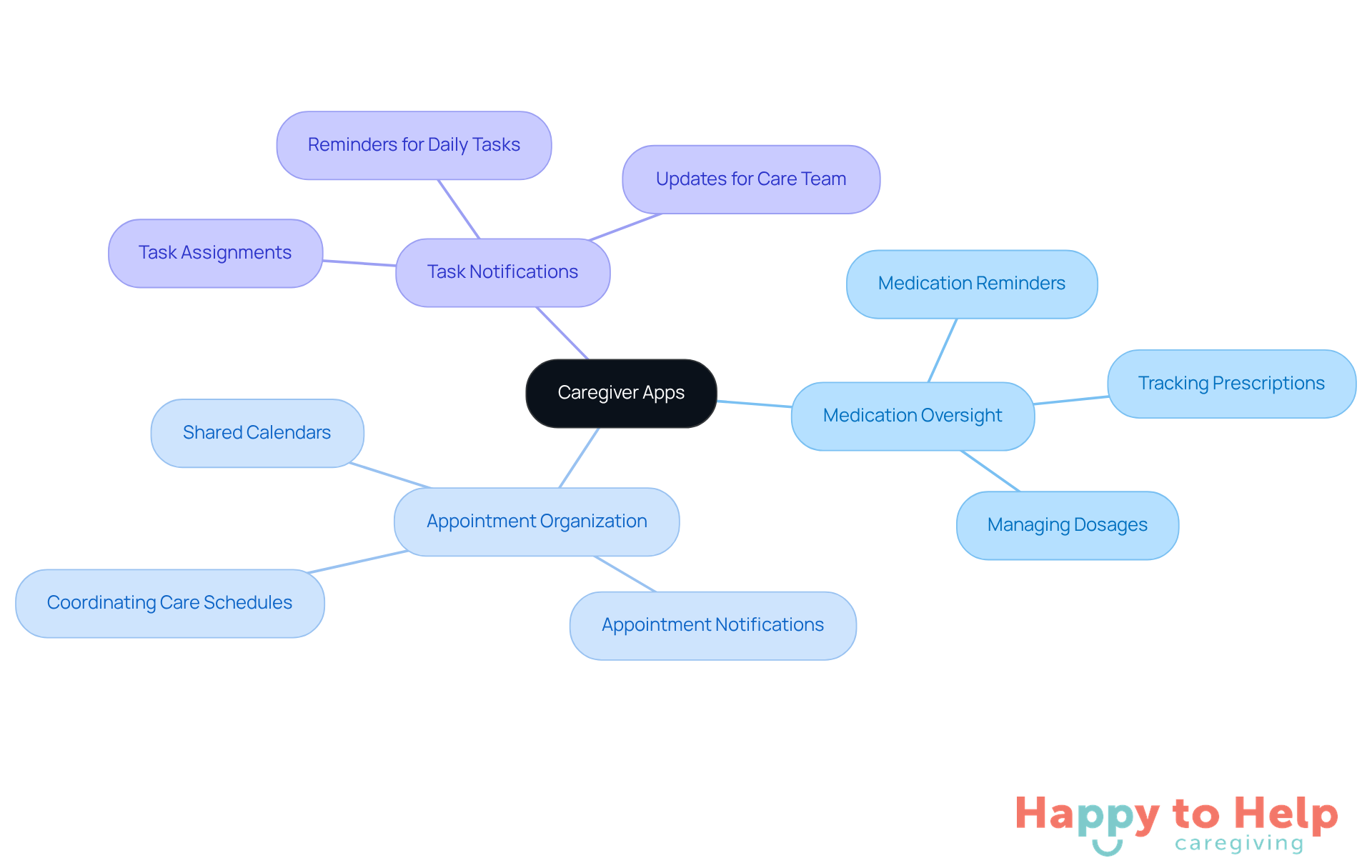
To address these issues, the app for caregivers emerges as a vital solution. This app for caregivers is designed to assist those who provide care by streamlining tasks and enhancing communication. By incorporating functionalities like:
- medication oversight
- appointment organization
- task notifications
this app for caregivers empowers them to manage their responsibilities more efficiently.
With technology integrated into caregiving, the app for caregivers helps alleviate the stress associated with caring for others. This allows caregivers to focus more on delivering compassionate assistance, ultimately improving the overall quality of care.
The Evolution of Caregiver Apps: Addressing Modern Challenges
Caregivers today face increasing expectations as they juggle multiple responsibilities. This growing demand can lead to stress and burnout, making it essential for them to find effective support.
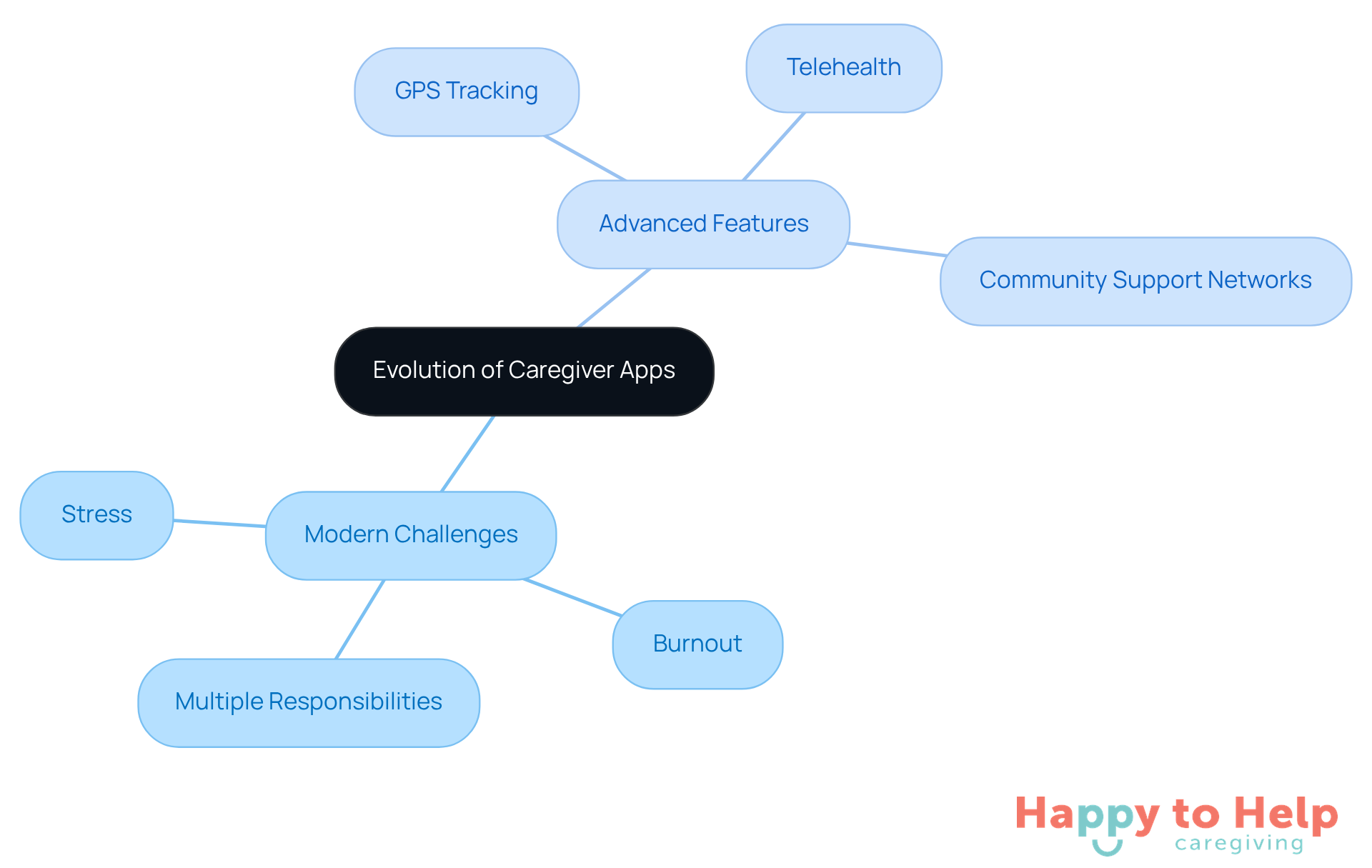
Initially, the app for caregivers focused on basic task management, but as the caregiving landscape evolved, so did its functionalities. Modern caregiver software now offers advanced features that address these challenges, such as:
- GPS tracking for enhanced safety
- Telehealth capabilities for convenient remote consultations
- Community support networks that connect caregivers with valuable resources and each other.
These innovations reflect a broader trend of integrating technology into healthcare, aiming to improve the efficiency and effectiveness of caregiving. By leveraging the app for caregivers, caregivers can better manage their responsibilities and reduce the strain of their roles.
Key Features of Caregiver Apps: Enhancing Support and Efficiency
Caregivers often face significant challenges in managing their responsibilities, particularly when it comes to medication adherence and effective communication. Research shows that 26-59% of older adults do not take their medications as prescribed, leading to serious health complications. Additionally, the complexity of coordinating care among multiple providers can overwhelm even the most dedicated caregivers.
To address these issues, an app for caregivers provides a range of features designed to enhance support and efficiency.
-
Medication Management tools provide reminders for medication schedules and refill alerts, ensuring that care recipients adhere to their treatment plans. This functionality not only simplifies the caregiver's role but also promotes better health outcomes.
-
Task Management features allow caregivers to create and assign tasks, set reminders, and track progress. For instance, programs like Caily have proven effective in streamlining task assignments and improving communication among care teams, ultimately enhancing overall efficiency.
-
Moreover, Communication Tools within these applications facilitate seamless interaction among support individuals, family members, and healthcare providers. This connectivity is crucial for coordinated support, especially in complex situations involving multiple caregivers.
-
Health Monitoring capabilities enable caregivers to track vital signs, symptoms, and overall wellness, leading to timely interventions. By recording changes in health status, caregivers can share vital information with healthcare professionals, fostering informed decision-making.
-
Additionally, some apps provide Resource Access, offering educational materials and community resources that empower caregivers with knowledge and support. This access can significantly boost their confidence and effectiveness as they navigate the complexities of caregiving.
Caregivers have reported that this app for caregivers not only simplifies their tasks but also improves their ability to oversee treatments effectively. One provider shared, "Using a medication management app has changed how I monitor my mother's prescriptions; it offers me reassurance knowing I won't overlook a dose." A systematic review found that 91.7% of participants were satisfied with all aspects of the mobile applications, underscoring their acceptability and effectiveness. Overall, an app for caregivers plays a vital role in improving assistance for family caregivers, making their duties more manageable and less daunting.

Types of Caregiver Apps: A Comprehensive Overview
Caregivers often face the daunting challenge of managing multiple responsibilities, which can lead to stress and burnout. The complexity of coordinating care, tracking medications, and communicating with family members can overwhelm even the most dedicated individuals. This highlights the pressing need for an app for caregivers that simplifies these tasks and enhances their caregiving experience.
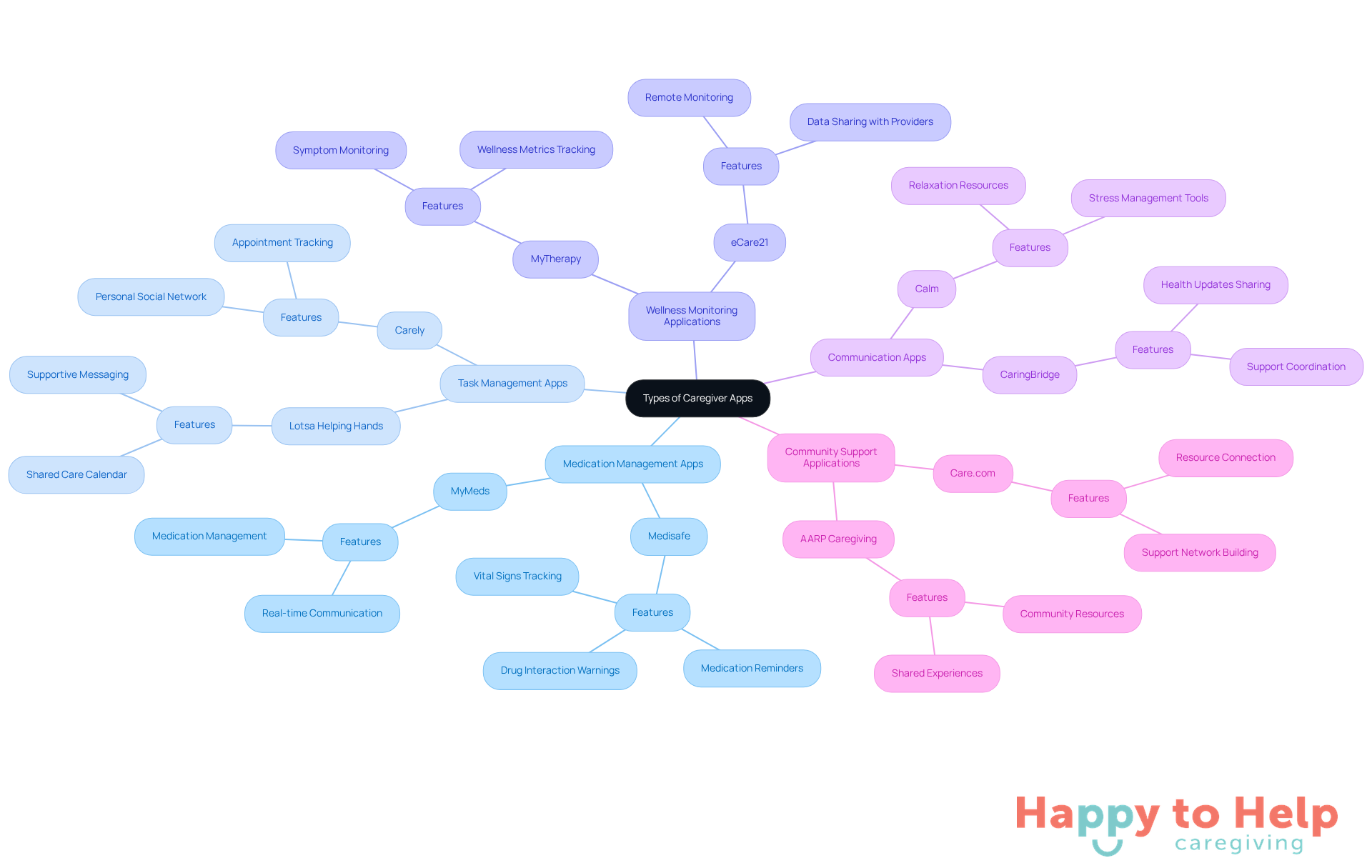
Fortunately, various caregiver apps have emerged to address these challenges, each serving distinct purposes:
-
Medication Management Apps: These apps, like Medisafe, focus on tracking medications, providing reminders, and managing prescriptions. They offer functionalities such as prescription and refill alerts and drug interaction notifications. User satisfaction is notably high, with many support providers reporting improved compliance with medication schedules. The number of family supporters assisting older adults increased by nearly one-third from 2011 to 2022, underscoring the growing demand for these tools.
-
Task Management Apps: Designed to help individuals manage daily tasks, the app for caregivers such as Lotsa Helping Hands facilitates collaborative support. They enable users to organize schedules and exchange updates, enhancing communication among caregivers and family members.
-
Wellness Monitoring Applications: Programs like MyTherapy and CareSmartz360 function as an app for caregivers, allowing guardians to monitor wellness metrics and symptoms, which is crucial for effective communication with medical professionals. These tools assist supporters in tracking their loved ones' well-being and sharing important information with healthcare providers.
-
Communication Apps: Tools such as CaringBridge function as an app for caregivers, enabling them to share updates and coordinate assistance with family and friends, which helps create a supportive network during challenging times. CaringBridge specifically helps in coordinating support and sharing vital health updates, making it an invaluable resource for caregivers.
-
Community Support Applications: Platforms like Care.com and AARP Caregiving act as an app for caregivers, connecting them with nearby resources and support networks to foster a sense of community and shared experience.
In summary, medication management tools play a crucial role in simplifying caregiving tasks, allowing caregivers to focus more on providing compassionate care rather than administrative duties. As Sean Hordes noted, "The applications aren’t intended to substitute human interaction, but to streamline caregiving so that you can concentrate more on human connection." This underscores the supportive function of these tools in enhancing the overall caregiving experience.
The Impact of Caregiver Apps on Caregiving Experience
Caregiving can be a challenging role, often leading to significant stress and feelings of isolation. Caregivers frequently struggle with managing their responsibilities, which can affect both their well-being and the quality of care they provide.
The implications of this stress are profound. Caregivers may find it difficult to stay organized, communicate effectively with healthcare providers, and maintain connections with family members. This can lead to a cycle of frustration and burnout, ultimately impacting the health of those they care for.
Fortunately, the app for caregivers provides a practical solution. These tools, including an app for caregivers, have been shown to reduce stress levels among caregivers by improving organization and enhancing communication. For instance, caregivers using medication management apps report better adherence to treatment schedules, which leads to improved overall wellness for care recipients.
Research indicates that this app for caregivers can help them feel less isolated by connecting them with support networks and resources. By utilizing these digital tools, caregivers can foster a more supportive environment for themselves and their loved ones.
In summary, integrating an app for caregivers into caregiving practices not only alleviates caregiver stress but also promotes better health outcomes for care recipients. This dual benefit highlights the importance of embracing technology in everyday caregiving.
Taking the Next Steps
Caregivers face significant challenges that can lead to stress and burnout. The demands of coordinating care, managing medications, and ensuring the well-being of their loved ones can be overwhelming. These burdens not only affect caregivers' mental health but also the quality of care they provide.
Caregiver apps emerge as essential tools to address these issues. By streamlining tasks such as medication management and health monitoring, these applications empower caregivers to focus on what truly matters: delivering compassionate and effective care. The evolution of these apps reflects a growing recognition of the modern challenges caregivers encounter, making them invaluable resources in today’s caregiving landscape.
Embracing caregiver apps is more than just adopting new technology; it fosters a supportive environment that enhances the quality of care. By leveraging these tools, caregivers can improve their efficiency and overall well-being, leading to better health outcomes for care recipients. Investing in caregiver apps is a step toward a more connected, efficient, and compassionate approach to caregiving.
https://iframe.tely.ai/cta/eyJhcnRpY2xlX2lkIjogIjY5MjY0MzkxYmE1MjYxOTlhNjlhODMxYiIsICJjb21wYW55X2lkIjogIjY4ZWU1ZGNhNzMxNzYyNTU3ZjNjOTVjMSIsICJpbmRleCI6IG51bGwsICJ0eXBlIjogImFydGljbGUifQ==Frequently Asked Questions
What are caregiver apps designed to do?
Caregiver apps are designed to assist caregivers by streamlining tasks and enhancing communication, ultimately improving the quality of care they provide.
What functionalities do caregiver apps typically include?
Caregiver apps typically include functionalities such as medication oversight, appointment organization, and task notifications.
How do caregiver apps help alleviate caregiver stress?
By integrating technology into caregiving, caregiver apps help alleviate stress by allowing caregivers to manage their responsibilities more efficiently, enabling them to focus on delivering compassionate assistance.
How have caregiver apps evolved over time?
Caregiver apps have evolved from focusing on basic task management to offering advanced features such as GPS tracking for safety, telehealth capabilities for remote consultations, and community support networks for connecting caregivers with resources and each other.
What modern challenges do caregiver apps address?
Caregiver apps address modern challenges such as increasing expectations, multiple responsibilities, stress, and burnout faced by caregivers in today's caregiving landscape.
List of Sources
- Defining Caregiver Apps: Purpose and Functionality
- Tech-enabled caregiving can help dementia patients stay at home — perhaps for too long (https://statnews.com/2025/11/24/dementia-caregiving-technology-assistance)
- Caregiving Statistics US 2025: Insights for Family Caregivers (https://zencaregiving.org/caregiving-statistics-us-2025)
- Association Between Mobile App Use and Caregivers’ Support System, Time Spent on Caregiving, and Perceived Well-being: Survey Study From a Large Employer - PMC (https://pmc.ncbi.nlm.nih.gov/articles/PMC9039821)
- Using Technology To Manage and Simplify Family Caregiving (https://caringvillage.com/2025/11/07/caregiving-app-family-caregiving-2025)
- The Best Caregiver Apps to Simplify Senior Care (https://seniorlivingnearme.com/resources/the-best-caregiver-apps-to-simplify-senior-care)
- The Evolution of Caregiver Apps: Addressing Modern Challenges
- Tech-enabled caregiving can help dementia patients stay at home — perhaps for too long (https://statnews.com/2025/11/24/dementia-caregiving-technology-assistance)
- Using Technology To Manage and Simplify Family Caregiving (https://caringvillage.com/2025/11/07/caregiving-app-family-caregiving-2025)
- National Family Caregiver Month 2025: How Tech Supports Care (https://caresmartz360.com/blog/home-care/empowering-family-caregivers-with-technology-this-caregivers-month)
- Mid-Year Check-In: 7 Key Trends Shaping Non-Medical Home Care for the Rest of 2025 | Aaniie, formerly Smartcare Software (https://aaniie.com/news/key-trends-shaping-non-medical-home-care-for-the-rest-of-2025)
- Key Features of Caregiver Apps: Enhancing Support and Efficiency
- Effect of using a mobile drug management application on medication adherence and hospital readmission among elderly patients with polypharmacy: a randomized controlled trial - BMC Health Services Research (https://bmchealthservres.biomedcentral.com/articles/10.1186/s12913-023-10177-4)
- Evaluating the Effectiveness of Mobile Apps on Medication Adherence for Chronic Conditions: Systematic Review and Meta-Analysis (https://jmir.org/2025/1/e60822)
- The Future of Caregiving: How Apps Are Revolutionizing Care (https://caily.com/blog/how-caregiving-apps-are-revolutionizing-care)
- Effectiveness of Mobile Applications on Medication Adherence in Adults with Chronic Diseases: A Systematic Review and Meta-Analysis - PMC (https://pmc.ncbi.nlm.nih.gov/articles/PMC10391210)
- Types of Caregiver Apps: A Comprehensive Overview
- The Best Apps for Caregivers: 7 Recommendations (https://carescout.com/resources/the-best-apps-for-caregivers-7-tools-to-make-caregiving-easier)
- Caregiver App Market Size, Share, Scope, Trends & Forecast (https://verifiedmarketresearch.com/product/caregiver-app-market)
- Helpful Caregiver Apps (https://centerwellprimarycare.com/en/resources/helpful-caregiver-apps)
- 16 Caregiver Apps You Should Use in 2023 | Where You Live Matters (https://whereyoulivematters.org/resources/best-caregiver-apps)
- The Impact of Caregiver Apps on Caregiving Experience
- Apps on Your Phone Can Improve Caregiver Mental Health (https://rutgers.edu/news/apps-your-phone-can-improve-caregiver-mental-health)
- Association Between Mobile App Use and Caregivers’ Support System, Time Spent on Caregiving, and Perceived Well-being: Survey Study From a Large Employer - PMC (https://pmc.ncbi.nlm.nih.gov/articles/PMC9039821)
- Beyond instrumental support: Mobile application use by family caregivers of persons living with dementia - PMC (https://pmc.ncbi.nlm.nih.gov/articles/PMC9237854)
- Technology improves caregiver experience for families dealing with dementia (https://news-medical.net/news/20250203/Technology-improves-caregiver-experience-for-families-dealing-with-dementia.aspx)