
For families in our service areas
For families in our service areas, this guide explains caregiving and how non-medical in-home caregiving can support care planning in East Idaho, Treasure Valley & Magic Valley, Northern Wasatch, North Central West Virginia, and Northeast Ohio.
The Importance of Basic Computers
Navigating the digital landscape can often feel like a vast and intimidating ocean for older adults. Many struggle with the complexities of modern technology, which not only hinders their ability to connect with loved ones but also limits access to essential services and information. This situation fosters feelings of isolation, making it crucial to address these challenges.
Basic computers designed specifically for seniors offer a beacon of hope. These devices provide user-friendly interfaces that empower older adults to engage with the digital world confidently. However, as technology continues to evolve, it raises an important question: how can these simplified devices truly bridge the gap and enhance the quality of life for aging individuals?
Defining Basic Computers for Seniors
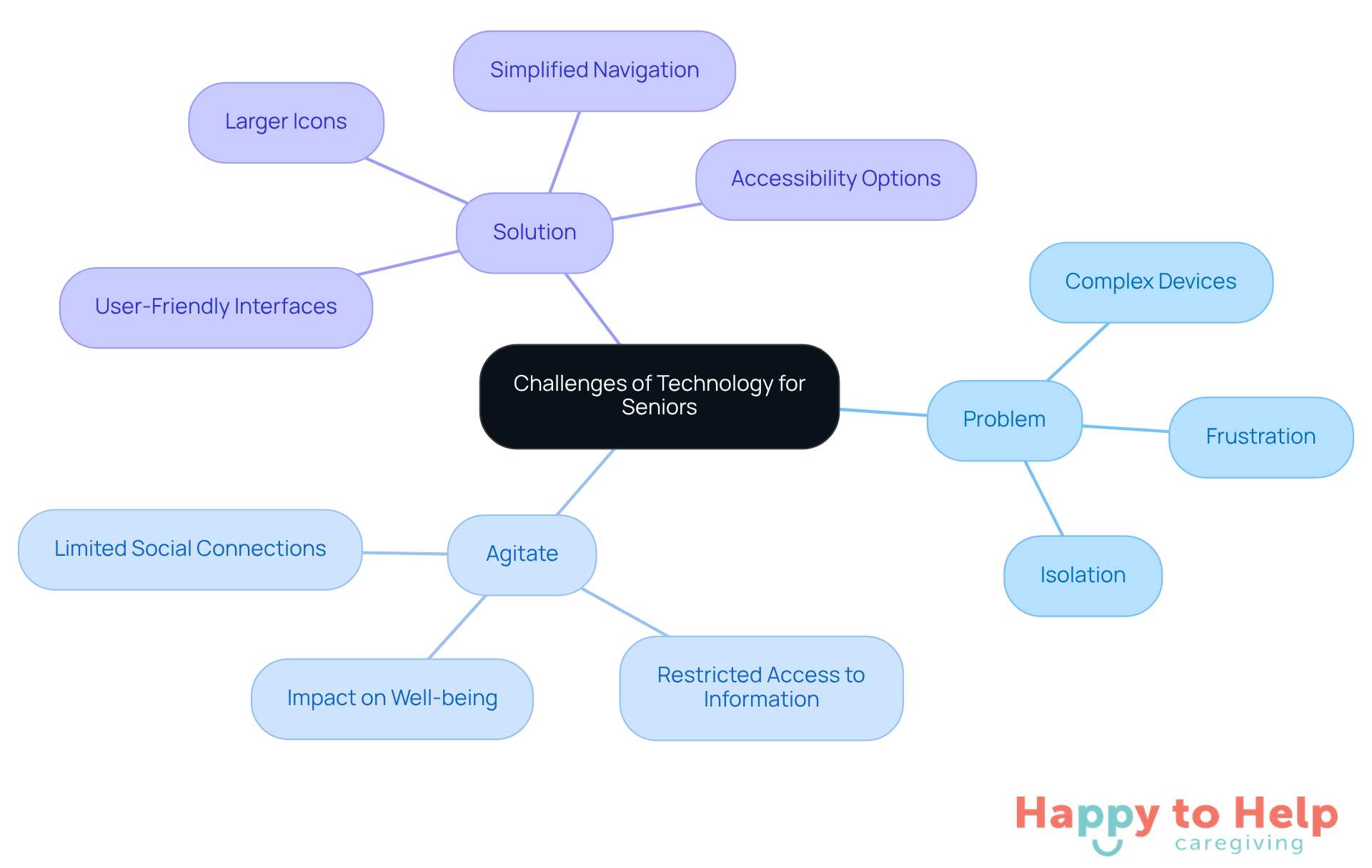
Problem: Many older adults face challenges when it comes to using technology. As they age, navigating complex devices can become overwhelming, leading to frustration and isolation.
Agitate: This struggle not only affects their ability to connect with family and friends but also limits their access to vital information and services. Without the right tools, older adults may feel left behind in an increasingly digital world, which can impact their overall well-being.
The solution is that a basic computer for seniors offers a practical option. These simplified computing tools serve as a basic computer for seniors, featuring user-friendly interfaces tailored to their needs. With larger icons, simplified navigation, and accessibility options, these devices empower aging individuals to engage with technology confidently. By providing older adults with the means to connect with loved ones, access information, and utilize online services, we can enhance their daily lives without the burden of complexity.
The Importance of Basic Computers in Senior Life
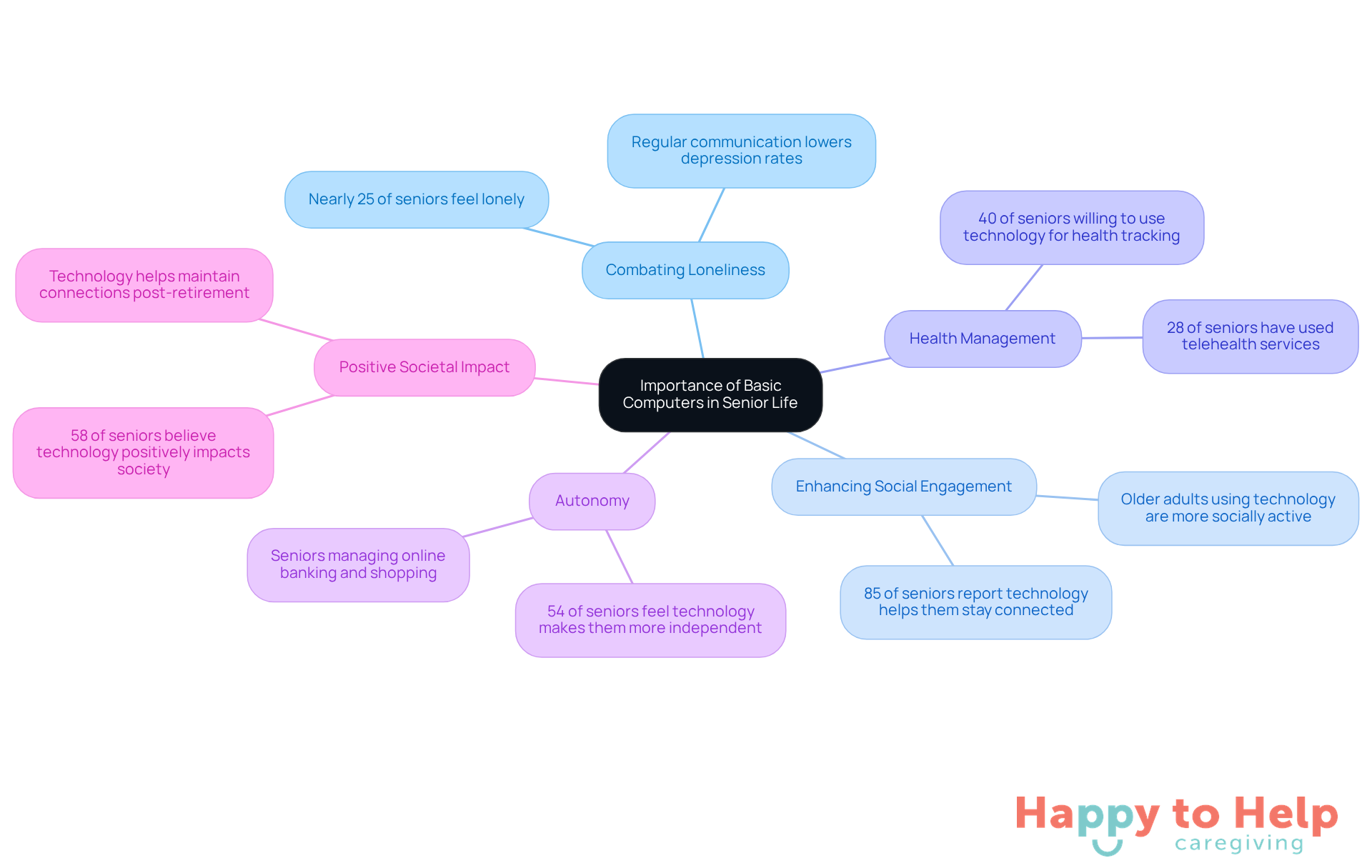
Loneliness is a significant issue for older adults, with nearly one in four individuals aged 65 and above reporting feelings of isolation. This can lead to increased levels of depression and anxiety, creating a pressing need for effective solutions. A basic computer for seniors can play a crucial role in addressing this problem by facilitating communication and engagement in various activities.
Digital tools enable seniors to stay connected with family and friends through email, video calls, and social media. By utilizing these platforms, older individuals can combat feelings of isolation and enhance their social engagement. Studies indicate that those who communicate digitally are more socially active, which can lead to improved mental health outcomes.
Moreover, older adults can access online resources for health management, entertainment, and education, further enhancing their mental engagement and overall wellness. While around 40% of older adults express a willingness to use digital tools for health monitoring, fewer than 50% are currently utilizing health applications and telehealth services. This gap highlights the need for increased digital literacy and access among seniors.
The ability to use digital tools fosters a sense of autonomy, allowing older adults to manage activities like online banking, shopping, and accessing medical information from home. As Allison Dunnigan notes, "We need to make a coordinated effort to assist older individuals during the shift from work to retirement by offering resources such as training in tech, community programs, and flexible options to remain socially engaged."
Examples of older adults leveraging technology abound. For instance, 28% have utilized telehealth services to schedule appointments, facilitating access to healthcare and encouraging proactive health management. The convenience of online resources also allows seniors to engage in hobbies and interests, significantly enhancing their quality of life. In fact, 58% of older adults believe that digital advancements positively impact society, reflecting a favorable view of technology's role in their lives.
In summary, incorporating a basic computer for seniors into the lives of older adults not only combats isolation but also enhances their mental well-being and autonomy. By embracing digital innovations, caregivers can provide invaluable support in the daily routines of older individuals.
The Evolution of Computers for Senior Users
The challenge of technology adoption among older adults has been significant, with many finding devices complex and intimidating. This has led to a notable digital divide, leaving many behind in an increasingly connected world. As technology evolves, the implications of this divide become more pressing, highlighting the necessity for user-friendly devices that cater specifically to older individuals.
Fortunately, manufacturers are responding to this need. Today, basic computers for seniors come equipped with features like touchscreens, voice commands, and pre-installed applications tailored to their needs, such as health monitoring and social interaction. This shift not only enhances usability but also reflects a broader commitment to inclusivity, enabling older adults to engage fully with the digital age.
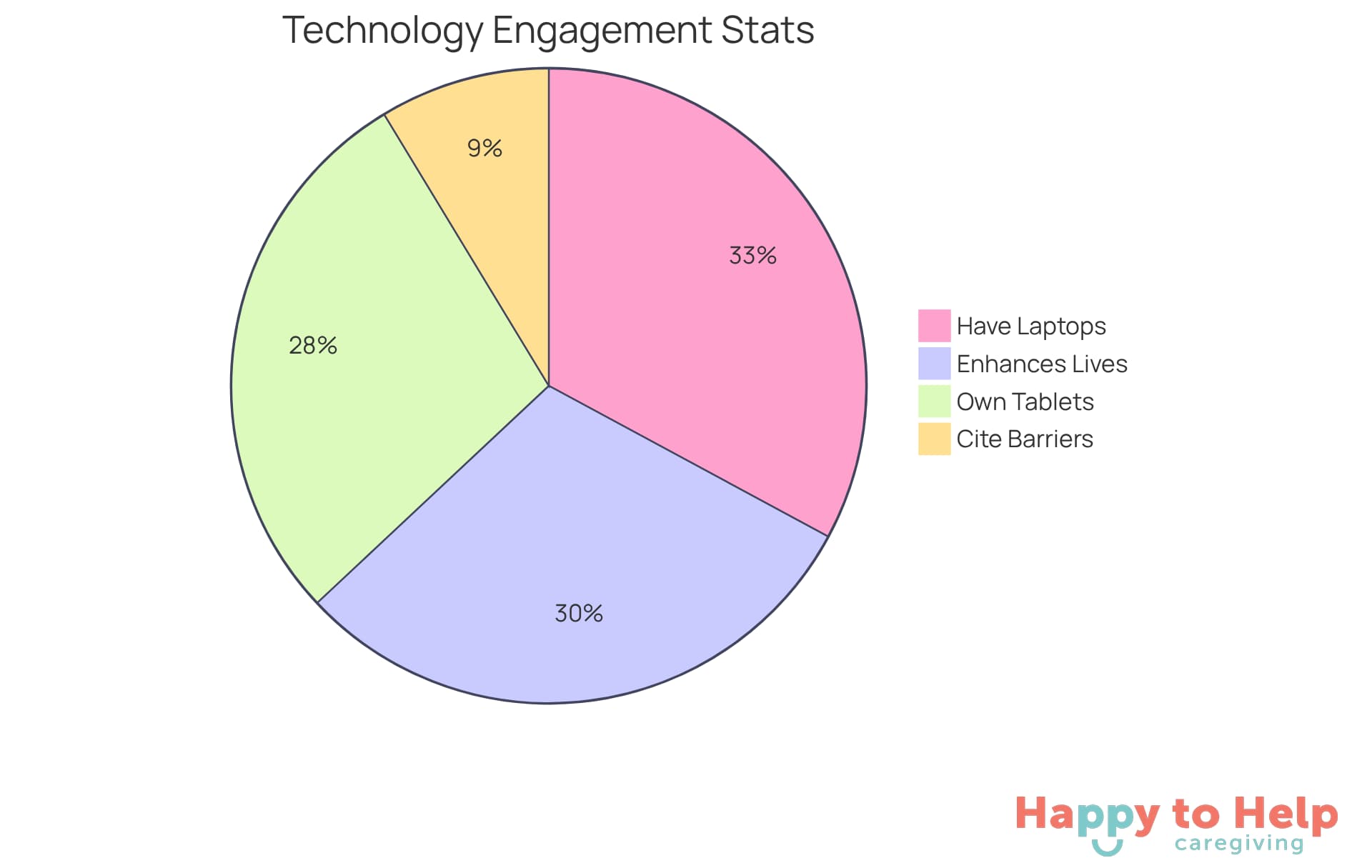
Statistics reveal that:
- 66% of older adults believe these devices enhance their lives.
- 62% own tablets.
- 72% have laptops or netbooks.
The demand for accessible technology continues to grow. However, 19% of older adults cite setup and assistance as barriers to adopting new tools, underscoring the challenges they face.
As the aging population diversifies, advancing user-centered solutions becomes crucial. This ensures that older adults can thrive in a connected world. Moreover, 30% of older adults express enthusiasm for the potential benefits of AI, indicating a growing curiosity about innovative technologies.
Key Features of Basic Computers for Seniors
Problem: Many older adults face challenges when using basic computers due to complex interfaces and small text. This can lead to frustration and disengagement from technology, which is increasingly essential for maintaining connections and managing health.
Agitate: Without user-friendly features, older adults may struggle to access vital resources, such as video calling applications and health management tools. This disconnect can hinder their ability to stay engaged with family and friends, impacting their overall quality of life.
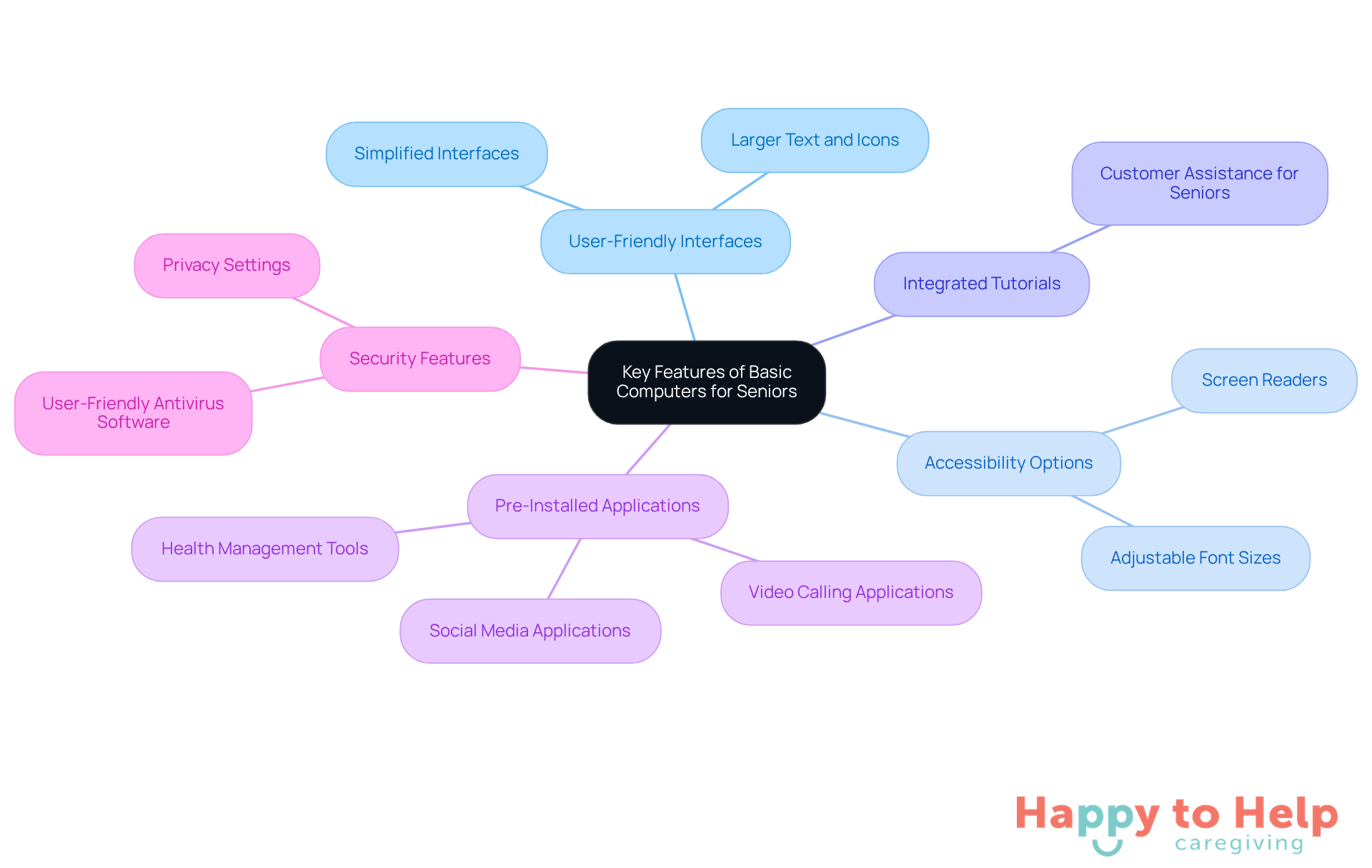
Key features of basic computers for seniors include:
- Simplified interfaces
- Larger text and icons
- Accessibility options like screen readers and adjustable font sizes
Many devices come with integrated tutorials and customer assistance tailored for seniors, making it easier for them to learn how to use the technology.
Additionally, pre-installed applications for video calling, health management, and social media encourage engagement. Security features, such as user-friendly antivirus software and privacy settings, are crucial for protecting seniors as they navigate the online world. Together, these features enhance the user experience, making a basic computer for seniors more accessible and beneficial for older adults.
Data indicates that accessibility options significantly improve the user experience for older adults. For instance, 62% of older adults with yearly earnings of $75,000 or above own tablets, reflecting a growing trend towards adopting user-friendly devices. Furthermore, 32% of older adults possess tablet devices, showcasing their increasing embrace of technology. As noted by Monica Anderson, "Today, approximately half of older adults who possess cellphones have some form of smartphone," highlighting the importance of accessibility in technology. These features collectively empower seniors, transforming technology into a means to enhance their quality of life and maintain connections with their communities.
Making the Right Choice
The integration of basic computers into the lives of seniors addresses a significant problem: the digital divide that often leaves older adults isolated and disconnected. This gap not only affects their ability to communicate with loved ones but also limits access to vital resources and enriching activities. As a result, many seniors experience loneliness and declining mental health, which can further exacerbate feelings of isolation.
To combat these challenges, user-friendly computers designed specifically for seniors can play a crucial role. These devices simplify technology usage, empowering older adults to confidently navigate the digital landscape. Features like larger icons, simplified interfaces, and accessibility options make it easier for seniors to engage with the digital world, fostering a sense of independence and belonging.
Statistics show a growing acceptance of technology among older adults, indicating a positive trend towards digital literacy. By embracing technology tailored to their needs, seniors can connect with family and friends, manage their health, and participate in social interactions, ultimately enhancing their quality of life.
The significance of basic computers for seniors extends beyond mere functionality; they represent a vital step towards inclusivity and empowerment in our increasingly digital society. Caregivers, families, and communities must work together to provide the necessary support and resources, ensuring that older adults can thrive in a connected world. This shift not only enhances individual well-being but also enriches the social fabric, ensuring that no one is left behind in the digital age.
https://iframe.tely.ai/cta/eyJhcnRpY2xlX2lkIjogIjY5MjY0M2I2YmE1MjYxOTlhNjlhODMyZSIsICJjb21wYW55X2lkIjogIjY4ZWU1ZGNhNzMxNzYyNTU3ZjNjOTVjMSIsICJpbmRleCI6IG51bGwsICJ0eXBlIjogImFydGljbGUifQ==Frequently Asked Questions
What challenges do older adults face when using technology?
Many older adults find navigating complex devices overwhelming, which can lead to frustration and isolation.
How does the struggle with technology affect older adults?
It limits their ability to connect with family and friends and restricts their access to vital information and services, impacting their overall well-being.
What is a basic computer for seniors?
A basic computer for seniors is a simplified computing tool designed with user-friendly interfaces that cater to the needs of older adults.
What features do basic computers for seniors include?
These devices typically have larger icons, simplified navigation, and accessibility options to empower aging individuals to engage with technology confidently.
How can basic computers for seniors enhance daily life?
By providing older adults with the means to connect with loved ones, access information, and utilize online services, these computers help improve their quality of life without the burden of complexity.
List of Sources
- Defining Basic Computers for Seniors
- Share of those 65 and older who are tech users has grown in the past decade (https://pewresearch.org/short-reads/2022/01/13/share-of-those-65-and-older-who-are-tech-users-has-grown-in-the-past-decade)
- Top 8 Best Computers For Seniors: A Comprehensive Guide (https://clarendalewestend.com/blog/news/best-computers-for-seniors)
- 5 Best Computers & Laptops for Seniors | Optimum (https://optimum.com/articles/internet/best-computers-for-seniors)
- Innovative new technology helps seniors age in place (https://universityofcalifornia.edu/news/innovative-new-technology-helps-seniors-age-place)
- The Importance of Basic Computers in Senior Life
- How Technology Helps Older Adults Stay Connected (https://christianhealthnj.org/news/2024/september/how-technology-helps-older-adults-stay-connected)
- Seniors who use technology more socially engaged, study finds (https://mcknights.com/news/seniors-who-use-technology-more-socially-engaged-study-finds)
- Elderly And Technology Statistics: ZipDo Education Reports 2025 (https://zipdo.co/elderly-and-technology-statistics)
- Technology use may keep older adults healthier (https://news.uga.edu/tech-use-linked-to-better-social-health)
- Senior Technology Statistics: Key Facts (https://californiamobility.com/21-senior-technology-statistics)
- The Evolution of Computers for Senior Users
- Innovative New Technology Helps Seniors Age in Place (https://ucdavis.edu/health/news/innovative-new-technology-helps-seniors-age-place)
- Older Americans Are Leveraging More Technology (https://aarp.org/pri/topics/technology/internet-media-devices/2025-technology-trends-older-adults)
- Share of those 65 and older who are tech users has grown in the past decade (https://pewresearch.org/short-reads/2022/01/13/share-of-those-65-and-older-who-are-tech-users-has-grown-in-the-past-decade)
- Senior Technology Statistics: Key Facts (https://californiamobility.com/21-senior-technology-statistics)
- Older Adults and Technology Use (https://pewresearch.org/internet/2014/04/03/older-adults-and-technology-use)
- Key Features of Basic Computers for Seniors
- Top Tech Gadgets Every Senior Should Have in 2025 (https://allseniors.org/articles/top-tech-gadgets-every-senior-should-have-in-2025)
- Innovative New Technology Helps Seniors Age in Place (https://ucdavis.edu/health/news/innovative-new-technology-helps-seniors-age-place)
- Top 20 Tech Gadgets for Seniors in 2025: Safety, Accessibility & Vertu (https://vertu.com/lifestyle/age-proofing-your-life-top-20-tech-gadgets-for-seniors-in-2025?srsltid=AfmBOoqT6YnnRLmkJ0bIbVi5bB0yPfL9XaFqh5LfwG1uogfkLVsEx8fq)
- Technology use among seniors (https://pewresearch.org/internet/2017/05/17/technology-use-among-seniors)
- 2025 AgeTech Showcases the Latest Technology for Seniors (https://thegoodlifesv.com/story/2025/03/01/lifestyles/2025-agetech-showcases-the-latest-technology-for-seniors/1311.html)