Understanding Caregiver Pay: How Much Does a Caretaker Make

For families in our service areas
For families in our service areas, this guide explains caregiver support and how non-medical in-home caregiving can support care planning in East Idaho, Treasure Valley & Magic Valley, Northern Wasatch, North Central West Virginia, and Northeast Ohio.
Why Caregiver Pay: How Much Does a Matters
Understanding caregiver pay is a significant challenge for families navigating the complexities of in-home support. With hourly wages ranging from $14 to $22 across the U.S. in 2025, many families may feel overwhelmed by the intricacies of compensation. Factors such as geographic location, experience, and the type of care provided can significantly influence these rates.
This situation raises an important question: how can families ensure they are offering fair and equitable compensation to their caregivers? To address this, it’s essential to delve into the nuances of caregiver pay. By understanding these factors, families can make informed decisions that benefit both them and their caregivers.
Explore the Basics of Caregiver Compensation
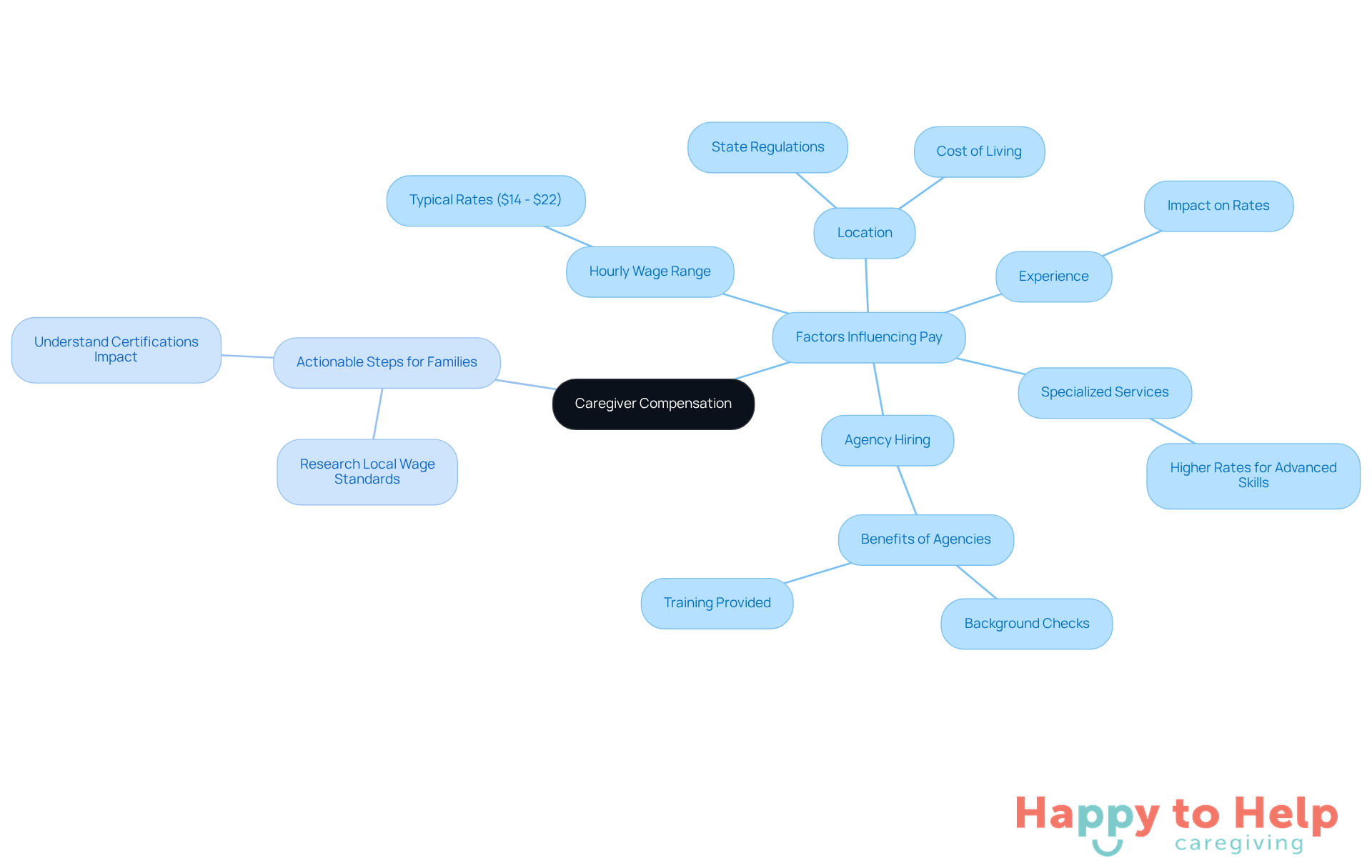
Caregiver compensation presents a significant challenge for families seeking support. With hourly wages typically ranging from $14 to $22 in the U.S. as of 2025, understanding these figures is crucial for effective budgeting. Factors such as location and experience can greatly influence these rates, making it essential for families to grasp the nuances of caregiver pay.
This situation can lead to confusion and frustration when families try to negotiate fair compensation for caregivers. For instance, those providing specialized services often command higher rates due to their advanced skills and training. Additionally, hiring through agencies may incur higher costs, but it can offer benefits like background checks and training, which are valuable for ensuring quality care.
To navigate these complexities, families should consider several actionable steps:
- Research local wage standards and compare rates among different providers.
- Understand the impact of certifications and specialized training on pay rates, as these factors increasingly influence compensation in the evolving landscape of support worker pay.
By being informed and proactive, families can better budget for care services and ensure they are offering equitable compensation to their caregivers.
Identify Key Factors Influencing Caregiver Pay Rates
Several key factors influence how much does a caretaker make an hour, which presents a significant challenge for the workforce.
-
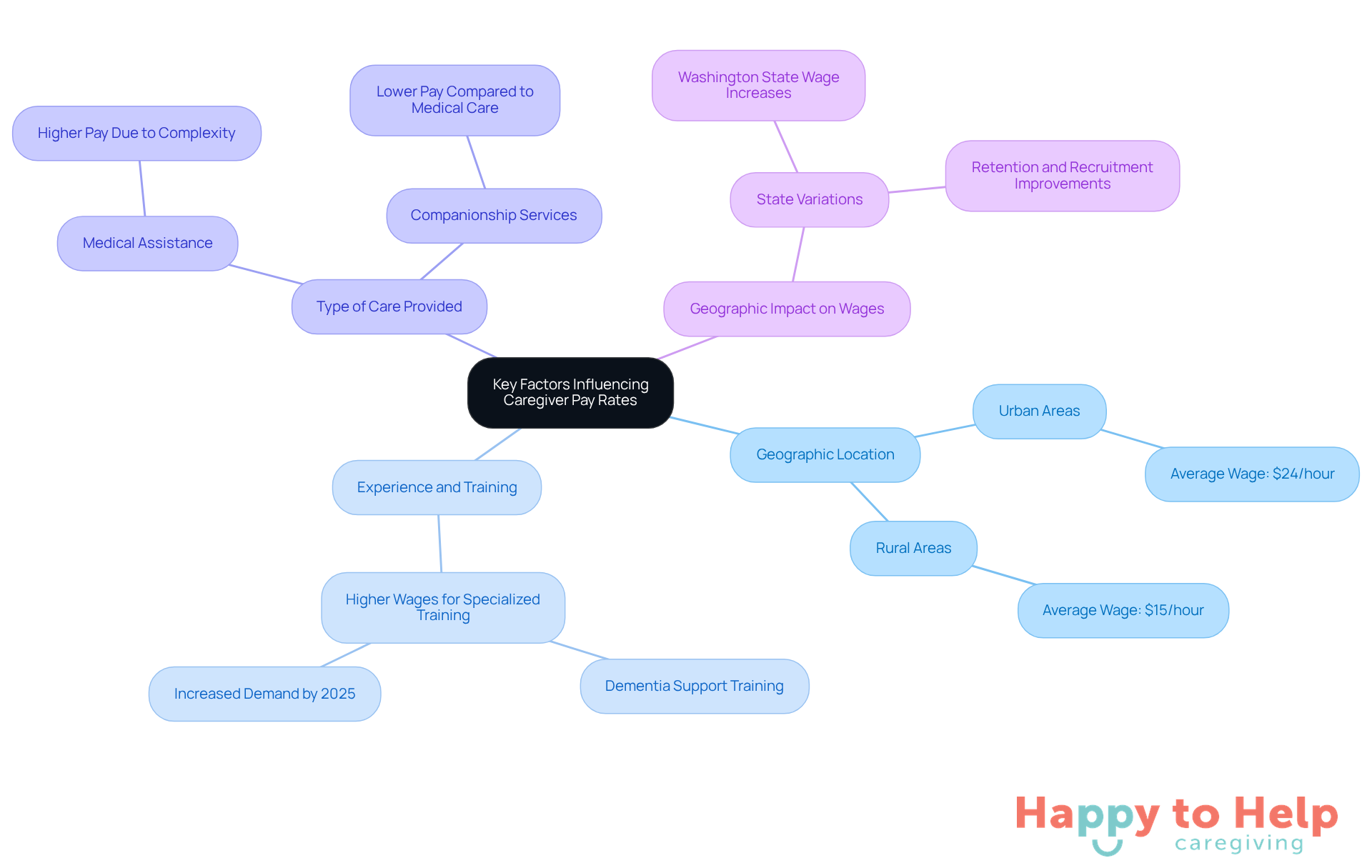
Geographic Location: Caregivers in urban areas typically earn higher wages due to increased living costs. For example, in California, support workers can earn around $24 per hour, raising the question of how much does a caretaker make an hour, while those in rural areas may see rates closer to $15. This disparity highlights how much does a caretaker make an hour, reflecting the significant influence of local economies on support staff compensation.
-
Experience and Training: Caregivers with greater experience or specialized instruction, such as in dementia support, typically earn higher wages. In 2025, the demand for skilled support workers is anticipated to increase, further raising salaries for those with advanced qualifications.
-
Type of Care Provided: The nature of the care also affects compensation. Caregivers providing medical assistance or specialized services often receive higher pay compared to those focused on companionship or basic assistance. For example, individuals providing medically necessary tasks may earn significantly more due to the complexity and training required.
-
Geographic Impact on Wages: The variation in support staff wages across different states is notable. In Washington State, for instance, recent wage increases have positively influenced the retention and recruitment of those providing care, with many individuals reporting that higher wages have eased financial difficulties. This trend underscores the importance of addressing wage disparities to attract and retain a skilled workforce.
The national median cost for in-home assistance, which is approximately $33 per hour, provides context for understanding how much does a caretaker make an hour across the country. Furthermore, Congress is encouraged to allocate $400 billion to enhance Home and Community-Based Services (HCBS) under Medicaid, which seeks to improve wages and benefits for those providing care.
- Quotes on Geographic Impact: As highlighted by industry specialists, "The geographic disparities in support worker wages reflect broader economic conditions and the urgent need for policies that promote fair compensation across all regions." Jason Resendez emphasizes, "It's past time for a national reckoning with how we value support in this country-and for Congress, states, and employers to act with policies that reflect the essential role of family supporters in our society." This sentiment highlights the need for systemic changes to guarantee fair compensation for those providing care across the country.
Review Average Hourly Rates for Caregivers
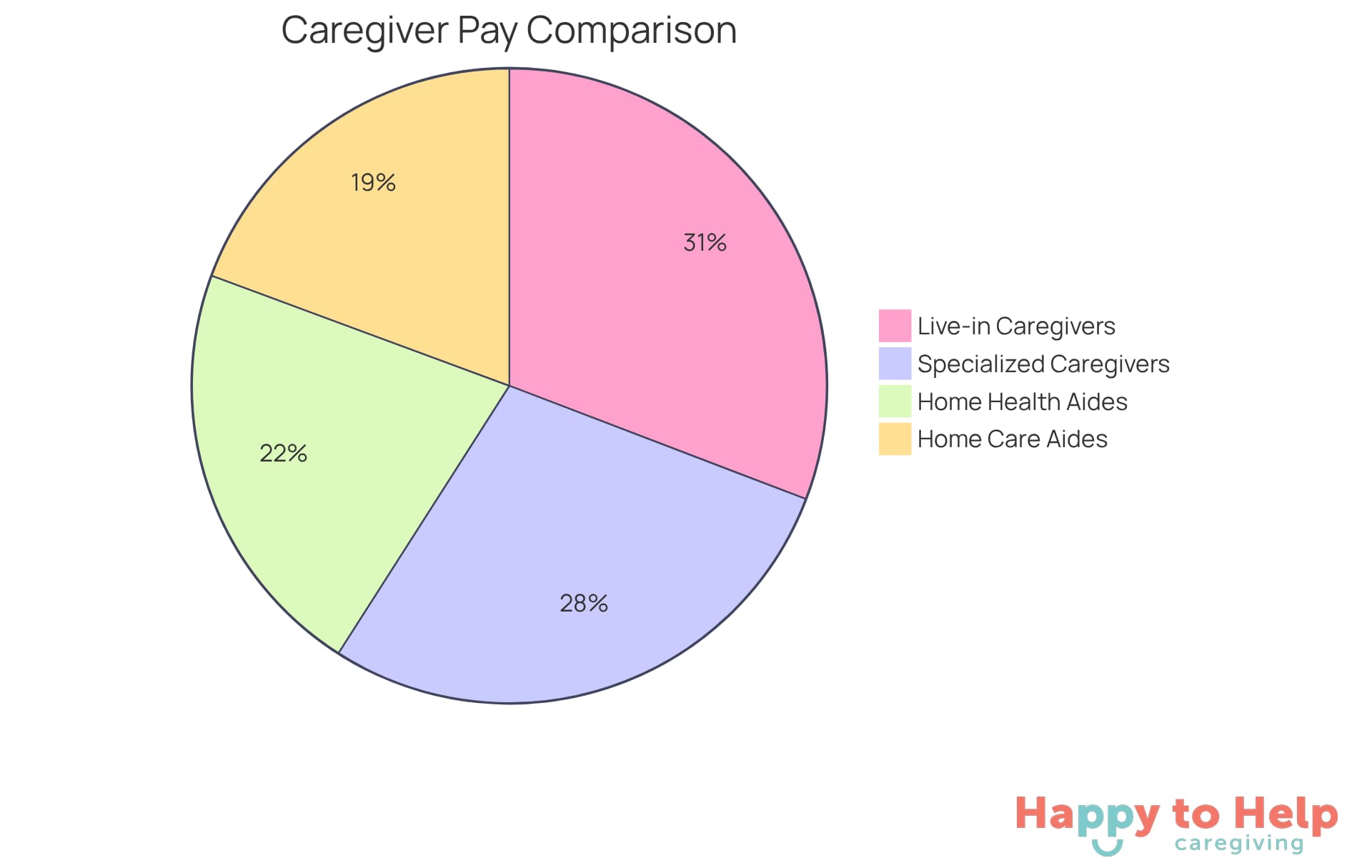
As of November 2025, if you are wondering how much does a caretaker make an hour in the U.S., the average hourly pay for caregivers is approximately $15.54. However, this can vary significantly:
- Home Care Aides: Average around $15.08 per hour, with the average salary for home health aides being $16.82 per hour. Specialized caregivers, who typically provide services such as medical assistance or therapy, can earn between $20 to $24 each hour, raising the question of how much does a caretaker make an hour, especially in states with higher living costs.
- Live-in Caregivers: Usually earn around $24 per hour, which raises the question of how much does a caretaker make an hour, totaling roughly $150 to $300 daily for 6-12 hours of assistance, demonstrating the challenging nature of their position.
Understanding how much does a caretaker make an hour is crucial for families when assessing the cost of assistance and supports providers in discussing their compensation. Furthermore, it is essential to acknowledge the significant workforce shortage in long-term support, caused by low wages, which affects the availability of support staff. This situation highlights the need for better compensation and support for caregivers, ensuring that families can access the care they need.
Compare Compensation Across Different Caregiver Types
One significant challenge in the caregiving field is understanding how much does a caretaker make an hour, as compensation varies widely based on roles and responsibilities.
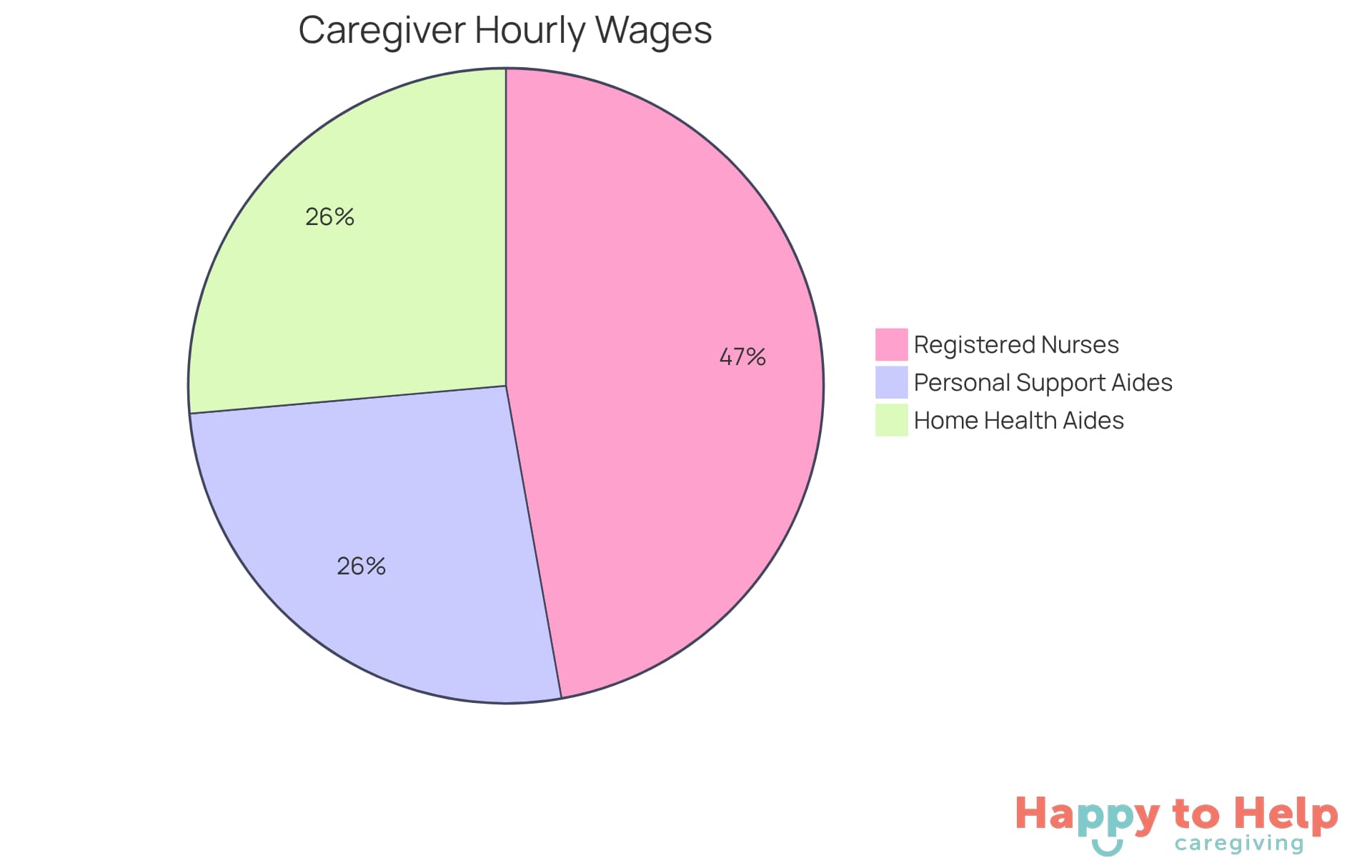
Personal Support Aides face a tough landscape, with wages in 2025 generally ranging from $14.00 to $18.00 per hour, averaging around $16.78. This reflects their focus on non-medical assistance, such as companionship and daily living support. Factors like location and experience heavily influence how much does a caretaker make an hour, with some states offering higher wages due to increased demand.
Home Health Aides encounter a slightly better situation, averaging between $15.00 and $22.00 per hour, with a national average of $16.78. Their compensation often exceeds that of personal support aides, thanks to the additional training required for medical tasks.
Registered Nurses (RNs), on the other hand, command significantly higher salaries, frequently earning $30.00 or more per hour. This disparity underscores the advanced training and responsibilities associated with nursing, making it essential for families to assess their specific support needs and budget when selecting a caregiver.
In 2025, the expected typical pay for personal support aides is around $16.78 per hour, prompting many to ask how much does a caretaker make an hour, with the overall median yearly salary for home health and personal support aides estimated at $34,900. As the demand for caregiving services continues to rise, particularly with an aging population, it is crucial for families to understand how much does a caretaker make an hour while navigating their options.
Moreover, the employment of home health and personal care aides is projected to grow by 17% from 2024 to 2034, indicating a rising demand for these essential services. Additionally, the typical sign-on bonus for Home Care Aides has increased to $2,304 in 2025, reflecting the competitive nature of recruitment in this field.
Examine Regional Variances in Caregiver Compensation
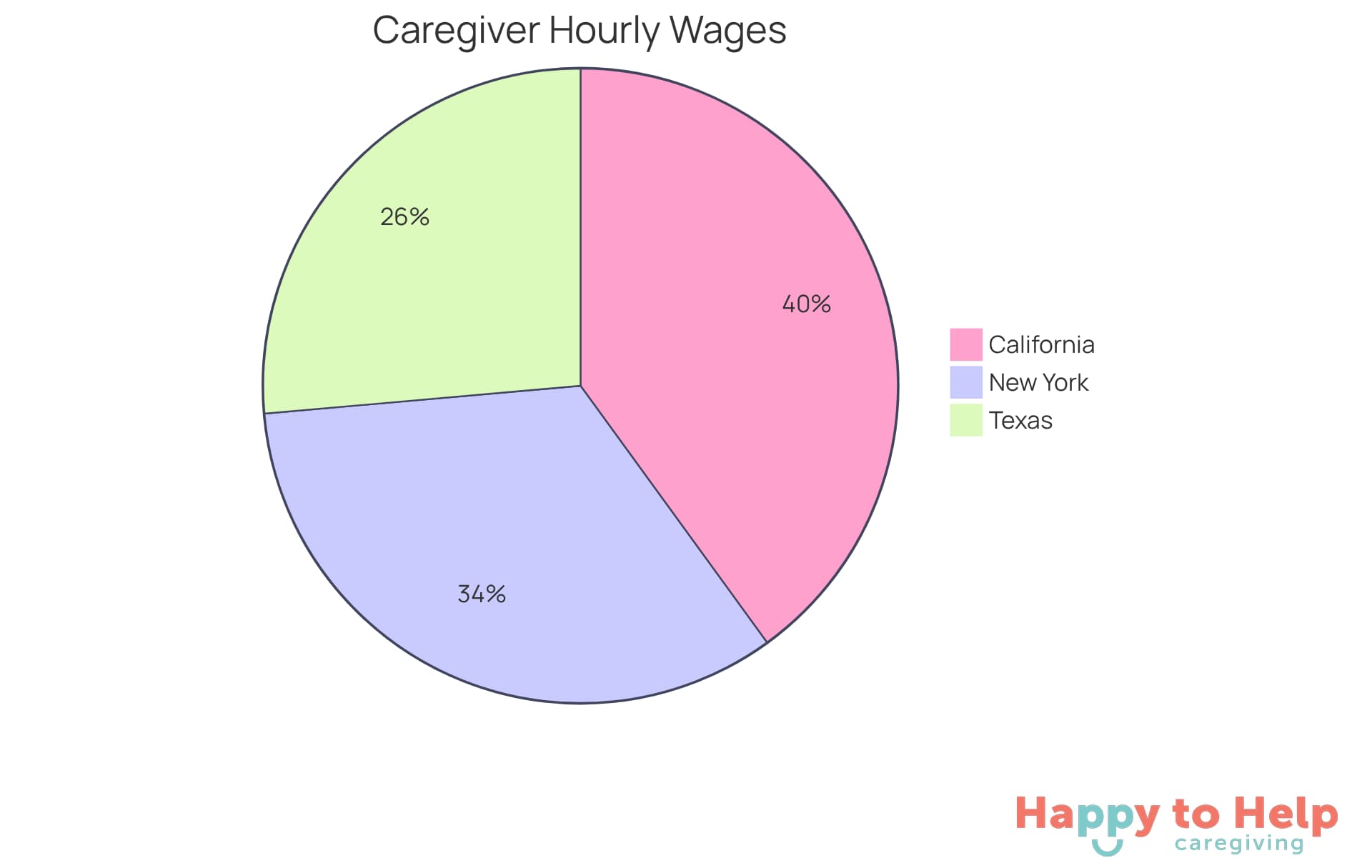
Regional differences in caregiver pay present a significant challenge. For instance, in California, caregivers earn between $24 and $26 per hour, reflecting the state's high living costs and the growing demand for in-home care services. This demand is driven by a projected growth in healthcare occupations and a notable shortage of care workers in the U.S., which currently faces a deficit of 1.8 million care professionals.
In contrast, Texas offers lower average rates, typically ranging from $15 to $18 per hour, aligning with its unique cost of living dynamics. Similarly, caregivers in New York earn between $20 and $22 per hour, influenced by urban demand and related living expenses. Understanding how much does a caretaker make an hour in different regions is crucial for families navigating the hiring process, enabling informed decisions based on location and financial considerations.
Future increases in support worker pay will depend on state budgets, Medicaid funding, and legislative priorities-key factors that families must consider. Additionally, the high rate of depression among support providers, estimated at 30 to 50%, underscores the emotional and financial challenges faced by those in the profession.
Programs like Medicaid waivers and In-Home Supportive Services (IHSS) in California allow family members to receive compensation for providing assistance, offering significant options for families. By understanding how much does a caretaker make an hour, families can better navigate the dynamics of in-home care services.
Making the Right Choice
Understanding caregiver pay is crucial for families aiming to provide adequate support for their loved ones. The complexities surrounding caregiver compensation - shaped by geographic location, experience, and the type of care provided - underscore the need for families to be informed and proactive. By grasping these nuances, families can budget effectively for care services and ensure fair wages for their caregivers.
The problem is clear: caregiver compensation varies widely, with average hourly rates ranging from $14 to $26 depending on several factors. This variation can create confusion and financial strain for families. Regional differences in living costs and demand for services further complicate the issue, impacting how much caregivers are paid. Moreover, understanding the different roles within caregiving, from personal support aides to registered nurses, highlights the importance of aligning specific needs with appropriate compensation structures.
To address these challenges, families must engage in open discussions about caregiver pay. Advocating for fair wages and improved working conditions is essential, especially as the demand for caregiving services continues to rise. Families are encouraged to take actionable steps, such as researching average pay rates in their area and considering the specific needs of their loved ones when hiring caregivers. By fostering a better understanding of caregiver compensation, families can navigate the hiring process more effectively and contribute to broader conversations about the value of caregiving in society.
https://iframe.tely.ai/cta/eyJhcnRpY2xlX2lkIjogIjY5MjEwYWFkYmQ1MDUyMmU1ODBkMDJlYyIsICJjb21wYW55X2lkIjogIjY4ZWU1ZGNhNzMxNzYyNTU3ZjNjOTVjMSIsICJpbmRleCI6IG51bGwsICJ0eXBlIjogImFydGljbGUifQ==Frequently Asked Questions
What is the typical hourly wage range for caregivers in the U.S. as of 2025?
The typical hourly wage for caregivers in the U.S. ranges from $14 to $22.
What factors influence caregiver pay rates?
Key factors influencing caregiver pay rates include geographic location, experience and training, the type of care provided, and local economic conditions.
How does geographic location affect caregiver wages?
Caregivers in urban areas generally earn higher wages due to increased living costs, with rates in California around $24 per hour compared to about $15 in rural areas.
How does experience and specialized training impact caregiver compensation?
Caregivers with more experience or specialized training, such as in dementia support, typically earn higher wages. The demand for skilled support workers is expected to increase, further raising salaries for those with advanced qualifications.
Does the type of care provided affect the pay rate for caregivers?
Yes, caregivers providing medical assistance or specialized services often receive higher pay compared to those offering companionship or basic assistance due to the complexity and training required for medical tasks.
What is the national median cost for in-home assistance?
The national median cost for in-home assistance is approximately $33 per hour.
What steps can families take to navigate caregiver compensation?
Families should research local wage standards, compare rates among different providers, and understand how certifications and specialized training impact pay rates.
What is being done to address wage disparities for caregivers?
Congress is encouraged to allocate $400 billion to enhance Home and Community-Based Services (HCBS) under Medicaid, aiming to improve wages and benefits for caregivers.
Why is there a need for systemic changes in caregiver compensation?
There is a need for systemic changes to ensure fair compensation for caregivers across the country, reflecting the essential role they play in society, as highlighted by industry specialists.
List of Sources
- Explore the Basics of Caregiver Compensation
- Caregiver Pay in 2025: Average Salary by State & Role (https://goinstacare.com/blogs/caregiver-salaries-2025-role-state-guide)
- Home Care Costs in 2025: A State-by-State Guide (https://aplaceformom.com/caregiver-resources/articles/in-home-care-costs)
- How Much Do Caregivers Make in 2025? | The Senior List (https://theseniorlist.com/caregiving/caregiver-pay)
- The senior population is booming. Caregiving is struggling to keep up (https://cnbc.com/2025/11/21/senior-caregiving-labor.html)
- Identify Key Factors Influencing Caregiver Pay Rates
- New Report Reveals Crisis Point for America’s 63 million Family Caregivers (https://press.aarp.org/2025-07-24-New-Report-Reveals-Crisis-Point-for-Americas-63-million-Family-Caregivers)
- Caregiver Crisis: New Report Gives a “Wake Up” Call to Congress - Herb Weiss (https://rinewstoday.com/caregiver-crisis-new-report-gives-a-wake-up-call-to-congress-herb-weiss)
- Demand for California caregivers is rising, but their pay isn’t. Lawmakers hope to change that. (https://calmatters.org/california-divide/2023/07/california-caregivers)
- Home Care Costs in 2025: A State-by-State Guide (https://aplaceformom.com/caregiver-resources/articles/in-home-care-costs)
- Report: Higher Pay For Caregivers - SEIU 775 (https://seiu775.org/hazardpayreport)
- Review Average Hourly Rates for Caregivers
- How Much Do Caregivers Make in 2025? | The Senior List (https://theseniorlist.com/caregiving/caregiver-pay)
- Caregiver Pay in 2025: Average Salary by State & Role (https://goinstacare.com/blogs/caregiver-salaries-2025-role-state-guide)
- The senior population is booming. Caregiving is struggling to keep up (https://cnbc.com/2025/11/21/senior-caregiving-labor.html)
- Caregiving Salary: Hourly Rate November 2025 United States (https://ziprecruiter.com/Salaries/Caregiving-Salary)
- Hourly Caregiver Salary: Hourly Rate November 2025 USA (https://ziprecruiter.com/Salaries/Hourly-Caregiver-Salary)
- Compare Compensation Across Different Caregiver Types
- Home Care Aides Receive 4.93% Pay Increase in 2025 (https://leadingage.org/home-care-aides-receive-4-93-pay-increase-in-2025)
- Caregiver Pay in 2025: Average Salary by State & Role (https://goinstacare.com/blogs/caregiver-salaries-2025-role-state-guide)
- The senior population is booming. Caregiving is struggling to keep up (https://cnbc.com/2025/11/21/senior-caregiving-labor.html)
- Home health HR positions receive healthy pay boosts in 2025, wage report reveals (https://mcknightshomecare.com/news/home-health-hr-positions-receive-healthy-pay-boosts-in-2025-wage-report-reveals)
- Home Health and Personal Care Aides (https://bls.gov/ooh/healthcare/home-health-aides-and-personal-care-aides.htm)
- Examine Regional Variances in Caregiver Compensation
- Nearly half of US states risk a caregiving crisis, study warns (https://newsnationnow.com/health/nearly-half-of-us-states-risk-caregiving-crisis-study)
- Exploring in-home caregiver pay across regions (https://exploreverity.com/en-us/article/health/exploring-in-home-caregiver-pay-across-regions-1276000672)
- Caregiver Pay in 2025: Average Salary by State & Role (https://goinstacare.com/blogs/caregiver-salaries-2025-role-state-guide)
- Which States Increased Caregiver Hourly Rates in 2025? — Paid.Care (https://paid.care/guides/which-states-increased-caregiver-hourly-rates-in-2025)