

For families in our service areas
For families in our service areas, this guide explains caregiver support and how non-medical in-home caregiving can support care planning in East Idaho, Treasure Valley & Magic Valley, Northern Wasatch, North Central West Virginia, and Northeast Ohio.
Understanding Caregiver Rates: Factors, Comparisons,
Navigating the world of in-home care can be overwhelming for families, especially when it comes to understanding caregiver rates. It’s essential to recognize the emotional weight that comes with these decisions. Families often feel stressed and uncertain, grappling with the complexities of costs that can vary significantly based on location, type of service, and caregiver qualifications.
By gaining insights into these rates, families can better budget and make informed choices for their loved ones. However, as caregiver rates continue to change, many wonder: how can they ensure they receive the best care without straining their finances?
This article aims to shed light on the intricacies of caregiver rates. We’ll explore comparisons and strategies that empower families to find quality support while managing their financial resources. Together, we can navigate this journey with compassion and understanding.
Define Caregiver Rates and Their Importance
Caregiver rates refer to the fees families pay for in-home caregiving services, which are typically calculated on an hourly or daily basis. These costs can vary significantly based on factors like the caregiver rates, the complexity of care needed, and the geographical area. Understanding caregiver rates is essential for families to make informed decisions about the support they provide to their loved ones.
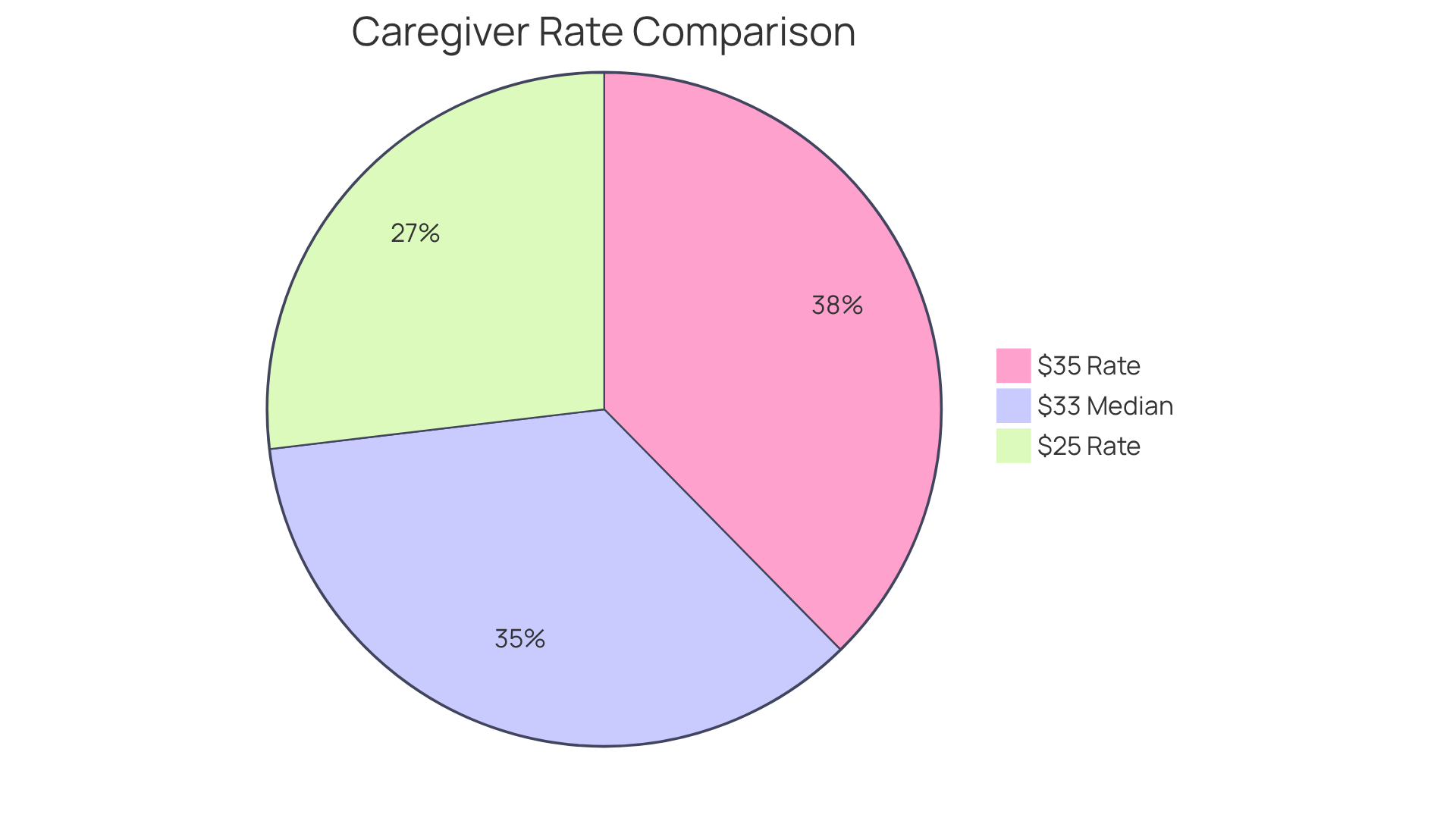
For instance, in 2025, the caregiver rates for non-medical in-home assistance are expected to fall between $25 and $35 per hour, depending on the state and type of service. The national median caregiver rates for in-home assistance are approximately $33 per hour, giving families a clearer picture for budgeting. Grasping these figures helps families plan their finances effectively and explore their options for care, including the caregiver rates, ensuring they can provide the necessary support while managing their financial constraints.
Moreover, recent changes in Indiana have introduced minimum 'pass-through' rates for providers, allowing them to receive 70% of the hourly rate for attendant support and 60% for Structured Family Support. This shift not only impacts budgeting but also highlights the importance of selecting support options that align with both financial capabilities and the unique needs of their loved ones, particularly in regard to caregiver rates.
Additionally, some caregiving expenses may be tax-deductible, which can further aid families in their financial planning. As Vicki Demirozu, founder of Giving Care with Grace, notes, even minimal levels of in-home assistance can extend a person's independence. This underscores the importance of understanding caregiver rates and making choices that promote both care and financial well-being.
Identify Factors Influencing Caregiver Rates
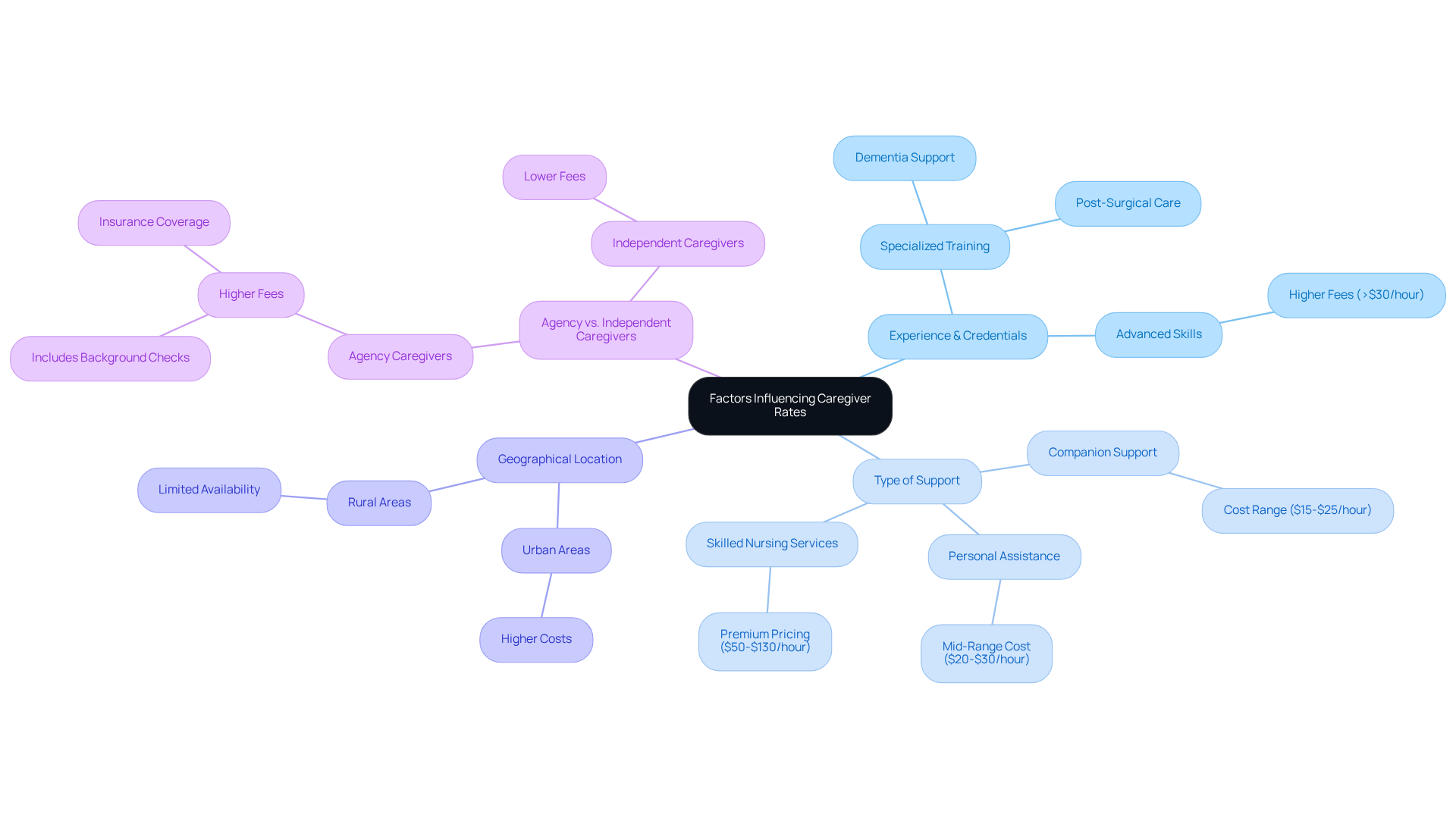
Navigating the world of caregiving can be overwhelming, especially when it comes to understanding the costs involved. Families often face emotional challenges, feeling stressed and uncertain about how to provide the best care for their loved ones. It's important to recognize that various factors influence caregiver rates, especially the experience and credentials of the individual. Caregivers with specialized training, such as those skilled in dementia support, typically charge higher fees due to their expertise. For example, caregivers with advanced skills may charge upwards of $30 per hour, reflecting the specialized nature of their services. This highlights how specific qualifications can significantly impact costs, especially for conditions like dementia or post-surgical recovery, which often require more intensive care.
The type of support needed also plays a crucial role in determining rates. Companion support is usually the most economical choice, with costs ranging from $15 to $25 per hour. Personal assistance typically falls in the mid-range, around $20 to $30 per hour. On the other hand, skilled nursing services can command premium pricing, often between $50 and $130 per hour, depending on the complexity of medical needs involved.
Geographical location further influences support costs. Urban areas often face higher expenses due to increased demand and living costs. Families in cities might discover that caregiver rates are significantly higher compared to those in rural areas, where the availability of support may be limited and travel distances are greater. This creates unique challenges in the at-home assistance market, making it essential for families to consider their specific circumstances.
Additionally, the choice between agency and independent caregivers affects pricing. Hiring through an agency typically incurs higher fees, as agencies provide vital services like background checks, insurance coverage, and ongoing support. This added layer of protection and professionalism can justify the increased costs for families seeking reliable support.
Understanding these elements allows families to navigate the caregiving landscape more effectively. By recognizing the options that align with their financial situations, they can ensure quality support for their loved ones. Remember, you’re not alone in this journey; there are compassionate caregivers ready to help you every step of the way.
Compare Types of Caregiver Services and Their Costs
When considering caregiver services, it’s essential to recognize the emotional journey that families face. The caregiver rates associated with different types of care can be a heavy burden on your heart, but understanding your options can provide some peace of mind.
-
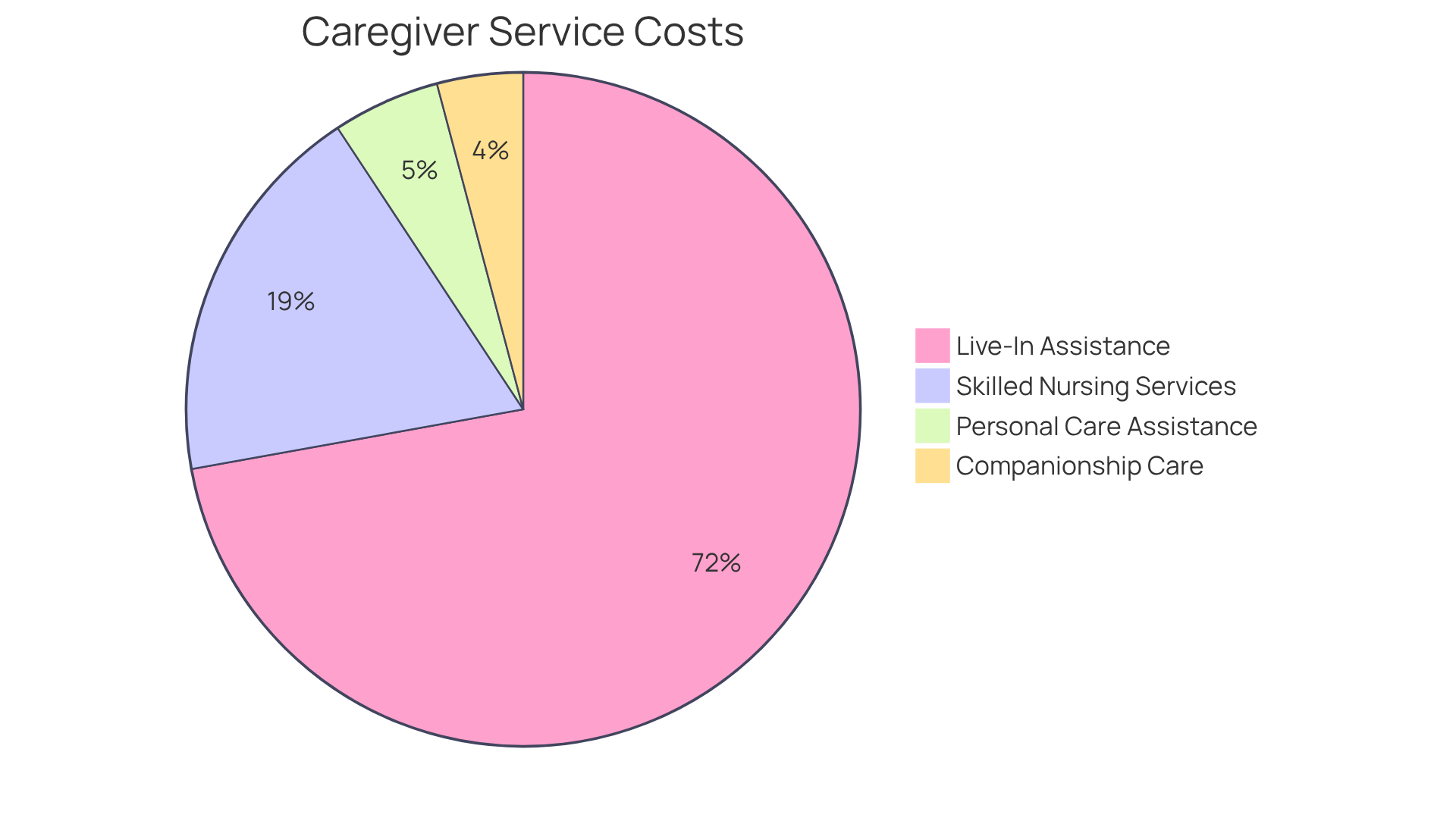
Companionship Care: This is often the most affordable choice, with caregiver rates typically ranging from $15 to $25 per hour. It focuses on providing social interaction and support, helping your loved one feel less isolated.
-
Personal Care Assistance: If your loved one needs help with daily activities like bathing and dressing, the caregiver rates for this service are between $20 to $30 per hour. It’s about ensuring dignity and comfort in their daily routine.
-
Skilled Nursing Services: For those with medical needs, the caregiver rates for this service can range from $50 to $130 per hour, depending on the complexity of care required. It’s crucial for families to know that professional help is available when it’s needed most.
-
Live-In Assistance: This option, with caregiver rates between $300 to $400 per day, offers around-the-clock support for individuals with significant needs. It’s a comforting choice for families seeking comprehensive care.
By evaluating these services, you can find the right kind of assistance that aligns with your loved one’s needs and your financial resources. Remember, you’re not alone in this journey; there are compassionate solutions available to help you navigate these challenging times.
Explore Strategies for Finding Affordable Caregiver Services
Finding affordable caregiver rates can be tough, and it’s completely understandable to feel overwhelmed. But there are several effective strategies that can help families manage costs while ensuring quality care for their loved ones:
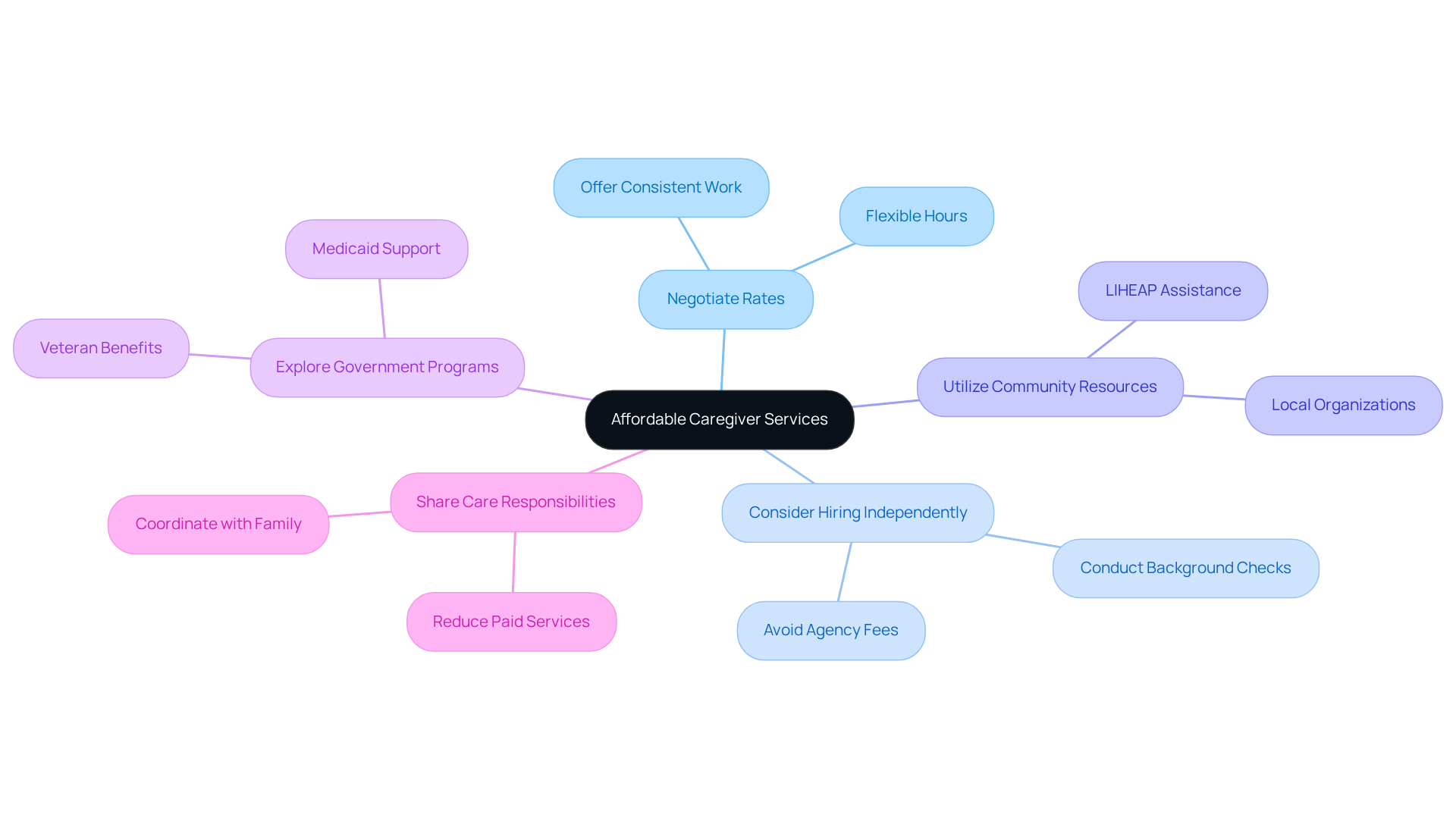
- Negotiate Rates: Many caregivers are open to negotiation, especially if you can offer consistent work or flexible hours. For instance, families have successfully negotiated lower rates by sticking to regular schedules, which provides caregivers with a reliable income.
- Consider Hiring Independently: Hiring a caregiver directly instead of going through an agency can significantly cut costs by avoiding those agency fees. However, this approach requires careful vetting of candidates to ensure safety and reliability. It’s essential to conduct thorough background checks and verify references to find the right fit.
- Utilize Community Resources: Local organizations and non-profits often offer resources or referrals for affordable caregiving options. Programs like the Low Income Home Energy Assistance Program (LIHEAP) can also help ease some financial burdens, allowing families to allocate more funds toward caregiving.
- Explore Government Programs: Look into state and federal programs that provide financial assistance for caregiving, such as Medicaid or veteran benefits. For example, veterans or their spouses may qualify for Aid and Attendance benefits, which can help cover in-home support costs.
- Share Care Responsibilities: If possible, coordinate with family members to share caregiving duties. This collaborative approach not only reduces the need for paid services but also fosters a nurturing environment for the loved one receiving care.
By implementing these strategies, families can find quality care that fits their budget based on caregiver rates. Remember, it’s about ensuring your loved ones receive the support they need while maintaining financial stability. You’re not alone in this journey, and there are resources and people ready to help.
Your Path Forward
Understanding caregiver rates is essential for families striving to provide the best care for their loved ones while keeping an eye on their finances. These rates can differ significantly based on location, type of care, and caregiver qualifications, making them a key factor in the decision-making process. By grasping these costs, families can make informed choices that fit their caregiving needs and budget.
Throughout this article, we’ve highlighted the key factors that influence caregiver rates. The complexity of care required, the caregiver's expertise, and whether the care is sourced through an agency or independently all play a role. Comparing various caregiver services - from companionship care to skilled nursing - underscores the importance of evaluating options based on emotional needs and financial capabilities. Moreover, effective strategies for finding affordable caregiver services, like negotiation and tapping into community resources, offer practical solutions for families facing financial hurdles.
Ultimately, navigating caregiver rates and services is a journey that calls for thoughtful consideration and planning. By equipping themselves with knowledge and exploring available resources, families can ensure their loved ones receive the necessary support without sacrificing financial stability. Embracing this proactive approach not only enhances the quality of care but also fosters a sense of peace and confidence during a challenging time.
https://iframe.tely.ai/cta/eyJhcnRpY2xlX2lkIjogIjY5MWJjOGExNzA5NzRlOGUwYTNhNmU2OCIsICJjb21wYW55X2lkIjogIjY4ZWU1ZGNhNzMxNzYyNTU3ZjNjOTVjMSIsICJpbmRleCI6IG51bGwsICJ0eXBlIjogImFydGljbGUifQ==Frequently Asked Questions
What are caregiver rates?
Caregiver rates refer to the fees families pay for in-home caregiving services, typically calculated on an hourly or daily basis.
What factors influence caregiver rates?
Caregiver rates can vary significantly based on the complexity of care needed and the geographical area.
What are the expected caregiver rates for non-medical in-home assistance in 2025?
In 2025, caregiver rates for non-medical in-home assistance are expected to range between $25 and $35 per hour, depending on the state and type of service.
What is the national median caregiver rate for in-home assistance?
The national median caregiver rate for in-home assistance is approximately $33 per hour.
Why is it important for families to understand caregiver rates?
Understanding caregiver rates is essential for families to make informed decisions about the support they provide to their loved ones and to effectively plan their finances.
What recent changes have occurred in Indiana regarding caregiver rates?
Recent changes in Indiana have introduced minimum 'pass-through' rates for providers, allowing them to receive 70% of the hourly rate for attendant support and 60% for Structured Family Support.
How can caregiver rates impact financial planning for families?
Caregiver rates impact budgeting by helping families explore their options for care while managing their financial constraints.
Are any caregiving expenses tax-deductible?
Yes, some caregiving expenses may be tax-deductible, which can aid families in their financial planning.
What is the significance of in-home assistance according to Vicki Demirozu?
Vicki Demirozu notes that even minimal levels of in-home assistance can extend a person's independence, highlighting the importance of understanding caregiver rates and making choices that promote care and financial well-being.