

For families in our service areas
For families in our service areas, this guide explains caregiver support and how non-medical in-home caregiving can support care planning in East Idaho, Treasure Valley & Magic Valley, Northern Wasatch, North Central West Virginia, and Northeast Ohio.
Why Caregivers: Roles, Importance, and Matters
Understanding the multifaceted role of caregivers is essential in recognizing their profound impact on both individuals and society. Caregivers are the backbone of the healthcare system, navigating a complex landscape of responsibilities that range from personal care to emotional support. However, they often face significant challenges that can lead to burnout.
What happens when these dedicated individuals, who provide critical assistance to millions, struggle to maintain their own well-being? The implications are serious, affecting not only the caregivers themselves but also the quality of care they provide. Without adequate support and resources, caregivers may find it increasingly difficult to fulfill their roles effectively.
To address these challenges, it is crucial to explore the essential skills caregivers need and the pressing need for support in an evolving caregiving landscape. By providing caregivers with the necessary tools and resources, we can help them sustain their well-being and continue their vital work.
Defining a Caregiver: Roles and Responsibilities
A support worker faces significant challenges while assisting individuals who need help with daily living activities, medical needs, and emotional support. The problem is clear: many caregivers struggle with the demands of their roles, which can lead to feelings of overwhelm and burnout for a caretaker or caregiver.
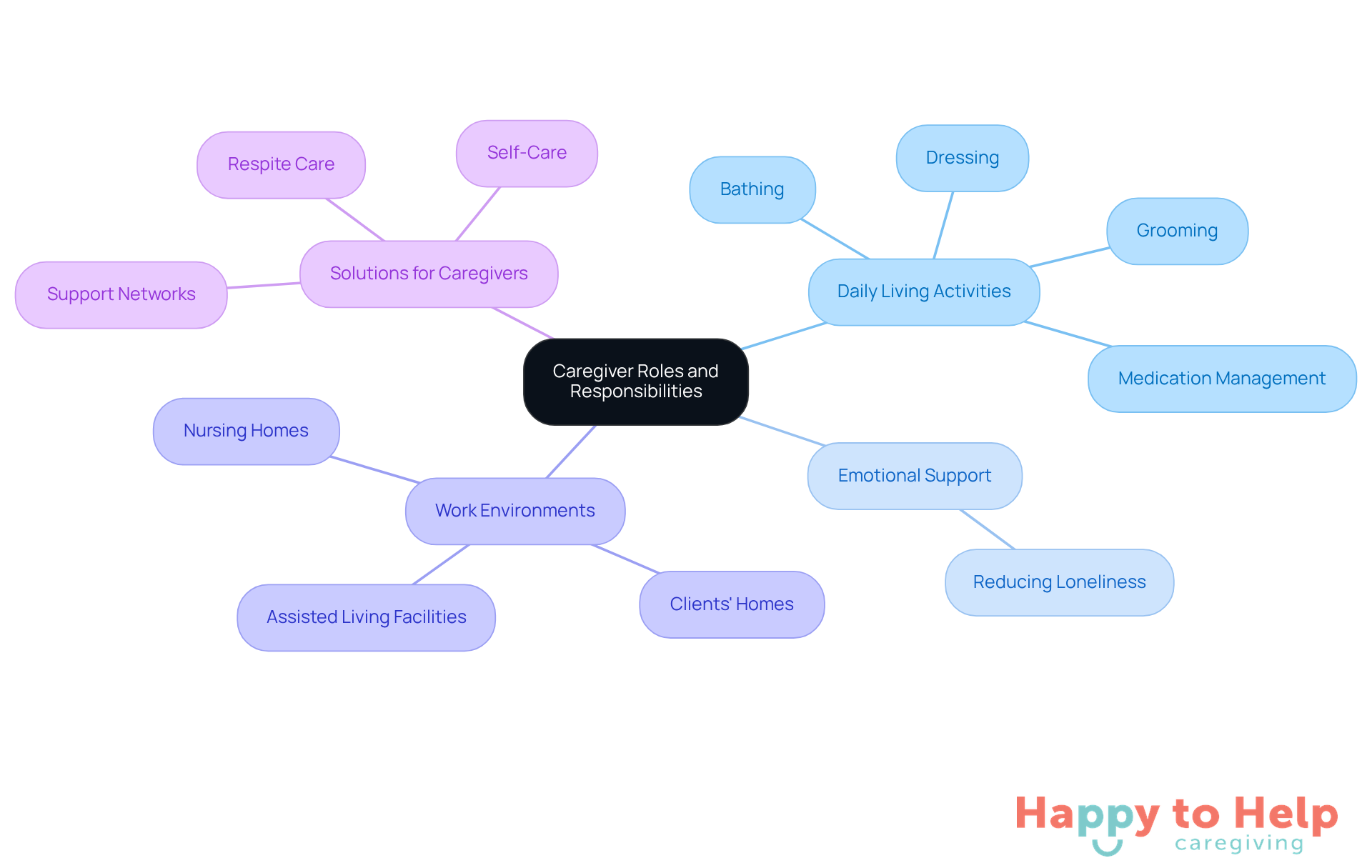
These responsibilities include personal care tasks such as:
- bathing
- dressing
- grooming
- medication management
Alongside providing companionship and transportation. Caretakers or caregivers often work in various environments, including clients' homes, assisted living facilities, or nursing homes. The emotional toll of being a caretaker or caregiver can be substantial, as they play a crucial role in reducing feelings of loneliness and isolation for those they assist.
Statistics reveal the extent of this issue: a significant portion of caregivers help with daily living activities, with figures ranging from 54% in Indiana to 76% in Georgia. This highlights the pressing need for support for caretaker or caregiver roles. Furthermore, over half of family supporters, who serve as caretakers or caregivers, report finding meaning and purpose in their work, underscoring the profound impact they have on the lives of those they assist.
To address these challenges, caregivers can implement practical solutions such as:
- seeking support networks
- utilizing respite care services
- prioritizing self-care as a caretaker or caregiver
By doing so, they can enhance their well-being while continuing to provide essential support. As the 'invisible backbone' of the health system, support providers, or caregivers, are vital in ensuring that individuals receive the assistance they need to thrive in their daily lives.
The Importance of Caregivers in Modern Society
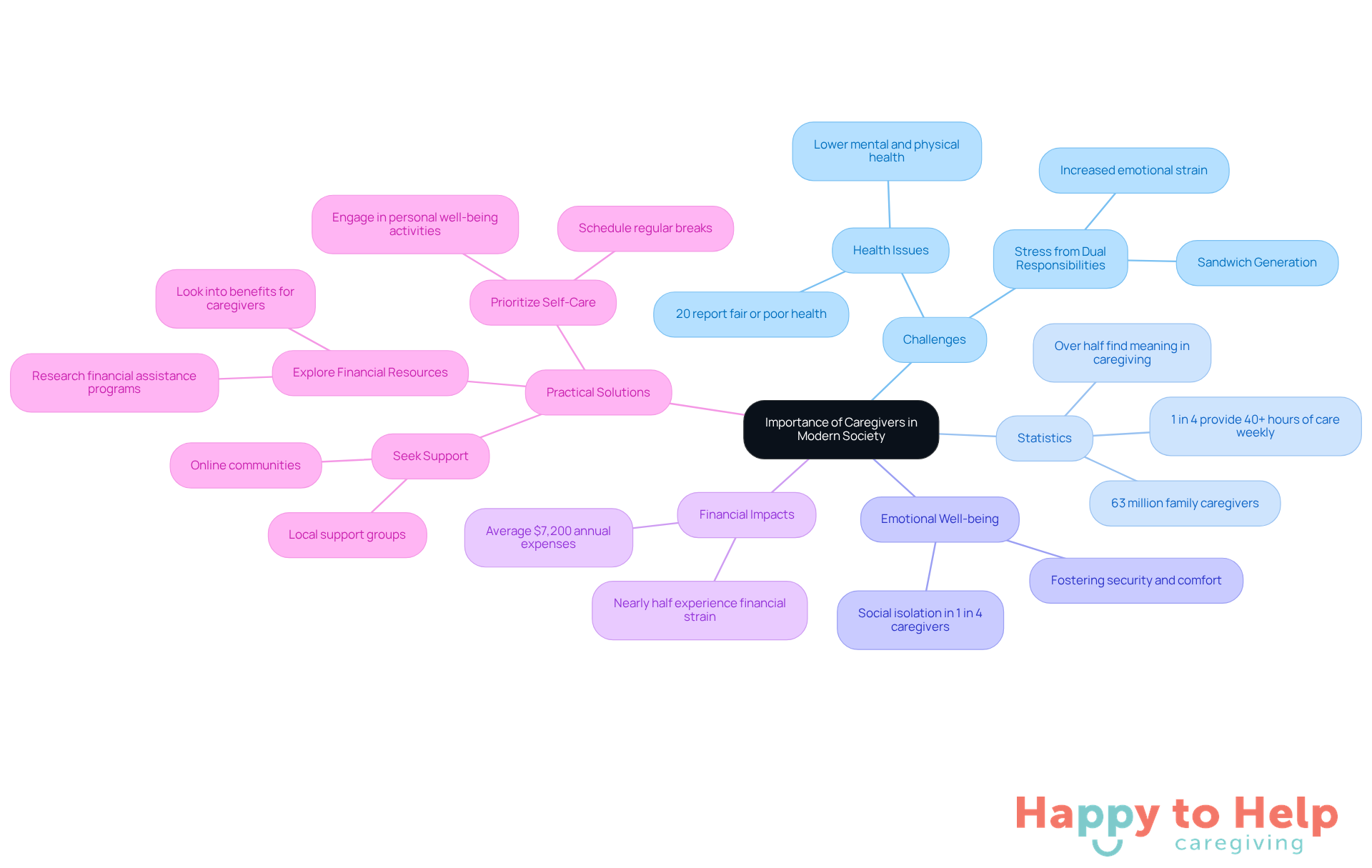
Caretakers or caregivers face significant challenges in the healthcare system, particularly as the population ages and the demand for in-home care increases. As of November 2025, around 63 million Americans are family supporters, reflecting a notable rise in caretaker or caregiver responsibilities. This trend underscores the vital role of support providers in assisting individuals with diverse needs, from seniors to those recovering from medical procedures.
However, the implications of being a caretaker or caregiver can be daunting. Caregivers, or caretakers, not only deliver essential services but also play a crucial role in the emotional and psychological well-being of their clients. They foster a sense of security and comfort in familiar environments, which is essential for maintaining independence and quality of life. Yet, nearly one in five caregivers report being in fair or poor health due to their responsibilities as a caretaker or caregiver. Additionally, almost half of caretakers experience significant financial impacts, which can exacerbate their challenges.
Many individuals in the 'Sandwich Generation' serve as caretakers or caregivers, balancing support for both older adults and children. This dual responsibility can lead to increased stress and strain. To address these challenges, caregivers can implement several practical solutions:
- Seek Support: Connect with local caregiver support groups or online communities for shared experiences and advice.
- Prioritize Self-Care: Schedule regular breaks and engage in activities that promote personal well-being.
- Explore Financial Resources: Research available financial assistance programs or benefits that can alleviate some of the financial burdens.
As the landscape of caregiving evolves, the contributions of these dedicated caretakers or caregivers become increasingly indispensable. By recognizing their challenges and implementing supportive strategies, caretakers or caregivers can enhance their well-being while continuing to provide essential care.
Historical Development of Caregiving Roles
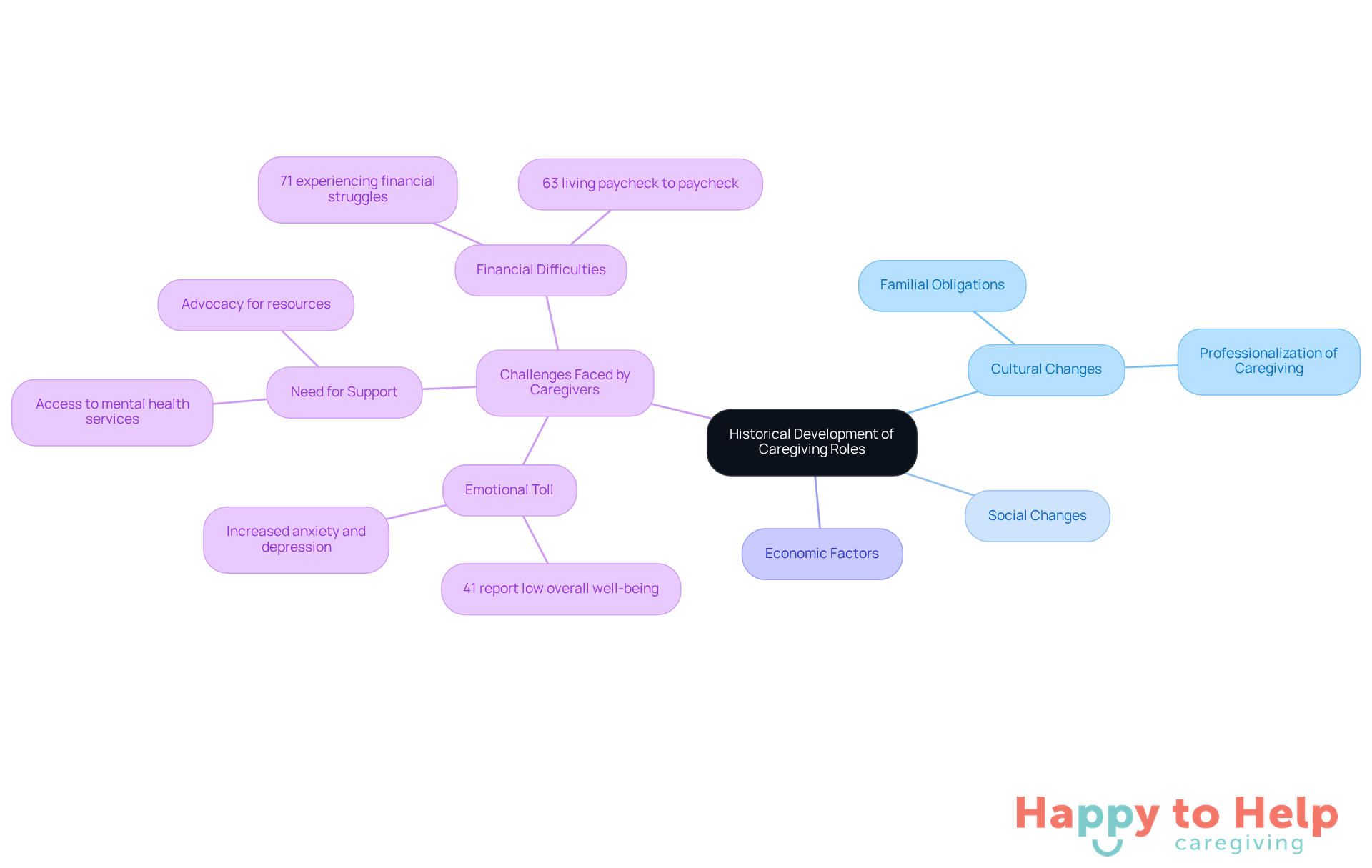
The role of caretakers or caregivers has undergone significant changes over the centuries, shaped by cultural, social, and economic factors. Problem: Traditionally, caregiving was seen as a familial obligation, with relatives caring for their loved ones. However, as societal norms evolved and more women entered the workforce, the demand for professional caretaker or caregiver services surged. This shift has created challenges for many caregivers or caretakers today.
Agitate: The late 19th and early 20th centuries marked the formalization of caregiving roles, with the establishment of nursing schools and home health agencies. Today, the responsibilities of a caretaker or caregiver encompass a diverse range of services, from personal care aides to specialized medical assistance, reflecting the growing complexity of health needs. Yet, this evolution has not come without its difficulties. For instance, family providers offered 19.2 billion hours of unpaid assistance to individuals with Alzheimer's and other cognitive decline in 2025, underscoring their critical role. Alarmingly, 41% of caregivers report low overall well-being, which is 32% higher than non-providers, highlighting the emotional toll that caretakers or caregivers face. Furthermore, 71% of caregivers are experiencing financial difficulties, with 63% living paycheck to paycheck, and 90% of them providing some form of financial assistance to family members.
This shift not only underscores the essential role of caretakers or caregivers but also emphasizes the urgent need for societal recognition and support for their invaluable contributions. To address these challenges, it is crucial to advocate for better resources and support systems for caregivers, including access to mental health services and financial assistance programs for caretaker or caregiver support. By acknowledging and addressing these issues, we can help caregivers manage their responsibilities more effectively and improve their overall well-being.
Essential Skills and Characteristics of Effective Caregivers
Effective providers face significant challenges in delivering high-quality care. They must navigate the complexities of client emotions, often encountering frustration and confusion. This can lead to a breakdown in communication and trust, which are essential for effective caretaker or caregiver relationships.
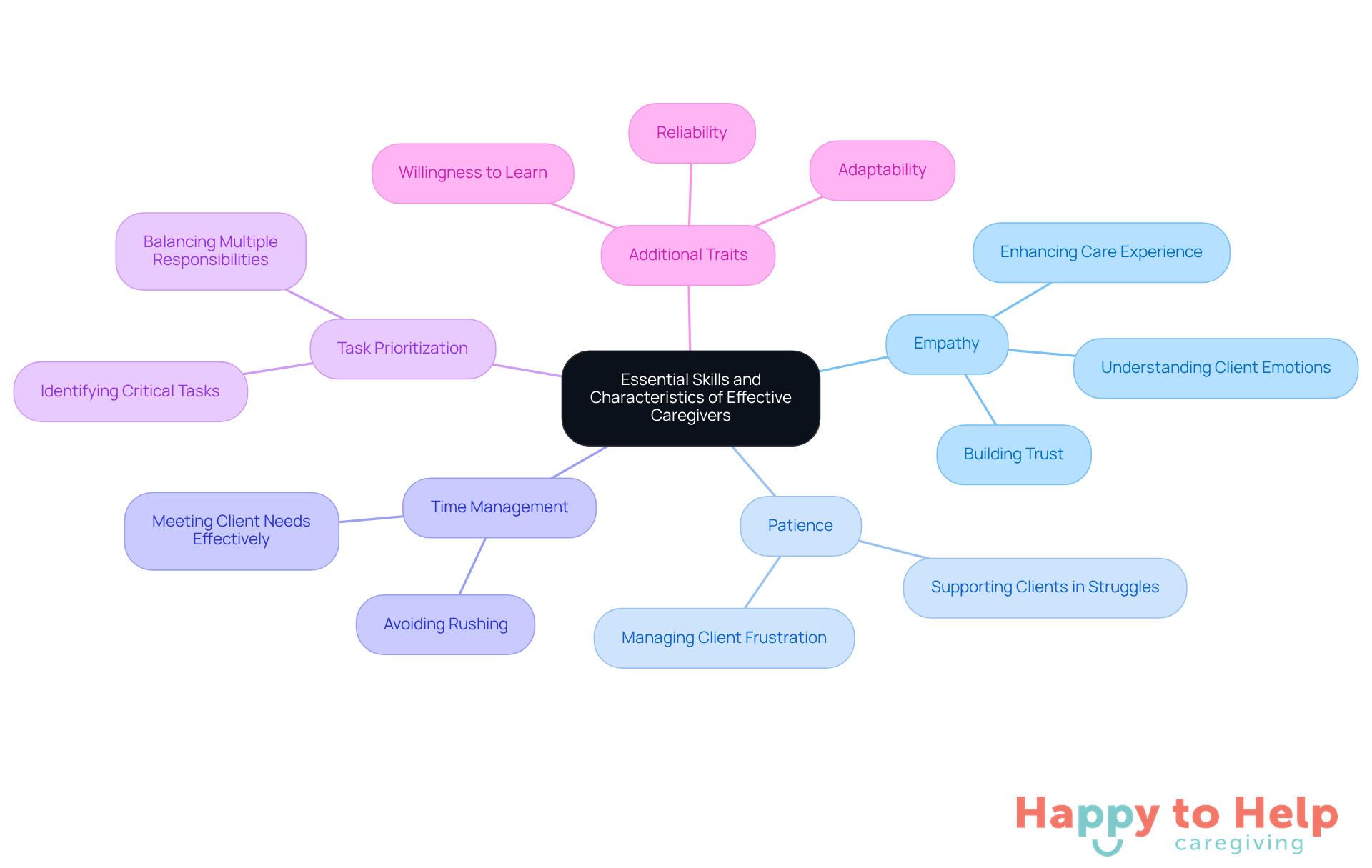
To address these challenges, a caretaker or caregiver needs a unique blend of skills and traits.
- Empathy is crucial; it allows providers to connect with clients on an emotional level, fostering trust and understanding.
- Patience is equally important, especially when clients are struggling with their circumstances.
- Additionally, caregivers must excel in time management and task prioritization to ensure that all client needs are met effectively.
Moreover, caregivers should cultivate traits such as reliability, adaptability, and a willingness to learn. Ongoing training and education are vital for staying informed about best practices and emerging trends in the caregiving field. By focusing on these skills, a caretaker or caregiver can enhance their effectiveness and improve the quality of care they provide.
In summary, by developing empathy, patience, and strong communication skills, caregivers can better navigate the challenges they face, ultimately leading to improved outcomes for their clients.
Making the Right Choice
Understanding the multifaceted roles of caregivers is crucial in recognizing their impact on individuals and society. However, caregivers face significant challenges, including burnout and financial strain, which can hinder their ability to provide essential support. This highlights an urgent need for greater recognition and support for caregivers in their vital roles.
Caregivers not only assist with daily living activities but also enhance the emotional and psychological well-being of those they help. They are the backbone of the health system, often working under immense pressure. As the population ages, the demand for caregiver services continues to grow, underscoring the necessity for support networks and self-care strategies to mitigate the toll of caregiving.
To address these challenges, communities, policymakers, and individuals must advocate for better resources, training, and recognition for caregivers. Implementing support networks can provide caregivers with the assistance they need, while self-care strategies can help them manage stress and prevent burnout. By fostering an environment that supports these essential workers, society can enhance the lives of caregivers and improve the quality of care for those who depend on their services.
Ultimately, the significance of caregivers cannot be overstated. As the landscape of caregiving evolves, it is imperative to ensure that caregivers receive the support they need to continue their invaluable work. By doing so, we not only uplift caregivers but also enrich the lives of those they serve.
https://iframe.tely.ai/cta/eyJhcnRpY2xlX2lkIjogIjY5Mjc5NGZiNmFmMzU5NTU2OTU3ODdkMCIsICJjb21wYW55X2lkIjogIjY4ZWU1ZGNhNzMxNzYyNTU3ZjNjOTVjMSIsICJpbmRleCI6IG51bGwsICJ0eXBlIjogImFydGljbGUifQ==Frequently Asked Questions
What is the primary role of a caregiver?
The primary role of a caregiver is to assist individuals with daily living activities, medical needs, and emotional support.
What specific tasks do caregivers perform?
Caregivers perform personal care tasks such as bathing, dressing, grooming, and medication management, as well as providing companionship and transportation.
Where do caregivers typically work?
Caregivers typically work in various environments, including clients' homes, assisted living facilities, or nursing homes.
What challenges do caregivers face in their roles?
Caregivers often face significant challenges that can lead to feelings of overwhelm and burnout due to the demands of their roles.
How do caregivers impact the emotional well-being of those they assist?
Caregivers play a crucial role in reducing feelings of loneliness and isolation for the individuals they assist, providing essential emotional support.
What statistics highlight the extent of caregiver responsibilities?
Statistics indicate that a significant portion of caregivers help with daily living activities, with figures ranging from 54% in Indiana to 76% in Georgia.
How do caregivers find meaning in their work?
Over half of family supporters, who serve as caregivers, report finding meaning and purpose in their work, highlighting the profound impact they have on the lives of those they assist.
What solutions can caregivers implement to address their challenges?
Caregivers can seek support networks, utilize respite care services, and prioritize self-care to enhance their well-being while providing essential support.
Why are caregivers referred to as the 'invisible backbone' of the health system?
Caregivers are referred to as the 'invisible backbone' of the health system because they are vital in ensuring that individuals receive the assistance they need to thrive in their daily lives.
List of Sources
- Defining a Caregiver: Roles and Responsibilities
- Honoring America’s Family Caregivers, the Unseen Workforce Behind Our Health System - Medicare Rights Center (https://medicarerights.org/medicare-watch/2025/11/25/honoring-americas-family-caregivers-the-unseen-workforce-behind-our-health-system)
- HHS Backs AI Innovation for America’s Caregivers | HHS.gov (https://hhs.gov/press-room/hhs-backs-ai-innovation-for-americas-caregivers.html)
- Number of full-time working caregivers has increased by double digits, report finds (https://hrdive.com/news/number-of-full-time-working-caregivers-has-increased-by-double-digits/806270)
- The number of family caregivers is surging (https://19thnews.org/2025/07/family-caregivers-surging-aarp)
- Caregivers are in crisis. How bad it is depends on where you live, new data shows. (https://usatoday.com/story/life/health-wellness/2025/10/28/caregiver-crisis-state-by-state/86855003007)
- The Importance of Caregivers in Modern Society
- Honoring America’s Family Caregivers, the Unseen Workforce Behind Our Health System - Medicare Rights Center (https://medicarerights.org/medicare-watch/2025/11/25/honoring-americas-family-caregivers-the-unseen-workforce-behind-our-health-system)
- 63 million Americans are family caregivers | AHA News (https://aha.org/news/headline/2025-07-25-63-million-americans-are-family-caregivers)
- New Report Reveals Crisis Point for America’s 63 million Family Caregivers (https://press.aarp.org/2025-07-24-New-Report-Reveals-Crisis-Point-for-Americas-63-million-Family-Caregivers)
- The number of family caregivers is surging (https://19thnews.org/2025/07/family-caregivers-surging-aarp)
- National Alliance for Caregiving: Caregiving in the US 2025 Report (https://johnahartford.org/resources/view/national-alliance-for-caregiving-caregiving-in-the-us-2025-report)
- Historical Development of Caregiving Roles
- Caregiver Statistics: Demographics (https://caregiver.org/resource/caregiver-statistics-demographics)
- Why is caregiving so hard in America? The answers emerge in a new film (https://npr.org/2025/06/20/nx-s1-5438564/caregiving-documentary-pbs)
- Caregiving Crisis: 45% Increase in Americans Providing Care (https://aarp.org/caregiving/basics/caregiving-in-us-survey-2025)
- The Caregiving Landscape: Data & Insights on the Caregiver Experience in the U.S. (https://caregiveraction.org/caregiver-statistics)
- 2023 Study — Caregiving in America, Statistics on Family Caregivers and Beyond | Guardian (https://guardianlife.com/reports/caregiving-in-america)
- Essential Skills and Characteristics of Effective Caregivers
- 10 Must-Know U.S. Home Care Industry Stats for 2025 - North American Community Hub (https://nchstats.com/us-home-care-industry-stats)
- A systematic review of research on empathy in health care - PMC (https://pmc.ncbi.nlm.nih.gov/articles/PMC10012244)
- What to expect when you become a caregiver– and how to cope with the challenges (https://heart.org/en/news/2025/11/20/what-to-expect-when-you-become-a-caregiver-and-how-to-cope-with-the-challenges)
- 10 Essential Skills Every Elderly Caregiver Needs to Succeed (https://crosscountry.com/blog/10-essential-skills-every-elderly-caregiver-needs-to-succeed)
- The Importance of Effective Communication in Caregiving (https://familycaregiversonline.net/the-importance-of-effective-communication-in-caregiving)