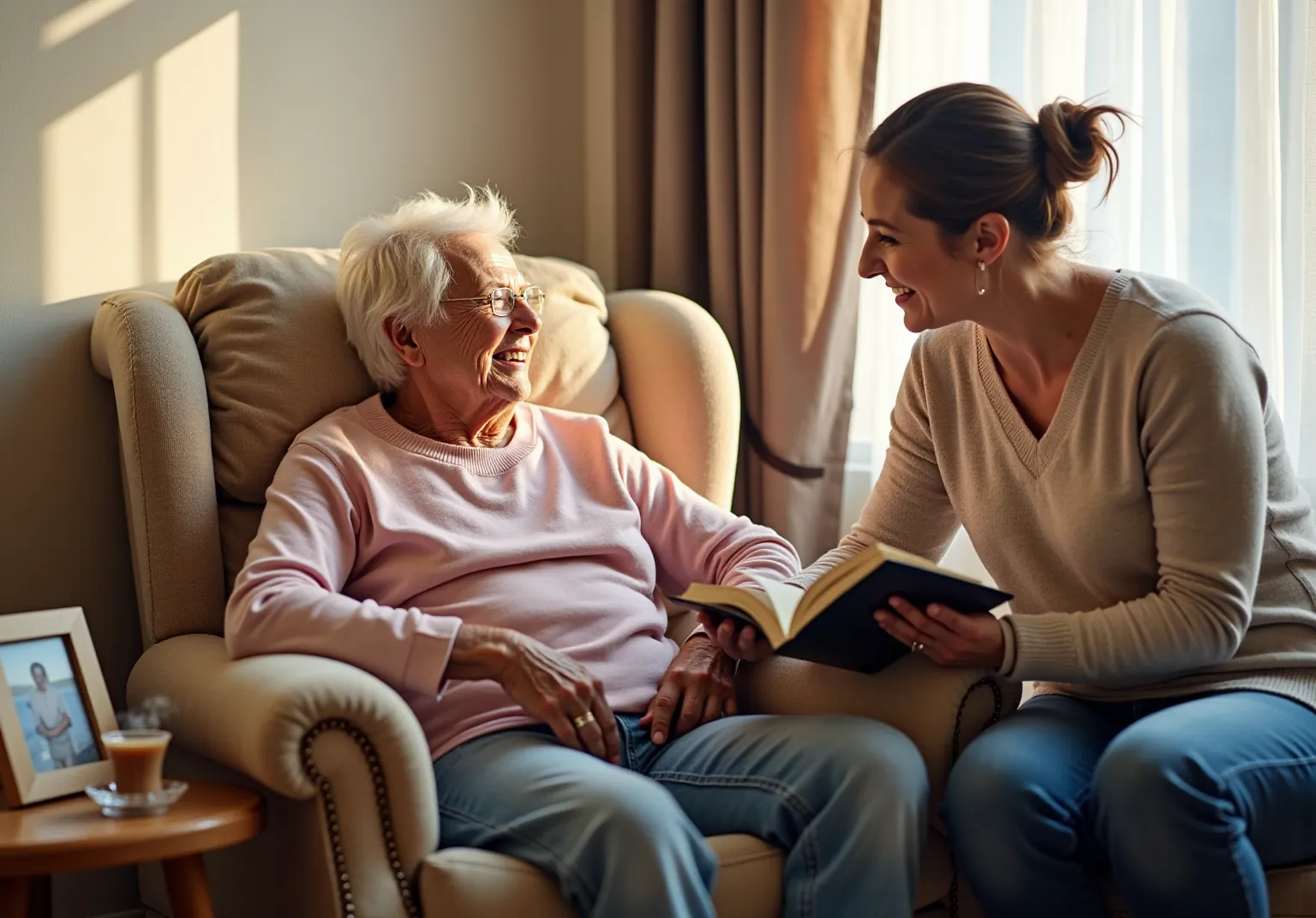
The Importance of Caregiving Positions: Roles,
The demand for caregiving positions is surging as society grapples with an aging population and the complexities of chronic illness. This growing need presents a significant problem: caregivers, whether family members or trained professionals, face emotional strain and require specialized skills to provide effective support.
These challenges not only affect the caregivers themselves but also impact the quality of care received by those in need. As caregivers dedicate their lives to this vital work, it raises critical questions about how society can better recognize and empower them.
To thrive in caregiving roles, individuals can benefit from training programs that enhance their skills and emotional resilience. Additionally, support networks and resources should be made more accessible to caregivers, ensuring they have the tools necessary to manage their responsibilities effectively. By addressing these issues, we can improve the caregiving experience and enhance the quality of life for both caregivers and those they support.
Define Caregiving Positions
Caregiving positions encompass various roles aimed at providing help and support to individuals who cannot fully care for themselves due to age, illness, or disability. These roles can be filled by family members, friends, or professional support providers, each contributing to the well-being of the recipient in different ways. The primary goal of caregiving is to enhance the quality of life for individuals by assisting with daily activities, offering emotional support, and ensuring safety and comfort in their living environments.
In 2025, the caregiving landscape in the United States is marked by a significant number of professional support providers, reflecting the growing demand for in-home care services. This demand is largely driven by an aging population, with projections indicating that by 2034, there will be more seniors than children in the U.S. The responsibilities of caregivers are crucial, as they not only provide physical assistance but also foster emotional connections that enhance the overall well-being of those they support.
However, family caregivers often face unique challenges, balancing their caregiving duties with personal and professional commitments. Many family helpers report feeling unprepared for the demands of their roles, with studies showing that 74% believe they lack essential resources and support. In contrast, those in caregiving positions bring specialized training and experience, enabling them to effectively address complex support needs.
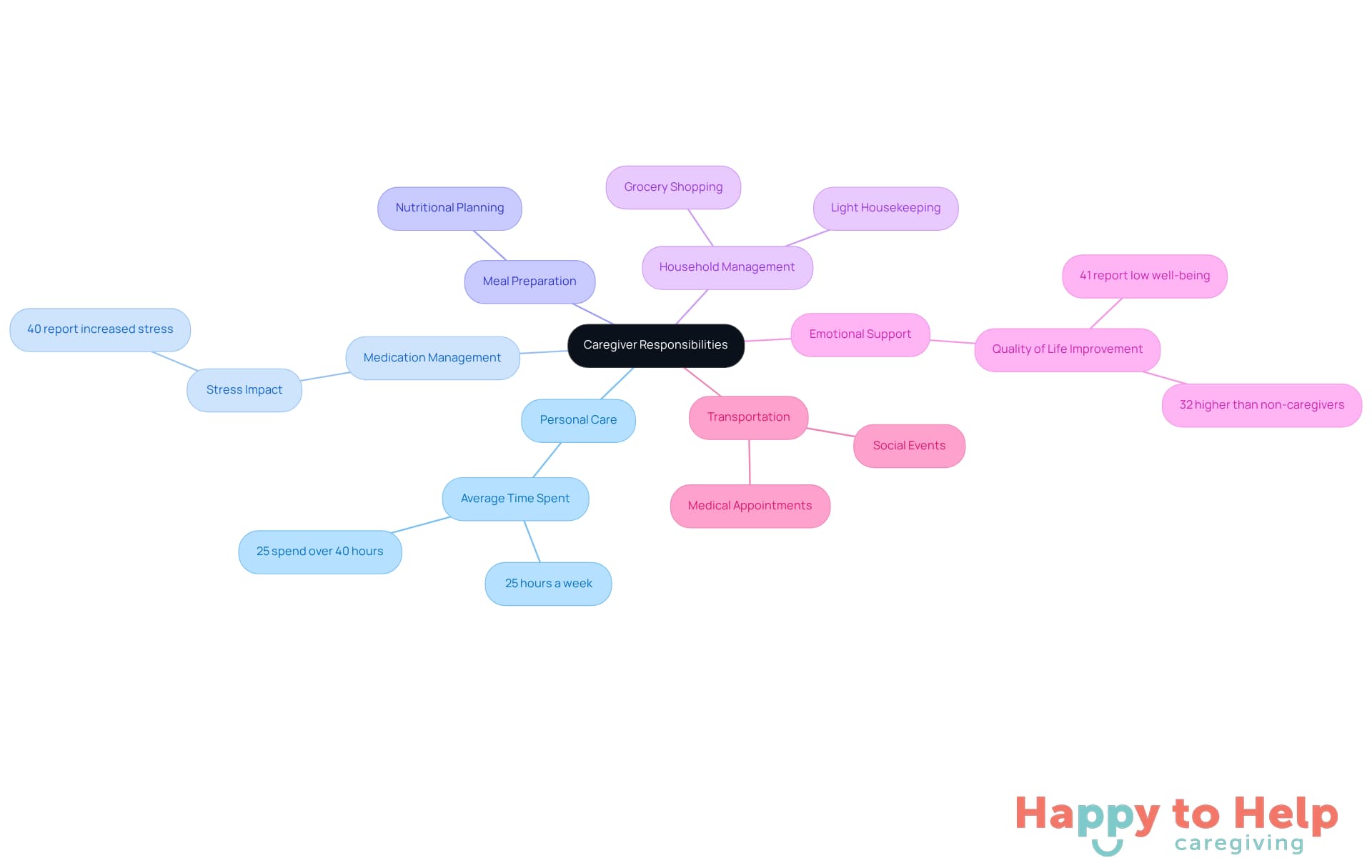
The types of caregiving positions include a significant variety, such as:
- Companionship care
- Post-hospital recovery assistance
- Respite care
- Palliative support
Each role is designed to meet specific needs, ensuring that clients receive tailored assistance that aligns with their lifestyles and preferences. Understanding these diverse caregiving positions is essential for recognizing the varied needs of clients and the skills necessary to meet those needs effectively.
Contextualize the Importance of Caregiving Roles
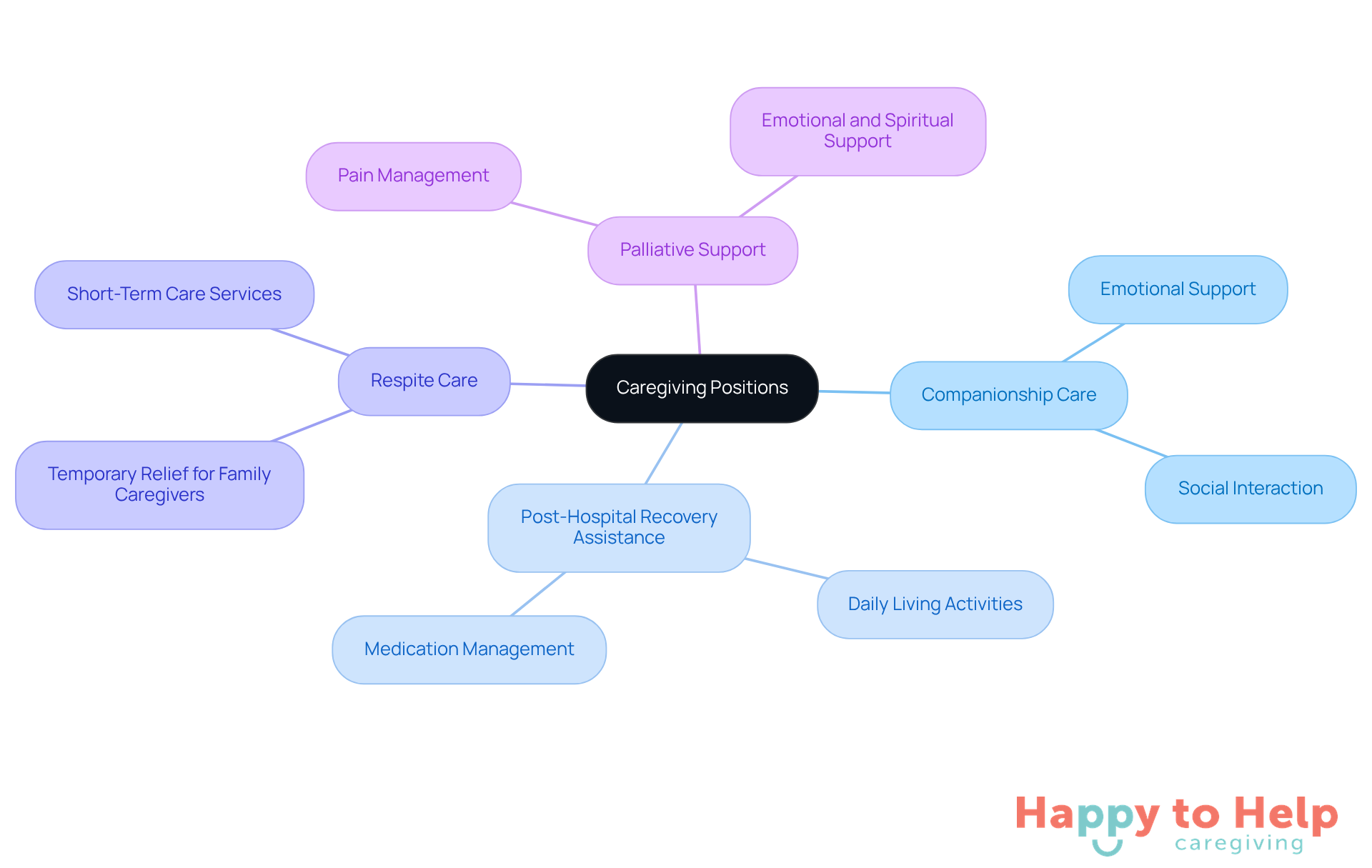
Caregiving responsibilities are becoming increasingly vital in our aging society. The population of Americans aged 65 and older is expected to rise by 47%, from 58 million in 2022 to 82 million in 2050. This surge presents a significant challenge, as these roles not only offer essential assistance to individuals but also alleviate pressure on healthcare systems by enabling support within the home setting.
Research shows that efficient home support can lead to a notable decrease in hospital readmissions. Patients benefit from regular, tailored assistance that meets their individual needs. This continuity of care is crucial for those with chronic illnesses, who often require ongoing support to manage their conditions effectively.
The emotional and psychological benefits of providing care extend beyond the recipients. Caregivers frequently report a profound sense of fulfillment and purpose in their roles, with 51% indicating that offering care gives them a sense of purpose or meaning. This reciprocal relationship enhances the overall quality of life for both parties involved. Furthermore, the presence of support personnel can lead to improved health outcomes, as they help monitor health changes and ensure adherence to treatment plans.
However, it’s important to recognize that 70% of working-age individuals providing care are employed. This highlights the balancing act many face between work and caregiving responsibilities. The significance of caregiving positions cannot be overstated; they form the backbone of a compassionate and effective healthcare system, ultimately contributing to better health outcomes and reduced healthcare costs.
As Robert Espinoza pointed out, "Direct support personnel are the foundation of our long-term assistance system." This underscores the essential need for backing and acknowledgment of those who provide support in our society. To address these challenges, it’s crucial to advocate for better resources and recognition for caregivers, ensuring they receive the support they need to thrive in their roles.
Outline Key Responsibilities of Caregivers
Individuals in caregiving positions face a multitude of challenges that can significantly impact their well-being and the quality of care they provide. These responsibilities often include:
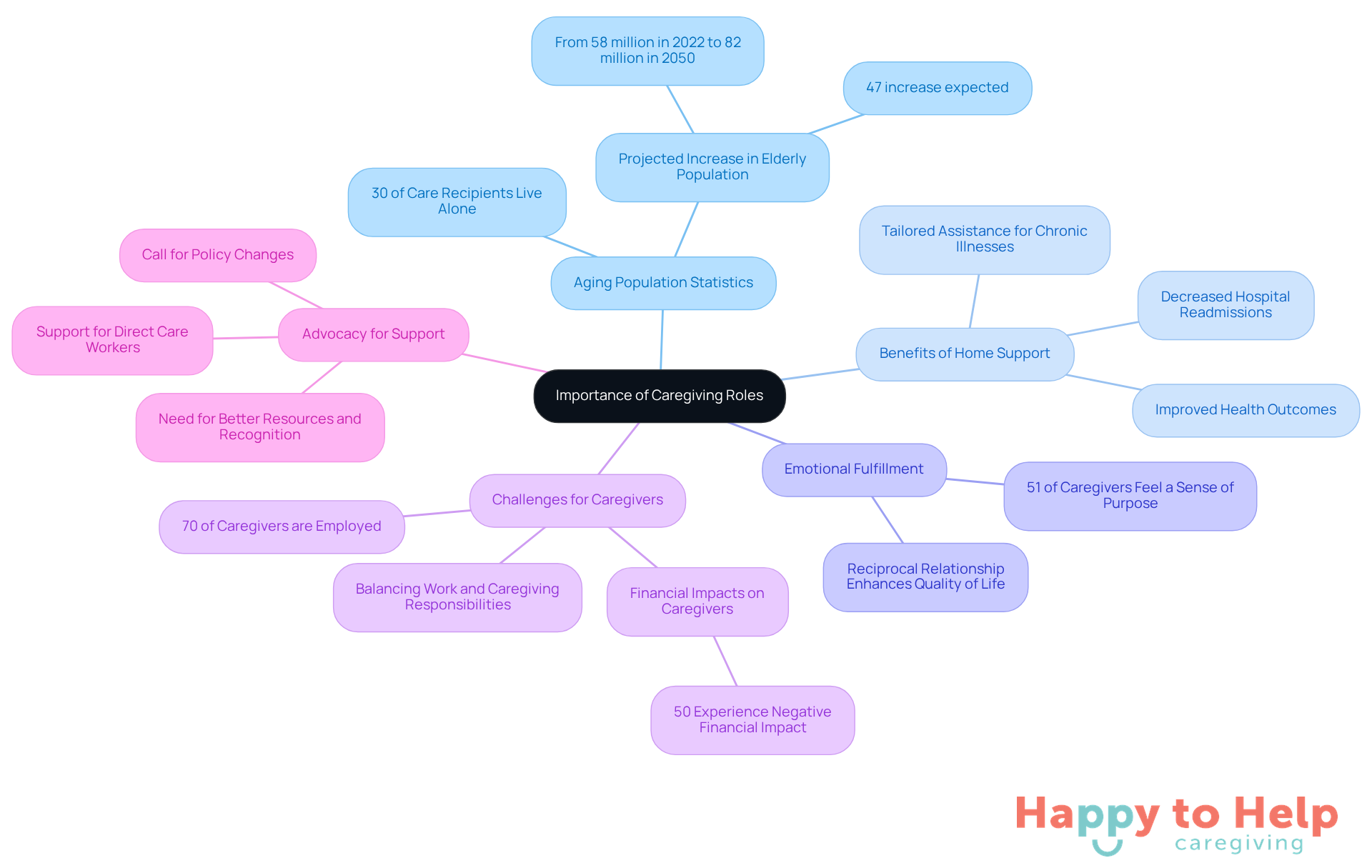
- Personal Care: Assisting with essential daily activities such as bathing, dressing, grooming, and toileting. Caregivers typically dedicate around 25 hours a week to these tasks, with 25% of them spending over 40 hours weekly. This highlights the extensive demands of personal care.
- Medication Management: Ensuring clients adhere to prescribed medication regimens is crucial. This involves organizing pills, monitoring side effects, and communicating concerns to healthcare providers. Notably, 40% of caregivers report that their responsibilities increase their stress levels, indicating the difficulty of balancing their own well-being with their clients' health needs.
- Meal Preparation: Planning and preparing nutritious meals that cater to dietary restrictions and personal preferences is essential for promoting overall health.
- Household Management: Light housekeeping, laundry, and grocery shopping are necessary to maintain a clean and safe living environment.
- Emotional Support: Providing companionship and engaging clients in social activities can alleviate loneliness and enhance mental well-being. Studies show that emotional support significantly improves the quality of life for seniors. Alarmingly, 41% of caregivers report low overall well-being, which is 32% higher than those not in caregiving roles, underscoring the emotional challenges they face.
- Transportation: Assisting clients with transportation to medical appointments or social events helps them stay connected to their communities.
These responsibilities illustrate the complex nature of caregiving positions and the vital role caregivers play in enhancing their clients' quality of life. As the demand for in-home assistance grows, the emotional toll on caregivers becomes increasingly evident. Case studies, such as families caring for aging parents, emphasize the need for greater support and resources for caregivers.
Explore Types of Caregiving Positions
Caregiving positions present unique challenges, each requiring distinct skills and providing essential support. Understanding caregiving positions is crucial for families seeking care solutions and for those considering a career in caregiving.
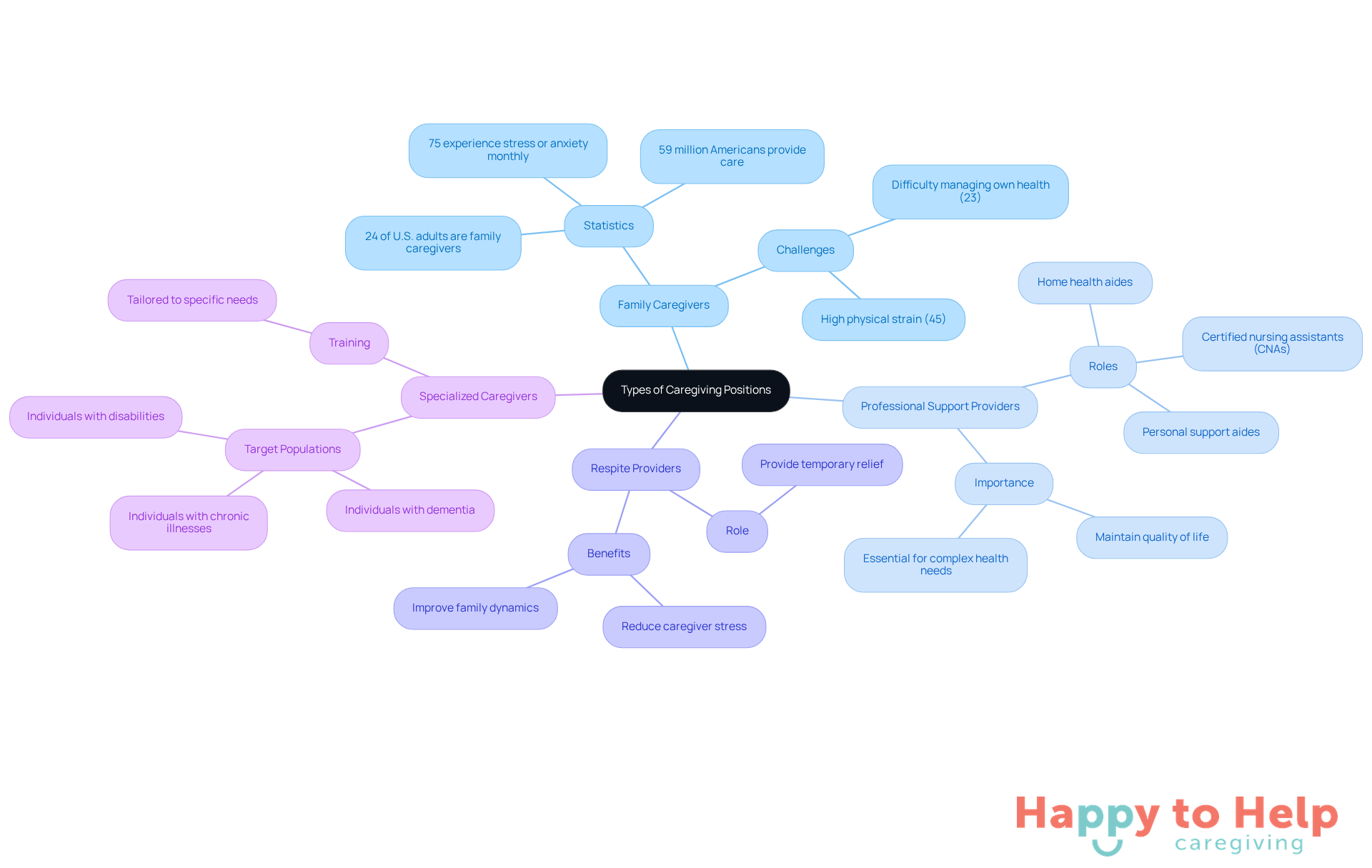
Family Caregivers: Often unpaid, these individuals care for relatives or friends, managing daily tasks and providing emotional support. In 2025, nearly 24% of the U.S. adult population-over 59 million Americans-will be family caregivers. This reflects a significant increase in caregiving responsibilities across generations, highlighting the growing demand for support.
Professional Support Providers: This group includes home health aides, certified nursing assistants (CNAs), and personal support aides. They are trained to deliver medical and personal assistance services, playing a vital role in helping individuals with complex health needs. Their professional and compassionate care is essential for maintaining quality of life.
Respite Providers: These professionals offer temporary relief to primary caregivers, allowing them to take necessary breaks while ensuring continuity of care. Research indicates that respite services can significantly reduce caregiver stress and improve family dynamics, making this support crucial for those in caregiving positions.
Specialized Caregivers: Trained to assist specific populations, such as individuals with dementia, disabilities, or chronic illnesses, these caregivers tackle unique challenges. Their specialized training ensures that care is tailored to meet the specific needs of their clients.
As Ruby Haughton-Pitts, AARP Oregon State Director, states, "Without family caregivers, our systems would collapse." This underscores the indispensable role caregivers play in the healthcare landscape, making it essential to recognize and support their efforts.
Your Path Forward
Understanding caregiving positions reveals their critical role in supporting individuals who are unable to care for themselves. The growing demand for caregiving highlights a significant problem: many caregivers, whether family members or professionals, face immense challenges in providing quality care. These challenges can lead to burnout and a decline in the quality of life for both caregivers and those they assist.
The implications of these challenges are profound. Caregivers often juggle personal care, medication management, and emotional support, all while managing their own lives. This can create a cycle of stress that affects not only the caregivers but also the healthcare system as a whole. Recognizing the diversity and importance of caregiving roles is essential as society navigates the complexities of an aging population.
To address these issues, advocating for better resources and recognition for caregivers is crucial. Communities can foster a more compassionate healthcare environment by providing support systems, training, and respite care options. By understanding and supporting these vital positions, we can ensure that both caregivers and those they assist can thrive.
In conclusion, the significance of caregiving roles extends beyond immediate support. By prioritizing the needs of caregivers and implementing practical solutions, we can enhance the quality of life for everyone involved.
https://iframe.tely.ai/cta/eyJhcnRpY2xlX2lkIjogIjY5M2Y3ZTJlODdmZTg2Nzc1Y2Y5MjkyYyIsICJjb21wYW55X2lkIjogIjY4ZWU1ZGNhNzMxNzYyNTU3ZjNjOTVjMSIsICJpbmRleCI6IG51bGwsICJ0eXBlIjogImFydGljbGUifQ==Frequently Asked Questions
What are caregiving positions?
Caregiving positions encompass various roles aimed at providing help and support to individuals who cannot fully care for themselves due to age, illness, or disability. These roles can be filled by family members, friends, or professional support providers.
What is the primary goal of caregiving?
The primary goal of caregiving is to enhance the quality of life for individuals by assisting with daily activities, offering emotional support, and ensuring safety and comfort in their living environments.
What factors are driving the demand for caregiving services in the U.S.?
The demand for caregiving services is largely driven by an aging population, with projections indicating that by 2034, there will be more seniors than children in the U.S.
What challenges do family caregivers face?
Family caregivers often face challenges balancing their caregiving duties with personal and professional commitments. Many report feeling unprepared for the demands of their roles, with 74% believing they lack essential resources and support.
How do professional caregivers differ from family caregivers?
Professional caregivers bring specialized training and experience, enabling them to effectively address complex support needs, whereas family caregivers may feel unprepared and lack the necessary resources.
What are some types of caregiving positions?
Types of caregiving positions include companionship care, post-hospital recovery assistance, respite care, and palliative support, each designed to meet specific needs of clients.
Why is understanding diverse caregiving positions important?
Understanding diverse caregiving positions is essential for recognizing the varied needs of clients and the skills necessary to meet those needs effectively.
List of Sources
- Define Caregiving Positions
- Family caregivers prefer in-home care over senior living, new industry report finds (https://mcknightshomecare.com/news/family-caregivers-prefer-in-home-care-over-senior-living-new-industry-report-finds)
- As Family Caregiving Grows, So Does the Need for Reform - Medicare Rights Center (https://medicarerights.org/medicare-watch/2025/08/14/as-family-caregiving-grows-so-does-the-need-for-reform)
- The senior population is booming. Caregiving is struggling to keep up (https://cnbc.com/2025/11/21/senior-caregiving-labor.html)
- Caregiving Crisis: 45% Increase in Americans Providing Care (https://aarp.org/caregiving/basics/caregiving-in-us-survey-2025)
- Caregiving conundrums (https://news.cuanschutz.edu/graduate-school/caregiving-conundrums)
- Contextualize the Importance of Caregiving Roles
- As Family Caregiving Grows, So Does the Need for Reform - Medicare Rights Center (https://medicarerights.org/medicare-watch/2025/08/14/as-family-caregiving-grows-so-does-the-need-for-reform)
- An Aging America Needs a Stronger Care Workforce - National Skills Coalition (https://nationalskillscoalition.org/blog/news/an-aging-america-needs-a-stronger-care-workforce)
- Caregiving in the US 2025: A Comprehensive Overview (https://retirementlivingsourcebook.com/proagingnews/caregiving-in-the-us-2025-a-comprehensive-overview)
- New Report Shows Nearly Half of U.S. States Are on the Threshold of a Caregiving Emergency | Otsuka US (https://otsuka-us.com/news/new-report-shows-nearly-half-us-states-are-threshold-caregiving-emergency)
- Outline Key Responsibilities of Caregivers
- Opinion | America’s Caregivers Are in Crisis (https://nytimes.com/2025/11/24/opinion/caregiving-crisis.html)
- Caregiving Trends 2025: Workforce Insights & Support Solutions (https://guardianlife.com/reports/caregiving-in-america)
- Comfort Keepers of Fort Myers Outlines Key Indicators for When Caregiver Support May Be Needed (https://cbs42.com/business/press-releases/ein-presswire/872636529/comfort-keepers-of-fort-myers-outlines-key-indicators-for-when-caregiver-support-may-be-needed)
- The Caregiving Landscape: Data & Insights on the Caregiver Experience in the U.S. (https://caregiveraction.org/caregiver-statistics)
- 63 million Americans are family caregivers | AHA News (https://aha.org/news/headline/2025-07-25-63-million-americans-are-family-caregivers)
- Explore Types of Caregiving Positions
- Family caregivers prefer in-home care over senior living, new industry report finds (https://mcknightshomecare.com/news/family-caregivers-prefer-in-home-care-over-senior-living-new-industry-report-finds)
- The National Alliance for Caregiving and AARP Release Caregiving Report - CAPC - News Bites (https://capc.org/blog/new-data-on-family-caregivers-in-the-us)
- New Study Shares Changing Face of Family Caregivers (https://states.aarp.org/oregon/new-study-shares-changing-face-of-family-caregivers)
- Caregiver Statistics: Work and Caregiving (https://caregiver.org/resource/caregiver-statistics-work-and-caregiving)
- National Alliance for Caregiving: Caregiving in the US 2025 Report (https://johnahartford.org/resources/view/national-alliance-for-caregiving-caregiving-in-the-us-2025-report)