
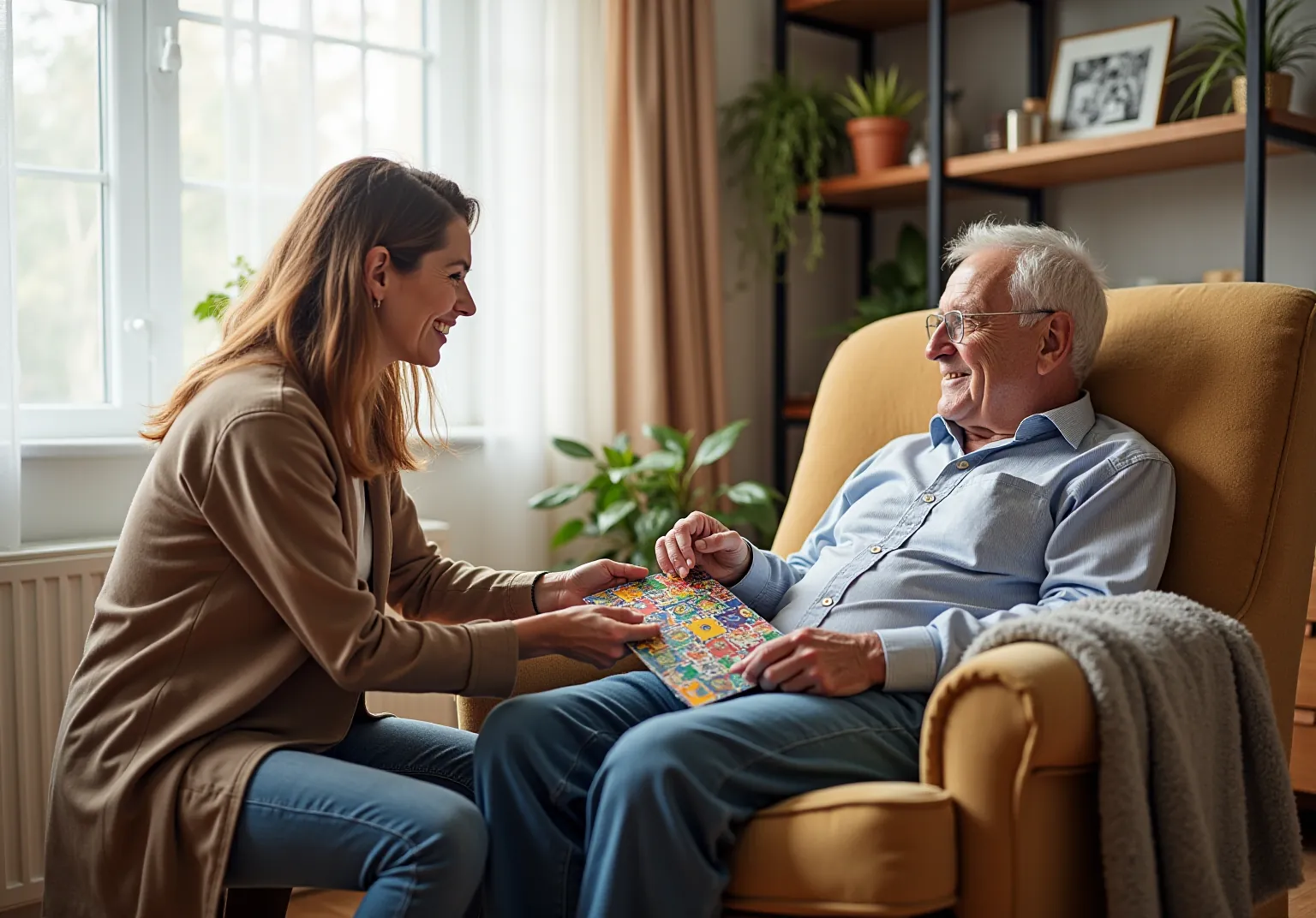
For families in our service areas
For families in our service areas, this guide explains in-home care and how non-medical in-home caregiving can support care planning in East Idaho, Treasure Valley & Magic Valley, Northern Wasatch, North Central West Virginia, and Northeast Ohio.
Why Caring Professionals: Their Role in Matters
Caring professionals play a pivotal role in the home care landscape, acting as the backbone of support for individuals striving to maintain their independence. However, they face significant challenges in delivering personalized care, which raises critical questions about the effectiveness of home assistance.
These skilled specialists not only assist with essential daily tasks but also provide emotional companionship, significantly enhancing the quality of life for clients. Yet, the obstacles they encounter can hinder their ability to offer the support that clients and their families desperately need.
To overcome these challenges, caregivers can implement several practical solutions:
- They should prioritize open communication with clients and their families to better understand their needs.
- Ongoing training and support for caregivers can enhance their skills and confidence in providing personalized care.
By addressing these issues, caregivers can ensure that they deliver the high-quality assistance that is essential for maintaining independence.
Defining Caring Professionals in Home Care
The Challenge of Home Assistance
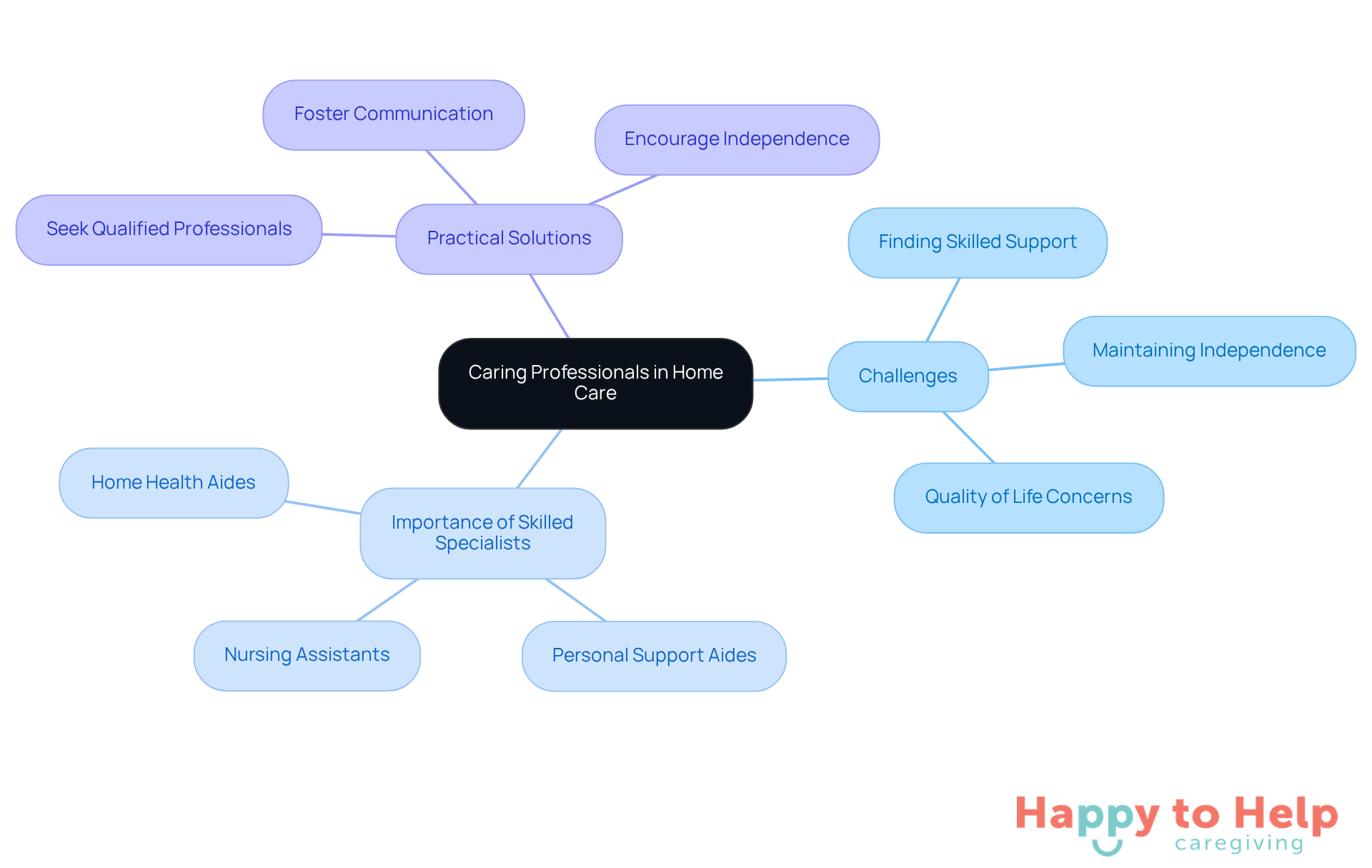
Caregivers often face significant challenges in providing effective home assistance. Many individuals require help to maintain their independence and quality of life, yet finding skilled support can be daunting.
The Importance of Skilled Specialists
Compassionate specialists in home assistance, such as home health aides, personal support aides, and nursing assistants, play a vital role in this ecosystem. They provide both medical and non-medical support, ensuring that clients receive the necessary help. Without these experts, many individuals may struggle with daily living activities, companionship, and emotional guidance.
Practical Solutions for Caregivers
To address these challenges, caregivers can take several actionable steps:
- Seek Qualified Professionals: Look for certified home health aides or nursing assistants who can provide tailored support.
- Foster Communication: Establish open lines of communication with clients to better understand their needs and preferences.
- Encourage Independence: Empower clients by involving them in decision-making about their care.
By implementing these strategies, caregivers can enhance the quality of home assistance and ensure that clients thrive in their own residences.
The Importance of Caring Professionals in Home Care
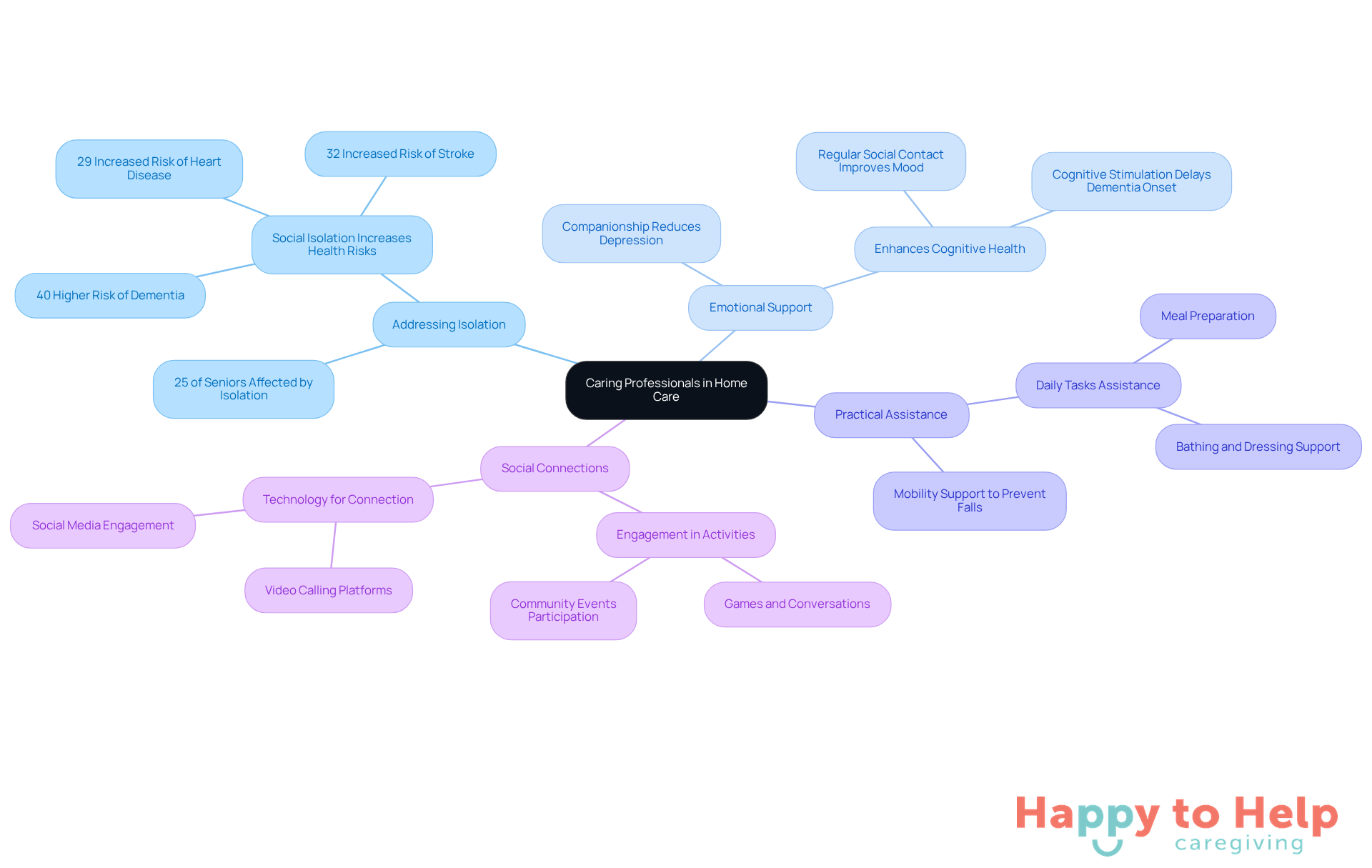
Caring professionals are essential in home care, providing vital support that enables individuals to maintain their independence in familiar surroundings. Their role extends beyond assisting with daily tasks such as bathing, dressing, and meal preparation; they also fulfill crucial emotional needs through companionship and social interaction. This holistic approach significantly mitigates feelings of isolation, which affect approximately 25% of older adults, and enhances the overall mental health of clients. Studies indicate that regular social contact can reduce the risk of depression and anxiety, while fostering cognitive health and emotional resilience.
By creating a safe and comfortable living environment, these professionals not only improve the quality of life for seniors but also offer peace of mind to families concerned about their loved ones' well-being. The presence of caring professionals can lead to measurable improvements in mental health, as clients often report feeling more connected and engaged in their daily lives. This support is particularly vital for seniors, who may face challenges in maintaining social connections due to mobility issues or the loss of friends and family. Ultimately, the compassionate care provided by these professionals transforms lives, ensuring that seniors can thrive in their own homes while receiving the emotional and practical support they need.
Key Services and Characteristics of Caring Professionals
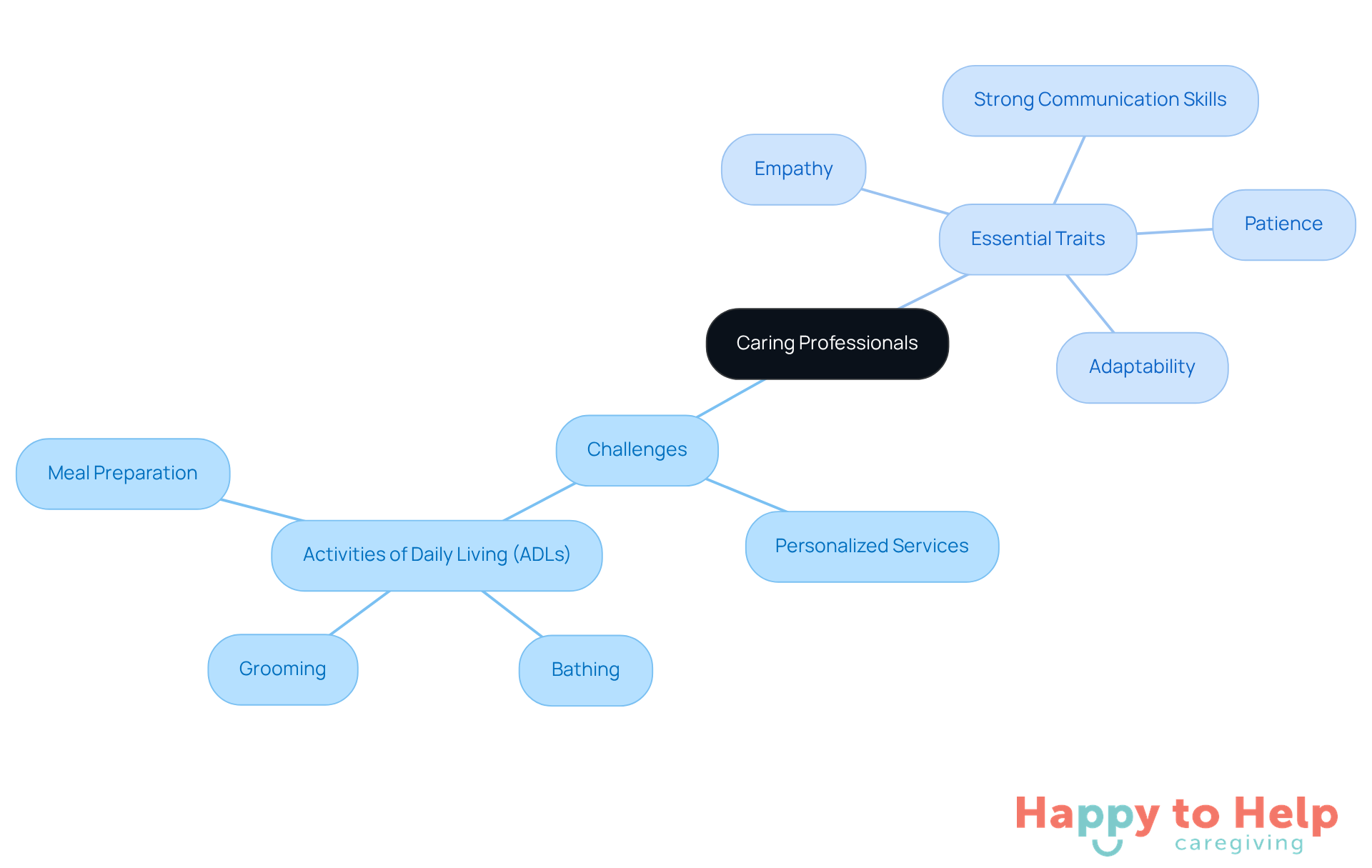
Caring professionals encounter the challenge of delivering personalized services that cater to the unique needs of their clients. This can be particularly difficult when clients require assistance with activities of daily living (ADLs) such as bathing, grooming, and meal preparation. Without the right support, clients may feel isolated or overwhelmed, which can impact their overall well-being.
To address these challenges, caring professionals must embody traits such as:
- Empathy
- Patience
- Strong communication skills
- Adaptability
These qualities not only help establish trusting connections with clients but also ensure that caring professionals deliver care that is both effective and compassionate. When caregivers demonstrate empathy, they can better understand and respond to the emotional needs of their clients, fostering a supportive environment.
Moreover, many compassionate specialists are trained to recognize changes in a person's condition. This training enables them to take prompt action, which can prevent complications and improve the quality of care. By being proactive and attentive, caregivers can significantly enhance their clients' experiences and outcomes.
Supporting Family Caregivers: The Role of Caring Professionals
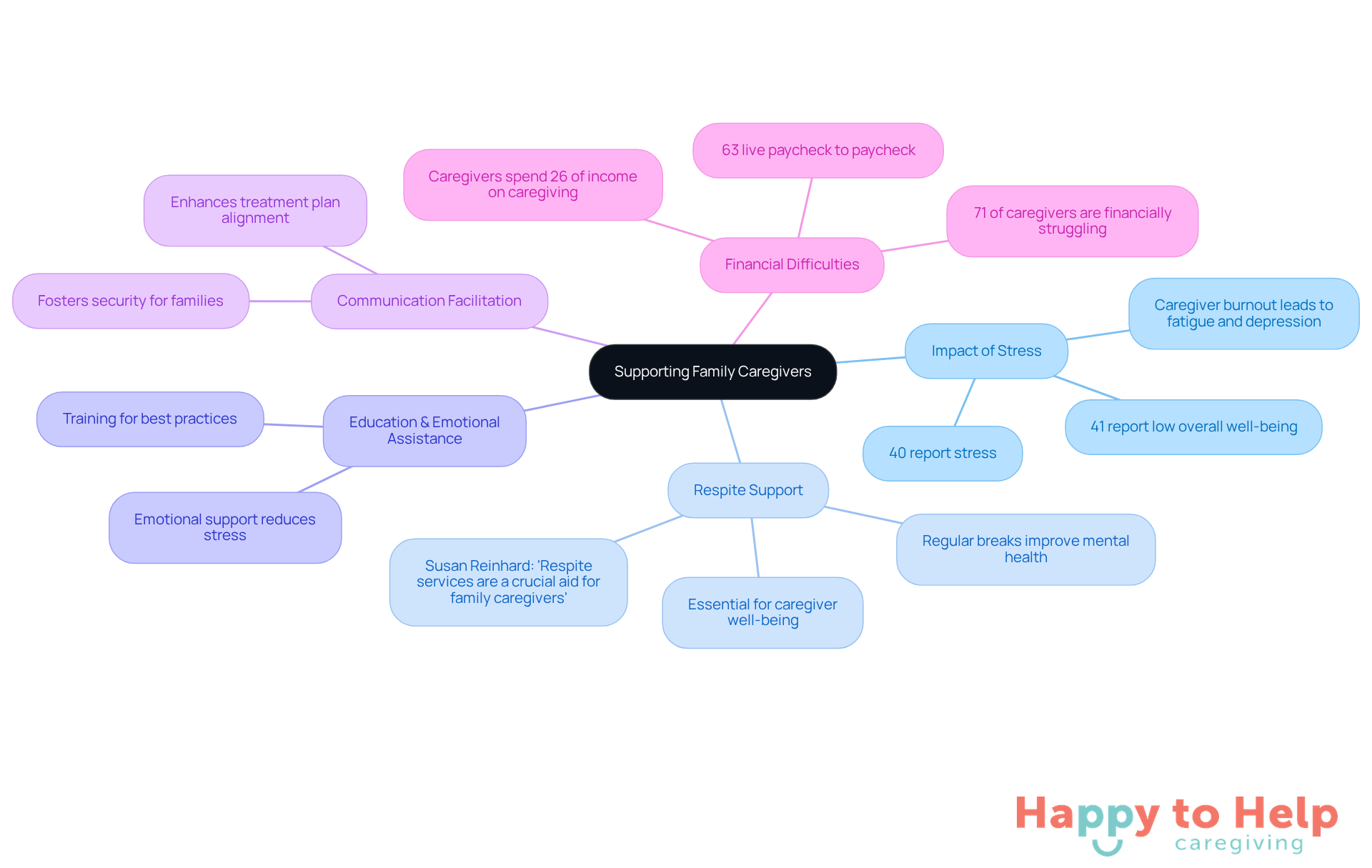
Caring professionals are essential in providing support not only to clients but also to family caregivers. The problem is that many caregivers experience significant stress and burnout due to their responsibilities. Research shows that 40% of caregivers report that their duties negatively impact their stress levels. This highlights the urgent need for effective support systems.
The implications of this stress can be severe, leading to mental health issues and decreased well-being. Regular respite support is essential, allowing family members to take necessary breaks from caregiving duties. Studies suggest that this support can lower stress and improve mental health, making it a vital resource for caregivers.
The solution lies in the education and emotional assistance provided by caring professionals. They not only offer respite support but also equip family caregivers with best practices for managing their loved ones' needs. As Susan Reinhard states, "Respite services are a crucial aid for family caregivers," underscoring the importance of emotional backing in this context.
Additionally, these professionals facilitate communication between family members and healthcare providers, ensuring everyone is aligned on treatment plans. This collaborative approach enhances service quality and fosters a sense of security for families. With 71% of caregivers facing financial difficulties, respite assistance also offers monetary support, allowing caregivers to rejuvenate without added pressure.
By integrating these elements, professionals who are caring contribute to better outcomes for clients and a more sustainable caregiving experience for families. Their role is critical in the home care ecosystem, reinforcing the importance of support and education for caregivers.
Taking the Next Steps
Caring professionals face significant challenges in home care, impacting their ability to provide effective support. These challenges include high stress levels, emotional fatigue, and the need for ongoing training to meet diverse client needs. Such issues not only affect the caregivers but also the quality of care provided to clients, leading to a cycle of burnout and reduced effectiveness.
To address these challenges, it’s essential to implement practical solutions. First, seeking qualified specialists can alleviate some of the burdens on caregivers. Promoting open communication between caregivers and clients fosters a collaborative environment, empowering clients to take an active role in their care decisions. Additionally, ongoing education and training for caregivers can enhance their skills and adaptability, ensuring they are well-equipped to handle various situations.
The essential traits of empathy, patience, and adaptability among caring professionals are crucial for building trusting relationships and delivering high-quality care. By investing in these qualities, caregivers can create a supportive atmosphere that benefits both clients and themselves.
Ultimately, the impact of caring professionals in home care is profound. They not only assist clients in navigating daily life but also provide vital respite for family caregivers, reducing stress and enhancing the overall caregiving experience. Recognizing the importance of these roles encourages a broader understanding of the home care ecosystem and underscores the need for ongoing support and education for both clients and caregivers.
Investing in the right resources and fostering a compassionate environment can lead to improved outcomes for all involved, reinforcing the significant value of caring professionals in enhancing the quality of life for those they serve.
https://iframe.tely.ai/cta/eyJhcnRpY2xlX2lkIjogIjY5MjNhMGM3MjcyNDliYTNkMmMzZTYxZSIsICJjb21wYW55X2lkIjogIjY4ZWU1ZGNhNzMxNzYyNTU3ZjNjOTVjMSIsICJpbmRleCI6IG51bGwsICJ0eXBlIjogImFydGljbGUifQ==Frequently Asked Questions
What challenges do caregivers face in providing home assistance?
Caregivers often encounter significant challenges in providing effective home assistance, as many individuals require help to maintain their independence and quality of life, making it difficult to find skilled support.
What is the role of skilled specialists in home care?
Skilled specialists, such as home health aides, personal support aides, and nursing assistants, play a vital role in home care by providing both medical and non-medical support, helping clients with daily living activities, companionship, and emotional guidance.
What practical solutions can caregivers implement to improve home assistance?
Caregivers can improve home assistance by seeking qualified professionals, fostering communication with clients to understand their needs, and encouraging client independence by involving them in decision-making about their care.
List of Sources
- Defining Caring Professionals in Home Care
- Pay, Job Protections for Home Care Aides at Risk Under Proposed Federal Rule (https://aarp.org/advocacy/job-protections-home-care-workers)
- An Aging America Needs a Stronger Care Workforce - National Skills Coalition (https://nationalskillscoalition.org/blog/news/an-aging-america-needs-a-stronger-care-workforce)
- How Home Care Agencies Can Prepare Now to Secure a Strong Start in 2025 (https://aaniie.com/news/how-home-care-agencies-can-prepare-now-to-secure-a-strong-start-in-2025)
- The senior population is booming. Caregiving is struggling to keep up (https://cnbc.com/2025/11/21/senior-caregiving-labor.html)
- State of home care in 2025 (https://mcknightshomecare.com/state-of-home-care-in-2025)
- The Importance of Caring Professionals in Home Care
- Some Important Statistics and In-Home Companion Care (https://americareinfo.com/beach-cities/articles/in-home-companion-care-some-important-facts-on-aging-to-consider)
- The Power of Companionship for Seniors: A Key Ingredient to Quality Aging (https://homecarepgh.com/blog-posts/companionship-in-old-age)
- 2025 Home Care Statistics: Trends & Insights To Know (https://premierhcinc.com/blog/home-care-statistics)
- The Incredible Benefits of Home Care, in 7 Amazing Stats - Companions For Seniors (https://companionsforseniors.com/2019/08/benefits-home-care-amazing-stats-trends-reports)
- Key Services and Characteristics of Caring Professionals
- Caregiver Statistics: Demographics (https://caregiver.org/resource/caregiver-statistics-demographics)
- Best Qualities of a Good Caregiver (https://vnshealth.org/patient-family-support/health-library/best-qualities-of-a-good-caregiver)
- Important Traits of a Caregiver (https://homeinstead.com/home-care/usa/la/carencro/347/news-and-media/important-traits-of-a-caregiver)
- 10 Characteristics of a Good Caregiver Live-In Caregiver Looking For Work | Home Care agency in New York (https://angelcareny.com/10-characteristics-of-a-good-caregiver-live-in-caregiver-looking-for-work)
- Qualities of a Good Caregiver: Traits That Matter (https://agingarkansas.org/qualities-of-a-good-caregiver-key-traits-that-matter-most)
- Supporting Family Caregivers: The Role of Caring Professionals
- Respite Services: A Critical Support for Family Caregivers (https://ltsschoices.aarp.org/resources-and-practices/respite-services-critical-support-for-family-caregivers)
- Why Does Every Family Caregiver Need Respite Time? (https://homeinstead.com/home-care/usa/ut/salt-lake-city/119/news-and-media/why-does-every-family-caregiver-need-respite-time2)
- As Family Caregiving Grows, So Does the Need for Reform - Medicare Rights Center (https://medicarerights.org/medicare-watch/2025/08/14/as-family-caregiving-grows-so-does-the-need-for-reform)
- Respite Care Services: Essential Support for Caregivers (https://esoregon.com/the-benefits-of-respite-care-services-for-caregiver-relief)
- The Caregiving Landscape: Data & Insights on the Caregiver Experience in the U.S. (https://caregiveraction.org/caregiver-statistics)