
For families in our service areas
For families in our service areas, this guide explains caregiver support and how non-medical in-home caregiving can support care planning in East Idaho, Treasure Valley & Magic Valley, Northern Wasatch, North Central West Virginia, and Northeast Ohio.
What You Need to Know About Causes of Tiredness in the Elderly
Understanding the complexities of tiredness in elderly individuals presents a significant challenge for caregivers. With a staggering 42.6% of older adults experiencing fatigue, the implications for their quality of life are profound. This issue not only affects their daily functioning but also impacts their overall well-being.
Caregivers must discern between normal weariness and more serious exhaustion. Factors contributing to tiredness include sleep disorders, chronic illnesses, nutritional deficiencies, and mental health issues. Recognizing these underlying causes is essential for providing effective care.
To enhance their clients' energy levels and overall well-being, caregivers can implement several strategies:
- Assess Sleep Quality: Encourage regular sleep patterns and create a restful environment.
- Monitor Nutrition: Ensure a balanced diet rich in essential nutrients.
- Encourage Physical Activity: Promote light exercises tailored to the individual's capabilities.
- Support Mental Health: Facilitate access to mental health resources and social engagement.
By addressing these areas, caregivers can significantly improve the quality of life for elderly individuals facing tiredness.
Defining Tiredness in the Elderly
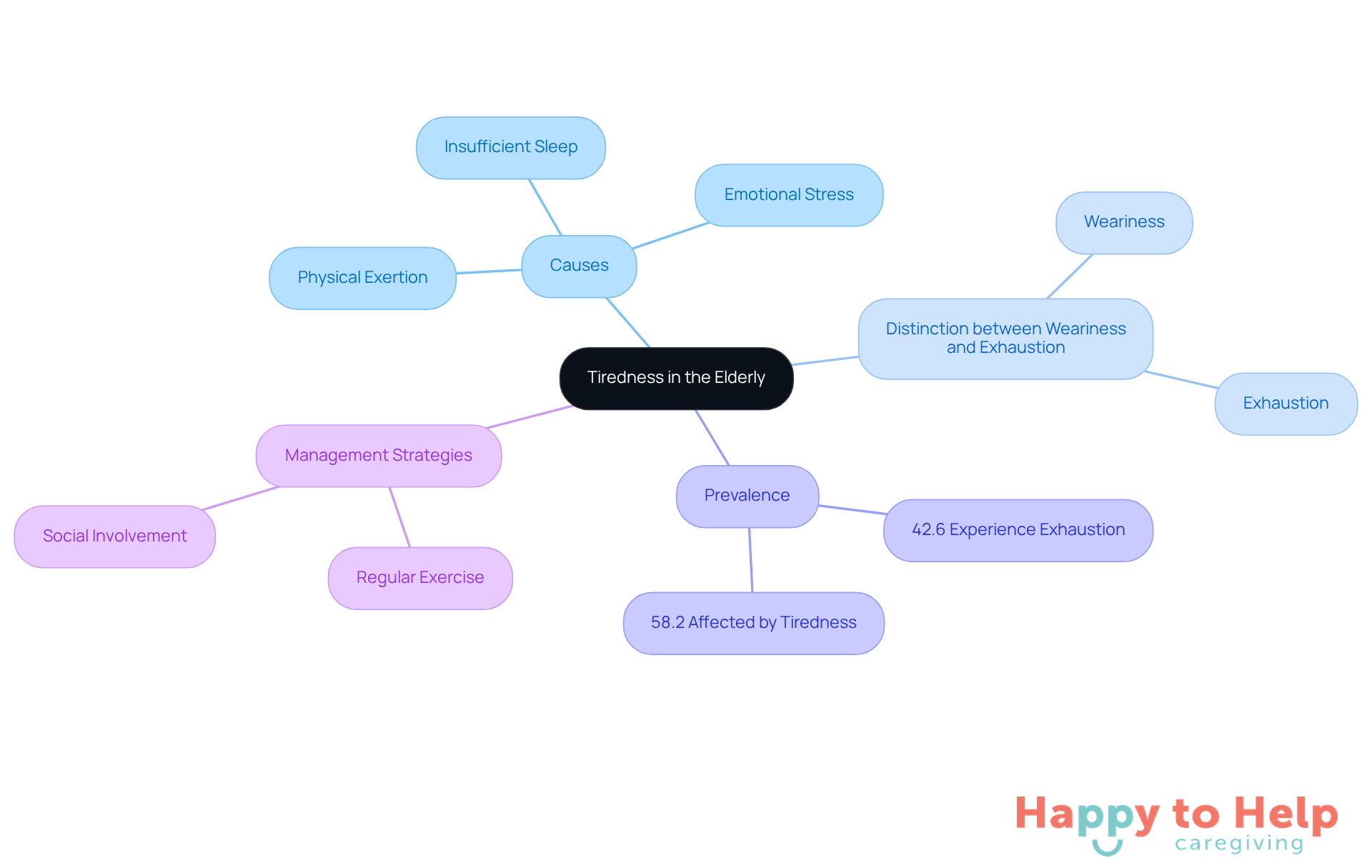
The causes of tiredness in elderly individuals present a significant challenge for caregivers. It is characterized as a subjective sensation of weariness or diminished energy, often stemming from various causes of tiredness in elderly, including physical exertion, emotional stress, or insufficient sleep. Unlike exhaustion, which can indicate underlying health concerns and is often long-lasting, weariness is typically a short-term state that can be alleviated with rest. This distinction is crucial for caregivers, as it shapes their strategies for managing clients' well-being.
Recognizing the causes of tiredness in elderly as a normal reaction to daily activities allows caregivers to provide appropriate support without prematurely assuming more serious health issues. Research indicates that about 42.6% of older adults experience exhaustion, with the causes of tiredness in elderly affecting 58.2% of this population. This highlights the prevalence of these issues among the elderly. Moreover, exhaustion can sometimes signal elder abuse, especially when accompanied by unexplained injuries or sudden behavioral changes.
Understanding the causes of tiredness in elderly and the difference between exhaustion and weariness is essential for effective care. True weariness often necessitates medical assessment, whereas exhaustion may simply reflect the natural cycles of daily life. As Alina Sharon notes, "Fatigue differs from ordinary tiredness. While a short break may reduce drowsiness, true exhaustion drains one’s entire energy reservoir."
To manage tiredness effectively, caregivers should promote lifestyle changes such as:
- Regular exercise
- Social involvement
These strategies can help mitigate the effects of tiredness and improve overall well-being.
Exploring Causes of Tiredness in Older Adults
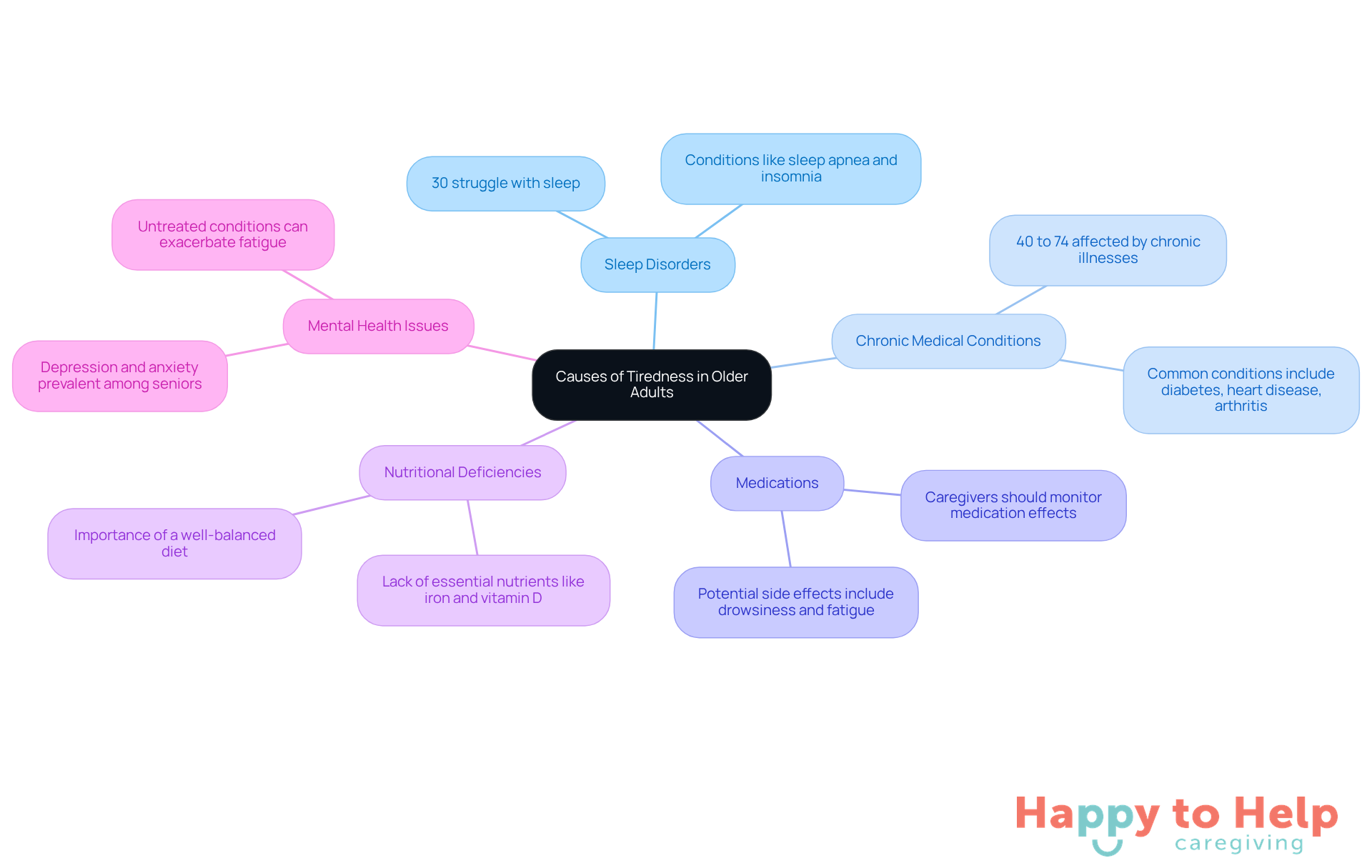
The causes of tiredness in elderly adults are significant issues that can arise from various interrelated factors. Understanding the causes of tiredness in elderly individuals is essential for caregivers to provide effective support.
-
Sleep Disorders: Conditions like sleep apnea and insomnia can severely disrupt sleep quality, leading to excessive daytime fatigue. Alarmingly, nearly 30% of Americans struggle to stay asleep, a statistic that is particularly concerning for the elderly, who face increased risks of sleep disorders.
-
Chronic medical conditions, such as diabetes, heart disease, and arthritis, are notable causes of tiredness in elderly individuals, creating a considerable physical burden. Research shows that the causes of tiredness in elderly individuals with chronic illnesses affect 40% to 74% of them. With a general occurrence of tiredness in seniors noted at 42.6%, managing these conditions is crucial.
-
Many medications prescribed to seniors are known to be causes of tiredness in elderly, potentially leading to drowsiness or fatigue as side effects. Caregivers should monitor these effects closely and consult healthcare providers for potential alternatives.
-
Nutritional deficiencies, such as a lack of essential nutrients like iron and vitamin D, are important causes of tiredness in elderly. A well-balanced diet is vital for maintaining energy levels and overall health in older adults.
-
Mental health issues like depression and anxiety are prevalent among seniors and are key causes of tiredness in elderly individuals, often resulting in increased fatigue. Addressing mental health is critical, as untreated conditions can exacerbate the causes of tiredness in elderly individuals and diminish their quality of life.
By understanding these factors, caregivers can tailor their approach to meet the specific needs of their clients, ensuring they seek appropriate medical advice when necessary.
Impact of Tiredness on Quality of Life
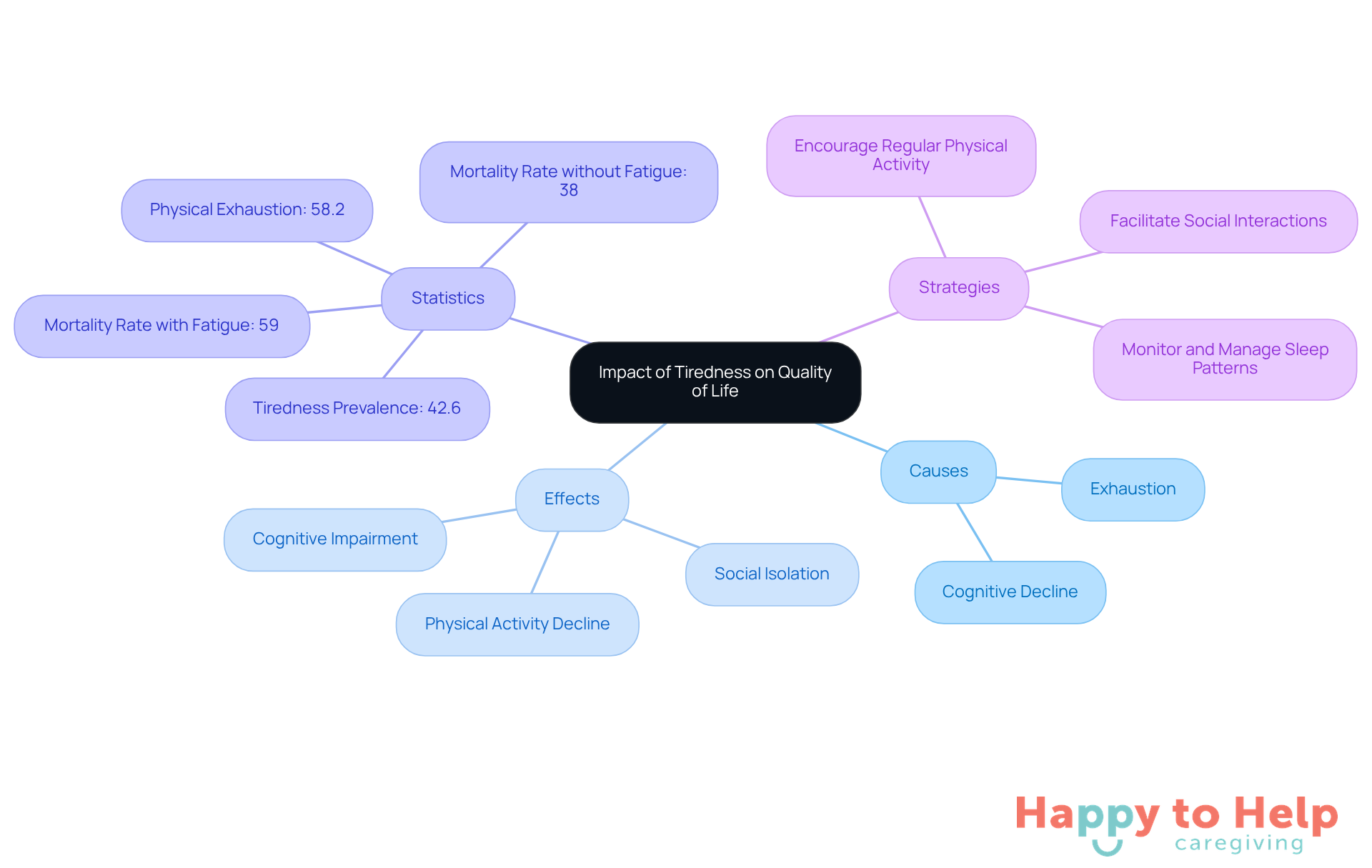
The causes of tiredness in elderly individuals significantly impact their quality of life, often leading to a marked decrease in physical activity. This decline can worsen existing health issues, creating a harmful cycle of deteriorating health. Statistics reveal that approximately 42.6% of older adults experience tiredness, which points to various causes of tiredness in elderly, with 58.2% reporting feelings of physical exhaustion. Such fatigue not only affects physical capabilities but also impairs cognitive function, making it challenging for seniors to participate in social activities or maintain relationships. This isolation can heighten feelings of loneliness and depression, further exacerbating the problem.
Experts emphasize that the causes of tiredness in elderly are strongly linked to exhaustion and cognitive decline, indicating that persistent fatigue can hinder mental engagement and social interaction. For example, individuals who frequently feel tired face a significantly higher mortality risk, with a staggering 59% mortality rate over ten years compared to 38% for those without fatigue. Caregivers play a crucial role in recognizing these effects and should aim to create an environment that balances the need for rest with opportunities for social interaction and physical activity.
To effectively address fatigue, caregivers can implement the following strategies:
- Encourage regular physical activity tailored to the senior's abilities.
- Facilitate social interactions through group activities or visits from friends and family.
- Monitor and manage sleep patterns to ensure adequate rest.
By proactively tackling fatigue, caregivers can greatly improve their clients' overall well-being and quality of life, fostering a more engaged and fulfilling lifestyle.
Managing Tiredness: Strategies for Caregivers
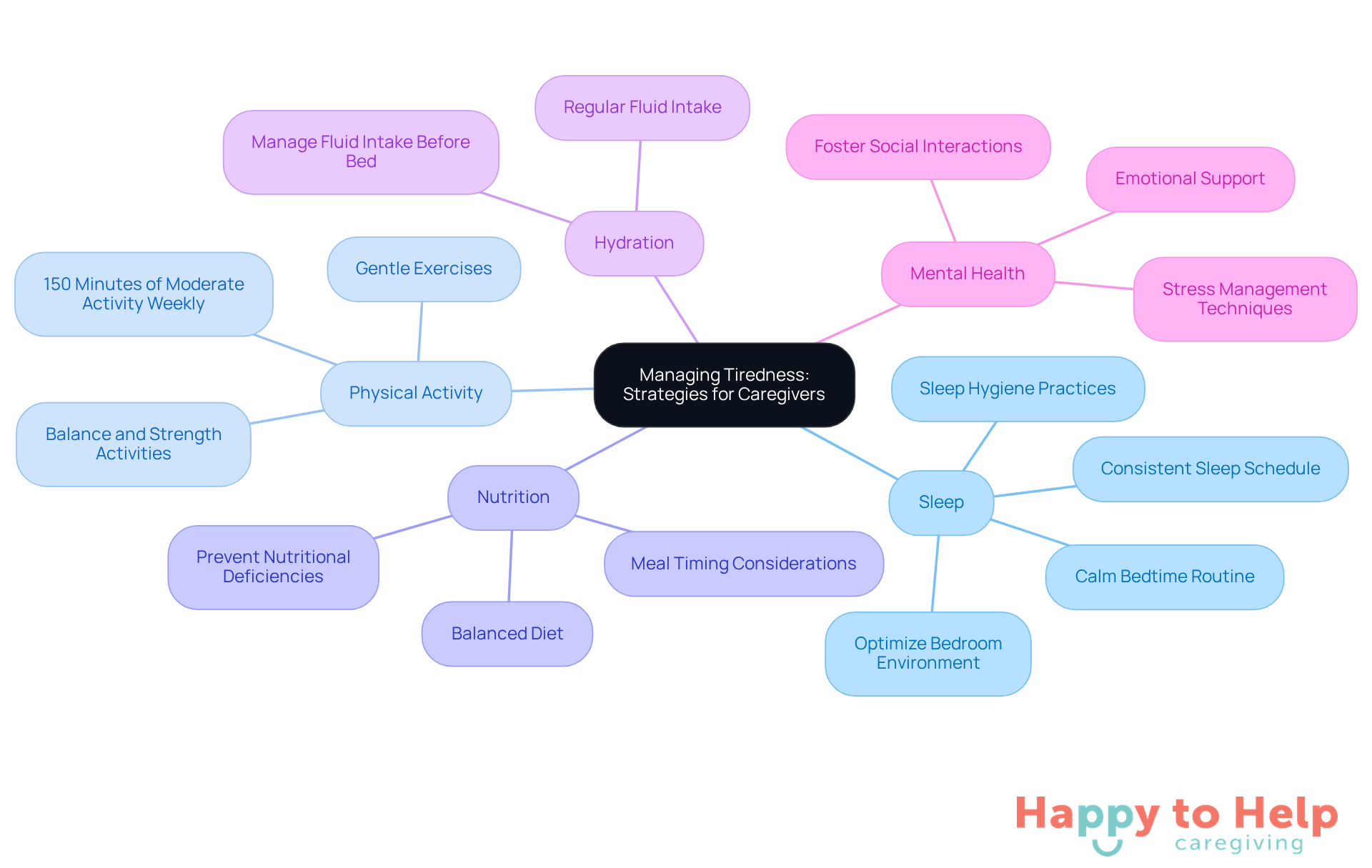
Caregivers face a significant challenge in understanding the causes of tiredness in elderly adults. Many seniors struggle with sleep issues, often requiring 7 to 8 hours of rest each night. However, establishing a consistent sleep schedule and creating a restful environment can greatly improve sleep quality. Practicing proper sleep hygiene, such as maintaining a calm bedtime routine and optimizing the bedroom environment, is essential for enhancing overall health.
Physical activity is another crucial factor. Engaging in gentle exercises like walking or stretching can boost energy levels and combat tiredness. Consistent physical activity not only enhances sleep quality but also lowers the risk of chronic conditions such as heart disease and diabetes. Alarmingly, in 2022, only 13.9% of adults aged 65 and older met the federal physical activity guidelines, underscoring the need for increased engagement in physical activities.
Nutrition is essential in addressing the causes of tiredness in elderly individuals. Caregivers should ensure that older adults maintain a balanced diet rich in essential nutrients to prevent deficiencies, which are known as causes of tiredness in elderly. Encouraging meals that support overall health and vitality is key.
Hydration is equally important. Dehydration can lead to fatigue, so caregivers should promote regular fluid intake. For seniors, even slight dehydration can significantly affect energy levels and mental function.
Lastly, addressing mental health is crucial. Offering emotional support and fostering social interactions can help reduce feelings of isolation and depression, which are prevalent among seniors. Mental health significantly influences energy levels; thus, fostering connections and providing companionship can enhance overall well-being.
By implementing these strategies, caregivers can significantly enhance their clients' energy levels and overall quality of life, ensuring that older adults thrive in their familiar surroundings.
Moving Forward with Causes of Tiredness in the Elderly
Understanding the causes of tiredness in elderly individuals presents a significant challenge for caregivers. Tiredness is not just a natural part of aging; it often stems from a complex interplay of factors such as sleep disorders, chronic health conditions, medication side effects, nutritional deficiencies, and mental health challenges. This complexity can hinder caregivers' ability to provide effective support, impacting the well-being and quality of life of their clients.
Recognizing these factors is crucial for caregivers. The distinction between weariness and exhaustion is essential, as is understanding the significant impact of chronic illnesses and medications. Moreover, maintaining a balanced diet and proper hydration plays a vital role in managing energy levels. Mental health is equally important; fostering social interactions and providing emotional support can help combat feelings of isolation and depression.
To address tiredness effectively, caregivers should adopt a holistic approach to health. Here are some actionable solutions:
- Implement lifestyle changes that promote physical activity.
- Monitor sleep patterns to identify potential issues.
- Provide emotional support to enhance social connections.
By taking these proactive steps, caregivers can significantly improve the quality of life for seniors, ensuring they remain engaged and active in their daily lives.
https://iframe.tely.ai/cta/eyJhcnRpY2xlX2lkIjogIjY5M2Y1MDg0NGM3OGNhYjkzOThjNmZhMiIsICJjb21wYW55X2lkIjogIjY4ZWU1ZGNhNzMxNzYyNTU3ZjNjOTVjMSIsICJpbmRleCI6IG51bGwsICJ0eXBlIjogImFydGljbGUifQ==Frequently Asked Questions
What is tiredness in the elderly?
Tiredness in the elderly is characterized as a subjective sensation of weariness or diminished energy, often resulting from physical exertion, emotional stress, or insufficient sleep.
How does tiredness differ from exhaustion in elderly individuals?
Tiredness is typically a short-term state that can be alleviated with rest, while exhaustion indicates underlying health concerns and is often long-lasting. Recognizing this distinction is crucial for caregivers.
What percentage of older adults experience exhaustion?
Approximately 42.6% of older adults experience exhaustion.
What are common causes of tiredness in elderly individuals?
Common causes include physical exertion, emotional stress, and insufficient sleep.
Why is it important for caregivers to understand the causes of tiredness in the elderly?
Understanding these causes allows caregivers to provide appropriate support without prematurely assuming more serious health issues.
What lifestyle changes can caregivers promote to manage tiredness in the elderly?
Caregivers can promote regular exercise and social involvement to help mitigate the effects of tiredness and improve overall well-being.
Can exhaustion indicate elder abuse?
Yes, exhaustion can sometimes signal elder abuse, especially when it is accompanied by unexplained injuries or sudden behavioral changes.
What should be done if true weariness is suspected in an elderly individual?
True weariness often necessitates a medical assessment to determine any underlying health issues.
List of Sources
- Defining Tiredness in the Elderly
- Why do older adults feel tired? (https://healthline.com/health/medicare/what-causes-sudden-extreme-fatigue-in-elderly)
- Prevalence of fatigue and perceived fatigability in older adults: a systematic review and meta-analysis - Scientific Reports (https://nature.com/articles/s41598-025-88961-x)
- Feeling tired in older age (https://medicalnewstoday.com/articles/what-causes-sudden-extreme-fatigue-in-elderly)
- Fatigue in Older Adults (https://nia.nih.gov/health/fatigue/fatigue-older-adults)
- Exploring Causes of Tiredness in Older Adults
- Fatigue Is Common Among Older Adults, and It Has Many Possible Causes - KFF Health News (https://kffhealthnews.org/news/article/fatigue-management-elderly-health-navigating-aging)
- Prevalence of fatigue and perceived fatigability in older adults: a systematic review and meta-analysis - Scientific Reports (https://nature.com/articles/s41598-025-88961-x)
- How Much Sleep Do I Need? (https://ncoa.org/article/sleep-statistics-older-adults)
- Why do older adults feel tired? (https://healthline.com/health/medicare/what-causes-sudden-extreme-fatigue-in-elderly)
- Feeling tired in older age (https://medicalnewstoday.com/articles/what-causes-sudden-extreme-fatigue-in-elderly)
- Impact of Tiredness on Quality of Life
- Social isolation, loneliness in older people pose health risks (https://nia.nih.gov/news/social-isolation-loneliness-older-people-pose-health-risks)
- Prevalence of fatigue and perceived fatigability in older adults: a systematic review and meta-analysis - Scientific Reports (https://nature.com/articles/s41598-025-88961-x)
- Fatigue Predicts Mortality among Older Adults - PMC (https://pmc.ncbi.nlm.nih.gov/articles/PMC2596279)
- Treating Fatigue is Key to Maximizing Health as You Age (https://kansashealthsystem.com/news-room/blog/2023/09/treating-fatigue-is-key-to-maximizing-health-as-you-age)
- Managing Tiredness: Strategies for Caregivers
- Sleep hygiene tips for older adults (https://medicalnewstoday.com/articles/sleep-hygiene-for-older-adults)
- Physical Activity Benefits for Adults 65 or Older (https://cdc.gov/physical-activity-basics/health-benefits/older-adults.html)
- How Much Sleep Do I Need? (https://ncoa.org/article/sleep-statistics-older-adults)
- Characteristics of Older Adults Who Met Federal Physical Activity Guidelines for Americans: United States, 2022 - National Health Statistics Reports - NCBI Bookshelf (https://ncbi.nlm.nih.gov/books/NBK610676)
- Taking Care of Yourself: Tips for Caregivers (https://nia.nih.gov/health/caregiving/taking-care-yourself-tips-caregivers)