
For families in our service areas
For families in our service areas, this guide explains dementia care and how non-medical in-home caregiving can support care planning in East Idaho, Treasure Valley & Magic Valley, Northern Wasatch, North Central West Virginia & Southwestern Pennsylvania, and Northeast Ohio.
What You Need to Know About Dementia and Eating Problems: Strategies
Dementia profoundly affects cognitive function and the essential act of eating, presenting a significant challenge for caregivers. Individuals often struggle with forgetfulness, loss of appetite, and altered taste, making it increasingly difficult to ensure proper nutrition. This situation creates a complex web of challenges that caregivers must navigate.
As caregivers face these obstacles, the task of providing nutritious meals can become daunting. The implications of these challenges extend beyond physical health; they can lead to stress and frustration for both caregivers and those they care for. How can caregivers effectively address these issues to foster a supportive and enjoyable mealtime experience?
Exploring practical strategies can empower caregivers to enhance the quality of life for individuals facing eating difficulties. By transforming mealtimes from a source of stress into moments of connection and joy, caregivers can significantly improve the overall well-being of those they support. Here are some actionable tips to consider:
- Establish a Routine: Consistency can help reduce anxiety around mealtimes.
- Create a Pleasant Environment: A calm and inviting setting can enhance the dining experience.
- Incorporate Favorite Foods: Offering familiar and enjoyable foods can stimulate appetite.
- Engage in Conversation: Encouraging dialogue during meals can foster connection and enjoyment.
By implementing these strategies, caregivers can turn mealtimes into positive experiences, ultimately benefiting both themselves and those they care for.
Explore the Impact of Dementia on Eating Habits
Dementia can lead to eating problems that significantly alter a person's eating habits, presenting a serious challenge for caregivers. Cognitive decline, memory loss, and changes in sensory perception contribute to this issue.
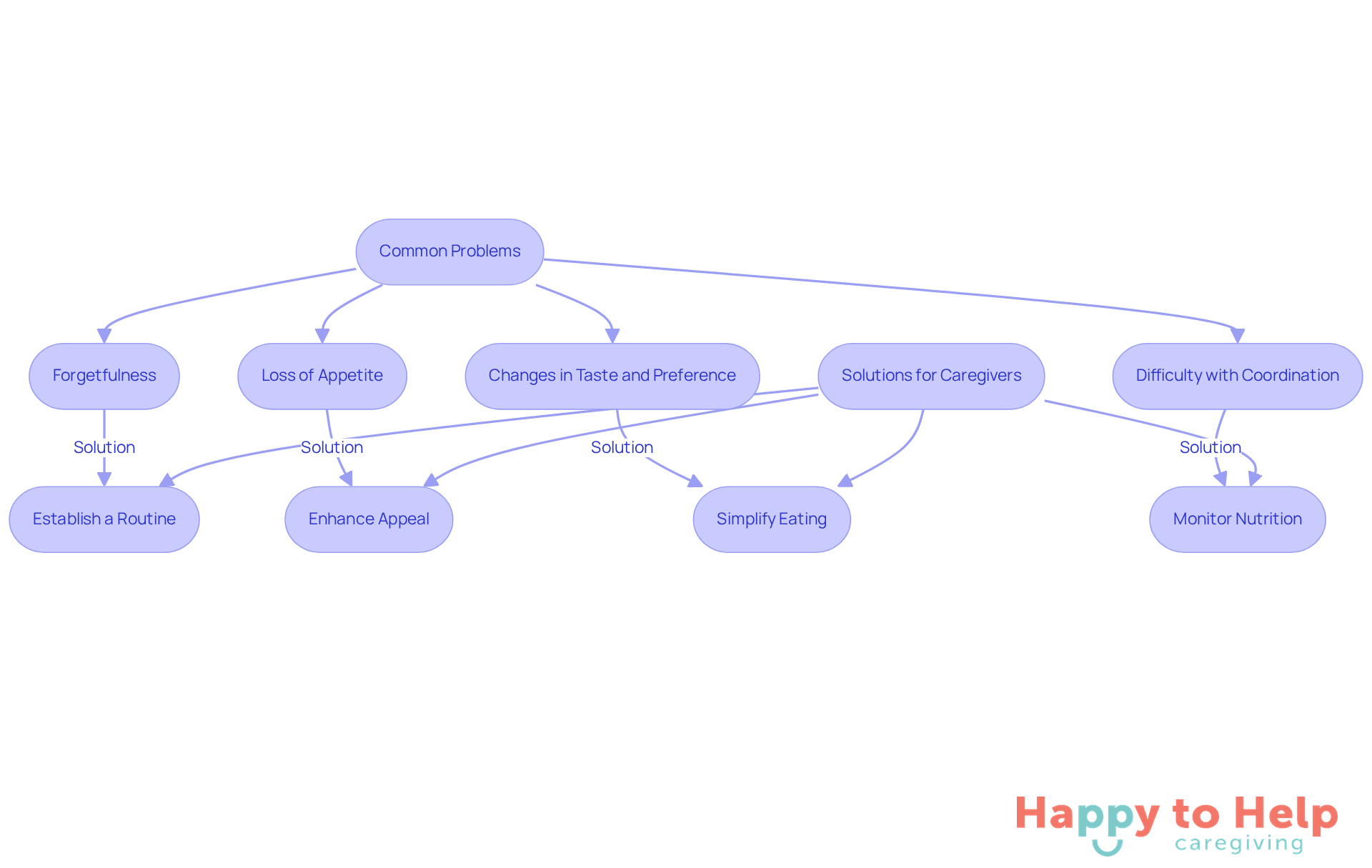
Common Problems:
- Forgetfulness: Individuals may forget to eat or may not recall if they have already had a meal.
- Loss of Appetite: Many experience a decreased interest in food, which can lead to weight loss and malnutrition.
- Changes in Taste and Preference: Dementia can affect taste perception, leading to a preference for certain foods or flavors that may not align with previous habits.
- Difficulty with Coordination: Physical challenges may arise, making it hard to use utensils or chew food properly.
These issues can have serious implications for nutrition and overall well-being, particularly concerning dementia and eating problems. Caregivers must recognize these effects to adapt their approaches effectively.
Solutions for Caregivers:
- Establish a Routine: Create a consistent meal schedule to help individuals remember to eat.
- Enhance Appeal: Present food in an attractive manner and offer a variety of flavors to stimulate interest.
- Simplify Eating: Use adaptive utensils and provide assistance as needed to make mealtime easier.
- Monitor Nutrition: Keep track of food intake and consult with healthcare professionals to ensure nutritional needs are met.
By acknowledging these challenges and implementing practical solutions, caregivers can help ensure adequate nutrition and a positive dining experience for those facing dementia and eating problems.
Implement Strategies for Supportive Mealtimes
Creating a supportive mealtime environment for individuals with dementia and eating problems presents a significant challenge for caregivers. Research shows that 60% of patients with dementia and eating problems living at home struggle during mealtime, leading to anxiety and confusion. This highlights the urgent need for effective strategies to improve their dining experience.
To address this issue, caregivers can implement several practical solutions:
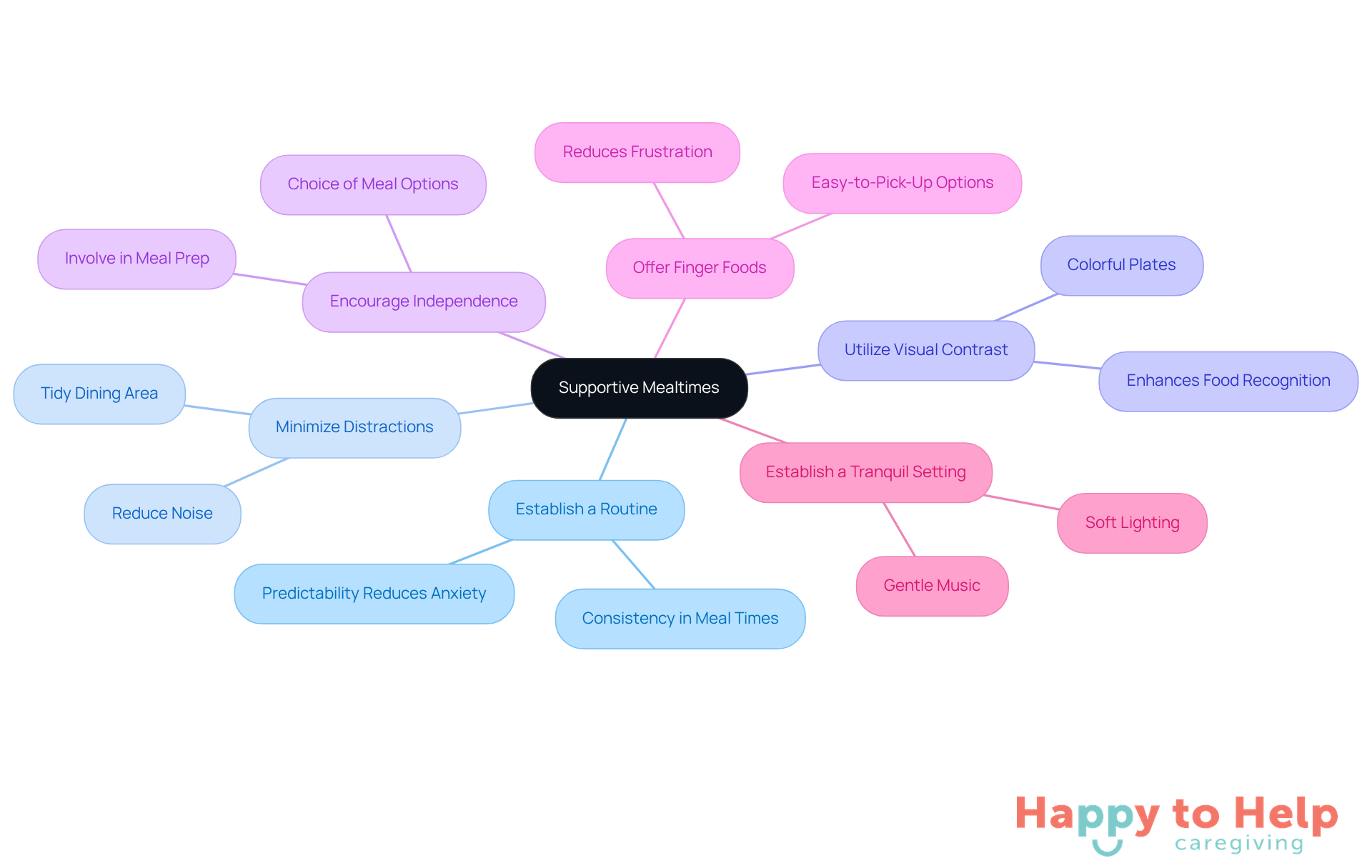
- Establish a Routine: Consistency is crucial. Providing meals at the same hour each day fosters a sense of security, making dining times more predictable and alleviating anxiety.
- Minimize Distractions: Reducing noise and visual clutter helps individuals focus on their food. Turning off the television and keeping the dining area tidy creates a more conducive atmosphere for eating.
- Utilize Visual Contrast: Presenting food on plates that differ in color from the food itself enhances visibility, making it easier for individuals to recognize their dishes and enjoy their meals.
- Encourage Independence: Allowing individuals to participate in meal preparation or choose between meal options promotes a sense of control and self-sufficiency, which is vital for their dignity and confidence.
- Offer Finger Foods: Providing easy-to-pick-up foods, such as cheese cubes, sandwiches, and chopped fruit, empowers those with coordination issues to eat more independently, reducing frustration.
- Establish a Tranquil Setting: A soothing environment can significantly reduce anxiety. Soft lighting and gentle music contribute to a calming dining experience.
By applying these strategies, caregivers can enhance the dining experience for individuals facing dementia and eating problems while fostering a supportive and efficient eating atmosphere. As expert Jenan Mohammad Jiménez notes, "Eating and swallowing can become difficult, stressful, or even isolating, but they can also be moments of joy and connection." This underscores the importance of creating a positive mealtime experience.
Identify and Address Common Eating Challenges
Common eating challenges faced by individuals with dementia include:
-
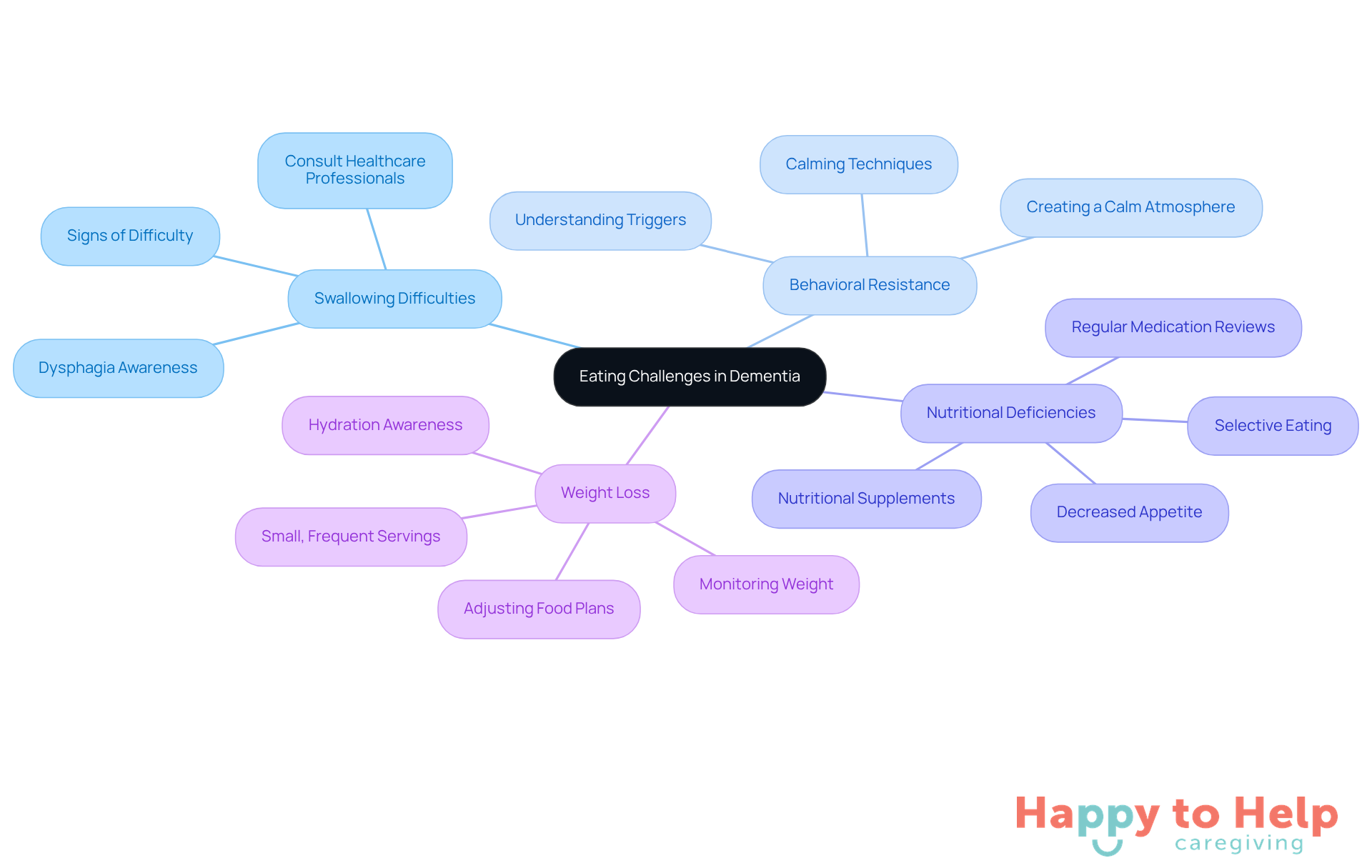
Swallowing Difficulties (Dysphagia): Many individuals struggle with swallowing, which can lead to choking or aspiration. Caregivers should monitor for signs of difficulty and consult healthcare professionals for guidance. Seniors with Alzheimer's may experience dementia and eating problems, resulting in increased difficulty with chewing and swallowing, making it harder for them to consume adequate nutrients.
-
Behavioral Resistance: Some individuals may refuse to eat or become agitated during meals due to dementia and eating problems. Understanding triggers and using calming techniques can help. Maintaining a calm atmosphere and providing gentle encouragement can ease anxiety around eating.
-
Nutritional Deficiencies: Decreased appetite or selective eating can prevent individuals from getting necessary nutrients. Caregivers should consider nutritional supplements or consult a dietitian for tailored advice. Regular medication reviews are essential, as medications can impact appetite and nutrient absorption.
-
Weight Loss: Regularly monitoring weight and adjusting food plans is crucial to ensure adequate caloric intake. Providing small, frequent servings can assist. Caregivers should also be aware of the risk of dehydration, as those with dementia may forget to drink water regularly, negatively affecting cognition and overall health.
By recognizing these challenges associated with dementia and eating problems, caregivers can take proactive steps to ensure their loved ones receive the nutrition they need. Maintaining oral health is also crucial for individuals with dementia, as it significantly affects their ability to eat and enjoy meals. As Dr. Vitale notes, feeding tubes do not improve nutrition or quality of life for patients with advanced dementia. This highlights the importance of exploring alternative feeding strategies, such as hand feeding, to enhance the mealtime experience.
Moving Forward with Dementia and Eating Problems: Strategies
Dementia presents a significant challenge for caregivers, particularly when it comes to ensuring proper nutrition. The way dementia alters an individual's relationship with food can create barriers that complicate mealtime experiences. Recognizing these cognitive and physical challenges is crucial for caregivers aiming to support those affected effectively.
To address these challenges, establishing routines and minimizing distractions during meals can greatly enhance the dining experience. Creating a calming atmosphere is essential, as it helps individuals feel more at ease. Caregivers can simplify the eating process by using adaptive utensils and offering finger foods, which promote independence in eating. Additionally, monitoring nutritional intake and tackling common issues like swallowing difficulties and behavioral resistance are vital steps in fostering a positive dining environment.
The ultimate goal is to transform mealtime into a joyful experience rather than a source of stress. By implementing supportive strategies and being attuned to the unique needs of individuals with dementia, caregivers can significantly enhance their loved ones' quality of life. Approaching this caregiving journey with compassion and creativity ensures that every meal becomes an opportunity for nourishment, connection, and enjoyment.
https://iframe.tely.ai/cta/eyJhcnRpY2xlX2lkIjogIjY5MjBmZDc0YTE0NTEzNzg0OGJmYTQ5MiIsICJjb21wYW55X2lkIjogIjY4ZWU1ZGNhNzMxNzYyNTU3ZjNjOTVjMSIsICJpbmRleCI6IG51bGwsICJ0eXBlIjogImFydGljbGUifQ==Frequently Asked Questions
How does dementia impact eating habits?
Dementia can lead to eating problems due to cognitive decline, memory loss, and changes in sensory perception, significantly altering a person's eating habits.
What are some common eating problems associated with dementia?
Common problems include forgetfulness about meals, loss of appetite, changes in taste and food preferences, and difficulty with coordination, which can affect the ability to use utensils or chew food properly.
Why is it important for caregivers to recognize eating problems in individuals with dementia?
Recognizing these eating problems is crucial for caregivers as they can have serious implications for nutrition and overall well-being, necessitating adapted caregiving approaches.
What solutions can caregivers implement to address eating challenges in individuals with dementia?
Caregivers can establish a consistent meal routine, present food attractively with a variety of flavors, simplify eating with adaptive utensils, and monitor nutrition while consulting healthcare professionals.
How can establishing a routine help individuals with dementia regarding their eating habits?
A consistent meal schedule can help individuals remember to eat and maintain regular nutritional intake.
What role does food presentation play in encouraging individuals with dementia to eat?
Presenting food in an appealing manner and offering diverse flavors can stimulate interest in eating, helping to address loss of appetite.
How can caregivers simplify the eating process for individuals with dementia?
Caregivers can use adaptive utensils and provide assistance as needed to make mealtime easier and more manageable for those with coordination difficulties.
Why is monitoring nutrition important for individuals with dementia?
Keeping track of food intake and consulting with healthcare professionals ensures that the nutritional needs of individuals with dementia are being met, preventing malnutrition and promoting overall health.
List of Sources
- Explore the Impact of Dementia on Eating Habits
- Mediterranean diet offsets genetic risk for dementia, study finds — Harvard Gazette (https://news.harvard.edu/gazette/story/2025/08/mediterranean-diet-offsets-genetic-risk-for-dementia-study-finds)
- People carrying two copies of ‘Alzheimer’s gene’ lowered risk by 35% via diet changes | CNN (https://cnn.com/2025/08/25/health/mediterranean-diet-dementia-apoe4-wellness)
- U.S. POINTER Study shows lifestyle program improves cognition in older adults (https://health.ucdavis.edu/news/headlines/us-pointer-study-shows-lifestyle-program-improves-cognition-in-older-adults/2025/07)
- New UH study: It’s never too late to eat smarter to help your brain avoid dementia (https://uhcancercenter.org/about-us/newsroom/1123-new-uh-study-it-s-never-too-late-to-eat-smarter-to-help-your-brain-avoid-dementia)
- Implement Strategies for Supportive Mealtimes
- Helping caregivers help people with dementia eat at home (https://news.osu.edu/helping-caregivers-help-people-with-dementia-eat-at-home)
- Fostering the Enjoyment of Eating through Inclusive Strategies for People Living with Dementia | Global Brain Health Institute (https://gbhi.org/news-publications/fostering-enjoyment-eating-through-inclusive-strategies-people-living-dementia)
- How to Improve Mealtimes for Someone with Dementia - Whitsyms In-Home Care (https://whitsymsinhomecare.com/our-blog/how-to-improve-mealtimes-for-someone-with-dementia)
- Researchers Pinpoint Strategies to Make Mealtime Easier for Dementia Patients and Caregivers | GreaterGood (https://greatergood.com/blogs/news/mealtime-strategies-dementia-patients)
- Making Meals Less Stressful for Seniors with Alzheimer’s (https://hcprosonline.com/making-meals-less-stressful-for-seniors-with-alzheimers)
- Identify and Address Common Eating Challenges
- Food & Eating | Alzheimer's Association (https://alz.org/help-support/caregiving/daily-care/food-eating)
- Study pinpoints mealtime issues in nursing home residents with dementia (https://mcknights.com/news/study-pinpoints-mealtime-issues-in-nursing-home-residents-with-dementia)
- Six Nutrition Challenges Facing Alzheimer’s Patients (https://houston-homecare.com/alzheimers-care-six-nutrition-challenges-facing-alzheimers-patients)
- Patient Information: Eating and Swallowing Problems in People With Advanced Dementia (https://jamanetwork.com/journals/jama/fullarticle/2835480)
- Why do dementia patients stop eating - LifeChoice Insights (https://mylifechoice.org/blog/why-do-dementia-patients-stop-eating)