Understanding Dementia and Urinary Tract Infection: A Caregiver's

For families in our service areas
For families in our service areas, this guide explains dementia care and how non-medical in-home caregiving can support care planning in East Idaho, Treasure Valley & Magic Valley, Northern Wasatch, North Central West Virginia & Southwestern Pennsylvania, and Northeast Ohio.
The Importance of Dementia and Urinary Tract Infection: A
Understanding the relationship between dementia and urinary tract infections (UTIs) is crucial for caregivers. The problem arises when cognitive decline in dementia masks UTI symptoms, leading to misdiagnosis and inadequate care. This situation not only complicates the caregiving process but also jeopardizes the quality of life for those affected.
As dementia progresses, caregivers may struggle to identify UTIs, which can result in serious health implications. Caregivers often find themselves overwhelmed, balancing the demands of their role while ensuring their own well-being. So, how can they effectively manage these challenges?
To address this issue, caregivers can adopt several critical strategies. First, they should familiarize themselves with the common symptoms of UTIs, which may include:
- Changes in behavior
- Increased confusion
- Agitation
Regular monitoring and open communication with healthcare providers can also help in early detection and treatment.
Additionally, preventive measures such as:
- Encouraging fluid intake
- Maintaining proper hygiene
can significantly reduce the risk of UTIs. By implementing these strategies, caregivers can enhance the quality of life for individuals with dementia while also taking care of their own health.
Clarify Dementia and Urinary Tract Infections: Definitions and Symptoms
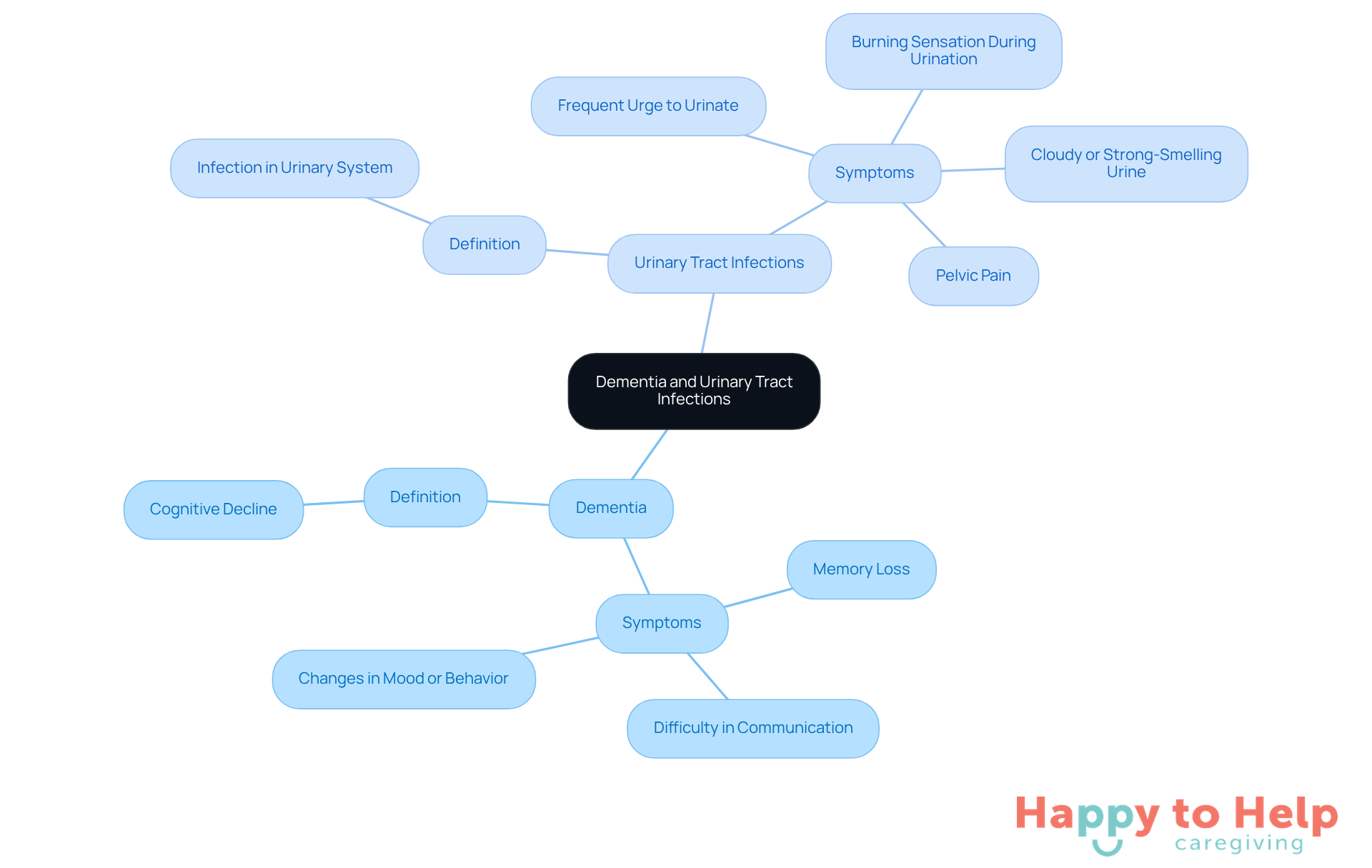
Dementia represents a significant challenge, as it leads to a decline in cognitive function that can severely interfere with daily life. Symptoms often include memory loss, difficulty in communication, and changes in mood or behavior. Common forms of cognitive decline encompass Alzheimer's disease, vascular cognitive impairment, and Lewy body syndrome.
Compounding this issue, urinary tract infections (UTIs) can occur in any part of the urinary system, including the bladder and kidneys. Symptoms of UTIs may include:
- Frequent urge to urinate
- Burning sensation during urination
- Cloudy or strong-smelling urine
- Pelvic pain
For older adults, particularly those with dementia, symptoms may not always align with typical presentations. This discrepancy makes it essential for caregivers to remain vigilant and observant. By being proactive, caregivers can better identify and address these health concerns, ensuring the well-being of those they care for.
Explore the Connection: How UTIs Affect Dementia Patients
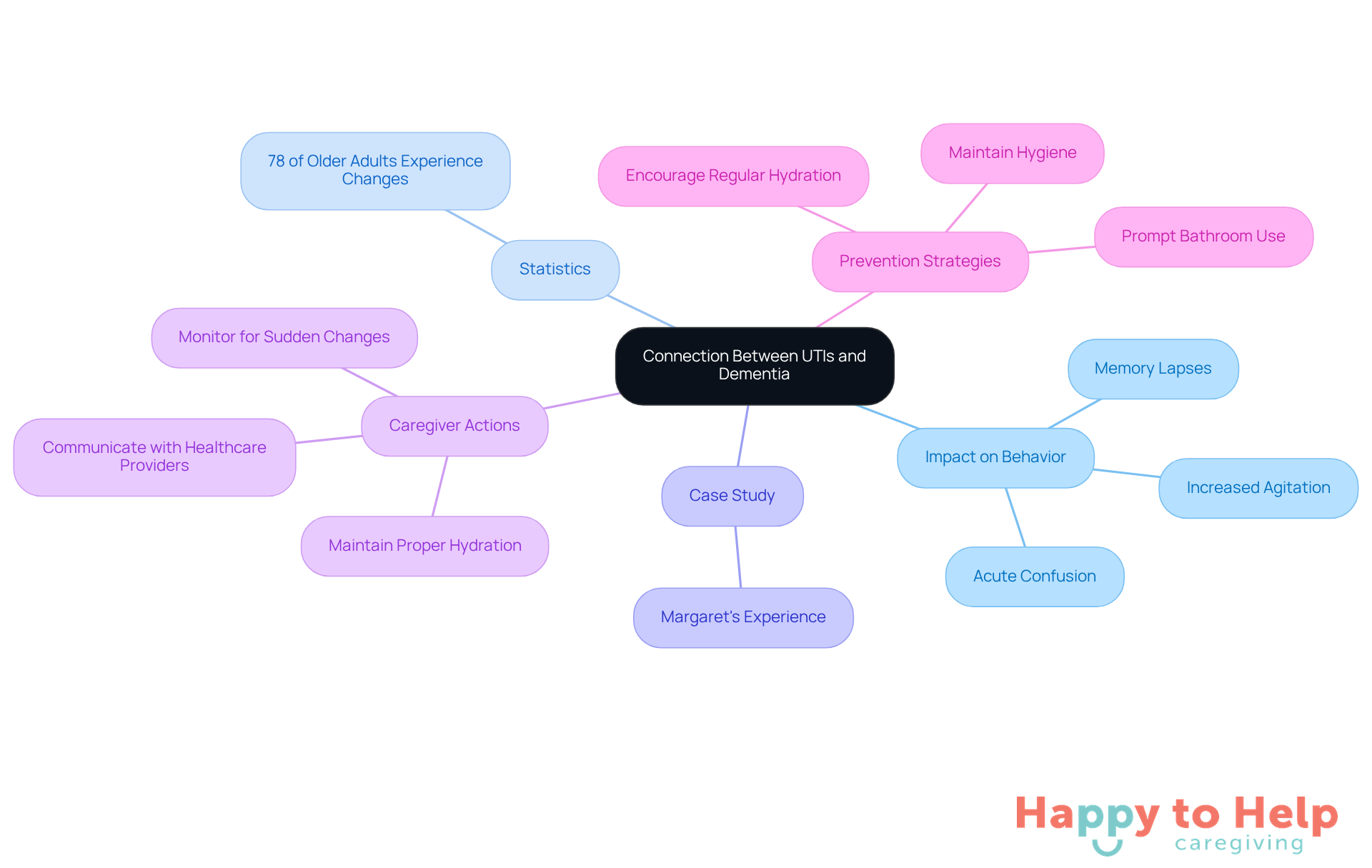
Urinary tract infections (UTIs) pose a significant problem for caregivers of individuals with dementia and urinary tract infection. Research shows that these infections can provoke acute confusion and delirium, often mimicking or worsening existing symptoms. Caregivers must be vigilant for sudden behavioral changes, such as increased agitation or confusion, which may signal a UTI. Alarmingly, 78% of older adults may experience sudden changes in mental state due to infections like UTIs, highlighting the critical need for awareness in caregiving.
The implications of unmanaged UTIs can be serious for individuals with dementia and urinary tract infection, potentially leading to hospitalization and further complicating their health. For example, a case study of a 78-year-old woman named Margaret illustrates this issue; her sudden memory loss and behavioral changes were initially mistaken for worsening dementia and urinary tract infection. However, after receiving treatment for a urinary tract infection, her cognitive clarity returned within days, which is significant in the context of dementia and urinary tract infection. Most individuals see improvement within 1 to 2 days of starting antibiotics for UTIs, providing a hopeful perspective for caregivers.
To prevent further cognitive decline, it is essential to early identify and manage dementia and urinary tract infection. Caregivers should actively monitor for signs of UTIs, such as sudden confusion, memory lapses, or increased agitation, and promptly communicate any observed changes in behavior to healthcare providers. Additionally, maintaining proper hydration is crucial, as it helps flush out bacteria and can prevent UTIs. This proactive approach can significantly improve outcomes and enhance the quality of life for those affected by cognitive decline.
Implement Prevention and Management Strategies for UTIs in Dementia Care
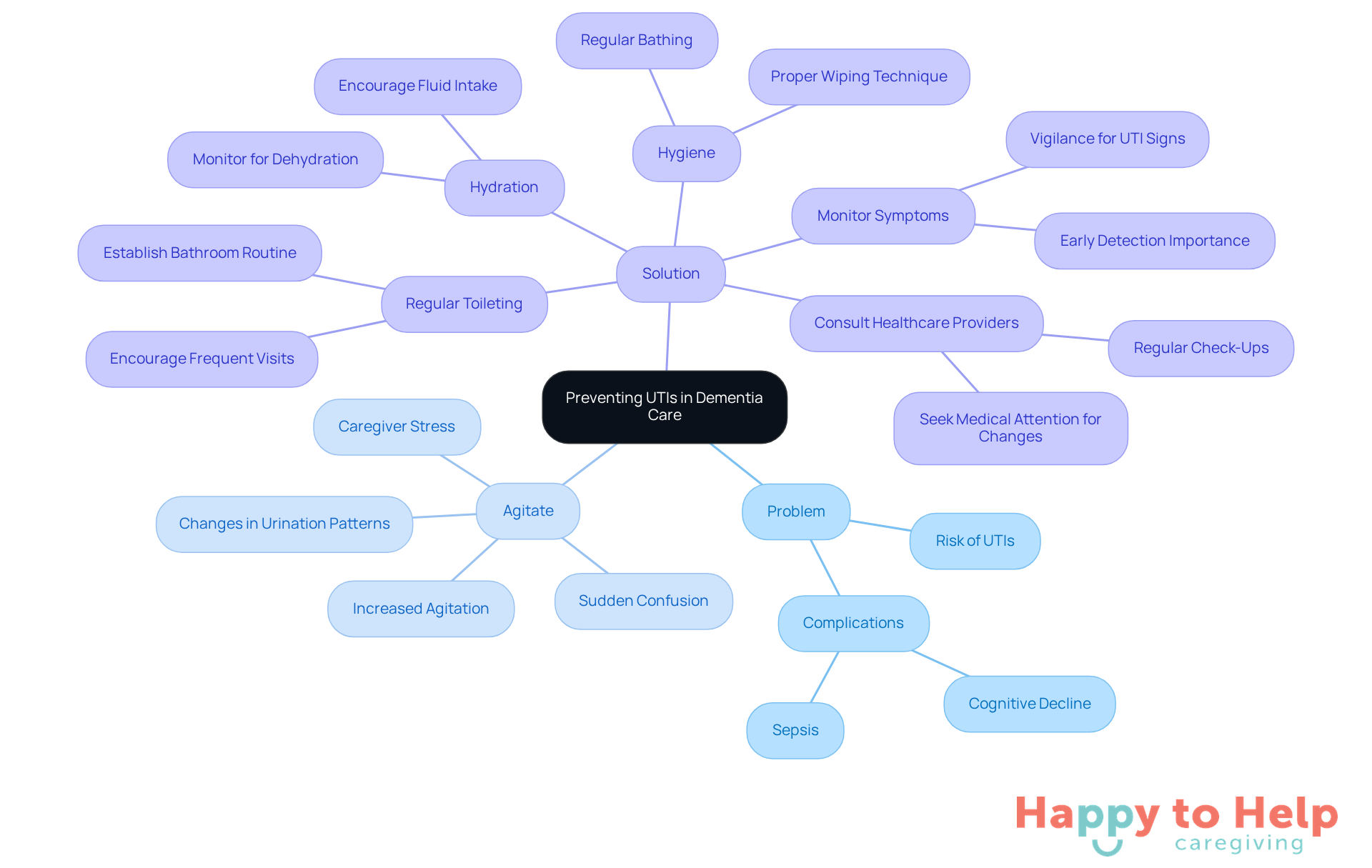
Problem: Dementia and urinary tract infection (UTIs) pose a significant risk for patients, often leading to serious complications such as cognitive decline and sepsis. Caregivers face the challenge of preventing these infections while ensuring the overall well-being of their loved ones.
Agitate: Without proper prevention strategies, patients with dementia and urinary tract infection may experience changes in urination patterns, increased agitation, or sudden confusion. These symptoms not only affect the patient's health but also add stress to caregivers who are trying to provide the best care possible.
Solution: To effectively prevent UTIs in dementia patients, caregivers should implement the following strategies:
-
Hydration: Encourage regular fluid intake to help flush out bacteria, aiming for at least 6-8 glasses of water daily, unless contraindicated by a medical condition. Proper hydration is essential, as dehydration can lead to darker, more concentrated urine and increase the risk of infections.
-
Hygiene: Maintain proper hygiene by ensuring that the patient wipes from front to back after using the restroom. Regular bathing and wearing clean, breathable clothing can significantly reduce the risk of urinary tract infections, especially in individuals with dementia and urinary tract infection, as good hygiene practices are crucial in preventing bacterial growth.
-
Regular Toileting: Establish a routine for bathroom visits to prevent urinary retention. Encouraging the patient to use the bathroom every 2-3 hours can help ensure the bladder is emptied frequently, reducing the likelihood of infections.
-
Monitor Symptoms: Be vigilant for any signs of urinary tract infections, such as changes in urination patterns, increased agitation, or sudden confusion. Early detection is crucial for effective treatment, as untreated urinary tract infections can lead to serious complications in individuals with dementia and urinary tract infection.
-
Consult Healthcare Providers: Regular check-ups with healthcare professionals can help manage any underlying conditions that may contribute to urinary tract infections. Caregivers should seek medical attention if an older adult shows sudden changes in behavior or mild urinary changes, as timely intervention can prevent serious health issues.
Implementing these strategies not only helps in preventing urinary tract infections but also supports the overall well-being of individuals facing both dementia and urinary tract infection, ensuring they receive the compassionate care they need.
Address Caregiver Challenges: Balancing Support and Self-Care
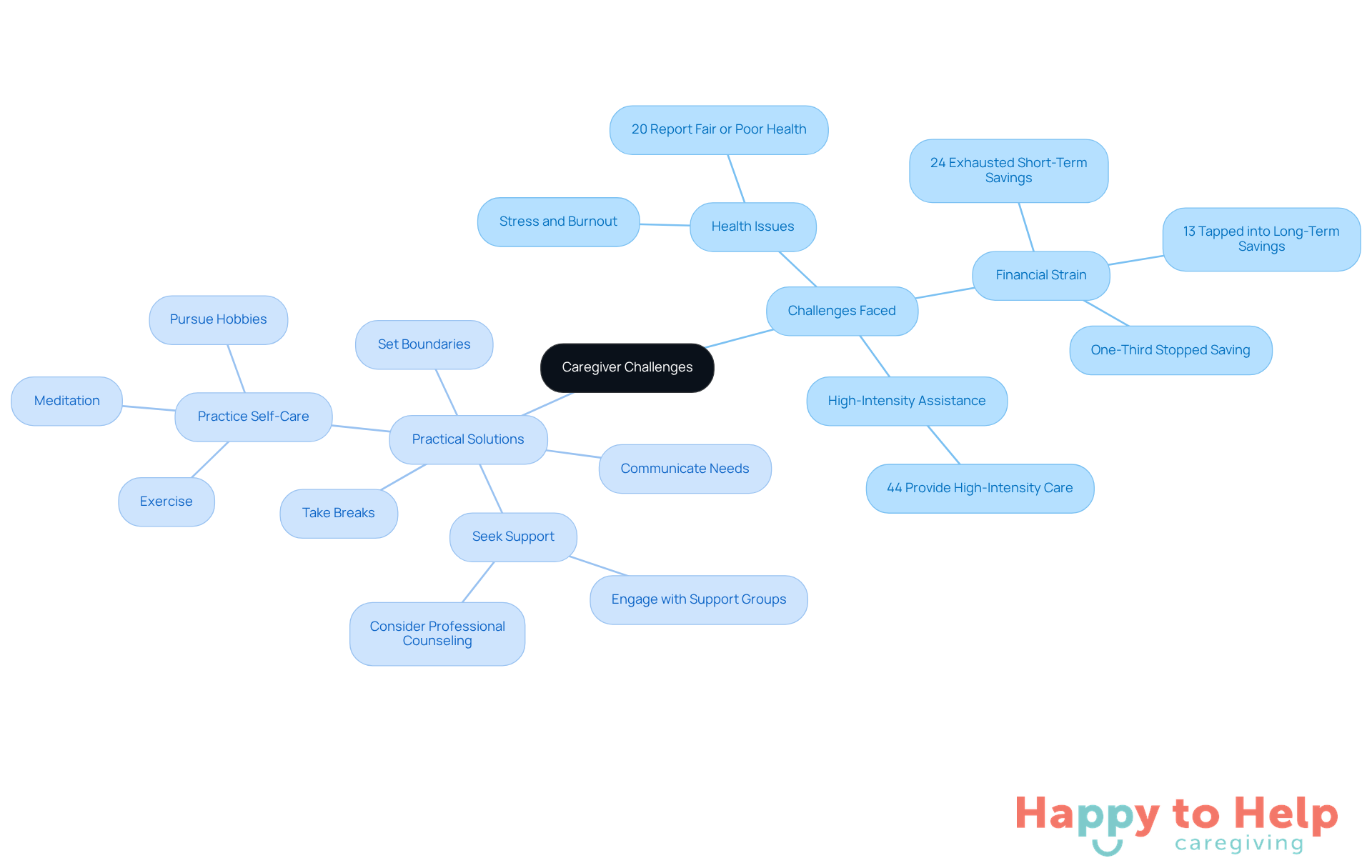
Caring for others can be incredibly demanding, making it crucial for caregivers to prioritize their own health and well-being. Many caregivers face significant challenges, including stress and burnout, which can lead to serious health issues. In fact, nearly 20 percent of caregivers report fair or poor health due to their responsibilities. Additionally, one-third have stopped saving, highlighting the financial strain that caregiving can impose. Given that 44 percent of caregivers provide high-intensity assistance, the need for effective self-care strategies is clear.
To address these challenges, here are some practical solutions:
- Set Boundaries: Establish clear boundaries to protect your time and energy. It’s perfectly acceptable to decline additional responsibilities that may overwhelm you.
- Seek Support: Engage with support groups for caregivers or consider professional counseling. Sharing experiences with others in similar situations can provide valuable emotional support and reduce feelings of isolation. Caregiver support groups have been shown to improve overall well-being, offering a vital network for sharing challenges and solutions.
- Take Breaks: Schedule regular breaks to recharge. Even short intervals away from caregiving duties can significantly alleviate stress and help prevent burnout.
- Practice Self-Care: Dedicate time to activities that promote relaxation and well-being, such as exercise, meditation, or pursuing hobbies that bring you joy.
- Communicate Needs: Openly communicate your needs to family members or healthcare providers. They can offer assistance or resources that may help you manage your caregiving role more effectively.
By establishing limits and emphasizing self-care, caregivers can sustain their well-being while providing the best assistance to their loved ones. As the number of family caregivers rises to 63 million in the U.S., implementing these strategies becomes increasingly essential.
Taking the Next Steps
Understanding the relationship between dementia and urinary tract infections (UTIs) is crucial for caregivers aiming to provide the best care for their loved ones. The connection between these two health issues can significantly affect cognitive function and overall well-being. Caregivers must be informed and proactive in their approach to manage these challenges effectively.
Dementia and UTIs present unique problems. UTIs can worsen confusion and agitation in dementia patients, often leading to misdiagnosis and inadequate treatment. Recognizing atypical presentations in older adults is vital. Caregivers should remain vigilant and aware of these symptoms to ensure timely intervention.
To address these issues, caregivers can implement several practical strategies:
- Maintain hydration: Encourage fluid intake to help prevent UTIs.
- Ensure proper hygiene: Regular hygiene practices can reduce infection risks.
- Establish regular toileting routines: This can help manage urinary health effectively.
Additionally, caregivers must prioritize their own well-being. Seeking support and practicing self-care are essential to sustain their caregiving efforts. By taking care of themselves, caregivers can better support their loved ones.
Ultimately, tackling the challenges posed by dementia and UTIs requires a comprehensive approach. By implementing effective prevention strategies and fostering open communication with healthcare providers, caregivers can enhance the quality of life for those they care for. This proactive stance not only reduces the risks associated with UTIs but also emphasizes the importance of compassionate, informed caregiving in the face of complex health issues.
https://iframe.tely.ai/cta/eyJhcnRpY2xlX2lkIjogIjY5M2Y3NTlmYmRmNjY5MTliNWZkNmI3ZSIsICJjb21wYW55X2lkIjogIjY4ZWU1ZGNhNzMxNzYyNTU3ZjNjOTVjMSIsICJpbmRleCI6IG51bGwsICJ0eXBlIjogImFydGljbGUifQ==Frequently Asked Questions
What is dementia and what are its symptoms?
Dementia is a decline in cognitive function that significantly interferes with daily life. Symptoms often include memory loss, difficulty in communication, and changes in mood or behavior. Common forms of dementia include Alzheimer's disease, vascular cognitive impairment, and Lewy body syndrome.
What are urinary tract infections (UTIs) and what are their symptoms?
Urinary tract infections (UTIs) can occur in any part of the urinary system, including the bladder and kidneys. Symptoms of UTIs may include a frequent urge to urinate, a burning sensation during urination, cloudy or strong-smelling urine, and pelvic pain.
How do UTI symptoms differ in older adults with dementia?
In older adults, particularly those with dementia, UTI symptoms may not always align with typical presentations. This discrepancy necessitates caregivers to be vigilant and observant in order to identify and address potential health concerns.
Why is it important for caregivers to monitor symptoms in individuals with dementia?
It is important for caregivers to monitor symptoms in individuals with dementia because the presentation of conditions like urinary tract infections may differ from typical symptoms, making proactive observation essential for ensuring the well-being of those they care for.
List of Sources
- Clarify Dementia and Urinary Tract Infections: Definitions and Symptoms
- Dementia Often Misdiagnosed As Normal Aging For 3.5 Years, New Study Finds (https://healthcare.msu.edu/news/2025-08-13-Dementia-Often-Misdiagnosed-As-Normal-Aging-For-Over-3-Years-New-Study-Finds.html)
- 2025 NIH Alzheimer’s Disease and Related Dementias Research Progress Report: Advances and Achievements (https://nia.nih.gov/about/2025-nih-dementia-research-progress-report)
- Dementia Comes in Many Forms. Alzheimer’s Is Just One. (https://nytimes.com/2025/12/01/well/mind/dementia-types-symptoms.html)
- USC study finds new evidence linking dementia to problems with the brain’s waste clearance system (https://keck.usc.edu/news/usc-study-finds-new-evidence-linking-dementia-to-problems-with-the-brains-waste-clearance-system)
- Explore the Connection: How UTIs Affect Dementia Patients
- UTIs and delirium (https://alzheimers.org.uk/get-support/living-with-dementia/UTIs-and-delirium)
- Urinary tract infections and dementia (https://alzheimers.org.uk/get-support/living-with-dementia/urinary-tract-infections-utis-dementia)
- UTIs and Delirium in Older Adults: What You Need to Know (https://villagemedical.com/journey-to-well/utis-and-delirium-in-older-adults-what-you-need-to-know)
- UTIs and Senior Health: A Hidden Risk for Cognitive Decline (https://inspirahealthnetwork.org/news/healthy-living/utis-and-senior-health-hidden-risk-cognitive-decline)
- Can Infections Like UTIs Trigger Dementia-Like Symptoms? | Synaps DX (https://synapsdx.com/post/can-infections-like-utis-trigger-dementia-like-symptoms)
- Implement Prevention and Management Strategies for UTIs in Dementia Care
- Detecting & Preventing UTIs in Alzheimer’s & Dementia Care (https://alztristate.org/single-post/detecting-preventing-utis-in-alzheimer-s-dementia-care)
- Tips to prevent UTIs in people with dementia (https://alzheimers.org.uk/get-support/living-with-dementia/tips-to-prevent-UTIs)
- UTIs & Dementia In Older Adults: First Signs, Causes, & More (https://aeroflowurology.com/blog/utis-dementia)
- Preventing & Identifying UTIs in Dementia Patients (https://homecaremag.com/utis-in-dementia-and-alzheimers-patients)
- UTIs and Senior Health: A Hidden Risk for Cognitive Decline (https://inspirahealthnetwork.org/news/healthy-living/utis-and-senior-health-hidden-risk-cognitive-decline)
- Address Caregiver Challenges: Balancing Support and Self-Care
- Simple & Easy Occupational Health - NMS Health (https://nmshealth.com/?p=3891)
- Caregiving Crisis: 45% Increase in Americans Providing Care (https://aarp.org/caregiving/basics/caregiving-in-us-survey-2025)
- Caregiver self-care: How to reset without starting over | Human Resources (https://hr.uky.edu/news/2025-12-08/caregiver-self-care-how-reset-without-starting-over)