Understanding Elderly Companion Care Costs: Key Factors

For families in our service areas
For families in our service areas, this guide explains companion care and how non-medical in-home caregiving can support care planning in East Idaho, Treasure Valley & Magic Valley, Northern Wasatch, North Central West Virginia & Southwestern Pennsylvania, and Northeast Ohio.
What You Need to Know About Elderly Companion Care Costs: Key
Understanding the financial implications of elderly companion care is vital for families facing the emotional challenges of supporting their loved ones. As social isolation among seniors continues to rise, many families feel the weight of concern for their elderly relatives. The demand for companionship and assistance is growing, making it essential to explore the costs associated with these services.
What factors influence the pricing of companion care? Families often grapple with managing these expenses while ensuring their elderly relatives receive the compassionate care they deserve. This article delves into the intricacies of companion care costs, offering insights and strategies to help families navigate this complex landscape with confidence and reassurance.
Define Companion Care: Understanding Its Role and Importance
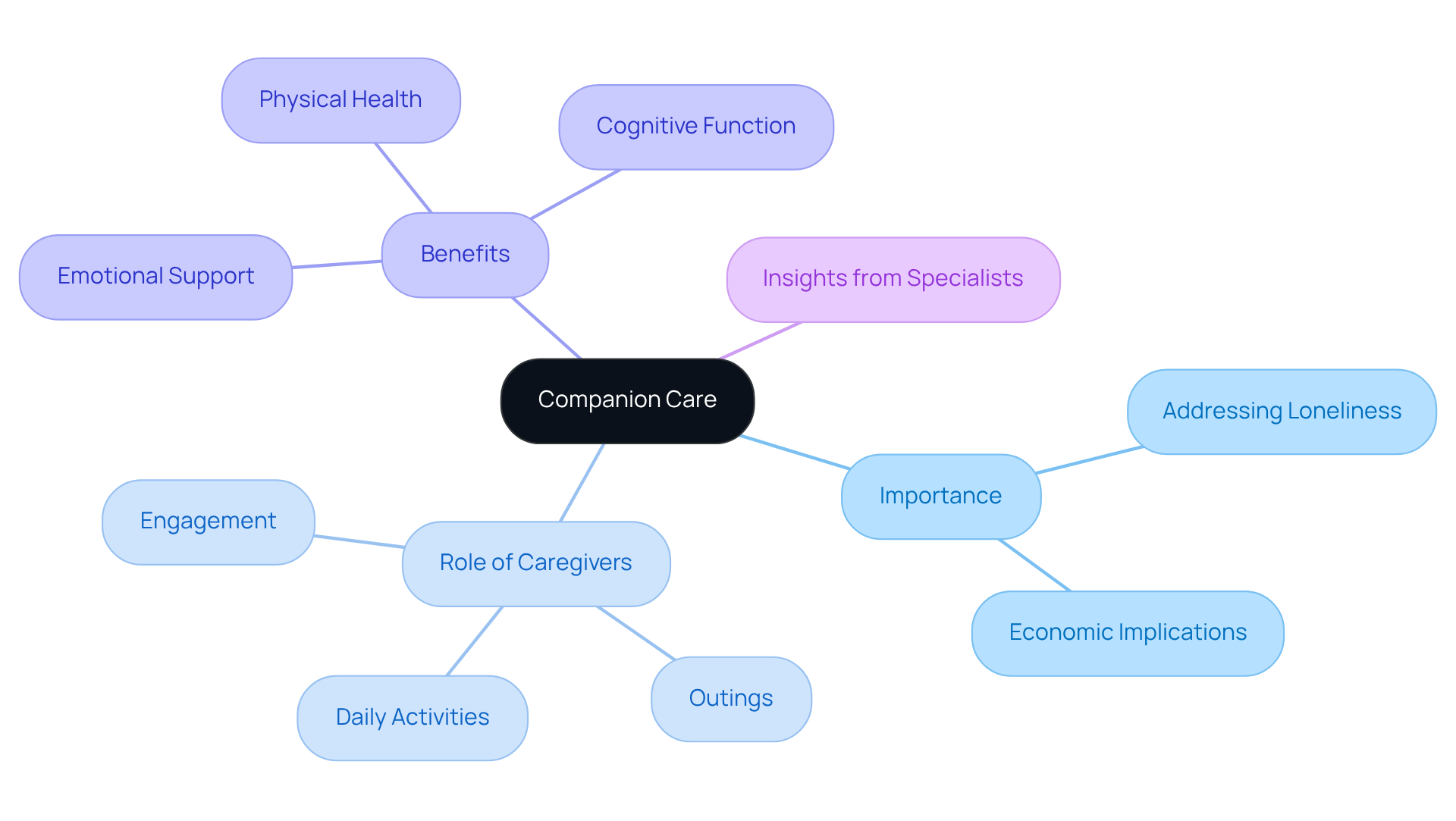
Companion assistance offers vital non-medical support services designed specifically for seniors and individuals with disabilities. This support focuses on companionship, emotional nurturing, and help with daily activities. It’s essential in addressing the widespread issues of loneliness and isolation that many elderly individuals face. In fact, studies indicate that nearly 25 percent of adults aged 65 and older experience social isolation.
Companion caregivers play a crucial role in this journey. They engage clients in meaningful conversations, accompany them on outings, and assist with light housekeeping and meal preparation. By fostering social interaction and providing a watchful presence, companion support significantly enhances seniors' overall well-being, allowing them to maintain their independence in a familiar environment.
The benefits of companionship go beyond just emotional support. Regular social engagement can lead to improved physical health outcomes, reducing the risk of conditions like depression, anxiety, and even heart disease. Effective companion support initiatives have shown that just a few hours of companionship each week can greatly enhance a senior's life, helping them feel appreciated and truly listened to.
Insights from specialists, including gerontologists, highlight the essential role of companionship in elderly support. They stress that these provisions not only boost mental well-being but also contribute to better cognitive function and an overall improved quality of life for seniors. Addressing loneliness is not just about individual well-being; it also helps mitigate potential economic implications, as loneliness can lead to increased elderly companion care costs.
Explore Factors Affecting Companion Care Costs
When it comes to planning for in-home support, understanding the factors that influence elderly companion care costs is crucial for families. It’s not just about numbers; it’s about ensuring your loved ones receive the care they deserve.
-
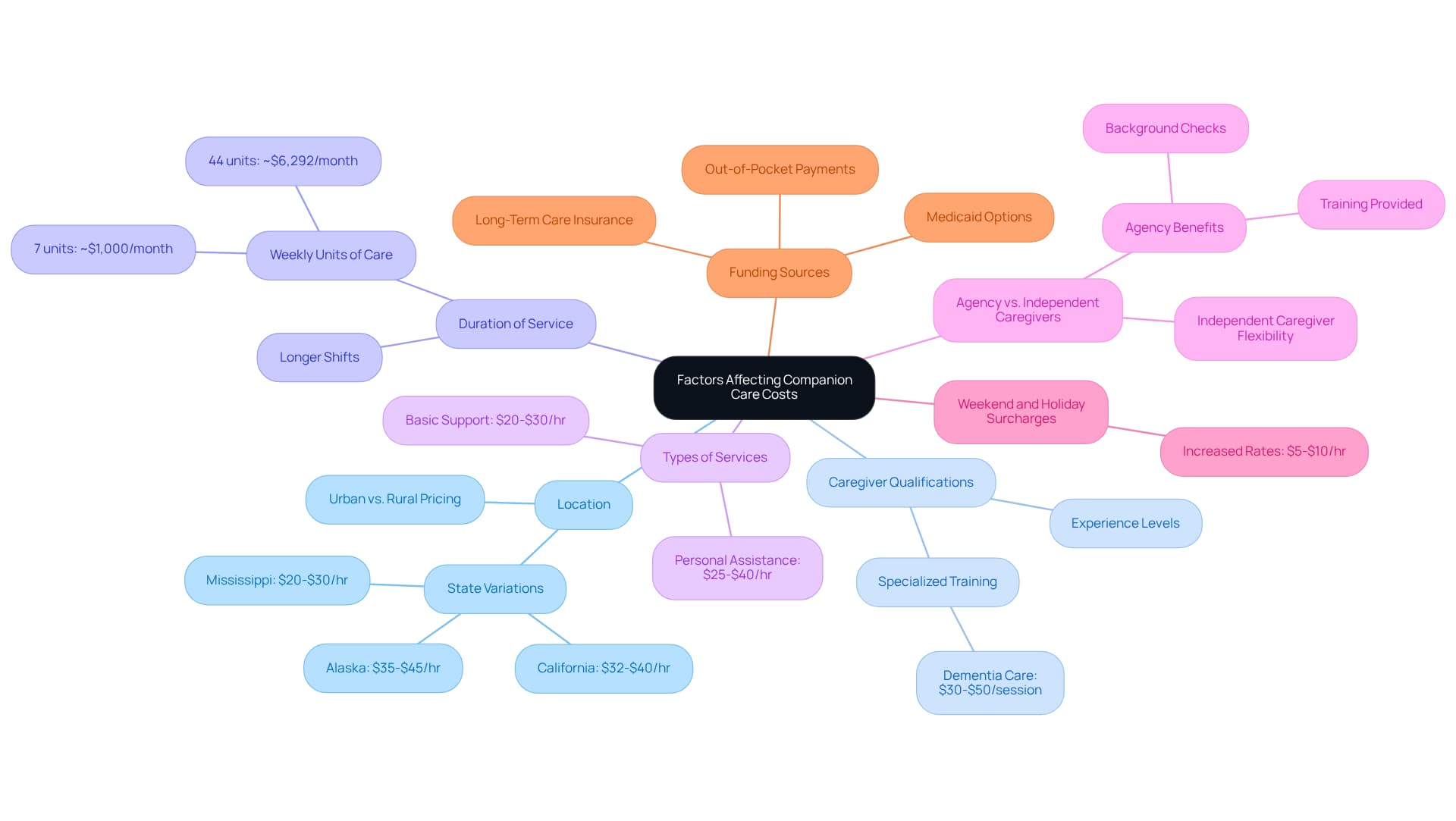
Location plays a significant role in costs. Urban areas often see higher prices due to increased living expenses and demand for services. For instance, in 2025, the typical hourly wage for companionship can range from $20 to $30 in states like Mississippi and Arkansas, while in pricier regions such as California, it can reach $32 to $40 per hour. Mississippi stands out as the most economical state for long-term assistance, scoring an impressive 8.9, while Alaska is expected to have the highest home support rates, ranging from $35 to $45 each hour.
-
Caregiver qualifications also matter. Caregivers with specialized training or extensive experience may charge more. For example, specialized treatment for conditions like dementia can range from $30 to $50 per session, reflecting the advanced skills required. Typically, specialized assistance varies between $25 and $35 per hour, highlighting the value of expertise in care.
-
The duration of service is another factor that can impact overall elderly companion care costs. For example, a typical pricing structure reflecting elderly companion care costs might involve 7 units of assistance each week for about $1,000 monthly, while 44 units could total around $6,292 each month. Longer, consistent shifts may lead to lower hourly rates, providing families with options that fit their needs.
-
Types of services offered can also affect costs. Elderly companion care costs generally start at $20 to $30 per hour for basic support, but adding personal assistance can elevate the rate to $25 to $40 per hour. Families should consider elderly companion care costs when determining what services are essential for their loved ones.
-
When deciding between agency and independent caregivers, it’s important to weigh the pros and cons. Hiring through an agency often incurs higher fees due to administrative costs and the benefits they provide, such as background checks and training. On the other hand, independent caregivers may offer more flexible pricing, but families should think about the trade-offs in reliability and support.
-
Weekend and holiday surcharges are another consideration. Families should be aware that rates can increase by $5 to $10 per hour during these times, which is vital for budgeting.
-
Lastly, exploring funding sources can help ease the financial burden. Investigating options like long-term support insurance or Medicaid can assist in reducing expenses and provide families with valuable financial planning insights.
By understanding these elements, families can make informed choices about companion support, ensuring they select the right options that align with their needs and budget. Remember, you’re not alone in this journey; compassionate care is available to help you and your loved ones every step of the way.
Analyze Average Costs of Companion Care Services
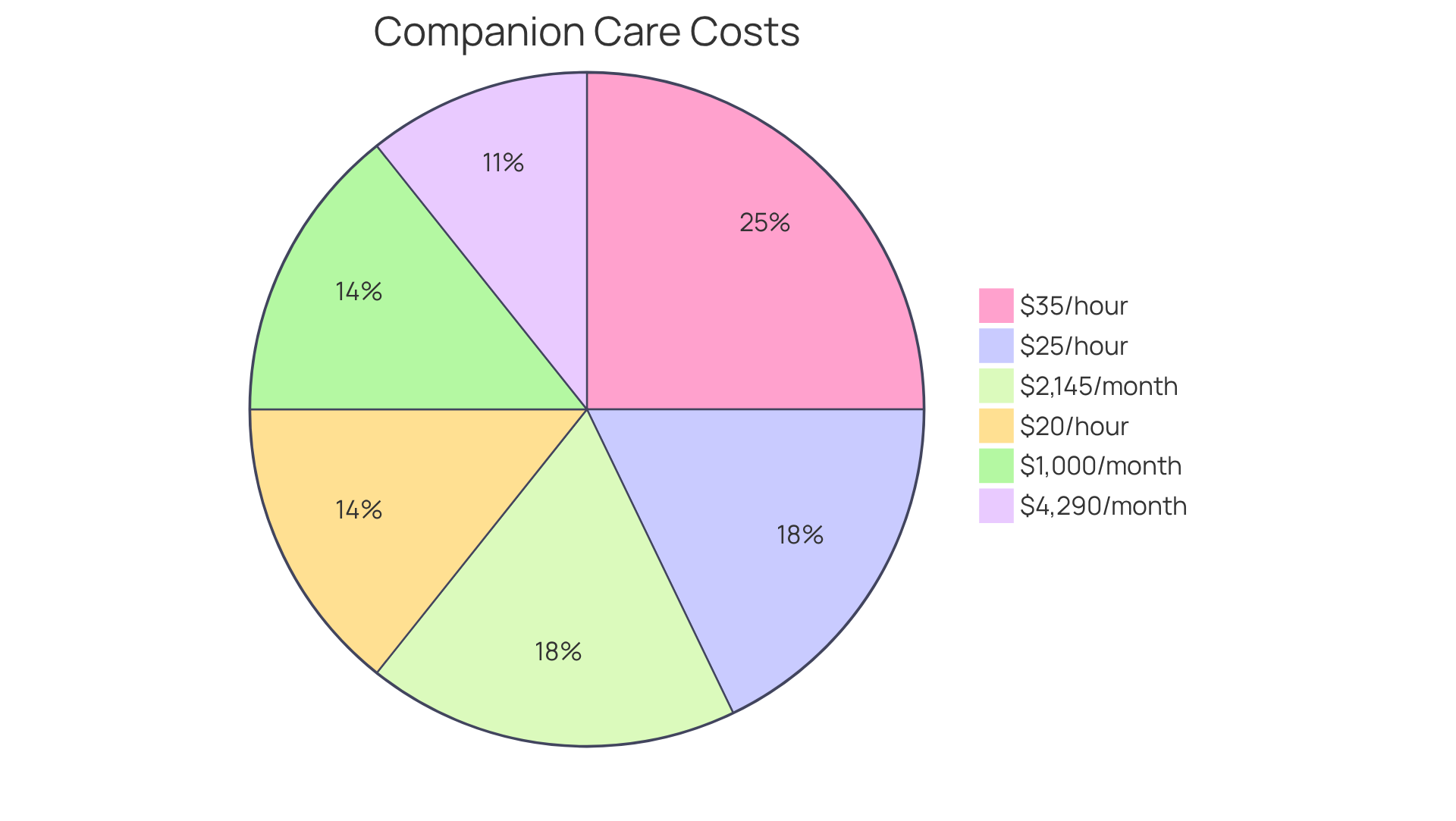
In 2025, families seeking assistance for companionship may find that elderly companion care costs typically range between $20 and $35 per hour. This variation can be quite stressful, influenced by factors like where you live and the experience of the caregiver. For example, urban areas often see rates reaching $35 an hour, while rural regions might offer services for as little as $20.
The elderly companion care costs can vary significantly on a monthly basis, usually falling between $1,000 and $4,290. Imagine a support plan that includes just 7 hours of assistance each week - this would cost around $1,000 monthly. On the other hand, if you need 15 hours of help each week, you’re looking at about $2,145 each month. For those with more intensive needs, elderly companion care costs can reach as high as $4,290 for 30 hours of assistance weekly.
It’s important for families to recognize that these expenses can shift based on the specific support required and the caregiver’s qualifications. To find the best fit for your budget and needs, take the time to research local market rates, understand your insurance coverage options, and gather quotes from multiple providers. This proactive approach not only helps in budgeting but also aids in identifying the most suitable support options available.
Consider the possibility of combining in-home assistance with community resources for additional help. Remember, you’re not alone in this journey. Many families have found comfort and support through these services, allowing them to focus on what truly matters - caring for their loved ones.
Identify Financial Assistance Options for Companion Care
Families seeking elderly companion care costs often face emotional and financial challenges. It’s important to know that there are various financial assistance options available to help manage the elderly companion care costs.
-
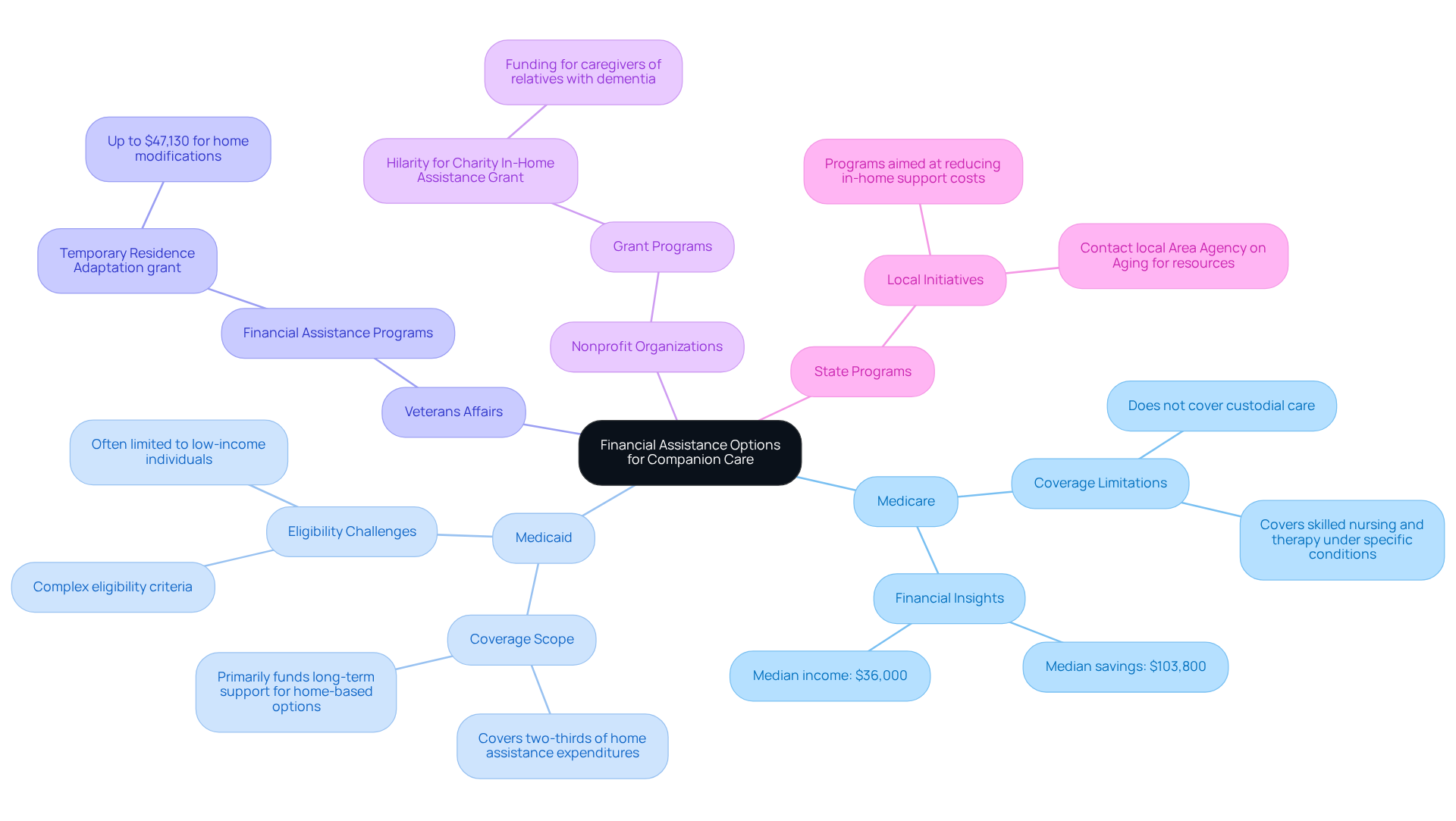
Medicare can be a bit tricky. While it doesn’t typically cover companion care services, it may provide coverage for certain home health services that are deemed medically necessary. For instance, skilled nursing support and therapy options might be included under specific conditions. However, if custodial or personal assistance is the only type of support needed, it won’t be covered. In 2023, the median savings for Medicare beneficiaries is $103,800, which really highlights the financial burden families may encounter when seeking assistance.
-
Medicaid offers a lifeline for many. Numerous states have initiatives that finance in-home support options, including companion assistance, for those who qualify. In fact, Medicaid covers around two-thirds of all expenditures on home assistance in the U.S., with more than one-third of its expenses going towards long-term support, primarily for home-based options. This makes it an essential resource for families concerned about elderly companion care costs.
-
For Veterans and their families, there’s hope through the Department of Veterans Affairs (VA). They may qualify for financial assistance for in-home support services. Programs like the Temporary Residence Adaptation grant can provide significant help for necessary home modifications, easing some of the stress.
-
Nonprofit organizations also play a crucial role. Many offer grants or financial aid to families needing caregiving support. For example, Hilarity for Charity has an In-Home Assistance Grant Program that provides funding for caregivers of relatives with Alzheimer’s disease or other dementias. This can really help alleviate some of the financial pressures linked to in-home support.
-
Additionally, state programs are available. Many states have specific initiatives aimed at helping families with the costs of in-home support. It’s a good idea for families to reach out to their local Area Agency on Aging for detailed information about available resources and eligibility criteria.
Understanding these options can empower families to make informed choices regarding elderly companion care costs. It’s crucial to ensure that loved ones receive the necessary support while addressing elderly companion care costs. According to AARP, caregivers spend an average of $7,200 per year providing care, which underscores the importance of exploring these financial assistance avenues. Remember, you’re not alone in this journey.
Key Takeaways for Caregivers
Understanding the costs associated with elderly companion care is vital for families who want the best for their loved ones. It’s not just about the numbers; it’s about addressing feelings of loneliness and enhancing the overall well-being of seniors. By looking into the various factors that influence companion care costs, families can make informed choices that fit their financial situation and care needs.
Consider how location, caregiver qualifications, and the types of services offered can affect pricing. There are also financial assistance options available, like Medicaid, Medicare, and various nonprofit organizations, which can help ease the burden of care expenses. Recognizing these elements allows families to navigate the complexities of companion care more effectively, ensuring their loved ones receive the support they truly need.
Ultimately, grasping the costs of elderly companion care and the resources available is crucial for creating a nurturing environment for seniors. Families are encouraged to actively research and explore financial assistance options, ensuring that their loved ones' emotional and physical needs are met without overwhelming financial strain. Embracing these insights can lead to a more compassionate approach to caregiving, reinforcing the idea that no one has to face this journey alone.
https://iframe.tely.ai/cta/eyJhcnRpY2xlX2lkIjogIjY5MWZhYzZkYzQ4NjU1NjRkNDliYzY1ZCIsICJjb21wYW55X2lkIjogIjY4ZWU1ZGNhNzMxNzYyNTU3ZjNjOTVjMSIsICJpbmRleCI6IG51bGwsICJ0eXBlIjogImFydGljbGUifQ==Frequently Asked Questions
What is companion care?
Companion care refers to non-medical support services aimed at providing companionship, emotional nurturing, and assistance with daily activities for seniors and individuals with disabilities.
Why is companion care important?
Companion care is important because it addresses issues of loneliness and isolation that many elderly individuals face, significantly enhancing their overall well-being and allowing them to maintain independence in a familiar environment.
What services do companion caregivers provide?
Companion caregivers engage clients in meaningful conversations, accompany them on outings, assist with light housekeeping, and help with meal preparation.
How does companionship affect seniors' health?
Regular social engagement through companionship can lead to improved physical health outcomes, reducing the risk of conditions such as depression, anxiety, and heart disease.
What do specialists say about the role of companionship in elderly support?
Specialists, including gerontologists, emphasize that companionship boosts mental well-being, contributes to better cognitive function, and improves the overall quality of life for seniors.
What are the economic implications of loneliness in the elderly?
Addressing loneliness not only benefits individual well-being but also helps mitigate potential economic implications, as loneliness can lead to increased costs for elderly companion care.