Understanding Elderly Delusions: Causes and Care Strategies

For families in our service areas
For families in our service areas, this guide explains caregiver support and how non-medical in-home caregiving can support care planning in East Idaho, Treasure Valley & Magic Valley, Northern Wasatch, North Central West Virginia, and Northeast Ohio.
The Importance of Elderly Delusions: Causes and Care
Elderly delusions pose a significant challenge for many caregivers, manifesting as deeply held false beliefs that disrupt daily life and relationships. These delusions not only affect the mental health of the elderly but also create a substantial emotional burden for those providing care.
Understanding the implications of these delusions is crucial. Caregivers often find themselves navigating a complex landscape, balancing the well-being of their loved ones with their own emotional health. This dual responsibility can lead to stress and burnout, making it essential for caregivers to seek effective strategies for support.
So, how can caregivers effectively manage this situation? Here are some practical solutions:
- Educate Yourself: Understanding the nature of elderly delusions can empower caregivers to respond more effectively.
- Establish Open Communication: Encourage dialogue with the elderly individual, validating their feelings while gently redirecting false beliefs.
- Seek Professional Support: Engaging with healthcare professionals can provide additional resources and strategies tailored to individual needs.
By implementing these strategies, caregivers can enhance their support and improve the quality of life for everyone involved.
Define Elderly Delusions and Their Impact on Caregiving
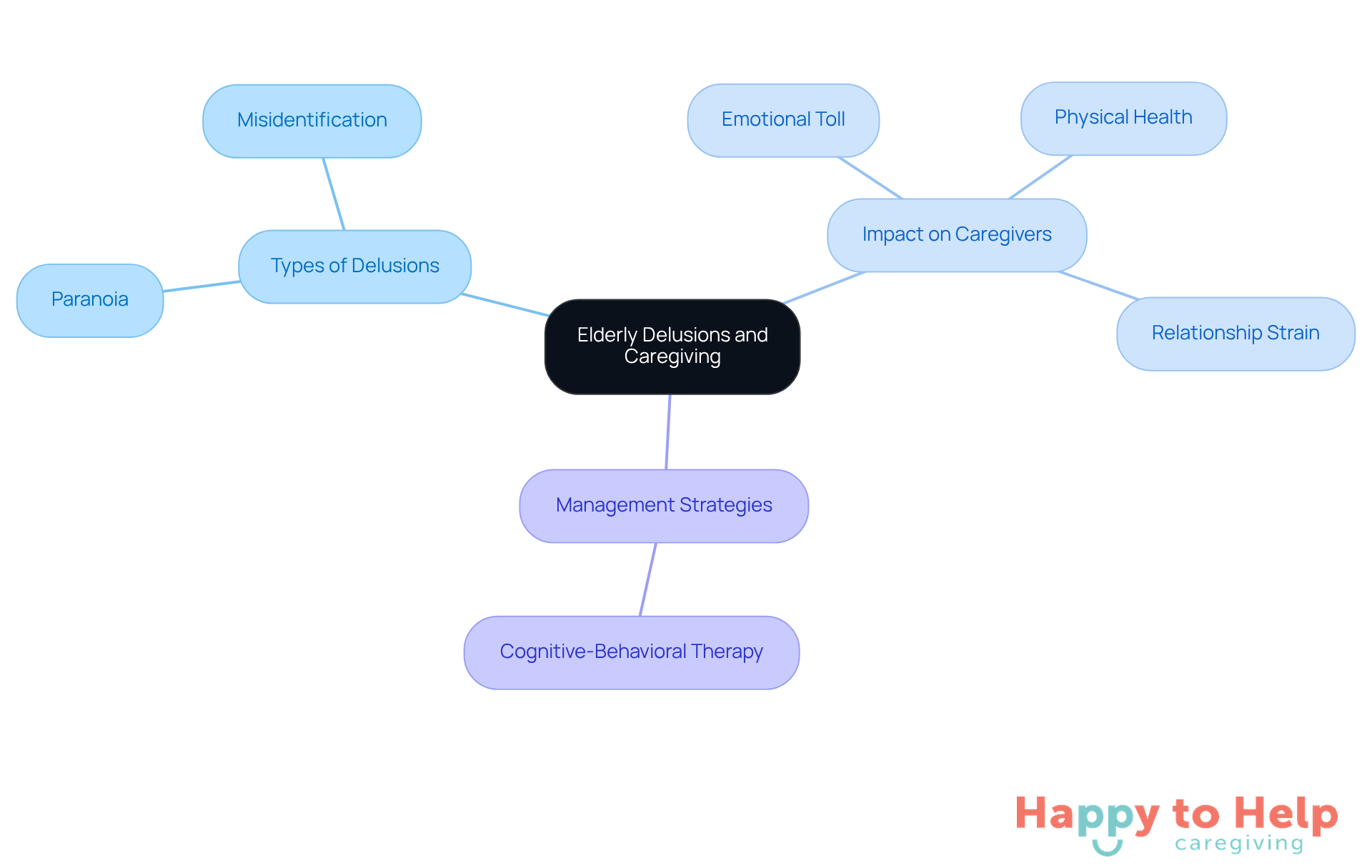
Elderly delusions often manifest as strongly held false beliefs that defy logic, resulting in paranoia - where individuals suspect others are plotting against them - or misidentification, where they perceive familiar people as imposters. These misconceptions pose significant challenges for caregivers, as they can severely affect the quality of life for both the individual experiencing them and their supporters.
Research shows that these false beliefs can heighten anxiety, agitation, and distress, complicating caregiving efforts. Caregivers frequently report feeling overwhelmed when managing a loved one’s elderly delusions, which can take a toll on their emotional and physical health. A study highlighted that delusions scored an average of 3.2 ± 1.9 on the Neuropsychiatric Inventory Distress Scale, underscoring the emotional burden on caregivers.
Moreover, the emotional bond between caregivers and patients can suffer due to these symptoms, leading to increased stress and potential burnout among support personnel. Dag Aarsland, MD, PhD, notes that cognitive-behavioral therapy (CBT) can help caregivers avoid negative thought patterns and adopt positive approaches.
Real-world examples illustrate how delusions disrupt daily interactions. Caregivers often find themselves navigating difficult conversations or managing distressing behaviors, which can strain the supporter-client relationship. To address these challenges, tailored strategies like CBT can empower caregivers to develop constructive methods for managing these symptoms, ultimately improving the quality of life for everyone involved.
Identify Common Causes of Delusions in the Elderly
Elderly delusions pose a significant challenge for caregivers, arising from various underlying causes that require careful attention.
-
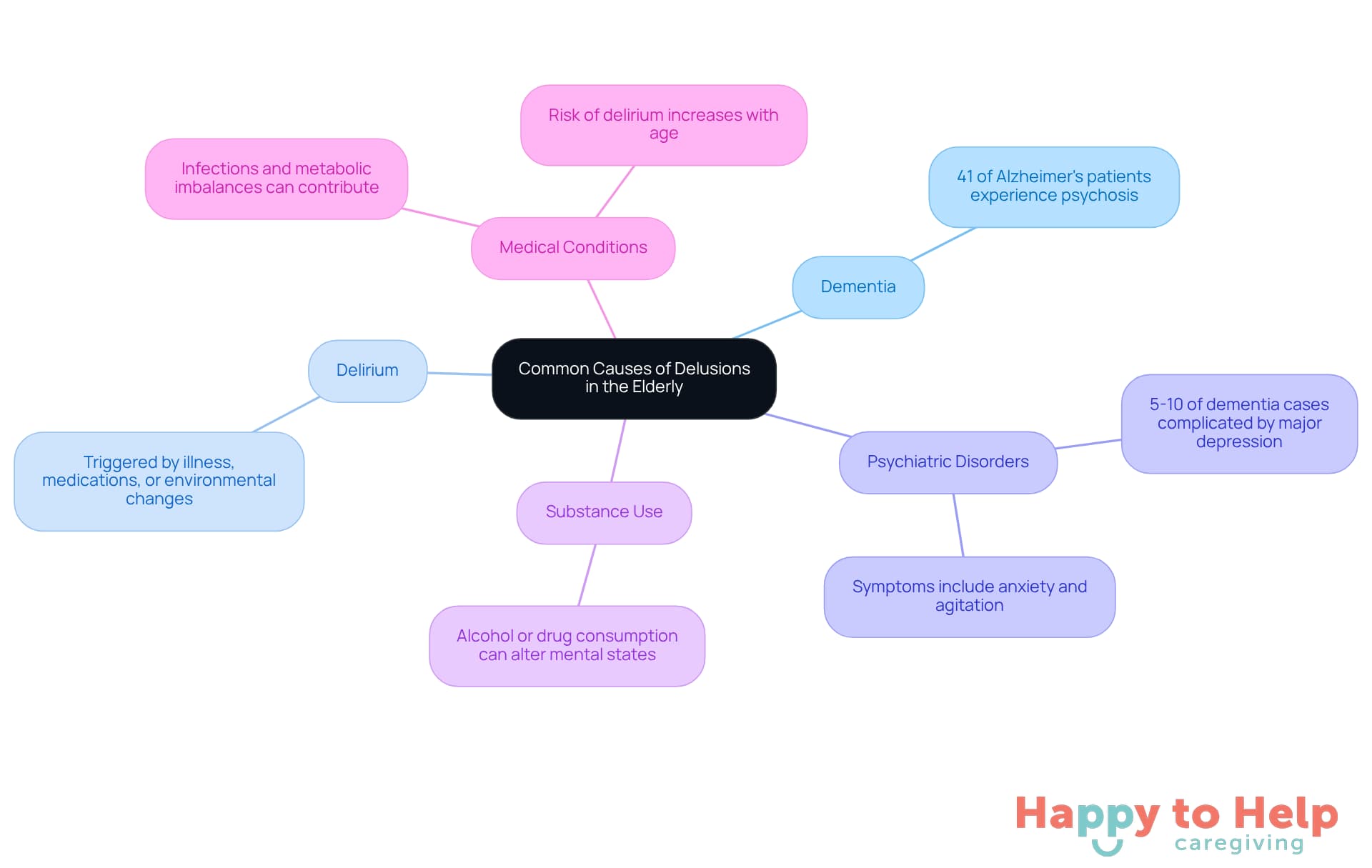
Dementia is a major contributor. Cognitive decline associated with dementia often leads to misinterpretations of reality, which can result in elderly delusions. Research indicates that around 41% of individuals diagnosed with Alzheimer's disease experience psychosis, which can manifest as false beliefs.
-
Delirium is another acute state of confusion frequently triggered by illness, medications, or environmental changes. This condition can lead to elderly delusions, making it crucial for caregivers to recognize its signs, as it can significantly impact an elderly person's mental state.
-
Psychiatric disorders such as depression and schizophrenia can also present as elderly delusions in older adults. Notably, about 5-10% of dementia cases are complicated by major depression, which may include symptoms like anxiety and agitation.
-
Substance use is a factor that caregivers should not overlook. The consumption of alcohol or drugs, including withdrawal symptoms, can alter mental states and contribute to elderly delusions. Awareness of any substance use is essential, as it may exacerbate these symptoms.
-
Medical conditions such as infections, metabolic imbalances, and neurological disorders can contribute to the emergence of false beliefs. For instance, the risk of delirium increases with age, particularly in those with pre-existing health conditions.
Understanding these factors is crucial for caregivers. It enables them to recognize when to seek medical assistance or adjust care approaches effectively, ensuring better support for the elderly.
Implement Strategies for Managing Delusions in Care Settings
Managing elderly delusions during caregiving presents a significant challenge. Caregivers often struggle to communicate effectively with individuals experiencing elderly delusions, leading to frustration and emotional distress for both parties. This issue not only affects the caregiver-patient relationship but also impacts the overall quality of care provided to patients with elderly delusions.
To address these challenges, caregivers can implement several effective strategies:
-
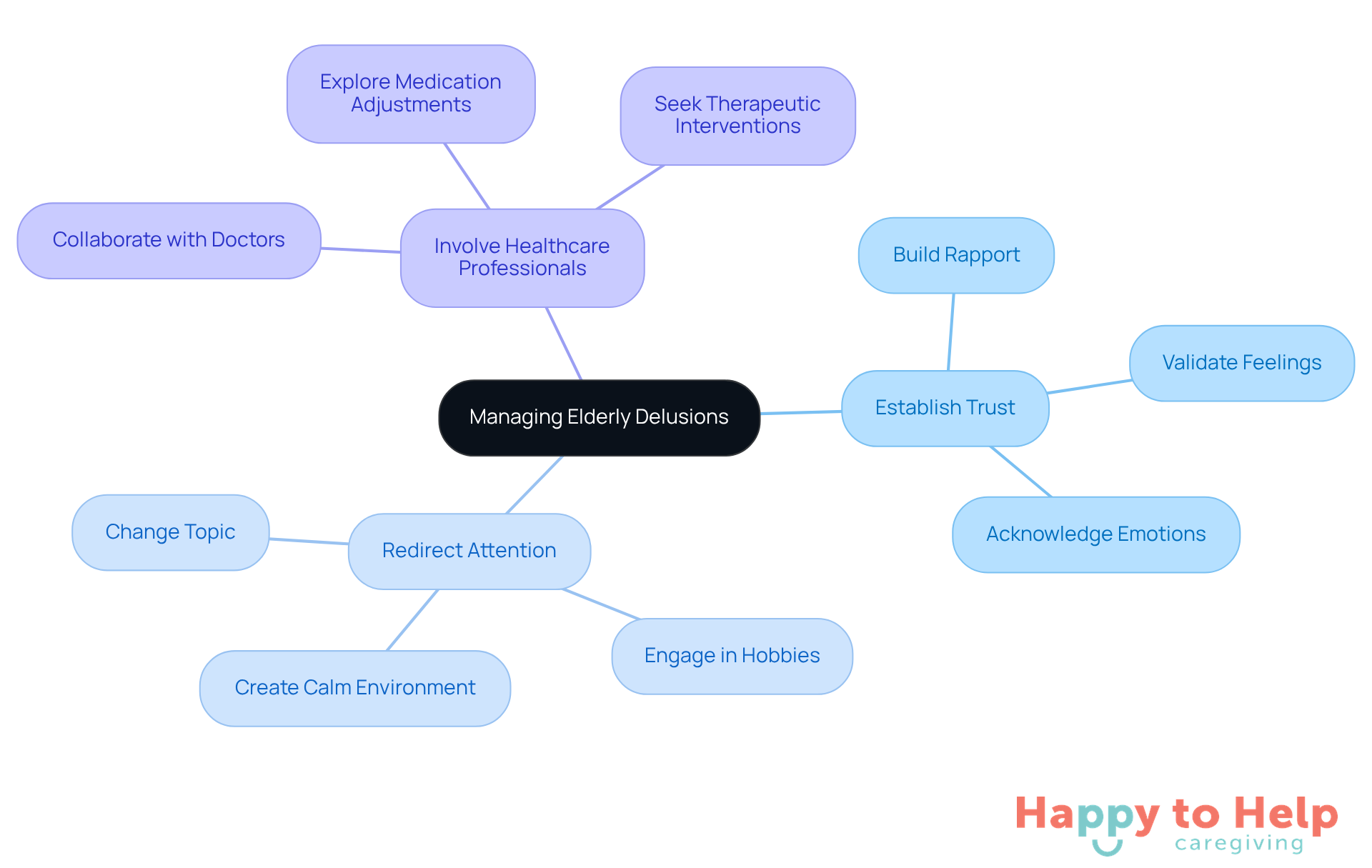
Establish Trust: Building a rapport with the individual is crucial for creating a safe space for communication. This trust can significantly enhance the caregiver-patient relationship, making it easier for the person to express their feelings and concerns. As Dr. Srihari emphasizes, "Building trust is essential for effective communication and care." Validate feelings by acknowledging the person's emotions without reinforcing elderly delusions. For example, stating, 'I understand that you feel this way,' can help the person feel heard and respected, which is essential for emotional support, particularly for individuals dealing with elderly delusions. Tamara Hill advises, "Pay attention to the emotions of the person; it can make a significant difference in their comfort level."
-
Redirect Attention: Gently steer the conversation towards a different topic or activity to distract from elderly delusions. This technique can help alleviate anxiety and refocus a person's thoughts away from elderly delusions and towards more positive or neutral subjects. Caregivers can involve the person in a favorite hobby or reminisce about pleasant memories. Maintaining a calm environment by reducing stressors, such as loud noises or chaotic settings, can help prevent the worsening of elderly delusions. A peaceful environment fosters a feeling of safety and comfort for the person. Research suggests that a tranquil environment can significantly reduce the occurrence of elderly delusions in dementia patients.
-
Involve Healthcare Professionals: Collaborate with doctors or mental health specialists to explore medication adjustments or therapeutic interventions when necessary. Expert advice can offer extra approaches customized to the person's particular requirements. According to the Gerontological Society of America, effective management of dementia-related psychosis often requires a team-based approach.
These strategies not only enhance the caregiving experience but also cultivate a supportive atmosphere that promotes trust and understanding. By applying these techniques, caregivers can more effectively manage the intricacies of elderly delusions and provide compassionate care.
Utilize Effective Communication Techniques with Delusional Patients
Effective communication techniques are essential when caring for individuals experiencing elderly delusions. Caregivers often face significant challenges in this area, leading to increased anxiety for both themselves and the individuals they care for. Misunderstandings can exacerbate feelings of confusion and isolation, making it crucial to implement effective strategies.
Here are key strategies to implement:
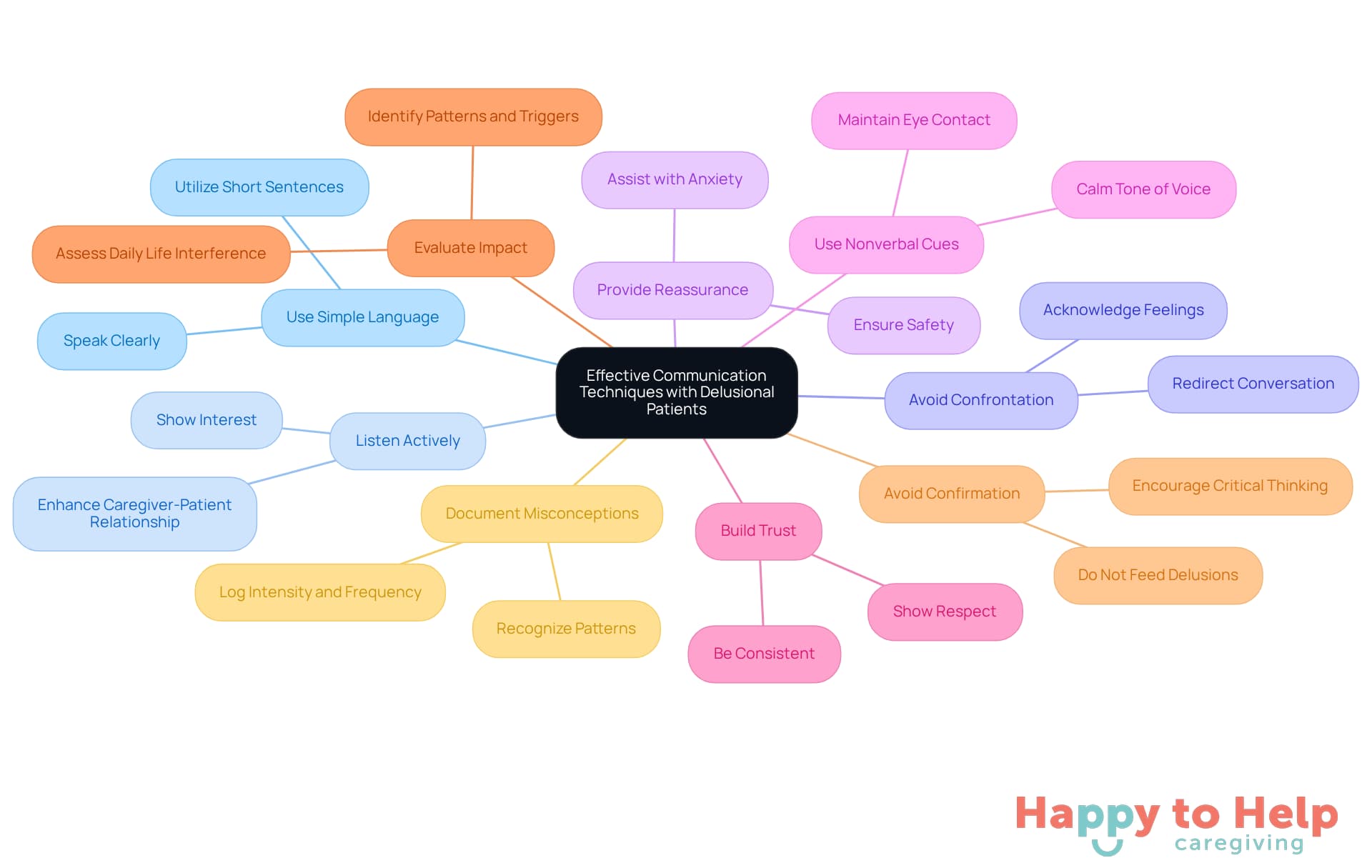
- Use Simple Language: Speak clearly and utilize short sentences to minimize confusion. This approach helps ensure that a person can follow the conversation without feeling overwhelmed.
- Listen Actively: Showing authentic interest in what the person is saying creates a feeling of being heard and understood. Active listening can significantly enhance the caregiver-patient relationship, making the person feel valued.
- Avoid Confrontation: Engaging in arguments about delusions can lead to increased anxiety and mistrust. Instead, acknowledge the person's feelings and gently redirect the conversation to a more neutral topic, helping them feel supported without challenging their elderly delusions.
- Provide Reassurance: It is crucial to reassure the person that they are safe and that you are there to assist them. This reassurance can ease feelings of fear and insecurity, which are often intensified during episodes of confusion.
- Use Nonverbal Cues: Maintain eye contact and employ a calm tone of voice to convey empathy and understanding. Nonverbal communication plays a significant role in establishing trust and comfort, especially for those experiencing distressing thoughts.
- Build Trust: Effective communication is vital for building trust with the individual. By being consistent and respectful in your interactions, you can foster a stronger caregiver-patient relationship.
- Evaluate Impact: Regularly evaluate how false beliefs interfere with the individual's daily life and relationships. Understanding these impacts can help tailor care strategies more effectively.
- Avoid Confirmation: It is important to avoid confirming or feeding into the misconception when the person is not in psychosis, as this can undermine trust and effective communication.
- Document Misconceptions: Maintaining a record of the intensity, frequency, and duration of the individual's misconceptions can assist in recognizing patterns and triggers, facilitating improved management of their care.
By employing these techniques, caregivers can cultivate a supportive environment that fosters trust and reduces anxiety for individuals dealing with elderly delusions, ultimately enhancing their overall well-being.
Key Takeaways for Caregivers
Elderly delusions pose a significant challenge for caregivers, affecting both the individuals experiencing them and their supporters. These delusions can stem from various causes, including:
- Dementia
- Delirium
- Psychiatric disorders
- Substance use
The emotional burden on caregivers is profound, as they often face overwhelming stress while striving to maintain a supportive environment.
To effectively manage these situations, caregivers can implement tailored strategies. These include:
- Establishing trust
- Redirecting attention
- Utilizing effective communication techniques
By recognizing the underlying causes of delusions, caregivers can navigate the emotional and psychological landscape that accompanies these experiences with empathy and understanding.
Fostering a compassionate and informed caregiving approach is crucial for enhancing the well-being of both the elderly and their caregivers. Embracing strategies that promote trust and collaboration with healthcare professionals can create a more supportive atmosphere. This commitment not only improves care outcomes but also strengthens the bonds between caregivers and those they support, highlighting the importance of understanding and addressing elderly mental health issues.
https://iframe.tely.ai/cta/eyJhcnRpY2xlX2lkIjogIjY5M2Y1MGE2MmI4ODNiM2YwNWZiOTk4MiIsICJjb21wYW55X2lkIjogIjY4ZWU1ZGNhNzMxNzYyNTU3ZjNjOTVjMSIsICJpbmRleCI6IG51bGwsICJ0eXBlIjogImFydGljbGUifQ==Frequently Asked Questions
What are elderly delusions?
Elderly delusions are strongly held false beliefs that defy logic, which can manifest as paranoia or misidentification, leading individuals to suspect others are plotting against them or to perceive familiar people as imposters.
How do elderly delusions affect caregivers?
Elderly delusions pose significant challenges for caregivers, as they can severely impact the quality of life for both the individual experiencing them and their supporters. Caregivers often feel overwhelmed, which can take a toll on their emotional and physical health.
What are the emotional impacts of elderly delusions on caregivers?
Caregivers report increased anxiety, agitation, and distress due to managing a loved one’s elderly delusions. A study indicated that delusions scored an average of 3.2 ± 1.9 on the Neuropsychiatric Inventory Distress Scale, highlighting the emotional burden on caregivers.
How can the bond between caregivers and patients be affected by elderly delusions?
The emotional bond between caregivers and patients can suffer due to the symptoms of elderly delusions, leading to increased stress and potential burnout among support personnel.
What strategies can help caregivers manage elderly delusions?
Cognitive-behavioral therapy (CBT) can help caregivers avoid negative thought patterns and adopt positive approaches to managing elderly delusions, improving the quality of life for both caregivers and patients.
What are some real-world challenges caregivers face due to elderly delusions?
Caregivers often navigate difficult conversations and manage distressing behaviors caused by elderly delusions, which can strain the relationship between the supporter and the individual experiencing the delusions.
How can tailored strategies improve caregiving for those experiencing elderly delusions?
Tailored strategies like CBT can empower caregivers to develop constructive methods for managing the symptoms of elderly delusions, ultimately enhancing the quality of life for everyone involved.
List of Sources
- Define Elderly Delusions and Their Impact on Caregiving
- Dementia-Related Psychosis Places Heavy Burden on Patients and Caretakers | NeurologyLive - Clinical Neurology News and Neurology Expert Insights (https://neurologylive.com/view/dementiarelated-psychosis-places-heavy-burden-on-patients-and-caretakers)
- Impact of Dementia-Related Psychosis on Patients and Caregivers: The Treatment Imperative (https://psychiatrist.com/jcp/impact-of-dementia-related-psychosis)
- Drug curbs delusions, eases anger in Alzheimer's patients, researchers find (https://nbcnews.com/health/aging/drug-curbs-delusions-eases-anger-alzheimer-s-patients-researchers-find-n1096281)
- Delusions directly impact quality of life for nursing home residents with dementia (https://mcknights.com/news/delusions-directly-impact-quality-of-life-for-nursing-home-residents-with-dementia)
- People with Dementia and Caregivers Share the Significant Burden of Visual Hallucinations and Paranoid Delusions, New Survey Highlights | Acadia Pharmaceuticals Inc. (https://acadiapharm.gcs-web.com/news-releases/news-release-details/people-dementia-and-caregivers-share-significant-burden-visual)
- Identify Common Causes of Delusions in the Elderly
- Nearly 14% of older adults with dementia are prescribed a combination of medicines affecting the central nervous system (https://nia.nih.gov/news/nearly-14-older-adults-dementia-are-prescribed-combination-medicines-affecting-central-nervous)
- Focus on psychosis in older people (https://nationalseniors.com.au/news/latest-news/focus-on-psychosis-in-older-people)
- ADI - Dementia statistics (https://alzint.org/about/dementia-facts-figures/dementia-statistics)
- Causes of Psychosis in Older Adults (https://thecarlatreport.com/articles/4769-causes-of-psychosis-in-older-adults)
- Implement Strategies for Managing Delusions in Care Settings
- Managing Delusions | BC Schizophrenia Society (https://bcss.org/support-resources/living-with-schizophrenia/managing-delusions)
- How to Help Someone Who is Having a Psychotic Episode (https://yalemedicine.org/news/how-to-help-with-a-psychotic-episode)
- Dementia-Related Psychosis: GSA Experts Identify Ways to Improve Care (https://geron.org/News-Events/GSA-News/Press-Room/Press-Releases/dementia-related-psychosis-gsa-experts-identify-ways-to-improve-care)
- 5 Tips for Managing Dementia Delusions - Seniors Guide (https://seniorsguide.com/alzheimers-dementia/5-tips-for-managing-dementia-delusions)
- Utilize Effective Communication Techniques with Delusional Patients
- Managing Delusions | BC Schizophrenia Society (https://bcss.org/support-resources/living-with-schizophrenia/managing-delusions)
- LSPM UK Fully accredited UK Degrees and Diploma starting from Level 2, Level 3, Level 4, Level 5, Level 6, Level 7, Level 8, OfQual Accredited (https://lspm.org.uk/2022/news.aspx?id=12421724&CourseTitle=Enhancing+Communication+with+Elderly+Patients)
- Communication in Elderly Care | River Garden Home Care (https://rivergardenhomecare.co.uk/effective-communication-in-elderly-care)
- How to Talk to Someone With Paranoid Delusions | Charlie Health (https://charliehealth.com/post/how-to-talk-to-someone-with-paranoid-delusions)
- Talking to someone with Delusions, Unusual Beliefs or Hallucinations :: Lincolnshire Partnership NHS Trust (https://lpft.nhs.uk/contact-us/support/carers-support/advice-how-manage-expressions-strange-beliefs-delusional-thoughts)