Understanding Elderly Hallucinations: A Caregiver's Guide
For families in our service areas
For families in our service areas, this guide explains caregiver support and how non-medical in-home caregiving can support care planning in East Idaho, Treasure Valley & Magic Valley, Northern Wasatch, North Central West Virginia, and Northeast Ohio.
Understanding Elderly Hallucinations: A Caregiver
Elderly hallucinations pose a significant challenge for caregivers. These complex sensory experiences can blur the line between reality and illusion, making it difficult for caregivers to provide the necessary support. The emotional toll of caregiving can further complicate this situation, leaving caregivers to wonder: how can they balance their own well-being while ensuring the safety and comfort of their loved ones during these distressing episodes?
Understanding the various causes and types of hallucinations is crucial for caregivers. By equipping themselves with this knowledge, they can better navigate the complexities of these experiences. However, the emotional strain can be overwhelming. Caregivers must find ways to manage their stress and maintain their mental health while being present for their loved ones.
To address these challenges, caregivers can implement several practical strategies:
- Establishing a support network can provide emotional relief and practical assistance.
- Practicing self-care routines, such as regular exercise and mindfulness, can help caregivers recharge.
- Seeking professional guidance when needed can ensure that both caregivers and their loved ones receive the support they deserve.
Define Elderly Hallucinations: Causes and Types
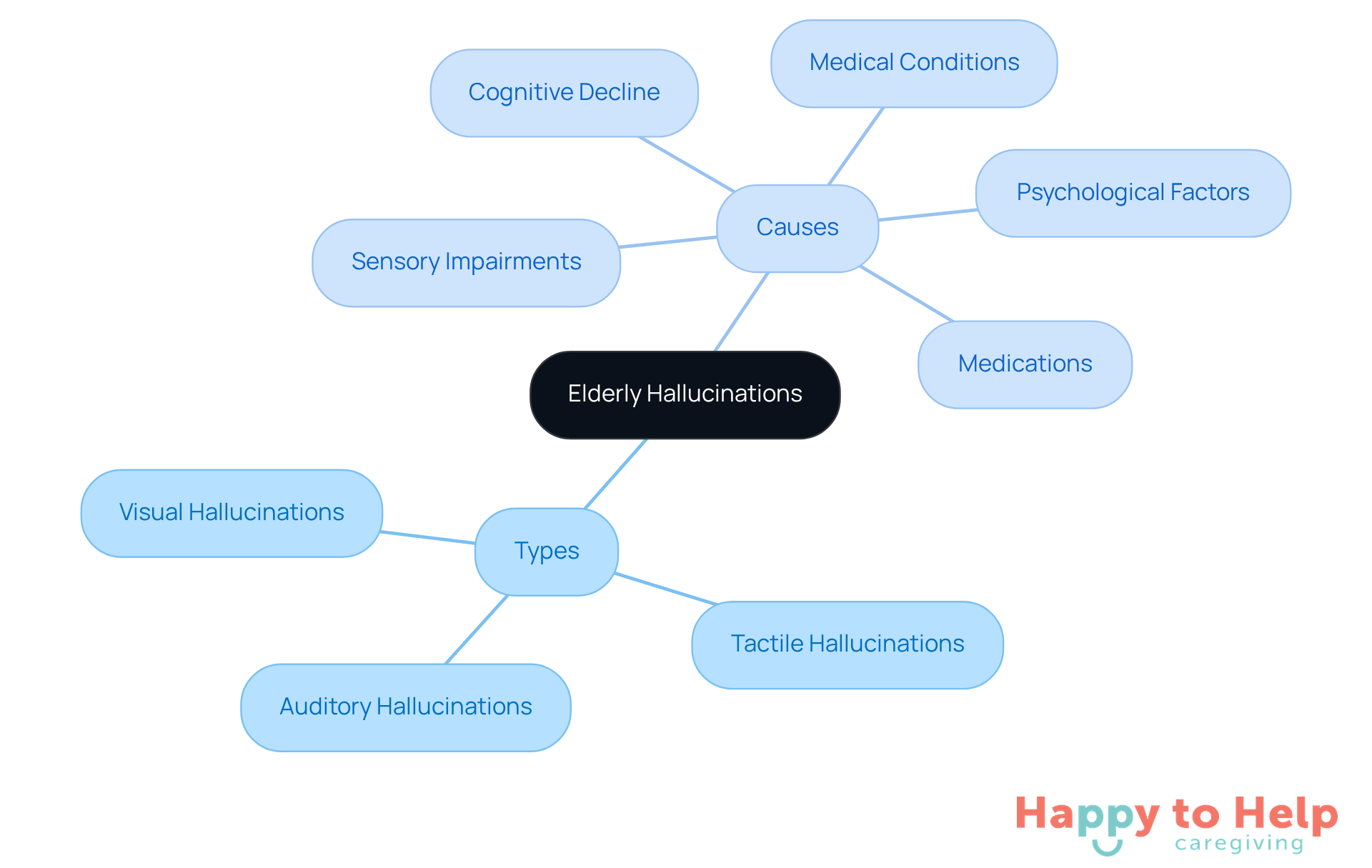
Elderly hallucinations present a significant challenge for caregivers, as they encompass sensory experiences that seem real but are generated by the mind. These illusions can take various forms, including:
- Visual Hallucinations: Seeing things that aren't there, such as people or objects.
- Auditory Hallucinations: Hearing sounds or voices that do not exist.
- Tactile Hallucinations: Feeling sensations on the skin that are not present.
Understanding the causes of elderly hallucinations is crucial for effective caregiving. Here are some key factors:
- Cognitive decline caused by conditions like dementia or Alzheimer's disease can result in elderly hallucinations due to changes in brain function.
- Certain medications, especially those affecting the central nervous system, may trigger elderly hallucinations as a side effect.
- Loss of vision or hearing due to sensory impairments can lead to elderly hallucinations, resulting in misinterpretations of stimuli and false perceptions.
- Medical conditions like infections, dehydration, or metabolic imbalances can also cause elderly hallucinations.
- Psychological factors like stress, anxiety, or depression can increase the likelihood of elderly hallucinations.
By recognizing these challenges, caregivers can better support their loved ones. Implementing strategies such as regular communication, ensuring a safe environment, and consulting healthcare professionals can help manage these sensory experiences effectively.
Recognize Symptoms: Identifying Hallucinations in Seniors
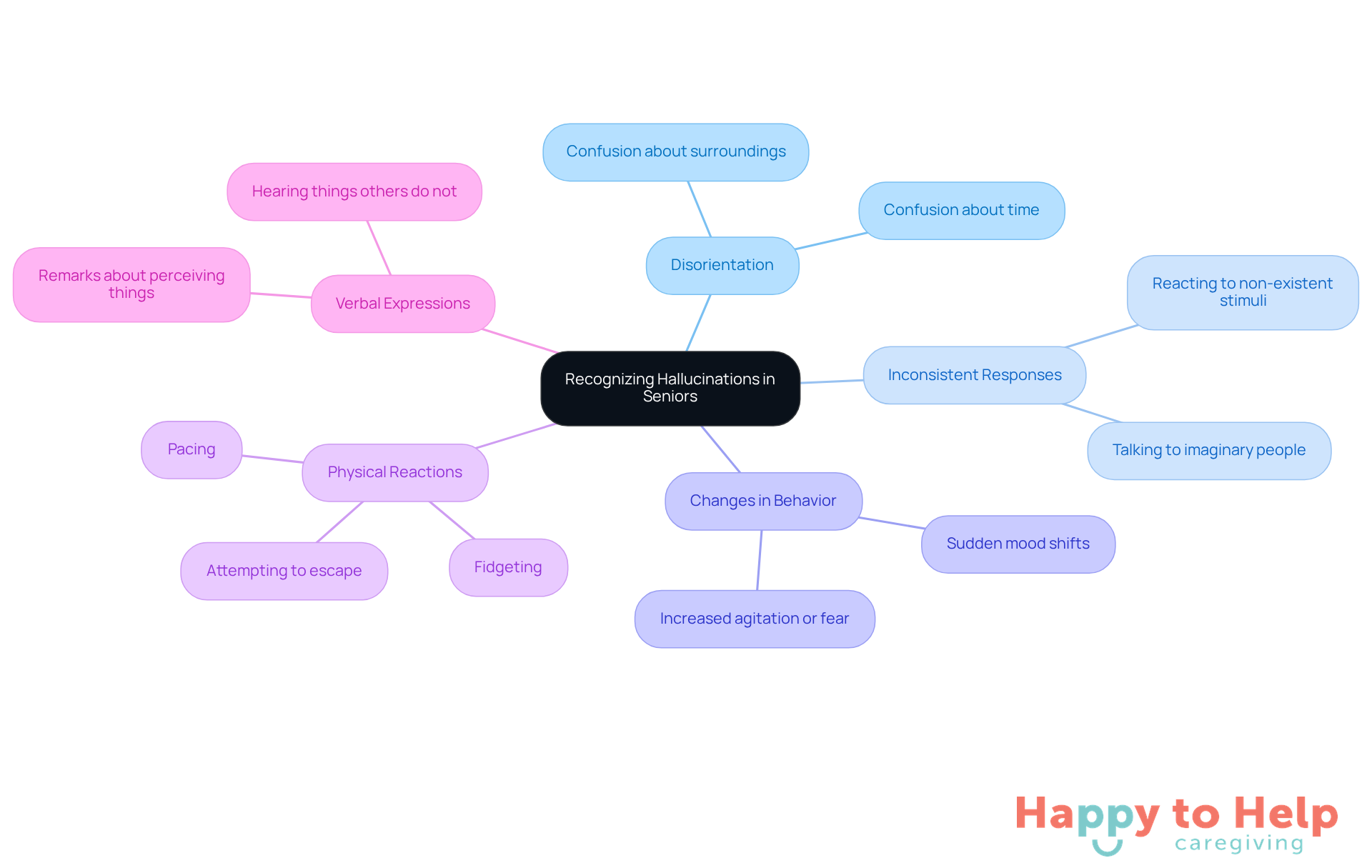
Caregivers face a significant challenge when it comes to recognizing elderly hallucinations in their loved ones. These symptoms can be alarming and may indicate serious underlying issues that require attention.
Symptoms to Watch For:
- Disorientation: The individual may seem confused about their surroundings or time.
- Inconsistent Responses: Elderly hallucinations may cause them to react to things that are not present, such as talking to someone who isn't there.
- Changes in Behavior: Sudden shifts in mood or behavior, such as agitation or fear, can indicate altered perceptions.
- Physical Reactions: Look for signs of distress, such as pacing, fidgeting, or attempting to escape from perceived threats.
- Verbal Expressions: Listen for remarks about perceiving or hearing things that others do not, which can be a direct indication of elderly hallucinations.
By being aware of these symptoms, caregivers can better support their loved ones. It's crucial to seek medical advice when necessary, ensuring that appropriate interventions are made to address these challenges.
Manage Hallucinations: Strategies for Caregiver Response
When seniors experience elderly hallucinations, caregivers face significant challenges. Elderly hallucinations can lead to confusion, fear, and distress for both the individual and their loved ones. It's crucial for caregivers to effectively address situations involving elderly hallucinations to ensure the well-being of the senior.
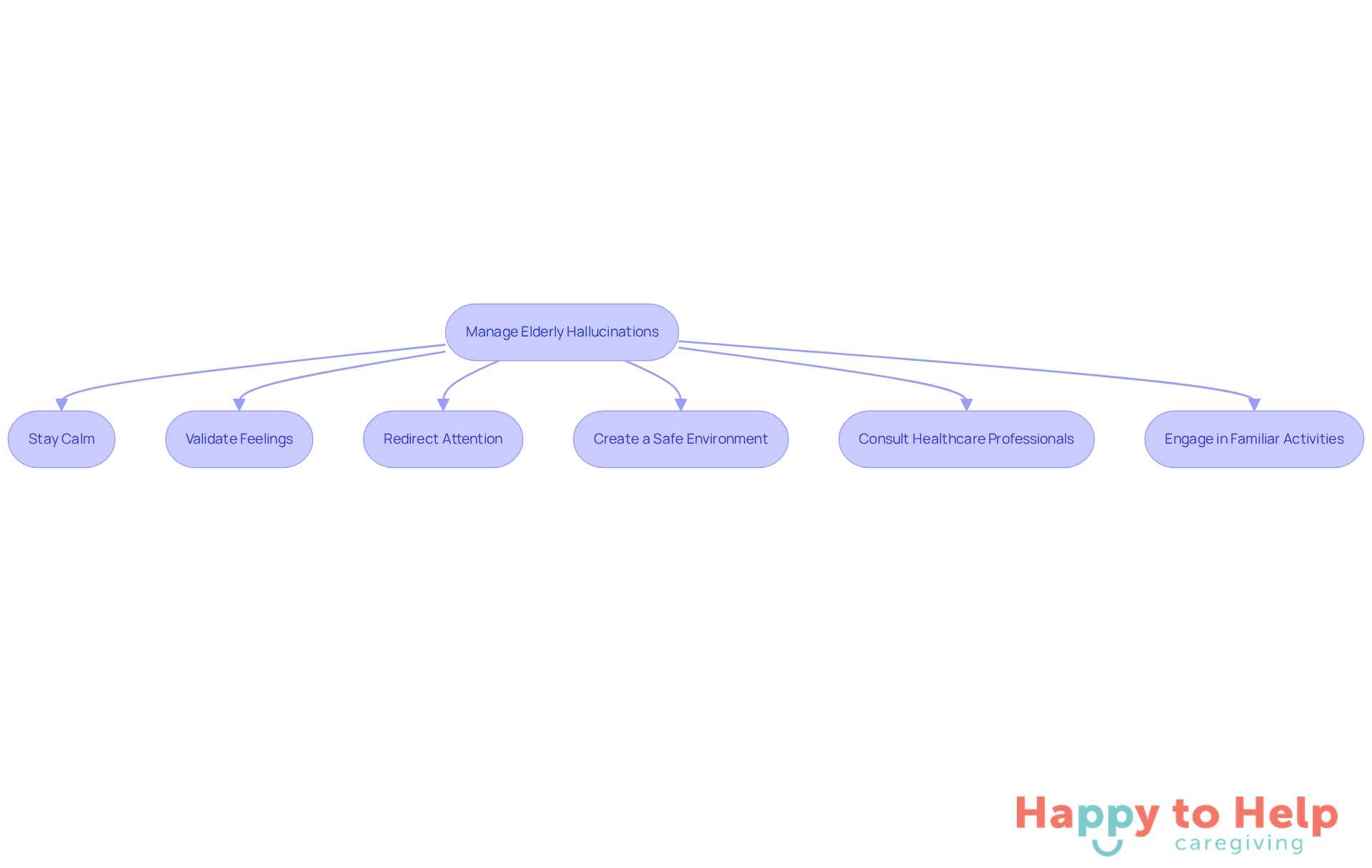
To help manage these episodes, caregivers can employ several strategies:
- Stay Calm: Maintaining a composed demeanor can reassure the individual during distressing moments.
- Validate Feelings: Acknowledge their experience without arguing about its reality. For instance, saying, "I understand that you feel scared" can provide comfort.
- Redirect Attention: Gently guide the individual to a different activity or location to distract them from the delusion.
- Create a Safe Environment: Ensure the surroundings are well-lit and free from potential hazards that could cause harm during episodes.
- Consult Healthcare Professionals: If hallucinations persist, discussing them with a doctor is essential to evaluate medication or underlying health issues.
- Engage in Familiar Activities: Encourage participation in hobbies or routines that bring comfort and familiarity, which can help reduce anxiety.
By implementing these strategies, caregivers can better support elderly hallucinations, fostering a safer and more reassuring environment.
Support Caregiver Well-Being: Coping with Emotional Challenges
Providing care can be emotionally demanding, leading to significant challenges for caregivers. Nearly 60% of those in caregiving roles experience moderate to high emotional stress, which can result in feelings of isolation and burnout. It’s crucial for caregivers to prioritize their well-being to effectively support their loved ones.
-
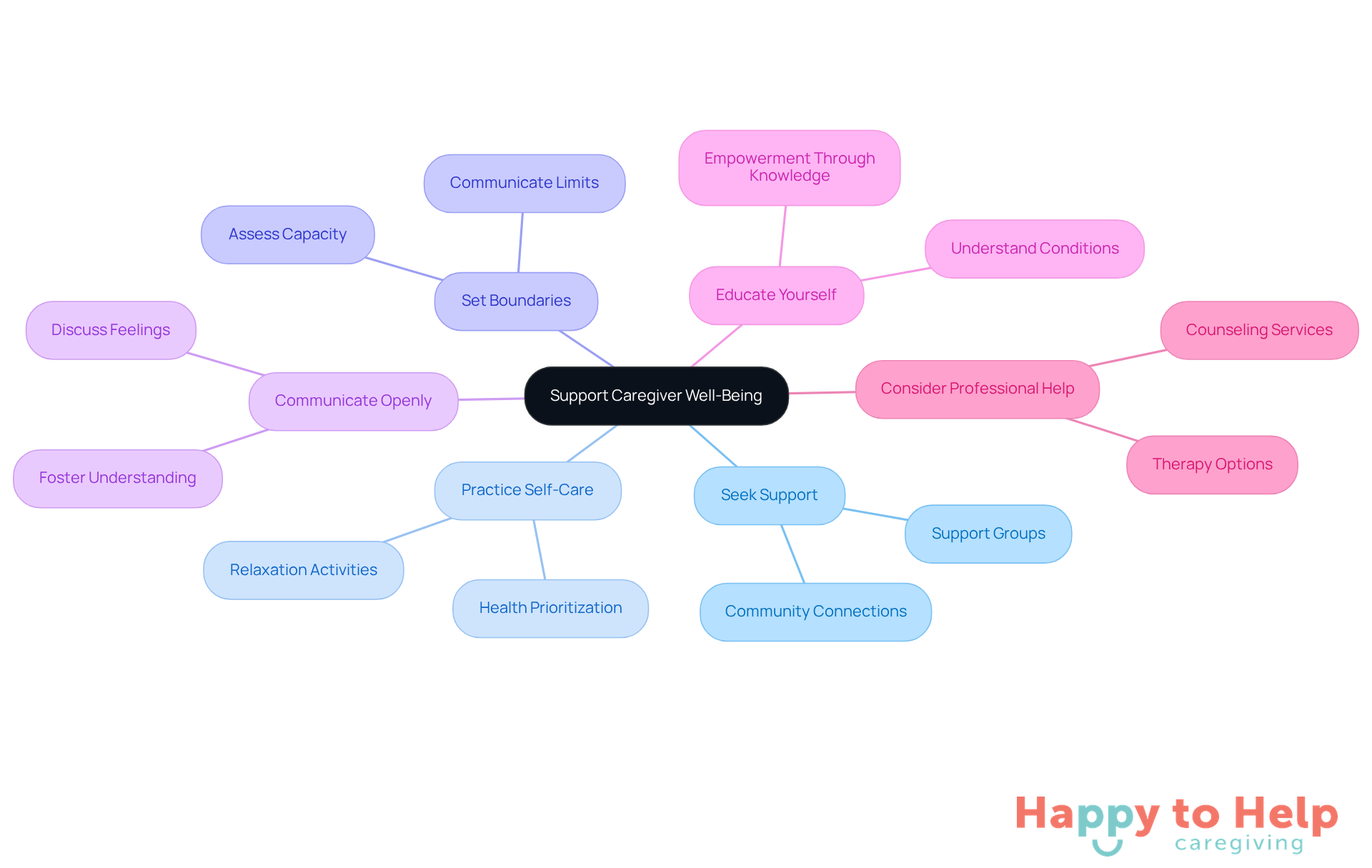
Seek Support: Connecting with other caregivers through support groups offers a valuable outlet for sharing experiences and advice. These groups foster a sense of community, helping to alleviate feelings of isolation. Statistics show that nearly 1 in 4 caregivers report feeling socially isolated, underscoring the importance of support networks in reducing emotional strain.
-
Practice Self-Care: Engaging in activities that promote relaxation-like exercise, meditation, or hobbies-can help caregivers recharge. Research indicates that those who prioritize their own health are better equipped to handle caregiving challenges.
-
Set Boundaries: Establishing clear limits on caregiving responsibilities is vital to prevent burnout. Caregivers should assess their capacity and communicate these boundaries to family members, ensuring they do not take on more than they can manage.
-
Communicate Openly: Discussing feelings and challenges with family or friends can alleviate stress. Open communication fosters understanding and support, essential for maintaining emotional health.
-
Educate Yourself: Gaining knowledge about the conditions affecting your loved one can empower caregivers and reduce feelings of helplessness. Understanding symptoms, such as elderly hallucinations or delusions, enables caregivers to respond more effectively and compassionately.
-
Consider Professional Help: If feelings of anxiety or depression persist, seeking counseling or therapy can provide valuable support. Mental health experts, like Dr. Erin Martinez, emphasize that burnout often occurs when caregivers are pushed beyond their physical, emotional, and financial limits.
By implementing these strategies, caregivers can enhance their resilience and maintain their health while providing care.
Making the Right Choice
Elderly hallucinations present a significant challenge for caregivers, demanding a nuanced understanding of their causes and effective management strategies. These sensory experiences - whether visual, auditory, or tactile - often arise from cognitive decline, medication side effects, sensory impairments, medical conditions, or psychological factors. Recognizing these elements is crucial for caregivers to provide the necessary support and reassurance to their loved ones.
Identifying the symptoms of elderly hallucinations is essential. Caregivers may notice signs such as:
- Disorientation
- Inconsistent responses
- Changes in behavior
To address these challenges, caregivers are encouraged to adopt strategies that promote calmness, validate feelings, and create safe environments. Additionally, prioritizing their own emotional well-being through support networks, self-care, and open communication is vital for sustaining their capacity to care effectively.
Ultimately, understanding and addressing elderly hallucinations goes beyond merely managing symptoms; it involves fostering a compassionate and supportive environment for both seniors and their caregivers. By implementing the discussed strategies and seeking help when necessary, caregivers can enhance their resilience and ensure their loved ones receive the care and understanding they deserve. Taking proactive steps in this journey can lead to a more fulfilling caregiving experience, benefiting everyone involved.
https://iframe.tely.ai/cta/eyJhcnRpY2xlX2lkIjogIjY5M2Y1MDdhYjk3NTAxMmE2YWRmZmQwOCIsICJjb21wYW55X2lkIjogIjY4ZWU1ZGNhNzMxNzYyNTU3ZjNjOTVjMSIsICJpbmRleCI6IG51bGwsICJ0eXBlIjogImFydGljbGUifQ==Frequently Asked Questions
What are elderly hallucinations?
Elderly hallucinations are sensory experiences that seem real but are generated by the mind, which can include visual, auditory, or tactile illusions.
What types of hallucinations can elderly individuals experience?
Elderly individuals can experience various types of hallucinations, including visual hallucinations (seeing things that aren't there), auditory hallucinations (hearing sounds or voices that do not exist), and tactile hallucinations (feeling sensations on the skin that are not present).
What are some common causes of elderly hallucinations?
Common causes of elderly hallucinations include cognitive decline from conditions like dementia or Alzheimer's disease, certain medications affecting the central nervous system, sensory impairments such as loss of vision or hearing, medical conditions like infections or dehydration, and psychological factors such as stress, anxiety, or depression.
How can caregivers support elderly individuals experiencing hallucinations?
Caregivers can support elderly individuals by implementing strategies such as regular communication, ensuring a safe environment, and consulting healthcare professionals to manage these sensory experiences effectively.
List of Sources
- Manage Hallucinations: Strategies for Caregiver Response
- 12 Essential Strategies for Responding to Dementia Hallucinations (https://7dayhomecare.com/12-essential-strategies-for-responding-to-dementia-hallucinations)
- How to Comfort a Loved One Experiencing Hallucinations | Juniper Senior Living (https://junipercommunities.com/how-to-comfort-a-loved-one-experiencing-hallucinations)
- Caregiver Burden among Caregivers of Patients with Mental Illness: A Systematic Review and Meta-Analysis - PMC (https://pmc.ncbi.nlm.nih.gov/articles/PMC9777672)
- Navigating Dementia Hallucinations: 10 Practical Tips for Family Caregivers (https://familycaregiversonline.net/navigating-dementia-hallucinations-10-practical-tips-for-family-caregivers)
- Oregon hospital ER quarantined after people start hallucinating (https://komonews.com/news/local/ore-hospital-er-quarantined-after-multiple-people-start-hallucinating)
- Support Caregiver Well-Being: Coping with Emotional Challenges
- Caregiver Crisis: New Report Gives a “Wake Up” Call to Congress - Herb Weiss (https://rinewstoday.com/caregiver-crisis-new-report-gives-a-wake-up-call-to-congress-herb-weiss)
- Caregiver Burnout: Statistics and Trends (https://ourparents.com/senior-health/caregiver-burnout-statistics)
- Opinion | America’s Caregivers Are in Crisis (https://nytimes.com/2025/11/24/opinion/caregiving-crisis.html)
- Caregiving’s Mental Health Crisis (https://forbes.com/sites/otsuka/2025/10/02/caregivings-mental-health-crisis)
- Hospices Facing a US Caregiving 'Crisis' (https://hospicenews.com/2025/06/02/hospices-facing-a-us-caregiving-crisis)