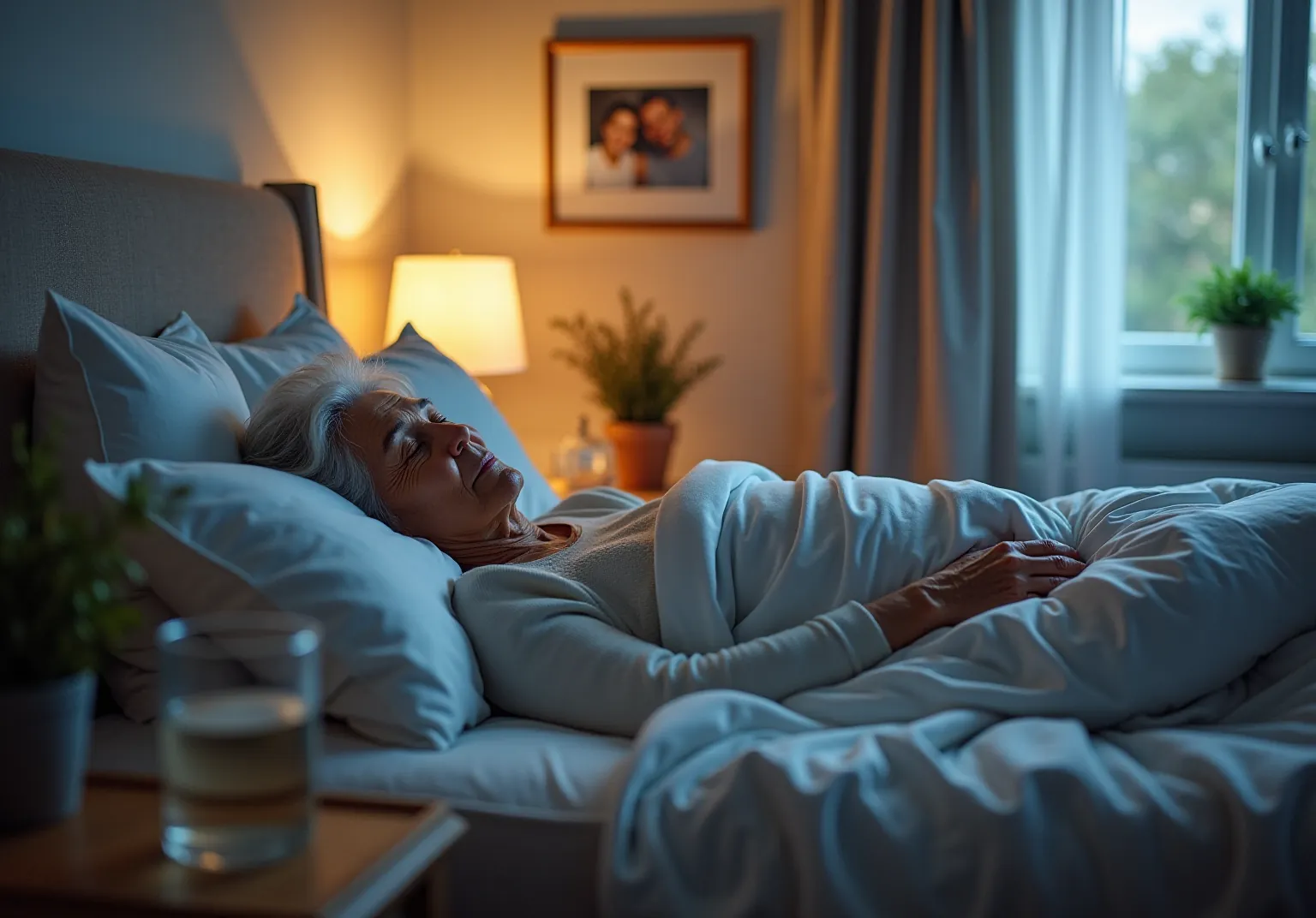
What You Need to Know About Elderly Sleep Patterns: Key Insights
Elderly sleep patterns significantly impact the overall health and well-being of older adults, yet many struggle to achieve restful sleep. This challenge is compounded by the alarming prevalence of sleep disorders such as insomnia and sleep apnea, which can severely affect quality of life. Caregivers must understand these complexities to effectively support their clients in overcoming these issues.
The implications of poor sleep are profound. Sleep disorders can lead to increased health risks, including cognitive decline and mood disturbances. Caregivers often find themselves in a position where they need to address these pressing concerns. So, how can they ensure that their clients enjoy the restorative sleep they need?
One effective approach is to create a conducive sleep environment. This includes:
- Maintaining a comfortable room temperature
- Minimizing noise
- Ensuring adequate darkness
Additionally, establishing a consistent sleep routine can help signal to the body that it’s time to wind down.
Moreover, caregivers should consider incorporating relaxation techniques, such as:
- Deep breathing
- Gentle stretching
to help clients ease into sleep. Regular physical activity during the day can also promote better sleep at night.
By understanding the challenges and implementing these practical solutions, caregivers can significantly enhance their clients' sleep quality, ultimately improving their overall well-being.
Explore the Importance of Sleep in Aging
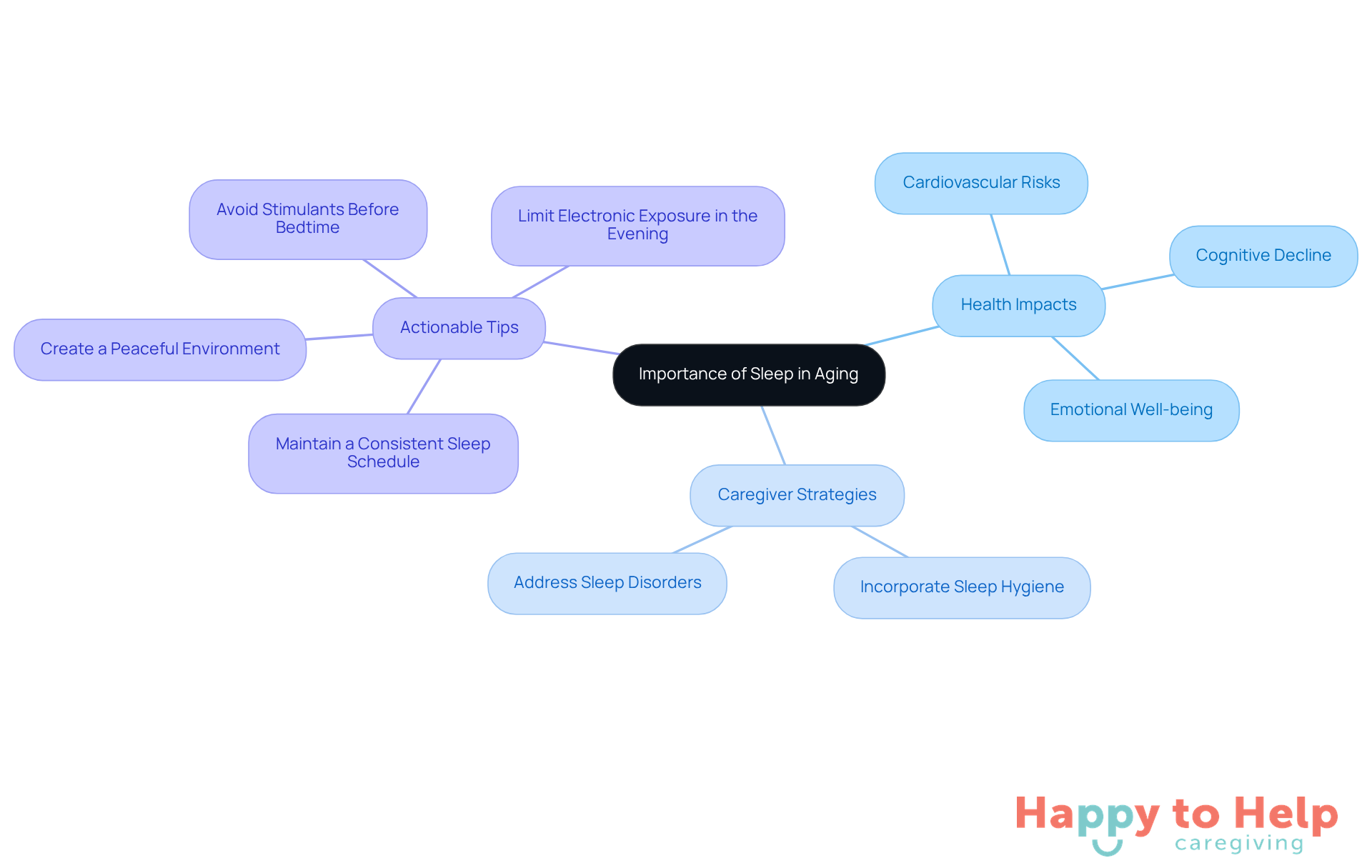
Elderly sleep patterns are vital for the overall health of older adults, serving as a cornerstone for physical restoration, cognitive function, and emotional well-being. However, many older adults struggle with elderly sleep patterns, which can lead to serious health issues.
Studies indicate that insufficient sleep is linked to increased risks of cardiovascular events and cognitive decline. This not only affects the individuals but also poses challenges for caregivers who strive to provide the best care possible. Understanding the importance of sleep can inform better care strategies that foster restful nights for their clients.
The elderly sleep patterns of older adults usually indicate a need for 7-9 hours of quality rest. Prioritizing sleep can significantly enhance their quality of life, reduce the risk of chronic diseases, and boost their ability to engage in daily activities. Caregivers should incorporate sleep hygiene into care plans. Here are some actionable tips:
- Maintain a consistent sleep schedule.
- Create a peaceful environment conducive to rest.
- Avoid stimulants before bedtime.
- Limit electronic exposure in the evening.
Additionally, conditions such as arthritis and sleep apnea can interfere with sleep, making it essential for caregivers to address these challenges. By advocating for elderly sleep patterns as a fundamental aspect of elderly care, caregivers can improve health outcomes and enhance the well-being of their clients.
Analyze Sleep Statistics and Patterns in Older Adults
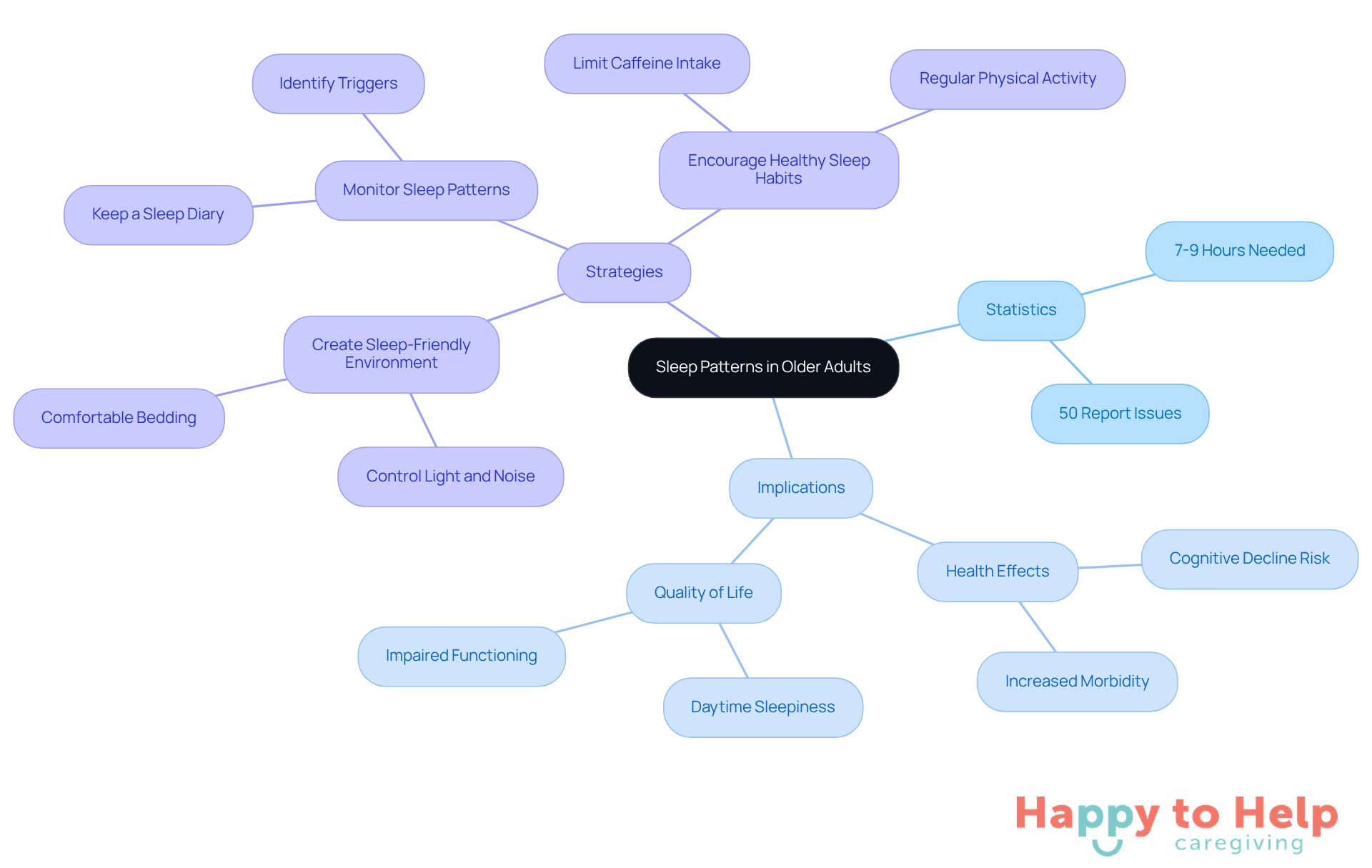
Elderly individuals often experience significant changes in their sleep patterns, which are characterized by shallower sleep and more frequent awakenings throughout the night. Approximately 50% of seniors report experiencing issues with their sleep patterns, with insomnia being the most prevalent disturbance. This situation poses a serious problem, as the National Institute on Aging indicates that seniors typically require 7-9 hours of sleep, similar to younger adults. However, many struggle to achieve this due to various factors, including health conditions, medications, and lifestyle changes.
The implications of these sleep disorders are profound. Poor sleep can adversely affect overall health and quality of life, making it crucial for caregivers to understand these challenges. By recognizing the common sleep patterns and issues faced by their clients, caregivers can better monitor for signs of sleep disorders.
To address these challenges, caregivers can implement several practical strategies:
- Monitor Sleep Patterns: Keep a sleep diary to track changes and identify potential triggers for disturbances.
- Create a Sleep-Friendly Environment: Ensure that the sleeping area is comfortable, quiet, and dark to promote better sleep quality.
- Encourage Healthy Sleep Habits: Promote routines that include winding down before bed, limiting caffeine intake, and engaging in regular physical activity.
By taking these steps, caregivers can significantly improve the sleep quality of elderly individuals, enhancing their overall well-being.
Identify Common Sleep Disorders in Seniors
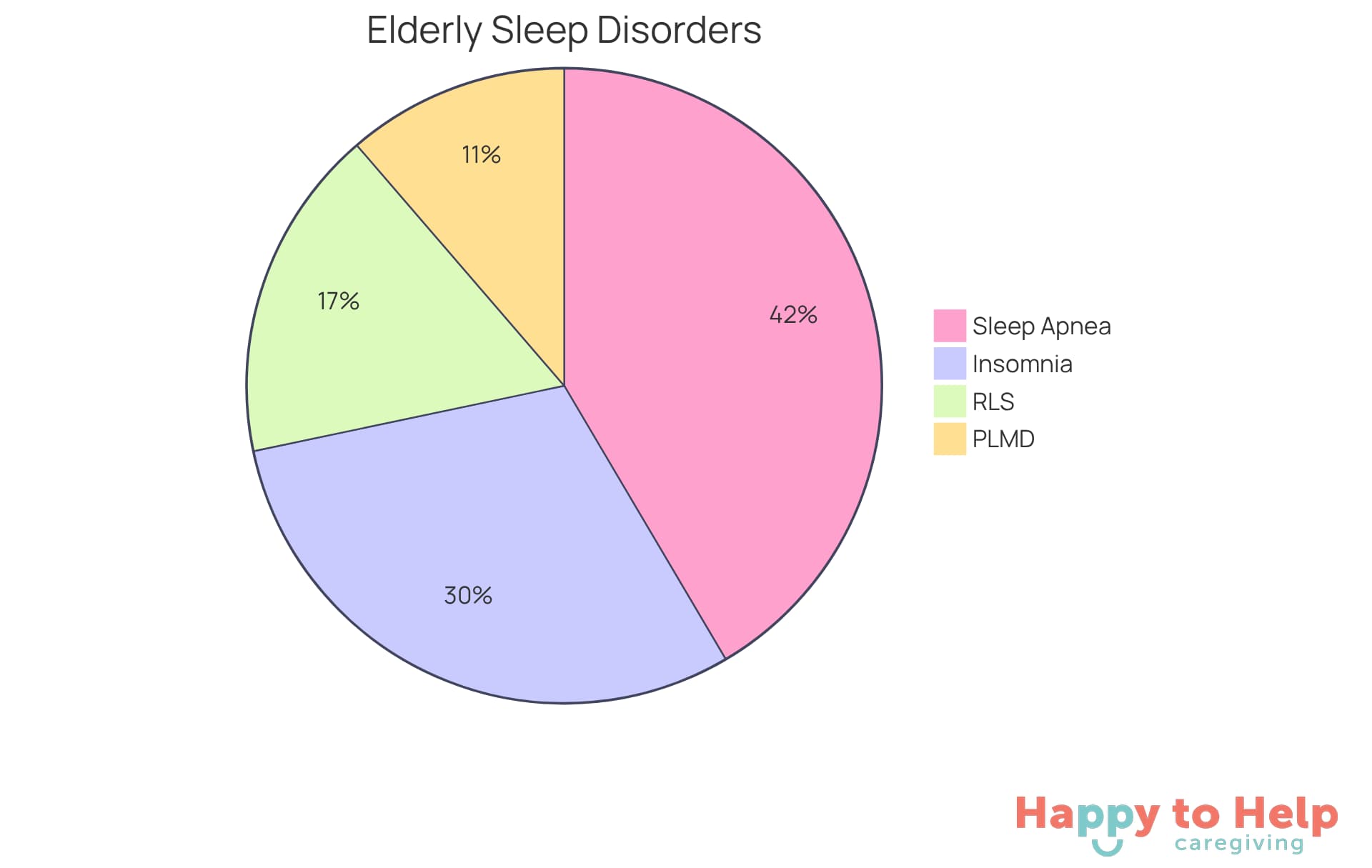
Sleep disturbances among elderly individuals significantly affect elderly sleep patterns, leading to challenges such as insomnia, sleep apnea, restless legs syndrome (RLS), and periodic limb movement disorder (PLMD).
Insomnia affects approximately 30-50% of older adults, disrupting their elderly sleep patterns and making it difficult for them to fall or stay asleep. Sleep apnea, characterized by interrupted breathing during sleep, is prevalent in about 30-80% of this population, often going undiagnosed. RLS and PLMD can cause discomfort and disrupt elderly sleep patterns, further complicating health issues.
These sleep disorders can lead to excessive daytime sleepiness, increased risk of falls, and a decline in overall well-being, impacting elderly sleep patterns. Caregivers must be aware of these potential signs, such as loud snoring or difficulty falling asleep, to provide the necessary support.
Solution: Caregivers should encourage those they assist to seek medical evaluation if they notice symptoms of these disorders. Maintaining a sleep diary can assist in tracking elderly sleep patterns and provide valuable information to healthcare providers. Additionally, promoting good sleep hygiene - like maintaining a regular sleep schedule and creating a comfortable sleep environment - can significantly improve sleep quality.
Implement Strategies for Better Sleep Hygiene
To encourage improved rest hygiene among older adults, caregivers face a significant challenge with elderly sleep patterns: many individuals struggle with sleep quality, which can adversely affect their overall health. Poor sleep hygiene can lead to increased fatigue, mood disturbances, and a decline in physical health.
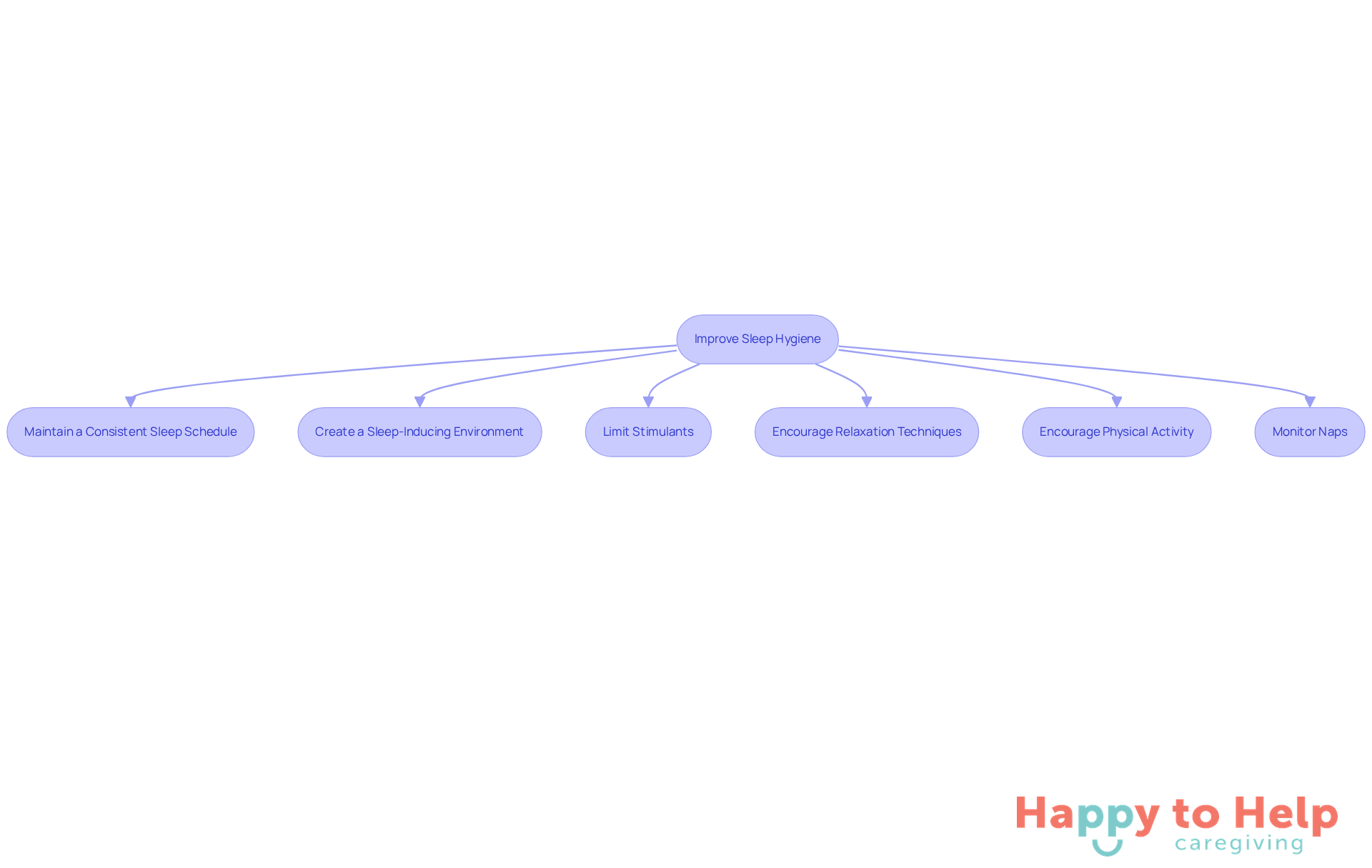
To address this issue, caregivers can implement several effective strategies:
- Maintain a Consistent Sleep Schedule: Encourage individuals to go to bed and wake up at the same time every day to help regulate their body clock.
- Create a Sleep-Inducing Environment: Ensure the bedroom is dark, quiet, and cool. Consider using blackout curtains and white noise machines if necessary.
- Limit Stimulants: Recommend that individuals steer clear of caffeine and nicotine in the hours before bedtime, as these can disrupt rest.
- Encourage Relaxation Techniques: Introduce calming activities before bed, such as reading, gentle stretching, or meditation, to assist individuals in winding down.
- Encourage Physical Activity: Consistent physical activity throughout the day can enhance rest, but advise individuals to avoid intense exercise near bedtime.
- Monitor Naps: While brief naps can be beneficial, lengthy or inconsistent napping during the day can negatively impact nighttime rest.
By implementing these strategies, caregivers can significantly enhance elderly sleep patterns and overall health for their clients.
Making the Right Choice
Understanding the sleep patterns of elderly individuals presents a significant challenge for caregivers, as inadequate sleep can severely impact their health and well-being. Quality sleep is essential for physical restoration, cognitive function, and emotional stability. However, many elderly individuals struggle with sleep disorders like insomnia and sleep apnea, which can lead to serious health consequences.
Caregivers must recognize the complexities of elderly sleep patterns to develop effective care strategies. Statistics show that older adults need 7-9 hours of quality rest, yet many fall short. This lack of sleep not only affects their physical health but also their emotional and cognitive states, leading to a diminished quality of life.
To address these issues, caregivers can implement several practical strategies:
- Maintain a consistent sleep schedule to regulate the body’s internal clock.
- Create conducive sleep environments that are dark, quiet, and cool.
- Promote healthy sleep habits by encouraging relaxation techniques before bedtime.
Ultimately, prioritizing sleep in elderly care is crucial. By fostering better sleep hygiene and addressing disturbances, caregivers can significantly enhance the quality of life for older adults. This commitment not only helps mitigate health risks but also empowers seniors to engage more fully in their daily activities. A proactive approach to sleep can lead to healthier, happier lives for the elderly, making it an essential focus for caregivers dedicated to their well-being.
https://iframe.tely.ai/cta/eyJhcnRpY2xlX2lkIjogIjY5MjUwZjljZWUyZDgyMTQwM2M2NjEzMiIsICJjb21wYW55X2lkIjogIjY4ZWU1ZGNhNzMxNzYyNTU3ZjNjOTVjMSIsICJpbmRleCI6IG51bGwsICJ0eXBlIjogImFydGljbGUifQ==Frequently Asked Questions
Why are elderly sleep patterns important for older adults?
Elderly sleep patterns are vital for overall health, serving as a cornerstone for physical restoration, cognitive function, and emotional well-being.
What are the risks associated with insufficient sleep in older adults?
Insufficient sleep is linked to increased risks of cardiovascular events and cognitive decline, which can lead to serious health issues for individuals and challenges for caregivers.
How many hours of sleep do older adults typically need?
Older adults usually need 7-9 hours of quality rest for optimal health.
What can be done to improve sleep quality in older adults?
Prioritizing sleep can enhance quality of life, reduce chronic disease risk, and boost engagement in daily activities. Caregivers should incorporate sleep hygiene into care plans.
What are some actionable tips for improving sleep hygiene?
Tips for improving sleep hygiene include maintaining a consistent sleep schedule, creating a peaceful environment conducive to rest, avoiding stimulants before bedtime, and limiting electronic exposure in the evening.
What conditions can interfere with sleep in older adults?
Conditions such as arthritis and sleep apnea can interfere with sleep, making it essential for caregivers to address these challenges.
How can caregivers advocate for better sleep in elderly care?
By recognizing elderly sleep patterns as a fundamental aspect of care, caregivers can improve health outcomes and enhance the well-being of their clients.
List of Sources
- Explore the Importance of Sleep in Aging
- Study of sleep in older adults suggests nixing naps, striving for 7-9 hours a night (https://heart.org/en/news/2022/07/26/study-of-sleep-in-older-adults-suggests-nixing-naps-striving-for-7-9-hours-a-night)
- Dementia risk nearly doubles among those with common sleep disorder, study finds (https://foxnews.com/health/dementia-risk-nearly-doubles-among-those-common-sleep-disorder-study-finds)
- Study links poor sleep to adverse health outcomes in seniors (https://news-medical.net/news/20251028/Study-links-poor-sleep-to-adverse-health-outcomes-in-seniors.aspx)
- How Much Sleep Do I Need? (https://ncoa.org/article/sleep-statistics-older-adults)
- The association between sleep duration trajectories and successful aging: a population-based cohort study - BMC Public Health (https://bmcpublichealth.biomedcentral.com/articles/10.1186/s12889-024-20524-7)
- Analyze Sleep Statistics and Patterns in Older Adults
- Study Links REM Sleep Apnea to Brain Changes, Memory loss in Older Adults | UC Irvine School of Medicine (https://medschool.uci.edu/news/study-links-rem-sleep-apnea-brain-changes-memory-loss-older-adults)
- 100+ Sleep Statistics (https://sleepfoundation.org/how-sleep-works/sleep-facts-statistics)
- Sleep in the Elderly - PMC (https://pmc.ncbi.nlm.nih.gov/articles/PMC7723148)
- Is Increased Sleepiness in Our 80s Tied to Higher Dementia Risk? (https://ucsf.edu/news/2025/03/429651/increased-sleepiness-our-80s-tied-higher-dementia-risk)
- Older adults with irregular sleep patterns may face higher risk of hardened arteries (https://heart.org/en/news/2023/02/15/older-adults-with-irregular-sleep-patterns-may-face-higher-risk-of-hardened-arteries)
- Identify Common Sleep Disorders in Seniors
- Roundup: ‘Chronic Insomnia’ May Accelerate Cognitive Decline; and More News (https://baptisthealth.net/baptist-health-news/chronic-insomnia-may-accelerate-cognitive-decline-and-brain-aging)
- Worldwide prevalence of sleep problems in community-dwelling older adults: A systematic review and meta-analysis (https://sciencedirect.com/science/article/abs/pii/S1389945724001448)
- How Much Sleep Do I Need? (https://ncoa.org/article/sleep-statistics-older-adults)
- Insomnia in the Older Adult - PMC (https://pmc.ncbi.nlm.nih.gov/articles/PMC5847293)
- Sleep in the Elderly - PMC (https://pmc.ncbi.nlm.nih.gov/articles/PMC7723148)
- Implement Strategies for Better Sleep Hygiene
- Strategies for Improving Sleep in Older Adults (https://medicine.yale.edu/news-article/strategies-for-improving-sleep-in-older-adults)
- Why sleep gets more difficult as you age and expert tips to help (https://cbsnews.com/news/sleep-difficult-as-you-age-expert-tips-help)
- Older adults struggle with sleep quality and rest (https://uclahealth.org/news/article/older-adults-struggle-with-sleep-quality-and-rest)
- How Much Sleep Do I Need? (https://ncoa.org/article/sleep-statistics-older-adults)
- Reducing Use of Sleep Drugs Could Improve Quality of Life and Longevity in Older Adults - October 27, 2025 - USC Schaeffer (https://schaeffer.usc.edu/research/sleep-drug-reduction-older-adults-longevity)