Understanding Fatigue in the Elderly: Causes and Management

For families in our service areas
For families in our service areas, this guide explains caregiving and how non-medical in-home caregiving can support care planning in East Idaho, Treasure Valley & Magic Valley, Northern Wasatch, North Central West Virginia, and Northeast Ohio.
Why Fatigue in the Elderly: Causes and Matters
Fatigue among the elderly is a significant concern that goes beyond simple tiredness. It often presents as a debilitating exhaustion, hindering daily life and overall well-being. With nearly half of older adults reporting persistent fatigue, understanding its various origins-from chronic illnesses to lifestyle choices-is essential for caregivers who want to improve their loved ones' quality of life.
However, distinguishing between fatigue as a normal part of aging and a sign of deeper health issues can be challenging. Caregivers must be vigilant in recognizing when fatigue requires intervention. So, what strategies can caregivers employ to effectively manage this widespread issue? Here are some actionable solutions to help ensure that elderly loved ones maintain both energy and vitality:
- Encourage Regular Physical Activity: Gentle exercises, like walking or stretching, can boost energy levels and improve overall health.
- Promote a Balanced Diet: A nutritious diet rich in vitamins and minerals supports energy production and combats fatigue.
- Ensure Adequate Hydration: Dehydration can lead to increased fatigue, so caregivers should encourage regular fluid intake.
- Monitor Sleep Patterns: Establishing a consistent sleep routine can help improve sleep quality and reduce daytime fatigue.
By implementing these strategies, caregivers can play a crucial role in enhancing the energy and vitality of their elderly loved ones.
Define Fatigue in Older Adults
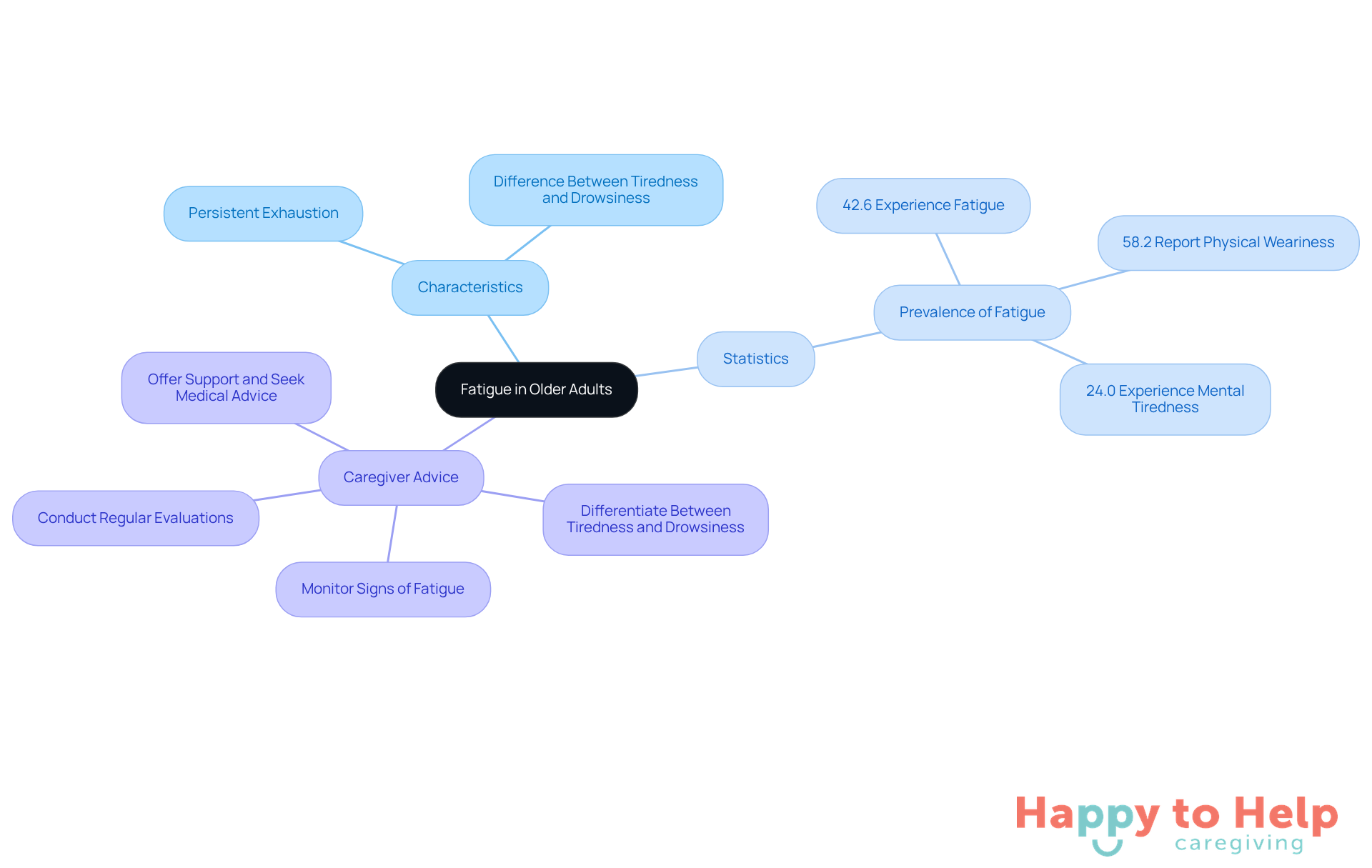
The challenge of fatigue in the elderly is significant, as it is characterized by a persistent feeling of exhaustion that doesn’t improve with rest. This condition goes beyond temporary tiredness, impacting daily activities and overall quality of life. It’s crucial to distinguish between tiredness and drowsiness; tiredness encompasses both physical and mental exhaustion.
Statistics reveal that approximately 42.6% of seniors experience fatigue in the elderly, with perceived physical weariness at 58.2% and mental tiredness at 24.0%. According to the National Institute on Aging, tiredness can be a normal response to various factors, such as physical activity, emotional stress, boredom, or inadequate sleep. For caregivers, understanding this distinction is vital. It helps identify when an older adult may need extra support or medical evaluation.
Regular evaluation of fatigue in the elderly is essential, as it may signal underlying health issues and help prevent functional decline. Geriatric specialists emphasize this point, urging caregivers to recognize the multifaceted nature of fatigue in the elderly. By doing so, they can provide more effective and compassionate care.
Key Takeaways for Caregivers:
- Monitor signs of fatigue in seniors.
- Differentiate between tiredness and drowsiness.
- Conduct regular evaluations to identify potential health concerns.
- Offer support and seek medical advice when necessary.
Identify Causes of Fatigue
Addressing fatigue in the elderly is a significant issue that caregivers must confront. It can stem from various interconnected factors, each contributing to a decline in energy levels and overall well-being.
-
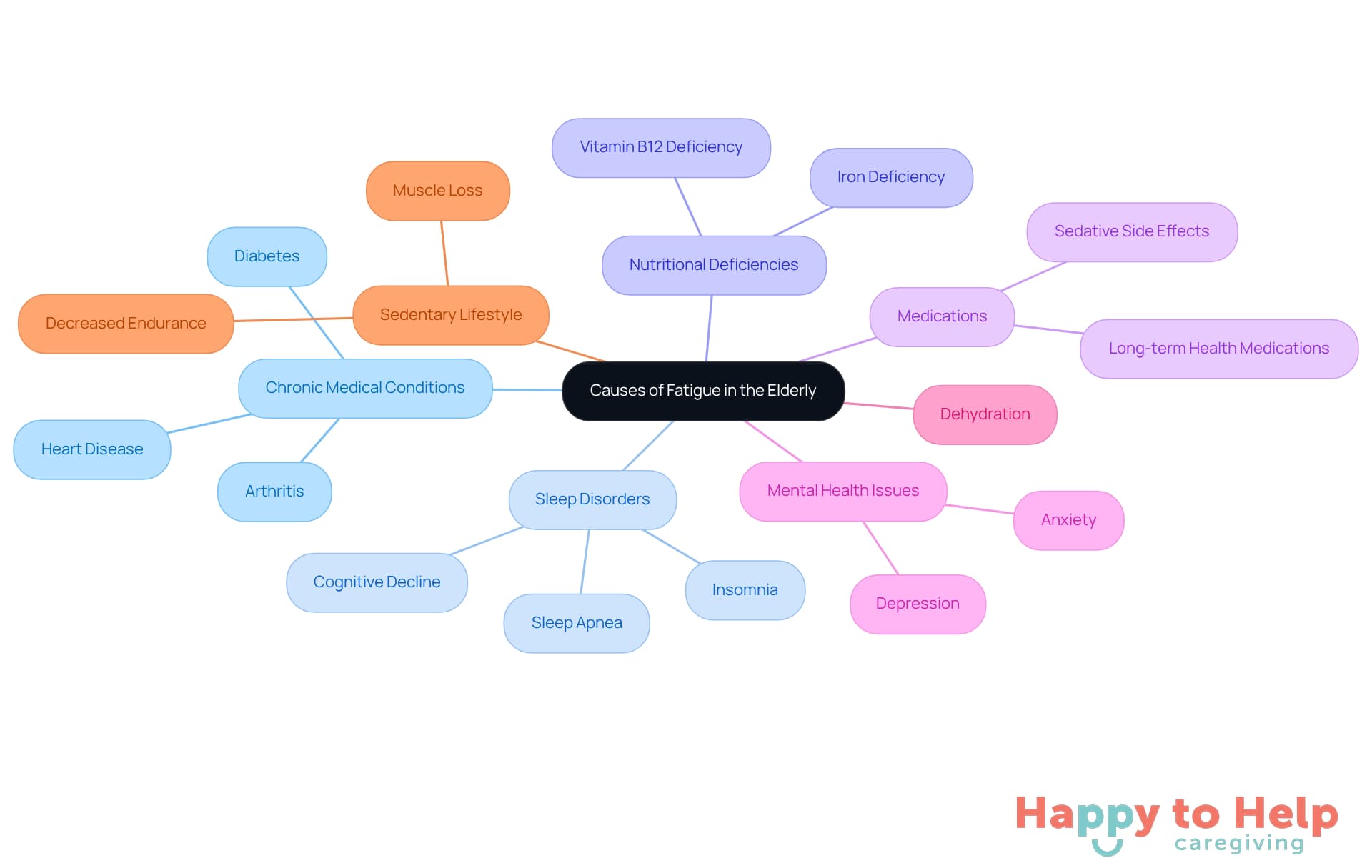
Chronic Medical Conditions: Many seniors face chronic conditions like heart disease, diabetes, and arthritis. In fact, about 93% of adults aged 65 and older have at least one chronic condition. These ailments often lead to ongoing pain and increased metabolic demands, resulting in continuous tiredness.
-
Sleep Disorders: Sleep issues, such as sleep apnea and insomnia, are common among older adults. These conditions disrupt restorative sleep, resulting in fatigue in the elderly during the day. Research shows that seniors with early dementia or cognitive decline experience less deep sleep, which can worsen feelings of tiredness.
-
Nutritional Deficiencies: A lack of essential nutrients, particularly iron and vitamin B12, can significantly impact energy levels. Caregivers should consider nutritional supplements to address these deficiencies, helping to restore energy and improve quality of life.
-
Medications: Many elderly individuals take medications for long-term health issues, which can have side effects that include tiredness. Regular reviews of medication regimens are crucial to mitigate this problem.
-
Mental Health Issues: Depression and anxiety are often undiagnosed in older adults, contributing to fatigue through insomnia or excessive sleeping. Caregivers should be vigilant for signs of mental health struggles, as these can manifest as fatigue in the elderly.
-
Dehydration: Seniors may not recognize their thirst, leading to insufficient fluid intake and subsequent tiredness. Encouraging regular hydration is essential for maintaining energy levels.
-
Sedentary Lifestyle: Physical inactivity significantly contributes to fatigue, resulting in muscle loss and decreased endurance. Engaging in light daily exercise can help boost stamina and improve overall well-being.
Understanding these causes is vital for caregivers who manage fatigue in the elderly. By implementing effective interventions, they can support the well-being of their elderly loved ones.
Implement Strategies to Manage Fatigue
Problem: Fatigue is a common issue among older adults, impacting their quality of life and overall well-being. Many caregivers struggle to find effective ways to manage this fatigue, which can lead to increased feelings of tiredness and decreased emotional health.
Agitate: This fatigue can stem from various factors, including poor sleep, inadequate nutrition, and underlying health conditions. When left unaddressed, it can worsen, leading to a decline in physical and mental health. Caregivers often feel overwhelmed, unsure of how to help their loved ones regain their energy and vitality.
Solution: To effectively manage fatigue in older adults, consider implementing the following strategies:
-
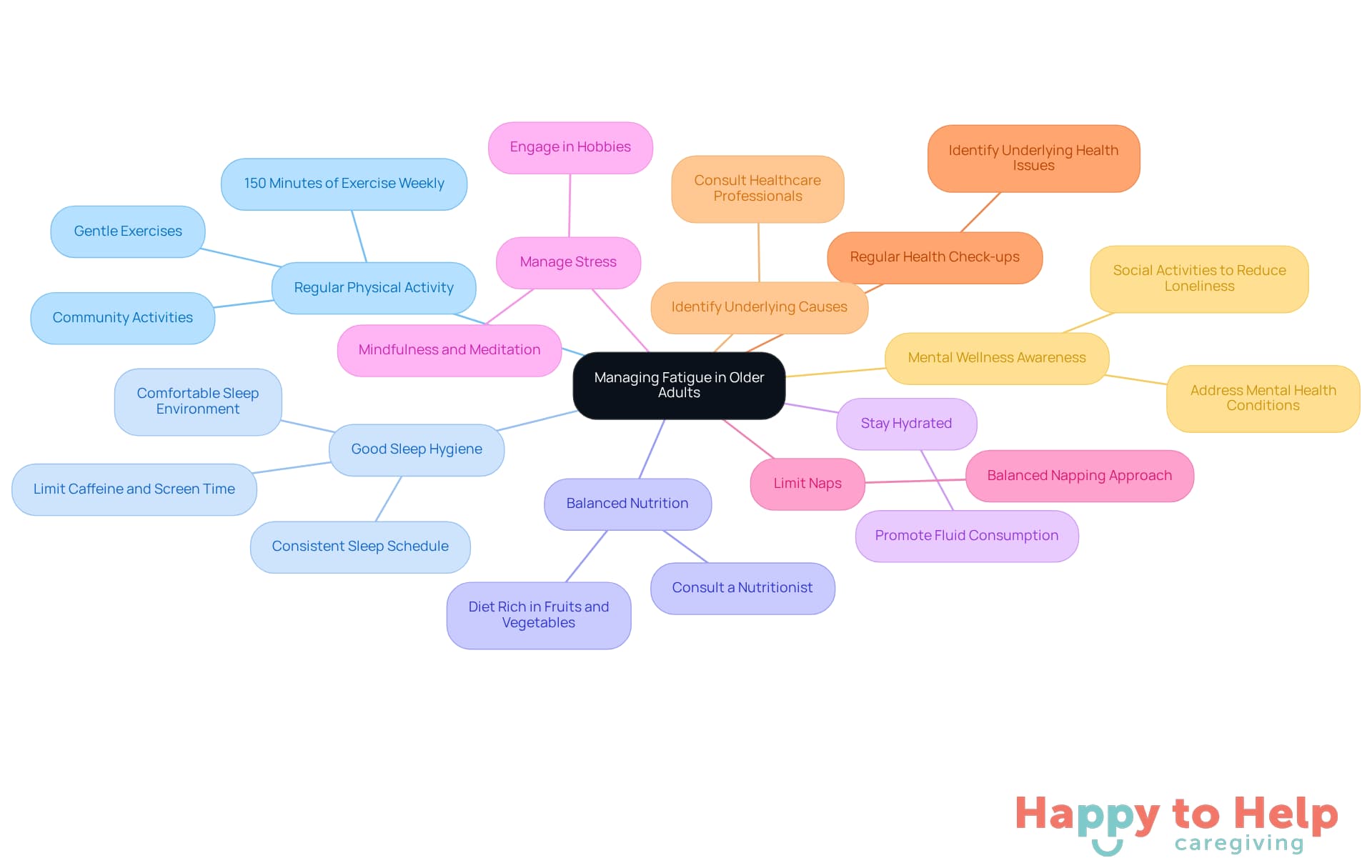
Encourage Regular Physical Activity: Engaging in gentle exercises, such as walking or stretching, can significantly boost energy levels and enhance overall health. Specialists advise that senior individuals strive for a minimum of 150 minutes of moderate exercise each week, which can assist in reducing tiredness and enhancing mood. Participating in community activities, like walking with friends, can also enhance emotional well-being.
-
Promote Good Sleep Hygiene: Establishing a consistent sleep schedule, creating a comfortable sleep environment, and limiting caffeine and screen time before bed are essential practices. Proper sleep practices are crucial, as research shows that many seniors face sleep problems, which can worsen feelings of tiredness.
-
Balanced Nutrition: A diet rich in fruits, vegetables, whole grains, and lean proteins supports energy levels. Consulting a nutritionist can provide personalized dietary advice tailored to individual health needs, ensuring that nutritional gaps are addressed.
-
Stay Hydrated: Promoting sufficient fluid consumption during the day is essential to avoid dehydration-related tiredness, which is frequently neglected in older adults.
-
Manage Stress: Techniques such as mindfulness, meditation, or participating in enjoyable hobbies can effectively alleviate stress and its effects on tiredness. Sustaining emotional well-being is crucial for overall wellness.
-
Limit Naps: While brief naps can be invigorating, extended or frequent naps may interfere with nighttime sleep patterns and exacerbate tiredness. Encouraging a balanced approach to napping can help maintain energy levels throughout the day.
-
Regular Health Check-ups: Routine medical evaluations are important for identifying and addressing any underlying health issues that may contribute to tiredness. Early detection of conditions such as sleep disorders or chronic illnesses can lead to more effective management.
-
Identify Underlying Causes: It is important to recognize that tiredness can indicate underlying illnesses. Caregivers should consult healthcare professionals if exhaustion continues or is accompanied by concerning symptoms.
-
Mental Wellness Awareness: Be mindful that around 14% of individuals over age 60 experience a mental condition, which can worsen feelings of fatigue. Addressing mental health is crucial in managing overall well-being.
By applying these strategies, caregivers can assist senior individuals in preserving their energy levels and improving their quality of life, promoting a more active and satisfying lifestyle.
Recognize When to Seek Professional Help
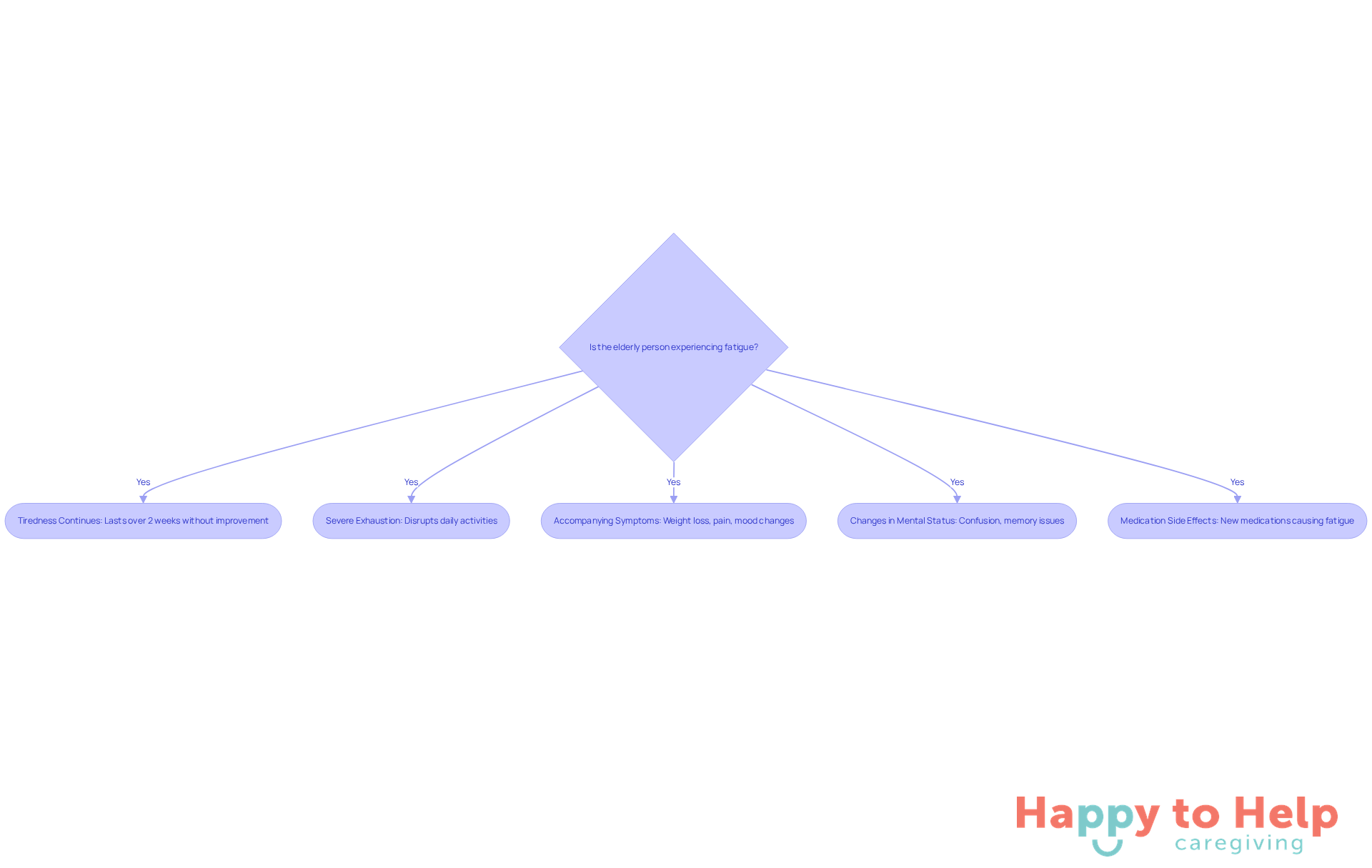
Caregivers must be vigilant in identifying when fatigue in the elderly necessitates professional evaluation. Tiredness can be a significant problem, especially when it persists without improvement. Here are key indicators that medical assistance should be sought:
- Tiredness Continues: If tiredness lasts for over two weeks without signs of progress, it may signal an underlying medical issue that requires attention.
- Severe Exhaustion: When exhaustion becomes debilitating and disrupts daily activities, consulting a healthcare provider is essential to address potential health concerns.
- Accompanying Symptoms: The presence of additional concerning symptoms - such as unexplained weight loss, persistent pain, or mood changes - should prompt immediate medical evaluation.
- Changes in Mental Status: Confusion, memory issues, or significant behavioral changes alongside exhaustion warrant a thorough medical assessment.
- Medication Side Effects: If tiredness coincides with the initiation of new medications, discussing this with a healthcare provider is crucial to evaluate possible side effects.
Identifying these indicators enables prompt interventions, greatly improving the health and quality of life for seniors. Statistics reveal that around 42.6% of seniors experience fatigue in the elderly, underscoring the commonality of this issue and the necessity for preventive care. Recognizing underlying medical conditions is vital for effective management of exhaustion, as emotional pressures like anxiety and depression can also contribute to feelings of tiredness. As one healthcare provider noted, "It is common for older adults to experience fatigue in the elderly that is linked to both physical and emotional health challenges.
Key Takeaways for Caregivers
Fatigue in the elderly presents a significant challenge that impacts their quality of life. This issue is not merely about feeling tired; it reflects a deeper struggle influenced by various health-related factors. Caregivers must understand these nuances to provide effective support tailored to the needs of older adults.
Several key factors contribute to fatigue, including chronic medical conditions, sleep disorders, nutritional deficiencies, medications, mental health issues, dehydration, and a sedentary lifestyle. Caregivers should closely monitor these aspects and implement effective management strategies. Here are some actionable tips:
- Encourage regular physical activity.
- Promote good sleep hygiene.
- Ensure balanced nutrition.
- Stay hydrated.
Regular health check-ups and awareness of mental wellness are also crucial in addressing fatigue. By focusing on these areas, caregivers can significantly enhance the well-being of older adults.
Ultimately, tackling fatigue in seniors goes beyond alleviating tiredness; it’s about improving their overall well-being and quality of life. Caregivers play a vital role in this process. By remaining vigilant and proactive, they can help seniors reclaim their energy and vitality. Understanding and managing fatigue is essential, as it directly affects the emotional and physical health of the elderly population.
https://iframe.tely.ai/cta/eyJhcnRpY2xlX2lkIjogIjY5MjEwYWJmOWI1YmZkYjVkMWI0OTRhMCIsICJjb21wYW55X2lkIjogIjY4ZWU1ZGNhNzMxNzYyNTU3ZjNjOTVjMSIsICJpbmRleCI6IG51bGwsICJ0eXBlIjogImFydGljbGUifQ==Frequently Asked Questions
What is fatigue in older adults?
Fatigue in older adults is characterized by a persistent feeling of exhaustion that does not improve with rest, impacting daily activities and overall quality of life.
How does fatigue differ from tiredness and drowsiness?
Tiredness encompasses both physical and mental exhaustion, while drowsiness refers specifically to a state of being sleepy. It is important to distinguish between these to understand an older adult’s condition better.
What percentage of seniors experience fatigue?
Approximately 42.6% of seniors experience fatigue, with 58.2% reporting perceived physical weariness and 24.0% reporting mental tiredness.
What factors can contribute to tiredness in older adults?
Tiredness in older adults can be a normal response to factors such as physical activity, emotional stress, boredom, or inadequate sleep.
Why is it important for caregivers to evaluate fatigue in older adults?
Regular evaluation of fatigue is essential as it may signal underlying health issues and help prevent functional decline, allowing caregivers to provide more effective and compassionate care.
What should caregivers do to support older adults experiencing fatigue?
Caregivers should monitor signs of fatigue, differentiate between tiredness and drowsiness, conduct regular evaluations to identify potential health concerns, and offer support while seeking medical advice when necessary.
List of Sources
- Define Fatigue in Older Adults
- Treating Fatigue is Key to Maximizing Health as You Age (https://kansashealthsystem.com/news-room/blog/2023/09/treating-fatigue-is-key-to-maximizing-health-as-you-age)
- Exercise helps retired adults combat mental fatigue (https://news-medical.net/news/20250403/Exercise-helps-retired-adults-combat-mental-fatigue.aspx)
- Prevalence of fatigue and perceived fatigability in older adults: a systematic review and meta-analysis - Scientific Reports (https://nature.com/articles/s41598-025-88961-x)
- Fatigue is common among older adults, and it has many possible causes • Oregon Capital Chronicle (https://oregoncapitalchronicle.com/2023/04/17/fatigue-is-common-among-older-adults-and-it-has-many-possible-causes)
- (https://belleviecare.co.uk/support-advice/60-elderly-care-quotes-to-lift-your-spirits)
- Identify Causes of Fatigue
- Prevalence of fatigue and perceived fatigability in older adults: a systematic review and meta-analysis - Scientific Reports (https://nature.com/articles/s41598-025-88961-x)
- Top 10 Chronic Conditions Affecting Older Adults (https://ncoa.org/article/the-top-10-most-common-chronic-conditions-in-older-adults)
- Sudden Fatigue in Seniors: Common Causes and Warning Signs (https://aplaceathome.com/palmetto-fl/extreme-sudden-fatigue-in-seniors)
- 75 Positive Mental Health Quotes to Comfort and Inspire You (https://goodhousekeeping.com/life/a39739060/mental-health-quotes)
- Implement Strategies to Manage Fatigue
- Treating Fatigue is Key to Maximizing Health as You Age (https://kansashealthsystem.com/news-room/blog/2023/09/treating-fatigue-is-key-to-maximizing-health-as-you-age)
- 40 Workout Motivational Quotes Inspired By Health Coaches And Celebrities (https://healthcoachinstitute.com/articles/24-workout-motivational-quotes)
- Feeling tired in older age (https://medicalnewstoday.com/articles/what-causes-sudden-extreme-fatigue-in-elderly)
- 15 Good Quotes for Seniors That Will Brighten Your Day in 2025 (https://arhomecare.com/15-good-quotes-for-seniors-that-will-brighten-your-day-in-2025)
- 10 Inspiring Quotes about Aging | Senior Health | Masonicare (https://masonicare.org/resources/blog/10-inspiring-quotes-about-aging)
- Recognize When to Seek Professional Help
- Treating Fatigue is Key to Maximizing Health as You Age (https://kansashealthsystem.com/news-room/blog/2023/09/treating-fatigue-is-key-to-maximizing-health-as-you-age)
- Feeling tired in older age (https://medicalnewstoday.com/articles/what-causes-sudden-extreme-fatigue-in-elderly)
- Prevalence of fatigue and perceived fatigability in older adults: a systematic review and meta-analysis - Scientific Reports (https://nature.com/articles/s41598-025-88961-x)
- 27 Inspirational Quotes for Caregivers (https://ultimatecareny.com/resources/27-quotes-for-caregivers)
- Fatigue in Older Adults (https://nia.nih.gov/health/fatigue/fatigue-older-adults)