
For families in our service areas
For families in our service areas, this guide explains caregiver support and how non-medical in-home caregiving can support care planning in East Idaho, Treasure Valley & Magic Valley, Northern Wasatch, North Central West Virginia & Southwestern Pennsylvania, and Northeast Ohio.
What You Need to Know About Full-Time Live-In Caregivers: Key Roles
The rising demand for full-time live-in caregivers highlights a pressing issue in elder care: the risk of caregiver burnout and emotional strain. As society increasingly values personalized support in the comfort of home, these dedicated professionals face significant challenges that can impact their well-being and the quality of care they provide.
Caregivers not only deliver essential daily assistance but also play a crucial role in fostering emotional well-being for those they serve. However, the emotional toll of this work can lead to burnout, making it vital to examine how caregivers can prioritize their own health while continuing to deliver exceptional care.
To support these vital caregivers, several strategies can be implemented:
- Regular self-care routines: Encouraging caregivers to take time for themselves can help mitigate stress.
- Access to mental health resources: Providing caregivers with access to counseling or support groups can offer them a safe space to share their experiences.
- Training and education: Equipping caregivers with skills to manage stress and recognize signs of burnout can empower them to seek help when needed.
By addressing these challenges and implementing practical solutions, we can ensure that caregivers not only survive in their roles but thrive, ultimately enhancing the quality of care for those they serve.
Defining a Full-Time Live-In Caregiver
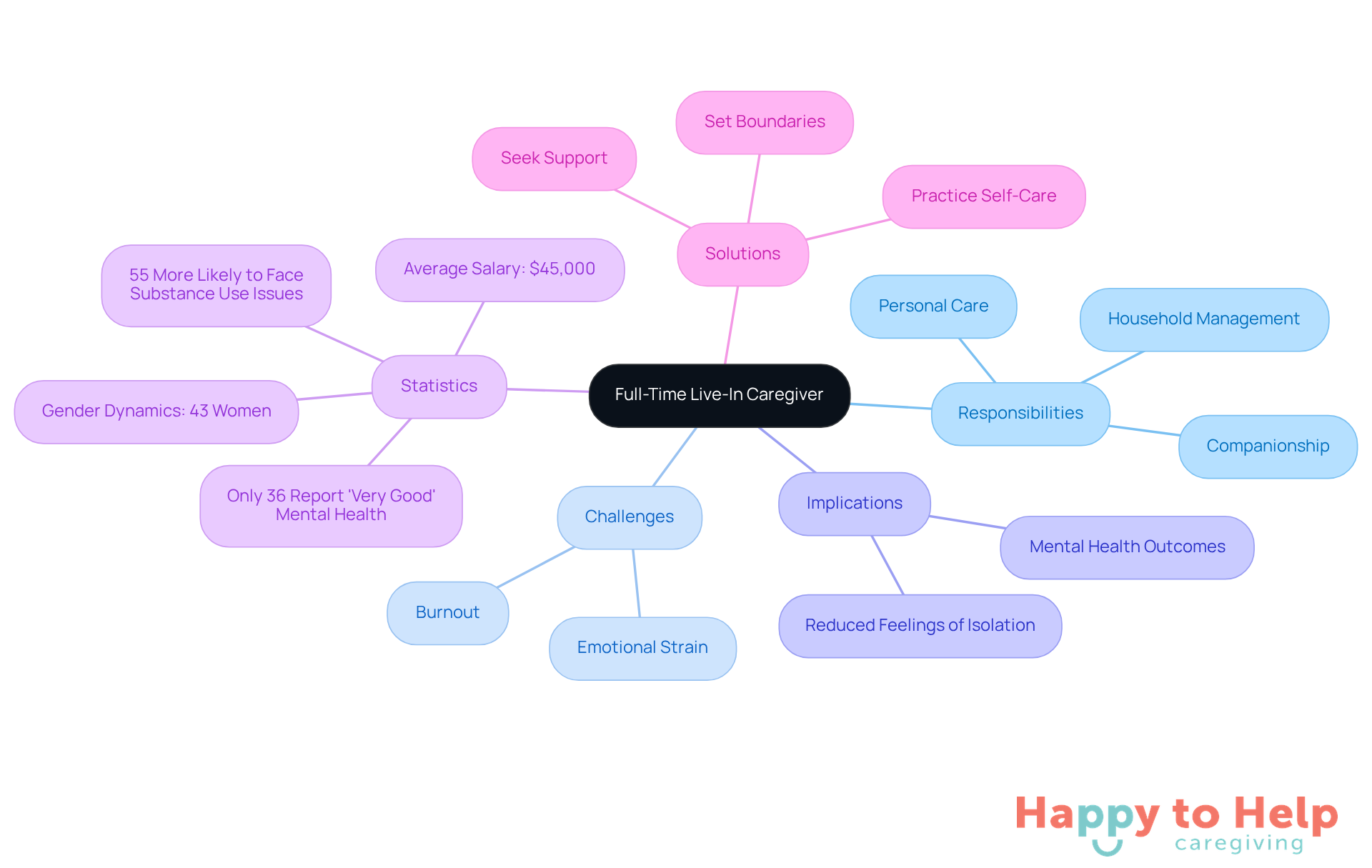
A full time live in caregiver faces significant challenges in their role, which can impact both their well-being and the quality of care they provide. These dedicated experts function as full time live in caregivers, living in a person's residence to offer 24/7 support with everyday tasks, including personal care, companionship, and household management. Unlike conventional support providers who may work in shifts, a full time live in caregiver is available around the clock, enabling a deep understanding of their clients' needs and preferences. However, this continuous presence can lead to burnout and emotional strain.
The implications of these challenges are profound. Caregiving experts stress that full time live in caregivers are not merely service providers; they become essential parts of the lives of those they assist. Their responsibilities extend beyond basic care to include companionship, significantly influencing the well-being of individuals. Research indicates that individuals with resident aides experience reduced feelings of isolation and improved mental health outcomes. Yet, caregivers themselves are 55% more likely to face substance use issues compared to non-care providers, and only 36% report having 'very good' mental health.
To address these challenges, it’s crucial for caregivers to prioritize their own well-being. Here are some actionable solutions:
- Seek Support: Connect with fellow caregivers or support groups to share experiences and coping strategies.
- Set Boundaries: Establish clear boundaries between work and personal time to prevent burnout.
- Practice Self-Care: Engage in regular self-care activities, such as exercise, hobbies, or relaxation techniques.
In 2025, the average salary for full-time live in caregivers is approximately $45,000 annually, reflecting the growing demand for these vital services. Additionally, 43% of full-time live in caregivers are women, highlighting the gender dynamics within this essential workforce. With many balancing caregiving tasks for family members, the need for support and resources for residential providers continues to rise. By creating a nurturing environment, live-in support providers can help clients maintain their independence while ensuring their safety and comfort at home.
Context and Importance of Live-In Caregivers
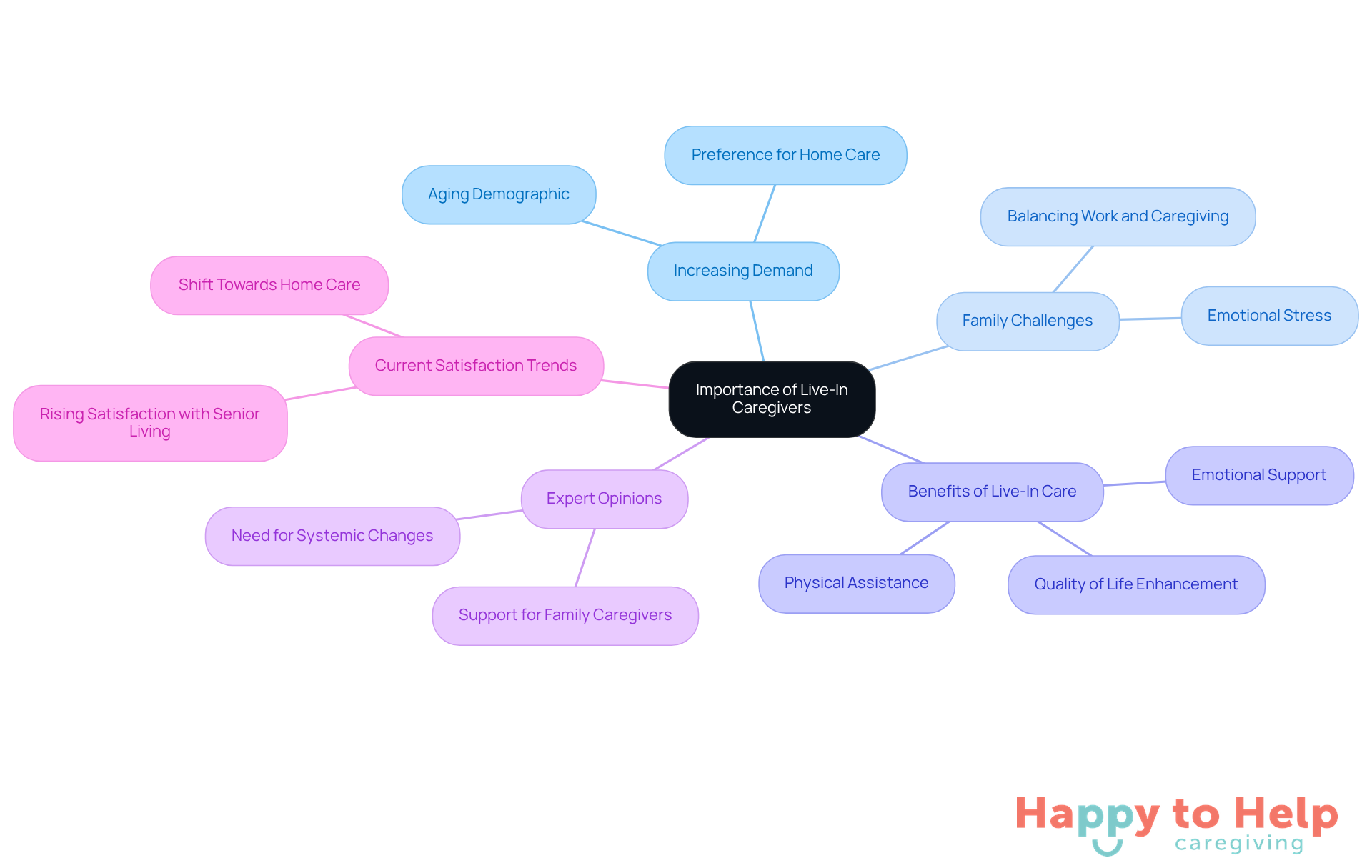
The demand for resident support workers has surged in recent years, primarily due to an aging demographic that prefers to remain in their homes rather than transition to assisted living centers. This choice often stems from a desire for independence and the comfort of familiar surroundings.
However, this preference presents challenges. Families are increasingly faced with the emotional and physical demands of caregiving, especially as nearly half of elder care providers are caring for a parent. Balancing work and caregiving responsibilities can lead to significant stress.
Full time live in caregivers provide a practical solution to these challenges. They provide essential physical assistance and emotional support, enhancing the quality of life for their clients. Their presence not only alleviates the burden on families but also ensures that loved ones receive the care they need.
Moreover, experts like Steven Lee, co-founder and CEO of ianacare, emphasize the need for systemic changes to better support family caregivers. Addressing the obstacles they face is crucial for improving the caregiving landscape.
Interestingly, satisfaction with senior living is on the rise, even amid increasing costs. This suggests that families are prioritizing the comfort of home over institutional care, reinforcing the shift towards home care.
Yet, the caregiving industry is grappling with workforce shortages, complicating the situation further. The inclusion of a full time live in caregiver not only addresses the urgent needs of the elderly but also fosters a sense of safety and wellness, making it a preferred choice for many families.
Key Responsibilities of Full-Time Live-In Caregivers
Full-time live-in caregivers encounter various challenges in addressing the diverse needs of the individuals they assist. These challenges can lead to feelings of overwhelm and stress, impacting both the caregiver and the individual receiving care.
Key Responsibilities of Caregivers:
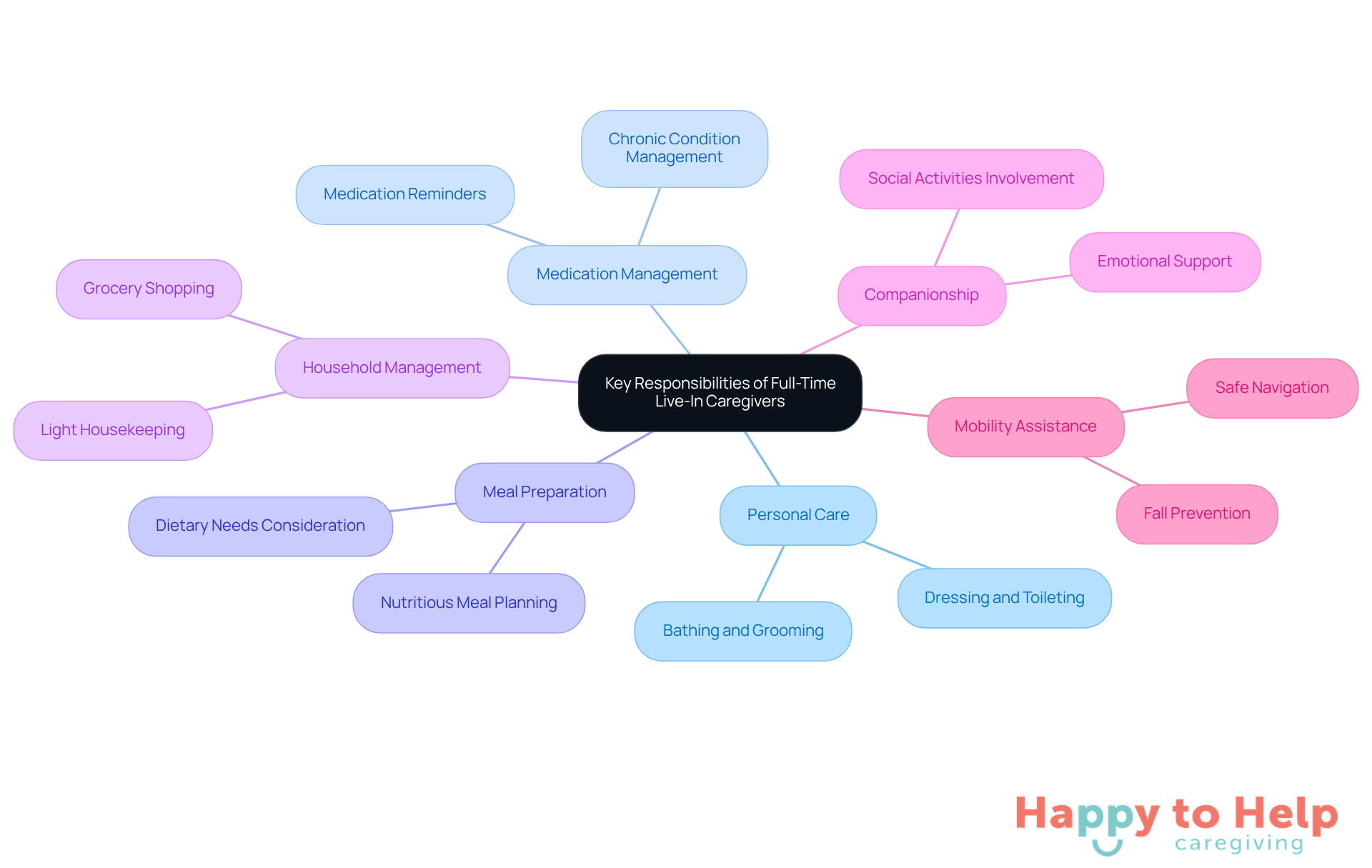
- Personal Care: Assisting with bathing, grooming, dressing, and toileting ensures clients maintain their hygiene and dignity.
- Medication Management: Ensuring individuals take their medications as prescribed is crucial for managing chronic conditions.
- Meal Preparation: Planning and preparing nutritious meals tailored to dietary needs and preferences is essential for health.
- Household Management: Performing light housekeeping tasks, laundry, and grocery shopping helps maintain a safe and clean living environment.
- Companionship: Offering emotional support and involving individuals in social activities combats loneliness and enhances mental well-being.
- Mobility Assistance: Helping individuals navigate safely within their homes can prevent falls and injuries.
To address these challenges, full-time live-in caregivers can implement practical solutions such as establishing routines, utilizing technology for medication reminders, and seeking support from community resources. By focusing on these strategies, caregivers not only deliver essential assistance but also enhance the overall welfare of those they serve.
Benefits of Engaging a Full-Time Live-In Caregiver
The hiring of a full time live in caregiver addresses significant challenges faced by seniors and individuals with disabilities. Many struggle with complex medical needs, loneliness, and safety concerns, which can severely impact their quality of life.
The implications of these challenges are profound. Without adequate support, seniors may experience increased feelings of isolation and a heightened risk of accidents. This is where full time live in caregivers come into play, providing essential assistance that can transform daily living.
-
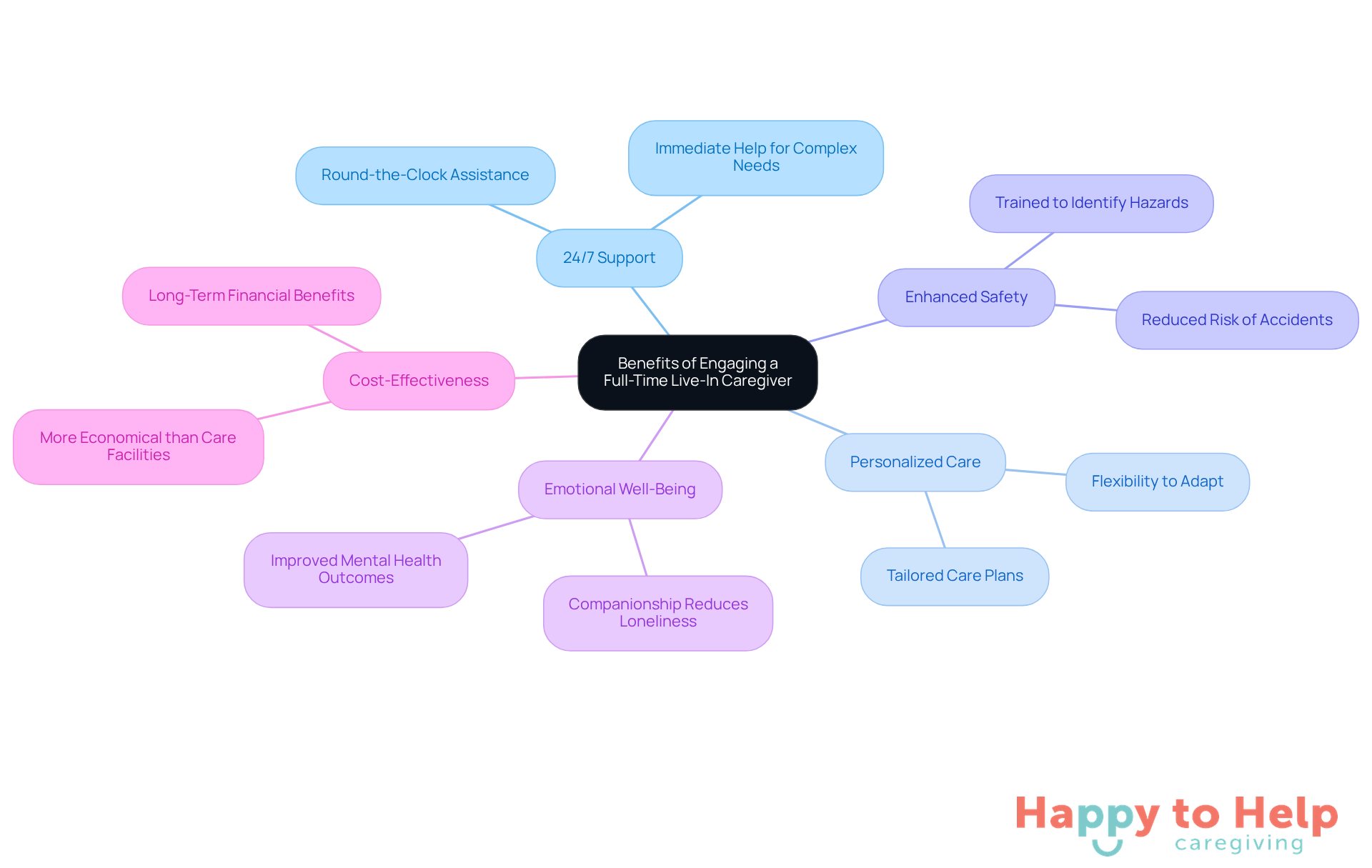
24/7 Support: Live-in caregivers offer round-the-clock assistance, ensuring help is available at all times. This is crucial for those with complex medical needs. As Vanessa Valerio observes, 'Full time live in caregivers provide committed, individualized attention, customizing the care to your requirements.'
-
Personalized Care: Care plans are tailored to meet the unique needs and preferences of each client, allowing for a more individualized approach. This flexibility is vital for adapting to the evolving needs of seniors.
-
Enhanced Safety: The constant presence of a caregiver reduces the risk of accidents and ensures immediate assistance in emergencies. Live-in aides are trained to recognize potential safety risks, creating a secure living environment. Valerio highlights that "residential support workers are trained to recognize and tackle possible safety risks in the home, ensuring a safe living environment."
-
Emotional Well-Being: Companionship from residential support providers alleviates feelings of loneliness, leading to improved mental health outcomes. Testimonials emphasize that the emotional bonds nurtured by caregivers can significantly enhance the overall quality of life for seniors.
Cost-effectiveness shows that for many families, hiring a full time live in caregiver can be more economical than placing a loved one in a nursing home or assisted living facility. In 2025, the cost of residential support is expected to be more affordable compared to the rising expenses linked to care homes. Statistics show that in-home care can be more cost-effective, allowing seniors to maintain their independence in the comfort of their own homes.
These advantages underscore the importance of residential assistants in promoting the autonomy and welfare of their clients. For instance, consider Margaret, an 85-year-old widow with limited mobility and early-stage dementia. With personalized assistance from her caregiver, she receives the safety and emotional support she needs at home. This real-life example illustrates how a full time live in caregiver can have a profound impact on the lives of seniors and their families.
Taking the Next Steps
The role of full-time live-in caregivers encompasses more than just essential support; it’s about creating a nurturing environment that significantly enhances the quality of life for seniors and individuals with disabilities. These dedicated professionals provide around-the-clock assistance, ensuring personalized care that caters to unique needs, ultimately fostering independence and comfort in the familiar surroundings of home.
However, the emotional and physical challenges faced by live-in caregivers are substantial. Burnout and mental health concerns can arise from the demanding nature of their work. To combat these issues, caregivers must prioritize self-care and establish clear boundaries. By doing so, they can maintain their well-being while continuing to offer invaluable support to those they assist.
As the demand for home care solutions grows, the significance of full-time live-in caregivers becomes increasingly clear. Families are often juggling their own responsibilities alongside the needs of aging loved ones, making these caregivers essential partners in the caregiving journey. Investing in their well-being and advocating for systemic support is crucial for creating a sustainable and effective caregiving landscape.
Embracing this shift towards home care not only benefits the elderly but also strengthens family bonds and enhances overall community health. By recognizing the vital role of caregivers and implementing supportive measures, we can ensure a brighter future for both caregivers and those they care for.
https://iframe.tely.ai/cta/eyJhcnRpY2xlX2lkIjogIjY5M2Y1MDg3YzVjNjk0NTk3NDczMjZmZCIsICJjb21wYW55X2lkIjogIjY4ZWU1ZGNhNzMxNzYyNTU3ZjNjOTVjMSIsICJpbmRleCI6IG51bGwsICJ0eXBlIjogImFydGljbGUifQ==Frequently Asked Questions
What is a full-time live-in caregiver?
A full-time live-in caregiver is a dedicated professional who lives in a person's residence to provide 24/7 support with everyday tasks, including personal care, companionship, and household management.
How do full-time live-in caregivers differ from conventional support providers?
Unlike conventional support providers who may work in shifts, full-time live-in caregivers are available around the clock, allowing them to develop a deep understanding of their clients' needs and preferences.
What challenges do full-time live-in caregivers face?
Full-time live-in caregivers face significant challenges that can impact their well-being and the quality of care they provide, including the risk of burnout and emotional strain due to their continuous presence in the client's home.
How do full-time live-in caregivers affect the well-being of the individuals they assist?
Full-time live-in caregivers not only provide essential care but also offer companionship, which can lead to reduced feelings of isolation and improved mental health outcomes for their clients.
What are the mental health statistics for caregivers?
Caregivers are 55% more likely to face substance use issues compared to non-care providers, and only 36% report having 'very good' mental health.
What solutions can help caregivers address their challenges?
Caregivers can prioritize their well-being by seeking support from fellow caregivers or support groups, setting clear boundaries between work and personal time, and practicing self-care activities like exercise and relaxation techniques.
What is the average salary for full-time live-in caregivers in 2025?
The average salary for full-time live-in caregivers in 2025 is approximately $45,000 annually, reflecting the growing demand for these services.
What is the gender dynamic within the full-time live-in caregiver workforce?
Approximately 43% of full-time live-in caregivers are women, highlighting the gender dynamics within this essential workforce.
Why is there a rising need for support and resources for live-in caregivers?
Many caregivers are balancing caregiving tasks for family members, which increases the need for support and resources to help them maintain a nurturing environment for their clients while ensuring their safety and comfort at home.
List of Sources
- Defining a Full-Time Live-In Caregiver
- Number of full-time working caregivers has increased by double digits, report finds (https://hrdive.com/news/number-of-full-time-working-caregivers-has-increased-by-double-digits/806270)
- What Is the Caregiver Crisis? | Johns Hopkins Bloomberg School of Public Health (https://publichealth.jhu.edu/2025/what-is-the-caregiver-crisis)
- More full-time workers juggle caregiving responsibilities (https://insurancenewsnet.com/oarticle/more-full-time-workers-juggle-caregiving-responsibilities)
- Families Prefer In-Home Care To Senior Living – Yet Struggle To Identify Needed Support (https://homehealthcarenews.com/2025/11/families-prefer-in-home-care-to-senior-living-yet-struggle-to-identify-needed-support)
- Context and Importance of Live-In Caregivers
- Family caregivers prefer in-home care over senior living, new industry report finds (https://mcknightshomecare.com/news/family-caregivers-prefer-in-home-care-over-senior-living-new-industry-report-finds)
- The senior population is booming. Caregiving is struggling to keep up (https://cnbc.com/2025/11/21/senior-caregiving-labor.html)
- Hospices Facing a US Caregiving 'Crisis' (https://hospicenews.com/2025/06/02/hospices-facing-a-us-caregiving-crisis)
- The declining population will make it even harder to care for elders (https://npr.org/2025/11/02/nx-s1-5535648/population-elderly-caregivers)
- Key Responsibilities of Full-Time Live-In Caregivers
- National Alliance for Caregiving: Caregiving in the US 2025 Report (https://johnahartford.org/resources/view/national-alliance-for-caregiving-caregiving-in-the-us-2025-report)
- Number of full-time workers who are juggling caregiving responsibilities has increased by double digits, even as more women leave the workforce (https://prnewswire.com/news-releases/number-of-full-time-workers-who-are-juggling-caregiving-responsibilities-has-increased-by-double-digits-even-as-more-women-leave-the-workforce-302619200.html)
- New Report Reveals Crisis Point for America’s 63 million Family Caregivers (https://states.aarp.org/maryland/caregiving-report)
- Number of full-time workers who are juggling caregiving responsibilities has increased by double digits, even as more women leave the workforce (https://guardianlife.com/news/release/number-of-full-time-workers-who-are-juggling-caregiving-responsibilities-has-increased-by-double-digits-even-as-more-women-leave-the-workforce)
- Opinion | America’s Caregivers Are in Crisis (https://nytimes.com/2025/11/24/opinion/caregiving-crisis.html)
- Benefits of Engaging a Full-Time Live-In Caregiver
- Benefits of Live-In Care for Seniors (https://careindeed.com/blogs/benefits-of-live-in-care-for-seniors)
- Most Americans expect to experience a long-term care event, and nearly 3 in 4 want in-home care if it happens to them - according to Northwestern Mutual Planning & Progress Study (https://news.northwesternmutual.com/2025-10-07-Most-Americans-expect-to-experience-a-long-term-care-event,-and-nearly-3-in-4-want-in-home-care-if-it-happens-to-them-according-to-Northwestern-Mutual-Planning-Progress-Study)
- Families caring for older adults at home say aging in place should not be taken lightly, but may be worth it (https://cbsnews.com/newyork/news/aging-in-place-home-remodeling-cost-of-caregiving)
- The Number Of Family Caregivers Helping Older US Adults Increased From 18 Million To 24 Million, 2011–22 | Health Affairs Journal (https://healthaffairs.org/doi/10.1377/hlthaff.2024.00978)
- The Life-Changing Benefits of a Live-In Caregiver for Your Loved Ones | CareNetLA (https://carenetla.com/2025/04/the-life-changing-benefits-of-a-live-in-caregiver-for-your-loved-ones)