
For families in our service areas
For families in our service areas, this guide explains caregiving and how non-medical in-home caregiving can support care planning in East Idaho, Treasure Valley & Magic Valley, Northern Wasatch, North Central West Virginia, and Northeast Ohio.
Understanding Hobby Groups: Importance, History, and
Hobby groups are more than just a collection of individuals pursuing shared interests; they serve as a crucial response to the growing issue of social isolation in our society. As more people seek meaningful connections, these organized communities provide a unique opportunity to engage with others, improve mental well-being, and cultivate a sense of belonging. However, as social interaction evolves, hobby groups face the challenge of adapting to meet the diverse needs of their members while addressing feelings of loneliness and disconnection.
Define Hobby Groups: A Comprehensive Overview
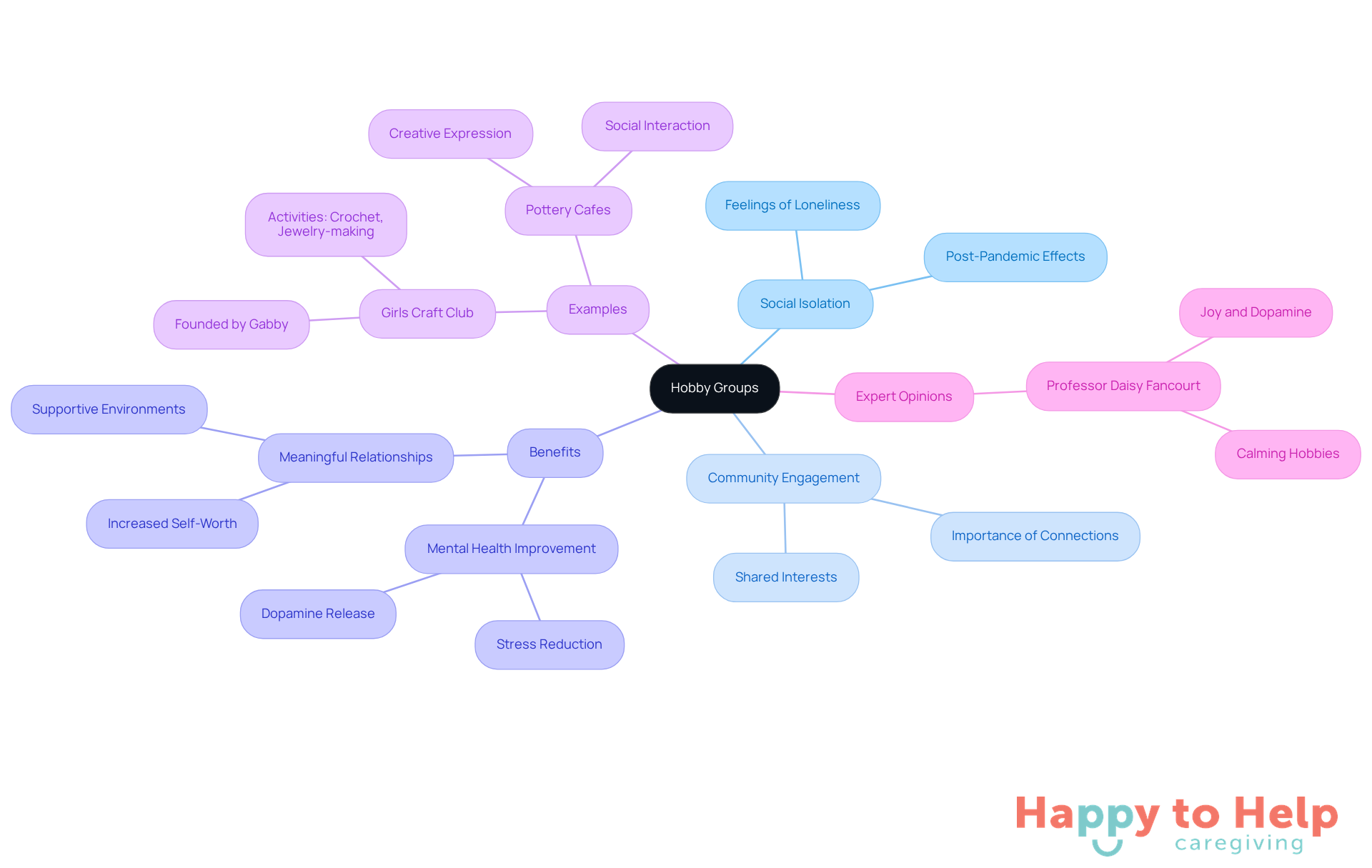
Hobby groups tackle a significant issue: social isolation and the need for community engagement. Many individuals struggle to find meaningful connections, especially in a post-pandemic world where interactions have diminished. This lack of social ties can lead to feelings of loneliness and decreased well-being.
The implications of this issue are profound. Research indicates that 61% of Americans prioritize their pastimes and recreational activities, highlighting a growing awareness of the importance of community involvement. Without these connections, individuals may experience a decline in mental health and overall life satisfaction.
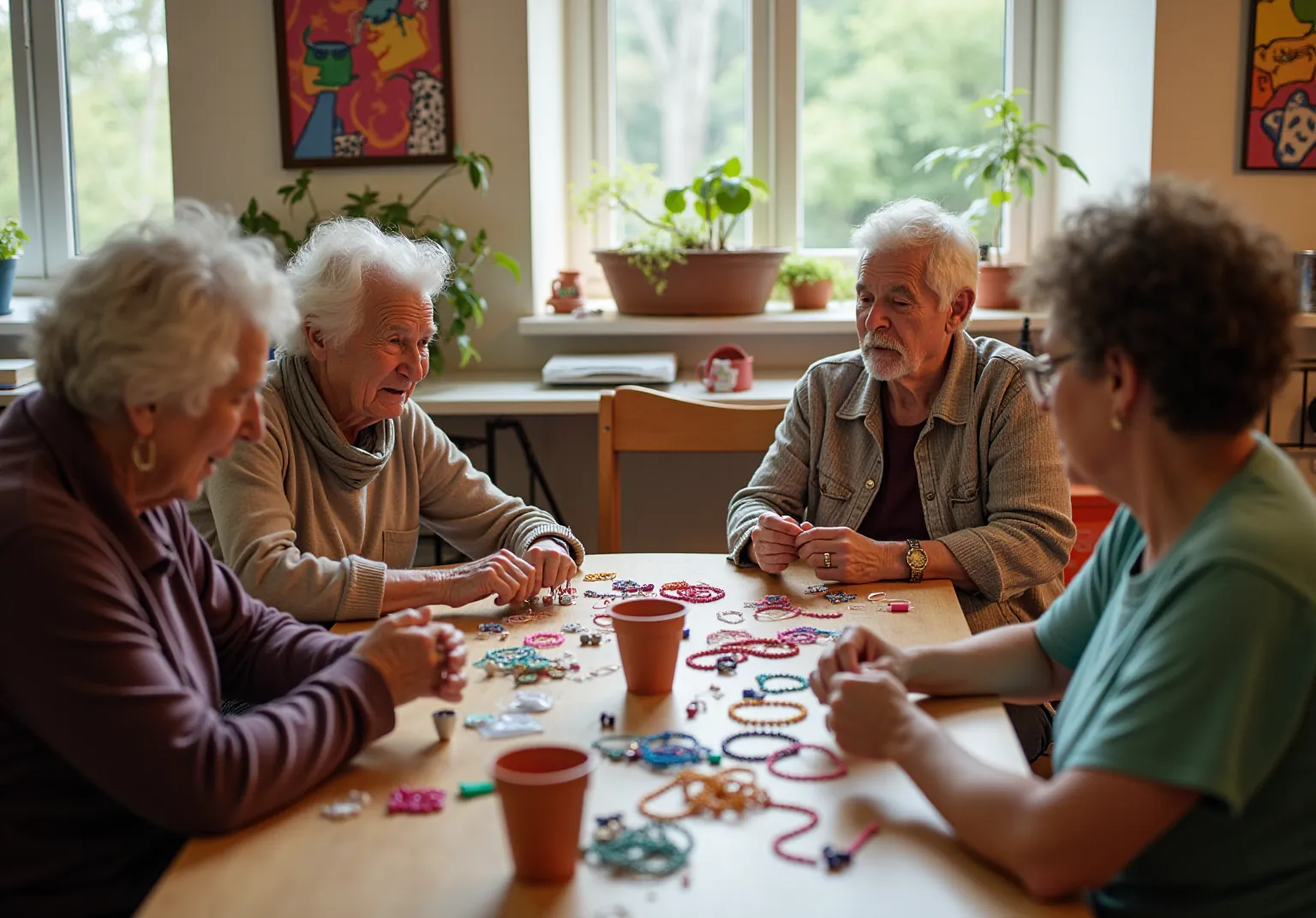
Hobby groups provide a practical solution. These organized hobby groups bring together individuals who share common interests, from gardening to crafting and sports. By participating in hobby groups, individuals not only pursue their passions but also cultivate meaningful relationships that enhance their quality of life. For example, the Girls Craft Club in Edinburgh, founded by Gabby, provides a supportive environment for young people to engage in crafts like crochet and jewelry-making. Participants report increased self-worth and genuine connections, showcasing the therapeutic benefits of creating tangible items.
Moreover, pottery cafes have gained popularity, especially among younger generations, as they provide a space for creative expression and interaction. These environments help individuals feel relaxed and fulfilled, further combating isolation.
Expert opinions reinforce the advantages of joining interest groups. Professor Daisy Fancourt notes, "When we're involved in activities that make us feel joyful, that's assisting our brains in releasing the neurotransmitter dopamine that's connected to pleasure response." Engaging in hobbies like crafting has been shown to reduce stress and improve mental health, making it an ideal avenue for enhancing quality of life through social engagement.
In summary, hobby groups not only provide a venue for pursuing interests but also foster a sense of belonging and togetherness among participants. By fostering these connections, individuals can combat isolation and improve their overall well-being.
Explore the Importance of Hobby Groups in Community Building
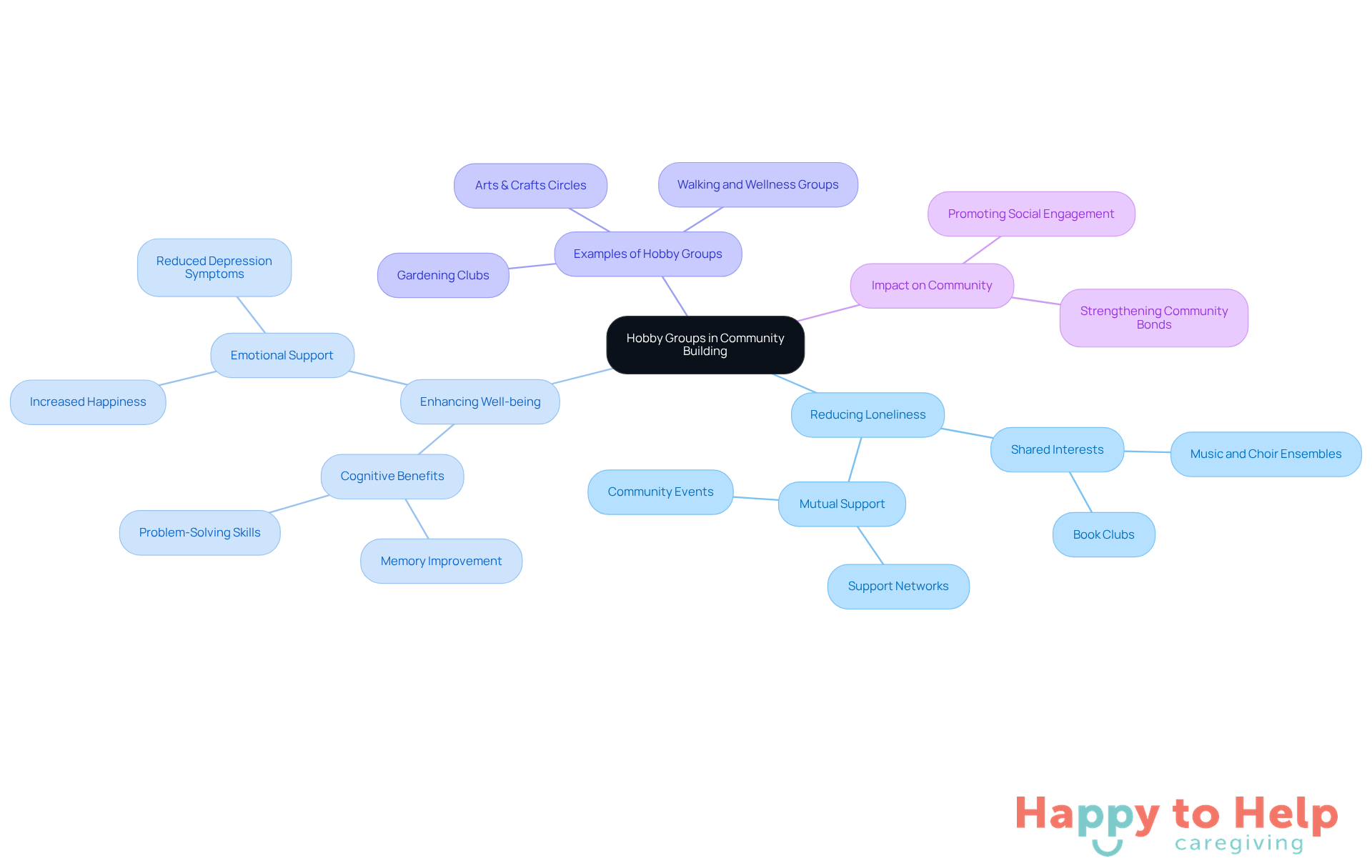
Hobby groups play a crucial role in tackling the issue of loneliness and isolation, especially among older adults. These communities create opportunities for individuals to connect through shared interests, significantly reducing feelings of loneliness. Engagement in collective activities fosters collaboration, communication, and mutual support, which are essential for a thriving community.
For example, music and choir ensembles not only enhance cognitive functions but also improve emotional well-being among participants. Similarly, book clubs transform solitary reading into enriching discussions, promoting intellectual engagement. Research indicates that seniors who participate in hobby groups report increased happiness and well-being.
Approximately one-quarter of community-dwelling older adults in the U.S. experience isolation, highlighting the urgent need to address this issue. Evaluations of various studies reveal that initiatives aimed at fostering connections can modestly decrease loneliness, with nearly two-thirds of assessed interventions proving effective. Participating in local activities - such as team exercises, arts classes, or support networks - encourages physical activity and mental engagement, both vital for healthy aging.
Moreover, community involvement through hobby groups is associated with better cognitive well-being and fewer signs of depression. By promoting participation in local events and initiatives, these circles not only enhance individual lives but also strengthen the fabric of the larger community.
Trace the Historical Development of Hobby Groups
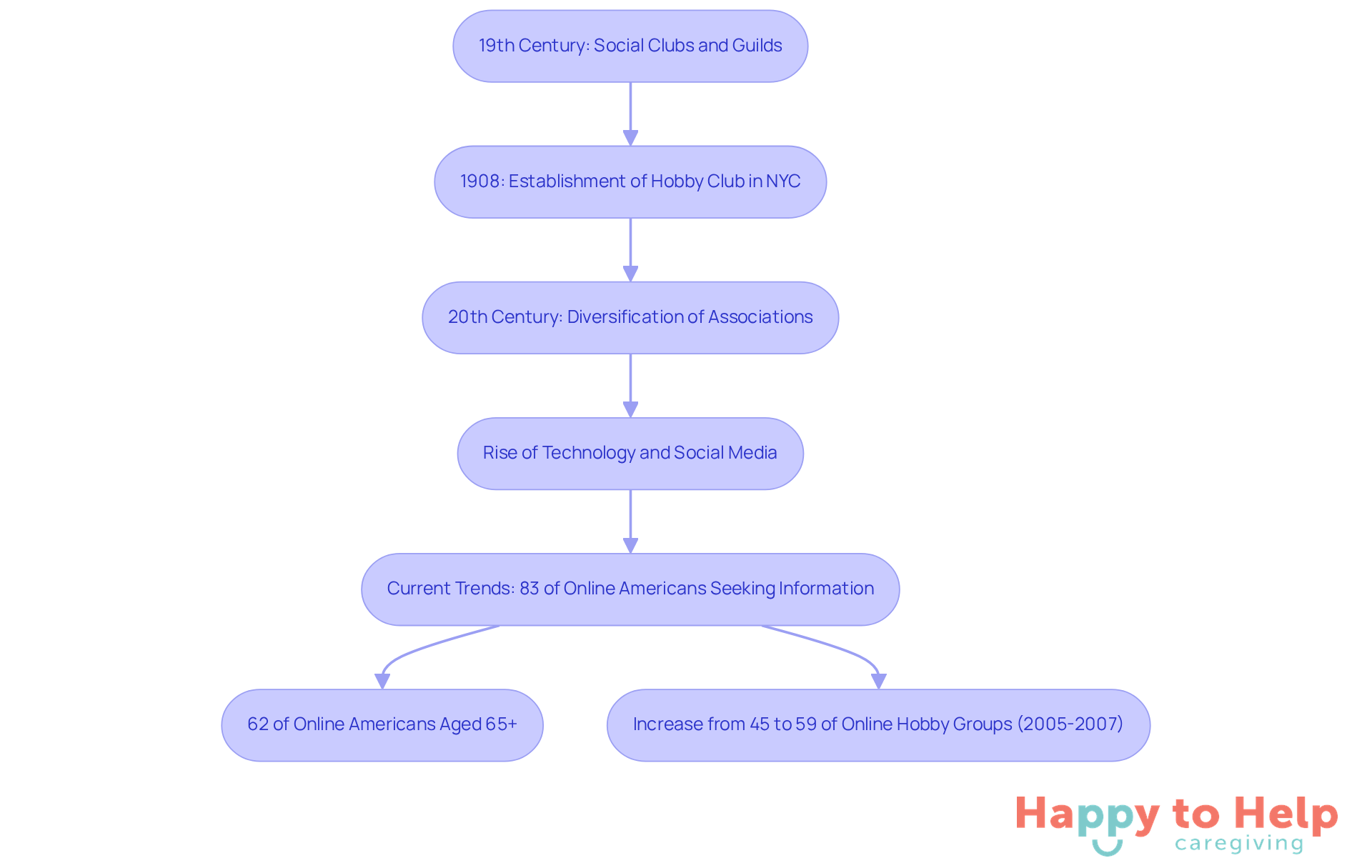
The development of interest communities reflects significant societal changes over the years. Social clubs and guilds, which began in the 19th century, provided essential spaces for individuals to connect over shared interests, especially in crafts and trades. For example, the establishment of hobby groups, such as the Hobby Club in New York City in 1908, marked a key moment in formalizing hobbyist gatherings, catering to a variety of interests. As the 20th century progressed, these associations diversified, adapting to the changing landscape of leisure activities.
The rise of technology and social media has transformed interest communities, allowing virtual connections that transcend geographical boundaries. Today, about 83% of online Americans seek information about their interests online, underscoring the internet's role in fostering engagement. Notably, 62% of online Americans aged 65 and older participate in activities online, highlighting seniors' active involvement in these communities. This shift has resulted in a significant increase in the population of online hobby groups, which rose from 45% of American adults in 2005 to 59% by 2007, showcasing a clear trend in participation over time.
Furthermore, the adaptability of hobby groups is evident in their diverse activities, which range from traditional crafts to modern gaming. This evolution not only underscores the enduring appeal of these groups but also emphasizes their importance in fostering engagement and social connections in an increasingly digital world. As Peter Levine pointed out, these organizations have historically played a vital role in American democracy by encouraging cross-class solidarity and community involvement. Additionally, 29% of online Americans look for information from hobby groups on a typical day, further illustrating individuals' active engagement in hobby-related activities.
Identify Key Characteristics of Hobby Groups
Hobby groups often encounter the challenge of fostering genuine community engagement, which can lead to feelings of isolation among individuals. This lack of connection not only affects personal well-being but also diminishes the overall enjoyment of shared interests.
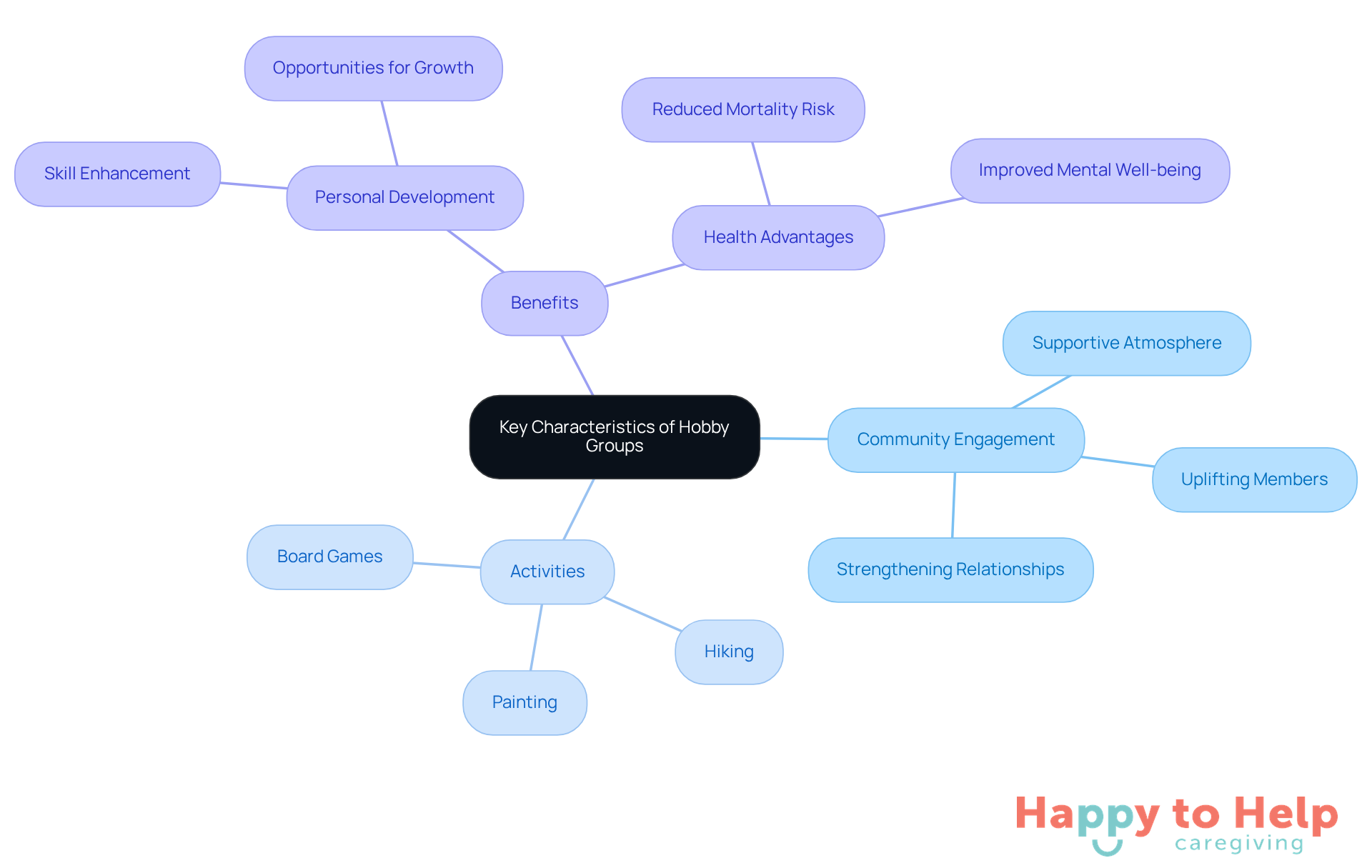
To address this issue, hobby groups create a supportive atmosphere that encourages member involvement. Participants unite around common passions, including:
- Painting
- Hiking
- Board games
Regular gatherings not only promote consistency but also strengthen relationships over time, enhancing member retention rates.
A supportive environment in hobby groups is essential; members uplift each other, share resources, and celebrate successes, contributing to a positive dynamic. Moreover, many interest-based communities emphasize education and skill enhancement, providing participants with opportunities to improve their talents while indulging in their passions.
This combination of social engagement, support, and personal development highlights the significance of hobby groups in enriching community life. As William Osler aptly stated, "No man is truly happy or safe without a pastime," underscoring the essential role these groups play in fostering well-being.
Furthermore, participating in leisure activities has been linked to a 29% decrease in all-cause mortality risk, showcasing the health advantages of involvement. Potential increases in life expectancy from leisure activities range from 0.06 years in China to 1.02 years in Sweden over five years, illustrating the significant impact of these pursuits on overall health.
Provide Examples of Different Types of Hobby Groups
Hobby groups play a crucial role in combating isolation and fostering community among individuals who share similar interests. Many people struggle to find connections in their busy lives, leading to feelings of loneliness. Fortunately, being part of hobby groups can provide a sense of belonging and purpose.
-
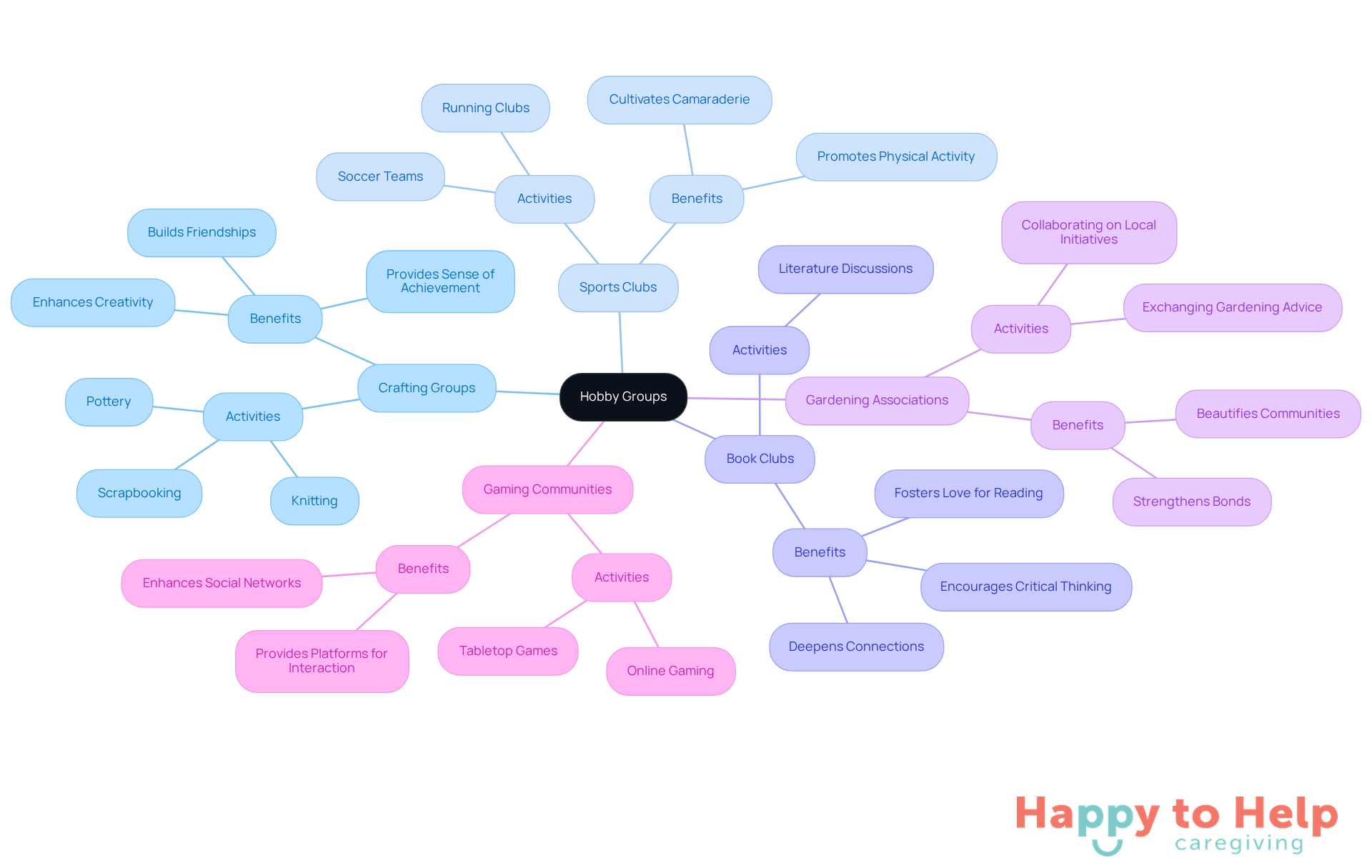
Crafting Groups focus on activities like knitting, scrapbooking, or pottery, allowing members to create and share their work. These groups not only enhance creativity but also build friendships through shared projects.
-
Sports Clubs, ranging from running clubs to soccer teams, promote physical activity and teamwork. Engaging in sports not only improves health but also cultivates camaraderie among participants.
-
Book Clubs offer a space for members to gather and discuss literature, fostering a love for reading and critical thinking. This shared intellectual engagement can lead to deeper connections among members.
-
Gardening Associations encourage members to exchange gardening advice and collaborate on local initiatives. This not only beautifies communities but also strengthens bonds through shared labor and knowledge.
-
Gaming Communities have surged with the rise of online gaming, providing platforms for social interaction and competition. These groups allow individuals to connect over shared interests, enhancing their social networks.
Each of these examples highlights the diverse ways individuals can connect through hobby groups, which enriches their lives and communities.
Taking the Next Steps
Hobby groups address a significant problem: social isolation. Many individuals struggle to connect with others, leading to feelings of loneliness and disconnection. This issue is particularly pronounced among older adults, who may find it challenging to engage socially.
The implications of this isolation can be severe, affecting mental health and overall well-being. Research shows that individuals who lack social connections are at a higher risk for depression and anxiety. This is where hobby groups come into play, offering a vital solution.
By participating in these groups, individuals can pursue their passions while building meaningful relationships. Whether it’s crafting, gardening, sports, or gaming, these communities foster camaraderie and support. They not only enhance well-being but also create a sense of belonging, which is essential for mental health.
Encouraging participation in hobby groups can lead to healthier, happier communities. These groups are not just about leisure; they play a crucial role in nurturing social ties and improving quality of life. Embracing the opportunities offered by hobby groups can pave the way for stronger relationships and a more vibrant society.
https://iframe.tely.ai/cta/eyJhcnRpY2xlX2lkIjogIjY5NDBhMjAyNGFiMmI4OGM4M2NiZjU4MCIsICJjb21wYW55X2lkIjogIjY4ZWU1ZGNhNzMxNzYyNTU3ZjNjOTVjMSIsICJpbmRleCI6IG51bGwsICJ0eXBlIjogImFydGljbGUifQ==Frequently Asked Questions
What are hobby groups and why are they important?
Hobby groups are organized communities that bring together individuals with shared interests, addressing issues of social isolation and the need for community engagement. They provide meaningful connections and enhance well-being, particularly in a post-pandemic world.
How do hobby groups help combat social isolation?
Hobby groups create opportunities for individuals to connect through shared activities, significantly reducing feelings of loneliness. They foster collaboration, communication, and mutual support, which are essential for building a thriving community.
What impact do hobby groups have on mental health and well-being?
Participation in hobby groups has been shown to reduce stress, improve mental health, and increase happiness. Engaging in enjoyable activities releases dopamine, which is linked to pleasure and well-being.
Can you provide examples of hobby groups and their benefits?
Examples include the Girls Craft Club in Edinburgh, where participants engage in crafts and report increased self-worth and connections. Pottery cafes also promote creative expression and relaxation. Music ensembles and book clubs enhance cognitive functions and emotional well-being among participants.
What is the significance of hobby groups for older adults?
Hobby groups are particularly beneficial for older adults, as they help reduce feelings of isolation and loneliness. Research shows that seniors involved in these groups report higher happiness and well-being.
How prevalent is loneliness among older adults in the U.S.?
Approximately one-quarter of community-dwelling older adults in the U.S. experience isolation, highlighting the urgent need for initiatives that foster connections through hobby groups.
What are the broader community benefits of hobby groups?
Hobby groups enhance individual lives and contribute to the overall health of the community by promoting participation in local events, encouraging physical activity, and improving cognitive well-being.
List of Sources
- Define Hobby Groups: A Comprehensive Overview
- Community, Hobbies and Money Grow in Importance to Americans (https://news.gallup.com/poll/508793/community-hobbies-money-grow-importance-americans.aspx)
- Most popular hobbies & activities in the U.S. 2025| Statista (https://statista.com/forecasts/997050/most-popular-hobbies-and-activities-in-the-us?srsltid=AfmBOooGSvs3AsU6C1tNgXmInGd2JD\_rB6JUEvQM2wzPZhUSITltcsYC)
- Hobbies of America in 2024: Understanding passions across the country (https://aytm.com/post/hobbies-survey)
- Why Gen Z says 'hotties need hobbies' (https://wbur.org/onpoint/2025/10/13/gen-z-craft-hobbies)
- ‘Crafts are like medicine!’: Gen Z and the rapid rise of cosy hobbies (https://theguardian.com/lifeandstyle/2025/sep/04/crafts-are-like-medicine-gen-z-and-the-rapid-rise-of-cosy-hobbies)
- Explore the Importance of Hobby Groups in Community Building
- Community, hobbies, money more important to Americans: Gallup (https://thehill.com/changing-america/enrichment/arts-culture/4106273-community-hobbies-money-more-important-to-americans-gallup)
- How Community Engagement Reduces Loneliness in Seniors (https://heartwisesupport.org/post/how-community-engagement-reduces-loneliness-in-seniors)
- Community, Hobbies and Money Grow in Importance to Americans (https://news.gallup.com/poll/508793/community-hobbies-money-grow-importance-americans.aspx)
- Inspire & Connect: Leading Hobby Groups for Seniors – Front Porch (https://frontporch.net/community/webster-house/blog/inspire-connect-leading-hobby-groups-for-seniors)
- Hobbies linked to improved wellbeing among older people (https://happiful.com/hobbies-linked-to-improved-wellbeing-among-older-people)
- Trace the Historical Development of Hobby Groups
- Social clubs died out in America. Now, venture capital is bringing them back (https://fastcompany.com/90350407/the-death-and-unlikely-rebirth-of-the-american-social-club)
- Hobbyists Online (https://pewresearch.org/2007/09/19/hobbyists-online)
- The Evolution of Social Clubs: From 19th-Century Hubs of Influence to Today’s Social Scenes (https://medium.com/@the.millennial.report.31/the-evolution-of-social-clubs-from-19th-century-hubs-of-influence-to-todays-social-scenes-057bec0a3a26)
- Most popular hobbies & activities in the U.S. 2025| Statista (https://statista.com/forecasts/997050/most-popular-hobbies-and-activities-in-the-us?srsltid=AfmBOorX\_MjcpgLIubNAGDeNWAnP67qpswORZnhJUIINORHWmkJtO-sh)
- Identify Key Characteristics of Hobby Groups
- 101+ Inspirational Quotes about Hobbies | Chanty (https://chanty.com/blog/quotes-about-hobbies)
- Four Reasons Why Hobbies Support Lifelong Wellness and Mental Health (https://archwellhealth.com/news/4-reasons-why-hobbies-support-lifelong-wellness-and-mental-health)
- 35 Famous Quotes on Hobbies That Will Help You Decide if They’re Right for You (https://hasanimammukut.com/2018/10/Quotes-on-Hobby-and-Interest.html)
- Having a hobby tied to happiness and well-being - Harvard Health (https://health.harvard.edu/mind-and-mood/having-a-hobby-tied-to-happiness-and-well-being)
- Hobby engagement and all-cause and cause-specific mortality risk among people aged 50 years and older in 19 countries - PMC (https://pmc.ncbi.nlm.nih.gov/articles/PMC12208283)
- Provide Examples of Different Types of Hobby Groups
- Study finds that crafting activities can be linked to improved mental health (https://local12.com/health/health-updates/study-finds-that-crafting-activities-can-be-linked-to-improved-mental-health)
- I tested some of the most popular ways of meeting new people. Here's what I found (https://bbc.com/future/article/20250403-the-best-activities-for-finding-friends)
- 81 Best Social Hobbies to Meet People (Even For Introverts) (https://scienceofpeople.com/social-hobbies)
- Why We Need To Work With Our Hands (https://thegoodtrade.com/features/importance-of-handcrafting)