The Importance of Home Care Palm Beach: Services,
Home care services have become a lifeline for families facing the challenges of caring for aging or ill loved ones at home. With 53% of families preferring in-home support, the demand for personalized care is rising. This trend highlights the significant impact that home care can have on both caregivers and recipients.
However, navigating the complexities of home care can be daunting. Families often grapple with questions about the most effective approaches and solutions available. The emotional and logistical challenges can weigh heavily on caregivers, leading to stress and burnout.
So, what innovative strategies can families employ to ensure their loved ones receive the best care while also maintaining their own well-being? Here are some practical solutions to consider:
- Establish a Support Network: Connect with other caregivers to share experiences and resources.
- Utilize Professional Services: Consider hiring trained professionals for specific tasks to alleviate some of the burden.
- Prioritize Self-Care: Caregivers should make time for their own health and well-being to provide the best support for their loved ones.
Define Home Care and Its Importance for Families
Caregivers often face significant challenges when providing support to loved ones, particularly those who are aging, ill, or disabled. The emotional and physical toll can be overwhelming, leading to stress and burnout. This is where home care Palm Beach support services come into play, providing essential health and social assistance right in the comfort of an individual's home.
Research indicates that:
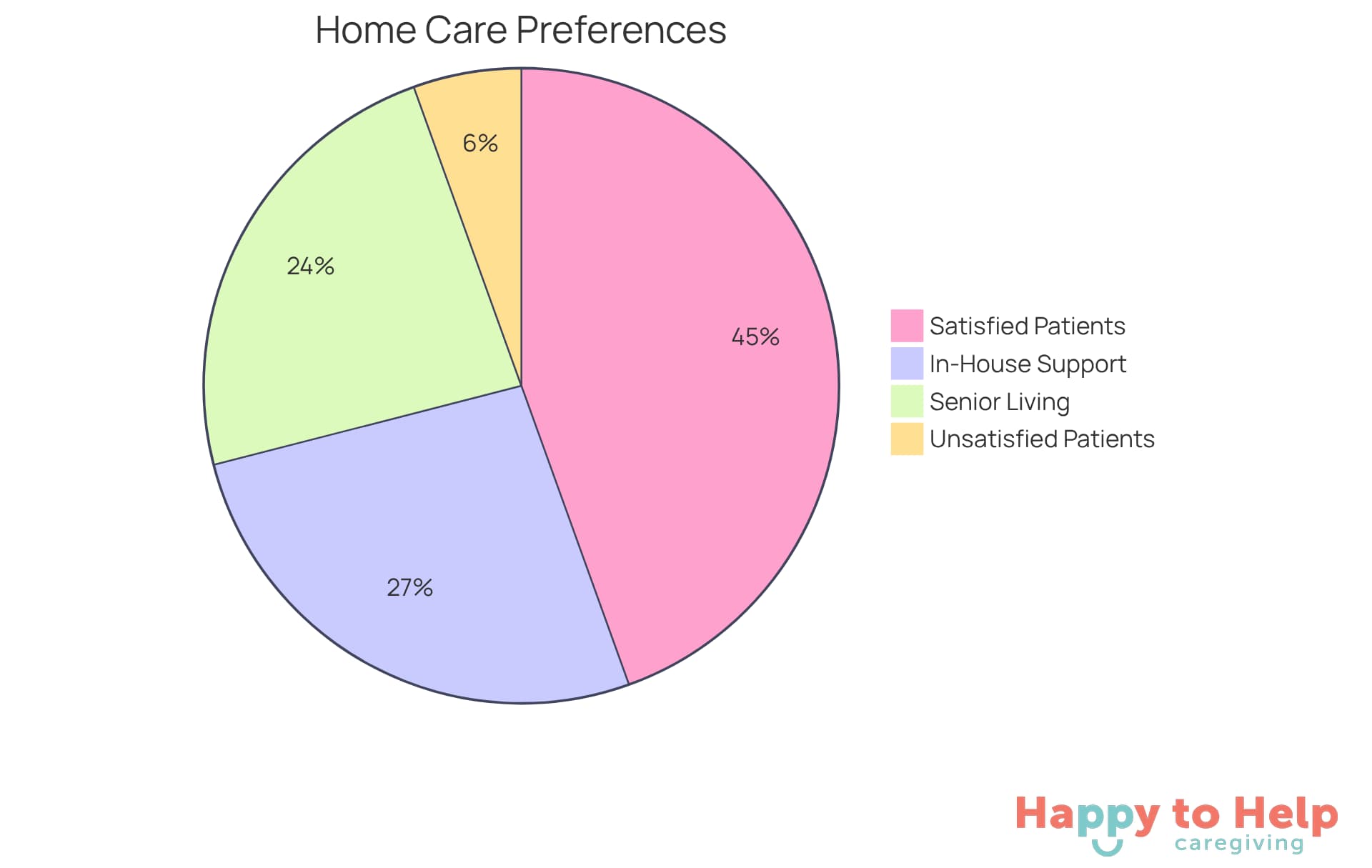
- 53% of families prefer in-house support over senior living alternatives, highlighting a strong desire for familiar settings.
- 89% of patients report satisfaction with domestic healthcare services, showcasing the effectiveness of personalized support.
These statistics underscore the importance of domestic assistance in promoting independence and enhancing quality of life for seniors.
Real-world examples further illustrate the positive impact of home care Palm Beach. Families often experience emotional relief when caregivers take on daily responsibilities, allowing them to reconnect and engage meaningfully with their loved ones. This shift not only boosts the emotional well-being of caregivers but also strengthens relational dynamics. Moreover, home care Palm Beach has been shown to lead to quicker recovery rates, as individuals heal in familiar environments, reducing stress and the likelihood of complications.
Ultimately, home care Palm Beach presents a compassionate solution that prioritizes the well-being of both seniors and their relatives. It ensures that loved ones receive personalized support tailored to their unique needs while maintaining their dignity and independence.
Explore Services Offered by Happy to Help Caregiving
Caregiving can be a challenging journey, often leaving caregivers feeling overwhelmed and isolated. Many face the problem of balancing their responsibilities while ensuring their loved ones receive the care they need. This can lead to emotional strain and burnout, making it essential to find effective solutions.
Happy to Help Caregiving addresses these challenges with a variety of services tailored to meet the unique needs of clients:
- Companionship Care: Engaging clients in social activities to alleviate loneliness and promote emotional well-being.
- Post-Hospital Recovery Assistance: Supporting individuals as they transition from hospital to home, ensuring a safe recovery environment.
- Respite Care: Offering temporary relief for family caregivers, allowing them to take breaks while ensuring their loved ones are cared for.
- Palliative Support Care: Providing comfort and support for individuals with serious illnesses, focusing on quality of life.
Each service is customized to the client's preferences and needs, ensuring a personalized approach to support. By utilizing home care Palm Beach services, caregivers can alleviate their burdens and improve the quality of life for their loved ones.
Examine Innovative Home Care Delivery Models
Innovative domestic support delivery models are addressing significant challenges in service provision, particularly for caregivers seeking efficient and client-centered assistance. Caregivers often struggle with accessing timely and effective support, which can lead to increased stress and compromised care for their loved ones.
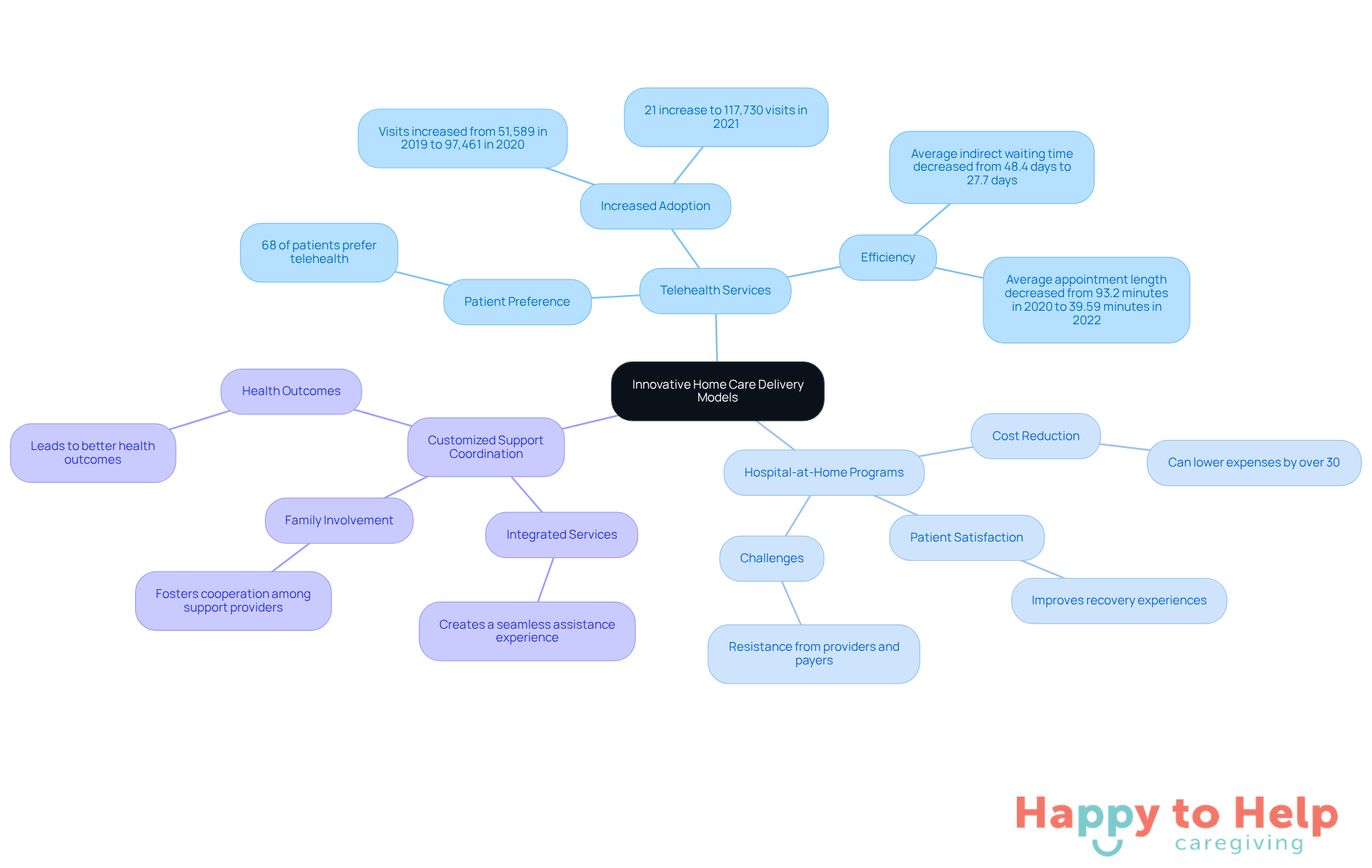
Telehealth Services have emerged as a vital solution. By leveraging technology for remote consultations and monitoring, telehealth allows for timely interventions without the need for in-person visits. This model has gained popularity, with 68% of patients preferring the convenience of telehealth over traditional appointments. The increase in telehealth visits from 51,589 in 2019 to 97,461 in 2020 underscores its growing adoption during the pandemic.
Another promising approach is Hospital-at-Home Programs. These initiatives enable patients to receive hospital-level treatment in the comfort of their homes, significantly reducing hospital stays and enhancing recovery experiences. Research indicates that such programs can lower expenses by over 30% while improving patient satisfaction and outcomes. However, challenges persist, including resistance from providers and payers in the U.S.
Customized Support Coordination is also crucial. This model integrates various services and professionals to create a seamless assistance experience tailored to individual needs. By fostering cooperation among support providers, families can become more actively involved in their loved ones' health management, leading to better health outcomes.
These innovative models not only enhance the quality of support but also empower families, making them essential components of effective health management.
Identify Challenges Faced by Family Caregivers
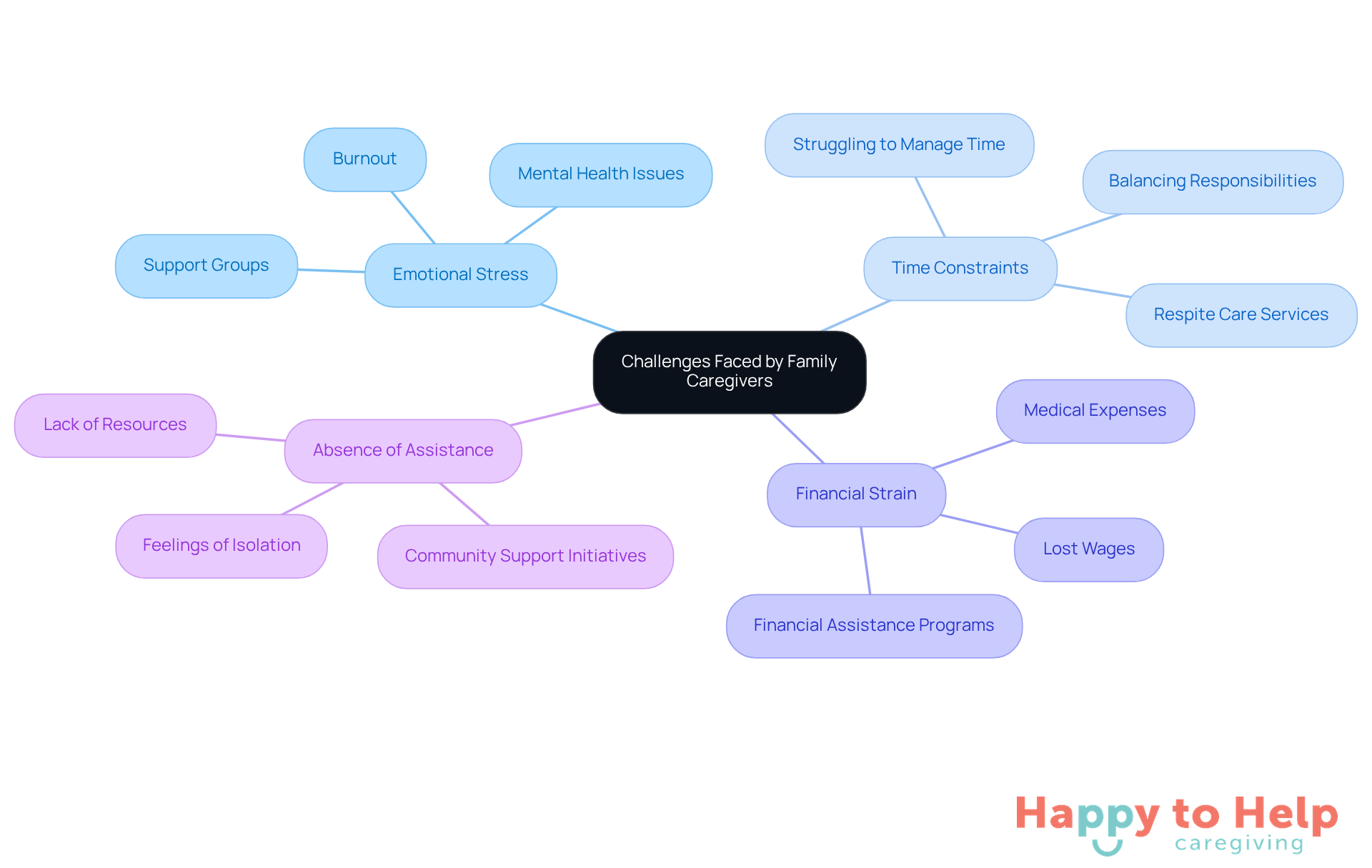
Family caregivers often face significant challenges that can impact their well-being.
-
Emotional Stress: The emotional toll of caregiving can lead to burnout and mental health issues. This stress not only affects caregivers but can also impact the quality of care they provide.
-
Time Constraints: Balancing caregiving responsibilities with personal and professional obligations can be overwhelming. Many caregivers find themselves stretched thin, struggling to manage their time effectively.
-
Financial Strain: The costs associated with caregiving, including medical expenses and lost wages, can create significant financial pressure. This strain can lead to anxiety and further complicate the caregiving experience.
-
Absence of Assistance: Numerous caregivers feel alone and lack access to resources or relief services. This isolation can exacerbate feelings of stress and burnout.
Recognizing these challenges is the first step toward finding solutions. Caregivers can seek support groups, utilize respite care services, and explore financial assistance programs to help alleviate their burdens. By addressing these issues head-on, caregivers can improve their own well-being and enhance the care they provide.
Understand the Role of Personalized Care Plans and Communication
In home care Palm Beach, caregivers often encounter the challenge of providing adequate support tailored to individual needs. Without a systematic approach, it can be difficult to address the diverse requirements of clients effectively.
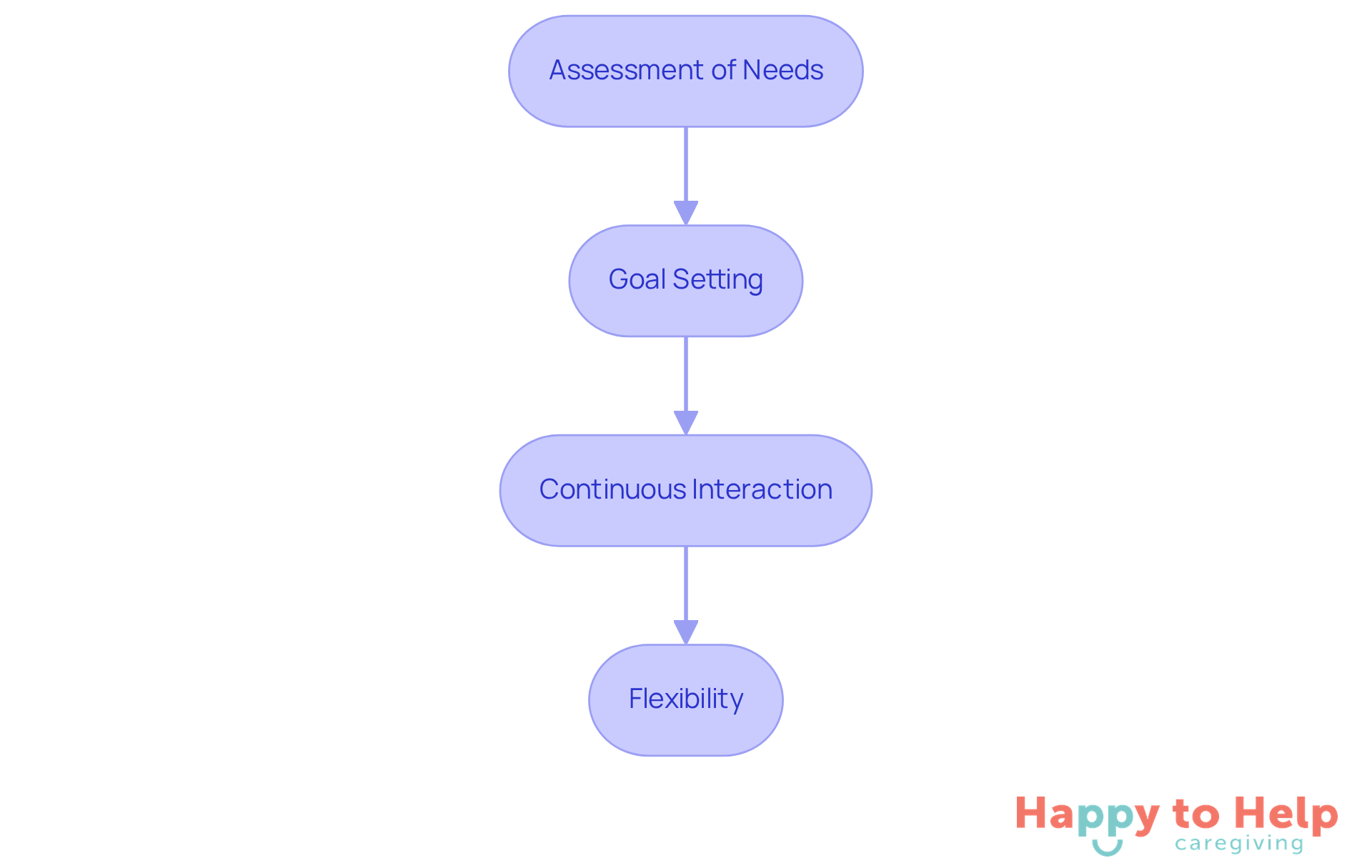
Key Aspects of Tailored Support Plans:
- Assessment of Needs: Conduct thorough assessments to identify the physical, emotional, and social needs of clients. This foundational step ensures that all aspects of a client's well-being are considered.
- Goal Setting: Establish clear, achievable objectives that guide the support process and measure progress. This clarity helps caregivers stay focused and motivated.
- Continuous Interaction: Maintain transparent channels of dialogue among caregivers, clients, and relatives. This guarantees that everyone is informed and engaged in treatment decisions, fostering a collaborative environment.
- Flexibility: Adjust support plans as needs evolve. This adaptability ensures that clients receive the most pertinent and effective assistance.
By implementing these tailored support plans, caregivers can enhance the overall quality of home care in Palm Beach. This collaborative approach not only empowers families to play an active role in their loved ones' well-being but also significantly improves the caregiving experience.
Your Path Forward
The exploration of home care services in Palm Beach reveals a significant challenge: families caring for aging or ill loved ones often face emotional and physical burdens. This situation can lead to stress and overwhelm, impacting both caregivers and recipients. Home care services not only provide essential health support but also create a nurturing environment that prioritizes dignity and independence.
To address these challenges, families can embrace in-home care solutions. Personalized care plans and innovative delivery models, such as those offered by providers like Happy to Help Caregiving, are crucial. These elements work together to alleviate emotional stress, time constraints, and financial pressures. By implementing tailored approaches, caregivers can enhance their own well-being while ensuring their loved ones receive high-quality care.
In today’s evolving home care landscape, it’s vital for families to seek out available resources and support systems. Engaging with innovative solutions like telehealth and customized support coordination can lead to more effective caregiving experiences. Prioritizing communication and collaboration among all parties involved allows families to navigate the complexities of home care confidently, fostering a healthier and more supportive environment for their loved ones.
https://iframe.tely.ai/cta/eyJhcnRpY2xlX2lkIjogIjY5M2Y1MDgyNGM3OGNhYjkzOThjNmY5ZSIsICJjb21wYW55X2lkIjogIjY4ZWU1ZGNhNzMxNzYyNTU3ZjNjOTVjMSIsICJpbmRleCI6IG51bGwsICJ0eXBlIjogImFydGljbGUifQ==Frequently Asked Questions
What is home care and why is it important for families?
Home care refers to health and social assistance provided in an individual's home, particularly for those who are aging, ill, or disabled. It is important for families as it promotes independence, enhances the quality of life for seniors, and alleviates the emotional and physical toll on caregivers.
What statistics highlight the preference for home care services?
Research indicates that 53% of families prefer in-house support over senior living alternatives, and 89% of patients report satisfaction with domestic healthcare services, emphasizing the effectiveness of personalized support.
How does home care impact the emotional well-being of caregivers?
Home care allows caregivers to delegate daily responsibilities, leading to emotional relief and enabling them to reconnect and engage meaningfully with their loved ones, which strengthens relational dynamics.
What are the benefits of healing in a familiar environment through home care?
Home care has been shown to lead to quicker recovery rates, as individuals heal in familiar settings, which reduces stress and the likelihood of complications.
What services does Happy to Help Caregiving offer?
Happy to Help Caregiving offers several services, including: - Companionship Care: Engaging clients in social activities to reduce loneliness. - Post-Hospital Recovery Assistance: Supporting individuals transitioning from hospital to home. - Respite Care: Providing temporary relief for family caregivers. - Palliative Support Care: Offering comfort and support for individuals with serious illnesses.
How are the services provided by Happy to Help Caregiving customized?
Each service is tailored to the client's preferences and needs, ensuring a personalized approach to support that improves the quality of life for their loved ones.
List of Sources
- Define Home Care and Its Importance for Families
- Families Prefer In-Home Care To Senior Living – Yet Struggle To Identify Needed Support (https://homehealthcarenews.com/2025/11/families-prefer-in-home-care-to-senior-living-yet-struggle-to-identify-needed-support)
- Looking Ahead: The Future of Home Care and What It Means for Your Family – Inspire (https://blogs.scu.edu/inspire/2025/11/08/looking-ahead-the-future-of-home-care-and-what-it-means-for-your-family)
- Home Care Statistics In 2025: Key Insights In Home Care (https://sagapixel.com/marketing/home-care-statistics)
- The Unexpected Benefits of Home Care (Not Just for Seniors!) (https://websterhc.com/the-unexpected-benefits-of-home-care-enhancing-quality-of-life-and-not-just-for-seniors)
- Explore Services Offered by Happy to Help Caregiving
- Home Care Impact on Recovery of Patient (A Statistics Report) (https://lovinghomecareinc.com/home-care-recovery-statistics)
- The Incredible Benefits of Home Care, in 7 Amazing Stats - Companions For Seniors (https://companionsforseniors.com/2019/08/benefits-home-care-amazing-stats-trends-reports)
- She cares for her aging parents full time. That requires taking care of herself, too (https://npr.org/2025/11/20/nx-s1-5522341/unpaid-caregivers-elderly-support)
- Home Care News | Senior Care News | Right at Home (https://rightathome.net/news)
- Recovery in Activities of Daily Living Among Older Adults Following Hospitalization for Acute Medical Illness - PMC (https://pmc.ncbi.nlm.nih.gov/articles/PMC2717728)
- Examine Innovative Home Care Delivery Models
- Future-Ready Care Delivery Models for 2025 (https://3bhealthcare.us/future-ready-care-delivery-models-2025)
- Statistical Analysis of Telehealth Use and Pre- and Postpandemic Insurance Coverage in Selected Health Care Specialties in a Large Health Care System in Arkansas: Comparative Cross-Sectional Study - PMC (https://pmc.ncbi.nlm.nih.gov/articles/PMC11530737)
- Telehealth Statistics: The Rise of Remote Healthcare and Fast Prescriptions | HHIT (https://harmonyhit.com/telehealth-statistics-infographic)
- 4 health systems roll out new hospital at home programs in 2025 (https://beckershospitalreview.com/healthcare-information-technology/innovation/4-health-systems-roll-out-new-hospital-at-home-programs-in-2025)
- "Hospital at Home" Programs Improve Outcomes, Lower Costs But Face Resistance from Providers and Payers (https://commonwealthfund.org/publications/newsletter-article/hospital-home-programs-improve-outcomes-lower-costs-face-resistance)
- Identify Challenges Faced by Family Caregivers
- Supporting the Mental Health of Family Caregivers (https://psychiatry.org/News-room/APA-Blogs/Supporting-the-Mental-Health-of-Family-Caregivers)
- Caregiver Statistics: Health, Technology, and Caregiving Resources (https://caregiver.org/resource/caregiver-statistics-health-technology-and-caregiving-resources)
- Caregiving’s Mental Health Crisis (https://forbes.com/sites/otsuka/2025/10/02/caregivings-mental-health-crisis)
- Understand the Role of Personalized Care Plans and Communication
- A Personalized Care Plan Is Positively Associated With Better Clinical Outcomes in the Care of Patients With Type 2 Diabetes: A Cross-Sectional Real-Life Study (https://sciencedirect.com/science/article/abs/pii/S1499267118308347)
- How Personalized Health Care Is Changing The Role Of Home Care Providers (https://homehealthcarenews.com/2024/03/how-personalized-health-care-is-changing-the-role-of-home-care-providers)
- 25+ Inspirational Quotes for Caregivers (https://caringseniorservice.com/blog/quotes-for-caregiver-inspiration)
- The Importance of Personalized Care Plans (https://homecareadvisory.org/importance-personalized-care-plans)