

For families in our service areas
For families in our service areas, this guide explains companion care and how non-medical in-home caregiving can support care planning in East Idaho, Treasure Valley & Magic Valley, Northern Wasatch, North Central West Virginia, and Northeast Ohio.
What You Need to Know About Home Companionship Services
Home companionship services are emerging as a crucial lifeline for seniors grappling with loneliness, a pervasive issue that can significantly impact their health and well-being. As the elderly population continues to grow, the demand for these services - offering emotional support and assistance with daily activities - has never been more pressing. However, many families remain unsure about the effectiveness and necessity of professional companionship. This raises an important question: how can these services truly enhance the quality of life for older adults and provide peace of mind for their caregivers?
Loneliness among seniors is not just an emotional concern; it can lead to serious health issues, including depression and cognitive decline. The implications of this problem are profound, affecting not only the individuals but also their families and caregivers. Caregivers often feel overwhelmed, unsure of how to address the emotional needs of their loved ones while managing daily responsibilities.
Companionship services can offer a viable solution. By providing trained professionals who understand the unique challenges faced by seniors, these services can help alleviate feelings of isolation. They not only engage seniors in meaningful conversations but also assist with daily activities, fostering a sense of purpose and connection. This support can significantly improve the quality of life for older adults, allowing caregivers to focus on other essential aspects of care.
Defining Home Companionship Services
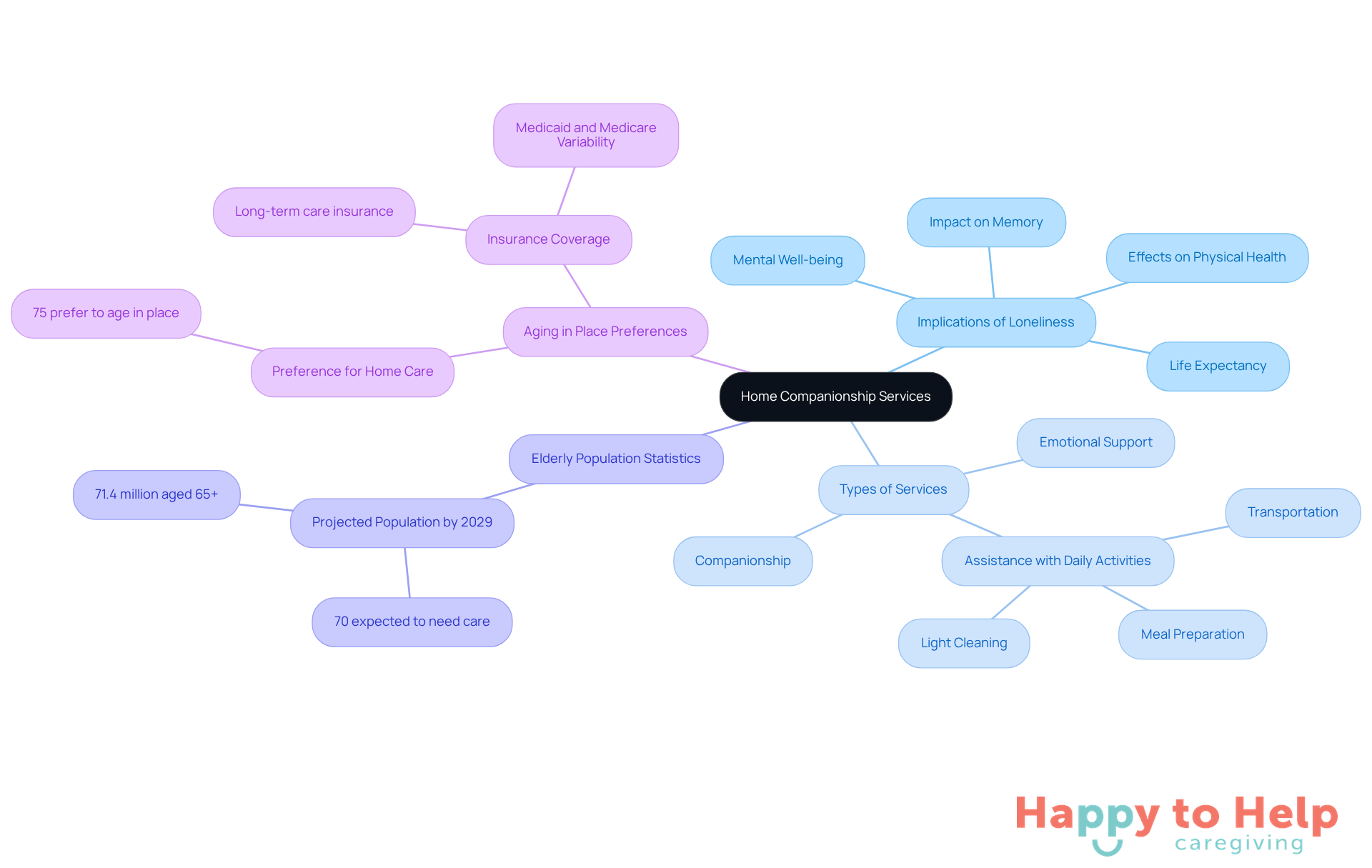
Home support options address a significant problem: the loneliness faced by seniors and individuals with special needs. This isolation can severely impact their memory, physical health, mental well-being, and even life expectancy. Research indicates that chronic loneliness is a pressing issue, particularly for older adults who wish to maintain their independence while receiving support in their own homes.
The implications of this loneliness are profound. Without regular social interaction, many elderly individuals may experience a decline in their overall quality of life. However, home companionship services offer a viable solution. These services offer non-medical aid that enhances social ties and alleviates feelings of isolation. They typically include:
- Companionship
- Emotional support
- Assistance with daily activities like meal preparation, light cleaning, and transportation
For instance, just a few hours of companionship each week can significantly improve an elderly person's life, helping them feel valued and connected. As the demand for home assistance grows-especially with the elderly population projected to reach around 71.4 million by 2029, and about 70% expected to require some form of care-home companionship services are increasingly recognized as essential for enabling older adults to age in place comfortably and securely.
Moreover, approximately 75% of older adults prefer to age in their own homes rather than move to assisted living centers or nursing facilities. This preference underscores the importance of home support options. Long-term care insurance policies often cover companion care services for several hours a month, making them a practical choice for families considering the financial aspects of care.
The Importance of Companionship in Senior Care
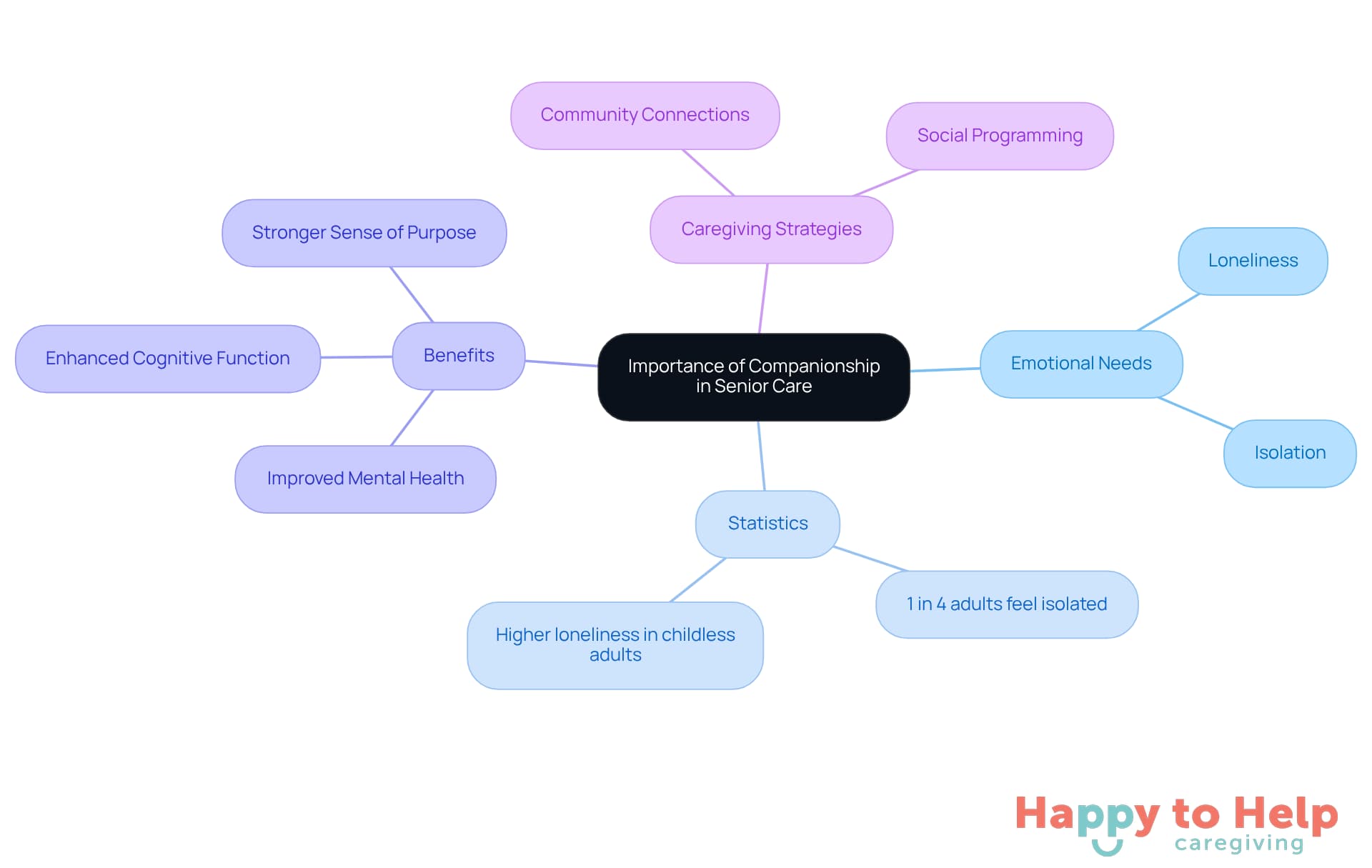
Companionship is a critical aspect of elderly care, addressing the emotional and social needs of older adults that often go overlooked in traditional medical settings. Many seniors face loneliness and isolation, which can lead to significant mental health challenges. In fact, 1 in 4 adults aged 50 and older report feeling isolated at times, with many lacking consistent social interaction.
Research shows that seniors who engage in regular social interactions experience lower levels of depression and anxiety, along with improved cognitive function and a stronger sense of purpose. For example, strong, supportive friendships can reduce feelings of loneliness by about 20%, especially for those without children. This highlights the importance of home companionship services that provide a reliable presence, emotional support, and foster meaningful connections.
To combat loneliness, caregivers can explore community connections and social programming offered by home companionship services, which create opportunities for older adults to engage with others. These resources not only enhance the quality of life for seniors but also offer peace of mind for caregivers, knowing their loved ones are receiving compassionate home companionship services and support.
Incorporating social connections into caregiving approaches is essential for promoting mental health and improving overall wellness for older adults. By prioritizing companionship, caregivers can significantly impact the emotional well-being of those they care for.
The Evolution of Companionship Services
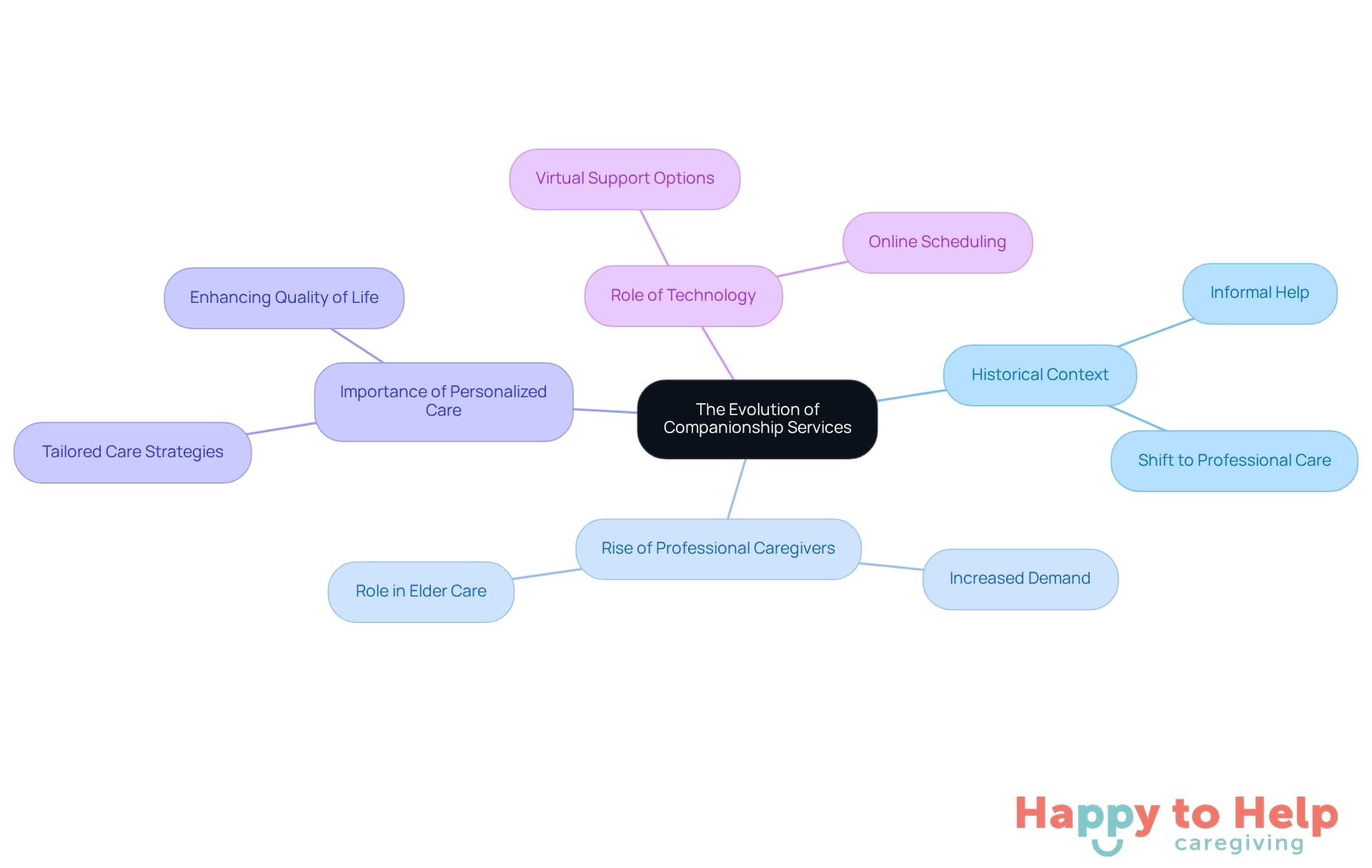
Companionship assistance has evolved significantly over the past few decades. The problem lies in the shift from informal help provided by family and friends to the necessity of organized support from professional caregivers. Traditionally, many older adults relied on relatives for companionship. However, as social norms have changed and more households have become dual-income, the demand for professional social support has surged.
This shift has profound implications for elder care. The increasing need for companionship and support underscores the importance of professional caregivers in delivering essential home companionship services. Today, home companionship services are recognized as a vital component of elder care, emphasizing personalized care plans that cater to individual needs.
To address these challenges, caregivers can implement tailored care strategies that prioritize the unique preferences of seniors. The integration of technology, such as virtual support options and online scheduling, has transformed how these services are delivered. This not only makes companionship assistance more accessible but also allows for customization to better suit the desires of seniors and their families.
Key Features of Effective Companionship Services
Effective home companionship services face significant challenges that can impact the caregiving experience. Many caregivers struggle with providing personalized care that truly meets the unique needs of their clients. This can lead to feelings of frustration and inadequacy, both for caregivers and those they care for.
To address these challenges, several key features can enhance the caregiving experience:
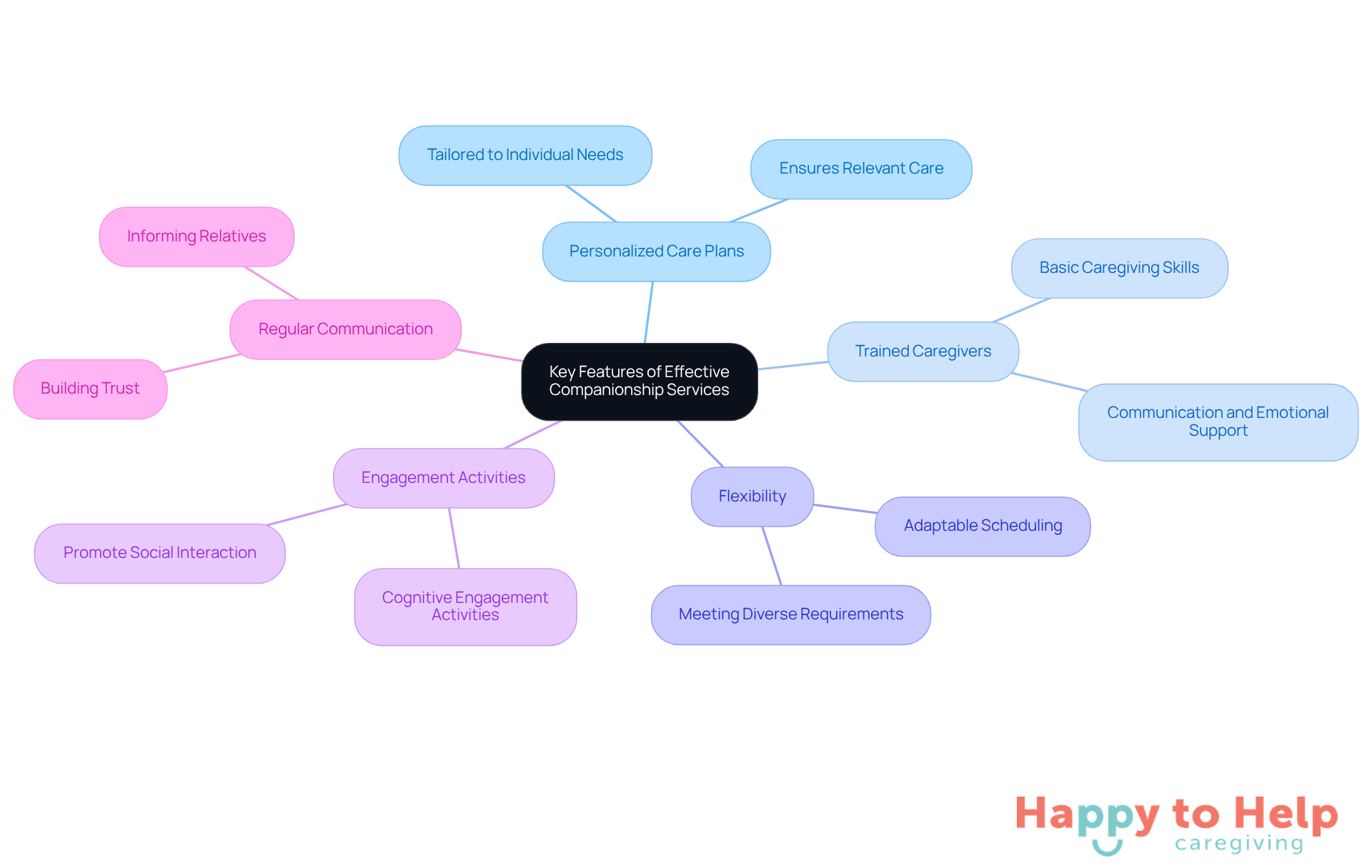
- Personalized Care Plans: Tailored to meet the unique needs and preferences of each client, ensuring that care is relevant and effective.
- Trained Caregivers: Caregivers should be trained not only in basic caregiving skills but also in communication and emotional support techniques to foster meaningful connections.
- Flexibility: Services should provide adaptable scheduling choices to meet the diverse requirements of clients and their households.
- Engagement Activities: Caregivers should facilitate activities that promote social interaction and cognitive engagement, such as games, hobbies, and outings.
- Regular Communication: Keeping relatives informed about their loved one's well-being and any changes in their condition is crucial for building trust and ensuring continuity of care.
These features collectively contribute to a positive home companionship services experience, enhancing the quality of life for seniors and providing reassurance to their families.
Key Takeaways for Caregivers
Home companionship services address a pressing problem: the loneliness and isolation that many seniors and individuals with special needs face. This issue not only affects their emotional well-being but also impacts their overall quality of life. As the demand for these services grows, it’s crucial for families and caregivers to understand their significance.
Companionship is vital for mental health. Studies indicate that regular social interaction can reduce depression and enhance cognitive function among older adults. The shift from informal care to organized professional support highlights the need for tailored care plans that respect individual preferences. Effective companionship services incorporate trained caregivers, flexibility, and engaging activities, fostering meaningful connections that enrich the caregiving experience.
The importance of home companionship services cannot be overstated. They combat loneliness and empower seniors to lead fulfilling lives, providing peace of mind to their families. As elder care continues to evolve, embracing these services is essential for promoting the emotional and social well-being of older adults. Families should explore available options and consider how home companionship services can significantly improve the lives of their loved ones.
https://iframe.tely.ai/cta/eyJhcnRpY2xlX2lkIjogIjY5M2Y3NWE2Yjk3NTAxMmE2YWRmZmQzMSIsICJjb21wYW55X2lkIjogIjY4ZWU1ZGNhNzMxNzYyNTU3ZjNjOTVjMSIsICJpbmRleCI6IG51bGwsICJ0eXBlIjogImFydGljbGUifQ==Frequently Asked Questions
What are home companionship services?
Home companionship services provide non-medical aid to seniors and individuals with special needs, addressing issues of loneliness and isolation. They include companionship, emotional support, and assistance with daily activities such as meal preparation, light cleaning, and transportation.
Why are home companionship services important for seniors?
These services are important because they help alleviate feelings of isolation and loneliness, which can severely impact seniors' memory, physical health, mental well-being, and life expectancy. Regular social interaction through companionship can significantly improve their quality of life.
What is the projected elderly population in the coming years?
The elderly population is projected to reach around 71.4 million by 2029, with about 70% expected to require some form of care.
What is the preference of older adults regarding living arrangements?
Approximately 75% of older adults prefer to age in their own homes rather than move to assisted living centers or nursing facilities, highlighting the importance of home support options.
Are home companionship services covered by insurance?
Yes, long-term care insurance policies often cover companion care services for several hours a month, making them a practical choice for families considering the financial aspects of care.
List of Sources
- Defining Home Companionship Services
- Why Home Care Providers Are Increasingly Offering Companion Care Services for Seniors | Aaniie, formerly Smartcare Software (https://aaniie.com/news/why-home-care-providers-are-increasingly-offering-companion-care-services-for-seniors)
- Home Care Industry Trends to Watch in 2025 (https://firstlighthomecare.com/blog/home-care-industry-trends)
- Caring Senior Service Banks Growth Goals On New House-Made Technology (https://homehealthcarenews.com/2025/10/caring-senior-service-banks-growth-goals-on-new-house-made-technology)
- 2025 Home Care Statistics: Trends & Insights To Know (https://premierhcinc.com/blog/home-care-statistics)
- Caring Senior Service deepens Arizona roots with third state location (https://prnewswire.com/news-releases/caring-senior-service-deepens-arizona-roots-with-third-state-location-302616213.html)
- The Importance of Companionship in Senior Care
- Why Friends Are Good for Your Health and Well-Being (https://aarp.org/health/healthy-living/friendship-wellness-benefits)
- Friendships Are Especially Powerful Late in Life, Poll Says (https://usnews.com/news/health-news/articles/2024-12-16/friendships-are-especially-powerful-late-in-life-poll-says)
- Social Circles Protect against Depression in Elderly Adults, Research Finds | Michigan State University College of Communication Arts and Sciences (https://comartsci.msu.edu/about/newsroom/news/social-circles-protect-against-depression-elderly-adults-research-finds)
- Friendship can be an important lifeline for older adults without children (https://medicalxpress.com/news/2025-12-friendship-important-lifeline-older-adults.html)
- The Evolution of Companionship Services
- 2025 Home Care Statistics: Trends & Insights To Know (https://premierhcinc.com/blog/home-care-statistics)
- DOL Proposes Rule to Reinstate Companionship & Live-in Exemptions from Minimum Wage and Overtime for Third-Party Employers | Littler (https://littler.com/news-analysis/asap/dol-proposes-rule-reinstate-companionship-live-exemptions-minimum-wage-and)
- Why Home Care Providers Are Increasingly Offering Companion Care Services for Seniors | Aaniie, formerly Smartcare Software (https://aaniie.com/news/why-home-care-providers-are-increasingly-offering-companion-care-services-for-seniors)
- The senior population is booming. Caregiving is struggling to keep up (https://cnbc.com/2025/11/21/senior-caregiving-labor.html)
- Evolving trends in the senior home care industry (https://mcknightshomecare.com/evolving-trends-in-the-senior-home-care-industry)
- Key Features of Effective Companionship Services
- AI Care Companions for Seniors (https://health.usnews.com/senior-care/articles/ai-care-companions-for-seniors)
- Why Home Care Providers Are Increasingly Offering Companion Care Services for Seniors | Aaniie, formerly Smartcare Software (https://aaniie.com/news/why-home-care-providers-are-increasingly-offering-companion-care-services-for-seniors)
- ONSCREEN Brings New AI Features for Senior Companionship, Mental Stimu (https://onscreeninc.com/blogs/news/onscreen-brings-new-ai-features-for-senior-companionship-mental-stimulation-and-valuable-insights-to-caregivers?srsltid=AfmBOoqmyLk0\_1r1jFC-QllHewBSV5sMlZzOLuJ0RAKL20rrpE2VkJ4a)
- HHS Backs AI Innovation for America’s Caregivers | HHS.gov (https://hhs.gov/press-room/hhs-backs-ai-innovation-for-americas-caregivers.html)
- The Power of Companionship for Seniors: A Key Ingredient to Quality Aging (https://homecarepgh.com/blog-posts/companionship-in-old-age)