
For families in our service areas
For families in our service areas, this guide explains dementia care and how non-medical in-home caregiving can support care planning in East Idaho, Treasure Valley & Magic Valley, Northern Wasatch, North Central West Virginia & Southwestern Pennsylvania, and Northeast Ohio.
The Importance of In Home Dementia Care Cost: Key Factors
Understanding the complexities of in-home dementia care costs is crucial for families facing the emotional and financial challenges of supporting loved ones with cognitive decline. The problem is clear: as the demand for personalized care rises, so do the associated expenses, which can vary significantly based on numerous factors. Families often find themselves asking, how can they effectively budget and manage these costs while ensuring their loved ones receive the necessary support?
This article delves into the key elements influencing in-home dementia care expenses. It highlights the implications of these rising costs, emphasizing the need for families to navigate this landscape carefully. To help maintain both financial stability and quality care, we offer practical budgeting tips that caregivers can implement. By understanding the factors at play, families can make informed decisions that support their loved ones while managing their financial responsibilities.
Define In-Home Dementia Care and Its Importance
Problem: Caring for individuals with cognitive decline presents significant challenges for families and caregivers. The emotional burden can lead to increased anxiety and depression among caregivers, making it essential to address their needs.
Agitate: Many caregivers feel overwhelmed by the demands of providing support to loved ones with conditions like Alzheimer's disease. This situation can lead to feelings of isolation and stress, impacting both their well-being and the quality of care they provide. In fact, studies show that caregivers offered approximately 18.4 billion hours of assistance to individuals with cognitive impairment in 2023, underscoring the immense commitment required in this role.
In-home support services can help reduce the in-home dementia care cost. By allowing individuals to remain in familiar environments, these services help reduce confusion and anxiety. They typically include assistance with daily activities, medication management, and companionship, all tailored to the unique needs of each person. The advantages are clear: in-home dementia care cost is justified by the encouragement of independence, improvement of emotional well-being, and the peace of mind it provides families.
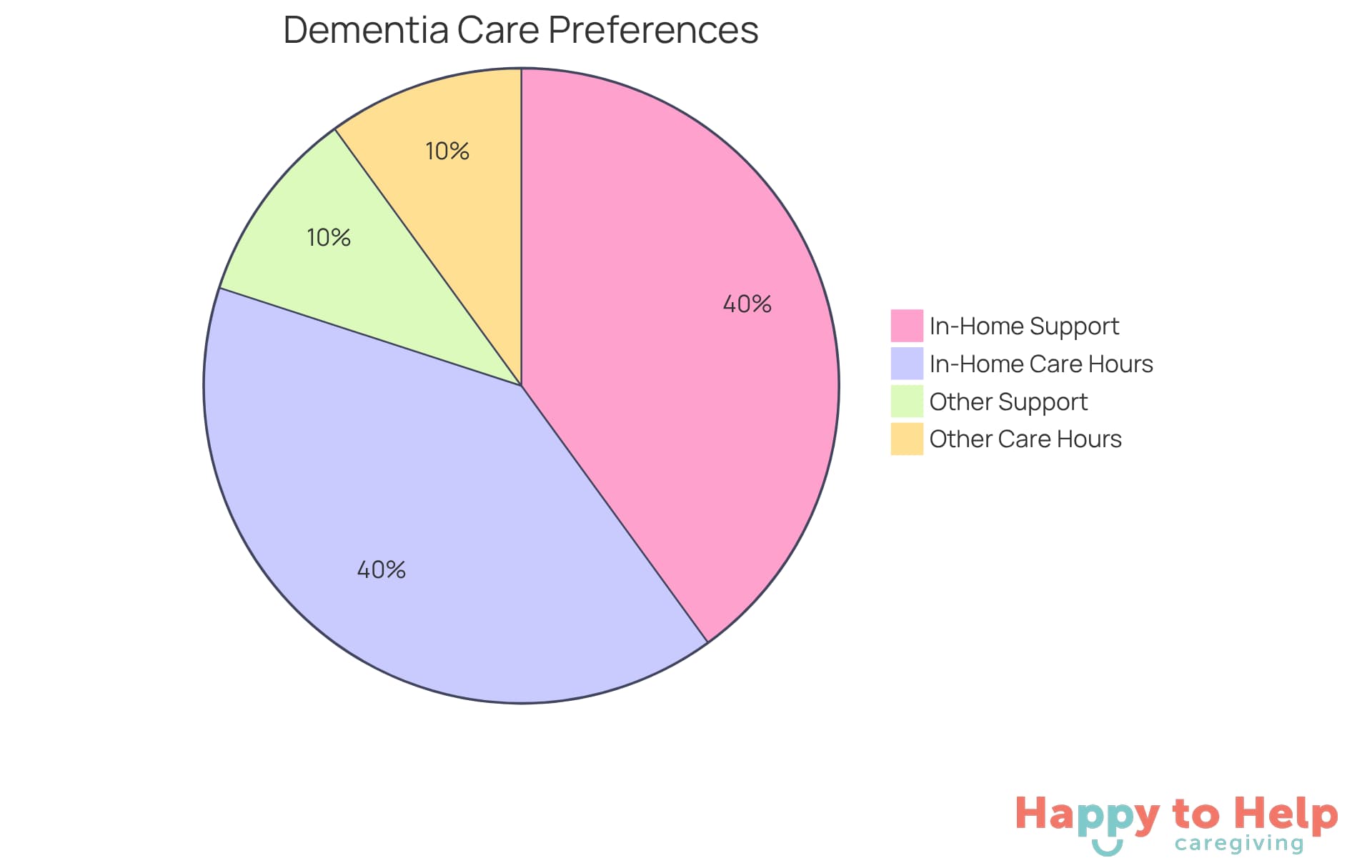
Recent studies indicate that around 80% of adults with Alzheimer's and similar disorders prefer receiving support at home. Furthermore, with 60% of individuals with cognitive impairment residing in low and middle-income nations, the need for effective at-home assistance is more critical than ever.
In summary, investing in the in-home dementia care cost not only enhances the quality of life for patients but also fosters a supportive atmosphere for families navigating the challenges of cognitive impairment. The overall projected global expense related to cognitive decline has risen to over US$ 1.3 trillion, highlighting the economic importance of considering in-home dementia care cost as an efficient support alternative.
Identify Key Factors Affecting In-Home Dementia Care Costs
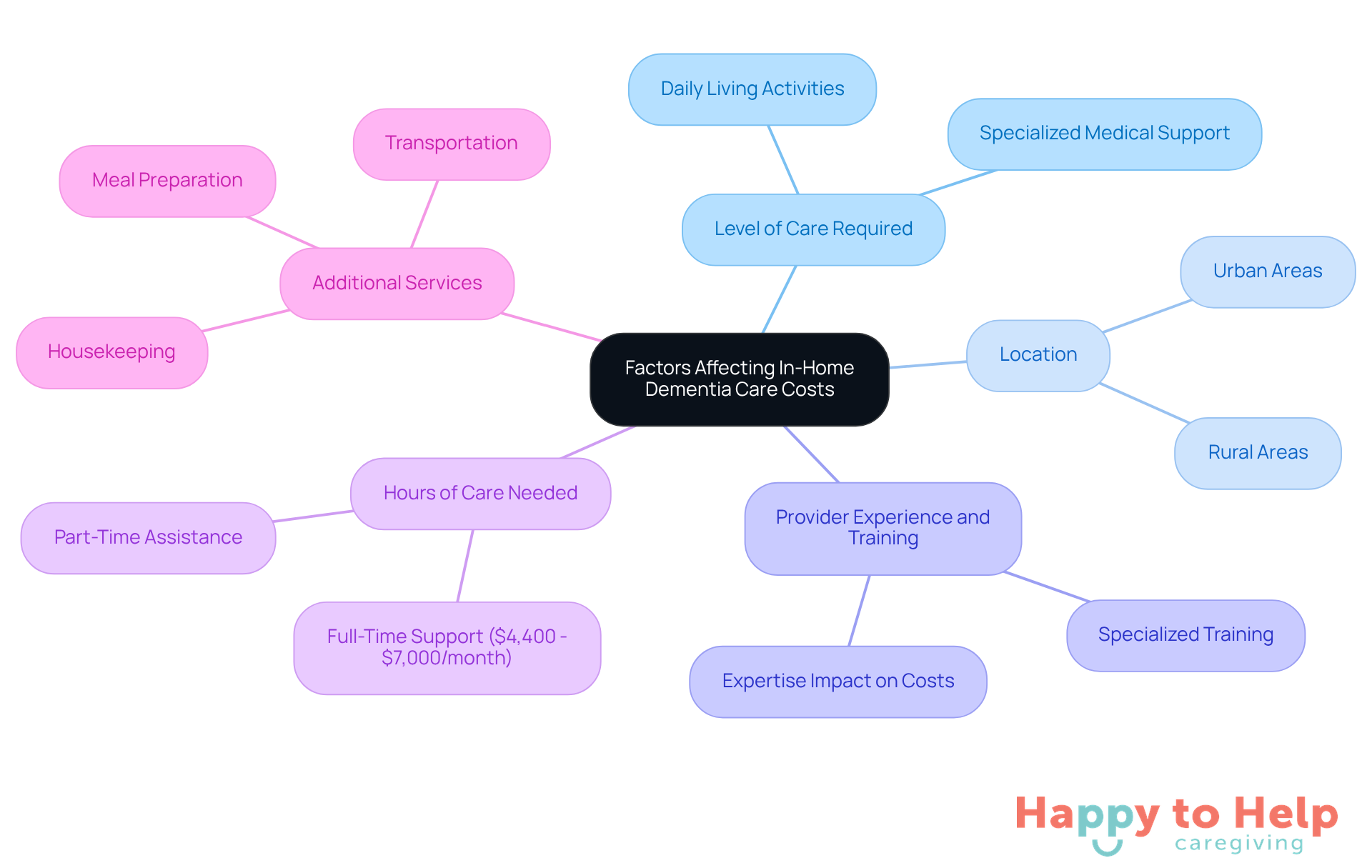
Understanding the in-home dementia care cost can be challenging for families. Several key factors significantly influence these expenses:
-
Level of Care Required: The intensity of care needed - whether assistance with daily living activities or specialized medical support - directly impacts pricing. More intricate support needs inevitably lead to higher costs.
-
Location: Geographic location plays a crucial role in determining service expenses. Urban areas typically have elevated rates compared to rural settings, reflecting the cost of living and demand for services.
-
Support Provider Experience and Training: Providers with specialized training in dementia care often charge higher fees due to their expertise. This experience can lead to better outcomes for clients, justifying the increased expense.
-
Hours of Care Needed: The total number of hours required each week is a significant factor. In 2025, full-time support can range from $4,400 to $7,000 monthly, while part-time assistance is usually more economical, allowing families to tailor options to their budget.
-
Additional Services: Extra services like transportation, meal preparation, and housekeeping can add to the overall cost. Families should factor these into their budget for in-home assistance.
By comprehending these elements, families can make informed decisions about in-home dementia care cost for cognitive decline, ensuring they strike the right balance between quality and cost.
Explore Types of In-Home Dementia Care Services
In-home memory support options are essential for caregivers, especially when considering the in-home dementia care cost associated with providing care for loved ones with cognitive decline. Many caregivers struggle with feelings of isolation and the overwhelming responsibilities of daily care. Statistics reveal that one in three adults aged 50-80 report feeling isolated at least some of the time, underscoring the need for effective support systems.
To address these challenges, various in-home memory support services are available:
-
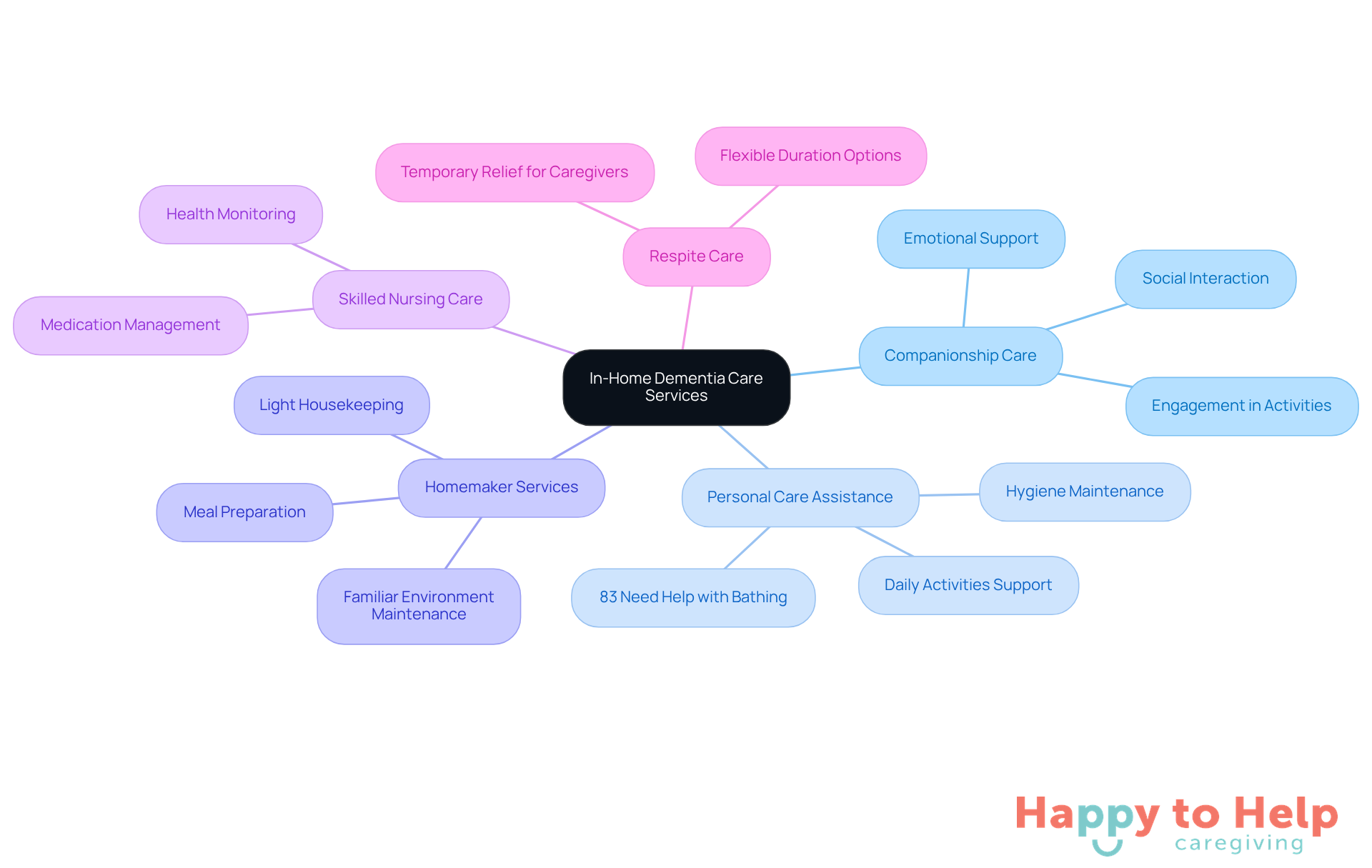
Companionship Care: This service offers social interaction and emotional support, crucial for alleviating loneliness. Caregivers engage clients in enjoyable activities, fostering connection and joy, which significantly enhances emotional well-being.
-
Personal Care Assistance: Essential for maintaining dignity and hygiene, this service helps with daily activities such as bathing, dressing, and grooming. With 83% of home support recipients needing help with bathing, personal assistance is a critical component of care.
-
Homemaker Services: Support with household tasks like meal preparation and light housekeeping not only ensures a tidy living space but also allows dementia patients to remain in familiar environments, enhancing their comfort.
-
Skilled Nursing Care: Provided by licensed professionals, this care includes medication management and health monitoring, particularly important for patients with complex medical needs.
-
Respite Care: Offering temporary relief for primary caregivers, respite care allows them to take necessary breaks while ensuring their loved ones are well cared for. Options can range from a few hours to several weeks, providing essential support for family caregivers.
Each type of assistance can be tailored to meet individual needs, ensuring that support is both effective and compassionate. As Sam Fazio, Ph.D., notes, cognitive impairment health support is a complex network involving primary health providers, specialists, and caregiver assistance. The growing demand for in-home dementia care cost reflects a broader shift towards personalized, patient-focused approaches that prioritize the comfort and autonomy of seniors.
Examine Financial Assistance and Insurance Coverage for Dementia Care
Families often face significant financial challenges when seeking cognitive support for their loved ones. The costs associated with in-home dementia care can be overwhelming, with the national average monthly expense for memory support reaching $7,899, totaling $94,788 annually. Understanding the available financial aid options is crucial for alleviating this burden.
Key Financial Aid Options:
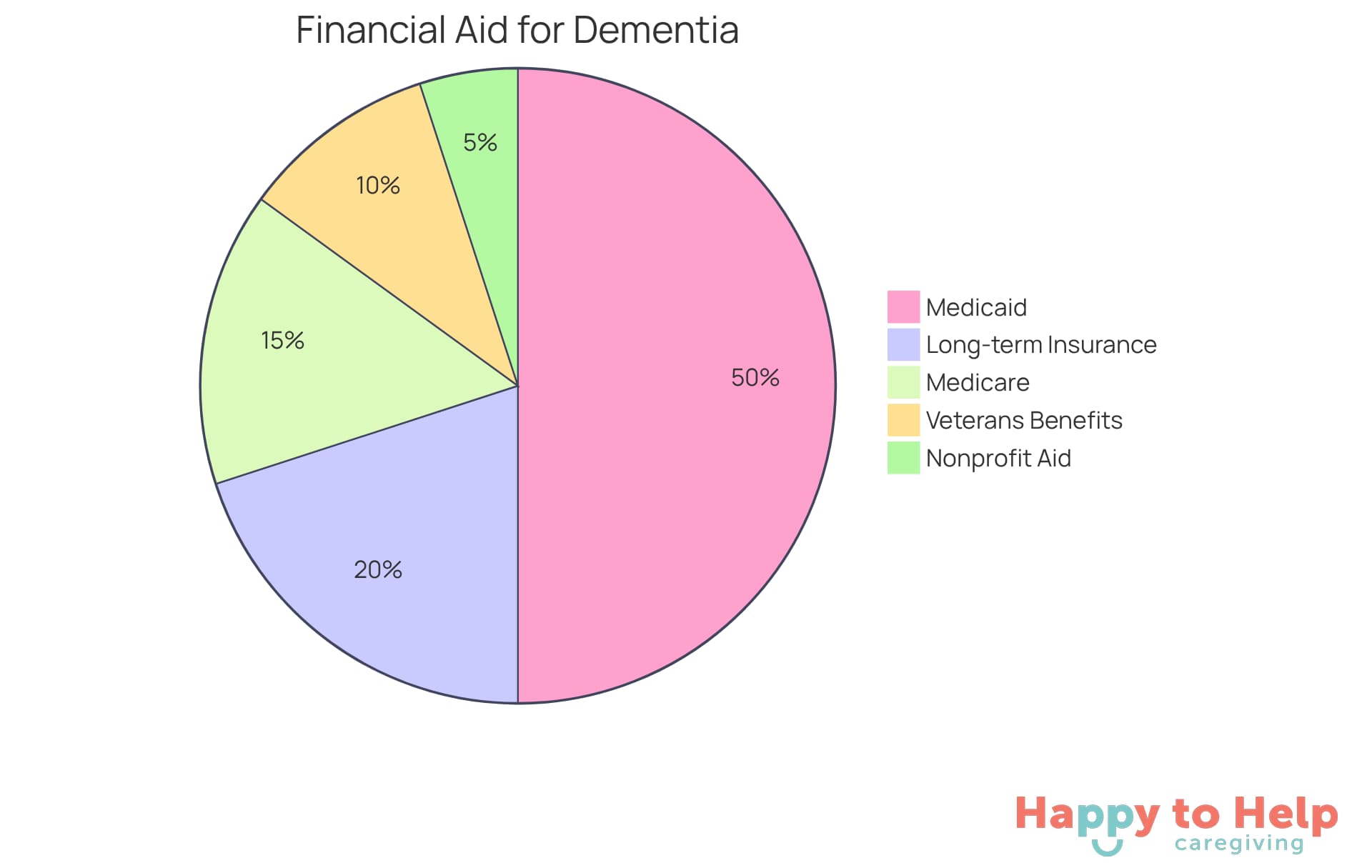
- Medicare: This program covers certain home health services for eligible individuals, including skilled nursing and therapy. While Medicare offers limited coverage for in-home assistance, it permits up to 70 hours of at-home nursing support each year for eligible dementia patients.
- Medicaid: Designed for individuals with limited income, Medicaid can cover various in-home support options. It typically pays for all nursing home services, including memory support, but does not include room and board in assisted living centers. Notably, personal assistance accounted for $12,693 (25%) of Medicaid expenses for individuals with cognitive decline, compared to $4,713 (21%) for those without cognitive issues, highlighting the increased financial strain on Medicaid spending.
- Long-term Support Insurance: Depending on the policy specifics, long-term support insurance may cover in-home dementia care costs, providing a financial safety net for families.
- Veterans Benefits: Qualified veterans can access additional resources for in-home assistance through the VA Health System, which offers extensive coverage for individuals with Alzheimer's and other cognitive impairments.
- Nonprofit Organizations: Various nonprofit groups provide grants and financial assistance to families needing support for cognitive decline, helping to bridge the funding gap.
By exploring these options, families can ensure their loved ones receive the necessary assistance while managing expenses effectively. Understanding these financial avenues is essential for navigating the complexities of cognitive impairment support.
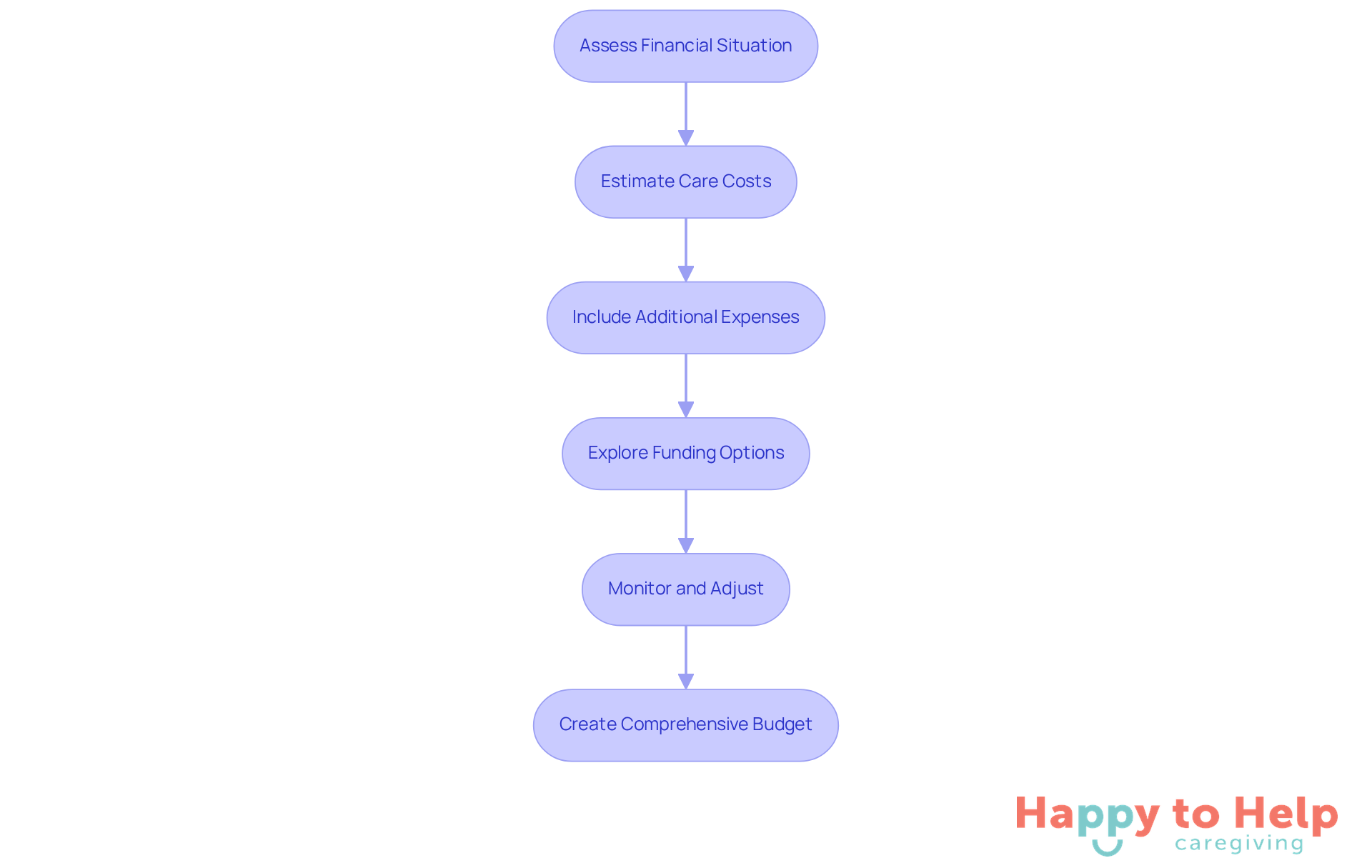
Guide to Budgeting for In-Home Dementia Care Costs
Creating a budget for in home dementia care cost can be a daunting task for families, often leading to financial strain. Understanding the in home dementia care cost is crucial for effective planning and support.
-
Assess Financial Situation: Start by gathering comprehensive information on your income, savings, and any existing financial assistance. This foundational step helps you understand your financial landscape.
-
Estimate Care Costs: Next, calculate potential monthly expenses based on the types of assistance required and the number of hours needed. In 2025, in home dementia care cost typically ranges from $4,400 to $7,000 per month, depending on the level of care and location. Additionally, the average in home dementia care cost for home health aide services is around $3,000 each month, which can be a more economical option for families.
-
Include Additional Expenses: Don’t forget to consider supplementary charges such as supplies, medications, and necessary home modifications for safety. For example, home safety modifications can cost between $3,000 and $15,000, depending on the extent of changes needed. Also, be mindful of hidden expenses like transportation and medical emergencies, which can add to the overall budget.
-
Explore Funding Options: Investigate available financial assistance programs, including Medicaid, Veterans benefits, and long-term support insurance. These can significantly reduce expenses. Many households also use personal funds, savings, or retirement income to cover costs for cognitive impairment support, making it essential to understand these options. Programs like Medicaid may cover some services, which can help reduce in home dementia care cost by providing additional support.
-
Monitor and Adjust: Finally, regularly review your budget and make adjustments as needed based on changing support requirements or financial circumstances. This proactive approach helps families manage expenses and ensures that support remains sustainable.
By following these steps, families can create a comprehensive budget that not only addresses the immediate needs of their loved ones but also prepares for future financial challenges associated with dementia care.
Making the Right Choice
Investing in in-home dementia care presents a significant challenge for families, as the costs can greatly impact both patients and caregivers. Understanding the various factors that influence these costs is essential for navigating the financial landscape effectively. Families must ensure their loved ones receive the necessary support while remaining in a familiar and comforting environment.
Several key elements affect in-home dementia care costs, including:
- The level of care required
- Geographic location
- The experience of care providers
- Additional services needed
By identifying these factors, families can make informed choices that balance quality care with budgetary constraints. Moreover, exploring financial assistance options such as Medicare, Medicaid, and long-term support insurance can alleviate some of the financial burdens associated with dementia care.
Effective budgeting and planning for in-home dementia care costs are crucial for maintaining a sustainable support system. Families should assess their financial situation, estimate potential care costs, and regularly monitor their budget to adapt to changing needs. By taking proactive steps, caregivers can enhance the well-being of their loved ones while fostering a healthier, more manageable caregiving experience.
Embracing the importance of in-home dementia care leads to a more compassionate approach to supporting those facing cognitive decline. This ensures that they receive the dignity and care they deserve.
https://iframe.tely.ai/cta/eyJhcnRpY2xlX2lkIjogIjY5MjI2NTFiNGUzNmZmNzE5NDQ4Mjc3MyIsICJjb21wYW55X2lkIjogIjY4ZWU1ZGNhNzMxNzYyNTU3ZjNjOTVjMSIsICJpbmRleCI6IG51bGwsICJ0eXBlIjogImFydGljbGUifQ==Frequently Asked Questions
What is in-home dementia care and why is it important?
In-home dementia care refers to support services provided to individuals with cognitive decline, such as Alzheimer's disease, in their own homes. It is important because it helps reduce confusion and anxiety for patients, allows them to remain in familiar environments, and supports caregivers who may experience emotional burdens, anxiety, and depression.
What types of services are included in in-home dementia care?
In-home dementia care services typically include assistance with daily activities, medication management, and companionship, all tailored to meet the unique needs of each individual.
How does in-home dementia care benefit families?
In-home dementia care enhances the quality of life for patients, encourages their independence, improves emotional well-being, and provides peace of mind for families managing the challenges of cognitive impairment.
What are the key factors affecting in-home dementia care costs?
Key factors influencing in-home dementia care costs include the level of care required, geographic location, support provider experience and training, hours of care needed, and any additional services requested.
How does the level of care required impact costs?
The intensity of care needed, whether for daily living activities or specialized medical support, directly affects pricing; more intricate support needs lead to higher costs.
How does geographic location influence in-home dementia care costs?
Geographic location affects service expenses, with urban areas typically having higher rates compared to rural settings due to differences in the cost of living and demand for services.
Why do experienced providers charge higher fees?
Providers with specialized training in dementia care often charge higher fees due to their expertise, which can lead to better outcomes for clients, justifying the increased expense.
What is the cost range for in-home dementia care in 2025?
In 2025, full-time in-home dementia support can range from $4,400 to $7,000 monthly, while part-time assistance is generally more economical, allowing families to customize options based on their budget.
What additional services might increase the overall cost of in-home dementia care?
Additional services such as transportation, meal preparation, and housekeeping can contribute to the overall cost of in-home assistance, so families should consider these when budgeting.
Why is it important to understand in-home dementia care costs?
Understanding in-home dementia care costs is crucial for families to make informed decisions, ensuring they balance quality care with their financial capabilities while navigating the challenges of cognitive decline.
List of Sources
- Define In-Home Dementia Care and Its Importance
- Caregivers of a Person with Alzheimer's Disease or a Related Dementia (https://cdc.gov/caregiving/about)
- New Medicare program offers much-needed relief for caregivers of dementia patients (https://finance.yahoo.com/news/new-medicare-program-offers-much-needed-relief-for-caregivers-of-dementia-patients-203450020.html)
- ADI - Dementia statistics (https://alzint.org/about/dementia-facts-figures/dementia-statistics)
- The Importance Of Home Care For Alzheimer's And Dementia Patients: Insights From Carelinx - Jhu Innovations (https://stripe.jhu.edu/news/the-importance-of-home-care-for-alzheimers-and-dementia-patients-insights-from-carelinx)
- Alzheimer's Disease Facts and Figures (https://alz.org/alzheimers-dementia/facts-figures)
- Identify Key Factors Affecting In-Home Dementia Care Costs
- U.S. Dementia Costs to Exceed $780 Billion This Year, USC-Led Research Finds - April 23, 2025 - USC Schaeffer (https://schaeffer.usc.edu/research/dementia-alzheimers-cost-model-2025)
- Dementia costs in the United States reach record high in 2025 (https://news-medical.net/news/20250423/Dementia-costs-in-the-United-States-reach-record-high-in-2025.aspx)
- In-Home Dementia Care Costs in 2025: What Families Should Expect and How to Plan (https://clarahomecare.com/articles/in-home-dementia-care-costs-in-2025-what-families-should-expect-and-how-to-plan)
- U.S. dementia costs to reach $781 billion in 2025 — who’s really paying for it? | Medical Economics (https://medicaleconomics.com/view/u-s-dementia-costs-to-reach-781-billion-in-2025-who-s-really-paying-for-it)
- Paying the Price: The Cost of Dementia in 2025 | Alzheimer's Disease Research Center (https://adrc.wisc.edu/dementia-matters/paying-price-cost-dementia-2025)
- Explore Types of In-Home Dementia Care Services
- In-Home Care Options for Seniors With Dementia (https://villagecaregiving.com/blog/care-options-for-dementia)
- 2025 Home Care Statistics: Trends & Insights To Know (https://premierhcinc.com/blog/home-care-statistics)
- In-Home Care | Alzheimer's Association (https://alz.org/help-support/caregiving/care-options/in-home-care)
- New Alzheimer’s Association Report Reveals Top Stressors for Caregivers and Lack of Care Navigation Support and Resources (https://alz.org/news/2024/new-alzheimers-association-report-reveals-top-stressors-caregivers)
- New Medicare program offers much-needed relief for caregivers of dementia patients (https://finance.yahoo.com/news/new-medicare-program-offers-much-needed-relief-for-caregivers-of-dementia-patients-203450020.html)
- Examine Financial Assistance and Insurance Coverage for Dementia Care
- Medicare covers at-home nursing care for dementia patients for the first time this year (https://tampabay.com/news/health/2025/08/14/medicare-covers-at-home-nursing-care-dementia-patients-first-time-this-year)
- Is Memory Care Covered by Medicare? (https://ncoa.org/article/does-medicare-cover-memory-care-a-comprehensive-guide)
- FastStats (https://cdc.gov/nchs/fastats/home-health-care.htm)
- Medicaid Contributes Substantial Costs to Dementia Care in an Ethnically Diverse Community - PMC (https://pmc.ncbi.nlm.nih.gov/articles/PMC7424274)
- New Medicare program offers much-needed relief for caregivers of dementia patients (https://finance.yahoo.com/news/new-medicare-program-offers-much-needed-relief-for-caregivers-of-dementia-patients-203450020.html)
- Guide to Budgeting for In-Home Dementia Care Costs
- Cost Of Dementia Care (Statistics, Affordability & Medicare) (https://optoceutics.com/cost-of-dementia-memory-residential-home-care?srsltid=AfmBOorSjr73vuVhGXBbrupc9aJjEd6kkZLLpvDfzUGXo7v4fJC8_UNc)
- In-Home Dementia Care Costs in 2025: What Families Should Expect and How to Plan (https://clarahomecare.com/articles/in-home-dementia-care-costs-in-2025-what-families-should-expect-and-how-to-plan)
- In-Home Dementia Care Costs: What Families Pay And What To Expect In 2025 - Home Care Agency | Global One Home Care Boston (https://globalonehomecare.com/in-home-dementia-care-costs)
- In-Home Dementia Care Costs: What to Expect and How to Plan (https://aplaceformom.com/caregiver-resources/articles/cost-of-dementia-care)
- Top List of Inspirational Dementia Quotes for Caregivers (https://rochesterlawcenter.com/dementia-resources/dementia-quotes)