Understanding In-Home Dementia Care Costs: Key Factors

For families in our service areas
For families in our service areas, this guide explains dementia care and how non-medical in-home caregiving can support care planning in East Idaho, Treasure Valley & Magic Valley, Northern Wasatch, North Central West Virginia, and Northeast Ohio.
Why In-Home Dementia Care Costs: Key Matters
Navigating the financial landscape of in-home dementia care presents a significant challenge for families. With costs ranging from a few thousand dollars for part-time assistance to over $60,000 annually, understanding the factors influencing these expenses is essential. Families often grapple with the need to provide quality care while managing their budgets.
This balancing act can lead to stress and uncertainty. As families strive to support their loved ones, the pressure to find affordable solutions intensifies. The implications of these rising costs can be overwhelming, making it crucial for caregivers to explore effective strategies.
So, what can families do? Here are some actionable tips to help manage these expenses while ensuring their loved ones receive the necessary support in the comfort of their own homes:
- Assess Care Needs: Evaluate the level of care required to determine if part-time assistance is sufficient.
- Explore Financial Assistance: Research available programs and grants that can help offset costs.
- Consider Shared Care Options: Collaborate with other families to share caregiving responsibilities and expenses.
By implementing these strategies, families can navigate the complexities of in-home dementia care more effectively.
Defining In-Home Dementia Care Costs
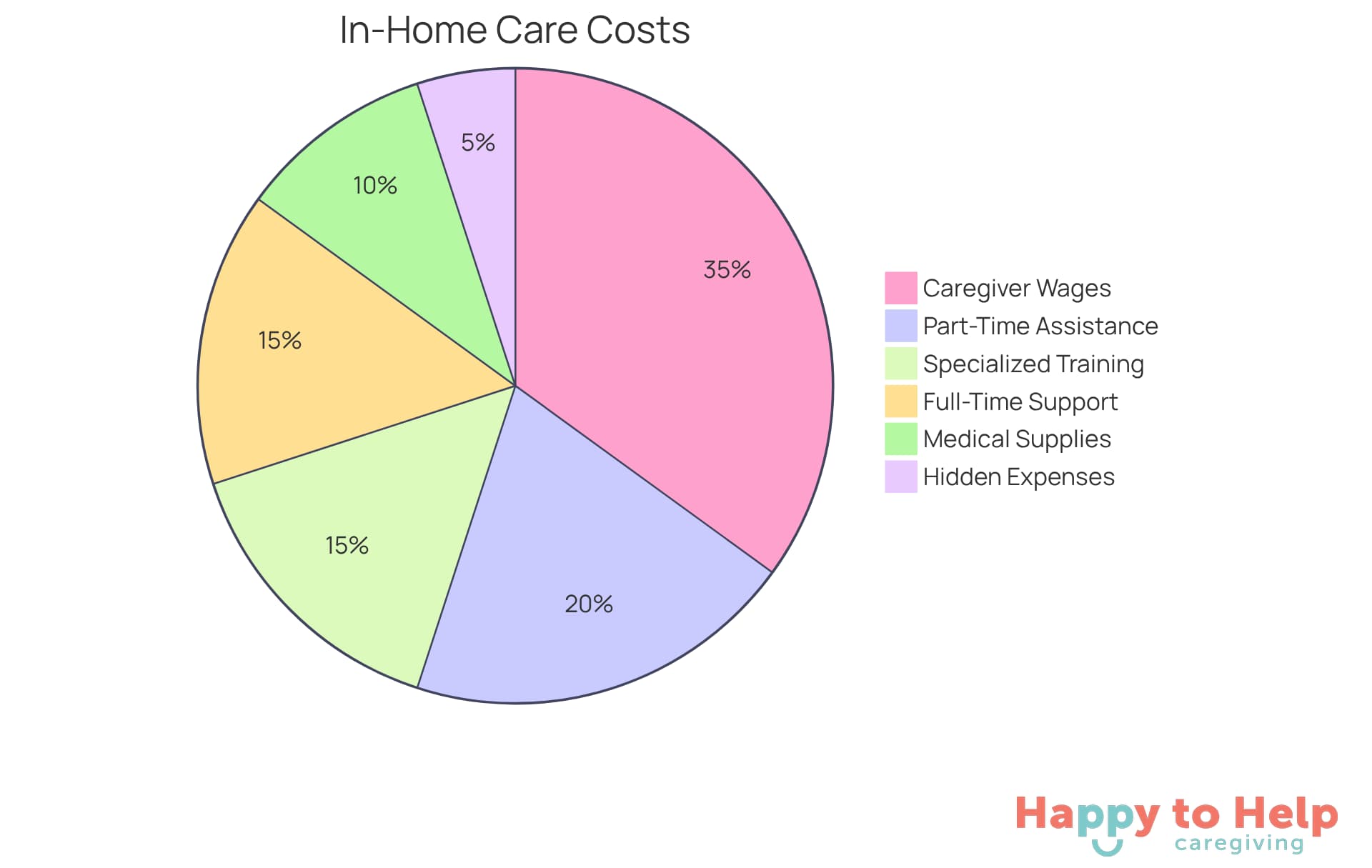
The expenses associated with in-home dementia care costs present a significant challenge for families. The in-home dementia care costs include caregiver hourly wages, which average around $33 nationally, along with additional charges for specialized training and essential medical supplies. In-home dementia care costs can vary widely, with part-time assistance (approximately 20-30 hours per week) ranging from $2,700 to $4,800, while full-time support (40+ hours per week) can cost between $4,400 and $7,000.
The implications of these expenses can be overwhelming. Factors such as the level of assistance needed, the caregiver's experience, and the local cost of living all contribute to the rising in-home dementia care costs. In high-cost areas, hourly fees for specialized memory support can reach $35 to $60. Understanding these financial elements is crucial for households, as in-home dementia care costs can accumulate quickly and significantly impact overall budgets.
To address these challenges, families must meticulously plan for the financial implications of in-home dementia care costs. Real-world examples show that households often manage in-home dementia care costs using personal resources, including savings and pension income, highlighting the financial strain they face. Additionally, hidden expenses like home safety adjustments, which can range from $3,000 to $15,000, and medical devices can further burden budgets.
By being aware of in-home dementia care costs and planning accordingly, families can better manage the financial aspects of caregiving. It's essential to explore all available resources and support options to alleviate some of the financial pressure associated with in-home dementia care costs.
Factors Influencing In-Home Dementia Care Costs
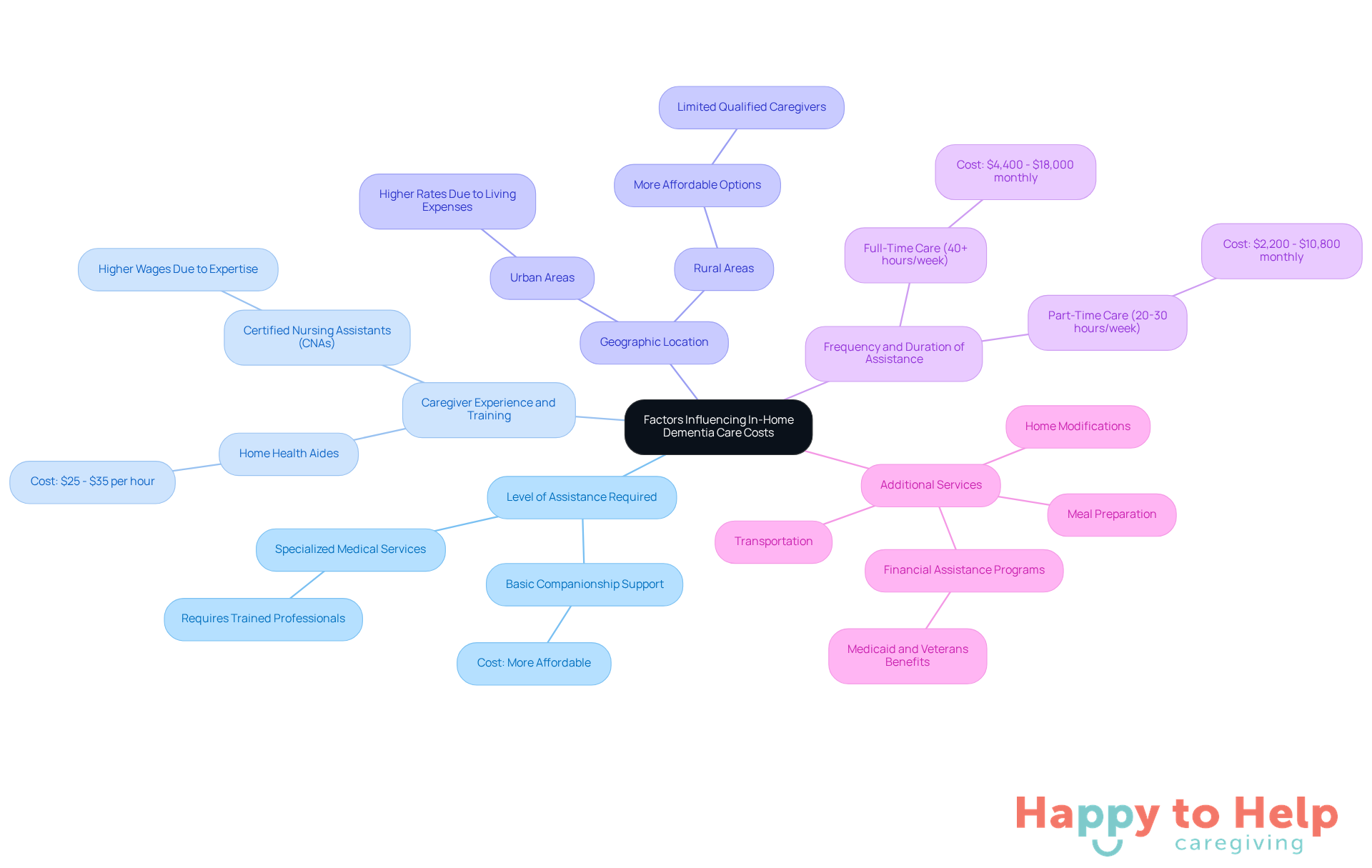
Several factors significantly influence in-home dementia care costs, presenting a challenge for families seeking support.
-
Level of Assistance Required: Basic companionship support is typically more affordable than specialized medical services, which require trained professionals capable of addressing complex needs.
-
Caregiver Experience and Training: Caregivers with specialized training in cognitive impairment support command higher wages due to their expertise. For instance, home health aides often charge between $25 and $35 per hour, with those possessing certifications like Certified Nursing Assistants (CNAs) earning even more. This reflects the added value of their training in providing effective care for dementia patients.
-
Geographic Location: The price of caregiver services varies significantly by region. City areas often have elevated rates because of rising living expenses, whereas rural locations might provide more budget-friendly choices, though possibly with a restricted number of qualified caregivers. This disparity can influence both the availability and quality of assistance.
-
Frequency and Duration of Assistance: The total expense is also affected by the number of hours of support needed each week. Full-time care (40+ hours/week) can vary from $4,400 to $18,000 monthly, making it more economical on an hourly basis compared to part-time care, which can be priced between $2,200 and $10,800 for 20-30 hours per week.
-
Additional Services: Families may face extra expenses for supplementary services such as transportation, meal preparation, or necessary home modifications to accommodate the patient’s needs. Exploring financial assistance programs, including Medicaid and veterans benefits, can help alleviate some of these costs. It is also recommended for households to review their insurance plans early to avoid increased premiums, ensuring they are prepared for potential expenses.
Understanding these elements can assist families in making educated choices regarding in-home dementia care costs, ensuring they achieve the right balance between quality and affordability.
Comparing In-Home Dementia Care Costs with Alternative Care Options
When assessing in-home dementia care costs, families encounter a significant problem: the high expenses associated with alternative care options.
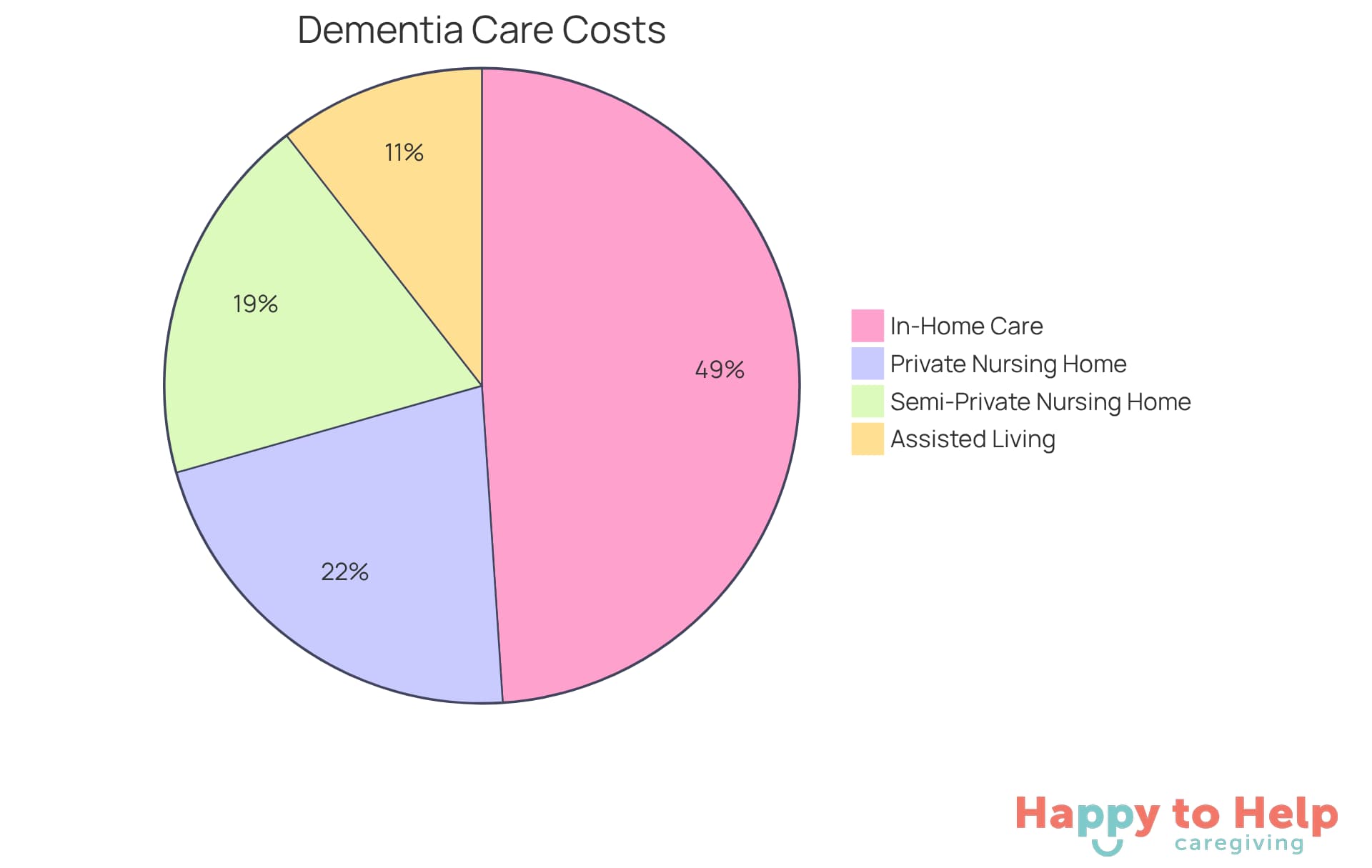
Assisted Living: The national median cost for assisted living is approximately $5,190 per month. This typically includes meals, activities, and some personal assistance services. However, assisted living often lacks the individualized support that in-home assistance can provide, which is crucial for many families.
Nursing Homes: Nursing home services are even more expensive, averaging around $10,646 monthly for a private room and $9,277 monthly for a semi-private room. While these facilities offer 24/7 medical oversight, they may not deliver the comfort and familiarity that in-home assistance provides, which can be essential for individuals with dementia.
Cost-Effectiveness: In-home support can be a more economical choice for households needing only part-time assistance. The national average expense for 24-hour home assistance is $33 per hour, allowing families to customize the level of support to their specific needs. This approach helps avoid the elevated costs associated with full-time residential care. For instance, families can opt for companionship or homemaker services, significantly lowering overall expenses while ensuring their loved ones receive necessary assistance in a familiar setting. Additionally, families should consider potential extra costs for home modifications, medical devices, transportation, emergency coverage, and respite services when budgeting for in-home assistance.
Understanding these financial comparisons is crucial for families navigating the complexities of in-home dementia care costs. By weighing these options carefully, they can make informed choices that best meet their loved ones' needs.
Financial Assistance and Insurance Options for In-Home Dementia Care
Families often face significant financial challenges when seeking in-home dementia care costs. The costs associated with in-home dementia care can be overwhelming, leaving many families unsure of how to manage these expenses. Fortunately, there are various financial assistance programs and insurance options available to help alleviate this burden.
-
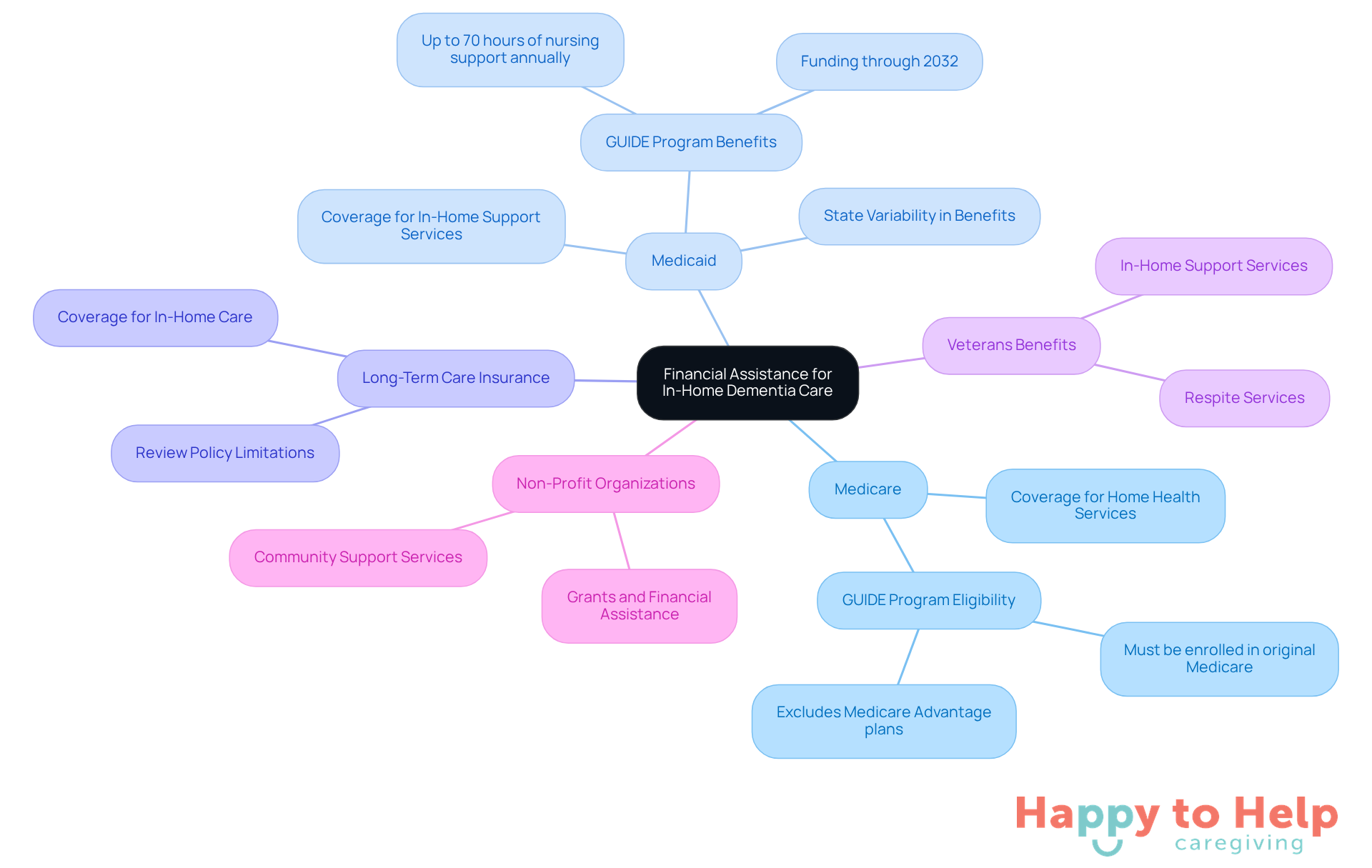
Medicare does not cover long-term custodial assistance, but it does offer coverage for specific home health services deemed medically necessary. This includes specialized nursing support, physical therapy, and certain home health aide services, which are crucial for managing dementia care at home. To qualify for the GUIDE program, patients must be enrolled in original Medicare, as Medicare Advantage plans are excluded.
-
Medicaid provides coverage for in-home support services for eligible individuals, with benefits varying by state. Many states have programs that facilitate home and community-based services, allowing families to receive essential support while remaining in their homes. For instance, the GUIDE program, available in several states, offers up to 70 hours of in-home nursing support each year for eligible patients with cognitive impairment, significantly enhancing their quality of life. This program is designed for Medicare beneficiaries who wish to age in place while living with dementia and is funded through 2032.
-
Long-Term Care Insurance policies often include coverage for in-home care. It’s vital for families to thoroughly review their policies to understand the extent of coverage, particularly regarding in-home dementia care costs, including any limitations or exclusions that may apply.
-
Veterans Benefits are another avenue for support. Veterans and their families may qualify for additional assistance through the Department of Veterans Affairs (VA). The VA offers various services, including in-home support and respite services, which can help offset the costs associated with cognitive impairment support, ensuring veterans receive the necessary care.
-
Non-Profit Organizations also play a crucial role in providing financial assistance. Many non-profits offer grants and support to families struggling with dementia-related expenses. These resources can be invaluable for families seeking help, allowing them to manage the financial aspects of care while ensuring their loved ones receive the attention they need. Additionally, consulting with a benefits expert can provide further guidance on available options.
The Importance of Planning for In-Home Dementia Care Costs
Preparing for in-home dementia care costs is crucial for families wanting to provide the best support for their loved ones while alleviating financial strain. Without early financial planning, families may face unexpected costs, including in-home dementia care costs, that can lead to stress and hardship.
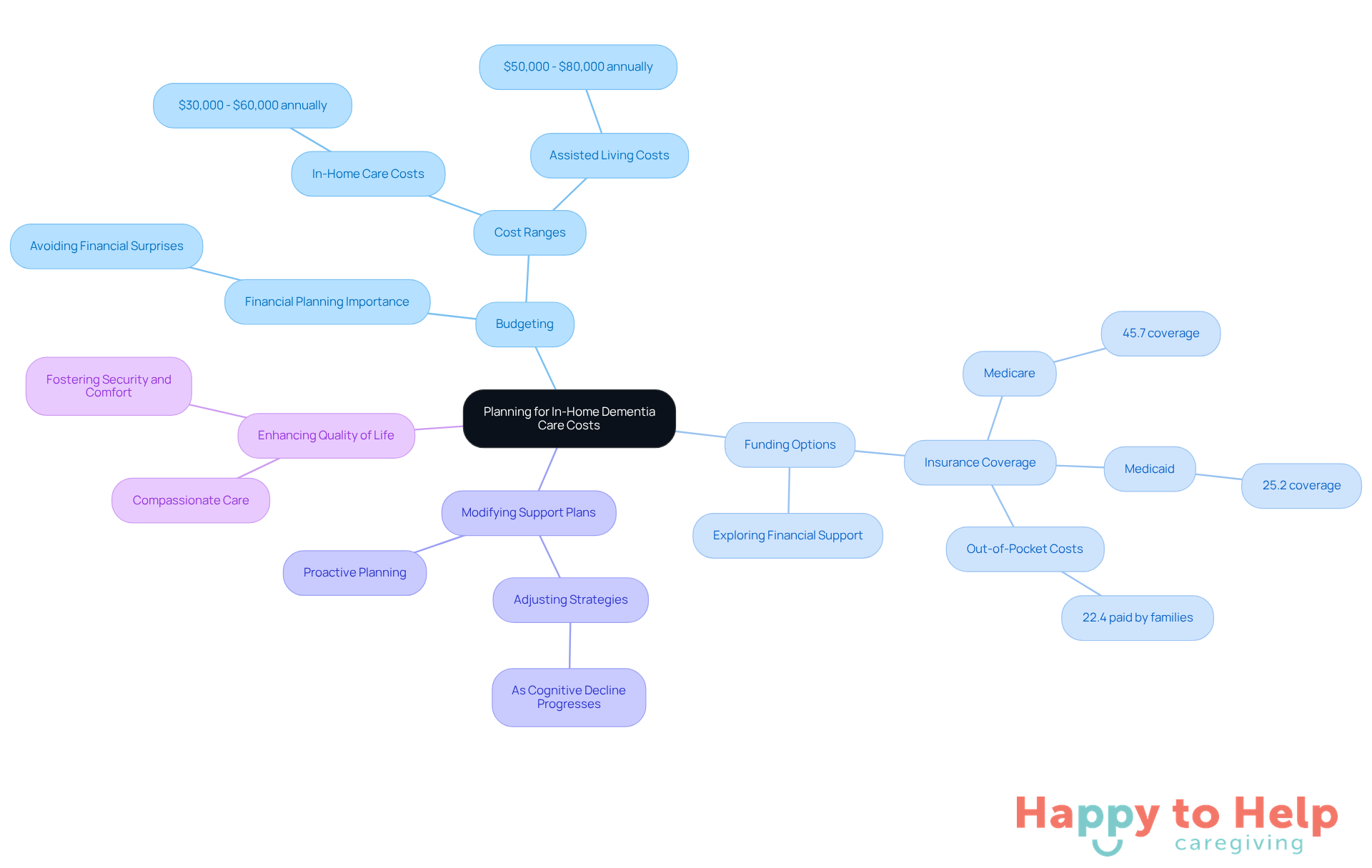
Budgeting Effectively: Understanding potential costs is key. In-home dementia care costs typically range from $30,000 to $60,000 annually, while costs for assisted living and memory support can vary from $50,000 to $80,000 each year. Knowing these figures helps families allocate resources wisely, especially when considering in-home dementia care costs, and avoid financial surprises.
Exploring Funding Options: Investigating financial support and insurance alternatives early can help families find the best resources available. With over two-thirds of in-home dementia care costs covered by Medicare and Medicaid, and 22.4% paid out-of-pocket, understanding these benefits is essential for effective budgeting.
Modifying Support Plans: As cognitive decline progresses, support needs will evolve. Families must adjust their strategies and budgets accordingly to manage in-home dementia care costs. Proactive planning regarding in-home dementia care costs makes these transitions smoother, reducing stress during challenging times.
Enhancing quality of life: Ultimately, effective financial planning leads to a better quality of life for those receiving assistance with in-home dementia care costs. In-home dementia care costs enable individuals to remain in familiar surroundings while receiving the necessary support. Families who prepare for cognitive decline ensure their loved ones receive compassionate care, which helps manage in-home dementia care costs while fostering a sense of security and comfort at home.
The importance of starting these discussions early regarding in-home dementia care costs cannot be overstated. David's experience illustrates that engaging in conversations about planning for in-home dementia care costs when a relative is diagnosed can save families months of stress and significant financial burdens. He notes, "The few hours of discomfort would have saved me months of stress and thousands of dollars." By prioritizing early planning, families can navigate the complexities of in-home dementia care costs with greater confidence and clarity.
Taking the Next Steps
Understanding the costs associated with in-home dementia care is essential for families navigating this complex and often emotional journey. The financial implications can be daunting, with expenses varying significantly based on factors such as the level of assistance required, caregiver qualifications, and geographic location. By grasping these elements, families can make informed decisions that balance quality care with affordability.
The wide range of costs for in-home dementia care can fluctuate based on the type and frequency of services needed. Comparisons with alternative care options, such as assisted living and nursing homes, reveal that in-home support can often be more economical, particularly for families requiring part-time assistance.
To alleviate the financial burden associated with caregiving, families should consider the following actionable solutions:
- Explore financial assistance programs.
- Review insurance options.
- Engage in proactive budgeting.
Ultimately, the importance of early planning for in-home dementia care costs cannot be overstated. By engaging in discussions about care needs and potential expenses, families can reduce stress and ensure their loved ones receive the necessary support in a familiar environment. This approach not only enhances the quality of life for individuals with dementia but also provides families with peace of mind as they navigate the complexities of care. Prioritizing financial planning and exploring available resources will empower families to face the challenges of in-home dementia care with confidence and clarity.
https://iframe.tely.ai/cta/eyJhcnRpY2xlX2lkIjogIjY5MjEwYWFlMjAzMTgzZjY3OWRlMzg0MiIsICJjb21wYW55X2lkIjogIjY4ZWU1ZGNhNzMxNzYyNTU3ZjNjOTVjMSIsICJpbmRleCI6IG51bGwsICJ0eXBlIjogImFydGljbGUifQ==Frequently Asked Questions
What are the average costs associated with in-home dementia care?
The average caregiver hourly wage for in-home dementia care is around $33 nationally. Part-time assistance (20-30 hours per week) ranges from $2,700 to $4,800, while full-time support (40+ hours per week) costs between $4,400 and $7,000.
What factors influence the costs of in-home dementia care?
Factors influencing in-home dementia care costs include the level of assistance required, caregiver experience and training, geographic location, frequency and duration of assistance, and additional services needed.
How does the level of assistance required affect costs?
Basic companionship support is generally more affordable than specialized medical services, which require trained professionals capable of addressing complex needs, thus impacting overall costs.
How does caregiver experience impact wages?
Caregivers with specialized training in cognitive impairment support command higher wages. For example, home health aides typically charge between $25 and $35 per hour, while those with certifications like Certified Nursing Assistants (CNAs) earn even more.
How does geographic location affect in-home dementia care costs?
Caregiver service prices vary significantly by region. Urban areas often have higher rates due to increased living expenses, while rural locations may offer more budget-friendly options but might have fewer qualified caregivers.
What is the cost difference between part-time and full-time care?
Full-time care (40+ hours/week) can vary from $4,400 to $18,000 monthly, making it more economical on an hourly basis compared to part-time care, which is priced between $2,200 and $10,800 for 20-30 hours per week.
Are there additional expenses associated with in-home dementia care?
Yes, families may incur extra expenses for supplementary services such as transportation, meal preparation, and necessary home modifications to accommodate the patient’s needs.
How can families manage the financial implications of in-home dementia care?
Families should meticulously plan for the financial aspects, consider using personal resources like savings and pension income, and explore financial assistance programs such as Medicaid and veterans benefits to alleviate costs.
What hidden expenses should families be aware of?
Hidden expenses can include home safety adjustments, which may range from $3,000 to $15,000, and costs for medical devices, which can further strain budgets.
How can families prepare for potential expenses related to in-home dementia care?
It is essential for families to review their insurance plans early to avoid increased premiums and ensure they are prepared for potential expenses related to in-home dementia care.
List of Sources
- Defining In-Home Dementia Care Costs
- In-home dementia care: How much could it cost you? (https://aol.com/articles/home-dementia-care-much-could-100359730.html)
- In-Home Dementia Care Costs: What to Expect and How to Plan (https://aplaceformom.com/caregiver-resources/articles/cost-of-dementia-care)
- Home Care Costs in 2025: A State-by-State Guide (https://aplaceformom.com/caregiver-resources/articles/in-home-care-costs)
- In-Home Dementia Care Costs in 2025: What Families Should Expect and How to Plan (https://clarahomecare.com/articles/in-home-dementia-care-costs-in-2025-what-families-should-expect-and-how-to-plan)
- How Much Does Memory Care Cost in 2025? (https://aplaceformom.com/caregiver-resources/articles/cost-of-memory-care)
- Factors Influencing In-Home Dementia Care Costs
- Dementia costs in the United States reach record high in 2025 (https://news-medical.net/news/20250423/Dementia-costs-in-the-United-States-reach-record-high-in-2025.aspx)
- In-Home Dementia Care Costs: What to Expect and Plan For (https://seniorlivingnearme.com/resources/in-home-dementia-care-costs-what-to-expect-and-plan-for)
- In-Home Dementia Care Costs (https://careindeed.com/blogs/in-home-dementia-care-costs)
- People with dementia and their families disproportionally handle costs of care (https://nia.nih.gov/news/people-dementia-and-their-families-disproportionally-handle-costs-care)
- Comparing In-Home Dementia Care Costs with Alternative Care Options
- Cost of Long Term Care by State | Cost of Care Report | Carescout (https://carescout.com/cost-of-care)
- Cost of Home Care vs. Nursing Homes (https://aplaceformom.com/caregiver-resources/articles/home-care-vs-nursing-home-costs)
- Dementia care costs lowest for patients living in home care settings, study finds (https://mcknightshomecare.com/news/dementia-care-costs-lowest-for-patients-living-in-home-care-settings-study-finds)
- Nursing Home Costs in 2025 by State and Type of Care (https://seniorliving.org/nursing-homes/costs)
- Facts & Figures (https://ahcancal.org/Assisted-Living/Facts-and-Figures/Pages/default.aspx)
- Financial Assistance and Insurance Options for In-Home Dementia Care
- Medicare covers at-home nursing care for dementia patients for the first time this year (https://tampabay.com/news/health/2025/08/14/medicare-covers-at-home-nursing-care-dementia-patients-first-time-this-year)
- Paying for Dementia Care | Alzheimer's Association (https://alz.org/help-support/caregiving/financial-legal-planning/paying-for-care)
- New Medicare dementia program offers free, enhanced support services to Pa. families (https://wesa.fm/health-science-tech/2025-10-06/medicare-dementia-guide-program-pennsylvania)
- New Medicare program offers much-needed relief for caregivers of dementia patients (https://finance.yahoo.com/news/new-medicare-program-offers-much-needed-relief-for-caregivers-of-dementia-patients-203450020.html)
- The Importance of Planning for In-Home Dementia Care Costs
- Dementia is costing the US $781 billion, and 30 percent of that cost is medical and long-term care (https://mcknightsseniorliving.com/news/dementia-is-costing-the-us-781-billion-and-30-percent-of-that-cost-is-medical-and-long-term-care)
- Legal & Financial Planning for Dementia: Essential Steps | James L. West (https://jameslwest.org/the-conversation-no-one-wants-to-have-legal-and-financial-planning-after-a-dementia-diagnosis)
- Unpaid caregivers bear majority of dementia care costs in US, study finds (https://mcknightshomecare.com/news/unpaid-caregivers-bear-majority-of-dementia-care-costs-in-us-study-finds)