Understanding In House Senior Services: Importance and Benefits
For families in our service areas
For families in our service areas, this guide explains caregiving and how non-medical in-home caregiving can support care planning in East Idaho, Treasure Valley & Magic Valley, Northern Wasatch, North Central West Virginia & Southwestern Pennsylvania, and Northeast Ohio.
Understanding In House Senior Services: Importance
As the population ages, the need for adequate support systems for seniors has never been more pressing. Caregivers face significant challenges, including emotional strain and the difficulty of balancing their own lives with the demands of caring for aging loved ones. This situation can lead to feelings of overwhelm and stress, impacting both the caregiver and the senior.
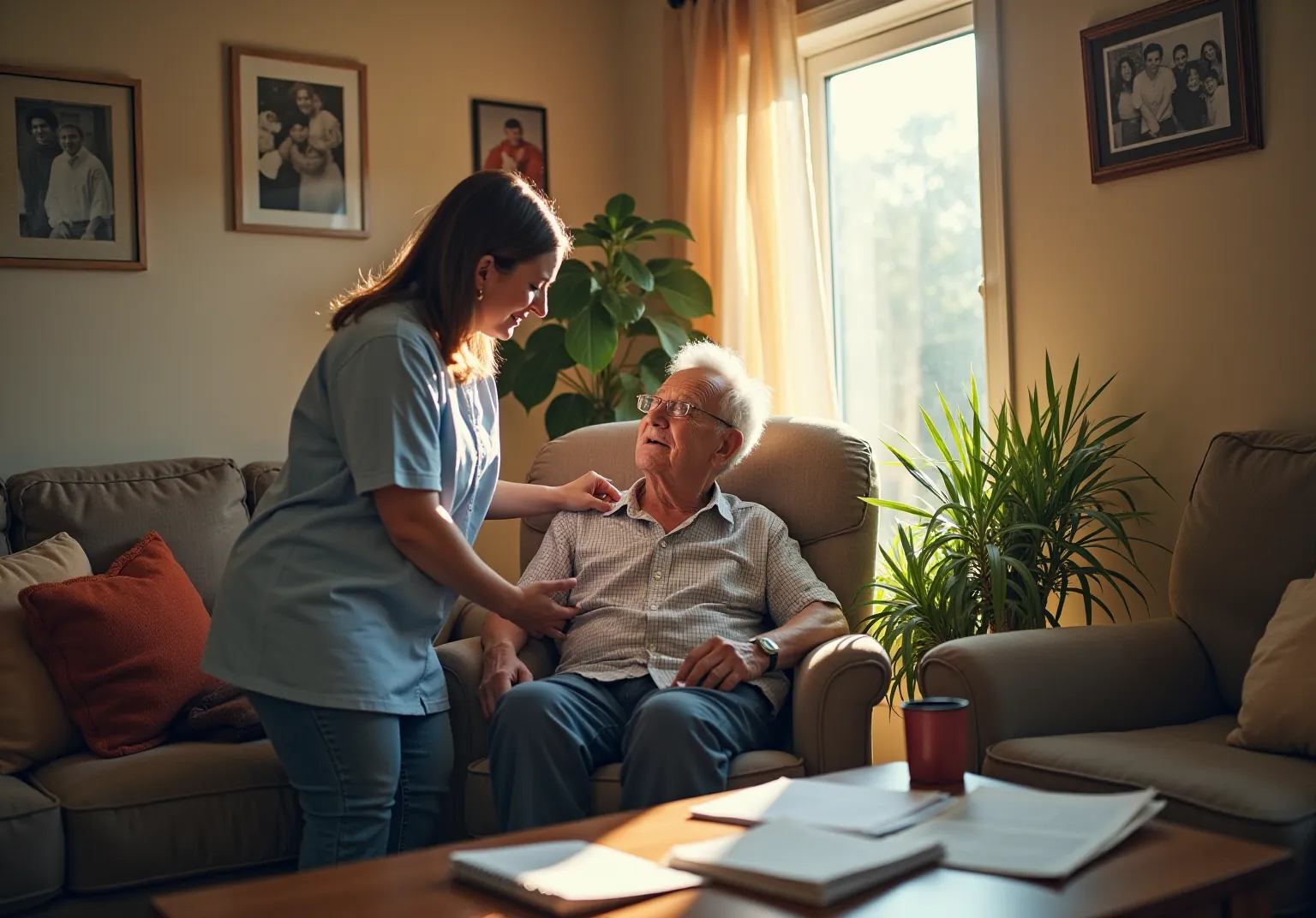
In-house senior services emerge as a vital solution. These services allow older adults to maintain their independence while receiving essential care tailored to their unique needs. By providing personalized assistance, in-home services not only enhance the quality of life for seniors but also alleviate the emotional burden on families.
Exploring the multifaceted benefits of in-home assistance reveals a pathway to improved well-being for both seniors and their loved ones. With the right support, caregivers can find relief, knowing their loved ones are cared for in a familiar environment.
Defining In-House Senior Services
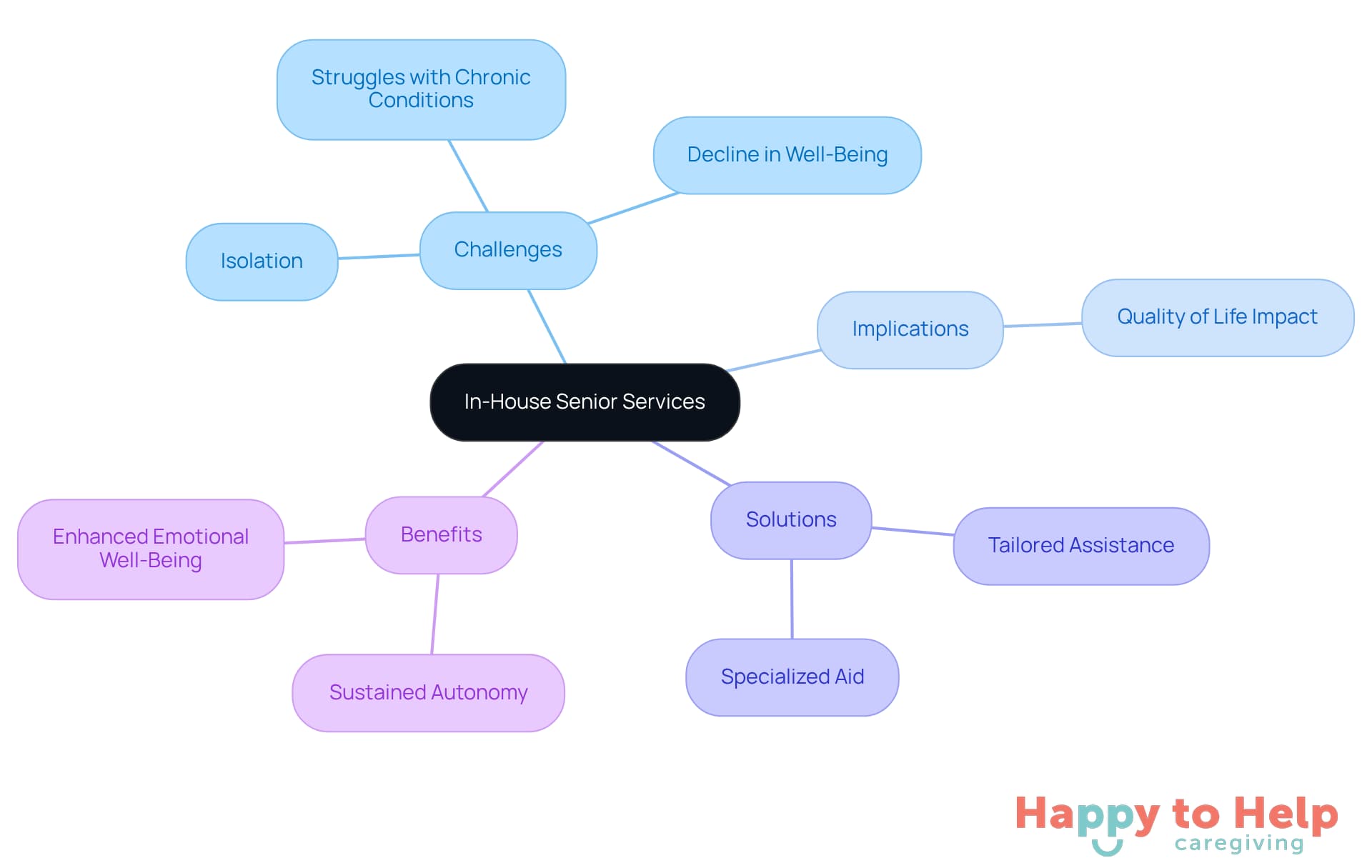
In-home assistance options present a significant challenge for many older adults who wish to maintain their independence. As they age, the need for support with daily living tasks, companionship, and medical assistance becomes increasingly apparent. This situation can lead to feelings of isolation and a decline in emotional well-being if not addressed properly.
The implications of inadequate support are profound. Without the right assistance, older adults may struggle with chronic conditions, impacting their overall quality of life. However, there is a solution: tailored in-home assistance can empower these individuals to live comfortably in their own homes while receiving the necessary care.
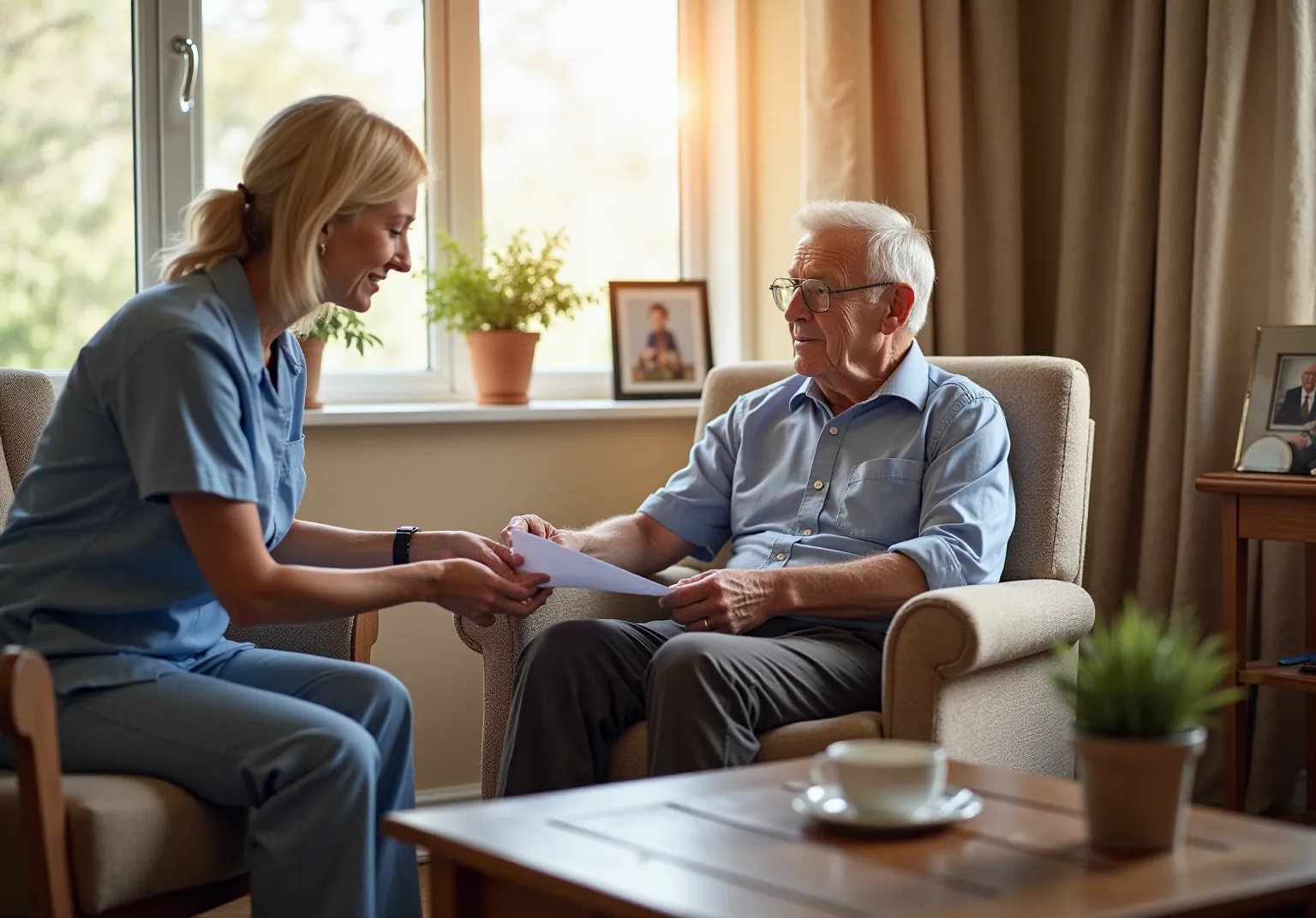
By providing specialized aid, caregivers can help older adults sustain their autonomy and improve their health and wellness. This model of care not only allows them to remain in familiar surroundings but also significantly enhances their emotional and psychological well-being. In-house senior services are increasingly favored for their ability to create a supportive environment that fosters independence.
The Importance of In-House Senior Services
In-house senior services address a significant problem: the challenge of supporting our aging population. Many seniors face the risk of losing their independence and emotional well-being when transitioning to assisted living facilities. This is particularly concerning for families like the Sfugaras, who have seen firsthand how in-home care allows their mother, Fay, to cope with Alzheimer's while enjoying family gatherings in a familiar environment.
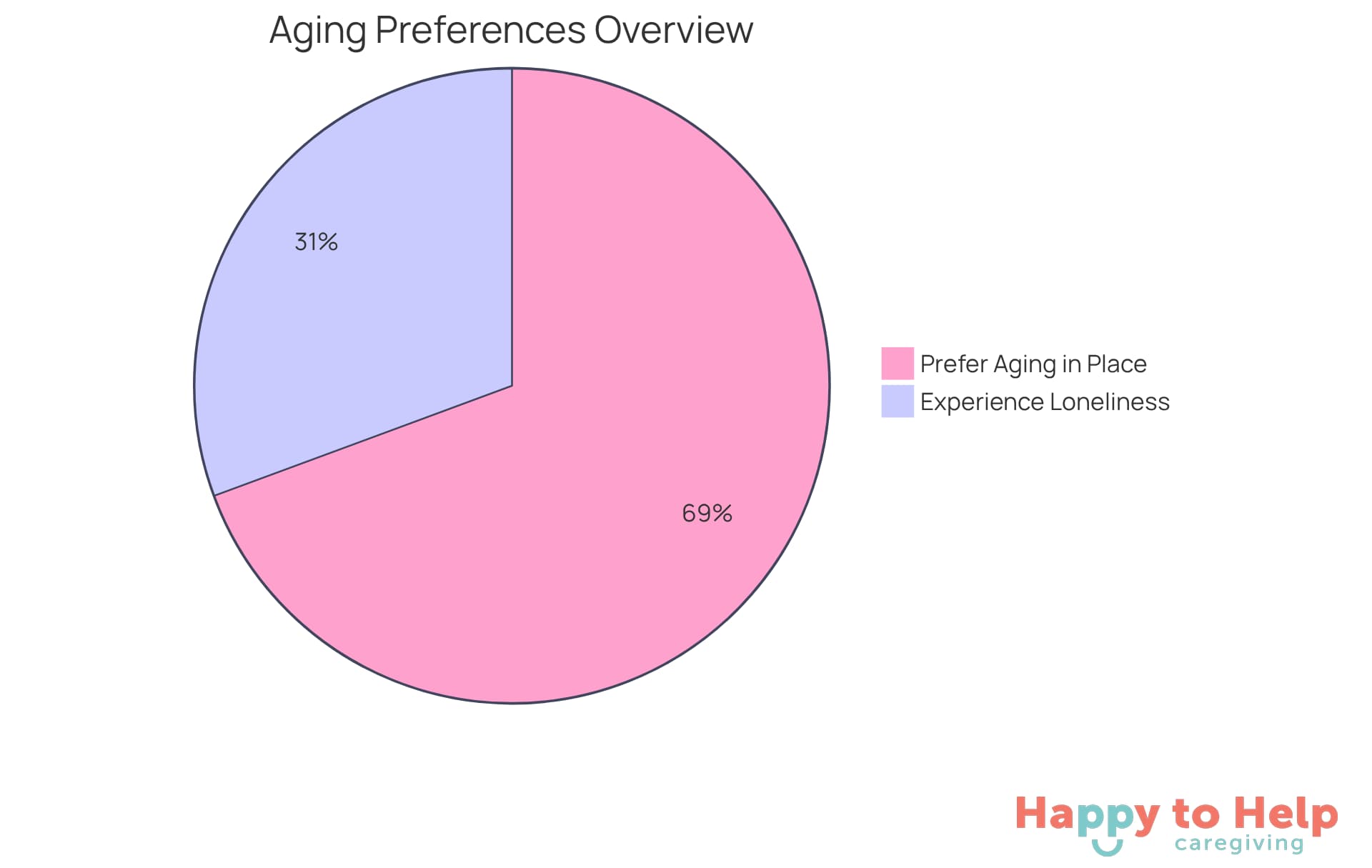
The implications of this issue are profound. Research shows that 77% of older adults prefer to age in place, emphasizing the demand for in-house senior services that allow them to remain in their homes. In-home assistance not only caters to physical health needs but also fosters dignity and respect, addressing specific health issues and lifestyle choices.
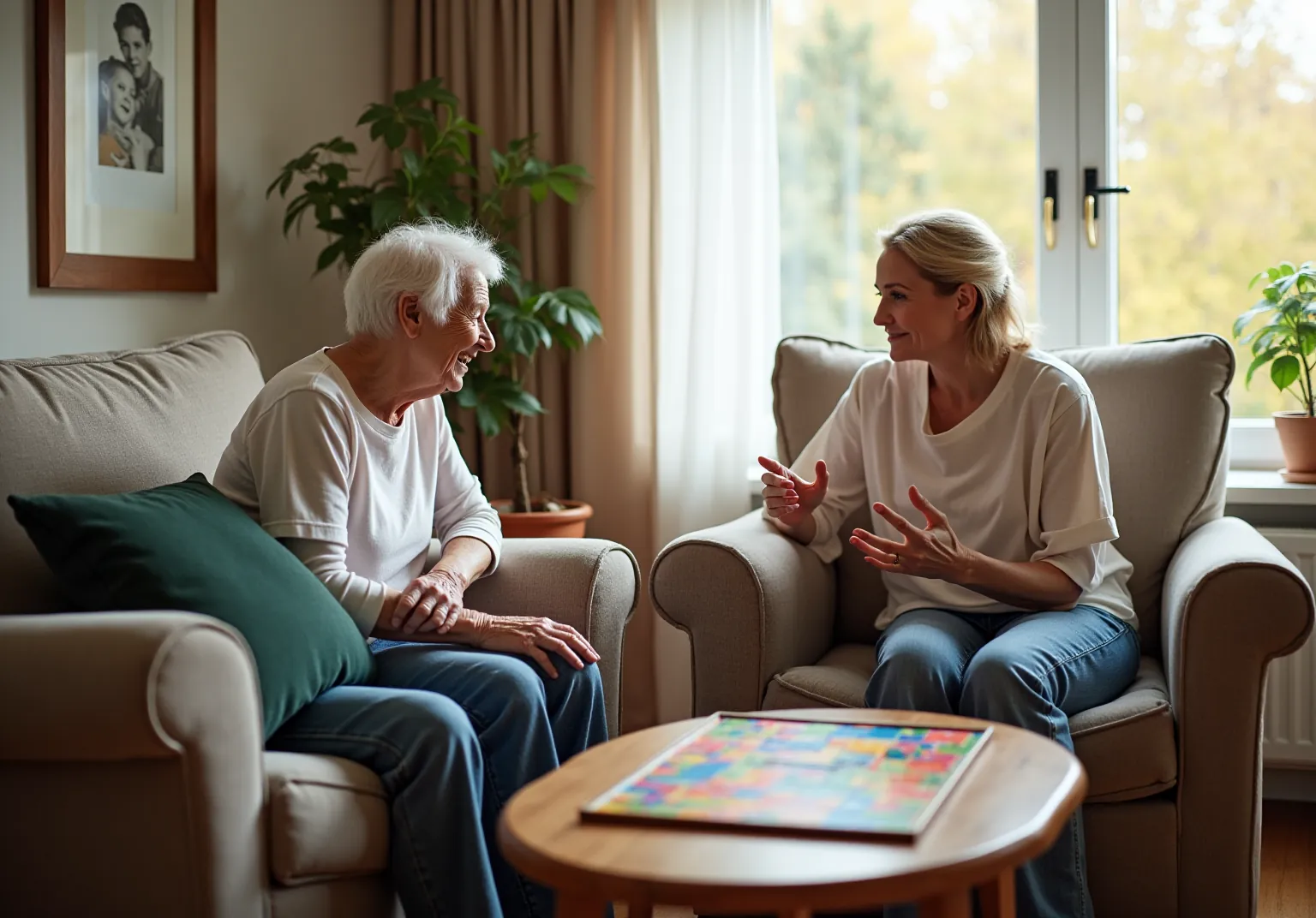
Moreover, the emotional benefits of in-home care are often overlooked. Caregivers provide essential companionship and support, helping to alleviate feelings of loneliness and isolation that affect 34% of older adults. By engaging clients in enjoyable activities and offering emotional support, caregivers play a crucial role in maintaining a positive quality of life.
When comparing in-home support to assisted living, the financial aspect is also noteworthy. The average cost for 40 hours a week of home health aide assistance is approximately $5,625 monthly, while assisted living facilities can average around $4,500 per month. However, the comfort of staying in a familiar environment often outweighs financial considerations for many families.
In summary, in-house senior services for elderly individuals effectively address both physical and emotional needs, making them an essential component of elder support. By choosing in-home care, families can ensure their loved ones maintain their independence and quality of life.
Key Features of In-House Senior Services
Problem: Many elderly individuals face challenges in receiving adequate support tailored to their unique needs. This can lead to feelings of isolation and a loss of independence, which are detrimental to their overall well-being.
Agitate: Without proper assistance, older adults may struggle with daily activities, leading to increased reliance on family members or caregivers. This situation can create stress for both parties, as caregivers often juggle multiple responsibilities and may not have the resources to provide the necessary support.
In-house senior services offer a viable solution through customized support plans that address the distinct requirements of each individual. These plans ensure that in-house senior services, including:
- Companionship
- Personal assistance
- Medical help
are delivered as needed. Flexibility in scheduling is also crucial; caregivers can adjust their availability to accommodate the changing preferences of older adults and their families. Furthermore, these programs emphasize the importance of enabling elderly individuals to engage in daily activities and make decisions about their care, which is vital for maintaining their independence and enhancing their quality of life.
Benefits of In-House Senior Services
Caring for older adults can be a significant challenge for families. Caregivers often face stress and anxiety, worrying about their loved ones' well-being and health. This concern can lead to emotional strain, making it difficult to provide the best care possible.
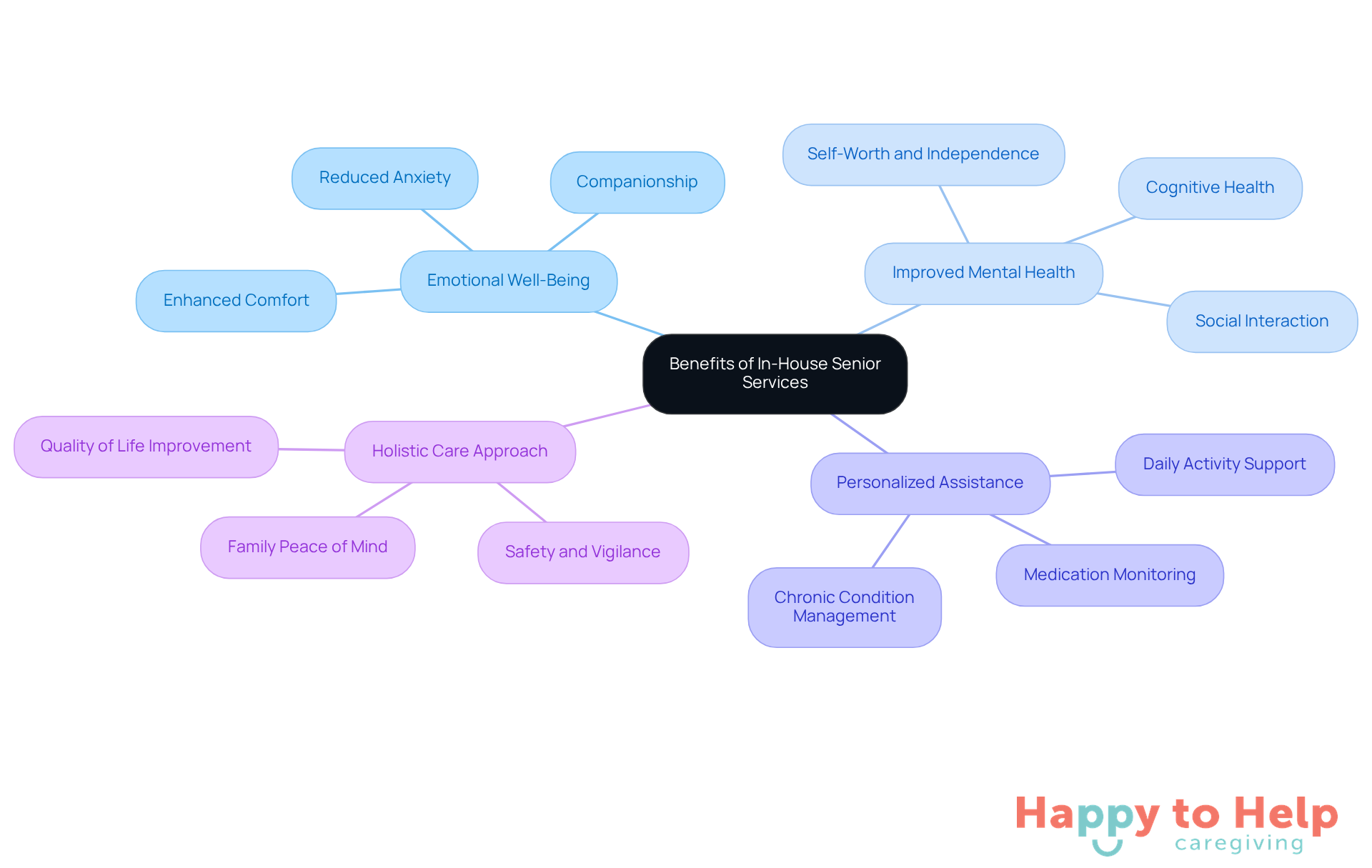
In-home elder assistance offers a solution that addresses these challenges. By allowing older adults to remain in their own homes, surrounded by familiar possessions and memories, this approach significantly reduces anxiety and enhances emotional well-being. Studies show that familiarity can lead to improved mental health outcomes for seniors.
Moreover, tailored support from in-house services can lead to better health outcomes. Older adults receive personalized assistance that helps manage chronic conditions and can even prevent hospital stays. This not only benefits the seniors but also alleviates stress for families, who gain peace of mind knowing their loved ones are receiving quality care tailored to their needs.
In summary, in-house senior services provide a holistic approach to care that prioritizes the dignity and independence of seniors. By choosing this option, families can ensure their loved ones receive the support they need while maintaining their comfort and familiarity.
Key Takeaways for Caregivers
In-house senior services address a pressing problem: the need for older adults to maintain their independence while receiving necessary care. Many seniors face challenges related to physical limitations and emotional well-being, which can hinder their quality of life. The implications of this situation are significant, as it can lead to feelings of isolation and a decline in mental health.
The solution lies in embracing in-house senior services, which offer personalized assistance tailored to individual needs. These services not only provide companionship but also create customized support plans that help manage chronic conditions effectively. Research shows that a majority of older adults prefer to stay in their homes, highlighting the growing demand for such services. By facilitating aging in place, these services enhance dignity and respect for seniors.
Moreover, the emotional support from caregivers plays a vital role in combating loneliness, ultimately leading to better mental health outcomes. Families should explore these options, as they not only improve the quality of life for their loved ones but also provide peace of mind, knowing that care is delivered in a compassionate and familiar environment.
In summary, in-home care for seniors represents a holistic approach to elder support that values both health and happiness. By prioritizing in-house senior services, we can ensure that elderly individuals enjoy their autonomy and well-being in the comfort of their own homes.
https://iframe.tely.ai/cta/eyJhcnRpY2xlX2lkIjogIjY5MjRmMjA0Y2Q1NjY3YWUxYjQzNTcwOCIsICJjb21wYW55X2lkIjogIjY4ZWU1ZGNhNzMxNzYyNTU3ZjNjOTVjMSIsICJpbmRleCI6IG51bGwsICJ0eXBlIjogImFydGljbGUifQ==Frequently Asked Questions
What are in-house senior services?
In-house senior services refer to tailored in-home assistance options designed to support older adults with daily living tasks, companionship, and medical assistance, allowing them to maintain their independence.
Why is in-home assistance important for older adults?
In-home assistance is important because it helps older adults manage daily tasks, combat feelings of isolation, and address the need for medical support, ultimately improving their emotional well-being and quality of life.
What challenges do older adults face without adequate support?
Without adequate support, older adults may struggle with chronic conditions, experience a decline in emotional well-being, and face difficulties maintaining their independence, leading to a decreased quality of life.
How can tailored in-home assistance benefit older adults?
Tailored in-home assistance can empower older adults to live comfortably in their own homes while receiving necessary care, helping them sustain their autonomy and improve their health and wellness.
What impact do in-house senior services have on emotional and psychological well-being?
In-house senior services significantly enhance emotional and psychological well-being by providing a supportive environment that fosters independence and allows older adults to remain in familiar surroundings.
List of Sources
- Defining In-House Senior Services
- Why Senior Home Care is More Important Than Ever (https://homeinstead.com/home-care/usa/la/carencro/347/news-and-media/senior-home-care-is-more-important-than-ever)
- Staying Home, Staying Well: The Advantages of Home Care for Older Adults (https://ltcnews.com/articles/advantages-home-care-older-adults)
- Top healthcare trends of 2026: Aging in place is driving innovation in home-based care and technology (https://definitivehc.com/blog/aging-in-place-driving-innovation)
- 13 Home Care Trends To Watch For in 2024 (And Thoughts From 11 Experts) | CareAcademy (https://careacademy.com/blog/home-care-trends)
- Trends and Innovations in Senior Care | Amada Blog (https://amadaseniorcare.com/2025/01/trends-and-innovations-in-senior-care)
- The Importance of In-House Senior Services
- New Statistics Could Reshape the Meaning of Aging in Place (https://mylifesite.net/blog/post/new-statistics-could-reshape-the-meaning-of-aging-in-place)
- 2025 Home Care Statistics: Trends & Insights To Know (https://premierhcinc.com/blog/home-care-statistics)
- Families caring for older adults at home say aging in place should not be taken lightly, but may be worth it (https://cbsnews.com/newyork/news/aging-in-place-home-remodeling-cost-of-caregiving)
- Home sweet home: A majority of Americans want to age in place (https://empower.com/the-currency/life/home-sweet-home-americans-age-place-news)
- 2024 Aging in Place Statistics: A Lucrative Opportunity for the Home Care Industry - People Care (https://peoplecare.com/2024-aging-in-place-statistics-a-lucrative-opportunity-for-the-home-care-industry)
- Key Features of In-House Senior Services
- How Personalized Health Care Is Changing The Role Of Home Care Providers (https://homehealthcarenews.com/2024/03/how-personalized-health-care-is-changing-the-role-of-home-care-providers)
- 2025 Home Care Statistics: Trends & Insights To Know (https://premierhcinc.com/blog/home-care-statistics)
- Flexible Care Models Give Home Care Clients ‘What They Want When They Want It’ (https://homehealthcarenews.com/2025/10/flexible-care-models-give-home-care-clients-what-they-want-when-they-want-it)
- Senior Care in Philadelphia, PA: Key Trends for 2025 and Beyond - AmeriBest Home Care (https://ameribesthomecare.com/recent-news/senior-care-in-philadelphia-pa-key-trends-for-2025-and-beyond)
- How flexible care models boost private-pay growth in home care | Gabrielle Pumpian posted on the topic | LinkedIn (https://linkedin.com/posts/gpumpian_flexible-care-models-give-home-care-clients-activity-7392960362586890240-Dzq8)
- Benefits of In-House Senior Services
- 5 Benefits of Senior In-Home Care in 2025 | Valley Home Care (https://valleyhca.com/the-top-5-benefits-of-in-home-senior-care-for-aging-loved-ones-in-2025)
- The Benefits of In-Home Care for Seniors with Chronic Conditions - Trust USA Home Health (https://trustusahomehealth.com/news/the-benefits-of-in-home-care-for-seniors-with-chronic-conditions)
- The Benefits of In-Home Care for Seniors - Consumer Directed Choices (https://cdchoices.org/2023/11/27/the-benefits-of-in-home-care-for-seniors)
- 2025 Home Care Statistics: Trends & Insights To Know (https://premierhcinc.com/blog/home-care-statistics)
- 6 Benefits of Home Care and Home Health Care (https://aplaceformom.com/caregiver-resources/articles/benefits-of-home-care)