Understanding Incontinence in Elderly Men: A Caregiver's Guide
For families in our service areas
For families in our service areas, this guide explains caregiver support and how non-medical in-home caregiving can support care planning in East Idaho, Treasure Valley & Magic Valley, Northern Wasatch, North Central West Virginia & Southwestern Pennsylvania, and Northeast Ohio.
The Importance of Incontinence in Elderly Men: A Caregiver
Understanding incontinence in elderly men presents a significant challenge for caregivers. This often-overlooked condition affects approximately 19% of community-dwelling elderly males, leading to implications that extend beyond physical health. The emotional well-being and quality of life of these individuals can be severely impacted, creating a pressing need for effective support strategies.
Caregivers face the dual challenge of managing incontinence while overcoming the stigma and misconceptions surrounding urinary issues. What can be done to address this? This article explores practical solutions that caregivers can implement to enhance the lives of those they care for.
We will delve into the following topics:
- Definitions
- Causes
- Management techniques
- Critical signs that necessitate medical attention
By equipping caregivers with this knowledge, we aim to empower them to provide better support and improve the overall quality of life for elderly men dealing with incontinence.
Define Incontinence in Elderly Men
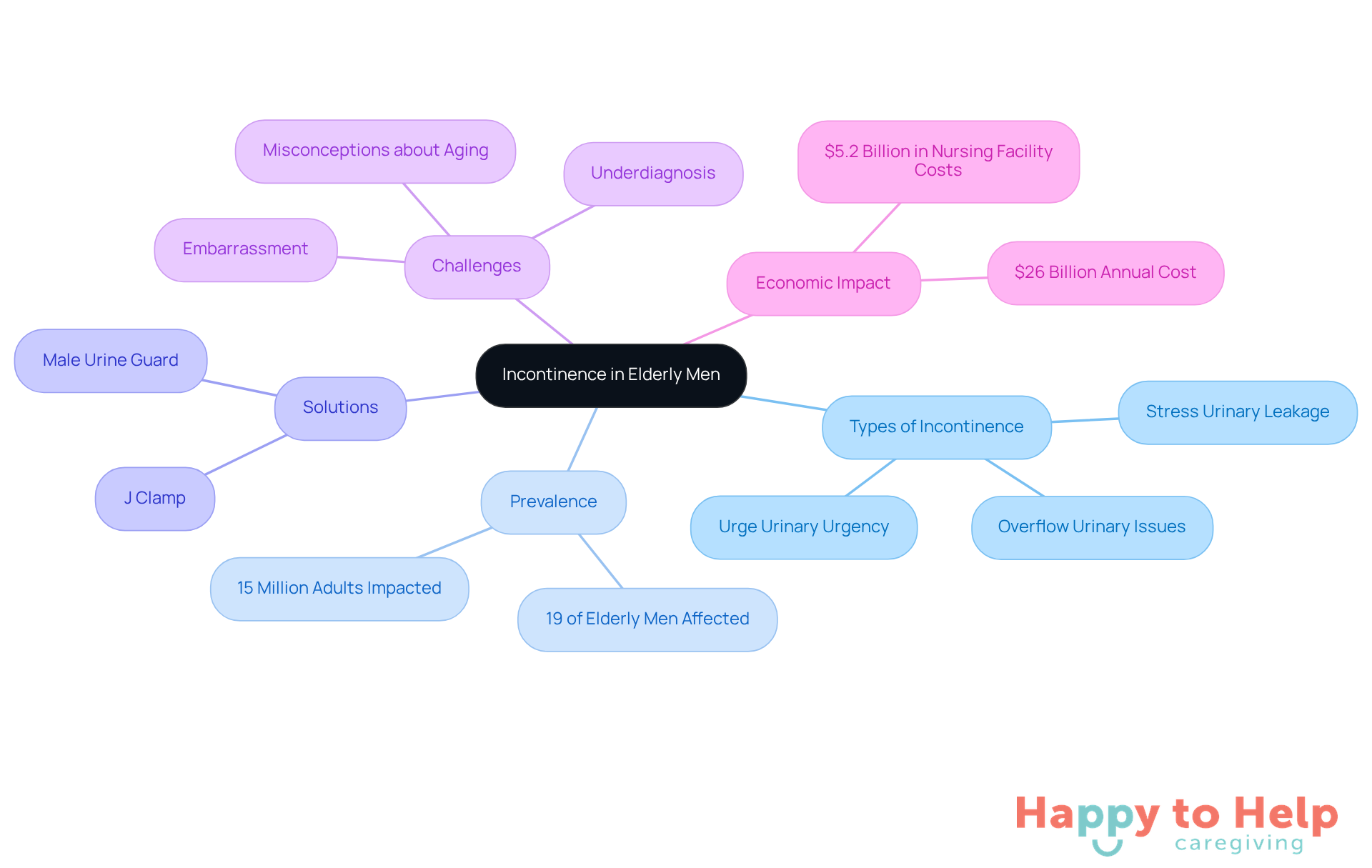
Incontinence in elderly men represents a considerable challenge, characterized by the involuntary loss of urinary control that results in unintentional urine leakage. This condition can manifest in various forms, including:
- Urge urinary urgency: A sudden and strong need to urinate.
- Stress urinary leakage: Occurs during physical activities that apply pressure on the bladder, such as coughing, sneezing, or exercising.
- Overflow urinary issues: Happen when the bladder cannot empty completely, resulting in frequent dribbling of urine.
Understanding these definitions is crucial for caregivers, as it allows them to tailor their support and interventions to the specific bladder control issues their clients face.
The prevalence of incontinence in elderly men is considerable, with estimates suggesting that around 19% of community-dwelling elderly males are affected. Unfortunately, incontinence in elderly men often goes underdiagnosed, as many individuals may feel embarrassed or believe it to be a normal part of aging. In fact, urinary leakage impacts approximately 15 million adults in the United States, making it more common than conditions like osteoporosis, diabetes, and Alzheimer's disease.
Real-world solutions for managing urinary issues in elderly men include specialized products such as the Male Urine Guard, which offers a clean and discreet alternative to traditional adult diapers. As noted by Jackson Medical Products, LLC, "The Male Urine Guard restores dignity for those men concerned about the perception and appearance of wearing adult diapers." These products not only enhance comfort but also help restore dignity for those worried about societal perceptions.
By recognizing the various forms of bladder control issues and their prevalence, caregivers can more effectively address the needs of elderly men experiencing incontinence, ensuring they receive appropriate care and support. Additionally, it's important to acknowledge the economic impact of bladder control issues, which costs nearly $26 billion annually in the United States, highlighting the strain this condition places on healthcare systems and families.
Caregivers should also be mindful of the barriers their clients may face in seeking treatment, such as embarrassment or the misconception that bladder control issues are a natural part of aging. By understanding these challenges, caregivers can provide more proactive support.
Identify Causes and Risk Factors
Incontinence in elderly men poses a significant challenge, arising from various interrelated factors. Understanding these causes is crucial for caregivers to effectively monitor symptoms and seek appropriate medical advice.
Key Contributors to Incontinence:
-
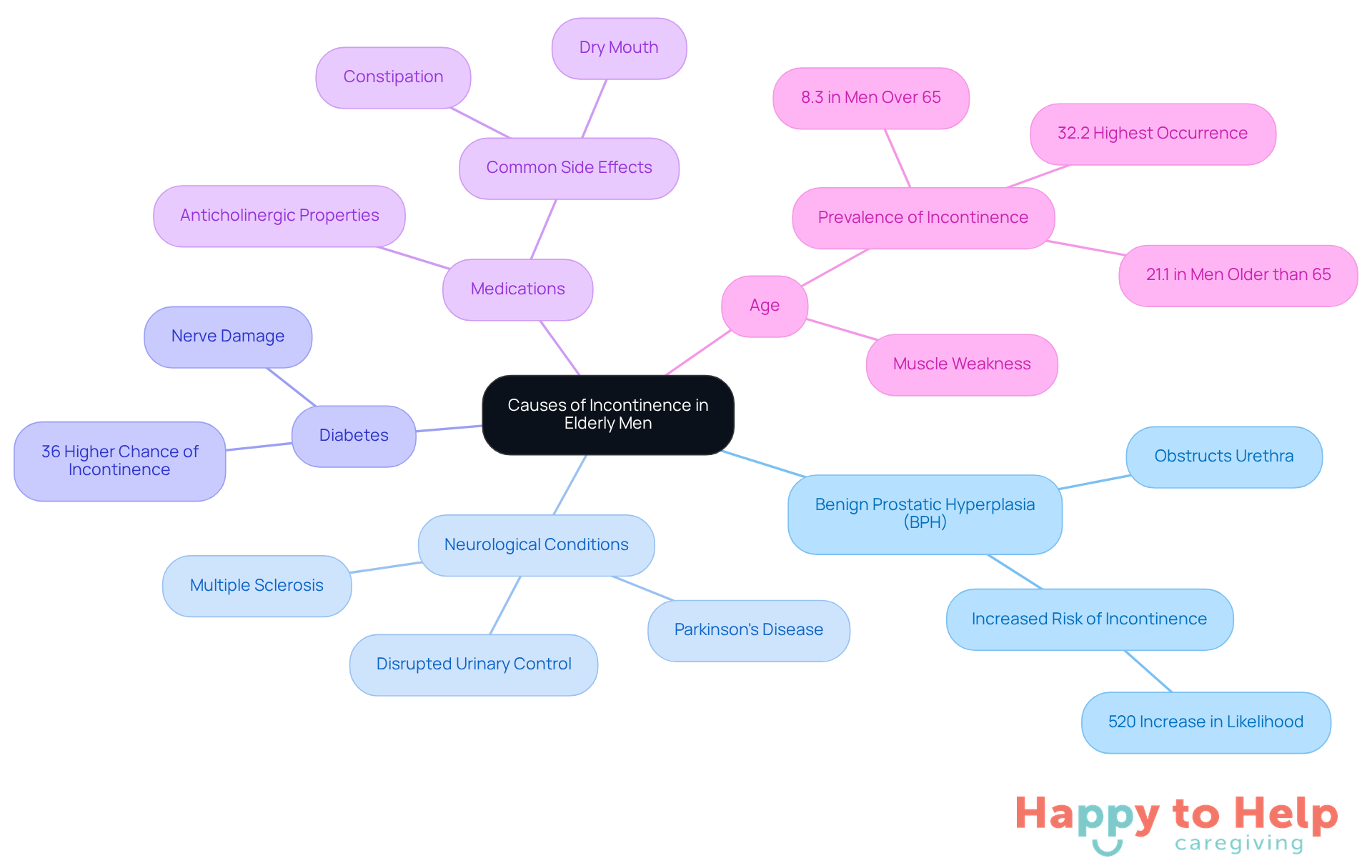
Benign Prostatic Hyperplasia (BPH): An enlarged prostate can obstruct the urethra, leading to urinary retention and overflow incontinence. Incontinence in elderly men is prevalent, with studies indicating that older men with prostate diseases face a 520% increase in the likelihood of bladder control issues (Nathan M. Shaw, MD).
-
Neurological Conditions: Disorders like Parkinson's disease and multiple sclerosis disrupt normal urinary control, resulting in increased urgency and incontinence. These conditions complicate bladder health management in older adults.
-
Diabetes: This chronic condition can cause nerve damage, adversely affecting urinary function. Research shows that men with diabetes have a 36% higher chance of experiencing bladder control issues compared to those without the condition.
-
Medications: Certain drugs, particularly those with anticholinergic properties, can lead to urinary problems by impacting urinary function. Common side effects include dry mouth and constipation, which further complicate bladder health.
-
Age: As men age, the muscles responsible for bladder control may weaken, increasing the risk of urine leakage. Daily bladder control issues, specifically incontinence in elderly men, notably rise, with figures reaching 8.3% in men over 65 and 21.1% in those older than 65. Alarmingly, the highest occurrence of incontinence in elderly men is 32.2%.
Solutions for Caregivers:
To address these challenges, caregivers should advocate for their loved ones' health by exploring all available treatment options. Urologists emphasize the importance of managing benign prostatic hyperplasia and its link to urinary issues, noting that many men may not pursue surgical alternatives despite significant symptoms. Keeping a urinary diary can be a valuable tool for monitoring symptoms, while a thorough clinical evaluation is essential for accurate assessment and management.
Implement Management Strategies
Caring for elderly men experiencing incontinence in elderly men presents significant challenges for caregivers. This issue can lead to feelings of embarrassment and a loss of independence, impacting emotional well-being and overall quality of life. However, there are effective management strategies that caregivers can implement to assist these individuals.
-
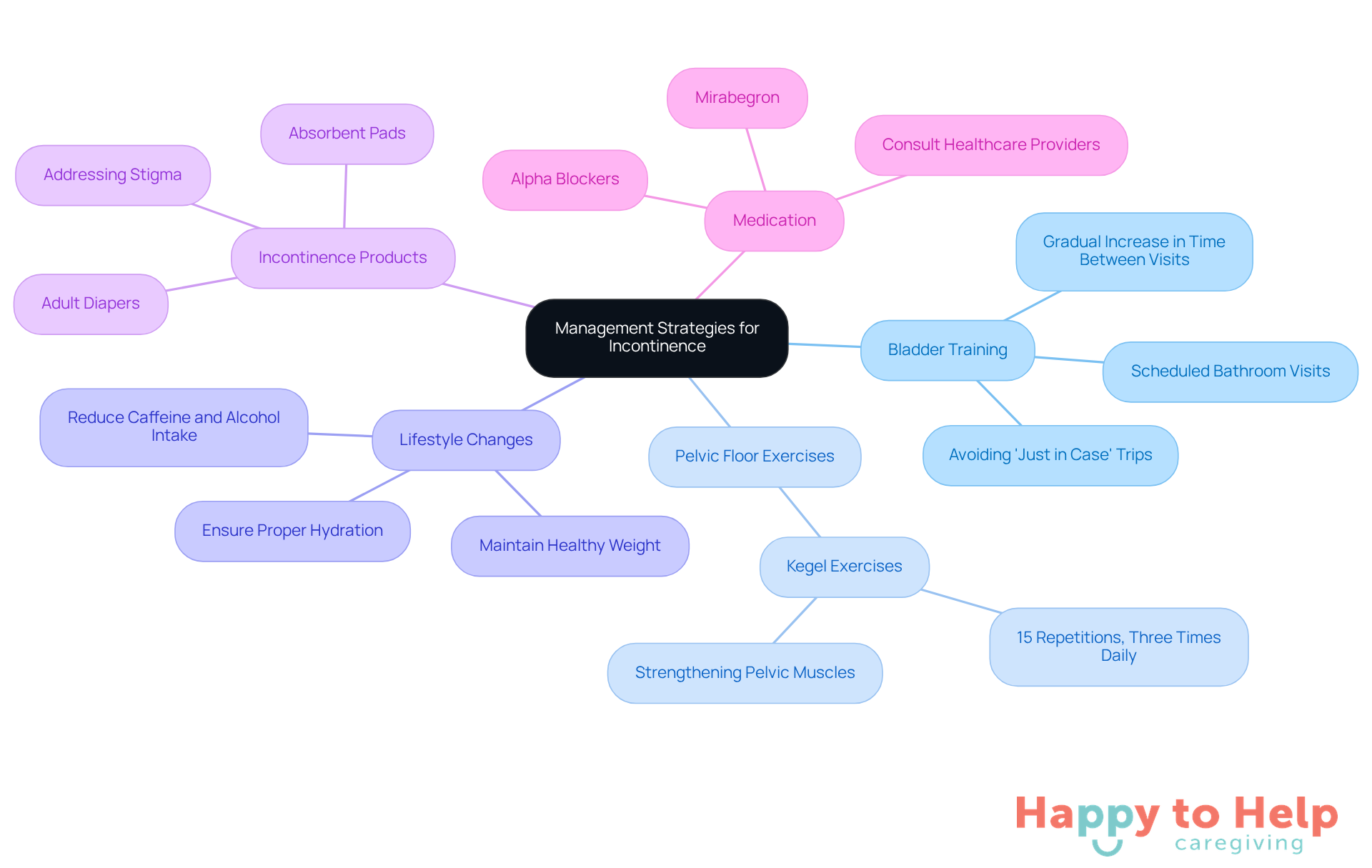
Bladder Training: Scheduled bathroom visits can help retrain the bladder. Gradually increasing the time between visits improves control, while avoiding trips to the toilet 'just in case' can reduce urgency and leakage. This technique fosters a more confident lifestyle.
-
Pelvic Floor Exercises: Kegel exercises are essential for strengthening pelvic muscles, which can significantly enhance urinary control. Performing 15 repetitions three times daily can lead to noticeable improvements in managing urinary issues.
-
Lifestyle Changes: Reducing caffeine and alcohol intake, maintaining a healthy weight, and ensuring proper hydration positively influence urinary health. These adjustments can help minimize irritants that worsen incontinence symptoms.
-
Incontinence Products: Absorbent pads or adult diapers offer discreet and comfortable management of leakage, enabling individuals to participate in daily activities without fear of embarrassment. It's crucial to recognize the stigma surrounding urinary control issues, as it can affect emotional well-being.
-
Medication: Consulting healthcare providers about medications can be advantageous. Options like alpha blockers and mirabegron can help relax bladder muscles and increase capacity, enhancing overall bladder function. Discussing these options with a healthcare team is vital for effective management.
By applying these strategies, caregivers can significantly improve the quality of life for older men dealing with incontinence in elderly men, fostering a sense of independence and self-assurance.
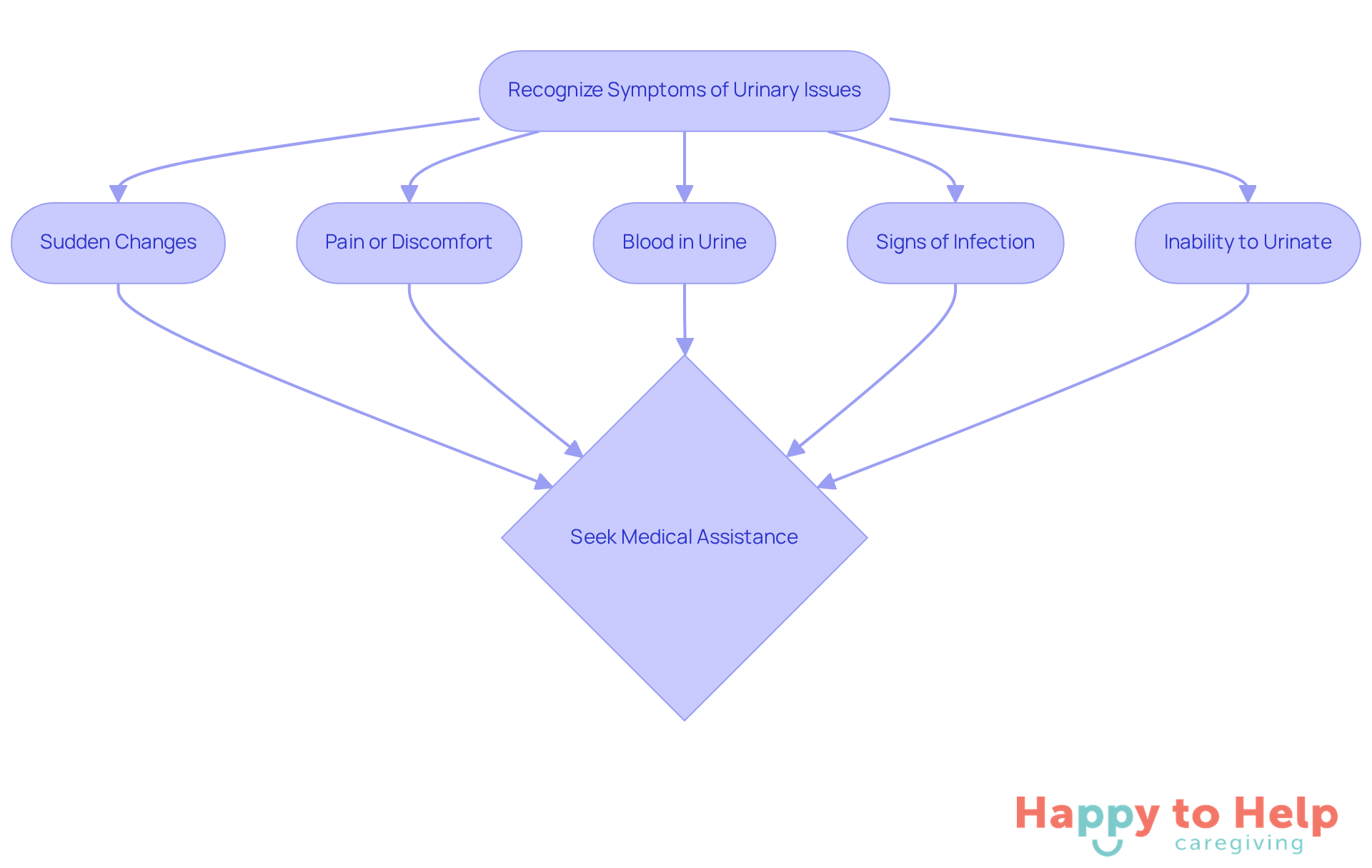
Recognize When to Seek Medical Assistance
Caregivers face a significant challenge when it comes to recognizing incontinence in elderly men. These problems can lead to serious health complications if not addressed promptly.
Key Indicators of Urinary Issues:
- Sudden Changes: An abrupt increase in incontinence episodes or alterations in urinary patterns can signal underlying issues.
- Pain or Discomfort: Experiencing pain during urination or discomfort in the lower abdomen warrants further investigation.
- Blood in Urine: The presence of blood is a serious concern and should prompt immediate medical evaluation.
- Signs of Infection: Symptoms such as fever, chills, or cloudy urine may indicate a bladder infection, which is common among elderly men and requires prompt treatment. Recent studies show that bladder infections impact approximately 20% of elderly men, highlighting the importance of identifying these symptoms quickly.
- Inability to Urinate: Complete inability to urinate is a medical emergency that necessitates immediate attention.
Recognizing these signs enables caregivers to act swiftly, ensuring that elderly men with incontinence receive the necessary medical care to address potential complications effectively. For instance, if a caregiver notices a sudden increase in incontinence, they should consult a healthcare professional to assess the situation and determine the appropriate course of action.
Incorporating insights from healthcare professionals, such as Dr. Jane Smith, who states, "Prompt recognition of urinary issues can significantly improve outcomes for elderly patients," reinforces the importance of vigilance in caregiving.
Taking the Next Steps
Incontinence in elderly men presents a significant challenge that demands understanding and compassion from caregivers. This condition, marked by the involuntary loss of urinary control, can severely affect an individual's quality of life. Recognizing the various types of incontinence and their underlying causes is essential for caregivers to provide tailored support that meets the specific needs of those affected.
The prevalence of incontinence among elderly men is concerning, with common causes including:
- Benign prostatic hyperplasia
- Neurological conditions
Effective management strategies, such as bladder training and lifestyle adjustments, can make a difference. It's crucial to seek medical assistance when symptoms worsen; timely intervention can prevent serious health complications.
Addressing incontinence is not merely about managing a physical condition; it’s about restoring dignity and enhancing quality of life. Caregivers play a vital role in advocating for their clients, promoting open discussions about urinary health, and exploring all available treatment options. By fostering an environment of understanding and support, caregivers empower elderly men to regain control over their lives and navigate this challenging aspect of aging with confidence.
https://iframe.tely.ai/cta/eyJhcnRpY2xlX2lkIjogIjY5MjEwYWI5OTg5YzVhYjIyMzRhZTU0OCIsICJjb21wYW55X2lkIjogIjY4ZWU1ZGNhNzMxNzYyNTU3ZjNjOTVjMSIsICJpbmRleCI6IG51bGwsICJ0eXBlIjogImFydGljbGUifQ==Frequently Asked Questions
What is incontinence in elderly men?
Incontinence in elderly men is characterized by the involuntary loss of urinary control, leading to unintentional urine leakage.
What are the different types of incontinence that can affect elderly men?
The types of incontinence that can affect elderly men include: - Urge urinary urgency: A sudden and strong need to urinate. - Stress urinary leakage: Leakage that occurs during physical activities that apply pressure on the bladder, such as coughing, sneezing, or exercising. - Overflow urinary issues: Occurs when the bladder cannot empty completely, resulting in frequent dribbling of urine.
How common is incontinence among elderly men?
Approximately 19% of community-dwelling elderly males are affected by incontinence, making it a significant issue. In the United States, urinary leakage impacts around 15 million adults.
Why is incontinence often underdiagnosed in elderly men?
Incontinence is often underdiagnosed because many individuals may feel embarrassed or believe it to be a normal part of aging.
What are some solutions for managing urinary issues in elderly men?
Real-world solutions include specialized products like the Male Urine Guard, which provides a clean and discreet alternative to traditional adult diapers, helping to restore dignity and comfort.
What is the economic impact of bladder control issues in the United States?
Bladder control issues cost nearly $26 billion annually in the United States, placing a strain on healthcare systems and families.
What barriers do elderly men face in seeking treatment for incontinence?
Barriers include feelings of embarrassment and the misconception that bladder control issues are a natural part of aging. Caregivers should be aware of these challenges to provide better support.
List of Sources
- Define Incontinence in Elderly Men
- (PDF) HRV EMG Biofeedback Therapy of Dysfunctional Urge to Urinate in OAB -Case Studies (https://researchgate.net/publication/379819692_HRV_EMG_Biofeedback_Therapy_of_Dysfunctional_Urge_to_Urinate_in_OAB_-Case_Studies)
- The Role of Geriatricians and Family Practitioners in the Treatment of Overactive Bladder and Incontinence - PMC (https://pmc.ncbi.nlm.nih.gov/articles/PMC1476021)
- Quotes about Incontinence (https://quote.org/topics/incontinence)
- Male Urine Guard and J Clamp Incontinence Product Case Studies | Jackson Medical Products, LLC (https://jacksonmedicalproducts.com/male_incontinence_products/case_studies.html)
- Identify Causes and Risk Factors
- Dr. Shaw and Dr. Hampson on understanding incontinence’s impact on men | Urology Times (https://urologytimes.com/view/dr-shaw-and-dr-hampson-on-understanding-incontinence-s-impact-on-men)
- Adult male stress and urge urinary incontinence – A review of pathophysiology and treatment strategies for voiding dysfunction in men (https://racgp.org.au/afp/2017/september/adult-male-stress-and-urge-urinary-incontinence)
- Male Urinary Incontinence: Prevalence, Risk Factors, and Preventive Interventions - PMC (https://pmc.ncbi.nlm.nih.gov/articles/PMC2777062)
- Implement Management Strategies
- Urinary incontinence treatment for men (https://mayoclinichealthsystem.org/hometown-health/speaking-of-health/treatment-options-for-men-with-urinary-leakage)
- What You Can Do to Remedy Urinary Incontinence | Patient Care (https://weillcornell.org/news/what-you-can-do-to-remedy-urinary-incontinence)
- Bladder training | Healthify (https://healthify.nz/health-a-z/b/bladder-training)
- Recognize When to Seek Medical Assistance
- Hints of a different way-case studies in practice-based evidence: Computerized protocols to assist clinical research (https://researchgate.net/publication/309054187_Hints_of_a_different_way-case_studies_in_practice-based_evidence_Computerized_protocols_to_assist_clinical_research)