The Importance of Indoor Hobbies: Benefits and Ideas
Indoor hobbies serve as a vital lifeline for seniors, offering not just entertainment but also a way to combat the pervasive feelings of isolation and boredom that often accompany aging. These feelings can lead to significant mental health challenges, making it crucial for caregivers to address them effectively.
Engaging in activities such as:
- arts and crafts
- reading
- gentle exercise
can significantly enhance mental well-being and foster social connections. However, caregivers face a challenge: how can they effectively introduce and sustain these hobbies to ensure seniors experience their full benefits?
To tackle this issue, caregivers can start by assessing the interests of the seniors in their care. Understanding what activities resonate with them is key. Once interests are identified, caregivers can introduce these hobbies gradually, ensuring that the seniors feel comfortable and engaged.
Additionally, creating a routine around these activities can help maintain consistency. For instance, setting aside specific times each week for arts and crafts or book club meetings can encourage participation and build anticipation.
Moreover, caregivers should consider incorporating social elements into these hobbies. Group activities can foster connections among seniors, reducing feelings of isolation. Whether it’s a painting class or a gentle yoga session, the social aspect can enhance the overall experience.
In summary, by understanding seniors' interests, establishing routines, and promoting social interactions, caregivers can effectively introduce and sustain indoor hobbies that enrich the lives of older adults.
Defining Indoor Hobbies for Seniors
Indoor hobbies for older adults often present a challenge, as many struggle to find engaging activities that can be enjoyed at home. This lack of stimulation can lead to feelings of isolation and decreased cognitive function.
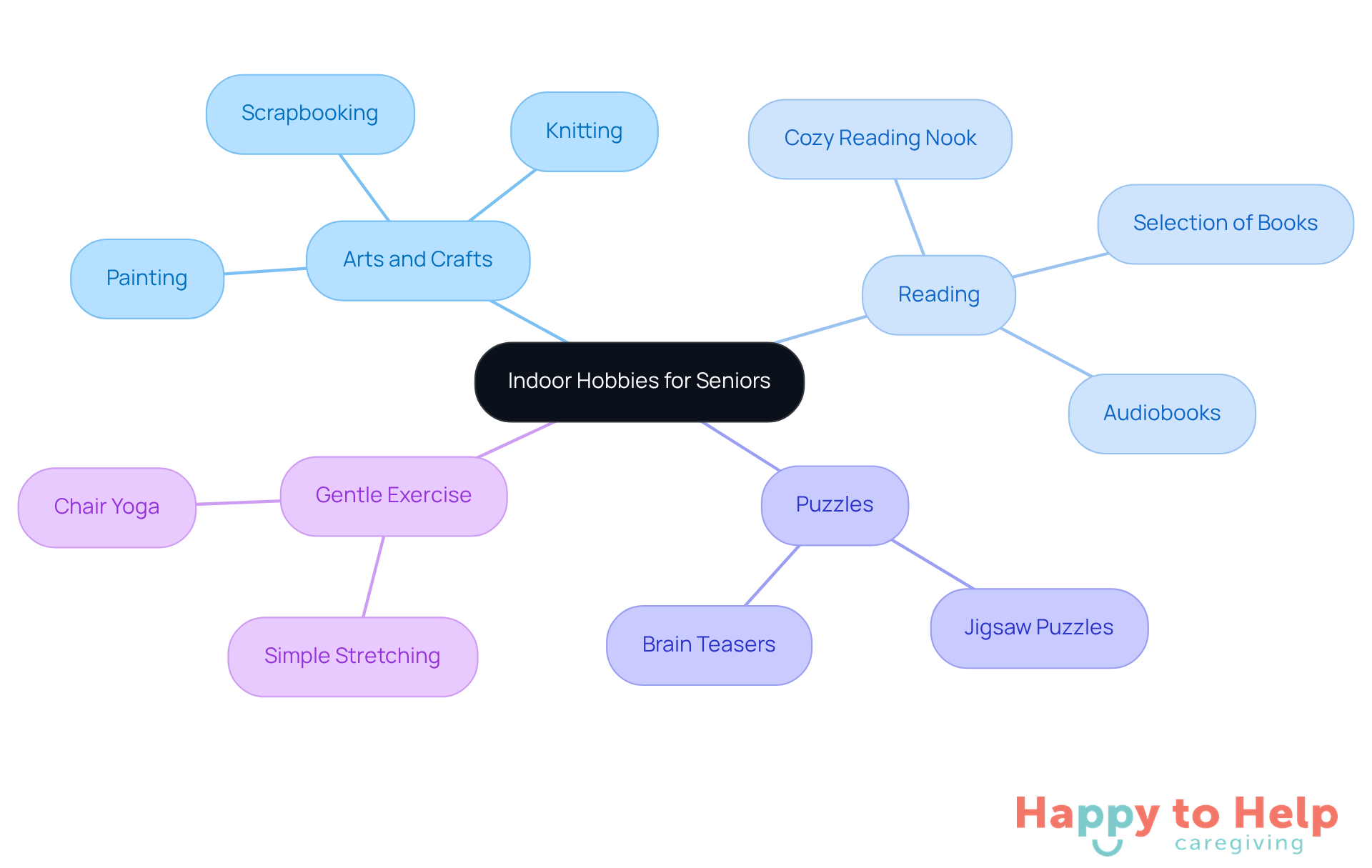
To address this issue, caregivers can introduce a variety of indoor hobbies that encourage involvement, creativity, and cognitive stimulation. Indoor hobbies can range from arts and crafts, reading, and puzzles to more active pursuits like indoor gardening or gentle exercise.
These activities can be tailored to accommodate different mobility levels and personal preferences, ensuring that older adults can participate comfortably and safely. By engaging in indoor hobbies, they can maintain a sense of purpose and joy in their daily lives.
Incorporating these activities not only enriches their experience but also fosters social connections and mental well-being. Here are some practical tips for caregivers:
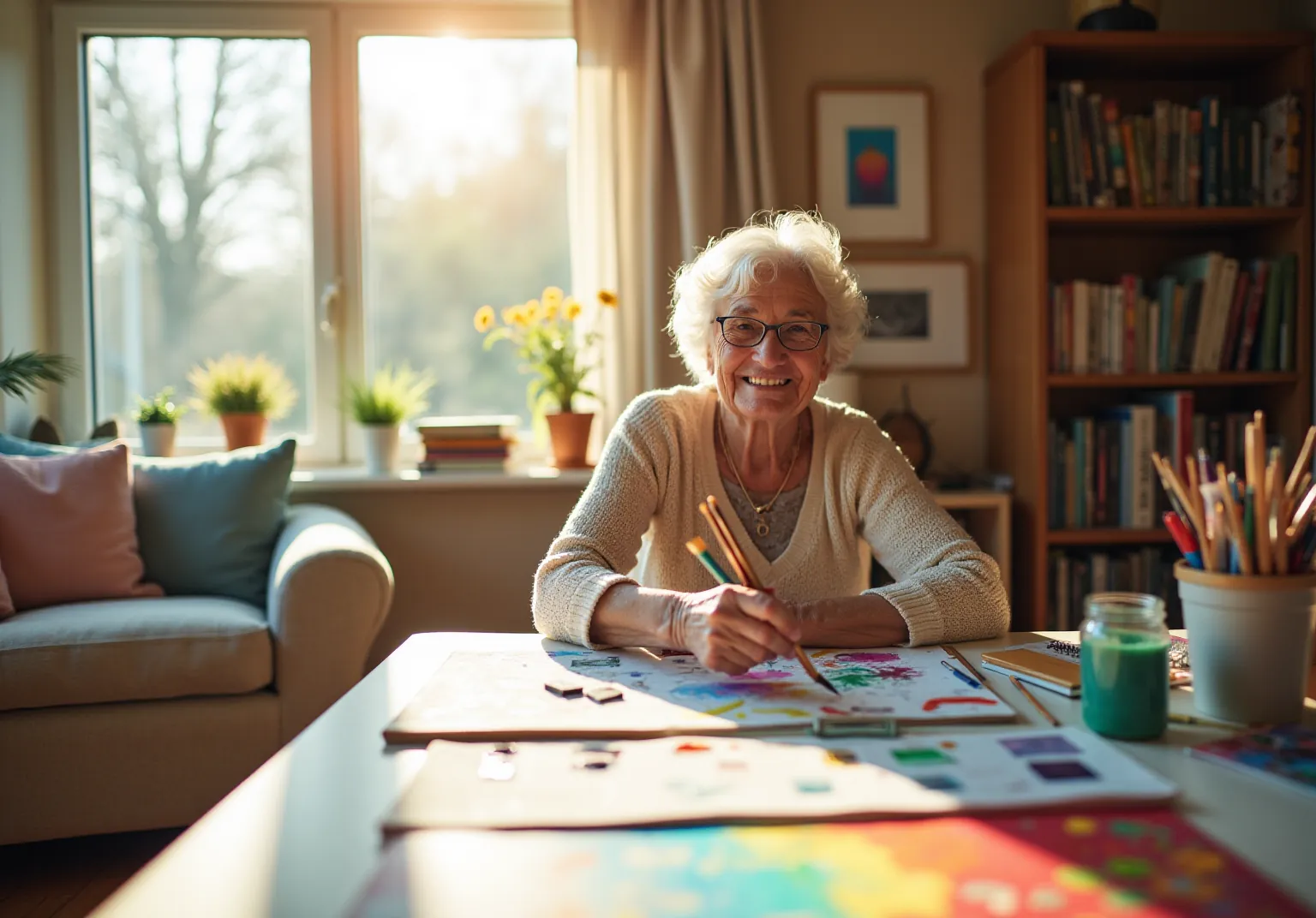
- Arts and Crafts: Encourage creativity through painting, knitting, or scrapbooking.
- Reading: Set up a cozy reading nook with a selection of books or audiobooks.
- Puzzles: Offer jigsaw puzzles or brain teasers to stimulate cognitive function.
- Gentle Exercise: Introduce simple stretching or chair yoga routines.
By implementing these solutions, caregivers can significantly enhance the quality of life for older adults, helping them to thrive in their home environment.
The Importance of Indoor Hobbies for Seniors
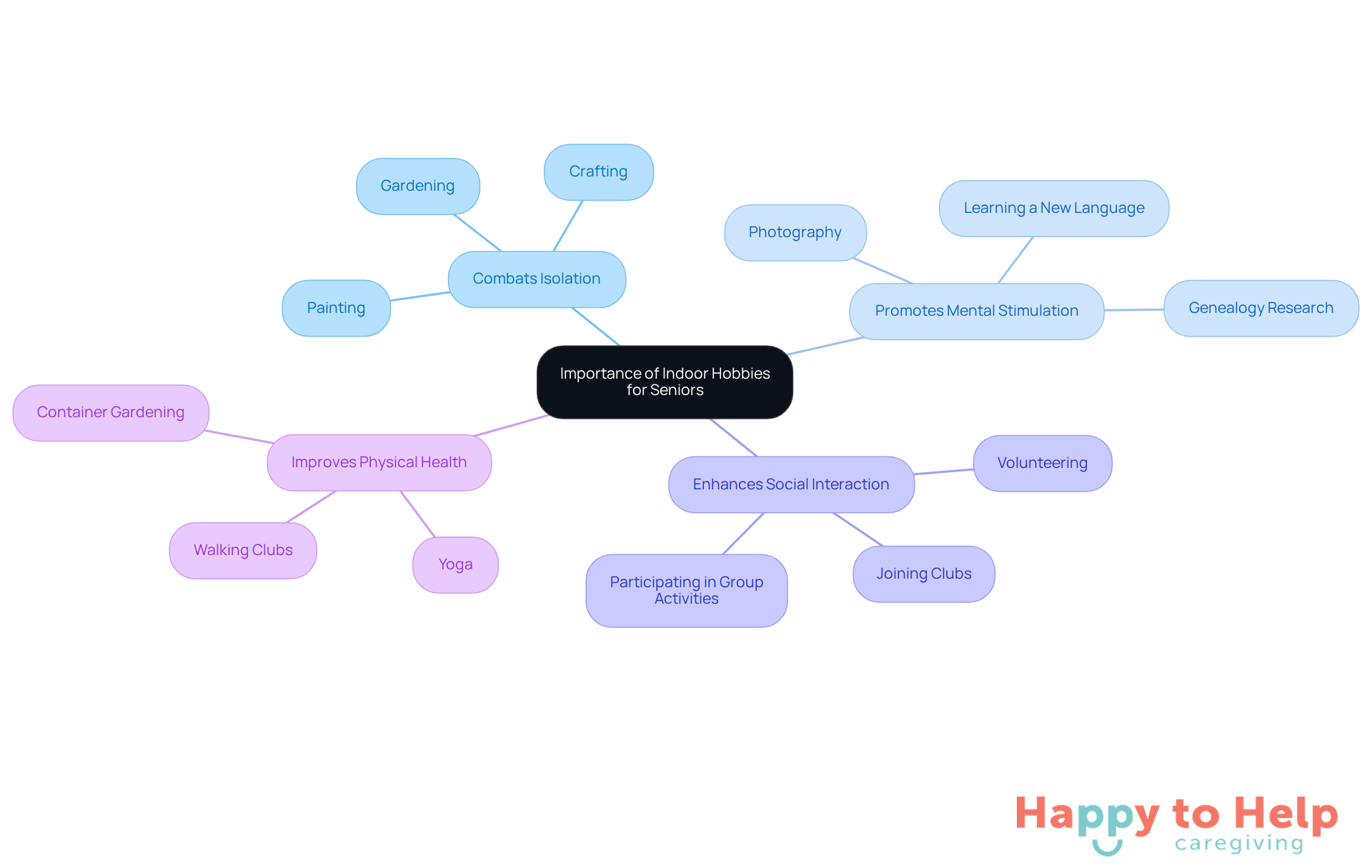
Indoor hobbies are crucial for seniors, as they help address the significant problem of isolation and boredom that many older adults face. These feelings can lead to detrimental effects on mental well-being, making it essential to find effective solutions.
Engaging in leisure pursuits not only combats loneliness but also promotes mental stimulation, emotional expression, and social interaction. Research shows that seniors who participate in activities report fewer depressive symptoms and greater happiness. Moreover, these activities can enhance cognitive function and improve physical health by encouraging movement and dexterity.
To combat isolation, seniors can immerse themselves in enjoyable indoor hobbies such as:
- Painting
- Gardening
- Crafting
These activities foster a sense of community and connection, whether through shared interests with family or group involvement. Gerontologists emphasize that social engagement through hobbies nurtures friendships and significantly reduces feelings of loneliness.
In summary, encouraging older adults to engage in indoor hobbies can lead to improved well-being. By providing opportunities for social interaction and mental engagement, caregivers can help seniors cultivate a fulfilling and connected life.
Benefits of Indoor Hobbies for Seniors
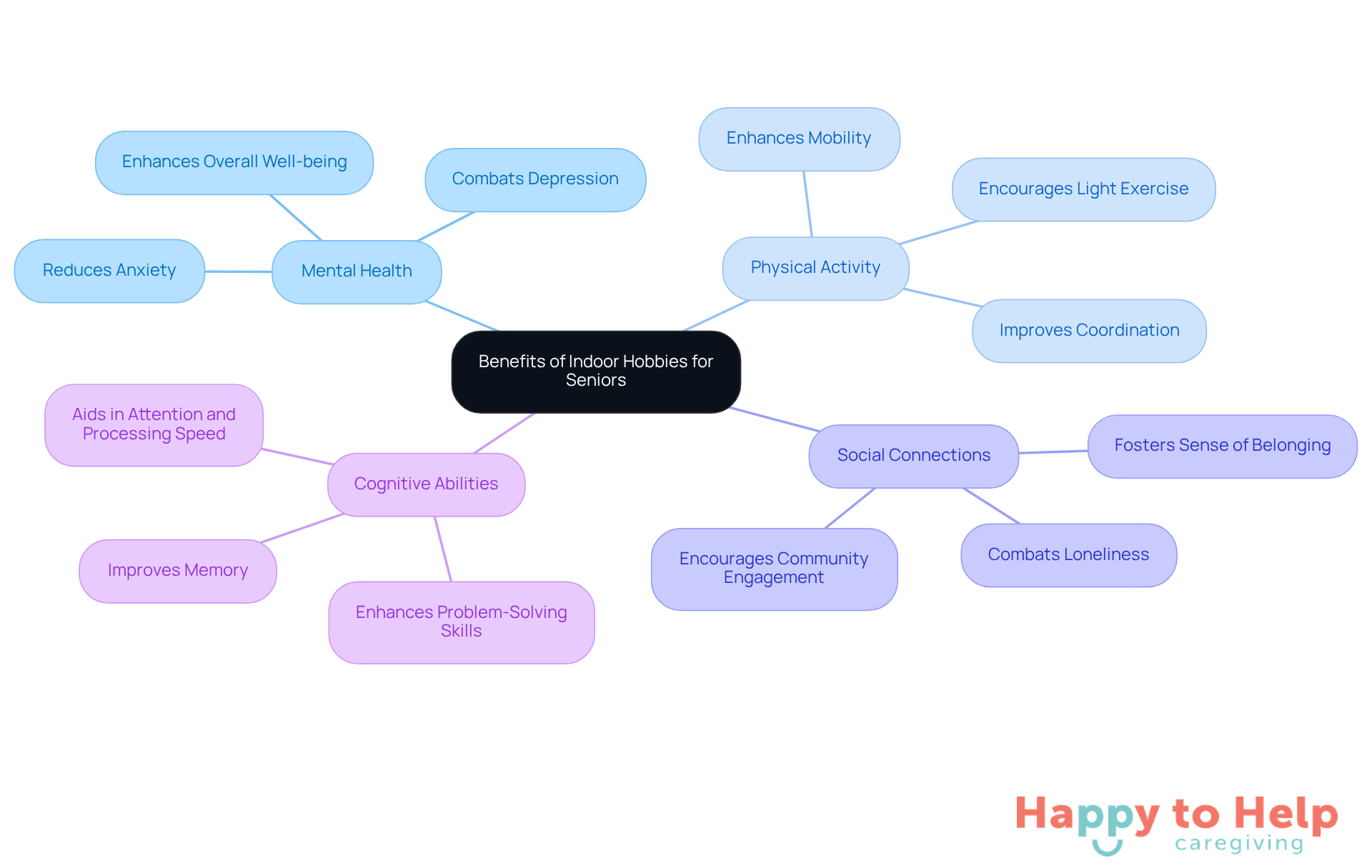
Indoor hobbies for seniors pose a significant challenge, as many older adults experience mental and physical decline due to inactivity. This issue can lead to heightened anxiety and depression, as well as feelings of loneliness. Engaging in enjoyable indoor hobbies can release endorphins, fostering a sense of achievement and improving overall well-being.
Research highlights the importance of creative activities, revealing that 71% of older individuals who frequently engage in such pursuits report 'very good' or 'excellent' mental health. This stark contrast underscores the need for caregivers to encourage participation in these activities. Moreover, indoor hobbies such as light exercise or gardening can enhance mobility and coordination, further combating the effects of aging.
Social connections are another crucial aspect. Shared interests or community groups can help seniors combat loneliness, fostering a sense of belonging. Additionally, engaging in indoor hobbies can enhance cognitive abilities, aiding memory and problem-solving skills, which are vital as one ages. Studies indicate that regular involvement in activities correlates with improved cognitive outcomes, with psychological well-being playing a mediating role in these benefits.
To support seniors, caregivers should incorporate enjoyable indoor hobbies into their daily routines. This not only enhances mental well-being but also promotes greater engagement in life. By prioritizing these pursuits, caregivers can significantly improve the quality of life for older adults.
Popular Indoor Hobbies for Seniors
Indoor hobbies are essential for enhancing the quality of life for older adults, providing both enjoyment and numerous benefits. However, many seniors face challenges in finding engaging activities that stimulate their minds and foster social connections. This lack of engagement can lead to feelings of isolation and decreased emotional wellness.
To address these challenges, caregivers can encourage participation in various indoor hobbies that not only provide enjoyment but also significantly contribute to a fulfilling and active lifestyle. Here are some popular options:
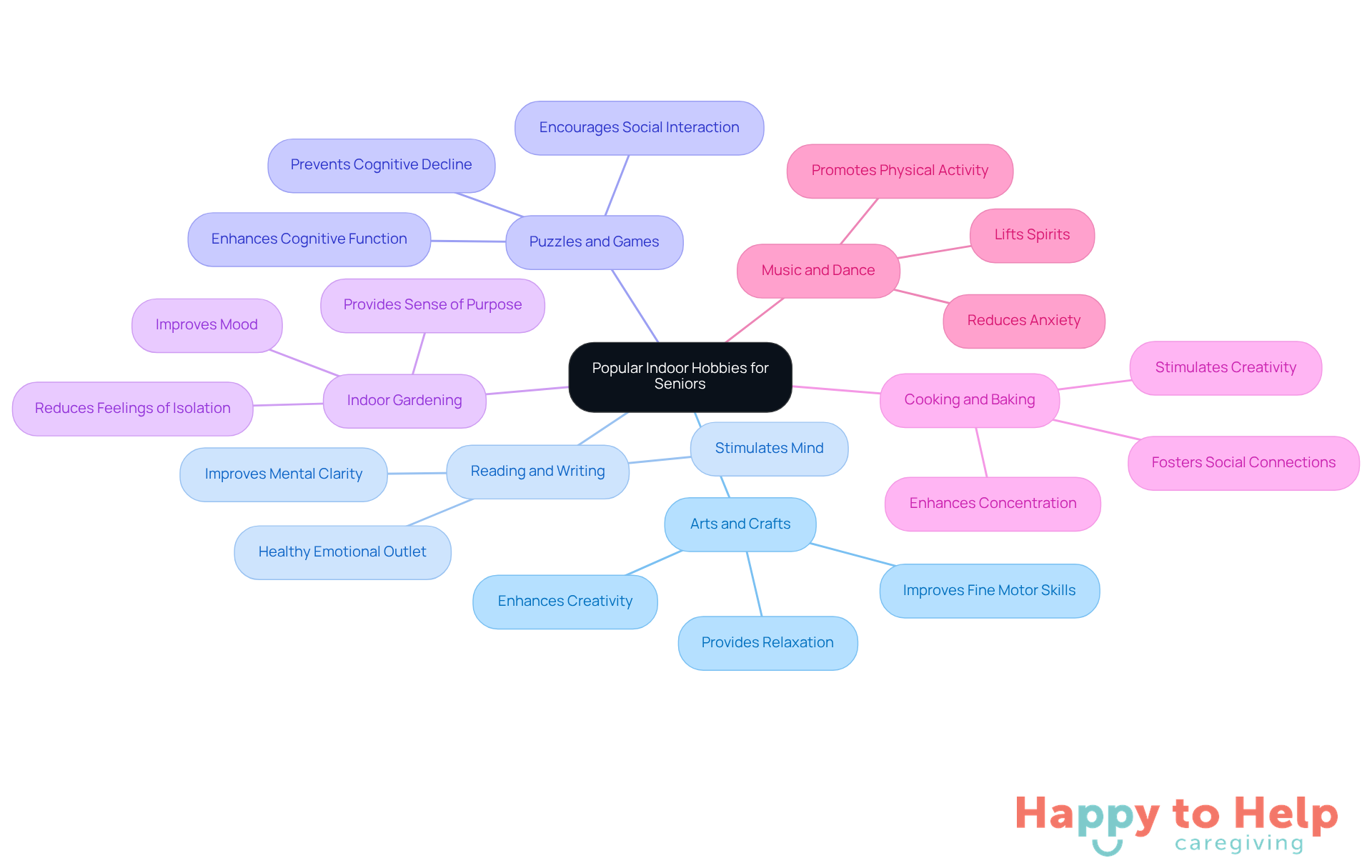
- Arts and Crafts: Engaging in activities such as painting, knitting, or scrapbooking fosters creative expression and fine motor skills. Adult coloring books, for instance, provide a calming outlet that enhances focus and concentration, allowing seniors to relax while expressing their creativity. Research shows that indoor hobbies can stimulate the brain and enhance memory, rendering them especially advantageous for emotional wellness.
- Reading and Writing: Immersing oneself in books or writing memoirs stimulates the mind and provides a sense of accomplishment. Journaling, in particular, serves as a healthy outlet for emotions, improving mental clarity and emotional health. A study indicates that older adults who participate in writing tasks report greater levels of satisfaction and cognitive involvement.
- Puzzles and Games: Board games, card games, and puzzles not only enhance cognitive function but also encourage social interaction. Research indicates that engaging in puzzles can enhance memory retention and assist in preventing cognitive decline, particularly for older adults with dementia or Alzheimer’s, making them a superb option for this demographic.
- Indoor Gardening: Caring for houseplants or starting a small herb garden brings joy and a sense of responsibility. This pursuit offers emotional and physical advantages, enhancing mood and giving a purpose, particularly for individuals who may have restricted outdoor access. Studies suggest that indoor gardening can enhance overall well-being and reduce feelings of isolation.
- Cooking and Baking: Experimenting with new recipes can be both fun and rewarding. Cooking stimulates creativity and enhances concentration and coordination, while baking allows seniors to share their creations with family and friends, fostering social connections. Engaging in indoor hobbies has been demonstrated to enhance cognitive function and offer a feeling of achievement.
- Music and Dance: Listening to music or participating in gentle dance activities can uplift spirits and promote physical activity. Learning to play a musical instrument engages both the mind and body, reducing anxiety and enhancing overall well-being. Research indicates that musical engagement can lead to improved emotional health and cognitive function.
By encouraging these hobbies, caregivers can help older adults not only find enjoyment but also promote emotional wellness and cognitive engagement.
Key Takeaways for Caregivers
Engaging in indoor hobbies is not merely a leisure activity for seniors; it addresses a significant problem: feelings of isolation that can adversely affect their mental, emotional, and physical well-being. Caregivers play a crucial role in combating this issue by introducing a variety of enjoyable pursuits that enhance the quality of life for older adults. These hobbies act as a bridge to creativity, social interaction, and cognitive stimulation, allowing seniors to thrive in their home environments.
The implications of neglecting indoor hobbies are profound. Without these activities, seniors may experience increased loneliness, diminished cognitive function, and a decline in emotional health. From arts and crafts to gardening and puzzles, each hobby offers unique benefits tailored to different interests and abilities. Encouraging participation in these activities not only enriches seniors' lives but also strengthens their connections with family and friends, fostering a supportive community around them.
To address this challenge, caregivers and loved ones must prioritize indoor hobbies as a vital component of senior care. By actively promoting these activities, they can significantly enhance the overall well-being of older adults. Recognizing the profound impact that engaging in enjoyable pursuits can have is essential-not only for mental health but also for fostering a sense of purpose and connection in seniors' lives. Embracing these hobbies leads to a more fulfilling, vibrant, and connected life for older adults.
https://iframe.tely.ai/cta/eyJhcnRpY2xlX2lkIjogIjY5MjBmZDQwYzQ4NjU1NjRkNDliYzY5YyIsICJjb21wYW55X2lkIjogIjY4ZWU1ZGNhNzMxNzYyNTU3ZjNjOTVjMSIsICJpbmRleCI6IG51bGwsICJ0eXBlIjogImFydGljbGUifQ==Frequently Asked Questions
What are indoor hobbies for seniors?
Indoor hobbies for seniors are engaging activities that older adults can enjoy at home, which help combat feelings of isolation and promote cognitive function.
Why are indoor hobbies important for older adults?
Indoor hobbies are important because they provide stimulation, a sense of purpose, and joy in daily life, while also fostering social connections and mental well-being.
What types of indoor hobbies can caregivers introduce?
Caregivers can introduce a variety of indoor hobbies including arts and crafts, reading, puzzles, indoor gardening, and gentle exercise.
How can indoor hobbies be tailored for seniors?
Indoor hobbies can be tailored to accommodate different mobility levels and personal preferences, ensuring that activities are comfortable and safe for older adults.
What are some examples of arts and crafts activities for seniors?
Examples of arts and crafts activities include painting, knitting, and scrapbooking.
How can reading be incorporated as a hobby for seniors?
Reading can be incorporated by setting up a cozy reading nook with a selection of books or audiobooks.
What types of puzzles are beneficial for older adults?
Jigsaw puzzles and brain teasers are beneficial as they stimulate cognitive function.
What gentle exercise options are suitable for seniors?
Simple stretching or chair yoga routines are suitable gentle exercise options for seniors.
How can caregivers enhance the quality of life for older adults through hobbies?
By implementing various indoor hobbies, caregivers can significantly enhance the quality of life for older adults, helping them thrive in their home environment.
List of Sources
- The Importance of Indoor Hobbies for Seniors
- Hobbies protect older people from age-related decline in mental health and wellbeing - NAMI North Carolina (https://naminc.org/hobbies-protect-older-people-from-age-related-decline-in-mental-health-and-wellbeing-2)
- 50 Quotes About Mental Health - Embrace Health (https://embracehealth.com/blog/50-quotes-about-mental-health)
- Pursuing Interests & Hobbies as Older Adults - SRG Senior Living (https://srgseniorliving.com/blog/pursuing-interests-hobbies-as-older-adults-srg-senior-living)
- Hobby engagement and mental wellbeing among people aged 65 years and older in 16 countries - PMC (https://pmc.ncbi.nlm.nih.gov/articles/PMC10504079)
- Why Hobbies are Good for Senior Health | Amada Blog (https://amadaseniorcare.com/2024/01/why-hobbies-are-good-for-senior-health)
- Benefits of Indoor Hobbies for Seniors
- Engaging in hobbies boosts mental well-being for seniors, study finds (https://news-medical.net/news/20230913/Engaging-in-hobbies-boosts-mental-well-being-for-seniors-study-finds.aspx)
- Hobbies protect older people from age-related decline in mental health and wellbeing (https://news-medical.net/news/20230911/Hobbies-protect-older-people-from-age-related-decline-in-mental-health-and-wellbeing.aspx)
- 3 proven health benefits of having a hobby (https://uclahealth.org/news/article/3-proven-health-benefits-having-hobby)
- Positive association between hobby participation and objective and subjective cognition among adults aged 50 years and over in 24 countries (https://sciencedirect.com/science/article/abs/pii/S0277953625008184)
- Popular Indoor Hobbies for Seniors
- 10 Popular Creative Hobbies For Seniors Living At Home (https://incredicare.com/the-10-most-popular-creative-hobbies-for-seniors-living-at-home)
- 15 Good Quotes for Seniors That Will Brighten Your Day in 2025 (https://arhomecare.com/15-good-quotes-for-seniors-that-will-brighten-your-day-in-2025)