
For families in our service areas
For families in our service areas, this guide explains caregiving and how non-medical in-home caregiving can support care planning in East Idaho, Treasure Valley & Magic Valley, Northern Wasatch, North Central West Virginia, and Northeast Ohio.
Understanding Leg Pain in Elderly Women: Causes,
Understanding leg pain in elderly women is crucial, as it impacts a significant portion of this demographic and can severely hinder mobility and independence. Nearly 50% of older adults report discomfort in their lower limbs, which can lead to serious health complications and a diminished quality of life if left untreated.
Caregivers face the challenge of recognizing and managing this pervasive issue. The implications of untreated leg pain can be profound, affecting not only physical health but also emotional well-being. To ensure that elderly women maintain their well-being and autonomy, caregivers can employ several strategies.
Strategies for Caregivers:
- Regular Assessments: Conduct routine evaluations of leg pain to identify changes in condition.
- Encourage Mobility: Promote gentle exercises that enhance strength and flexibility.
- Pain Management Techniques: Utilize both pharmacological and non-pharmacological methods to alleviate discomfort.
By implementing these strategies, caregivers can help elderly women navigate the challenges of leg pain, ultimately supporting their independence and improving their quality of life.
Define Leg Pain and Its Relevance to Elderly Women
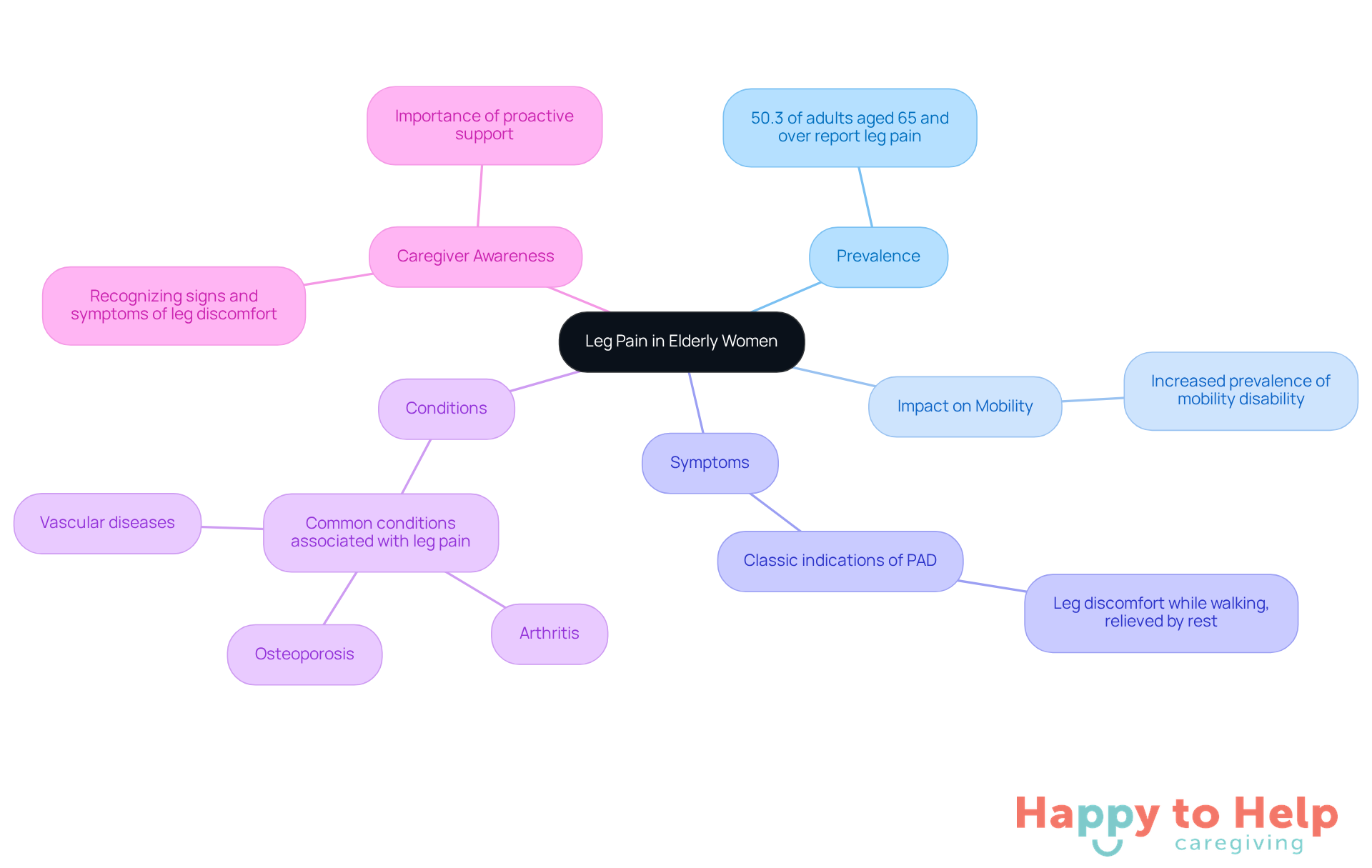
Leg pain in elderly women is a significant issue, encompassing any unease or soreness in the legs, from mild aches to intense distress. This problem is particularly relevant due to the increased prevalence of conditions such as arthritis, osteoporosis, and vascular diseases in this demographic. Research shows that about 50.3% of adults aged 65 and over report discomfort in their lower limbs, with leg pain in elderly women occurring at even higher rates.
Understanding leg pain in elderly women is crucial, as it can severely impact mobility, independence, and overall quality of life. Older adults experiencing leg pain in elderly women face a significantly greater prevalence of mobility disability compared to those without it. This highlights the critical connection between mobility challenges and leg pain in elderly women.
Caregivers and family members must recognize the signs and symptoms of leg discomfort. One classic indication is peripheral artery disease (PAD), characterized by leg discomfort that occurs while walking and is relieved by rest. Being aware of these symptoms enables caregivers to provide appropriate support and care. Untreated PAD can lead to serious complications, including an increased risk of heart attack and stroke.
Additionally, socioeconomic factors can influence the occurrence of leg pain in elderly women, making it essential for caregivers to understand the broader context surrounding this issue. By staying informed and proactive, caregivers can better assist their loved ones in managing leg discomfort effectively.
Explore Causes of Leg Pain in Elderly Women
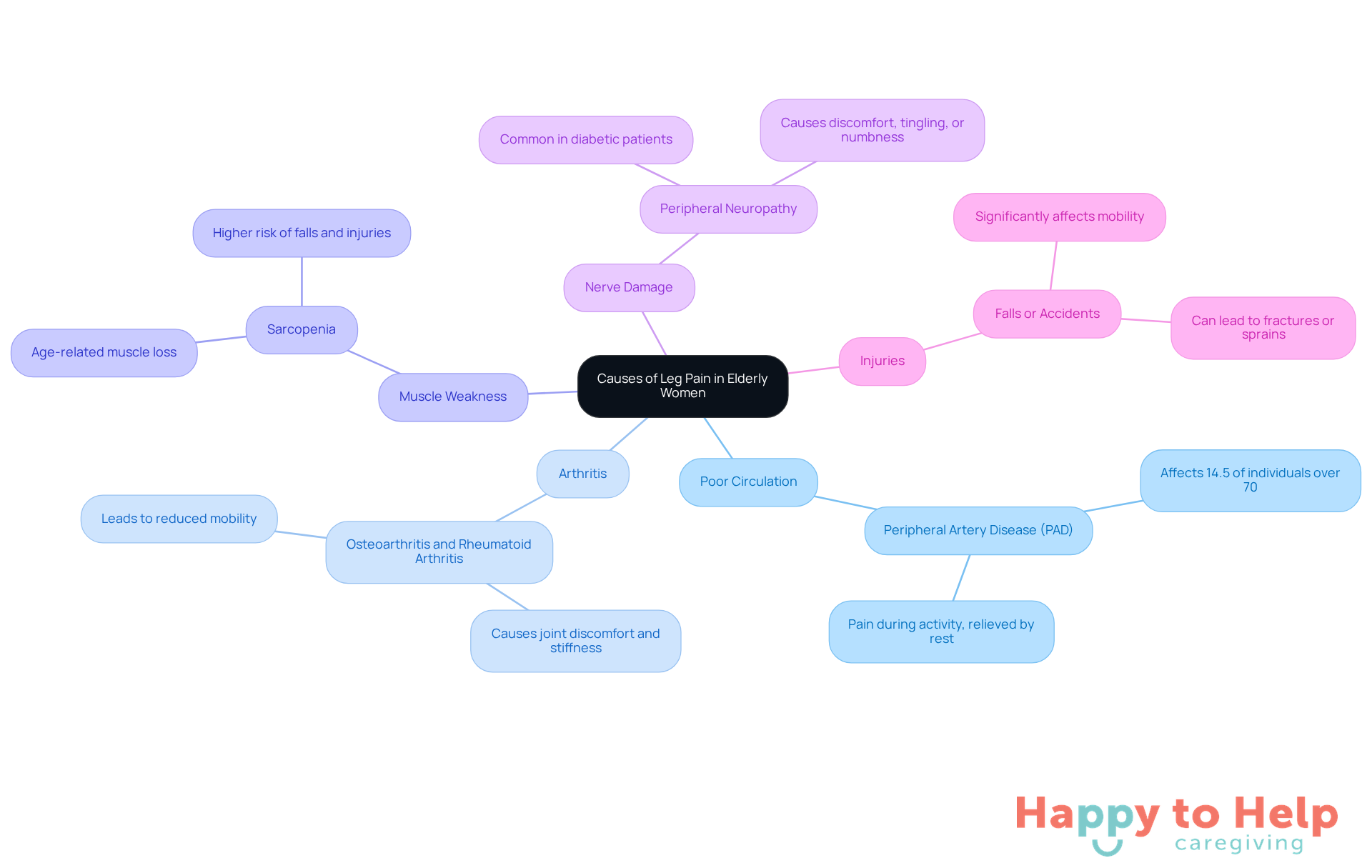
Leg pain in elderly women presents a significant problem, often stemming from various causes that contribute to unease and mobility challenges. Understanding the causes of leg pain in elderly women is crucial for effective management and treatment.
-
Poor Circulation: Conditions like Peripheral Artery Disease (PAD) significantly restrict blood flow, often leading to pain during physical activity. The typical indication of PAD is leg pain in elderly women that occurs while walking and is alleviated by rest. This condition is particularly prevalent among older adults, with studies indicating that approximately 14.5% of individuals over 70 years old are affected.
-
Arthritis: Arthritis, such as osteoarthritis and rheumatoid arthritis, is prevalent among older adults and can cause joint discomfort and stiffness, contributing to leg pain in elderly women. These conditions often lead to reduced mobility and increased reliance on caregivers for daily activities.
-
Muscle Weakness: Age-related muscle loss, known as sarcopenia, can result in weakness and discomfort in the lower limbs. This decline in muscle mass is associated with a higher risk of falls and injuries, which can complicate mobility further and contribute to leg pain in elderly women.
-
Nerve Damage: Conditions such as diabetes can lead to peripheral neuropathy, resulting in discomfort, tingling, or numbness in the legs. Diabetic patients face a significantly higher risk for PAD-related complications, emphasizing the need for proactive management of blood sugar levels.
-
Injuries: Falls or accidents can lead to sharp discomfort from fractures or sprains, which are frequent among older individuals. These injuries can lead to leg pain in elderly women, significantly affecting their mobility and overall quality of life.
To address these challenges, caregivers should prioritize early diagnosis and intervention, particularly for conditions like PAD, which can lead to severe complications if left untreated. Regular check-ups and open communication with healthcare professionals can help in recognizing symptoms early, ensuring timely care and support. By staying informed and proactive, caregivers can significantly enhance the quality of life for elderly women suffering from leg pain.
Identify Symptoms of Leg Pain in Elderly Women
Leg pain in elderly women can manifest in various ways, making it crucial to recognize these symptoms for timely intervention.
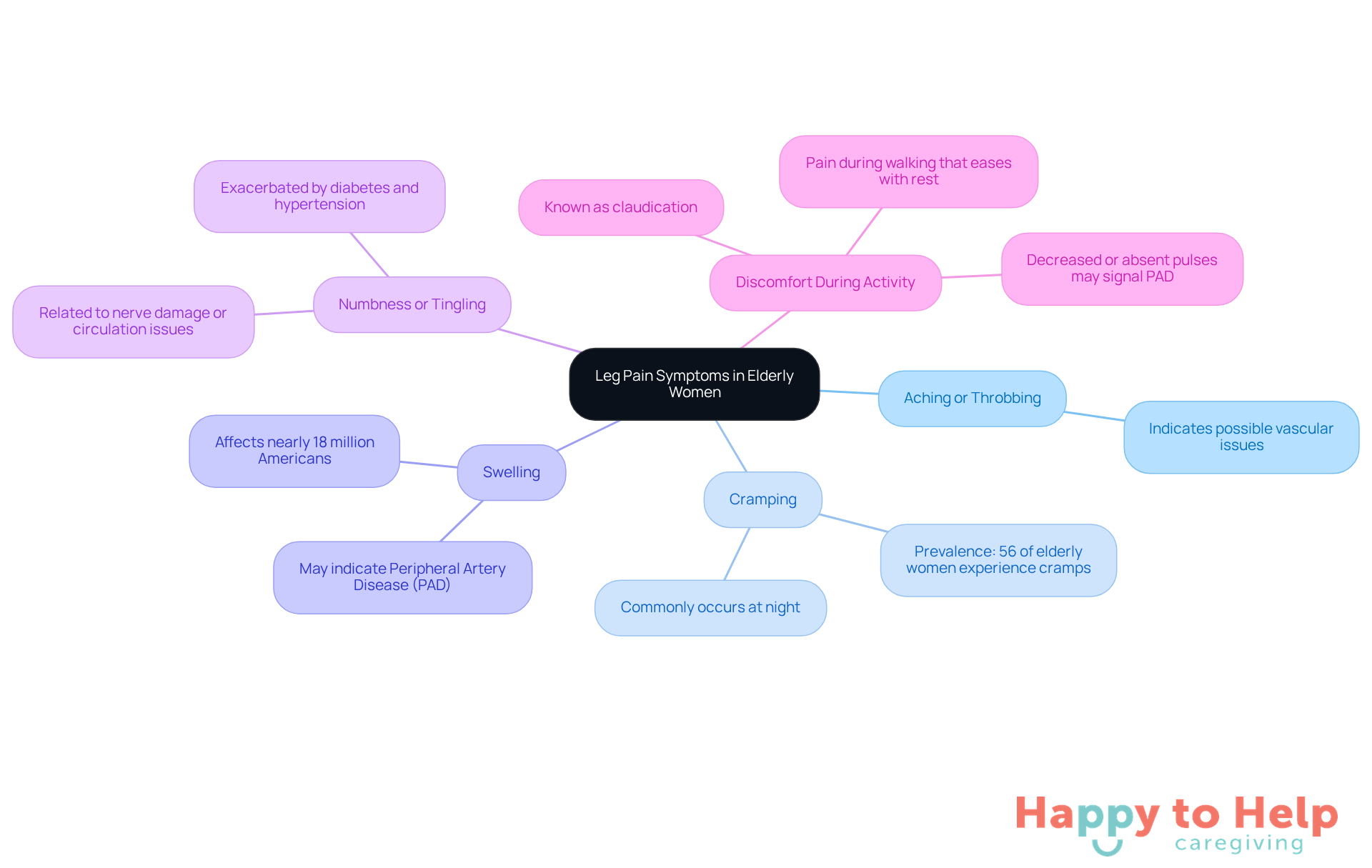
Problem: Common symptoms include:
- Aching or Throbbing: This persistent discomfort often worsens with physical activity, indicating possible vascular issues.
- Cramping: Sudden, involuntary muscle contractions, especially at night, are common among older adults. Studies show that up to 56% of elderly women experience leg pain, often presenting as muscle cramps.
- Swelling: Inflammation in the legs may point to underlying vascular problems, such as Peripheral Artery Disease (PAD), which affects nearly 18 million Americans and can lead to serious complications if untreated.
- Numbness or Tingling: These sensations often relate to nerve damage or circulation issues, exacerbated by conditions like diabetes and hypertension, with 41% of patients in a study suffering from hypertension.
- Discomfort During Activity: Known as claudication, this symptom involves pain during walking that typically eases with rest, serving as a classic indicator of PAD. Decreased or absent pulses in the feet may also signal PAD, underscoring the severity of these symptoms.
Recognizing these signs of leg pain in elderly women is vital for prompt diagnosis and care, which can significantly enhance their quality of life and help prevent further complications.
Solution: Lifestyle changes and proactive management of PAD can lead to better outcomes. Caregivers should prioritize timely intervention and consider consulting healthcare professionals for tailored strategies to manage these symptoms effectively.
Discuss Treatment Options for Leg Pain Management
Leg pain in elderly women is a common issue that significantly impacts their quality of life. Approximately 65% of older adults report chronic discomfort that affects their daily activities. This discomfort can stem from various conditions, making effective management essential for maintaining independence and well-being.
Agitate: The implications of untreated leg pain can be severe. It not only limits mobility but also affects mental health and overall quality of life. Caregivers face the challenge of finding effective strategies to alleviate this discomfort, which can be overwhelming given the multitude of treatment options available.
A multifaceted approach is crucial for effectively managing leg pain in elderly women. Here are key strategies caregivers can implement:
-
Medication: Over-the-counter pain relievers like acetaminophen and NSAIDs can help alleviate pain. For chronic conditions, prescription medications may be necessary. As Dr. Elizabeth Ko states, "A management strategy necessitates a personalized approach that takes into account your preferences and distinct medical requirements."
-
Physical Therapy: Customized physical therapy programs have shown significant effectiveness in reducing leg discomfort. Research indicates that higher levels of active physical therapy correlate with clinically significant improvements in discomfort levels, with a study showing a p-value of <0.001 for reduced leg discomfort intensity.
-
Lifestyle Modifications: Encouraging regular physical activity, maintaining a healthy weight, and ensuring adequate hydration can greatly influence leg health. These changes not only help manage discomfort but also enhance overall well-being.
-
Alternative Therapies: Techniques such as acupuncture and massage therapy can provide additional relief. Acupuncture may stimulate the central nervous system to reduce discomfort, while massage therapy enhances blood circulation and soothes the nervous system, benefiting conditions like osteoarthritis and fibromyalgia. Gene Gresh, a compounding pharmacist, notes, "Pain is typically rooted in several different pathways; to treat it, you need to treat those different pathways."
-
Surgical Options: In severe cases, surgical interventions may be necessary to address underlying issues like varicose veins or joint problems. These procedures can significantly enhance mobility and lessen discomfort.
By exploring these diverse treatment options, caregivers can empower elderly women to manage leg pain effectively, fostering independence and enhancing their quality of life.
Taking the Next Steps
Leg pain in elderly women presents a significant challenge that affects their overall well-being and mobility. This condition can stem from various causes, including:
- Poor circulation
- Arthritis
- Muscle weakness
- Nerve damage
- Injuries
Caregivers must recognize the critical symptoms to monitor, such as:
- Aching
- Cramping
- Swelling
- Discomfort during activity
By identifying these signs early, timely intervention can be initiated, preventing further complications and enhancing the health of elderly women.
To effectively manage leg pain, caregivers should adopt a proactive and multifaceted approach. Exploring treatment options like:
- Medication
- Physical therapy
- Lifestyle modifications
- Alternative therapies
can empower elderly women to manage their discomfort. These steps not only alleviate pain but also foster a greater sense of independence, ultimately enhancing their quality of life. Addressing leg pain is about more than just comfort; it’s about preserving dignity and promoting a healthier, more active lifestyle for elderly women.
https://iframe.tely.ai/cta/eyJhcnRpY2xlX2lkIjogIjY5MjBmZDNmYzQ4NjU1NjRkNDliYzY5YiIsICJjb21wYW55X2lkIjogIjY4ZWU1ZGNhNzMxNzYyNTU3ZjNjOTVjMSIsICJpbmRleCI6IG51bGwsICJ0eXBlIjogImFydGljbGUifQ==Frequently Asked Questions
What is leg pain and why is it significant for elderly women?
Leg pain refers to any discomfort or soreness in the legs, ranging from mild aches to intense distress. It is significant for elderly women due to a higher prevalence of conditions like arthritis, osteoporosis, and vascular diseases in this demographic.
How common is leg pain among elderly women?
Research indicates that about 50.3% of adults aged 65 and over report discomfort in their lower limbs, with leg pain occurring at even higher rates in elderly women.
What impact does leg pain have on elderly women's mobility and quality of life?
Leg pain can severely affect mobility, independence, and overall quality of life. Older adults with leg pain face a significantly greater prevalence of mobility disability compared to those without it.
What are some signs and symptoms of leg discomfort that caregivers should recognize?
One classic indication of leg discomfort is peripheral artery disease (PAD), which is characterized by leg pain that occurs while walking and is relieved by rest. Recognizing these symptoms is essential for caregivers to provide appropriate support.
What are the potential complications of untreated leg pain, specifically related to PAD?
Untreated PAD can lead to serious complications, including an increased risk of heart attack and stroke.
How can socioeconomic factors influence leg pain in elderly women?
Socioeconomic factors can affect the occurrence of leg pain in elderly women, making it important for caregivers to understand the broader context of this issue to provide better support.
List of Sources
- Define Leg Pain and Its Relevance to Elderly Women
- Is Leg Pain a Normal Sign of Aging? (https://usavascularcenters.com/blog/leg-pain-in-older-adults)
- Prevalence and Impact of Pain among Older Adults in the United States: Findings from the 2011 National Health and Aging Trends Study - PMC (https://pmc.ncbi.nlm.nih.gov/articles/PMC3843850)
- Products - Data Briefs - Number 415 - July 2021 (https://cdc.gov/nchs/products/databriefs/db415.htm)
- Is your leg pain actually PAD? Watch for these warning signs (https://heart.org/en/news/2025/09/30/is-your-leg-pain-actually-pad-watch-for-these-warning-signs)
- Explore Causes of Leg Pain in Elderly Women
- Is your leg pain actually PAD? Watch for these warning signs (https://heart.org/en/news/2025/09/30/is-your-leg-pain-actually-pad-watch-for-these-warning-signs)
- Silent disease could be a ticking time bomb for your legs — beware these red flags (https://nypost.com/2025/09/24/health/silent-disease-could-be-a-ticking-time-bomb-for-your-legs)
- Prevalence of Peripheral Arterial Disease and Principal Associated Risk Factors in Patients with Type 2 Diabetes Mellitus: The IDON-Peripheral Arterial Disease Study (https://mdpi.com/2673-4540/5/2/15)
- Vascular surgeon warns chronic leg pain and numbness can be a sign of blocked arteries, shares 6 symptoms of PAD (https://hindustantimes.com/lifestyle/health/vascular-surgeon-warns-chronic-leg-pain-and-numbness-can-be-a-sign-of-blocked-arteries-shares-6-symptoms-of-pad-101759906830569.html)
- Frontiers | Prevalence, incidence, and re-occurrence risk of musculoskeletal pain in older adults in the United Kingdom: a population-based study (https://frontiersin.org/journals/pain-research/articles/10.3389/fpain.2023.1197810/full)
- Identify Symptoms of Leg Pain in Elderly Women
- Is your leg pain actually PAD? Watch for these warning signs (https://heart.org/en/news/2025/09/30/is-your-leg-pain-actually-pad-watch-for-these-warning-signs)
- Frontiers | Prevalence, incidence, and re-occurrence risk of musculoskeletal pain in older adults in the United Kingdom: a population-based study (https://frontiersin.org/journals/pain-research/articles/10.3389/fpain.2023.1197810/full)
- Don’t Ignore Leg Pain—Early PAD Screening Saves Lives (https://cvhealthclinic.com/news/early-detection-saves-limbs-the-importance-of-pad-screening)
- (PDF) 9. Prevalence of Muscle Cramps in Elderly Women (https://researchgate.net/publication/344465463\_9\_Prevalence\_of\_Muscle\_Cramps\_in\_Elderly\_Women)
- About Peripheral Arterial Disease (PAD) (https://cdc.gov/heart-disease/about/peripheral-arterial-disease.html)
- Discuss Treatment Options for Leg Pain Management
- 5 alternative treatments for chronic pain (https://uclahealth.org/news/article/5-alternative-treatments-chronic-pain)
- 8 Expert Quotes on Pain and What to Do About It (https://thefeelgoodlab.com/blogs/the-lab/8-expert-quotes-on-pain-and-what-to-do-about-it?srsltid=AfmBOop2-RuBdAGPPbvgRsa\_idxpt90zrIwkCShNdpul3unWv52qhxLC)
- 22 Quotes About Living With Chronic Pain for 2022 | Lin Health (https://lin.health/insights/living-with-chronic-pain-quotes)
- Chronic Pain Quotes | MoreGoodDays Pain-management Program (https://moregooddays.com/post/chronic-pain-quotes)
- Patient-Reported Outcomes Associated With Use of Physical Therapist Services by Older Adults With a New Visit for Back Pain - PMC (https://pmc.ncbi.nlm.nih.gov/articles/PMC5396148)