

For families in our service areas
For families in our service areas, this guide explains caregiver support and how non-medical in-home caregiving can support care planning in East Idaho, Treasure Valley & Magic Valley, Northern Wasatch, North Central West Virginia, and Northeast Ohio.
Quick Guide to Live-In Caregiver Definition and
The article defines a live-in caregiver as a dedicated professional who resides in the home of the individual they assist. This role is not just about providing physical support; it encompasses emotional and practical care as well. Families often face emotional challenges, and having a caregiver available 24/7 can significantly ease their stress. The presence of a caregiver ensures personalized assistance, which is crucial for the emotional well-being of clients.
With the increasing demand for such caregivers amid an aging population, it’s important to recognize the invaluable support they provide. These compassionate professionals help families navigate the complexities of care, allowing them to focus on what truly matters—their loved ones. The nurturing nature of live-in caregivers addresses not only the physical needs but also the emotional aspects of care, fostering a sense of security and comfort.
In this way, live-in caregivers play a vital role in enhancing the quality of life for both clients and their families. Their unwavering support helps alleviate feelings of stress and burnout, offering a reassuring presence that makes a significant difference in everyday life.
Why Live-In Caregiver Definition and Matters
The growing demand for personalized care solutions underscores the vital role of live-in caregivers in our society today. These dedicated professionals not only provide essential physical assistance but also nurture emotional well-being through companionship, addressing the diverse needs of individuals and their families. As families navigate the complexities of caregiving, they often find themselves grappling with an important question: how can they ensure that their loved ones receive the best support possible while preserving their dignity and comfort at home?
Exploring the definition and significance of live-in caregivers sheds light on insights that can truly transform the caregiving experience for everyone involved. By understanding the emotional and practical support available, families can feel reassured that compassionate care is within reach.
Define Live-In Caregiver: Key Characteristics and Responsibilities
According to the live in caregiver definition, a resident helper is a dedicated professional who lives in the home of the individual they assist, offering ongoing support and aid. This role is essential in addressing the emotional and practical challenges faced by many.
-
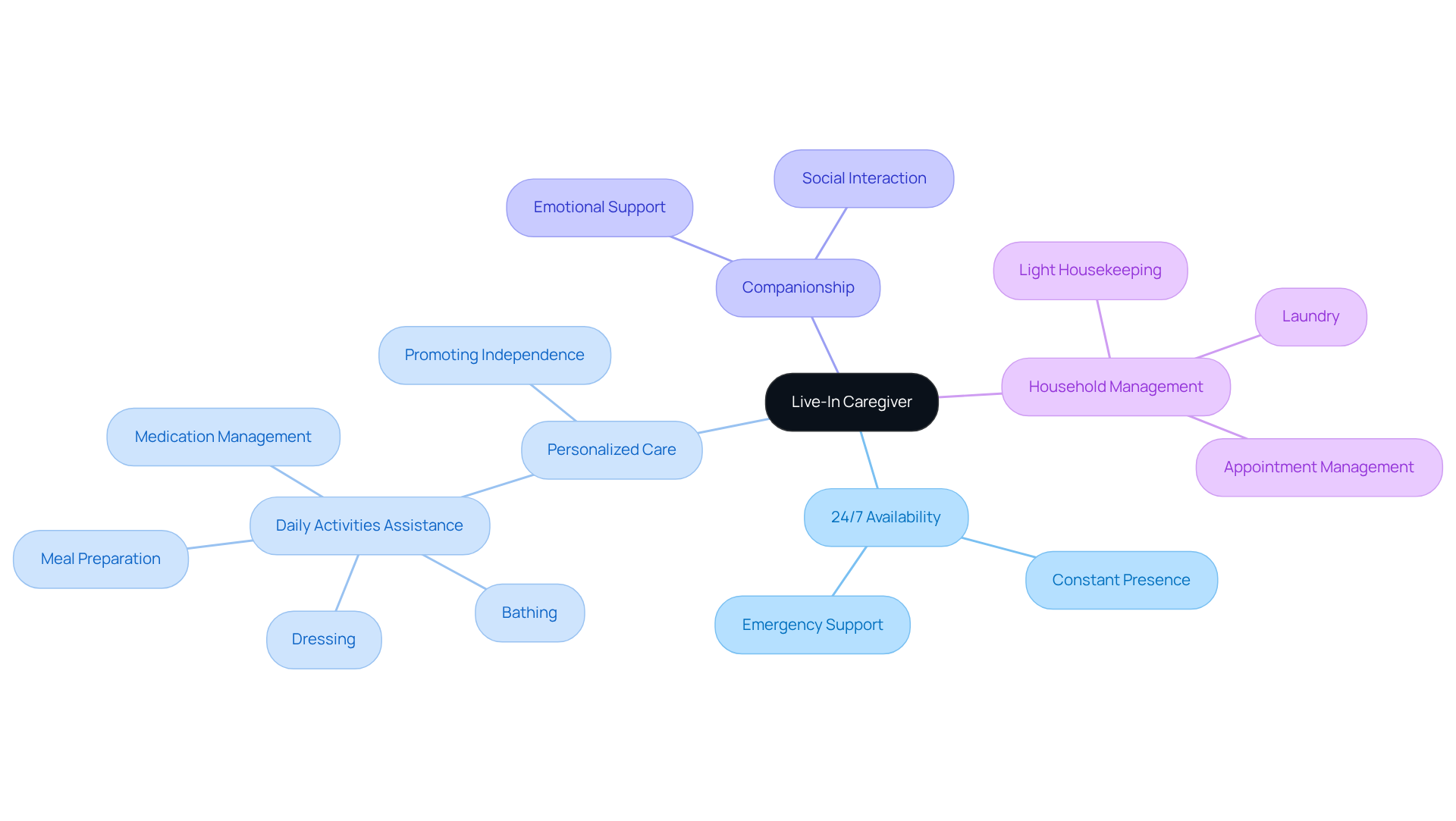
24/7 Availability: These caregivers are present in the home at all times, ensuring that care is available whenever it’s needed, providing peace of mind to both clients and their families.
-
Personalized care reflects the live in caregiver definition, where support providers tailor their services to meet the specific needs of their clients. This may include assistance with daily activities such as bathing, dressing, meal preparation, and medication management, all designed to promote independence and comfort.
-
Companionship: Beyond physical assistance, they offer emotional support and companionship, helping to alleviate feelings of loneliness and isolation. This connection can be incredibly uplifting, fostering a sense of belonging and warmth.
-
Household Management: Their responsibilities may also extend to light housekeeping, laundry, and managing appointments, contributing to a well-maintained living environment that enhances the quality of life.
Overall, the live in caregiver definition emphasizes the vital role these aides play in enriching the lives of their clients by providing comprehensive assistance and unwavering support, assuring families that their loved ones are in caring hands.
Context and Importance of Live-In Caregivers in Home Care
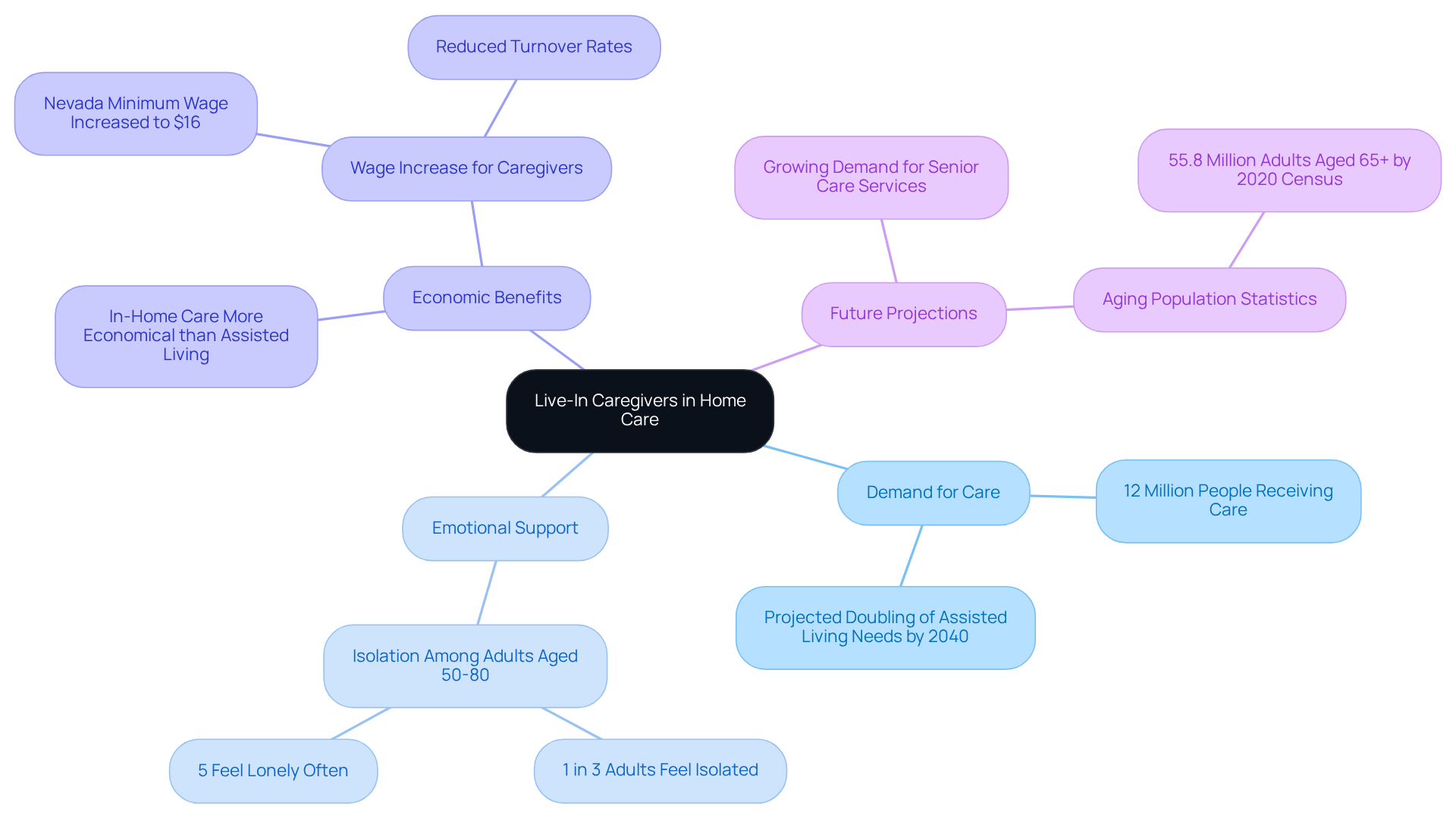
The demand for live-in caregiver definition support workers has surged in recent years, reflecting our aging population and a growing preference for aging in place. It's heartening to know that approximately 12 million people in the U.S. currently receive home care, underscoring the widespread need for assistive care and financial support. Families are increasingly recognizing the benefits of having a dedicated assistant who can provide personalized care in the comfort of their own home.
The live in caregiver definition encompasses not only helping with daily tasks but also playing a vital role in fostering emotional well-being through companionship and social interaction. In fact, one in three adults aged 50-80 reported feeling isolated at least some of the time. This statistic highlights the critical need for emotional support among seniors, reminding us that connection is just as important as physical care.
This comprehensive approach to support is essential for preserving the dignity and quality of life of seniors and individuals with special needs. Moreover, according to the live in caregiver definition, in-home care can often be more economical than assisted living facilities, making it a preferred choice for families navigating the complexities of caregiving.
As we look ahead, the number of individuals needing assisted living services is projected to more than double by 2040. With the U.S. population of adults aged 65 and older expected to reach 55.8 million according to the 2020 census, the role of live-in support providers in aiding our aging population is more important than ever. Together, we can ensure that our loved ones receive the compassionate care they deserve.
Distinguish Live-In Caregivers from Other Care Options
The live in caregiver definition shows how live-in assistants stand apart from other support options, such as hourly helpers or nursing facilities, in several meaningful ways.
-
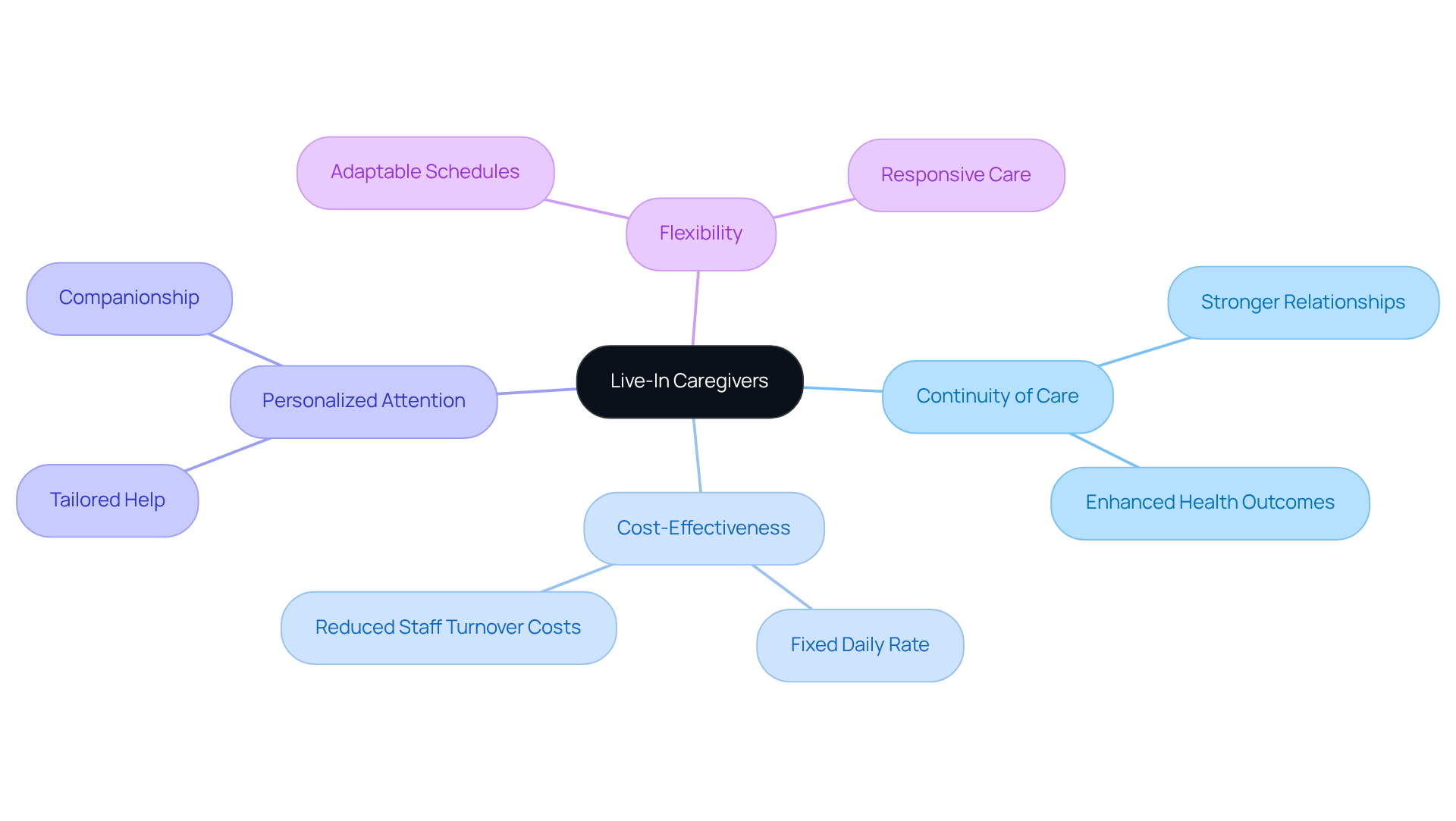
Continuity of Care: According to the live in caregiver definition, these caregivers provide consistent, uninterrupted care, fostering stronger relationships and a deeper understanding of their clients' needs. Research shows that stable caregiver-client relationships can significantly enhance health outcomes and overall satisfaction, providing peace of mind for both clients and their families.
-
Cost-Effectiveness: While in-home support may seem expensive at first glance, it often proves to be more economical than hiring multiple hourly assistants or paying for assisted living facilities. For instance, resident attendants typically earn a fixed daily rate of around $120 for a 12-hour shift. This arrangement can lead to substantial savings by reducing costs associated with staff turnover and additional services.
-
Personalized Attention: In contrast to institutional settings where assistance is spread thin across many residents, the live in caregiver definition highlights that live-in aides dedicate their focus entirely to one individual. This ensures tailored help and companionship, which is crucial for enhancing clients' quality of life. Knowing that someone is there just for them can be incredibly comforting.
-
Flexibility: Live-in assistants can adapt their schedules to meet the changing needs of their clients, offering a level of flexibility that is often lacking in other support arrangements. This responsiveness allows for a caregiving experience that feels more personal and attuned to the client's needs, ensuring they receive the right support at the right time.
These distinctions highlight the vital role of resident support providers in delivering thorough, individualized assistance that truly enhances the quality of life for clients. It’s comforting to know that compassionate care is available, tailored to meet both emotional and practical needs.
Factors Influencing the Decision to Hire a Live-In Caregiver
Several factors deeply influence the decision to hire a live-in caregiver, each reflecting the unique needs and emotions of families:
-
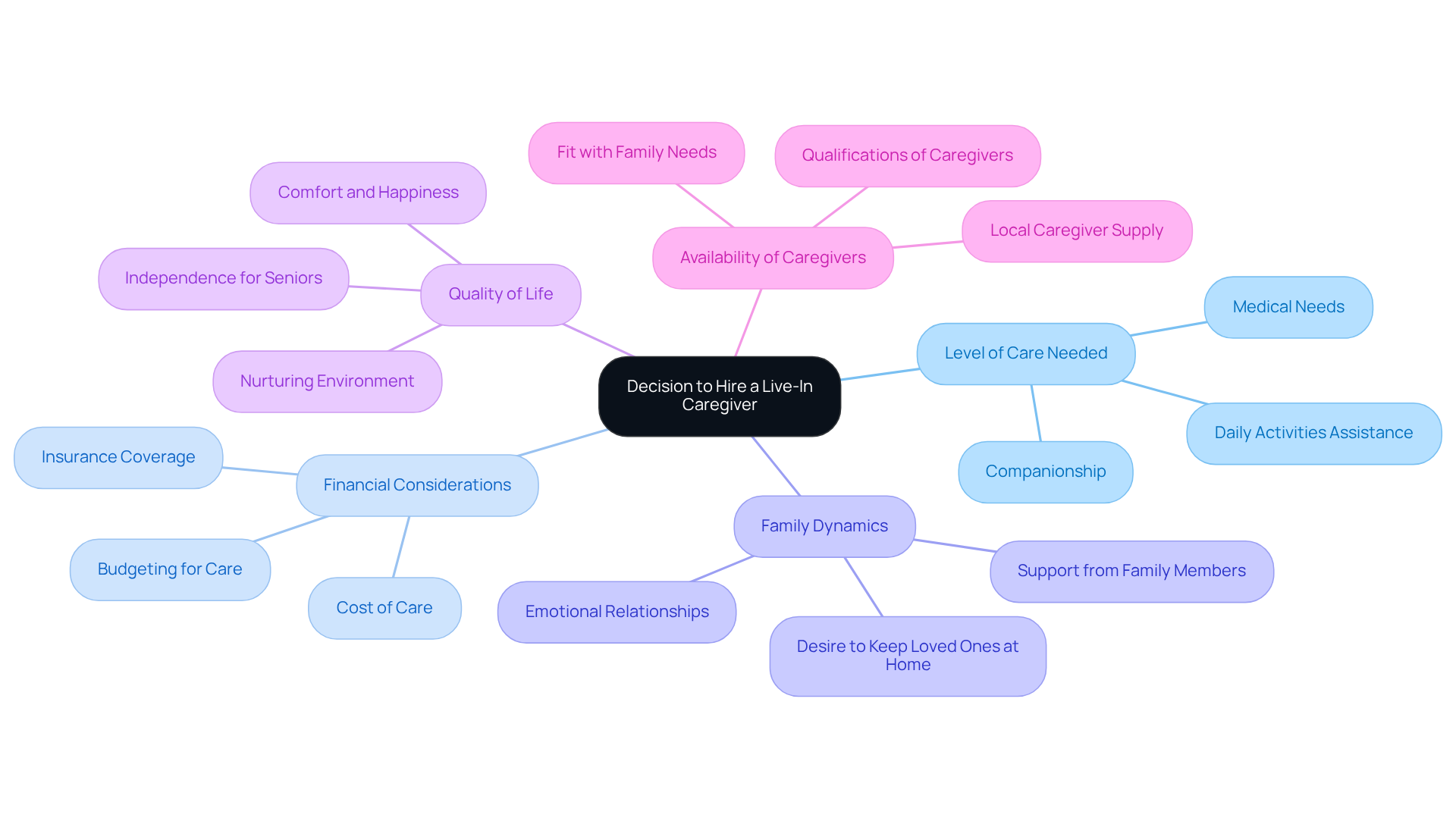
Level of Care Needed: It’s essential for families to assess the specific care requirements of their loved ones. This includes understanding the need for assistance with daily activities, medical needs, and companionship, all of which are vital for their well-being.
-
Financial Considerations: Families must navigate the costs associated with residential care versus other options. This understanding is crucial for effective budgeting and financial planning, ensuring that they can provide the best care possible.
-
Family Dynamics: The emotional and relational aspects of caregiving play a significant role in decision-making. Many families feel a strong desire to keep their loved ones at home, where they feel safe and loved, rather than placing them in a facility.
-
Quality of Life: Families often prioritize the well-being and comfort of their loved ones. They seek solutions that promote independence and happiness, allowing their cherished family members to thrive in a nurturing environment.
-
Availability of Caregivers: The local availability of qualified live-in caregivers can significantly impact the decision-making process. Finding the right fit is essential for ensuring peace of mind.
By thoughtfully considering these factors, families can make informed choices that align with the live-in caregiver definition to best suit their loved ones' needs and circumstances, fostering a sense of security and compassion.
Key Takeaways for Caregivers
The role of live-in caregivers is pivotal in enhancing the quality of life for individuals who require assistance, particularly the elderly. These dedicated professionals provide essential day-to-day support while fostering emotional well-being through companionship and personalized care. Understanding the definition of live-in caregivers underscores their importance; they offer a unique blend of practical help and emotional connection, ensuring families have peace of mind knowing their loved ones are in capable hands.
Throughout this article, key aspects of live-in caregiving have been explored, including:
- The 24/7 availability of caregivers
- Their ability to provide tailored support
- The significant emotional benefits they offer
By distinguishing live-in caregivers from other care options, it becomes clear that their consistent presence promotes stronger relationships and a deeper understanding of individual needs. Moreover, the cost-effectiveness and flexibility of live-in care present compelling reasons for families to consider this option over traditional assisted living facilities.
In light of the growing demand for home care services, it is crucial for families to recognize the profound impact that live-in caregivers can have on their loved ones' lives. As the aging population continues to rise, prioritizing compassionate and personalized care will be essential. By making informed decisions regarding live-in caregiving, families can ensure their loved ones not only receive the necessary support but also enjoy the dignity and comfort of remaining in their own homes. Embracing this approach to care is a step toward fostering a nurturing environment where individuals can thrive emotionally and physically.
https://iframe.tely.ai/cta/eyJhcnRpY2xlX2lkIjogIjY4ZmMxMzE3OWNlYTkzMTRiMTExNjZkZSIsICJjb21wYW55X2lkIjogIjY4ZWU1ZGNhNzMxNzYyNTU3ZjNjOTVjMSIsICJpbmRleCI6IG51bGwsICJ0eXBlIjogImFydGljbGUifQ==Frequently Asked Questions
What is a live-in caregiver?
A live-in caregiver is a dedicated professional who resides in the home of the individual they assist, providing ongoing support and aid to address emotional and practical challenges.
What are the key characteristics of a live-in caregiver?
Key characteristics include 24/7 availability, personalized care tailored to the client's specific needs, emotional support and companionship, and responsibilities that may include household management tasks.
How does a live-in caregiver provide personalized care?
A live-in caregiver tailors their services to meet the specific needs of their clients, which may include assistance with daily activities such as bathing, dressing, meal preparation, and medication management.
What role does companionship play in the live-in caregiver's responsibilities?
Companionship is an essential aspect of a live-in caregiver's role, as they provide emotional support to help alleviate feelings of loneliness and isolation, fostering a sense of belonging and warmth for their clients.
What household management tasks might a live-in caregiver perform?
A live-in caregiver may perform light housekeeping, laundry, and manage appointments, contributing to a well-maintained living environment that enhances the quality of life for their clients.
Why is the role of a live-in caregiver considered vital?
The role of a live-in caregiver is vital because they provide comprehensive assistance and unwavering support, enriching the lives of their clients and assuring families that their loved ones are in caring hands.