
The Importance of Live-In Carers: Roles, Importance, and
The increasing demand for personalized home care highlights a pressing problem in our society: how to effectively support aging individuals who wish to remain in their familiar environments. Many seniors express a strong desire to age in place, which places immense pressure on family caregivers who often struggle to meet these needs.
This situation not only affects the seniors but also creates emotional and physical burdens for their families. The role of live-in carers becomes crucial in this context. These dedicated professionals provide essential support for daily activities, fostering emotional well-being and independence among their clients. However, the challenge remains: how can live-in carers effectively balance the needs of their clients while alleviating the burdens faced by family caregivers?
To address this, live-in carers can implement several practical strategies:
- Establishing open communication with family members can help clarify expectations and responsibilities.
- Caregivers can utilize resources such as support groups and training programs to enhance their skills and confidence.
By doing so, they not only improve the quality of care provided but also create a more supportive environment for everyone involved.
Define Live-In Carer: Role and Responsibilities
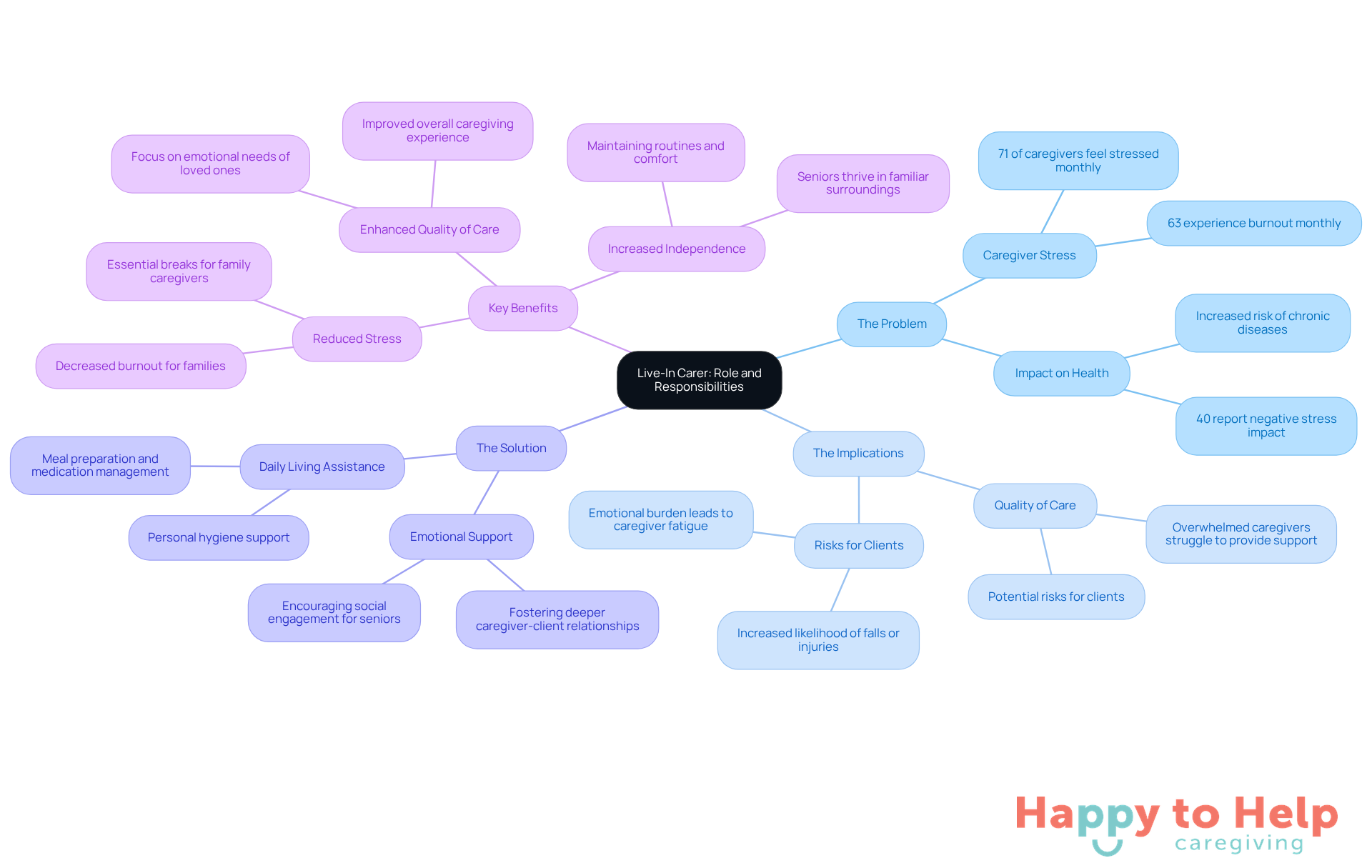
The Problem: Caregiving can be a demanding role, often leading to significant stress and burnout for family members. Many caregivers struggle to balance their responsibilities, which can impact their own health and well-being. Statistics reveal that 71% of caregivers report feeling stressed at least once a month, highlighting the emotional toll of this role.
The Implications: This stress not only affects caregivers but can also compromise the quality of care provided to their loved ones. When caregivers are overwhelmed, they may struggle to offer the support needed, leading to potential risks for those they care for, such as increased likelihood of falls or injuries. The emotional burden can create a cycle of anxiety and fatigue, making it difficult for caregivers to maintain their own health.
The Solution: A live-in carer offers a practical solution to these challenges. By providing ongoing support in the home, they help alleviate the pressure on family members. These dedicated professionals, who serve as live-in carers, assist with daily living activities, including personal hygiene, meal preparation, and medication management, ensuring that clients receive tailored care around the clock. This arrangement fosters deeper caregiver-client relationships, enhancing the overall quality of care.
Moreover, residential caregivers play a crucial role in promoting independence among seniors. They assist with mobility and daily activities while identifying potential hazards in the living environment. This proactive approach not only safeguards physical well-being but also encourages seniors to engage in social activities and hobbies that enhance their mental health.
Key Benefits of Resident Caregivers:
- Reduced Stress: Families often experience decreased stress and burnout when utilizing residential care services, allowing them to take essential breaks.
- Enhanced Quality of Care: With consistent support, caregivers can focus on their loved ones' emotional needs, improving the overall caregiving experience.
- Increased Independence: Seniors can thrive in familiar surroundings, maintaining their routines and comfort.
In summary, resident caregivers are vital to the caregiving landscape. They provide essential daily assistance and emotional companionship, ensuring that clients can flourish in their own homes. Their presence not only enhances the lives of those they support but also significantly reduces the burden on family caregivers.
Contextualize Live-In Care: Importance in Modern Home Support
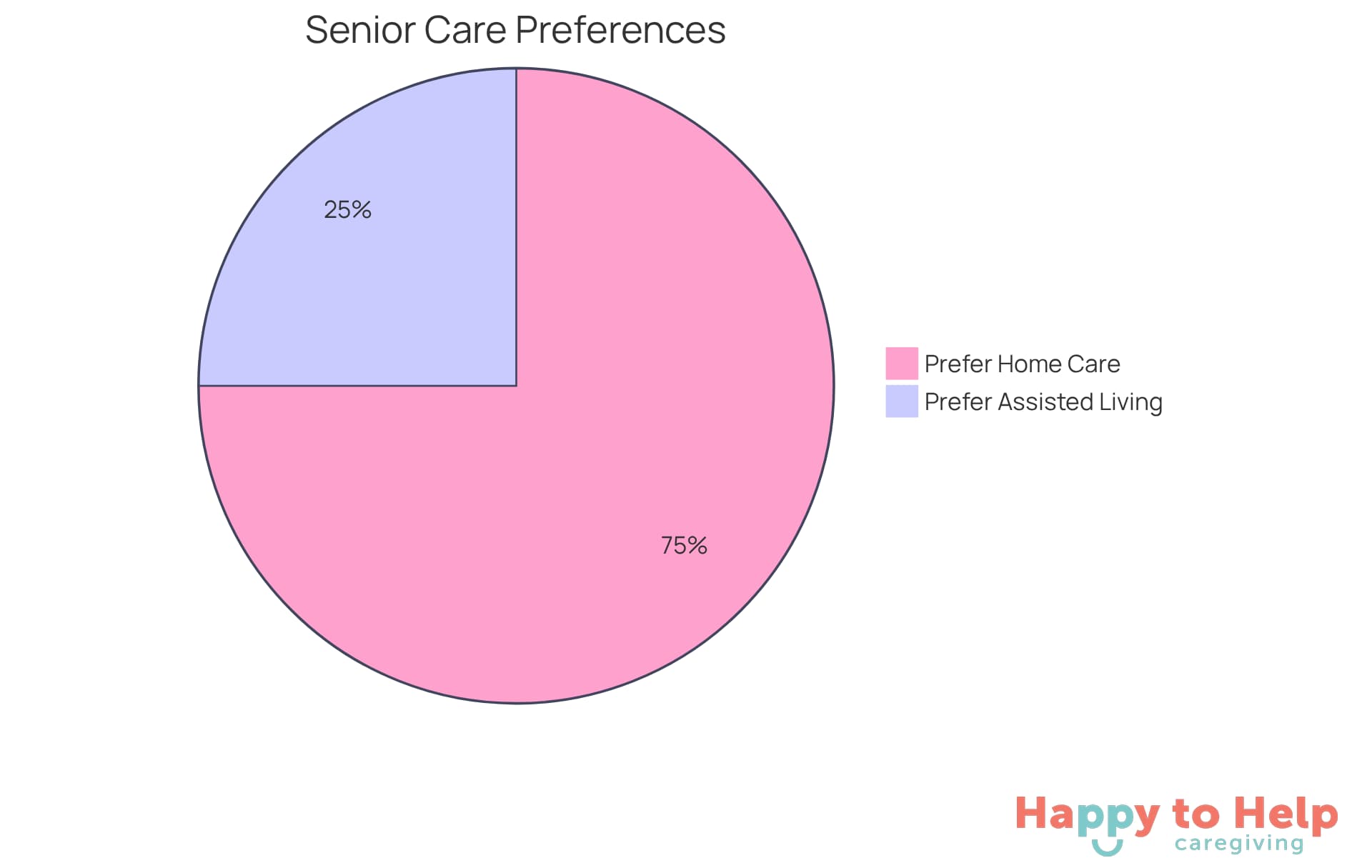
The demand for in-residence care has surged in recent years, primarily driven by an aging population that prefers to age in their own homes rather than move to assisted living centers or nursing facilities. This trend is underscored by studies showing that about 75% of seniors wish to remain in familiar environments where they feel safe and comfortable.
However, this preference presents challenges. Families often struggle to provide the necessary support for their loved ones while balancing their own responsibilities. The COVID-19 pandemic has further complicated matters, accelerating the shift towards domestic care as families seek to minimize health risks associated with shared living spaces.
Fortunately, a live-in carer offers a viable solution. It provides personalized support that promotes independence while ensuring individuals receive the assistance they need with daily activities. As noted by Pamela Jung, managed-at-home healthcare not only enhances individual care but also fosters greater independence.
Looking ahead, the need for domestic care services is expected to grow significantly. Forecasts suggest a substantial increase in demand for around-the-clock care services by 2025. Additionally, Business Wire estimates a 22% rise in demand for home care by 2034, highlighting the long-term importance of live-in carer services.
In summary, as demographics shift and preferences evolve, a live-in carer stands out as a practical solution that addresses the needs of seniors and their families.
Outline Duties of Live-In Carers: Daily Tasks and Support Services
Live-in carers face significant challenges in supporting seniors, as their responsibilities are diverse and tailored to individual needs. These challenges can impact the quality of care provided and the overall well-being of seniors.
-
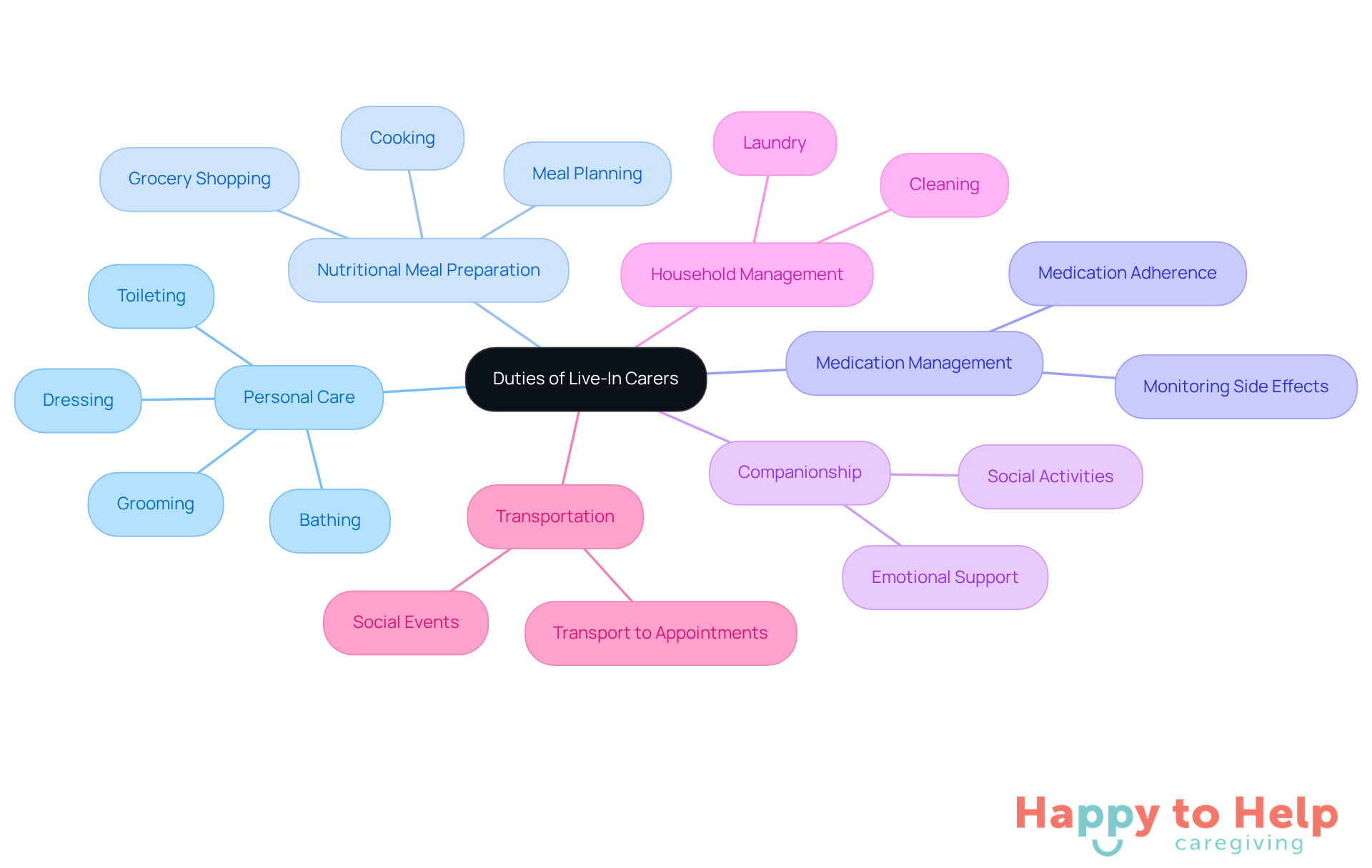
Personal Care: One of the primary responsibilities is assisting with bathing, grooming, dressing, and toileting. This support is essential for maintaining hygiene and dignity, which are crucial for seniors' self-esteem and overall well-being.
-
Nutritional Meal Preparation: Caregivers also plan and prepare nutritious meals that cater to dietary restrictions and preferences. Studies show that seniors receiving proper nutritional support experience improved health outcomes. Caregivers spend an average of 13 days each month on tasks like shopping and food preparation, highlighting the time commitment involved in this critical aspect of caregiving.
-
Medication Management: Ensuring that patients take their medications on time and as prescribed is vital for managing chronic conditions. This responsibility helps prevent complications and promotes adherence to treatment plans.
-
Companionship: Offering emotional support and involving seniors in social activities is another key duty. Research indicates that emotional well-being significantly impacts mental health, making companionship essential. Loneliness can severely affect a senior's mental health, underscoring the importance of social interaction.
-
Household Management: Light housekeeping tasks, such as laundry and cleaning, are also part of the caregiver's role. A tidy home contributes to a sense of security and well-being for individuals.
-
Transportation: Assisting with transportation to appointments or social events ensures seniors remain connected to their community and engaged in social interactions.
These responsibilities not only address the daily needs of clients but also enhance their overall quality of life, fostering independence and dignity. By offering comprehensive support, caregivers residing with seniors help them flourish in their own homes.
Highlight Benefits of Live-In Care: Enhancing Quality of Life
The challenges faced by caregivers can be overwhelming. Many struggle with providing adequate support for their loved ones, leading to feelings of stress and concern. This is where a live-in carer can make a significant difference.
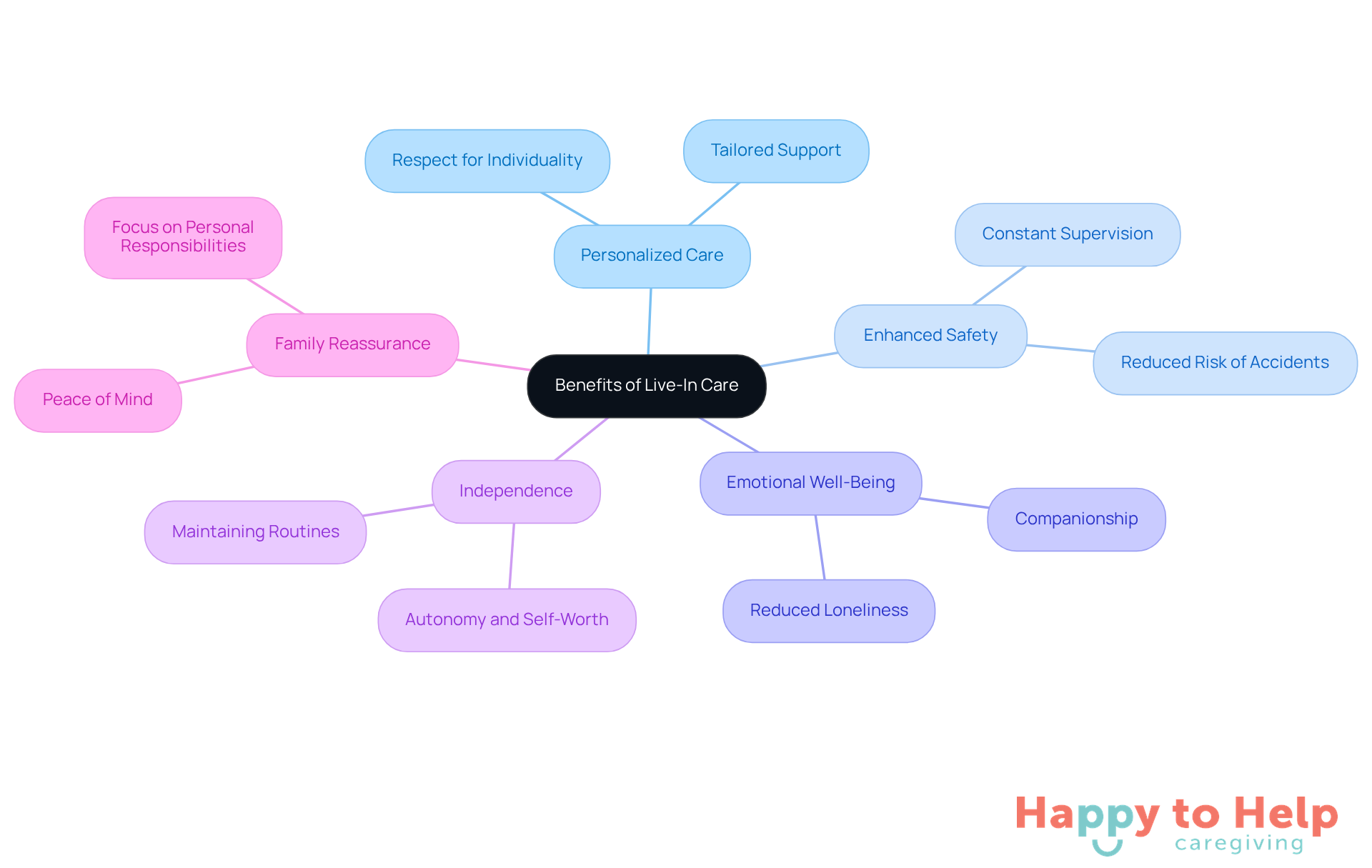
Personalized care is one of the standout benefits of having a live-in carer. Carers offer tailored support that meets the unique needs of each client, fostering a sense of individuality and respect. This personalized approach not only enhances the quality of care but also helps clients feel valued.
-
Enhanced Safety is another crucial advantage. With a caregiver present at all times, the risk of accidents and health emergencies is significantly reduced. This constant supervision provides peace of mind for both individuals and their families, knowing that help is always available.
-
Moreover, the Emotional Well-Being of clients is greatly supported through companionship. The presence of a live-in carer helps to reduce feelings of loneliness and isolation, which are common among those receiving care. This emotional support fosters mental health and stability.
-
Clients also enjoy a sense of Independence. They can maintain their routines and lifestyle preferences, which is essential for their autonomy and self-worth. This independence is vital for their overall happiness and satisfaction with life.
-
Finally, families benefit from the reassurance that their loved ones are receiving high-quality care. This allows them to focus on their own responsibilities without the added stress of caregiving.
In summary, a live-in carer not only enhances the quality of life for clients but also strengthens family bonds by ensuring that loved ones are well cared for in a familiar environment.
Key Takeaways for Caregivers
The significance of live-in carers cannot be overstated in today's caregiving landscape. Caregivers often face immense stress and burden, struggling to provide adequate support for seniors and individuals with specific needs. This challenge can lead to emotional and physical strain for both caregivers and their loved ones.
Live-in carers play a crucial role in alleviating this stress. By offering personalized care, they enable seniors to maintain their independence in the comfort of their own homes. Their responsibilities range from personal care and meal preparation to companionship and household management. Each of these duties not only supports the physical well-being of clients but also enhances their emotional and mental health.
The benefits of having a live-in carer extend beyond just the individuals receiving care; families also experience reduced stress and enhanced peace of mind knowing their loved ones are in capable hands. As the demand for home care services continues to rise, the role of live-in carers will remain essential. Their ability to provide comprehensive support fosters a sense of security and connection, which is invaluable for seniors wishing to age gracefully at home.
Embracing the importance of live-in care not only enhances the quality of life for clients but also strengthens familial bonds. By ensuring that everyone involved can thrive in a supportive and nurturing environment, live-in carers truly make a difference in the caregiving landscape.
https://iframe.tely.ai/cta/eyJhcnRpY2xlX2lkIjogIjY5MjdhNWQzYTZhYTE4ZDU3YmQ3ZDcyYSIsICJjb21wYW55X2lkIjogIjY4ZWU1ZGNhNzMxNzYyNTU3ZjNjOTVjMSIsICJpbmRleCI6IG51bGwsICJ0eXBlIjogImFydGljbGUifQ==Frequently Asked Questions
What is a live-in carer?
A live-in carer is a dedicated professional who provides ongoing support in a client's home, assisting with daily living activities such as personal hygiene, meal preparation, and medication management.
What are the main responsibilities of a live-in carer?
The main responsibilities of a live-in carer include assisting with daily living activities, ensuring personal hygiene, preparing meals, managing medications, and promoting independence among seniors.
How does caregiving impact family members?
Caregiving can lead to significant stress and burnout for family members, with 71% of caregivers reporting feeling stressed at least once a month. This stress can compromise their health and the quality of care provided to their loved ones.
What are the implications of caregiver stress?
Caregiver stress can lead to a decreased ability to provide support, increasing the risk of falls or injuries for those they care for, and creating a cycle of anxiety and fatigue for the caregiver.
What benefits do live-in carers provide to families?
Live-in carers help reduce stress and burnout for families, enhance the quality of care for loved ones, and promote increased independence for seniors by allowing them to thrive in familiar surroundings.
How do live-in carers promote independence among seniors?
Live-in carers assist with mobility and daily activities while identifying potential hazards in the living environment, which safeguards physical well-being and encourages engagement in social activities and hobbies.
What is the overall impact of resident caregivers on the caregiving experience?
Resident caregivers enhance the overall quality of care by providing essential daily assistance and emotional companionship, allowing family caregivers to take necessary breaks and focus on their loved ones' emotional needs.
List of Sources
- Define Live-In Carer: Role and Responsibilities
- Opinion | America’s Caregivers Are in Crisis (https://nytimes.com/2025/11/24/opinion/caregiving-crisis.html)
- Why Senior Home Care is More Important Than Ever (https://homeinstead.com/home-care/usa/la/carencro/347/news-and-media/senior-home-care-is-more-important-than-ever)
- The Caregiving Landscape: Data & Insights on the Caregiver Experience in the U.S. (https://caregiveraction.org/caregiver-statistics)
- Family caregivers prefer in-home care over senior living, new industry report finds (https://mcknightshomecare.com/news/family-caregivers-prefer-in-home-care-over-senior-living-new-industry-report-finds)
- Contextualize Live-In Care: Importance in Modern Home Support
- Senior living and care market sees resurgence, increased demand (https://mcknightsseniorliving.com/news/senior-living-and-care-market-sees-resurgence-increased-demand)
- The senior population is booming. Caregiving is struggling to keep up (https://cnbc.com/2025/11/21/senior-caregiving-labor.html)
- Home Care Industry Trends to Watch in 2025 (https://firstlighthomecare.com/blog/home-care-industry-trends)
- Most Americans expect to experience a long-term care event, and nearly 3 in 4 want in-home care if it happens to them - according to Northwestern Mutual Planning & Progress Study (https://news.northwesternmutual.com/2025-10-07-Most-Americans-expect-to-experience-a-long-term-care-event,-and-nearly-3-in-4-want-in-home-care-if-it-happens-to-them-according-to-Northwestern-Mutual-Planning-Progress-Study)
- New Study Finds That While Aging Seniors Prefer In-Home Care, Most Are Critically Underprepared for Future Healthcare Needs | Cross Country Healthcare, Inc. (https://ir.crosscountry.com/news-releases/news-release-details/new-study-finds-while-aging-seniors-prefer-home-care-most-are)
- Outline Duties of Live-In Carers: Daily Tasks and Support Services
- Care to Stay Home Highlights Live-In Caregivers Improving Daily Life in Spokane, WA (https://cbs42.com/business/press-releases/ein-presswire/866934068/care-to-stay-home-highlights-live-in-caregivers-improving-daily-life-in-spokane-wa)
- The Day-to-Day Life of a Live-In Caregiver - New Wave Home Care (https://newwavehomecare.com/the-day-to-day-life-of-a-live-in-caregiver)
- Profile and burden of the family caregiver: the caring experience in multiple sclerosis. An observational study - PMC (https://pmc.ncbi.nlm.nih.gov/articles/PMC10964650)
- Day in the life of a live-in carer (https://thegoodcaregroup.com/news/day-in-life-live-in-carer)
- Caregiver Statistics: Demographics (https://caregiver.org/resource/caregiver-statistics-demographics)
- Highlight Benefits of Live-In Care: Enhancing Quality of Life
- How Live-In Care Improves Quality of Life for Seniors (https://careindeed.com/blogs/how-live-in-care-improves-quality-of-life-for-seniors)
- The Impact of Live-In Caregivers on the Quality of Life for Seniors (https://traditionshhs.com/the-impact-of-live-in-caregivers-on-the-quality-of-life-for-seniors)
- Benefits of Live-In Care for Seniors (https://careindeed.com/blogs/benefits-of-live-in-care-for-seniors)
- The Benefits of Live In Care That Can Change Your Life (https://intouchealthcaresolutions.com/the-unmatched-benefits-of-live-in-care-that-can-change-your-life)
- Unexpected Benefits of Live-in Care | The Good Care Group (https://thegoodcaregroup.com/news/unexpected-benefits-live-in-care)