
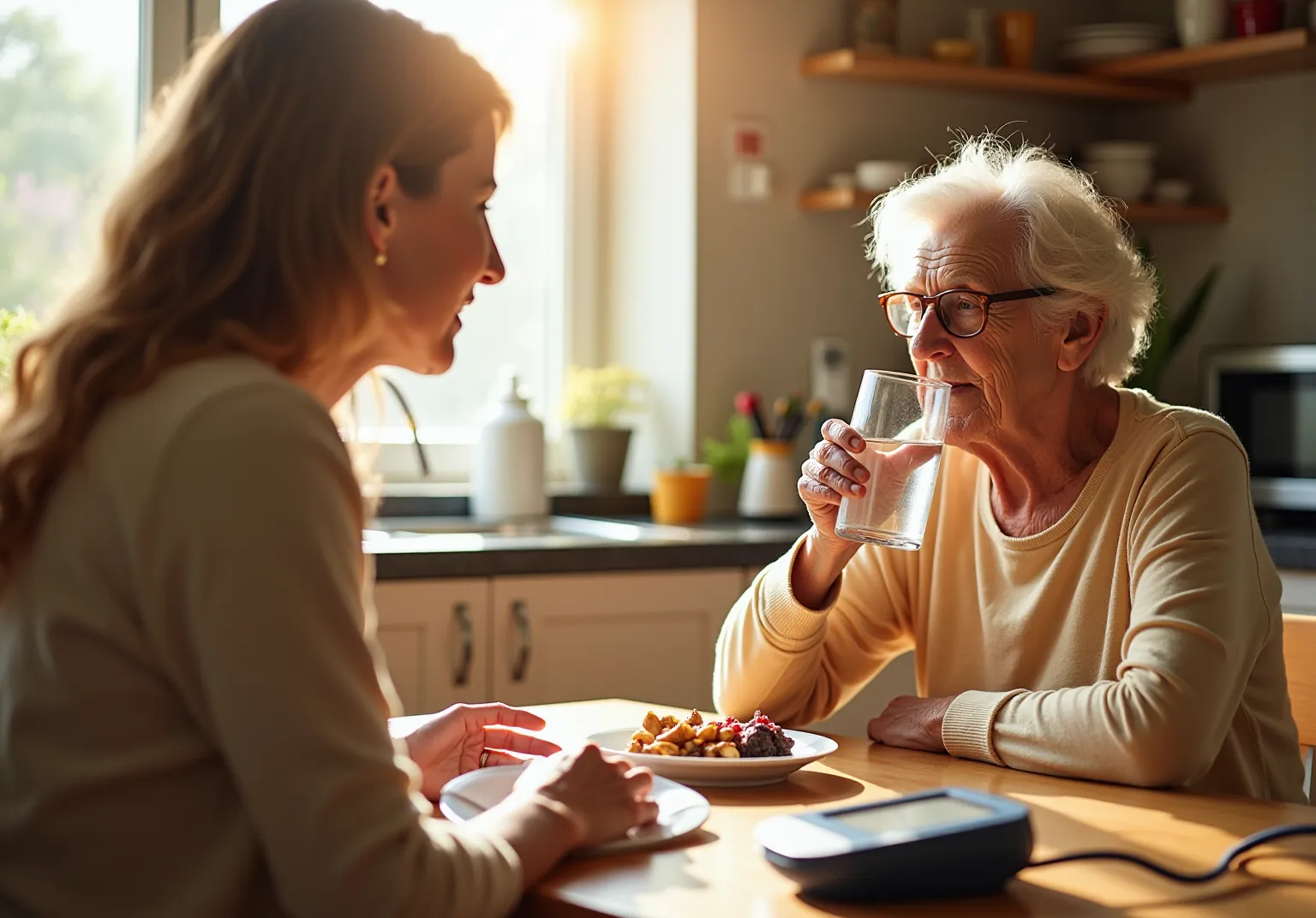
For families in our service areas
For families in our service areas, this guide explains caregiving and how non-medical in-home caregiving can support care planning in East Idaho, Treasure Valley & Magic Valley, Northern Wasatch, North Central West Virginia, and Northeast Ohio.
Understanding Low Blood Pressure in the Elderly:
Low blood pressure, or hypotension, is a significant health concern for the elderly. It often leads to alarming symptoms such as dizziness, fainting, and confusion. For caregivers, understanding the causes and implications of low blood pressure is crucial, as it can greatly affect seniors' quality of life and heighten the risk of falls and other complications.
So, how can caregivers effectively monitor and manage this condition to ensure the safety and well-being of their loved ones? This article explores the intricacies of low blood pressure in older adults, offering insights into its causes, symptoms, and practical strategies for management. By addressing these challenges head-on, caregivers can take proactive steps to safeguard their loved ones' health.
Define Low Blood Pressure and Its Importance in Seniors
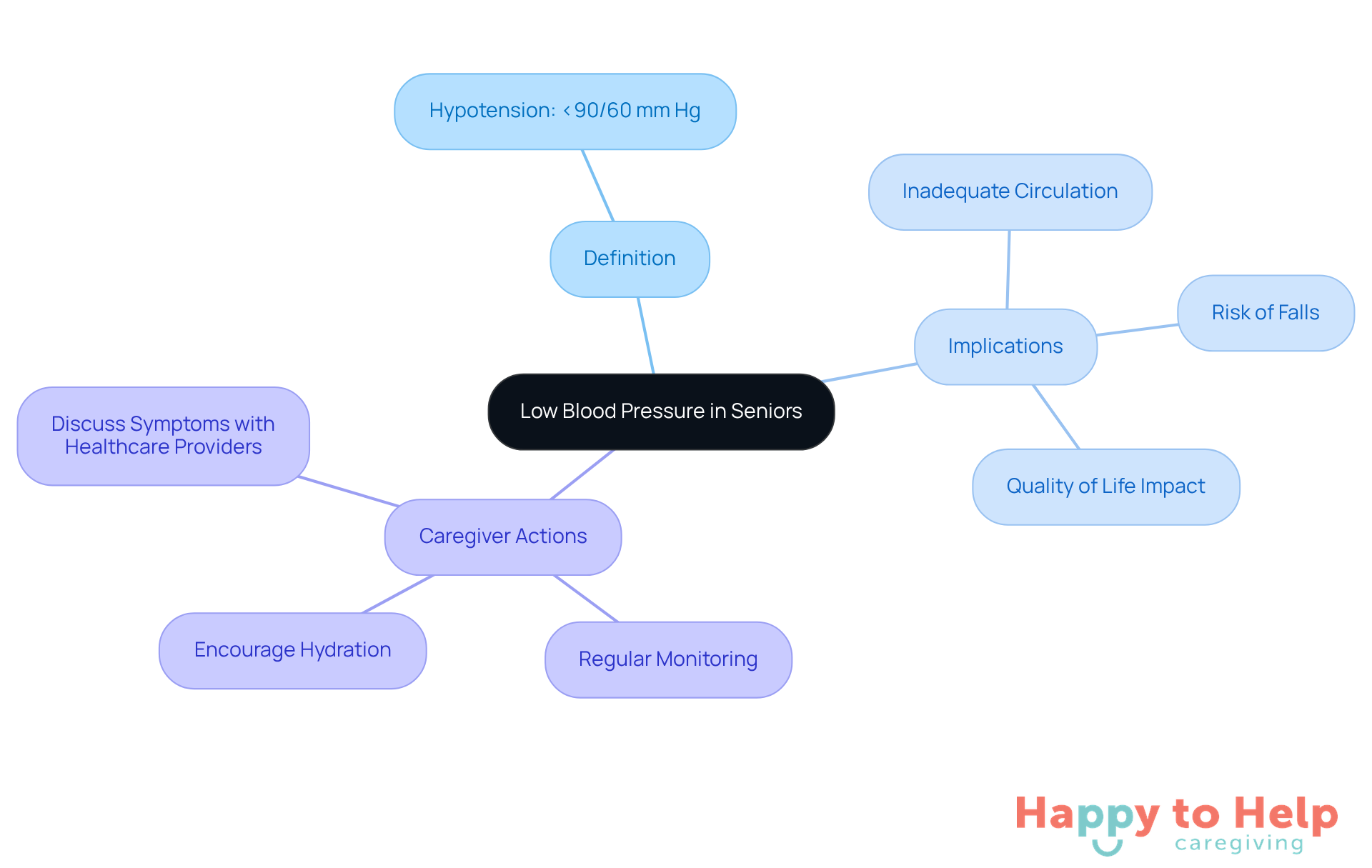
Low blood pressure in the elderly, or hypotension, is a significant concern for seniors, defined as a reading below 90/60 mm Hg. This condition can indicate inadequate circulation to vital organs, leading to troubling symptoms such as dizziness, fainting, and confusion, which are commonly associated with low blood pressure in the elderly.
The implications of low circulation are serious. Low blood pressure in the elderly can severely impact an individual's quality of life, increasing the risk of falls and other health complications. Caregivers must recognize these risks to take appropriate action.
To address this issue, consistent monitoring of blood pressure is essential. Here are some practical steps caregivers can implement:
- Regularly check blood pressure to identify any concerning trends.
- Encourage hydration, as dehydration can exacerbate hypotension.
- Discuss any symptoms with healthcare providers to adjust medications or treatments as necessary.
By staying informed and proactive, caregivers can help ensure the safety and well-being of their loved ones.
Identify Causes of Low Blood Pressure in the Elderly
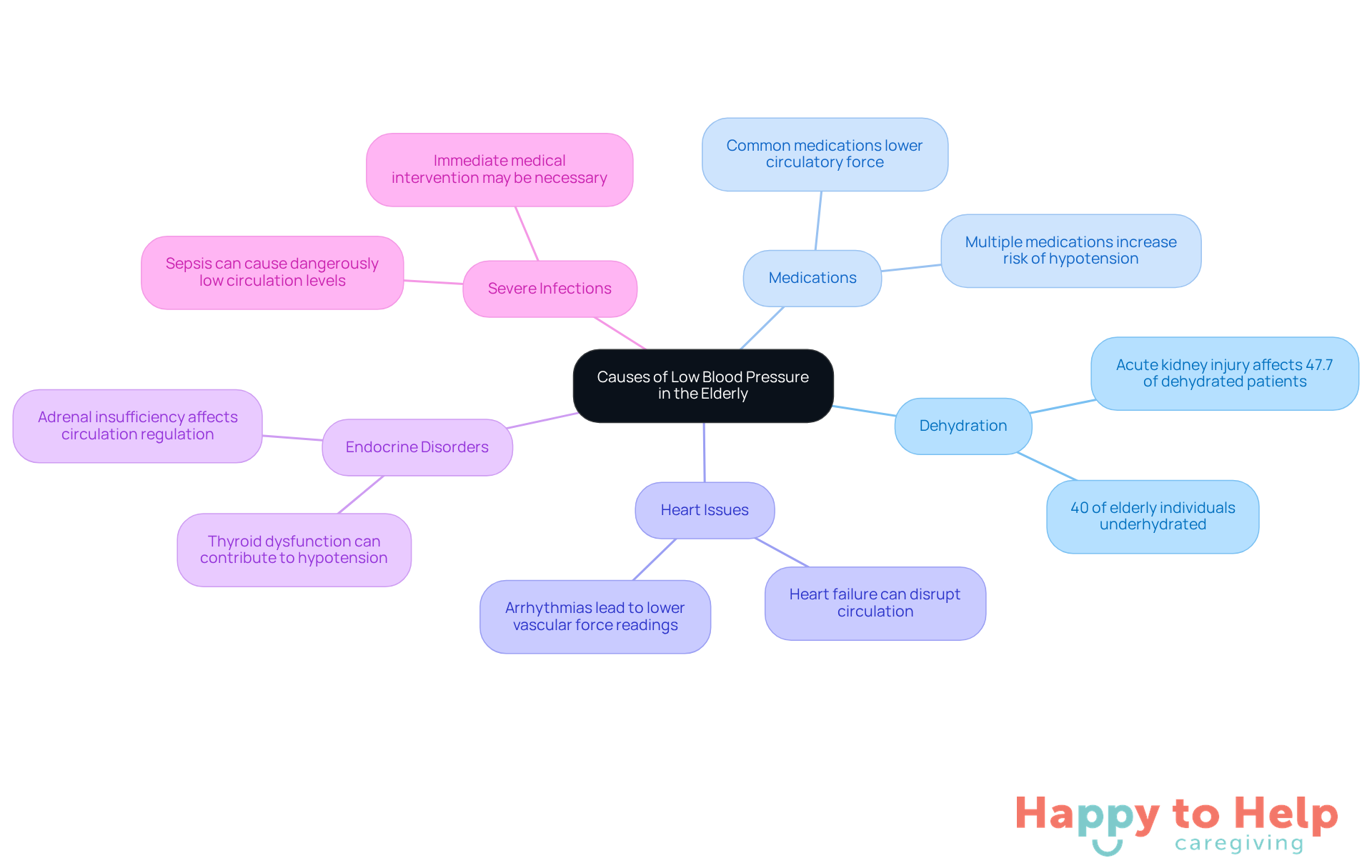
Low blood pressure in the elderly, characterized by reduced circulation or hypotension, presents a significant challenge for caregivers. This condition can arise from various factors, each requiring careful attention. Understanding these contributors is essential for effective care.
Problem: One major factor is dehydration. Many seniors have a diminished sense of thirst, leading to inadequate fluid intake. Research indicates that up to 40% of elderly individuals living outside care facilities may be persistently underhydrated, which can severely impact their circulation. Dehydration is linked to serious health risks, including acute kidney injury, affecting nearly 47.7% of dehydrated patients compared to 15.9% of those who are well-hydrated.
Another contributor is medications. A significant number of elderly individuals take medications that can lower circulatory force, particularly those prescribed for hypertension. This can inadvertently lead to low blood pressure in the elderly, especially when combined with other risk factors. It's crucial to recognize that many seniors are on multiple medications that may contribute to low blood pressure in the elderly.
Agitate: Additionally, heart issues such as heart failure or arrhythmias can disrupt normal circulation, resulting in lower vascular force readings. Endocrine disorders, including adrenal insufficiency or thyroid dysfunction, can also affect circulation regulation. Furthermore, severe infections, like sepsis, can cause circulation levels to drop dangerously low, necessitating immediate medical intervention.
Caregivers must comprehend these factors to implement effective strategies for managing and mitigating the risks associated with low blood pressure in the elderly. Ensuring proper hydration is vital for the well-being of older individuals, making it essential for caregivers to monitor fluid intake closely. By addressing these issues proactively, caregivers can significantly improve the health and quality of life for the seniors they support.
Recognize Symptoms of Low Blood Pressure
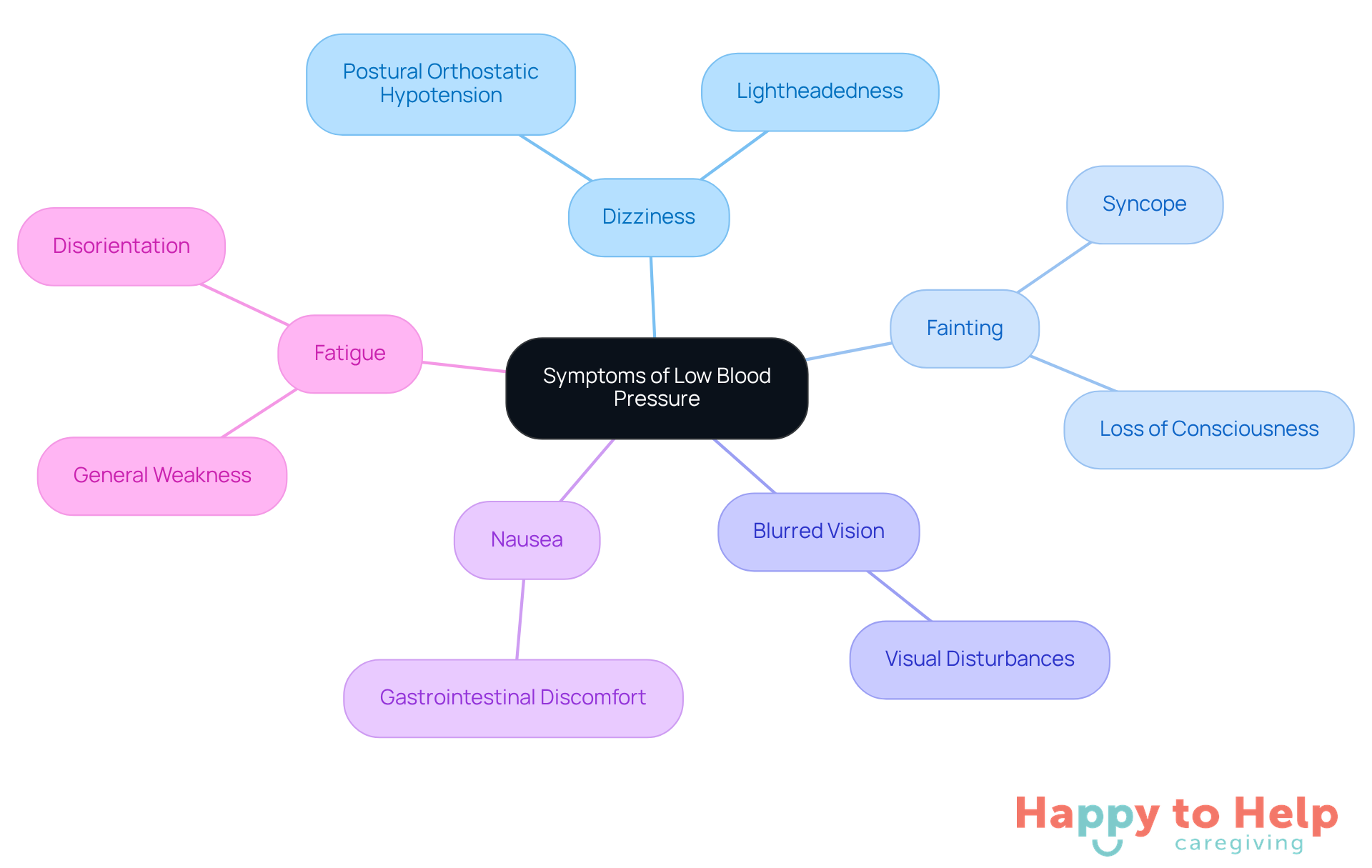
Signs of low circulation can manifest in various ways, particularly in those experiencing low blood pressure in the elderly. Recognizing these signs is crucial for caregivers, as they can indicate the need for immediate medical attention. Common indicators include:
- Dizziness or lightheadedness: This often occurs when standing up quickly, a condition known as postural orthostatic hypotension. Older patients are especially vulnerable to low blood pressure in the elderly.
- Fainting (syncope): A sudden loss of consciousness may happen due to inadequate circulation to the brain, which can be alarming for caregivers and families. Clyde W. Yancy, MD, notes that patients typically feel unwell when their blood levels are low and often need to sit or lie down to improve their condition.
- Blurred or fading vision: Decreased circulation can lead to visual disturbances, signaling a potential issue.
- Nausea: Some individuals may experience gastrointestinal discomfort, which can accompany other symptoms.
- Fatigue: A widespread feeling of tiredness or weakness can indicate low circulation pressure, affecting daily activities. Disorientation, particularly in seniors, may arise from insufficient circulation, which can be a result of low blood pressure in the elderly.
Caregivers play a vital role in monitoring these symptoms. For example, a support person might notice a client becoming unusually disoriented or fainting after standing, prompting them to seek medical advice. Recognizing these signs early can significantly impact the well-being of seniors, ensuring they receive the necessary care and support.
It's important to note that low blood pressure in the elderly is typically classified as readings below 90/60 mm Hg. Management strategies may include encouraging hydration and increasing sodium intake, which can help alleviate symptoms. By staying vigilant and informed, caregivers can provide better support for their clients.
Implement Strategies for Managing Low Blood Pressure
Managing low blood pressure in the elderly presents a significant challenge for caregivers, as it can lead to serious health issues such as dizziness and fainting. This condition often stems from factors like dehydration, dietary habits, and sudden changes in position, which can severely impact the well-being of individuals, particularly regarding low blood pressure in the elderly.
To address these concerns, here are several effective strategies that can enhance the health and comfort of seniors:
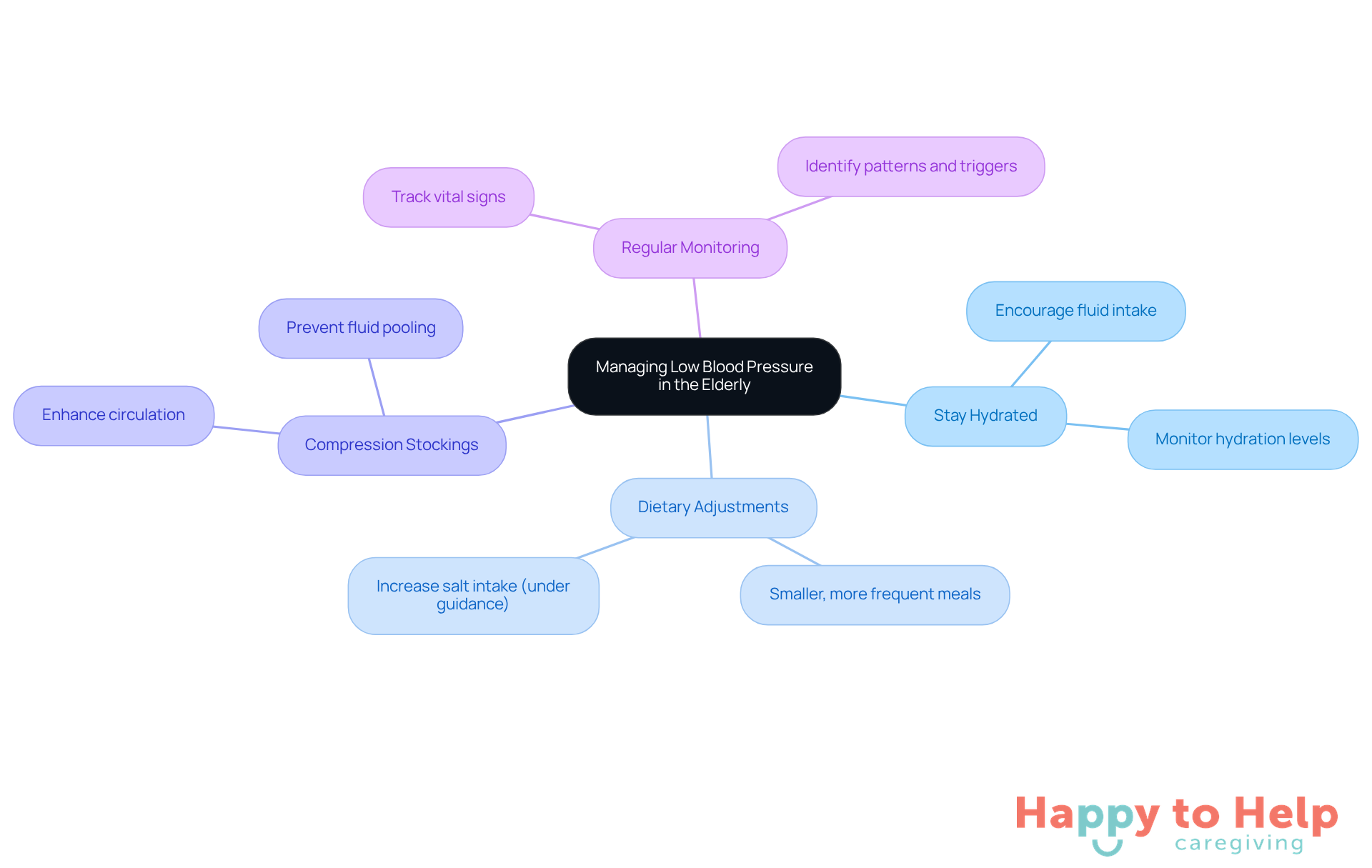
- Stay Hydrated: Encouraging increased fluid intake, particularly water, is essential for maintaining blood volume. Seniors should aim to drink ample fluids throughout the day, as dehydration can exacerbate low blood pressure in the elderly. As Hiroko Yoshida notes, "Adequate nutritional intake may need to be prioritized over salt reduction in the management of hypertension for older adults with physical frailty."
- Dietary Adjustments: Implementing dietary changes can be beneficial. Consuming smaller, more frequent meals helps avoid declines in circulation levels that often occur after larger meals. Additionally, increasing salt intake may elevate circulation levels, but this should be done under the guidance of a healthcare provider to ensure safety. Seniors should be advised to rise slowly from sitting or lying positions to minimize the risk of dizziness and fainting, which are common issues associated with low blood pressure in the elderly.
- Compression Stockings: Wearing compression stockings can enhance circulation and prevent fluid from pooling in the legs, particularly for those experiencing orthostatic hypotension.
- Regular Monitoring: Keeping track of vital sign readings is crucial. Consistent observation can help identify patterns and triggers for low circulation episodes, enabling timely interventions.
Case Study: Managing Low Blood Pressure in Seniors - A support worker successfully implemented a hydration strategy by encouraging their elderly client to drink water regularly and providing smaller, more frequent meals. This approach not only improved the client's circulatory readings but also boosted their overall energy levels and well-being.
By applying these strategies, caregivers can significantly improve the safety and comfort of seniors who have low blood pressure in the elderly. It's vital for caregivers to consult healthcare professionals for personalized advice tailored to the specific needs of the seniors they care for.
Your Path Forward
Low blood pressure in the elderly presents a significant challenge that demands attention. Caregivers must recognize the implications of hypotension, as it can lead to serious complications such as falls, dizziness, and a decline in overall health. Understanding the factors contributing to low blood pressure is crucial for effective management.
Several key aspects of low blood pressure in seniors need to be addressed. These include:
- Its definition
- Causes like dehydration and medication effects
- Common symptoms such as dizziness and fainting
- Practical management strategies
Regular monitoring, encouraging hydration, dietary adjustments, and the use of compression stockings are vital components in supporting the health and well-being of elderly individuals experiencing low blood pressure.
Addressing low blood pressure in the elderly goes beyond merely managing symptoms; it enhances quality of life and ensures safety. Caregivers are encouraged to stay informed and vigilant. Their proactive approach can significantly improve health outcomes for seniors. Taking action today can lead to a healthier tomorrow for those at risk, underscoring the importance of understanding and managing low blood pressure in this vulnerable population.
https://iframe.tely.ai/cta/eyJhcnRpY2xlX2lkIjogIjY5MjUwZjkyZTQ5NDhmY2U5YWU2NGU1ZiIsICJjb21wYW55X2lkIjogIjY4ZWU1ZGNhNzMxNzYyNTU3ZjNjOTVjMSIsICJpbmRleCI6IG51bGwsICJ0eXBlIjogImFydGljbGUifQ==Frequently Asked Questions
What is low blood pressure in seniors, and how is it defined?
Low blood pressure in seniors, also known as hypotension, is defined as a blood pressure reading below 90/60 mm Hg.
Why is low blood pressure a concern for the elderly?
Low blood pressure is a concern for the elderly because it can indicate inadequate circulation to vital organs, leading to symptoms such as dizziness, fainting, and confusion.
What are the potential implications of low blood pressure in seniors?
The implications of low blood pressure in seniors can be serious, as it may significantly impact an individual's quality of life and increase the risk of falls and other health complications.
How can caregivers help manage low blood pressure in elderly individuals?
Caregivers can help manage low blood pressure by regularly checking blood pressure, encouraging hydration to prevent dehydration, and discussing any concerning symptoms with healthcare providers to adjust medications or treatments as necessary.
Why is consistent monitoring of blood pressure important for seniors?
Consistent monitoring of blood pressure is important for seniors to identify concerning trends and take appropriate action to ensure their safety and well-being.
List of Sources
- Define Low Blood Pressure and Its Importance in Seniors
- New Study Shows Intensive Blood-Pressure Treatment Effective Regardless of Hypotension (https://marcusinstituteforaging.org/news/new-study-shows-intensive-blood-pressure-treatment-effective-regardless-hypotension)
- Seniors Benefit From Tight Blood Pressure Control (https://usnews.com/news/health-news/articles/2025-03-19/seniors-benefit-from-tight-blood-pressure-control)
- Redefining Hypotension in Older Adults: Implications for the Prevention of Age Related Cognitive Decline (https://lidsen.com/journals/geriatrics/geriatrics-07-03-249)
- Understanding Hypotension in Seniors: Causes, Risks, and Management (https://griswoldcare.com/scarsdale-yonkers/blog/understanding-hypotension-in-seniors-causes-risks-and-management)
- Age-Related Normative Changes in Phasic Orthostatic Blood Pressure in a Large Population Study | Circulation (https://ahajournals.org/doi/10.1161/circulationaha.114.009831)
- Identify Causes of Low Blood Pressure in the Elderly
- Why Staying Hydrated Is Even More Important as You Age (https://orlandohealth.com/content-hub/why-staying-hydrated-is-even-more-important-as-you-age)
- Low blood pressure can have negative impact on health (https://uclahealth.org/news/article/low-blood-pressure-can-have-negative-impact-health)
- Dehydration and clinical outcome in hospitalised older adults: A cohort study (https://sciencedirect.com/science/article/abs/pii/S1878764916301838)
- Trends in Dehydration in Older People: Identifying Landmark Scientific Contributions (https://mdpi.com/2072-6643/17/2/204)
- Study finds a lack of adequate hydration among the elderly (https://newsroom.ucla.edu/releases/study-finds-a-lack-of-adequate-hydration-among-the-elderly)
- Recognize Symptoms of Low Blood Pressure
- 6 symptoms of low blood pressure (https://businessinsider.com/reference/low-blood-pressure-symptoms)
- Drops in blood pressure linked to higher dementia risk | Harvard T.H. Chan School of Public Health (https://hsph.harvard.edu/news/drops-in-blood-pressure-linked-to-higher-dementia-risk)
- Low blood pressure can have negative impact on health (https://uclahealth.org/news/article/low-blood-pressure-can-have-negative-impact-health)
- Low blood pressure | NHS inform (https://nhsinform.scot/illnesses-and-conditions/a-to-z/low-blood-pressure-hypotension)
- Feel dizzy when you stand up? It's a drop in blood pressure and may be an early sign of dementia (https://heart.org/en/news/2023/10/23/feel-dizzy-when-you-stand-up-its-a-drop-in-blood-pressure)
- Implement Strategies for Managing Low Blood Pressure
- Understanding Low Blood Pressure: A Guide for Seniors | Hawthorne Pharmacy & Medical Equipment (https://hawthornesc.com/blog/understanding-low-blood-pressure-guide-seniors)
- Keeping An Eye On Low Blood Pressure In Elderly People (https://neighborsdc.org/news/low-blood-pressure-in-elderly-people)
- Association between salt intake and blood pressure among community-dwelling older adults based on their physical frailty status - Hypertension Research (https://nature.com/articles/s41440-024-02066-y)
- Low blood pressure: Natural remedies, causes, and symptoms (https://medicalnewstoday.com/articles/319506)