Understanding Mobile Home Care: Definition, Importance,
For families in our service areas
For families in our service areas, this guide explains home care and how non-medical in-home caregiving can support care planning in East Idaho, Treasure Valley & Magic Valley, Northern Wasatch, North Central West Virginia, and Northeast Ohio.
Why Mobile Home Care: Definition, Matters
Mobile home care is becoming an essential solution as society faces the challenges of an aging population and rising isolation among seniors and individuals with disabilities. This type of care not only improves the quality of life for those in need but also promotes independence and emotional well-being.
However, the increasing demand for personalized in-home support presents a significant challenge for families. Navigating the complexities of mobile home care can be daunting, leaving caregivers unsure of how to ensure their loved ones receive the best possible assistance.
To address these challenges, families can take several practical steps:
- They should research local mobile home care services to find options that best fit their loved one's needs.
- Engaging with healthcare professionals can provide valuable insights into the types of support available.
- By understanding the various services and resources, families can make informed decisions that enhance the care experience for their loved ones.
Defining Mobile Home Care
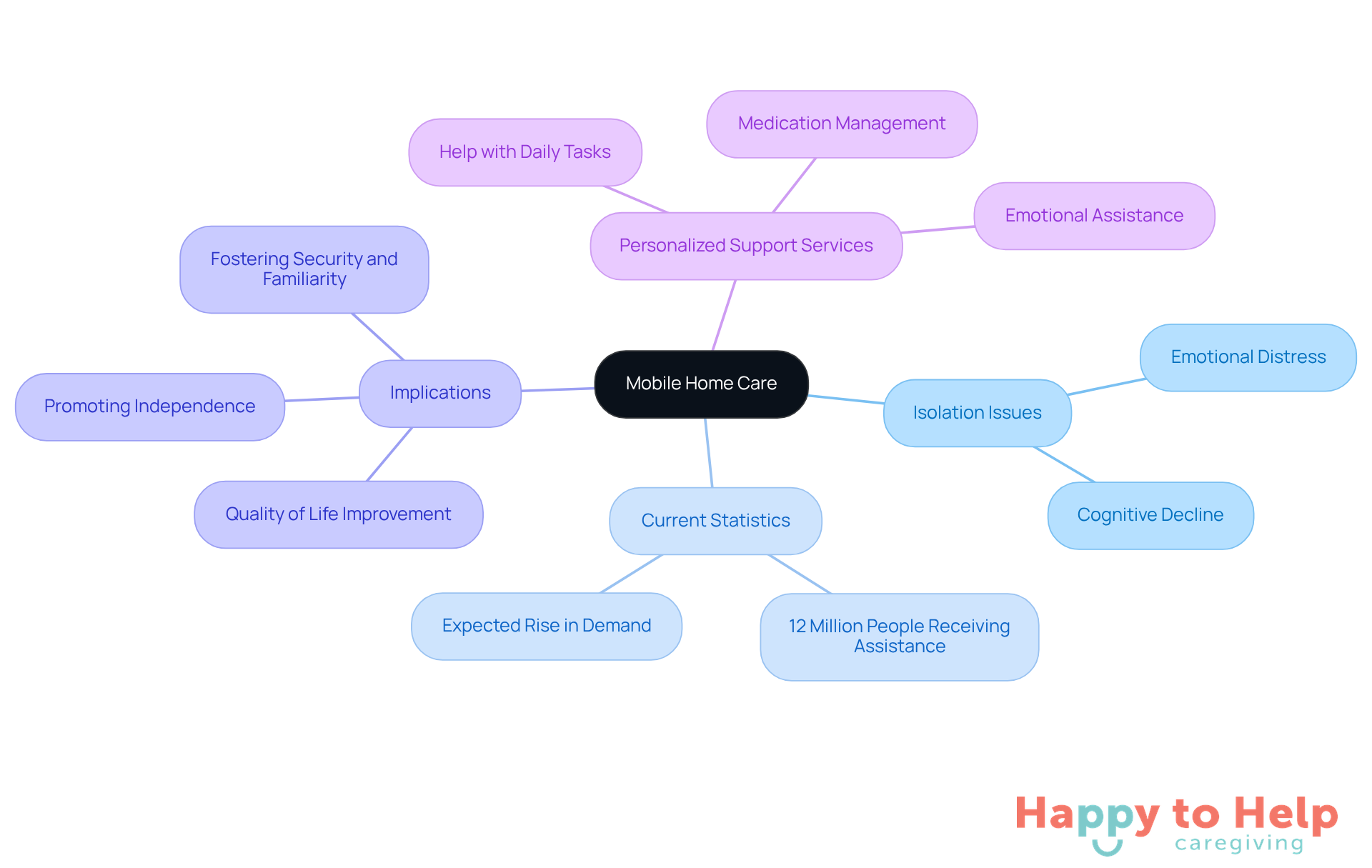
Mobile home care addresses a significant problem: many seniors and individuals with disabilities experience isolation in their homes. This isolation can lead to emotional distress and cognitive decline, making it crucial to provide effective support. Currently, around 12 million people in the U.S. receive domestic assistance, a number expected to rise significantly as the demand for in-residence support grows.
The implications of this trend are profound. Residential assistance not only aims to improve the quality of life for these individuals but also promotes independence and fosters a sense of security and familiarity. Healthcare experts emphasize that mobile home care plays a vital role in preserving cognitive well-being and combating feelings of loneliness. In fact, one in three individuals aged 50-80 report experiencing isolation at least occasionally.
To combat these challenges, personalized support services are essential. This includes:
- Help with daily tasks
- Medication management
- Emotional assistance
All tailored to meet the unique needs of each client. Such services are crucial in helping seniors thrive in their living environments. As we look toward 2025, the recognition of mobile home care as a key component of elderly support options continues to grow.
Context and Importance of Mobile Home Care
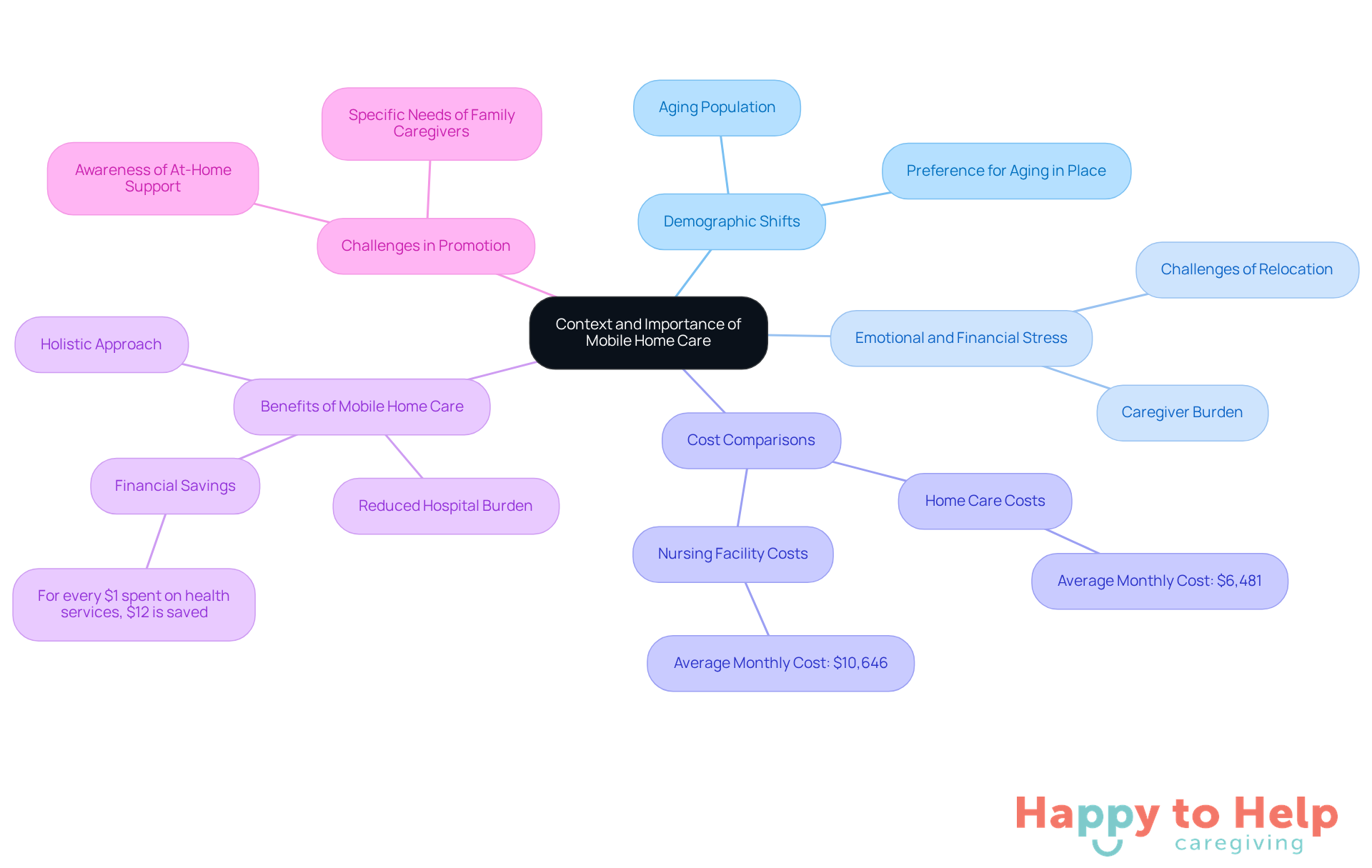
The need for manufactured housing support has become increasingly critical in recent years, primarily due to the aging population. This demographic shift has led to a growing preference for aging in place, which presents a significant challenge for families seeking appropriate care solutions. The emotional and financial stress associated with relocating to assisted living facilities can be overwhelming for both seniors and their caregivers.
Transportable residence assistance offers a practical solution that addresses healthcare needs while alleviating the anxiety of moving. This model not only meets the physical health requirements of clients but also prioritizes their emotional and psychological well-being, promoting a holistic approach to support. Moreover, residential healthcare can ease the burden on hospitals and nursing facilities, resulting in lower medical expenses and better service availability for underserved communities.
For instance, the typical monthly cost for full-time assistance is $6,481, which is significantly less than the $10,646 charged for a private nursing facility room. This makes transportable residence assistance a more feasible option for families. As Amanda Jepson, a Program Associate, highlights, "For every $1 spent on health services, $12 is saved," underscoring the financial advantages of this model.
As families increasingly seek tailored support options, the demand for mobile home care continues to rise, reflecting a broader trend toward more adaptable healthcare solutions. However, challenges remain in promoting at-home support, including the need for greater awareness of these initiatives and addressing the specific needs of family caregivers who play a vital role in supporting their loved ones.
Historical Development of Mobile Home Care
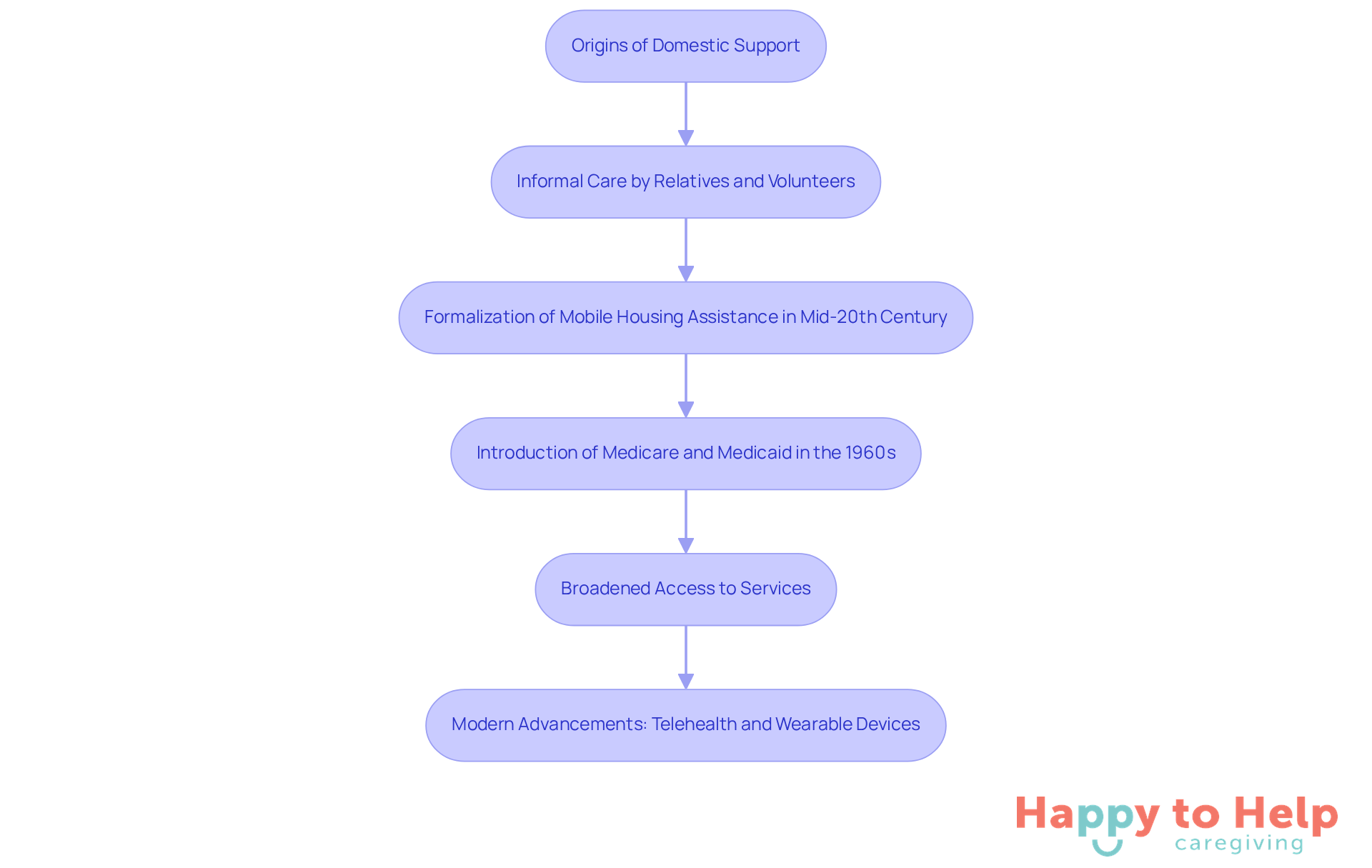
The origins of domestic support reveal a significant problem: many caregivers struggle to provide adequate assistance due to a lack of organized resources. Historically, this support was largely informal, relying on relatives and community volunteers. However, as the need for structured help became evident, especially for those unable to access conventional medical facilities, the landscape began to change.
In the mid-20th century, the formalization of mobile housing assistance marked a pivotal shift. The introduction of Medicare and Medicaid in the 1960s accelerated this transformation, allowing for reimbursement of in-residence assistance. This change not only broadened access to essential services but also laid the groundwork for a more systematic approach to mobile home care.
Today, advancements in technology, such as telehealth and wearable devices, have further evolved mobile home care into a comprehensive service model. This modern approach integrates medical, therapeutic, and personal support, reflecting the changing dynamics of healthcare delivery. Caregivers now have access to a range of tools and resources that enhance patient autonomy and improve quality of life.
Insights from healthcare historians highlight that this evolution is not merely a response to patient needs; it also mirrors broader societal changes, including an aging population and the increasing demand for cost-effective solutions. As the landscape continues to shift, the focus remains on ensuring that residential support services are both accessible and efficient, ultimately improving the quality of life for individuals.
Key Features and Components of Mobile Home Care
Mobile home care presents a significant challenge for caregivers, as it requires personalized support that adapts to each client's unique requirements. This issue can lead to feelings of frustration and inadequacy among caregivers, who strive to provide the best possible care. Without a tailored approach, clients may not receive the assistance they need to maintain their independence and quality of life.
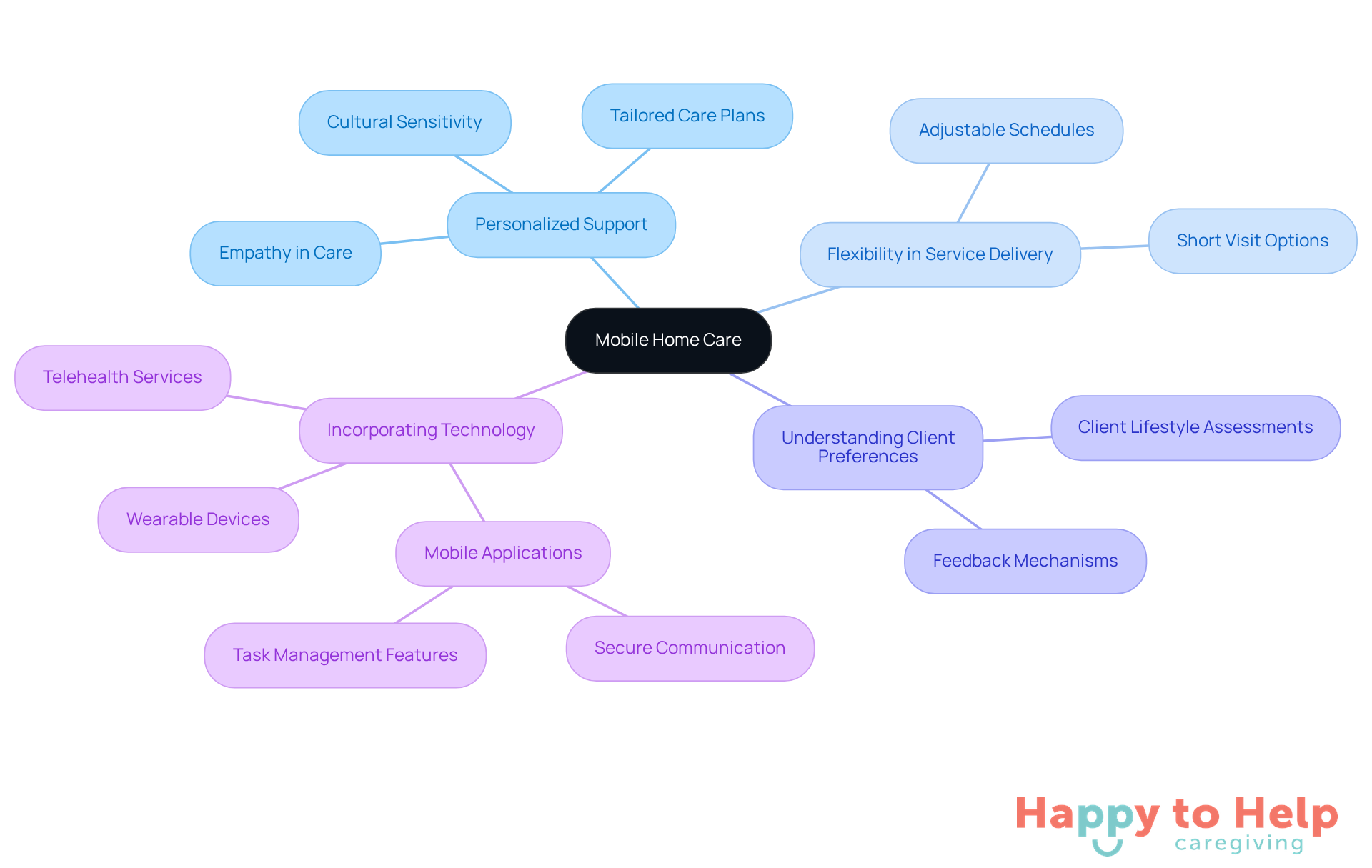
To address this problem, caregivers can implement personalized plans that focus on enhancing client independence. Key aspects of effective mobile home care include:
- Flexibility in service delivery
- A commitment to understanding each client's preferences and lifestyle
Support providers are trained to adjust their services based on thorough evaluations, ensuring that assistance is both effective and considerate.
Incorporating technology into mobile home care can further streamline communication between caregivers, clients, and healthcare providers. For instance, telehealth services and electronic health records facilitate secure communication, allowing families to stay updated on their loved ones' treatment. Mobile applications can enhance this process, providing timely information and improving the overall quality of support.
Flexibility is crucial for caregivers, as one noted: "Being able to modify my schedule to accommodate my clients' needs makes a substantial impact on the assistance I offer." This adaptability fosters a supportive environment where clients feel respected and understood. For example, John, a 75-year-old with early-stage Parkinson's disease, benefits from a caregiver who listens and adjusts his exercise regimen according to his energy levels. This responsiveness not only improves health outcomes but also provides emotional relief for families, knowing their loved ones receive tailored support.
Benefits of Mobile Home Care
Problem: Caregivers often face significant stress and emotional strain when providing support to their loved ones. This can lead to anxiety and burnout, impacting both their well-being and that of the individuals they care for.
Agitate: Without adequate support, caregivers may struggle to manage their responsibilities, resulting in higher healthcare costs and decreased quality of life for those they care for. Families frequently worry about their loved ones' emotional and physical health, which can create a cycle of stress and concern.
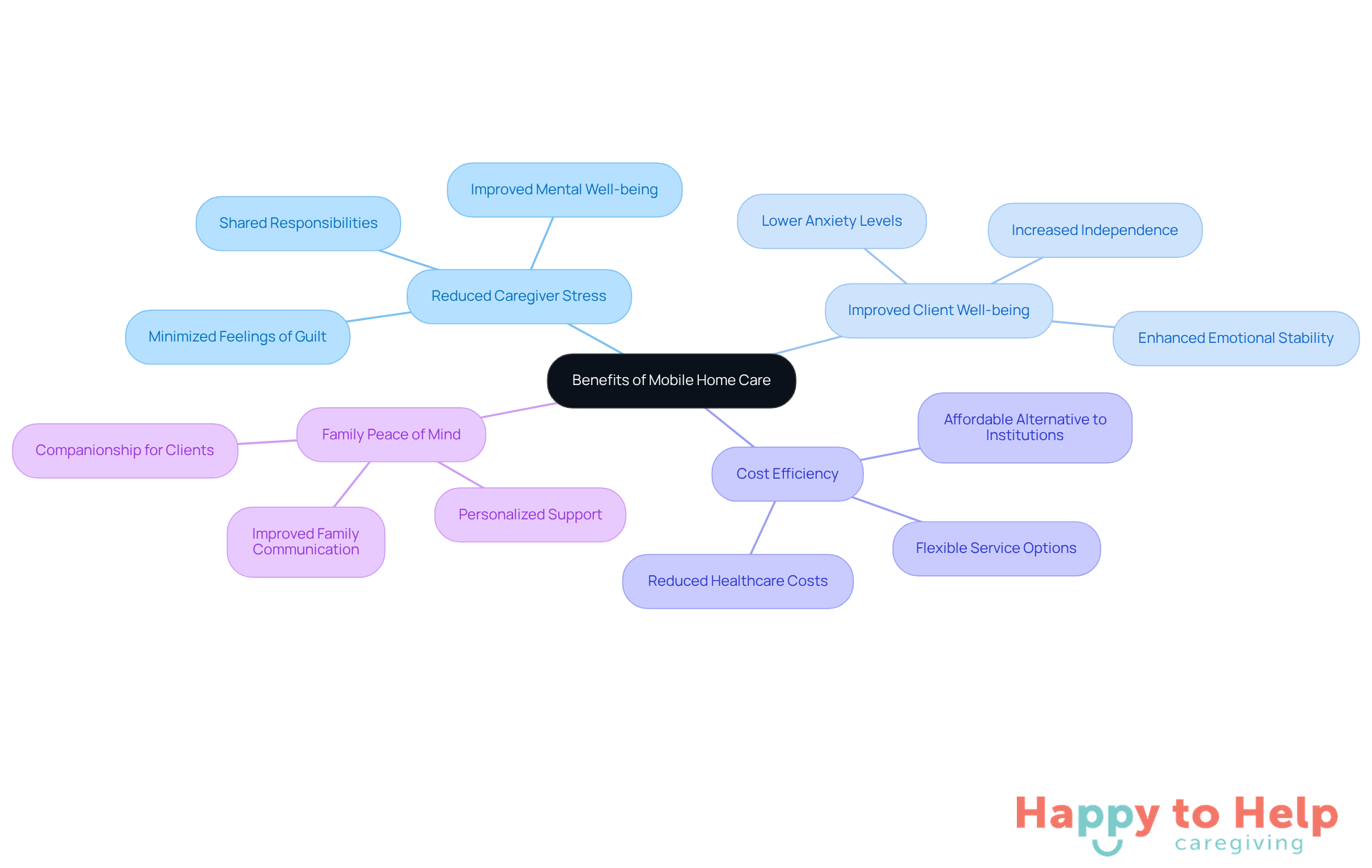
Mobile home care provides a variety of advantages that greatly improve the quality of life for clients, encourage independence, and lower healthcare expenses. By receiving assistance in a familiar environment, individuals experience lower anxiety levels and improved emotional well-being. Studies show that older adults who participate in tailored in-home assistance are more inclined to follow treatment plans, resulting in improved well-being. For example, research indicates that health programs delivered via smartphones have led to fewer emergency department visits and hospital stays, showcasing their effectiveness in managing health issues at residence.
Families also benefit from residential assistance, gaining peace of mind knowing their loved ones receive compassionate, personalized support. This personalized approach not only addresses physical needs but also nurtures emotional stability, fostering connections that enhance overall wellness. Testimonials from families emphasize the transformative effect of in-home support, with many expressing appreciation for the relief it provides from caregiving responsibilities. Overall, mobile home care represents a holistic strategy for health and wellness, prioritizing individual preferences and lifestyles while ensuring clients thrive in the comfort of their own homes.
Moving Forward with Mobile Home Care: Definition,
Mobile home care addresses a significant problem: the isolation and lack of support faced by seniors and individuals with disabilities. This issue not only affects their quality of life but also impacts their emotional well-being. As the demand for mobile home care rises, it becomes increasingly important to recognize its role in fostering independence and security in a familiar environment.
The implications of inadequate care are profound. Many individuals experience feelings of loneliness, which can lead to deteriorating mental health. Mobile home care offers a solution by providing personalized support that enhances the quality of life for those receiving care. This model not only alleviates the burden on healthcare facilities but also promotes a sense of community and connection.
To ensure that more people benefit from mobile home care, society must advocate for greater awareness and accessibility of these services. By doing so, we can transform the lives of countless individuals and families. Here are some actionable steps:
- Promote awareness of mobile home care options within communities.
- Encourage local governments to support funding for these services.
- Educate families on the benefits of mobile home care to reduce stigma.
In conclusion, mobile home care is not just a service; it’s a vital support system that enhances individual health outcomes and strengthens community ties. By embracing this holistic approach, we can create a more compassionate and supportive environment for everyone involved.
https://iframe.tely.ai/cta/eyJhcnRpY2xlX2lkIjogIjY5MjEwZjkxMzc5NWM5NDI2NDE4ZjBlZSIsICJjb21wYW55X2lkIjogIjY4ZWU1ZGNhNzMxNzYyNTU3ZjNjOTVjMSIsICJpbmRleCI6IG51bGwsICJ0eXBlIjogImFydGljbGUifQ==Frequently Asked Questions
What is mobile home care?
Mobile home care addresses the isolation experienced by many seniors and individuals with disabilities, providing support to improve their quality of life, promote independence, and combat feelings of loneliness.
Why is mobile home care important?
Mobile home care is important because it helps preserve cognitive well-being, reduces emotional distress, and allows seniors to age in place, which is increasingly preferred over relocating to assisted living facilities.
What types of support services are included in mobile home care?
Mobile home care includes personalized support services such as help with daily tasks, medication management, and emotional assistance, all tailored to meet the unique needs of each client.
How prevalent is isolation among seniors?
One in three individuals aged 50-80 report experiencing isolation at least occasionally, highlighting the need for effective support systems like mobile home care.
What are the financial benefits of mobile home care compared to assisted living?
The typical monthly cost for full-time mobile home care assistance is $6,481, which is significantly less than the $10,646 charged for a private nursing facility room, making it a more feasible option for families.
How does mobile home care impact healthcare costs?
Mobile home care can ease the burden on hospitals and nursing facilities, resulting in lower medical expenses. For every $1 spent on health services, $12 is saved, indicating significant financial advantages.
What challenges does mobile home care face?
Challenges include the need for greater awareness of mobile home care initiatives and addressing the specific needs of family caregivers who support their loved ones.
List of Sources
- Defining Mobile Home Care
- Oracle Health Community Care Improves Care in Mobile, Home, and Rural Settings (https://prnewswire.com/news-releases/oracle-health-community-care-improves-care-in-mobile-home-and-rural-settings-302483831.html)
- 2025 Home Care Statistics: Trends & Insights To Know (https://premierhcinc.com/blog/home-care-statistics)
- 10 Must-Know U.S. Home Care Industry Stats for 2025 - North American Community Hub (https://nchstats.com/us-home-care-industry-stats)
- 52 Eye-Opening Home Health Statistics: Insights for 2025 (https://boosthomehealth.com/home-health-statistics)
- The Benefits of Mobile Home Care (https://humancareny.com/blog/the-benefits-of-mobile-home-care)
- Context and Importance of Mobile Home Care
- The Future of Aging: Is In-Home Care the New Standard? - WorldHealth.net (https://worldhealth.net/news/future-of-aging-is-in-home-care-new-standard)
- Care at home is the hospital experience of the future (https://permanente.org/care-at-home-is-the-hospital-experience-of-the-future)
- Increasing Access to Care with Mobile Health (https://essentialhospitals.org/increasing-access-to-care-with-mobile-health)
- Boston's mobile clinics offer model of health care that meets patients where they are (https://statnews.com/2023/12/12/health-care-mobile-medicine)
- Aging at home: How families and care teams are meeting the rising demand for in-home support (https://wvnews.com/news/around\_the\_web/lifestyles/aging-at-home-how-families-and-care-teams-are-meeting-the-rising-demand-for-in/article\_70407d1c-66b0-599b-9d2a-881b55b9e77f.html)
- Historical Development of Mobile Home Care
- What’s Next For Home Health As The Industry Faces Its Biggest Test Yet (https://homehealthcarenews.com/2025/10/whats-next-for-home-health-as-the-industry-faces-its-biggest-test-yet)
- Home Care (https://nursing.upenn.edu/nhhc/home-care)
- Why is home health care growing? No one wants to be in a hospital (https://ama-assn.org/practice-management/digital-health/why-home-health-care-growing-no-one-wants-be-hospital)
- Exploring the History Behind Home Care Services (https://h2hhc.com/blog/history-of-home-care-services)
- The Evolution of Home Health Care: Insights from SurfMed (https://surfmed.com/blogs/surfmed-news/the-evolution-of-home-health-care-a-surfmed-perspective)
- Key Features and Components of Mobile Home Care
- The Importance of Personalized Care Plans in Home Care (https://anodyne-services.com/2025/01/14/the-importance-of-personalized-care-plans-in-home-care)
- Customized Care at Home: The Benefits of Personalized Care Plans - VNA Health Group (https://vnahg.org/customized-care-at-home-the-benefits-of-personalized-care-plans)
- 8 Advantages of Investing in Mobile Technology for Home Care Providers (https://aaniie.com/news/8-advantages-of-investing-in-mobile-technology-for-home-care-providers)
- Home Care Providers Turn to Tech for More Flexible, Cost-Effective Models (https://homehealthcarenews.com/2025/02/home-care-providers-turn-to-tech-for-more-flexible-cost-effective-models)
- The Benefits of Mobile Home Care (https://humancareny.com/blog/the-benefits-of-mobile-home-care)
- Benefits of Mobile Home Care
- The Emotional Benefits of In-Home Care: How Personalized Support Enhances Well-Being - Emory Mills (https://emorymills.com/blogs/the-emotional-benefits-of-in-home-care)
- How in-home care can reduce stress for families (https://wftv.com/news/how-in-home-care-can-reduce-stress-families/OVSAYMPDZRLTFGOGCEFDDNAWTY)
- Study: Mobile health clinics offer alternative access to care (https://northcarolinahealthnews.org/2025/10/18/study-mobile-health-clinics-offer-alternative-access-to-care)
- The Benefits of Mobile Home Care (https://humancareny.com/blog/the-benefits-of-mobile-home-care)
- Top Benefits of Mobile Home Care Services - Renaissance Home Care (https://renaissancehomehc.com/post/the-benefits-of-mobile-home-care)