

Active service-area notice
Happy to Help does not currently list Naples as an active service area. This article is general educational information. For local care availability, browse our active service areas.
Browse active service areasFor families in our service areas
For families in our service areas, this guide explains caregiving and how non-medical in-home caregiving can support care planning in East Idaho, Treasure Valley & Magic Valley, Northern Wasatch, North Central West Virginia, and Northeast Ohio.
What You Need to Know About Naples Memory Care: Services, Costs,
Cognitive decline, especially in conditions like Alzheimer’s disease, poses significant challenges for both those affected and their caregivers. Families often find themselves navigating a complex landscape filled with emotional and financial burdens. As the demand for specialized support increases, understanding memory care services in Naples becomes crucial.
What options are available? Families need to know how to balance the emotional toll with the financial implications of memory care. This article explores vital services, costs, and financial assistance options in Naples, providing insights that can help ensure loved ones receive the compassionate care they deserve.
Define Memory Care and Its Importance
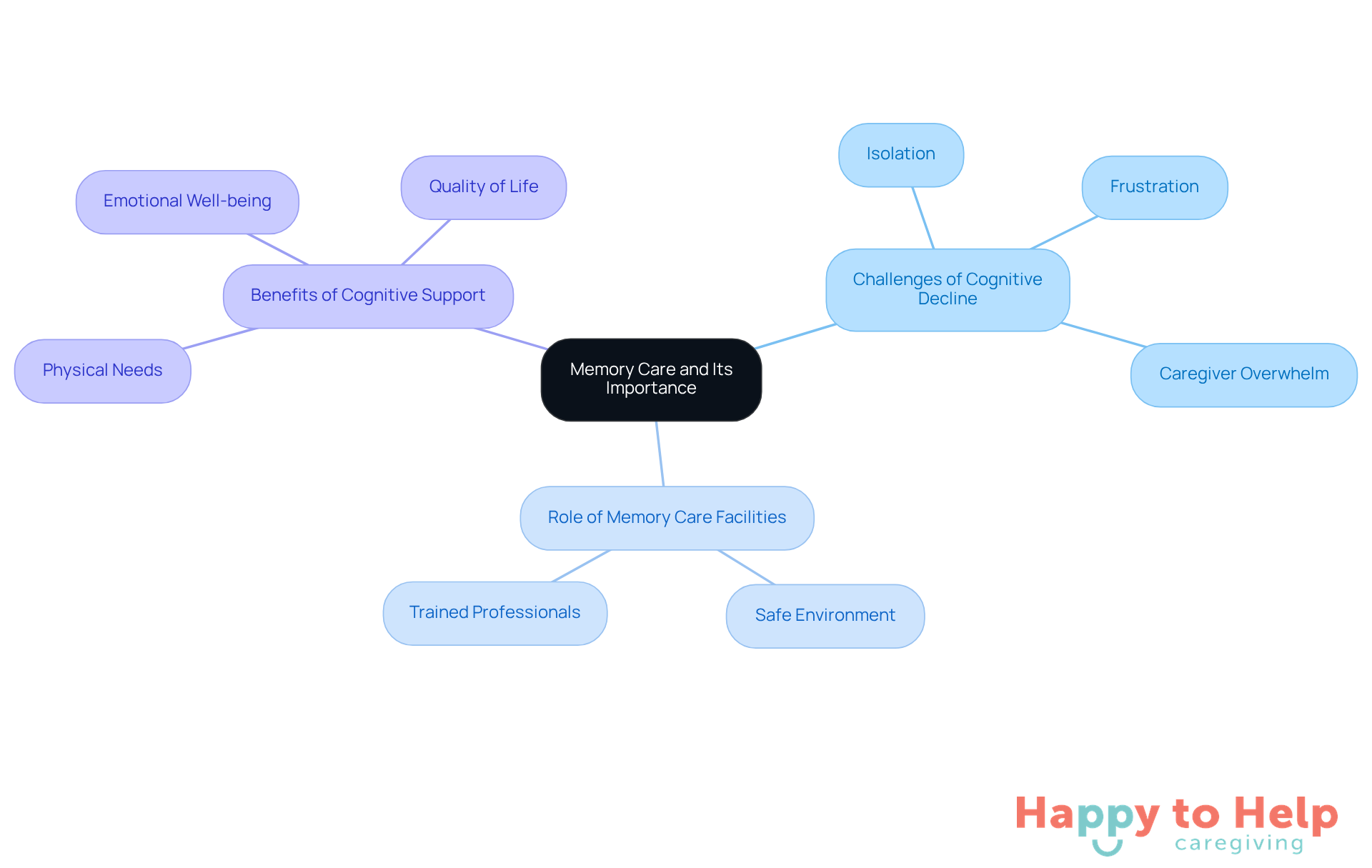
Cognitive decline poses significant challenges for individuals and their caregivers, particularly for those affected by conditions like Alzheimer's disease and other forms of dementia. These challenges can lead to feelings of isolation and frustration, both for the individuals experiencing memory loss and for their loved ones who strive to provide care.
The implications of cognitive decline are profound. Caregivers often find themselves overwhelmed, struggling to meet the physical and emotional needs of their loved ones. This is where cognitive support becomes essential. Naples memory care facilities are designed for cognitive support, offering a safe environment staffed by trained professionals who understand the complexities of cognitive decline.
Cognitive support not only addresses the physical needs of individuals but also enhances their emotional and psychological well-being. By providing structured routines, social interaction, and therapeutic activities, Naples memory care facilities significantly improve the quality of life for residents. Caregivers can find peace of mind knowing that their loved ones are in a nurturing environment that fosters a sense of safety and belonging.
Explore Memory Care Services Available in Naples
Caregivers in Naples memory care face the challenge of providing adequate support for residents with cognitive impairments. Without specialized services, these individuals may struggle with daily activities, leading to increased stress for both residents and their families.
To address these needs, facilities specializing in Naples memory care offer a variety of services designed to enhance the quality of life for residents. Common services include:
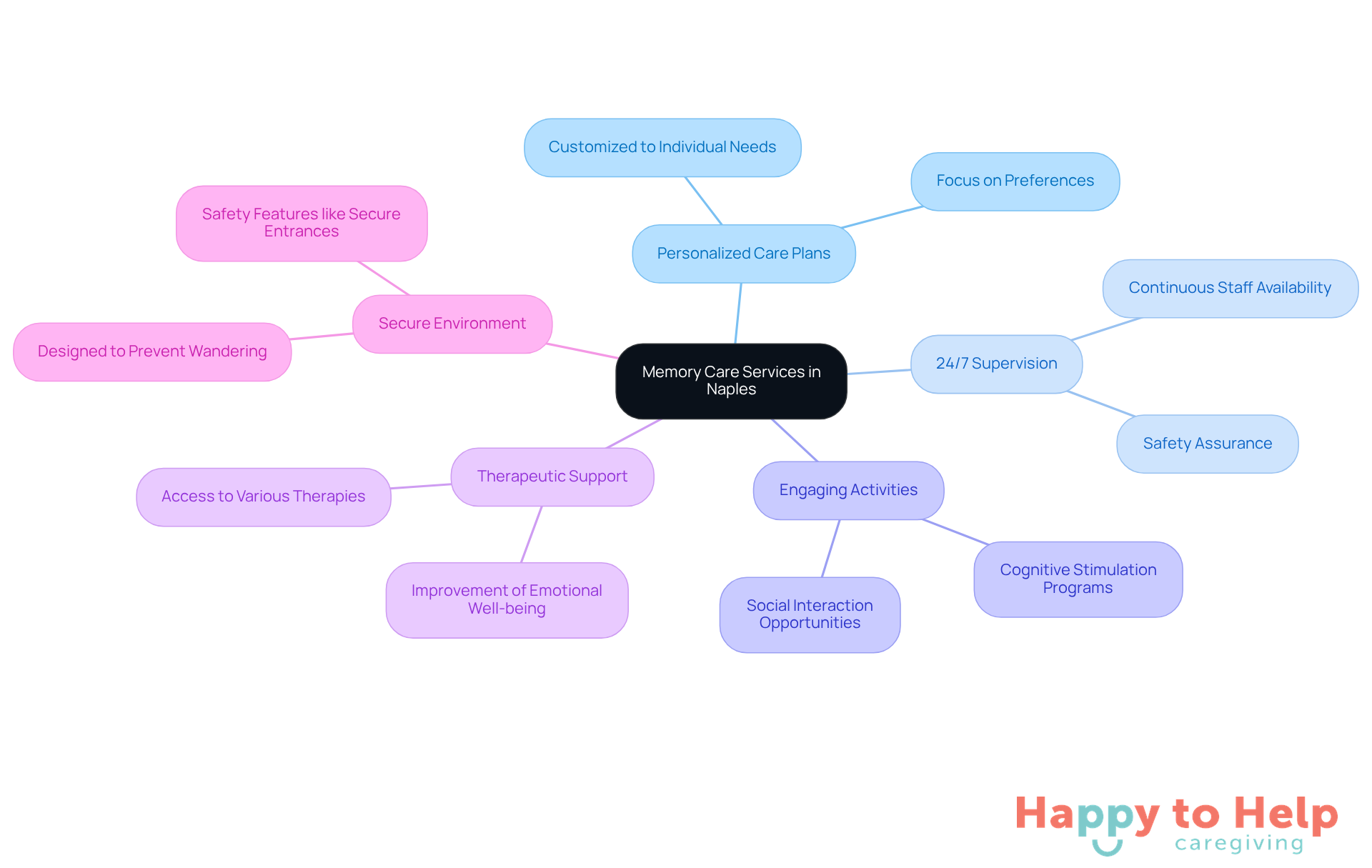
- Personalized Care Plans: Each resident receives a customized care plan that addresses their specific needs and preferences.
- 24/7 Supervision: Staff are available around the clock to ensure safety and provide assistance as needed.
- Engaging Activities: Facilities often organize social and recreational activities designed to stimulate cognitive function and promote social interaction.
- Therapeutic Support: Numerous cognitive support communities offer access to therapies like art, music, and reminiscence therapy, which can improve emotional well-being.
- Secure Environment: Naples memory care units are specifically designed to prevent wandering and ensure the safety of residents, often featuring secure entrances and exits.
These services not only provide essential support but also foster a sense of community and belonging for residents, ultimately easing the burden on caregivers.
Analyze Memory Care Costs in Naples: Comparisons and Trends
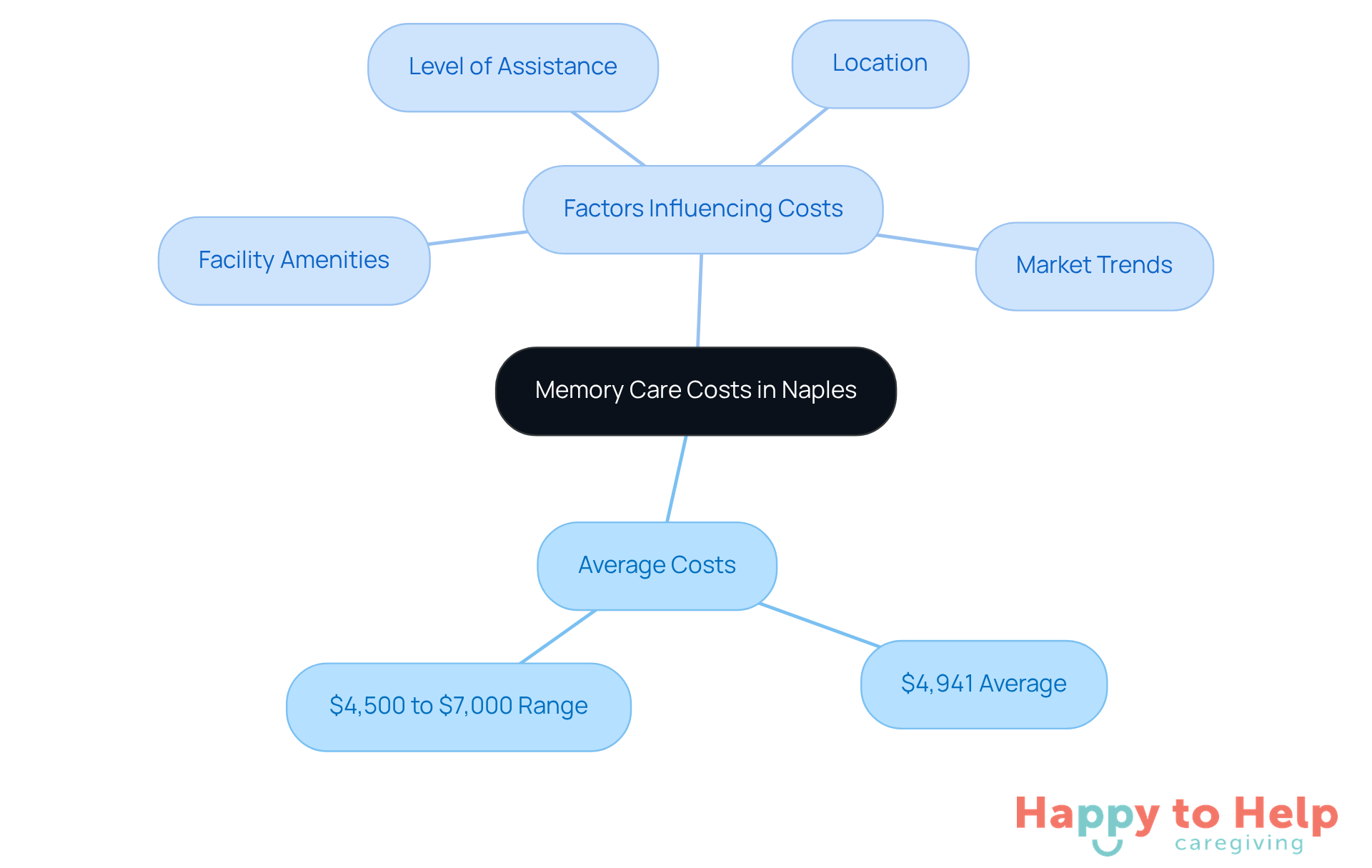
The cost of Naples memory care presents a significant challenge for families. As of 2025, the average monthly expense for memory support is approximately $4,941, with prices ranging from $4,500 to over $7,000 depending on the services provided. This variability can create confusion and stress for caregivers trying to plan for their loved ones' needs.
Several factors contribute to these costs:
- Facility Amenities: Higher-end facilities with luxurious amenities often charge more.
- Level of Assistance: Residents requiring more intensive support will incur greater expenses.
- Location: Prices can fluctuate based on the neighborhood and proximity to healthcare services.
- Market Trends: The increasing demand for cognitive support services may lead to rising costs in the future.
Given these challenges, families should carefully evaluate the available Naples memory care services. It's crucial to consider both the quality of support and the associated expenses when making decisions. By doing so, caregivers can better navigate the complexities of cognitive support costs and ensure their loved ones receive the care they need.
Review Financial Assistance and Payment Options for Memory Care
Navigating the costs of memory care can be a daunting challenge for families. The financial burden can be overwhelming, especially when considering the average yearly expense for cognitive support in the U.S., which is estimated at $74,148. This reality underscores the importance of understanding available financial assistance options to help manage these expenses effectively.
-
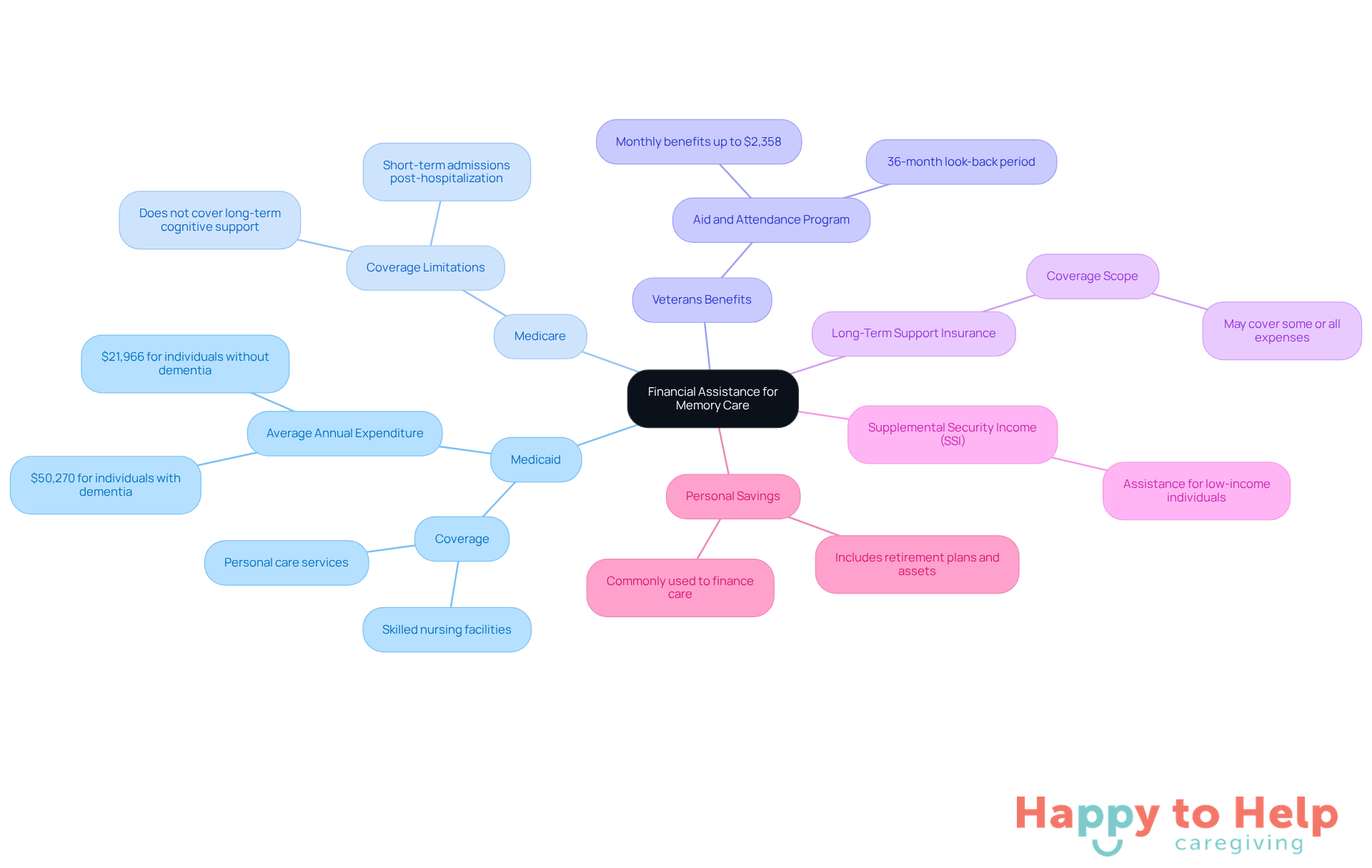
Medicaid plays a crucial role in covering memory care costs for eligible individuals, particularly in skilled nursing facilities. Average annual Medicaid expenditures for individuals with dementia reach approximately $50,270, significantly higher than the $21,966 for those without dementia. This highlights how essential Medicaid is for families facing the financial strain of dementia support.
-
Medicare, while not covering long-term cognitive support, may offer coverage for short-term admissions in skilled nursing facilities after hospitalization. This can be beneficial for families needing transitional support following a medical event.
-
Veterans Benefits provide another avenue for financial support. Veterans and their partners may qualify for assistance through the VA for cognitive support services. Programs like Aid and Attendance can offer monthly benefits as high as $2,358 for eligible veterans, helping them access necessary services without depleting their savings. However, veterans must consider the 36-month look-back period when applying for these benefits, necessitating careful financial planning.
-
Long-Term Support Insurance can also be a valuable resource. Depending on the policy, it may cover some or all expenses related to cognitive support. Families should review their plans to understand the extent of coverage available.
-
Supplemental Security Income (SSI) is another government funding source that can assist families in covering cognitive support expenses, particularly for low-income individuals who are disabled or aged 65 and above.
Many families also rely on personal savings and assets to finance cognitive support. With the average yearly expense being significant, it's crucial to prepare in advance and explore all available options to ensure loved ones receive the necessary assistance.
Understanding these financial assistance options is vital for families in Naples as they navigate the complexities of Naples memory care costs, ensuring their loved ones receive the support and services they need.
Moving Forward with Naples Memory Care: Services, Costs,
Navigating the complexities of cognitive decline presents significant challenges for families. Caregivers often grapple with not only the physical needs of their loved ones but also the emotional and psychological aspects of memory impairments. This dual burden can lead to feelings of overwhelm and uncertainty.
In Naples, memory care facilities offer a solution by providing a nurturing environment that addresses these multifaceted needs. With personalized care plans, 24/7 supervision, and engaging activities, these facilities enhance the quality of life for residents. Moreover, understanding the financial landscape - average costs and available aid - is crucial for families seeking the best care options.
The importance of memory care extends beyond individual needs; it reflects a broader commitment to supporting families facing cognitive decline. By staying informed about services and financial options, families can make empowered decisions that ensure their loved ones receive the compassionate care they deserve. Embracing the resources available in Naples can lead to improved outcomes for both residents and their caregivers, fostering a community where dignity and respect are paramount.
https://iframe.tely.ai/cta/eyJhcnRpY2xlX2lkIjogIjY5MjNhMGFkMjcyNDliYTNkMmMzZTYwZSIsICJjb21wYW55X2lkIjogIjY4ZWU1ZGNhNzMxNzYyNTU3ZjNjOTVjMSIsICJpbmRleCI6IG51bGwsICJ0eXBlIjogImFydGljbGUifQ==Frequently Asked Questions
What is memory care?
Memory care refers to specialized support and services designed for individuals experiencing cognitive decline, particularly those affected by conditions like Alzheimer's disease and other forms of dementia.
Why is memory care important?
Memory care is important because it addresses the significant challenges posed by cognitive decline, helping individuals and their caregivers manage feelings of isolation and frustration while meeting their physical and emotional needs.
What challenges do caregivers face in memory care?
Caregivers often feel overwhelmed as they struggle to meet the complex physical and emotional needs of their loved ones experiencing memory loss.
What features do Naples memory care facilities offer?
Naples memory care facilities offer a safe environment with trained professionals, structured routines, social interaction, and therapeutic activities designed to enhance the emotional and psychological well-being of residents.
How does cognitive support improve the quality of life for residents?
Cognitive support improves the quality of life for residents by providing a nurturing environment that fosters safety and belonging, along with structured activities that promote social interaction and emotional health.
What benefits do caregivers gain from memory care facilities?
Caregivers gain peace of mind knowing their loved ones are in a supportive environment that meets their needs, allowing them to focus on their own well-being as well.
List of Sources
- Explore Memory Care Services Available in Naples
- The Best Memory Care Facilities in Naples, FL | MemoryCare.com (https://memorycare.com/naples-fl-facilities)
- Care Homes for Dementia in Naples, FL | Alzheimers.net (https://alzheimers.net/resources/florida/naples)
- ‘We’re Back, Baby’: 6 Senior Living Leaders Predict Memory Care’s Future (https://seniorhousingnews.com/2025/10/17/were-back-baby-6-senior-living-leaders-predict-memory-cares-future)
- Memory & Dementia Care Facilities in Naples, Florida | US News (https://health.usnews.com/best-senior-living/memory-care/florida/naples)
- Top 14 Assisted Living Communities in Naples, Florida in 2025 (https://floridaseniorconsulting.com/top-14-assisted-living-communities-in-naples-florida)
- Review Financial Assistance and Payment Options for Memory Care
- How to Pay for Memory Care: 6 Options for Families (https://aplaceformom.com/caregiver-resources/articles/how-to-pay-memory-care)
- New 2025 Updates to Veterans Benefits for Assisted Living (https://floridaseniorconsulting.com/updated-veterans-aid-and-attendance-benefits-for-assisted-living)
- New Medicare program offers much-needed relief for caregivers of dementia patients (https://finance.yahoo.com/news/new-medicare-program-offers-much-needed-relief-for-caregivers-of-dementia-patients-203450020.html)
- Medicare offering dementia caregiver benefit: It's a start, advocates say (https://naplesnews.com/story/news/local/2025/08/20/medicare-now-offers-2500-dementia-caregiving-stipend-how-it-helps/84334583007)
- Medicaid Contributes Substantial Costs to Dementia Care in an Ethnically Diverse Community - PMC (https://pmc.ncbi.nlm.nih.gov/articles/PMC7424274)