
For families in our service areas
For families in our service areas, this guide explains caregiver support and how non-medical in-home caregiving can support care planning in East Idaho, Treasure Valley & Magic Valley, Northern Wasatch, North Central West Virginia, and Northeast Ohio.
Understanding Your Options
This article highlights the vital role caregivers play in nurturing the relationships of older couples. By fostering emotional connections, encouraging shared activities, and promoting open communication, caregivers can significantly enhance the companionship and emotional well-being of elderly partners. These approaches not only help maintain lasting bonds but also improve the overall quality of life for those involved. Research underscores the importance of shared experiences and emotional support in sustaining enduring love, reminding us of the profound impact caregivers have in this journey.
In the face of stress and burnout, caregivers often grapple with emotional challenges. It is essential to recognize these feelings and offer support tailored to their needs. By providing practical solutions and fostering a nurturing environment, caregivers can find solace and strength in their roles.
As we reflect on the stories of caregivers who have made a difference, we see the transformative power of compassion and dedication. Their experiences reveal how emotional support and shared moments can bring joy and connection to older couples, reinforcing the importance of their work.
Ultimately, the message is one of encouragement and reassurance. Caregivers are not alone in this journey; their efforts are invaluable, and the love they help sustain is a testament to their commitment. Together, we can continue to nurture these precious relationships, ensuring that every elderly couple feels cherished and supported.
The Importance of Older Couples Relationships: Key
Understanding the intricacies of relationships among older couples reveals a profound tapestry woven from shared experiences, emotional support, and mutual respect. Caregivers play a pivotal role in nurturing these connections, facilitating activities that evoke cherished memories and foster deeper bonds.
Yet, as love evolves with age, caregivers often encounter unique challenges. How can they effectively address these issues, ensuring emotional well-being and companionship thrive amidst the complexities of aging?
This journey can be filled with stress and burnout, but there are solutions available. By providing compassionate support, caregivers can create an environment where love flourishes, even in the face of life's challenges.
As we explore these themes, we will share personal stories and testimonials that highlight the transformative power of nurturing care. Together, we can find reassurance and encouragement in the shared mission of enhancing the lives of older couples.
Explore the Foundations of Lasting Love and Commitment in Older Couples
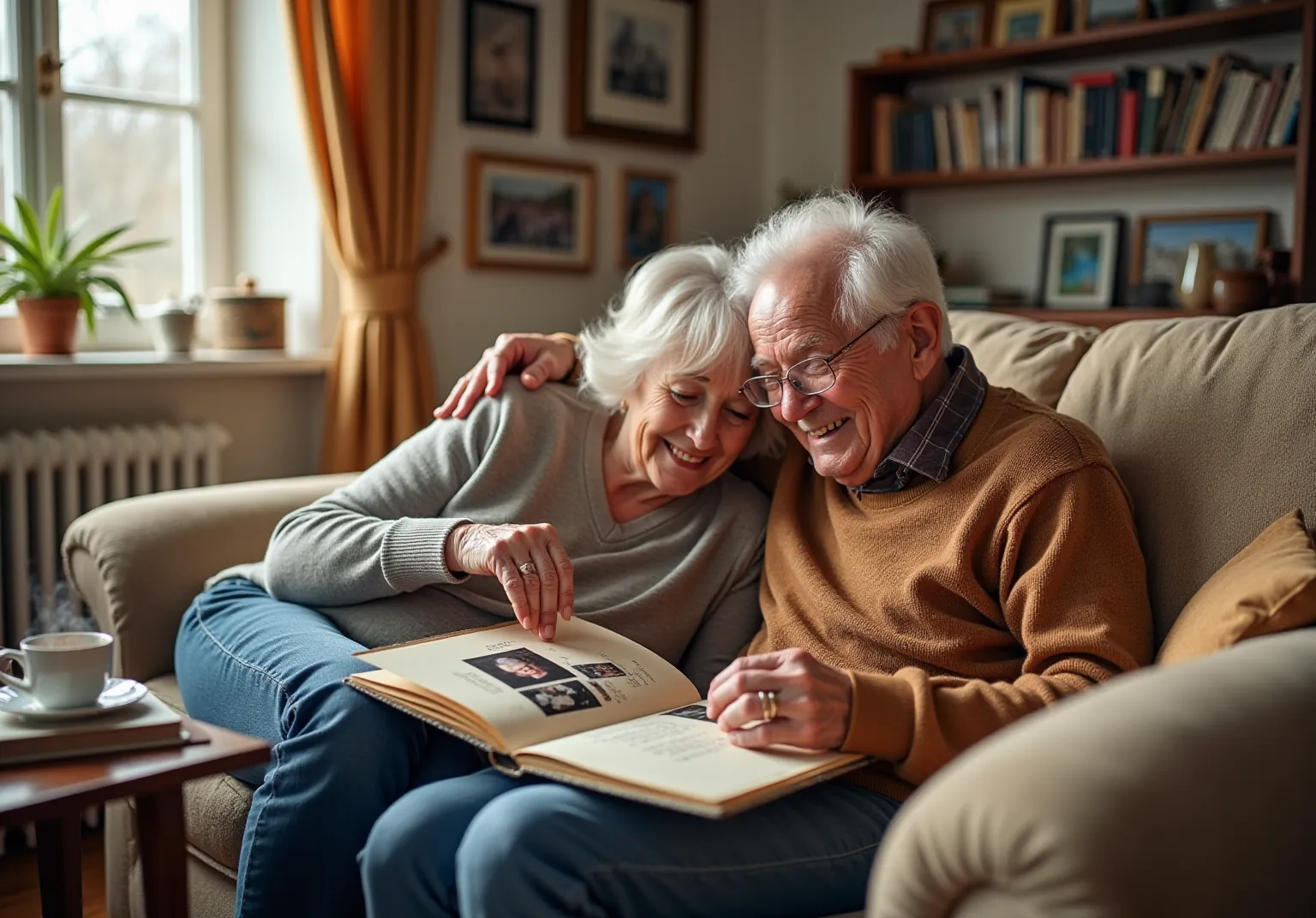
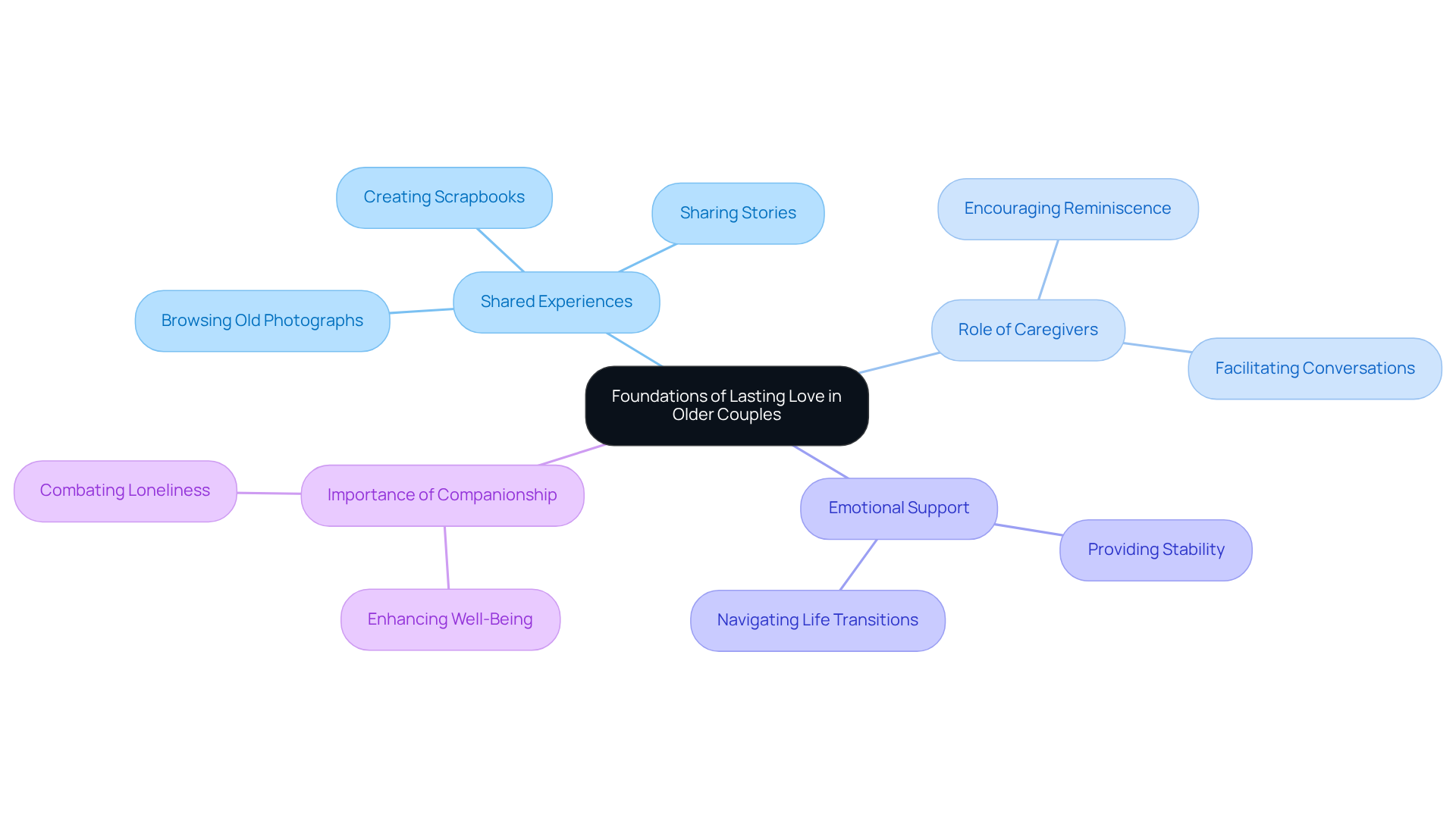
Lasting affection in older couples relationships often stems from shared experiences, mutual respect, and a profound understanding of each other's needs. Caregivers play a crucial role in encouraging partners to reminisce about their journey together, significantly reinforcing their emotional bond. Engaging in activities such as:
- Sharing stories
- Creating scrapbooks
- Browsing through old photographs
can evoke positive emotions and deepen their connection.
Recognizing the importance of dedication, caregivers can foster conversations on how partners can support each other through life's challenges. This dialogue highlights that while love may evolve, it remains a vital aspect of their lives. Partners frequently find joy in simple everyday activities, which can serve as a strong foundation for the endurance of their bond.
Studies indicate that older couples relationships thrive when partners engage in shared activities, leading to stronger connections and increased overall happiness. Additionally, 30% of adults over 65 are either dating, open to relationships, or actively seeking companionship, underscoring the significance of companionship in enhancing overall well-being. By nurturing an environment where reminiscing is encouraged, caregivers can assist partners in maintaining their connection, combating loneliness, and improving their overall well-being. A supportive partner can provide emotional stability during these times, reinforcing the critical role of emotional support in relationships.
Analyze Communication Patterns and Conflict Resolution in Aging Relationships
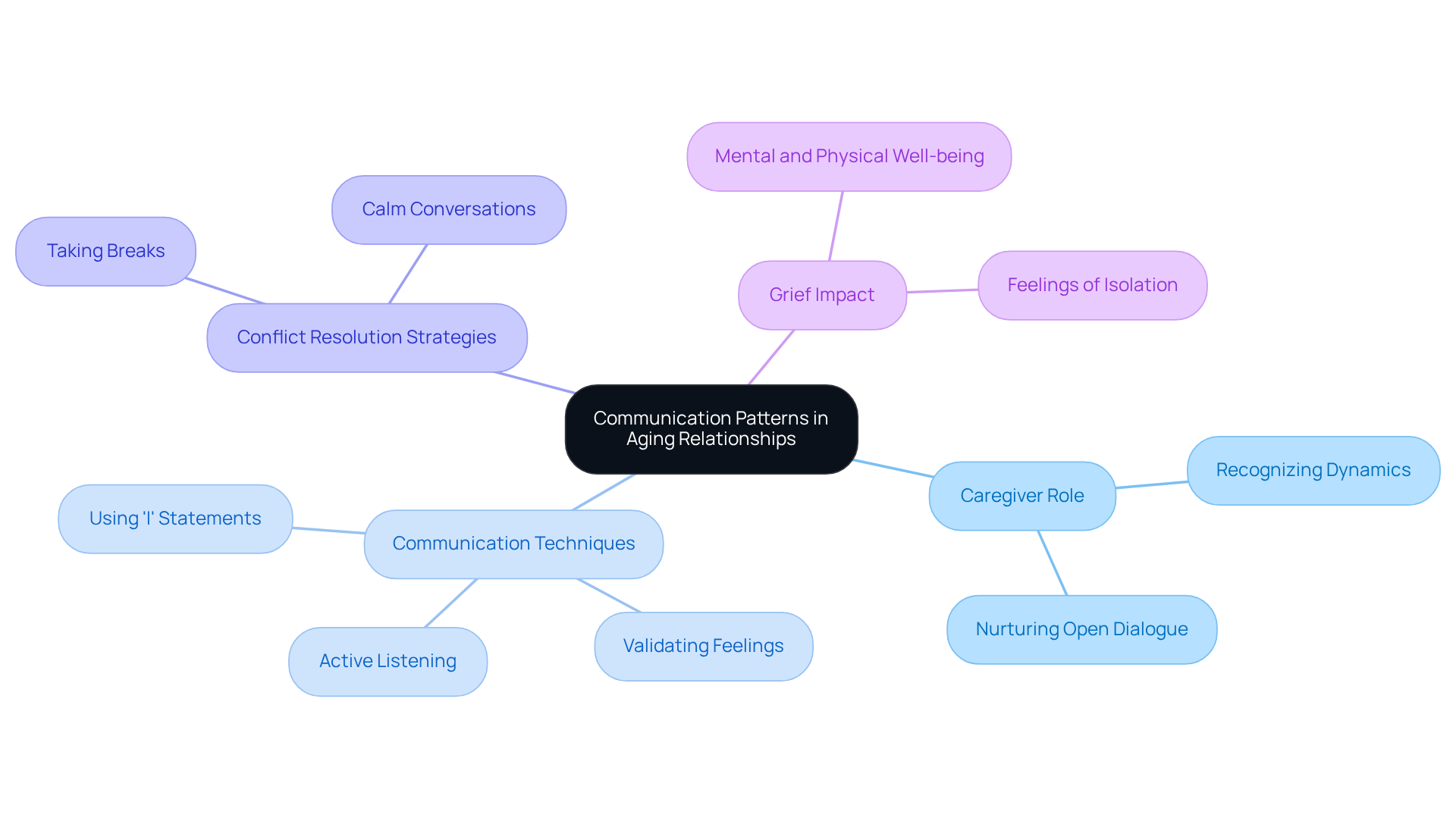
The communication patterns in older couples' relationships are often unique, shaped by their long history together and spending every moment in close proximity. Caregivers play a vital role in recognizing these dynamics and nurturing open dialogue. Techniques like active listening and validating feelings can effectively ease tensions. For instance, providers can encourage partners to use 'I' statements to express their emotions without casting blame, fostering a deeper mutual understanding.
Moreover, implementing conflict resolution strategies—such as taking breaks during heated discussions or scheduling time for calm conversations—can help resolve disagreements while also strengthening the partners' bond. As Christine Williams highlights, the patterns identified in research can guide spouses in reaching out to one another, promoting more relationship-focused communication.
It's also essential for those providing support to understand that grief from losing loved ones can lead to feelings of isolation, which may affect both mental and physical well-being. By advocating for these practices and recognizing the importance of seeking professional help, caregivers can enhance the quality of interactions within older couples' relationships and support the overall well-being of elderly partners.
Examine Emotional and Physiological Changes in Long-Term Relationships
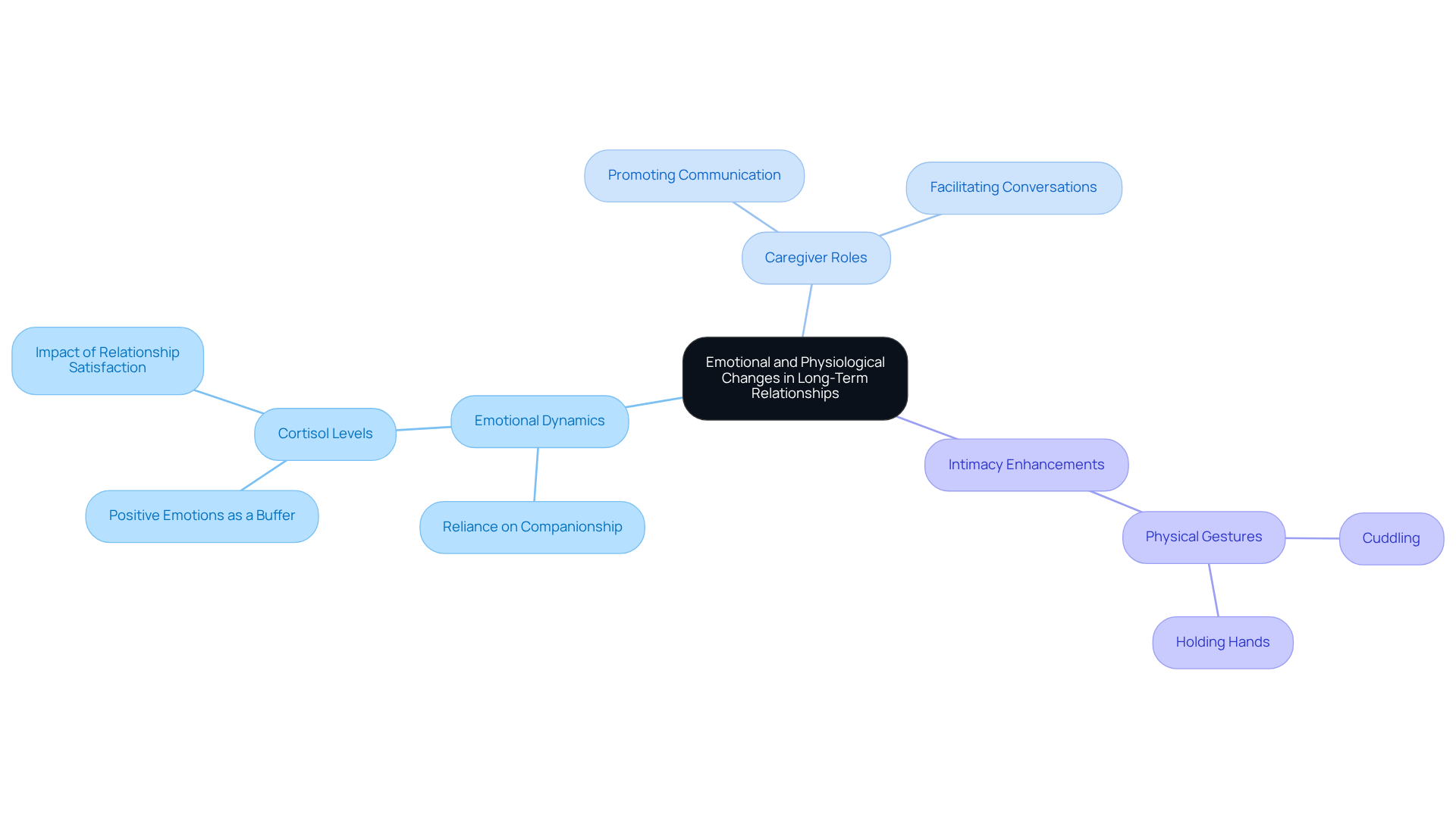
As partners in older couples relationships grow older, they often encounter significant changes in their feelings, including a deeper reliance on one another for companionship. Research from the University of California, Davis, reveals that positive emotions in older couples relationships can lead to lower cortisol levels in older adults. This finding underscores how vital support is for nurturing intimacy.
Caregivers play an essential role in identifying these emotional shifts and should promote open communication about feelings between partners. Aging can bring health challenges that impact both intimacy and psychological well-being in older couples relationships. Caregivers can facilitate conversations about these changes, helping partners navigate their new realities.
For instance, suggesting simple yet meaningful gestures like cuddling or holding hands can foster a sense of connection, even amidst physical limitations. As Tomiko Yoneda notes, positive feelings act as a social resource that can reduce cortisol production, highlighting the importance of emotional dynamics in older couples relationships.
By understanding these dynamics, caregivers can create a nurturing environment that honors the evolving nature of the partners' relationship, ultimately enhancing their quality of life.
Understand the Role of Companionship and Support in Elderly Relationships
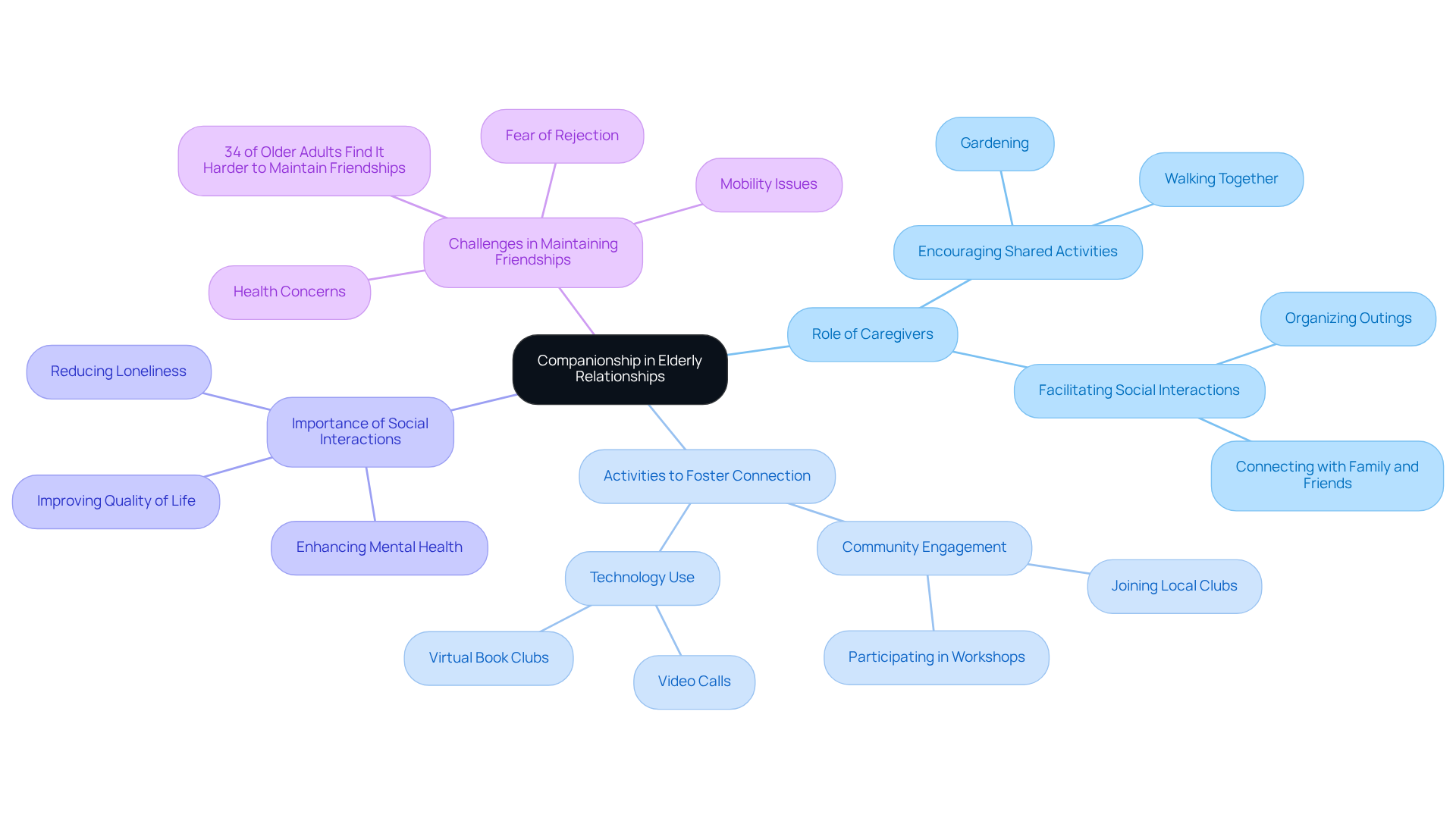
Companionship is vital for the emotional well-being of older partners. Caregivers can play a pivotal role by encouraging activities that foster connection, such as shared hobbies and regular outings. For instance, suggesting that partners take walks together or engage in activities like gardening can significantly enhance their bond. Furthermore, facilitating social interactions with friends and family helps alleviate feelings of isolation. This is crucial, as studies show that social connections can reduce the risk of depression and cognitive decline.
It's important to note that 34% of older adults report finding it more challenging to maintain friendships now compared to their youth. This statistic underscores the need for support in nurturing companionship. By promoting these connections, caregivers not only help older couples sustain a sense of purpose and joy but also contribute to their overall happiness and health, thereby enhancing their quality of life.
Engaging in community activities or programs can further enrich their social interactions, providing opportunities for meaningful connections. These moments of togetherness can foster a deeper sense of belonging and fulfillment, reminding us all of the profound impact companionship has on our lives.
Key Takeaways for Caregivers
Understanding the dynamics of older couples' relationships is essential for enhancing their emotional well-being and strengthening their bonds. Lasting love in these relationships is built on shared experiences, mutual respect, and effective communication. Caregivers play a pivotal role in this process, encouraging partners to engage in meaningful activities and conversations that reinforce their connection. This ultimately promotes a healthier emotional environment.
Key insights reveal the importance of:
- Companionship
- Communication patterns
- The emotional shifts that occur as couples age
Engaging in shared activities, fostering open dialogues, and recognizing the impact of emotional and physiological changes can significantly improve the quality of life for older partners. By implementing conflict resolution strategies and encouraging social interactions, caregivers can help mitigate feelings of isolation. This, in turn, enhances the overall happiness and health of elderly couples.
Reflecting on these insights, it becomes clear that nurturing relationships among older adults is not just beneficial but vital. Caregivers and family members should actively promote companionship and emotional support, recognizing their profound impact on the well-being of older couples. By prioritizing these elements, we can ensure that the golden years are filled with love, connection, and joy, allowing elderly partners to thrive together.
https://iframe.tely.ai/cta/eyJhcnRpY2xlX2lkIjogIjY4ZmViYjEwYmUzN2E5NTlhYzEzNzg2NSIsICJjb21wYW55X2lkIjogIjY4ZWU1ZGNhNzMxNzYyNTU3ZjNjOTVjMSIsICJpbmRleCI6IG51bGwsICJ0eXBlIjogImFydGljbGUifQ==Frequently Asked Questions
What are the key elements that contribute to lasting love in older couples?
Lasting love in older couples often stems from shared experiences, mutual respect, and a profound understanding of each other's needs.
How can caregivers help strengthen the emotional bond between partners?
Caregivers can encourage partners to reminisce about their journey together by engaging in activities such as sharing stories, creating scrapbooks, and browsing through old photographs.
Why is dedication important in older couples' relationships?
Dedication allows partners to support each other through life's challenges, highlighting that while love may evolve, it remains a vital aspect of their lives.
What types of activities do older couples find joy in?
Partners often find joy in simple everyday activities, which can serve as a strong foundation for the endurance of their bond.
What does research suggest about shared activities among older couples?
Studies indicate that older couples' relationships thrive when partners engage in shared activities, leading to stronger connections and increased overall happiness.
What percentage of adults over 65 are seeking companionship?
Approximately 30% of adults over 65 are either dating, open to relationships, or actively seeking companionship, emphasizing the importance of companionship for overall well-being.
How can reminiscing benefit older couples?
Encouraging reminiscing can help partners maintain their connection, combat loneliness, and improve their overall well-being.
What role does emotional support play in relationships among older couples?
A supportive partner can provide emotional stability during challenging times, reinforcing the critical role of emotional support in relationships.