Understanding Personal Care Companion Services for Family

For families in our service areas
For families in our service areas, this guide explains companion care and how non-medical in-home caregiving can support care planning in East Idaho, Treasure Valley & Magic Valley, Northern Wasatch, North Central West Virginia, and Northeast Ohio.
Why Personal Care Companion Services Matters
Understanding the nuances of personal care companion services is essential as families navigate the complexities of caregiving for their loved ones. Nearly one in three seniors experience feelings of isolation, highlighting a significant problem that families face. This isolation can lead to both emotional distress and practical challenges in daily living.
The role of personal care companions becomes increasingly vital in addressing these needs. However, many caregivers struggle to discern the differences between personal care and companionship. This confusion can complicate the selection of appropriate services, leaving families unsure of how to best support their elderly relatives.
To empower families, it’s crucial to identify key factors that influence service selection. By understanding these distinctions, caregivers can enhance the quality of life for their loved ones while alleviating the burdens of caregiving. This article delves into the significance of personal care companion services, offering insights and actionable tips that can make a meaningful difference.
Define Personal Care and Companion Services
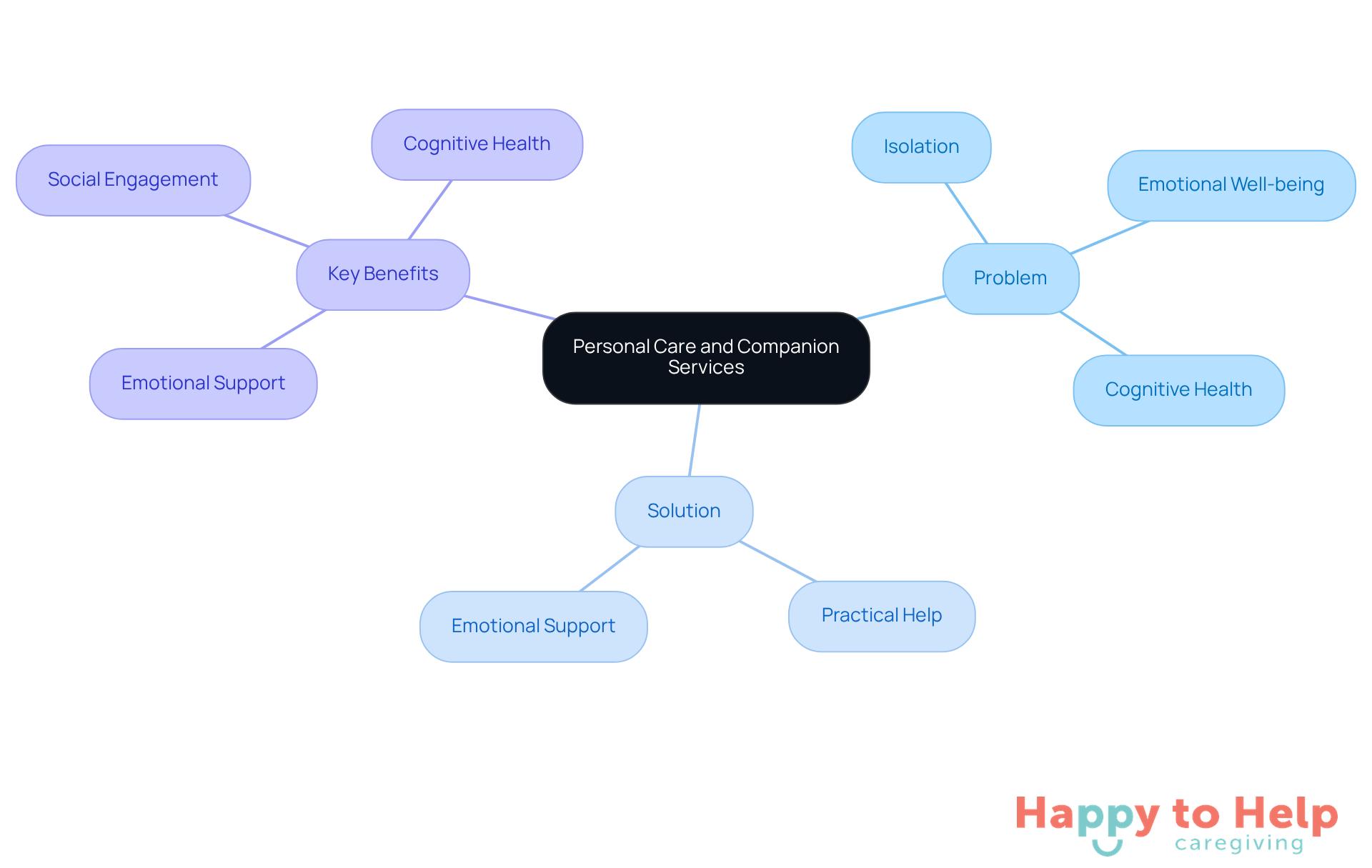
Problem: Many individuals face challenges in daily activities due to age, illness, or disability. This can lead to feelings of isolation and loneliness, particularly among older adults. Nearly one in three seniors report feeling isolated, which can result in serious mental health issues.
Agitate: The implications of this isolation are profound. It not only affects emotional well-being but can also hinder cognitive health and overall quality of life. Without adequate support, individuals may struggle with basic tasks like bathing, dressing, and meal preparation, making a personal care companion essential to combat their feelings of loneliness.
Solution: Personal support offerings provide practical help, ensuring that individuals can maintain their independence and dignity. This includes assistance with daily activities and the support of a personal care companion that focuses on emotional support and social engagement. By fostering connections and encouraging participation in social activities, these services enhance the quality of life for seniors and individuals with disabilities.
Key Benefits of Companion Services:
- Emotional Support: Helps alleviate feelings of loneliness.
- Social Engagement: Encourages participation in community activities.
- Cognitive Health: Regular interaction can decrease blood pressure and alleviate stress.
In conclusion, integrating personal care companion services is essential for improving the lives of those facing challenges due to age or disability. By addressing both practical and emotional needs, caregivers can significantly enhance the well-being of their clients.
Differentiate Between Personal Care and Companion Services
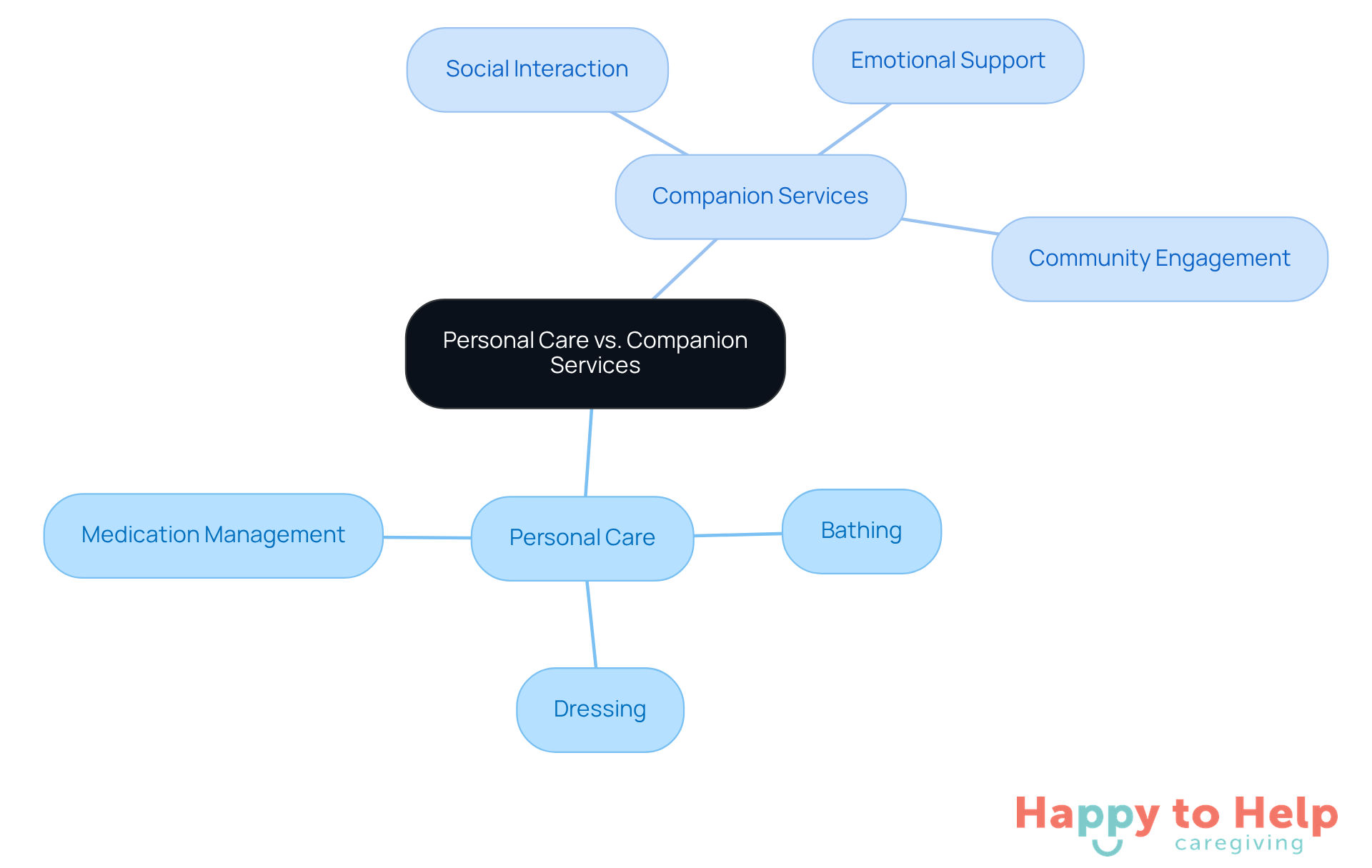
Personal care companions and companionship are both crucial for aiding individuals, yet they serve different functions. The problem arises when elderly individuals face feelings of isolation, with one in three adults aged 50-80 reporting loneliness at least some of the time. This isolation can significantly impact their quality of life, making it essential to address these emotional needs alongside physical care.
Personal care is hands-on and medically oriented, encompassing tasks that require physical assistance, such as bathing, dressing, and medication management. In contrast, support services prioritize social interaction and emotional assistance, fostering connections and engagement with the community. Companion caregivers can alleviate feelings of loneliness by accompanying clients on errands or engaging them in activities that promote socialization.
Statistics show that families are increasingly favoring home-based support options, with 82% of elderly individuals wishing to stay in their residences for as long as possible. Furthermore, aging in place is the preferred living option for 9 out of 10 seniors in 2025. This highlights the significance of recognizing the particular requirements of elderly individuals when deciding between personal assistance and companionship.
Support professionals emphasize that while personal assistance focuses on physical help, a personal care companion is essential for improving quality of life through social interaction. Mary O'Donoghue, Founder & CEO, notes, "The goal is to help older adults maintain their independence and have a higher quality of life, as they can receive support from the comfort of their own homes."
By understanding these differences, families can make informed decisions that best suit their loved ones' circumstances, ensuring they receive the appropriate level of support.
Evaluate Key Factors in Choosing Care Services
Selecting the right personal care companion for loved ones can be a daunting task, filled with critical considerations that impact their well-being.
-
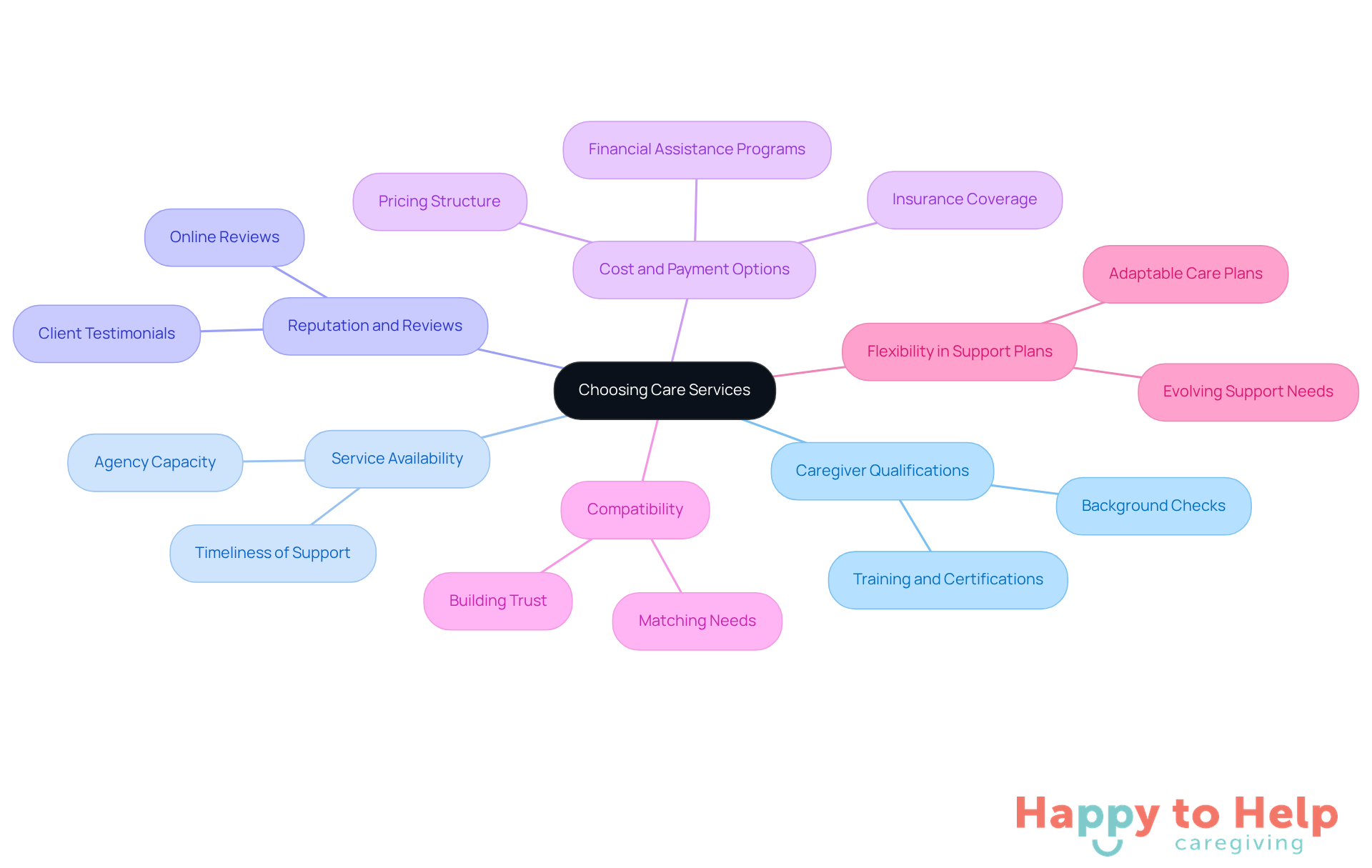
Caregiver Qualifications: One major concern is ensuring that caregivers possess the necessary training and certifications to serve as personal care companions. This not only guarantees a standard of support but also builds trust in their ability to meet specific needs as a personal care companion. Conducting thorough background checks on caregivers is essential for ensuring safety and reliability.
-
Service Availability: Families often face challenges in confirming whether an agency can meet the unique needs and schedules of their loved ones. With nearly 11,000 hours of personal support going unstaffed each week in Maine, understanding an agency's capacity to provide timely help is crucial.
-
Reputation and Reviews: Researching an agency's reputation through testimonials and reviews can shed light on their reliability. Positive feedback typically indicates a commitment to quality services, while negative reviews may signal potential issues, such as poor communication or lack of transparency.
-
Cost and Payment Options: Another significant factor is understanding the pricing structure and available payment methods, including insurance coverage. Families should inquire about financial support programs that could help reduce costs, ensuring that services remain accessible.
Assessing the compatibility between the personal care companion and the client is vital for fostering a trusting relationship. A good match for a personal care companion can significantly enhance the caregiving experience, leading to better outcomes for the individual receiving assistance.
- Flexibility in Support Plans: Lastly, it’s important to ensure that the agency offers adaptable support plans that can evolve with the client's needs. This flexibility is key to maintaining quality support as circumstances change.
By carefully evaluating these factors, families can make informed decisions that prioritize the well-being and comfort of their loved ones, ultimately leading to a more positive caregiving experience.
Explore the Benefits of Companion Care for Clients and Families
Companion care, provided by a personal care companion, addresses a significant problem: loneliness among the elderly. Studies show that social isolation affects about one in three adults, leading to negative health outcomes like depression and anxiety. This highlights the urgent need for companionship to promote emotional well-being.
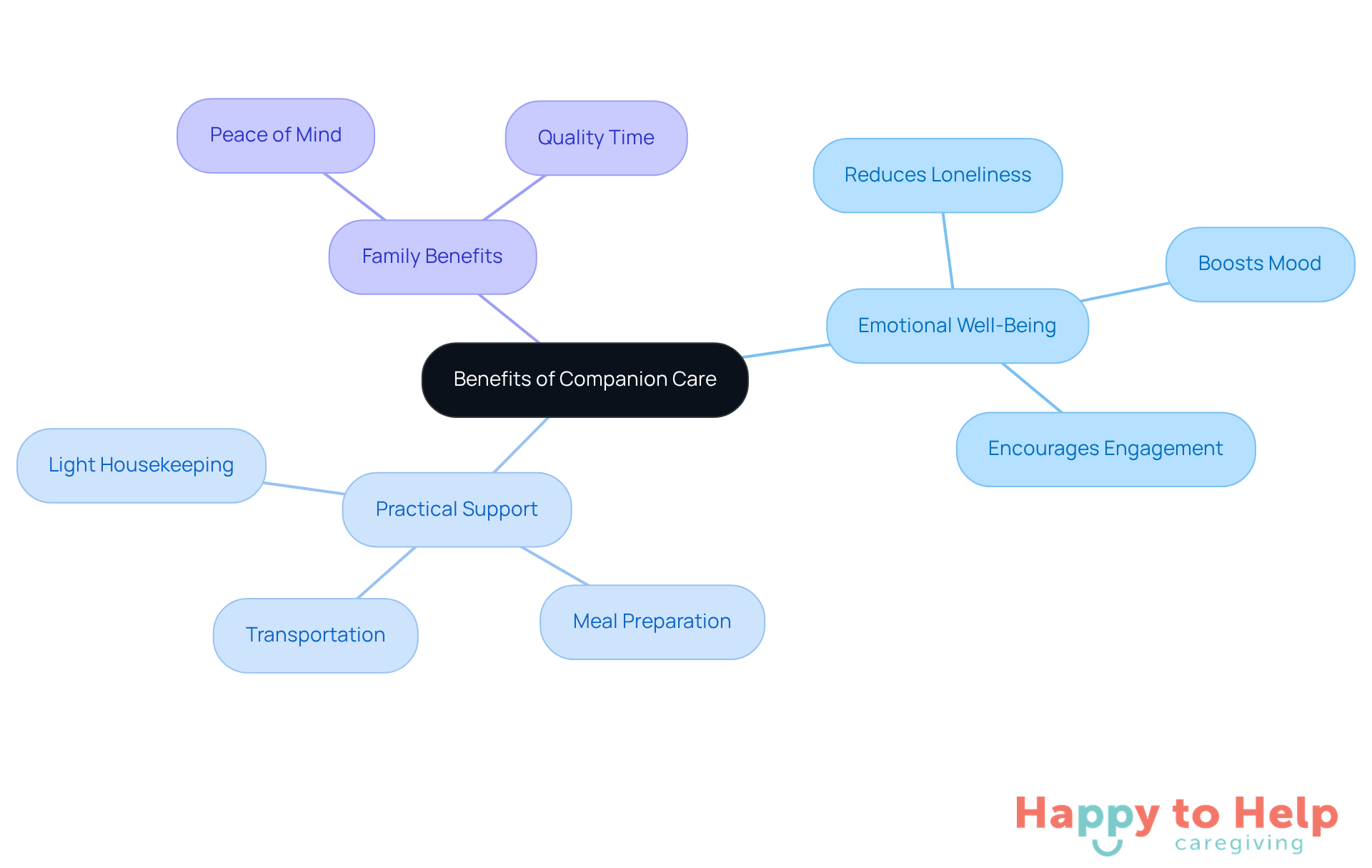
The implications of isolation are profound. Having a personal care companion can significantly reduce feelings of loneliness, fostering mental stimulation and supporting cognitive health. Engaging in meaningful conversations and activities not only boosts mood but also encourages older adults to participate in enjoyable pursuits.
Personal care companion services offer practical solutions for daily living. Companions assist with essential tasks such as:
- Light housekeeping
- Meal preparation
- Transportation to appointments
This support helps elderly individuals maintain their independence while ensuring their daily needs are met, alleviating the burden on family caregivers.
Families also benefit from companion care. Knowing that their loved ones receive dedicated support allows them to focus on their own responsibilities without worry. Regular updates from companions provide clarity and comfort, enabling families to enjoy quality time with their elders instead of being preoccupied with caregiving duties.
Ultimately, a personal care companion enhances the quality of life for seniors. It helps them retain dignity and independence in their own homes. Real-life examples, such as those highlighted in the case study 'Reduces Loneliness And Social Isolation,' show that older adults who engage with companions experience increased confidence and happiness, transforming quiet moments into meaningful exchanges filled with laughter and shared experiences.
Families often express gratitude for the positive impact of companion care, noting how it enriches their loved ones' lives and alleviates loneliness. This personalized support acts as a personal care companion that not only meets practical needs but also nurtures emotional connections, making it an invaluable resource for seniors and their families.
Taking the Next Steps
Personal care companion services address a significant problem: the challenges faced by individuals due to age, illness, or disability. These individuals often experience social isolation, which can lead to severe emotional and cognitive consequences. The implications of this isolation are profound, affecting not only the individuals but also their families, who may worry about their loved ones' well-being.
To combat this issue, families should prioritize personal care companion services. These services provide essential assistance with daily activities while also addressing emotional needs, fostering connections, and reducing feelings of loneliness. By integrating practical support with companionship, families can ensure their loved ones maintain dignity and quality of life.
Key factors to consider when selecting personal care services include:
- Caregiver qualifications
- Service availability
- Compatibility between caregivers and clients
Understanding these elements can help families make informed decisions that enhance the overall quality of life for seniors and individuals with disabilities.
In conclusion, the significance of personal care companion services cannot be overstated. By recognizing the profound impact of companionship and making informed choices, families can create a nurturing environment that supports their loved ones. This not only provides peace of mind to families but also allows them to focus on their own lives, knowing their loved ones are well cared for.
https://iframe.tely.ai/cta/eyJhcnRpY2xlX2lkIjogIjY5MjY2NjBiMTRjODUwNzI1NGI4N2FmNSIsICJjb21wYW55X2lkIjogIjY4ZWU1ZGNhNzMxNzYyNTU3ZjNjOTVjMSIsICJpbmRleCI6IG51bGwsICJ0eXBlIjogImFydGljbGUifQ==Frequently Asked Questions
What are personal care and companion services?
Personal care and companion services provide assistance with daily activities for individuals facing challenges due to age, illness, or disability. These services focus on both practical help and emotional support to enhance the quality of life.
Why are personal care companion services important?
These services are important because they help combat feelings of isolation and loneliness, particularly among older adults. They ensure individuals can maintain their independence and dignity while receiving support with basic tasks.
What challenges do individuals face that personal care services address?
Individuals may struggle with daily activities such as bathing, dressing, and meal preparation due to age, illness, or disability. These challenges can lead to isolation and serious mental health issues.
How do personal care companion services improve emotional well-being?
They provide emotional support that helps alleviate feelings of loneliness, fostering connections and encouraging social engagement, which is crucial for mental health.
What are the key benefits of companion services?
Key benefits include emotional support to reduce loneliness, social engagement to promote participation in community activities, and cognitive health improvements through regular interaction that can decrease stress and blood pressure.
How do these services contribute to cognitive health?
Regular interaction provided by personal care companions can decrease blood pressure and alleviate stress, which contributes positively to cognitive health.
Who can benefit from personal care and companion services?
Seniors and individuals with disabilities who face challenges in daily activities can benefit from these services, as they address both practical and emotional needs.
List of Sources
- Define Personal Care and Companion Services
- The Emotional Benefits of Companion Care for Seniors (https://comfortkeepers.com/offices/texas/round-rock/resources/news/the-emotional-benefits-of-companion-care-for-seniors)
- Older adults find support through health care companions (https://news-medical.net/news/20250924/Older-adults-find-support-through-health-care-companions.aspx)
- Curated Senior Living Highlights (https://aginginnovation.org/news)
- Why Home Care Providers Are Increasingly Offering Companion Care Services for Seniors | Aaniie, formerly Smartcare Software (https://aaniie.com/news/why-home-care-providers-are-increasingly-offering-companion-care-services-for-seniors)
- 10 Benefits of Professional Companion Services for Family Caregivers - Happy To Help (https://happytohelpcaregiving.com/10-benefits-of-professional-companion-services-for-family-caregivers)
- Differentiate Between Personal Care and Companion Services
- Home Care Industry Overview and Statistics (https://ankota.com/home-care-industry-overview-and-statistics)
- 10 Must-Know U.S. Home Care Industry Stats for 2025 - North American Community Hub (https://nchstats.com/us-home-care-industry-stats)
- 2025 Home Care Statistics: Trends & Insights To Know (https://premierhcinc.com/blog/home-care-statistics)
- Disruption Redefines Home-Based Care: Providers Confront Challenges, Seize New Opportunities (https://homehealthcarenews.com/2025/10/disruption-redefines-home-based-care-providers-confront-challenges-seize-new-opportunities)
- Companion Care vs. Personal Care | What's the Difference (https://corewoodcare.com/news/personal-vs-companion-care)
- Evaluate Key Factors in Choosing Care Services
- Things to Consider When Choosing the Right Care for Loved Ones | Summit Homecare & Hospice (https://summit-ortho.com/things-to-consider-when-choosing-the-right-care-for-loved-ones)
- How To Choose Your Home Care Provider | Best Care (https://bestcaremn.com/blog/choosing-home-care-provider)
- 4 Things You Should Consider When Picking a Family Caregiver - FreedomCare (https://freedomcare.com/4-things-you-should-consider-when-picking-a-family-caregiver)
- The Case For Stronger Caregiver Vetting In Home Care (https://homehealthcarenews.com/2024/10/the-case-for-stronger-caregiver-vetting-in-home-care)
- Caregiving Services: What Families Need to Know (https://caily.com/blog/types-of-caregiving-services)
- Explore the Benefits of Companion Care for Clients and Families
- Companion Care at Home La Jolla, CA - The Many Benefits of Companion Care at Home for Seniors (https://canaanhomecare.com/the-many-benefits-of-companion-care-at-home-for-seniors)
- 5 Benefits Of Companion Care For Seniors | In-Home Senior Care In Palm Desert, CA (https://alwaysbestcare.com/palm-desert/resources/5-benefits-of-companion-care-for-seniors)
- The Value of Companion Care for Seniors- Home Care Powered By AUAF (https://homecare-aid.com/the-value-of-companion-care-for-seniors)
- Enrich Each Day With Senior Companion Care Services (https://traditionshhs.com/the-benefits-of-companion-care-services-for-seniors)
- Benefits Of Companion Care For Seniors And Their Families - Homestead Home Health Care Services (https://homesteadhc.com/benefits-of-companion-care-for-seniors-and-their-families)