Understanding Residential Senior Care: Key Insights for Families
For families in our service areas
For families in our service areas, this guide explains caregiving and how non-medical in-home caregiving can support care planning in East Idaho, Treasure Valley & Magic Valley, Northern Wasatch, North Central West Virginia & Southwestern Pennsylvania, and Northeast Ohio.
The Importance of Residential Senior Care: Key Insights
Residential senior care addresses the unique needs of aging individuals who require assistance without the intensive medical oversight of nursing homes. However, many families face challenges in navigating these options. With a growing number of families seeking supportive environments that promote autonomy and well-being, understanding the nuances of these care options becomes essential.
As the demand for personalized support continues to rise, families often feel overwhelmed by the complexities of residential senior care. This can lead to anxiety about ensuring their loved ones receive the best possible care. So, how can families effectively navigate this landscape?
To tackle this issue, families should start by researching various care options available in their area. Engaging with local resources, such as senior care advisors or community organizations, can provide valuable insights. Additionally, visiting potential care facilities and asking specific questions about their services can help families make informed decisions. By taking these steps, families can ensure that their loved ones receive the personalized support they need.
Defining Residential Senior Care
Residential elderly support addresses a significant problem: many older individuals require assistance with daily tasks but do not need the intensive medical care provided in nursing facilities. This gap in support can lead to feelings of isolation and decreased quality of life.
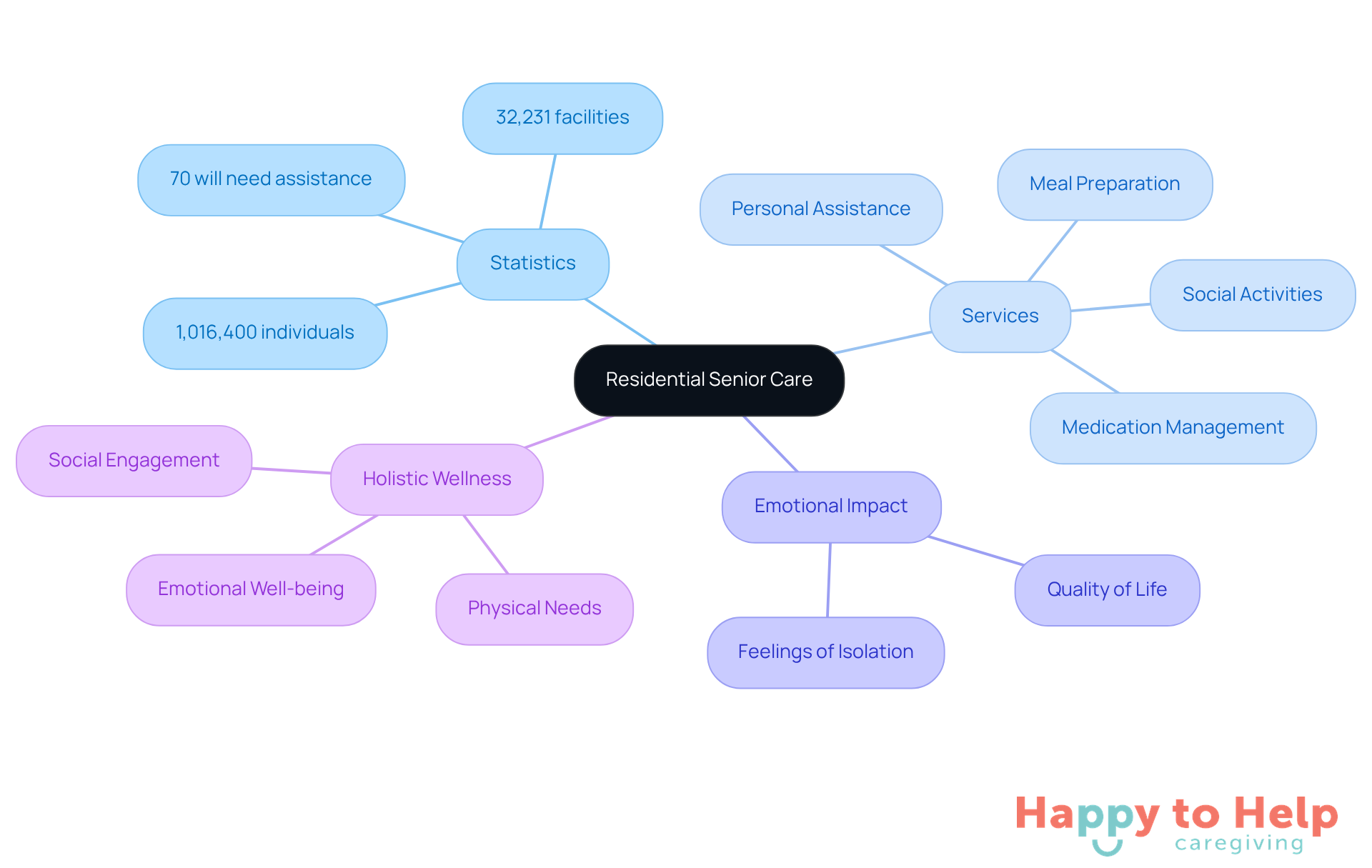
As of 2022, approximately 1,016,400 individuals were residing in assisted living facilities across the United States, with 32,231 such facilities available. This trend highlights a growing preference for home-like environments, where seniors can maintain a sense of autonomy while receiving necessary support. Notably, nearly 70% of those reaching age 65 will require some form of long-term assistance in their lifetime, with the average resident being an 85-year-old female.
To address these challenges, residential senior care services provide a range of assistance tailored to individual needs. Services include:
- Personal assistance
- Medication management
- Meal preparation
- Social activities
All designed to enhance the well-being of seniors. Recent advancements in technology have further improved the caregiving experience, with many facilities utilizing online platforms for family communication and updates. This ensures that loved ones remain informed and engaged in the support process.
Moreover, successful programs now focus on holistic wellness, addressing not just physical needs but also emotional and social well-being, which are vital for maintaining a high quality of life. Geriatric specialists emphasize the importance of individualized treatment plans, noting that customized strategies can significantly enhance residents' satisfaction and health outcomes.
The commitment to fostering a supportive atmosphere is echoed by advocates who state, "the simple act of caring is heroic," underscoring the profound impact that compassionate caregiving can have on older adults.
In summary, residential senior care provides essential services for older adults, blending independence with necessary support in a familiar setting. As the demand for these services continues to grow, families can find reassurance in the variety of options available that prioritize the dignity and well-being of their loved ones.
Contextualizing Residential Senior Care in Long-Term Care
Navigating the landscape of residential senior care can be challenging for families. With various options available, understanding the differences is crucial. Many families struggle to find the right balance between independence and necessary assistance for their loved ones.
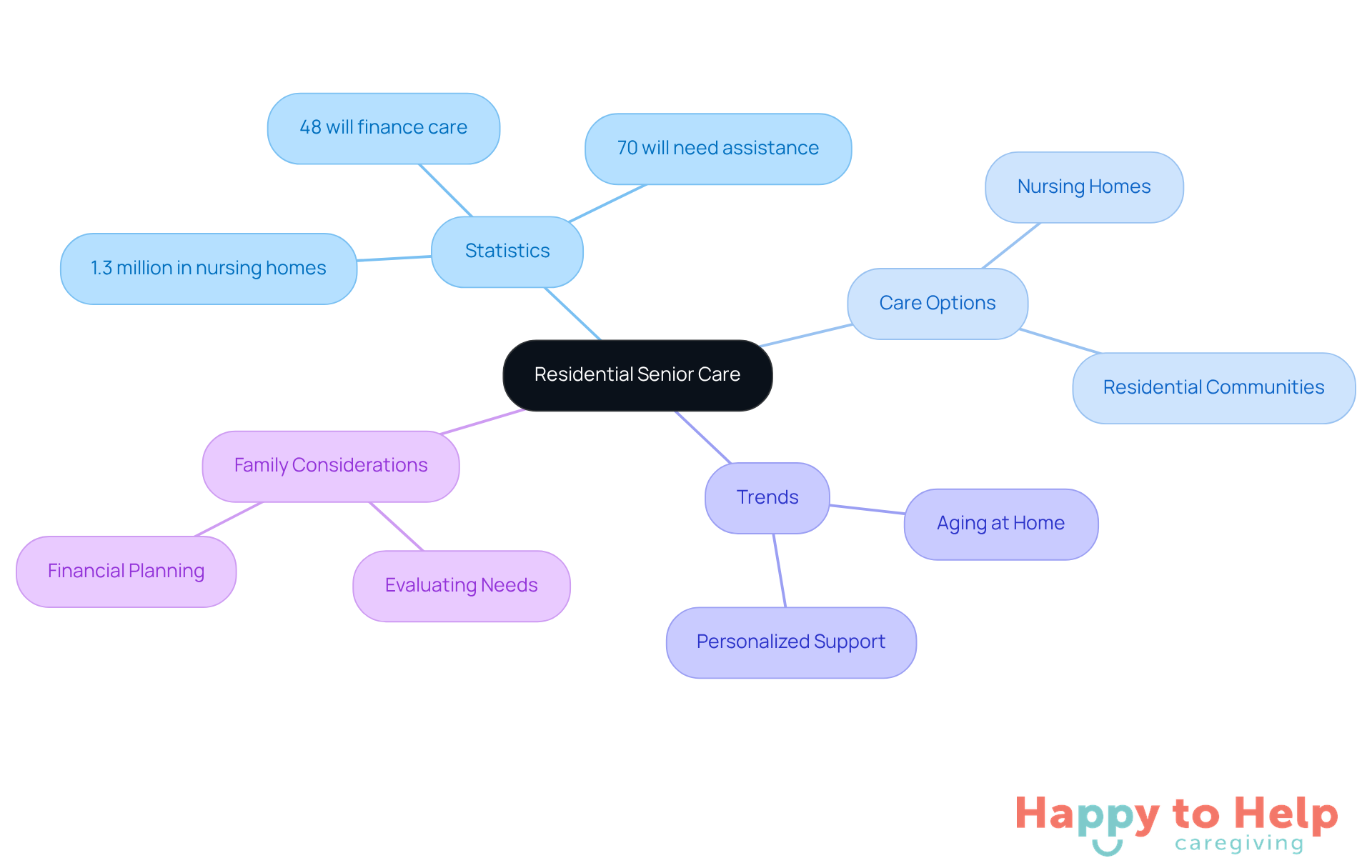
In 2020, around 1.3 million residents lived in nursing homes, according to the National Center for Health Statistics. This statistic underscores the substantial medical needs some seniors face, requiring 24/7 supervision and skilled nursing services. On the other hand, over 32,000 residential senior care communities offer varying levels of assistance, catering to those who need moderate support in a more communal setting.
As the American Seniors Housing Association notes, 70% of individuals reaching 65 will require some form of long-term assistance in their lifetime. This reality prompts families to carefully evaluate their options regarding residential senior care based on specific needs and preferences. Current trends indicate a growing inclination towards aging at home, with many older adults opting for home support services that allow them to maintain their independence.
By 2030, more than 20% of the U.S. population will be 65 and older, highlighting the increasing demand for personalized support solutions. Families can benefit from insights shared by aging specialists, such as those from the National Institute on Aging, who emphasize the importance of tailored support plans that enhance quality of life. Additionally, it's important to consider that 48% of older adults reaching 65 will finance long-term assistance in their lifetime, which adds a financial dimension to the decision-making process.
Key Characteristics of Residential Senior Care
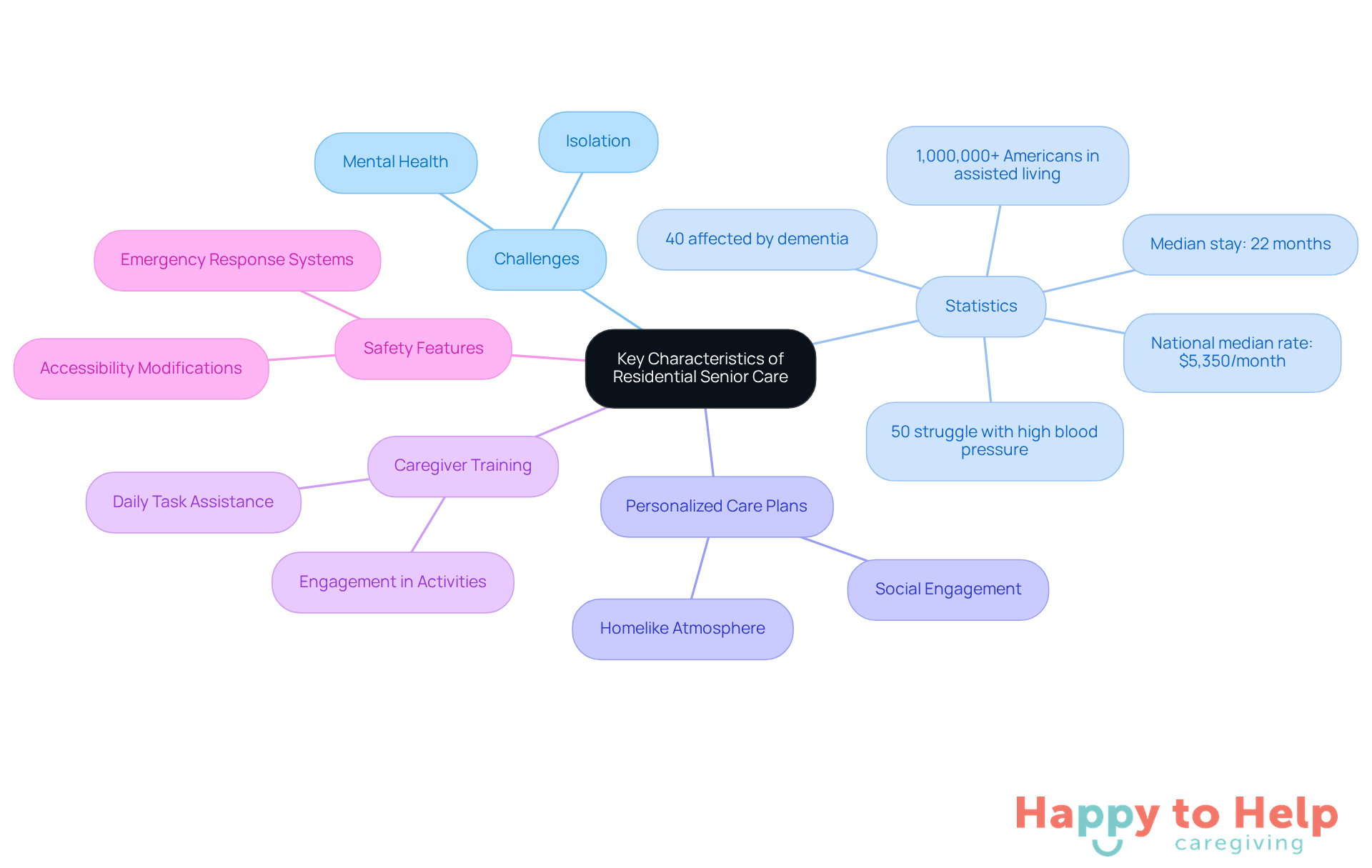
Residential senior care encounters a significant challenge, as many seniors experience isolation and lack personalized support. This can lead to deteriorating mental health and a diminished quality of life. For instance, nearly half of all residents struggle with high blood pressure, and 40% are affected by Alzheimer’s disease or other dementias. These statistics highlight the urgent need for specialized assistance that addresses both physical and emotional well-being.
To combat these issues, residential senior care facilities are dedicated to creating personalized care plans that foster a homelike atmosphere and encourage social engagement. By maintaining a low occupant-to-caregiver ratio, facilities can provide tailored attention, ensuring that each individual receives the support they need. Caregivers are trained not only to assist with daily tasks but also to engage residents in activities that enhance their overall well-being.
Safety features, such as emergency response systems and accessibility modifications, are integral to creating a secure environment where residents feel comfortable. Together, these elements cultivate a nurturing atmosphere that promotes independence while offering essential support. As Tia Walker aptly states, 'To support those who once looked after us is one of the highest honors.' This blend of individualized care and social interaction makes residential senior care a compelling choice for families aiming to enhance their loved ones' lives.
Benefits of Residential Senior Care for Seniors and Families
Caring for older adults can be a significant challenge for families, often leading to stress and feelings of isolation. Many caregivers struggle with the demands of providing support while ensuring their loved ones receive the necessary care. This situation can result in caregiver burnout, impacting both the caregiver's and the elder's well-being.
Residential senior care provides a compassionate solution to these challenges. For older adults, it creates a nurturing environment that fosters independence while ensuring safety and access to essential assistance. Facilities encourage social interaction, which can significantly reduce feelings of loneliness and isolation. In fact, studies show that:
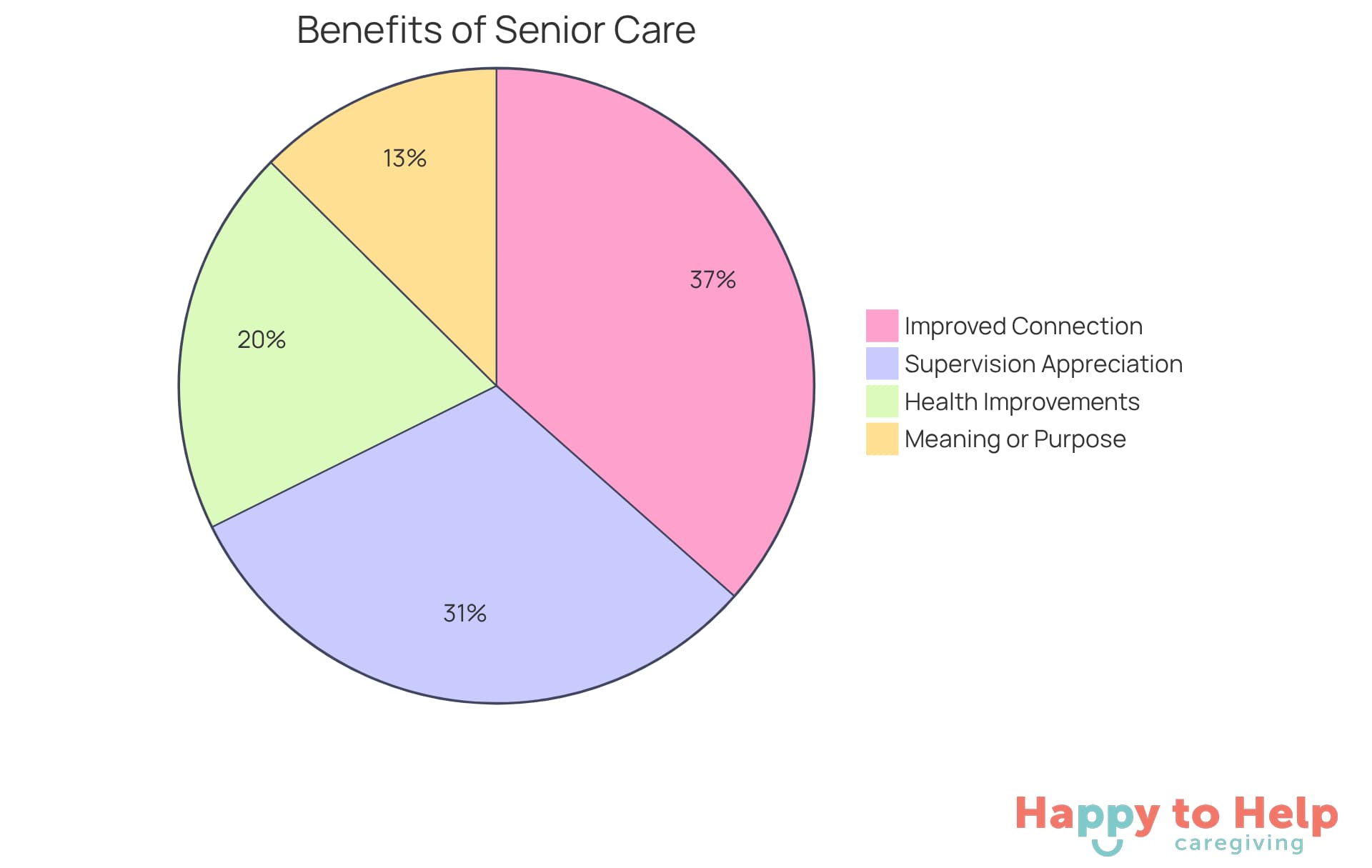
- 61% of seniors report improved feelings of connection after moving into a senior living community.
- 21% more often find meaning or purpose in daily life after such a transition.
For families, the use of residential senior care alleviates the stress associated with caregiving. Knowing that their loved ones are in a secure and supportive environment provides peace of mind. The structured nature of these facilities leads to better health outcomes, as residents benefit from regular monitoring and assistance with daily activities. Remarkably:
- 33% of older adults experience health improvements after moving to a retirement living community.
- 52% appreciate professional supervision for medications and daily assistance.
Overall, residential senior care for the elderly serves as an effective solution for families facing the challenges of aging. It allows them to focus on quality moments with their loved ones rather than the burdens of caregiving. As one caregiver noted, "Caring for someone else can bring comfort and a sense of accomplishment." By considering residential senior care, families can improve their loved ones' quality of life while also reducing their own stress.
Emerging Trends in Residential Senior Care
Emerging trends in residential senior care highlight a significant problem: the need for improved safety and well-being for older adults. Many facilities struggle to provide environments that cater to the unique needs of their residents, which can lead to feelings of isolation and decreased quality of life.
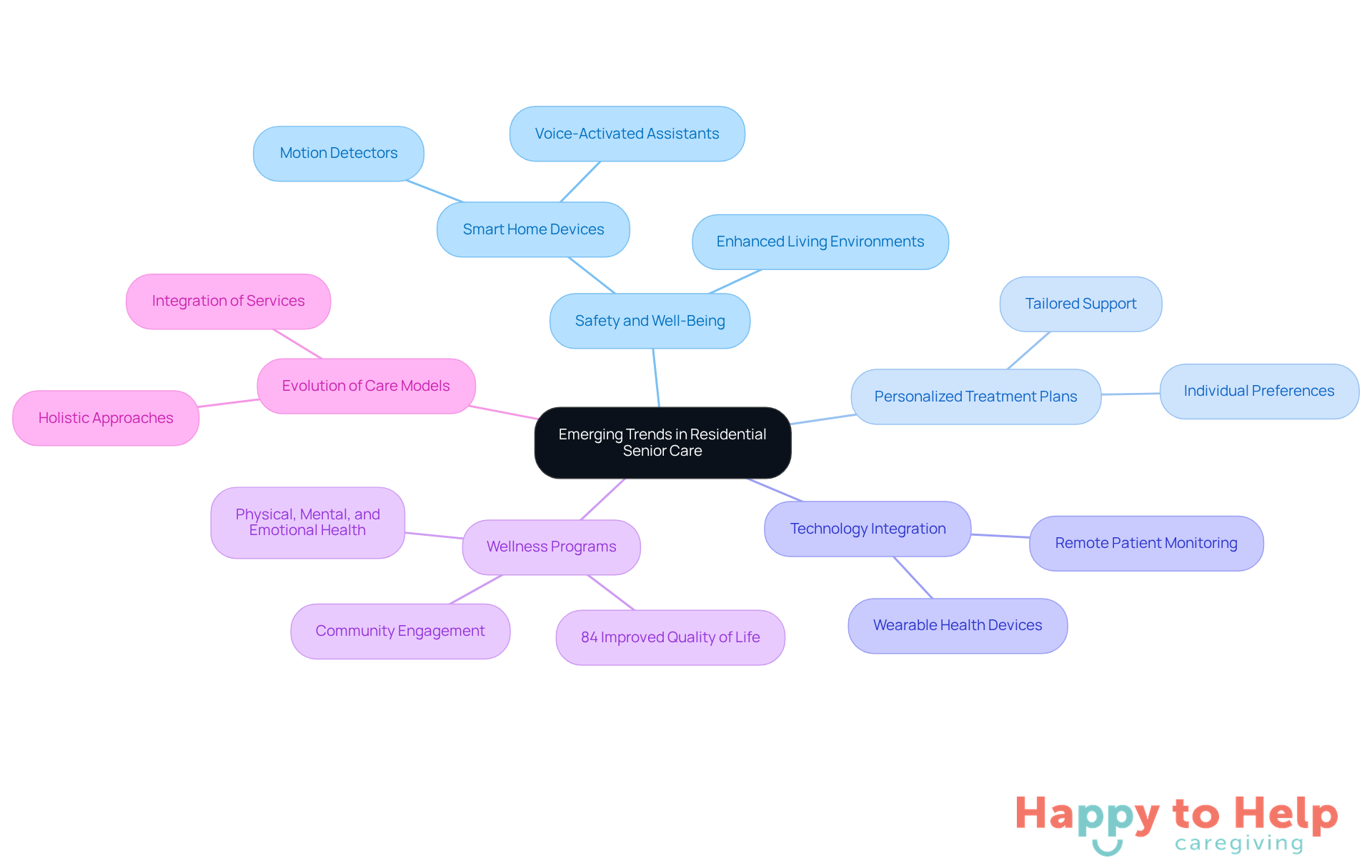
This issue is compounded by the fact that traditional care models often overlook the importance of personalized treatment plans. Without these, older adults may not receive the tailored support they require, impacting their overall health and happiness. However, there is a solution. Facilities are increasingly integrating advanced technology, such as smart home devices, to enhance safety and convenience for residents. Motion detectors and voice-activated assistants are just a few examples of how technology can create a more secure living environment.
Moreover, wellness programs are gaining traction, focusing on physical, mental, and emotional well-being. Studies show that older individuals who actively participate in wellness activities can live up to two years longer than those who do not. This shift towards wellness initiatives not only addresses the immediate needs of older adults but also fosters a sense of community and belonging.
Personalized care is another critical component. Acknowledging the distinct preferences and requirements of each individual allows for more responsive and adaptive support models. Case studies reveal that 84% of residents in Continuing Care Retirement Communities (CCRCs) report improved quality of life due to wellness programs, underscoring the positive impact of these initiatives.
As the landscape of residential senior care evolves, these trends reflect a commitment to creating environments where seniors can thrive. By embracing technology and prioritizing wellness, caregivers can significantly enhance the quality of life for older adults.
Moving Forward with Residential Senior Care: Key Insights
Residential senior care addresses a pressing issue: many older adults require assistance with daily tasks, yet they wish to maintain their independence. This situation can be challenging for families, who often feel overwhelmed by the complexities of caregiving. The implications are significant, as caregivers may experience emotional strain and physical exhaustion while trying to provide the best for their loved ones.
To alleviate these burdens, residential senior care offers a viable solution. It bridges the gap between nursing facilities and home care, creating a nurturing environment where seniors can thrive. Families can benefit from personalized care plans tailored to the unique needs of their loved ones, ensuring that their well-being and dignity are prioritized. Statistics show that a substantial portion of older adults will need long-term assistance, highlighting the necessity for tailored support solutions that enhance both emotional and physical well-being.
Moreover, the integration of technology and wellness programs in modern facilities illustrates how these services are evolving to meet diverse resident needs. By embracing residential senior care options, families can improve the quality of life for their loved ones while alleviating the burdens of caregiving. This approach not only honors the needs of seniors but also reinforces the commitment to compassionate care that every family deserves.
https://iframe.tely.ai/cta/eyJhcnRpY2xlX2lkIjogIjY5MjEwYWI4MjAzMTgzZjY3OWRlMzg0MyIsICJjb21wYW55X2lkIjogIjY4ZWU1ZGNhNzMxNzYyNTU3ZjNjOTVjMSIsICJpbmRleCI6IG51bGwsICJ0eXBlIjogImFydGljbGUifQ==Frequently Asked Questions
What is residential senior care?
Residential senior care provides assistance to older individuals who require help with daily tasks but do not need intensive medical care, addressing their needs in a home-like environment that promotes autonomy and well-being.
How many individuals reside in assisted living facilities in the U.S.?
As of 2022, approximately 1,016,400 individuals were living in assisted living facilities across the United States.
What services are typically offered in residential senior care?
Services in residential senior care include personal assistance, medication management, meal preparation, and social activities, all aimed at enhancing the well-being of seniors.
What advancements have been made in residential senior care?
Recent advancements in technology have improved caregiving experiences, including the use of online platforms for family communication and updates, keeping loved ones informed and engaged.
How do residential senior care programs address wellness?
Successful programs focus on holistic wellness, addressing not only physical needs but also emotional and social well-being, which are essential for maintaining a high quality of life.
Why is individualized treatment important in residential senior care?
Individualized treatment plans are crucial as they significantly enhance residents' satisfaction and health outcomes by catering to their specific needs.
What is the current trend regarding aging and residential care?
There is a growing trend towards aging at home, with many older adults opting for home support services that allow them to maintain their independence while receiving necessary assistance.
What percentage of individuals will require long-term assistance by age 65?
Approximately 70% of individuals reaching age 65 will require some form of long-term assistance in their lifetime.
How many nursing home residents were there in 2020?
In 2020, around 1.3 million residents lived in nursing homes in the United States, highlighting the substantial medical needs some seniors face.
What financial considerations are there for families seeking long-term care?
About 48% of older adults reaching age 65 will finance long-term assistance in their lifetime, which adds a financial dimension to the decision-making process for families.
List of Sources
- Defining Residential Senior Care
- FastStats (https://cdc.gov/nchs/fastats/residential-care-communities.htm)
- Facts & Figures (https://ahcancal.org/Assisted-Living/Facts-and-Figures/Pages/default.aspx)
- 28 Senior Care Statistics: In-Home & Assisted Living | Shortlister (https://myshortlister.com/insights/senior-care-statistics)
- 20 Inspirational Senior Care Quotes (https://1plus1cares.com/20-inspirational-senior-care-quotes)
- Long-term care statistics 2025 (https://singlecare.com/blog/news/long-term-care-statistics)
- Contextualizing Residential Senior Care in Long-Term Care
- FastStats (https://cdc.gov/nchs/fastats/residential-care-communities.htm)
- Most Americans expect to need long-term care in the future, and they don’t want that care in assisted living (https://mcknightsseniorliving.com/news/most-americans-expect-to-need-long-term-care-in-the-future-and-they-dont-want-that-care-in-assisted-living)
- Long-term care statistics 2025 (https://singlecare.com/blog/news/long-term-care-statistics)
- FastStats (https://cdc.gov/nchs/fastats/nursing-home-care.htm)
- Key Characteristics of Residential Senior Care
- Social engagement helps older adults feel younger, live longer: study (https://mcknightsseniorliving.com/news/social-engagement-helps-older-adults-feel-younger-live-longer-study)
- Facts & Figures (https://ahcancal.org/Assisted-Living/Facts-and-Figures/Pages/default.aspx)
- 20 Inspirational Senior Care Quotes (https://1plus1cares.com/20-inspirational-senior-care-quotes)
- Long-term care communities can boost social engagement in older adults (https://news-medical.net/news/20250804/Long-term-care-communities-can-boost-social-engagement-in-older-adults.aspx)
- 42 inspirational quotes for caregivers (https://care.com/c/40-inspirational-caregiver-quotes)
- Benefits of Residential Senior Care for Seniors and Families
- CaringBridge (https://caringbridge.org/resources/inspirational-quotes-on-caregiving)
- Facts & Figures (https://ahcancal.org/Assisted-Living/Facts-and-Figures/Pages/default.aspx)
- Caregiver Statistics: Health, Technology, and Caregiving Resources (https://caregiver.org/resource/caregiver-statistics-health-technology-and-caregiving-resources)
- How Senior Living Communities Reduce Loneliness and Improve Senior Health: 2025 U.S. News Survey Report (https://health.usnews.com/best-senior-living/articles/how-senior-living-communities-reduce-illness-and-improve-senior-health-survey)
- 28 Senior Care Statistics: In-Home & Assisted Living | Shortlister (https://myshortlister.com/insights/senior-care-statistics)
- Emerging Trends in Residential Senior Care
- Senior Living Trends in 2025 | Juniper (https://junipercommunities.com/senior-living-trends-in-2025)
- The Role of Wellness Programs in Senior Living (https://thehighpointresidence.com/blog/the-role-of-wellness-programs-in-senior-living)
- Aging Adults’ Preferences for Wellness Program Activities and Delivery Characteristics: A Cross-Sectional Survey - PMC (https://pmc.ncbi.nlm.nih.gov/articles/PMC7041904)
- Top healthcare trends of 2026: Aging in place is driving innovation in home-based care and technology (https://definitivehc.com/blog/aging-in-place-driving-innovation)