Understanding Respite Care Costs: Key Factors and Payment Options

For families in our service areas
For families in our service areas, this guide explains respite care and how non-medical in-home caregiving can support care planning in East Idaho, Treasure Valley & Magic Valley, Northern Wasatch, North Central West Virginia & Southwestern Pennsylvania, and Northeast Ohio.
What You Need to Know About Respite Care Costs: Key Factors and
Understanding the financial aspects of respite care is essential for caregivers who are seeking relief from their demanding roles. Many family caregivers face high levels of stress and burnout, making the need for effective respite solutions all the more pressing. This article explores the various factors that influence respite care costs, the different types of services available, and highlights essential payment options that can help ease the financial burden.
How can caregivers navigate the complexities of respite care expenses while ensuring they receive the support they truly need?
Define Respite Care: Importance and Benefits for Caregivers
Respite support is a short-term service designed to provide relief to primary caregivers, allowing them to take a much-needed break from their demanding roles. This kind of support is crucial in preventing caregiver burnout, a common issue for those who provide long-term assistance. In fact, statistics show that 38% of family support providers experience high stress levels, and between 40% to 70% suffer from clinically significant symptoms of depression.
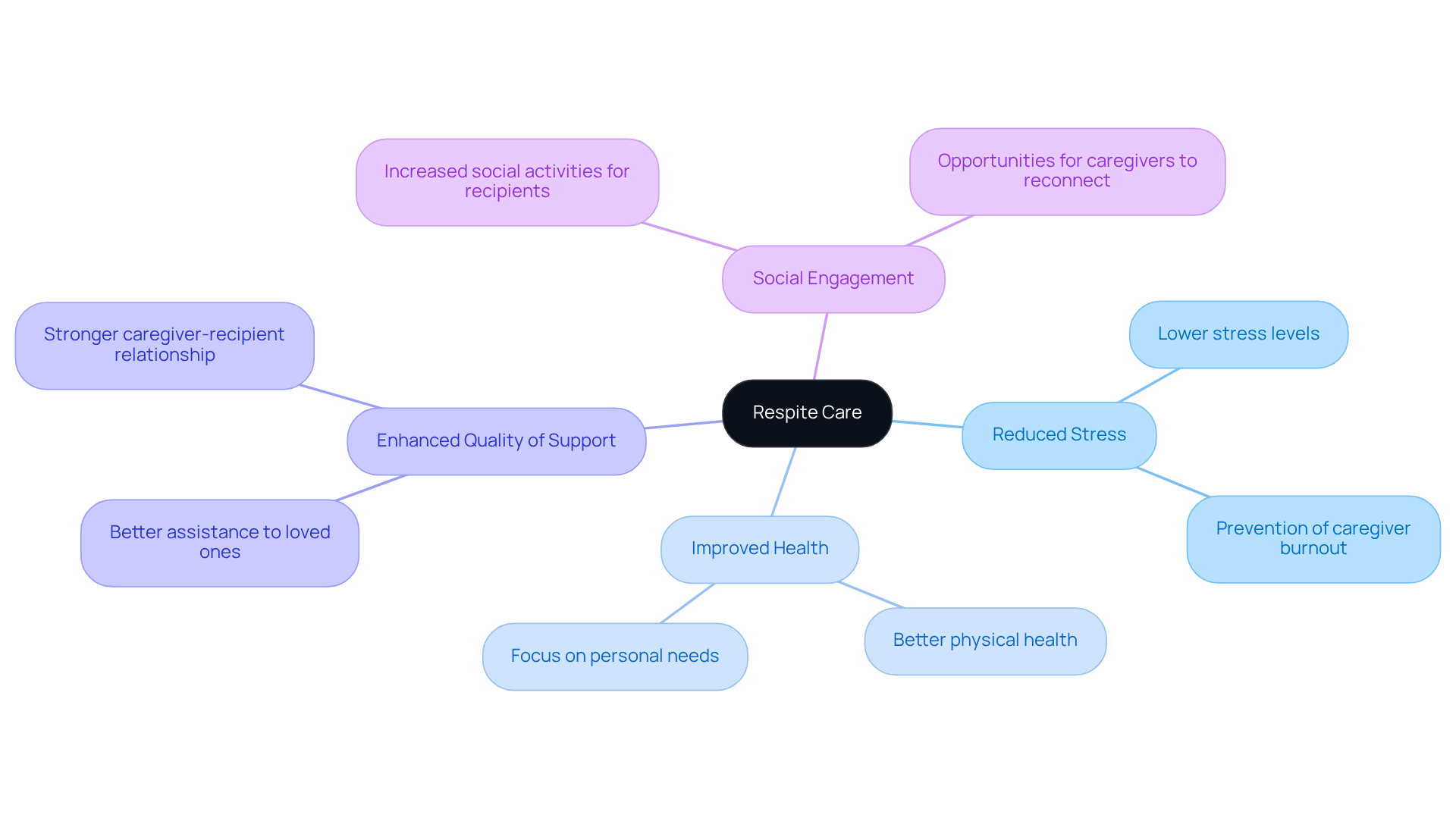
The benefits of respite care are profound:
- Reduced Stress: Caregiving can be emotionally and physically draining. Respite assistance gives caregivers a chance to recharge, significantly lowering stress levels, which is essential for their overall well-being.
- Improved Health: Taking breaks allows caregivers to focus on their own needs during respite periods, leading to better physical health. This is particularly important, as many caregivers report high levels of fatigue and stress.
- Enhanced Quality of Support: When caregivers are less stressed and fatigued, they can provide better assistance to their loved ones. This improvement in caregiver well-being directly translates to enhanced support for those they care for.
- Social Engagement: Respite assistance often includes social activities for the recipient, enriching their quality of life as well.
Consider the story of Dalma Riquelme, who faced significant emotional and financial challenges while caring for her mother with dementia. She incurred monthly costs exceeding $2,000 for necessary items not covered by insurance. The respite care cost could have provided her with the breaks she needed to manage her own health and well-being.
In summary, respite assistance is not just a luxury; it’s an essential support system for caregivers. It ensures they can continue to provide high-quality care without sacrificing their own health.
Explore Types of Respite Care: Options for Every Situation
Caring for a loved one can be incredibly rewarding, but it often comes with its own set of emotional challenges. Caregivers frequently experience feelings of stress and burnout, which can be overwhelming. That’s where respite care comes in, offering a much-needed lifeline.
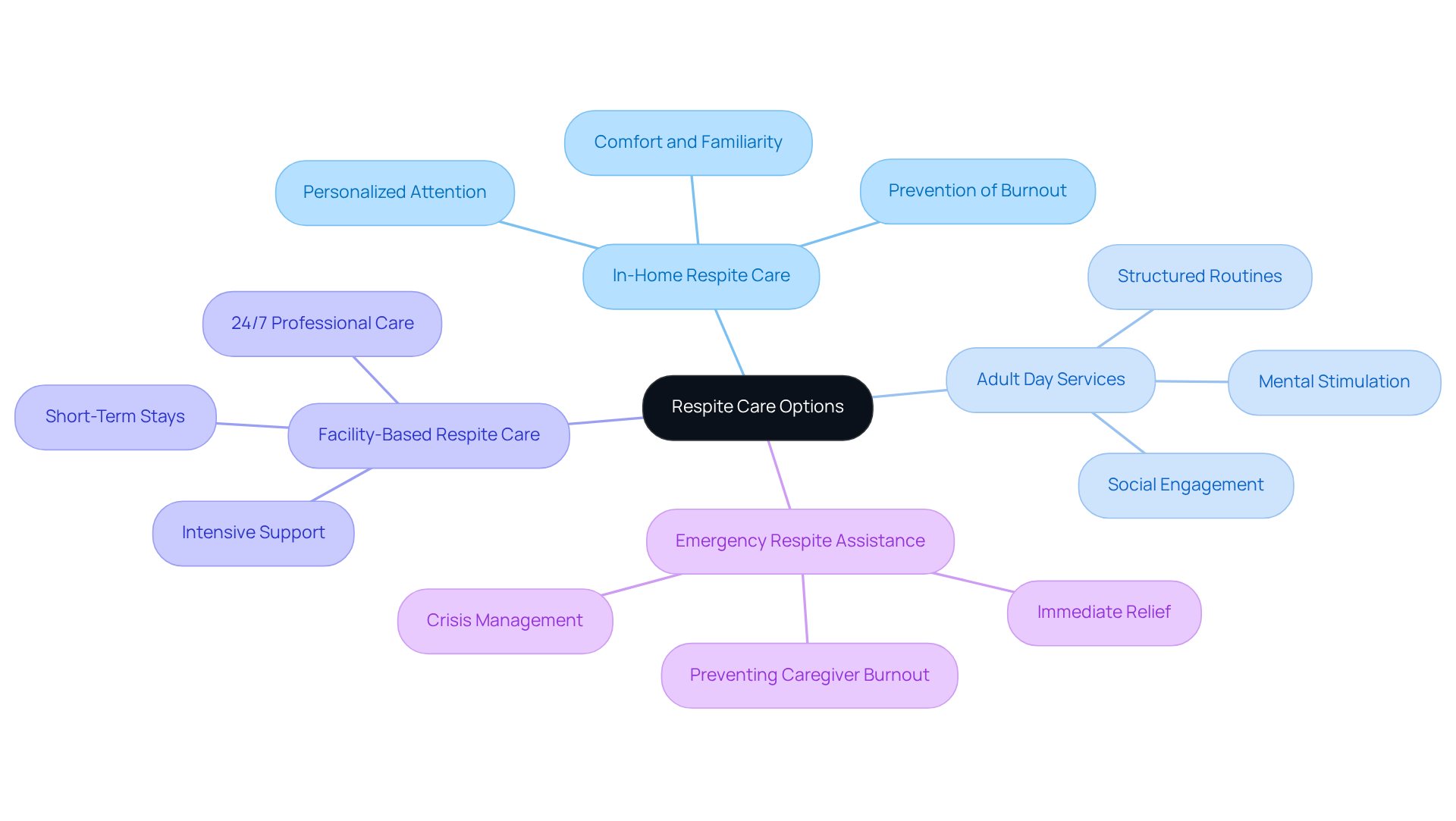
In-Home Respite Care allows caregivers to hire professionals who provide care right in the comfort of their own home. This option helps the recipient stay in a familiar environment, which can be comforting. Regularly integrating respite support can significantly reduce feelings of being overwhelmed, helping to prevent burnout. It’s truly an essential resource for those who dedicate themselves to caring for others.
Adult Day Services provide a wonderful opportunity for caregivers to take a break during the day. These programs ensure that loved ones are engaged in social activities while caregivers can work or simply take some time for themselves. Not only do adult day programs offer structured routines, but they also promote social interaction and mental engagement, which are vital for the emotional well-being of both caregivers and those they care for.
Facility-Based Respite Care involves short-term stays in assisted living or nursing home facilities. This option is perfect for caregivers who need a longer break or for those whose loved ones require more intensive support. These facilities ensure that recipients receive professional care while their caregivers take the time they need to recharge.
Emergency Respite Assistance is available on short notice, providing immediate relief for caregivers in crisis situations. This type of support is crucial for preventing burnout and ensuring that caregivers can manage unexpected challenges without compromising the quality of care for their loved ones.
By understanding these various options, caregivers can select the most suitable respite service for their unique situations. This choice can significantly enhance their quality of life and that of their loved ones. Additionally, funding options like Medicaid, long-term care insurance, and community organization support can help alleviate the financial burden associated with respite care cost. Remember, seeking help is a sign of strength, and you don’t have to navigate this journey alone.
Analyze Respite Care Costs: Factors and Average Pricing
Caring for a loved one can be incredibly rewarding, but it often comes with its own set of emotional challenges. Many caregivers experience feelings of stress and burnout as they navigate the complexities of providing support. Understanding the respite care cost can help ease some of that burden, allowing families to plan more effectively.
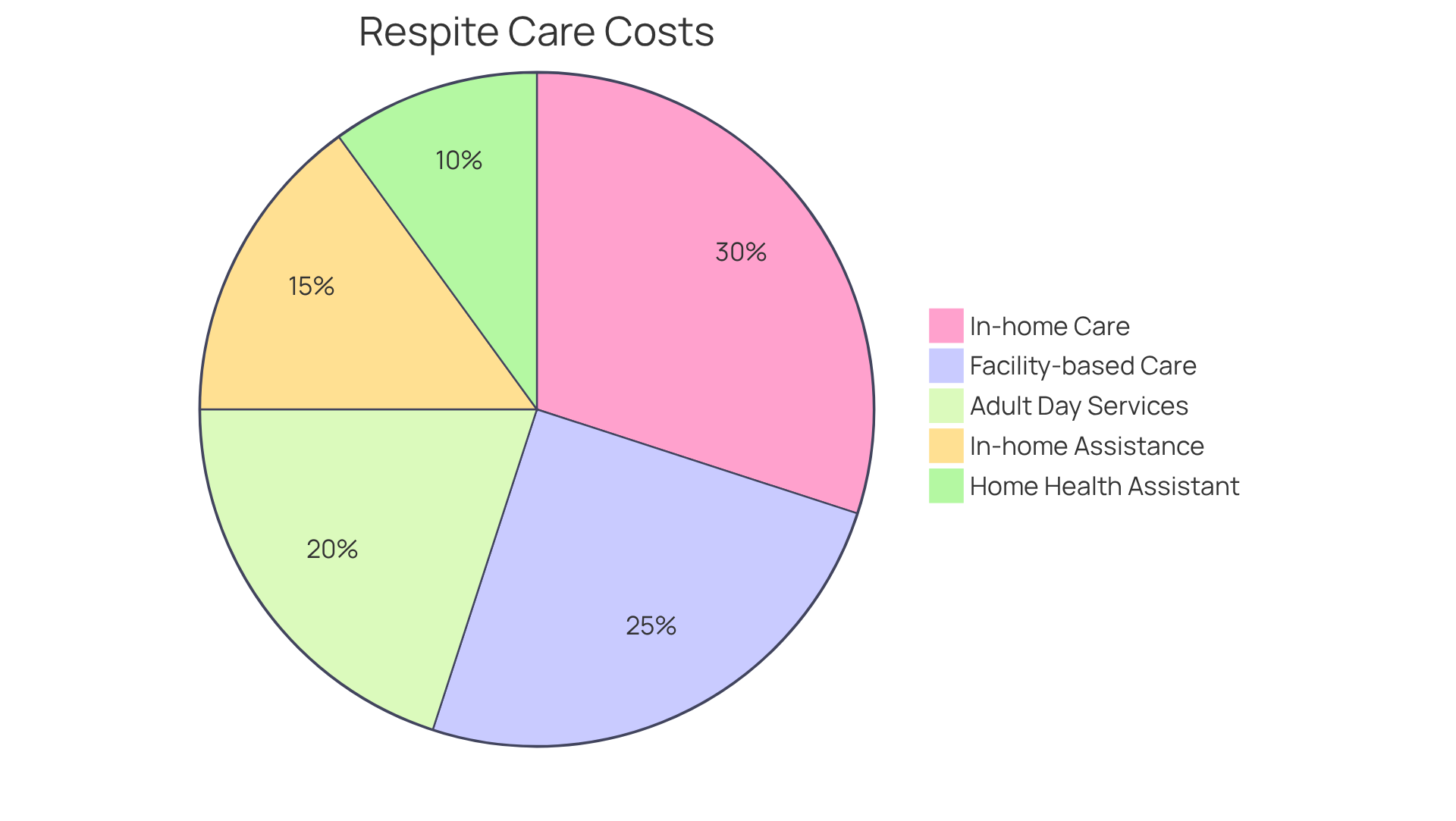
The respite care cost varies significantly based on several key factors. For instance:
- In-home care typically ranges from $20 to $50 per hour.
- Facility-based care can cost between $100 and $300 per day.
- On average, families can expect to spend about $80 daily for adult day services.
- Roughly $195 each day contributes to the overall respite care cost for in-home assistance.
- The typical monthly expense for a home health assistant contributes to the overall respite care cost of about $6,677.
- Adult day services average around $2,232 per month, leading to an annual national median expense of $26,000 for adult day services.
Location also plays a crucial role in pricing. Urban areas generally command higher rates than rural settings. In fact, the predicted median expense for adult day health services in 2025 is expected to be $103 per day, with costs reaching a high of $293 per day in Oregon and decreasing to $36 per day in Delaware.
The level of support required can further impact the overall respite care cost. Specialized treatment for conditions such as dementia often incurs higher fees, reflecting the additional expertise needed. Additionally, the respite care cost can vary between short-term respite services and long-term arrangements, with extended commitments often resulting in more favorable rates.
It's important to note that some adult day services expenses may be tax deductible, offering possible financial relief. Understanding the respite care cost is essential for families to effectively plan and allocate their resources. National organizations such as ARCH National Respite Network and Eldercare Locator can assist caregivers in locating temporary support options, further aiding their planning efforts.
Remember, you’re not alone in this journey. Many families face similar challenges, and there are resources available to help lighten the load. By exploring respite care options, you can find the support you need, allowing you to take a step back and recharge.
Identify Payment Options: Funding Respite Care Services
Funding respite care services can be approached through various options, each catering to different needs and circumstances.
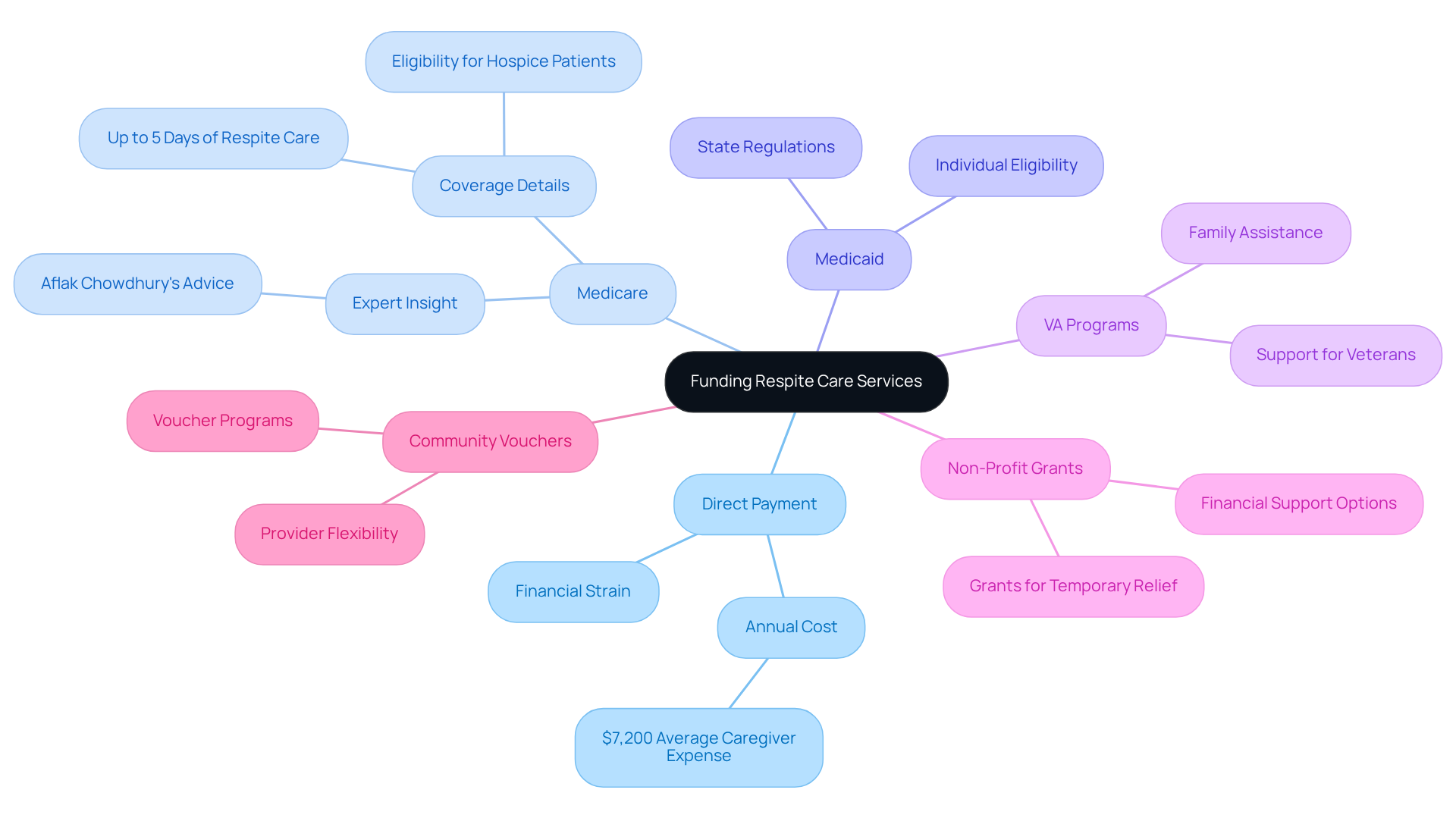
Many families find themselves facing respite care cost directly. While this method offers straightforward access to services, the associated respite care cost can significantly strain household finances. In fact, the average family caregiver spends around $7,200 annually on caregiving expenses. This financial burden highlights the importance of exploring additional funding options to address respite care cost.
Medicare does offer coverage for temporary support, especially for hospice patients. Under Medicare Part A, qualifying patients can obtain up to five continuous days of relief services in a hospital or skilled nursing facility. However, this coverage is restricted and mainly pertains to individuals in hospice support. Aflak Chowdhury, a Medicare expert, emphasizes that understanding these coverage details is crucial for families seeking financial support.
Medicaid provides different programs that may include temporary support, depending on state regulations and individual eligibility. This can be an essential resource for families seeking financial assistance, as Medicaid can help reduce the costs associated with respite care.
Veterans and their families may also be eligible for temporary support funding through various VA programs. These advantages can offer vital assistance for individuals who have served in the military, ensuring they receive the support they need.
Several non-profit organizations provide grants or financial support specifically for temporary relief services. These resources can help families offset the respite care cost, making it easier to access necessary services.
Some communities have established relief voucher programs, which offer families vouchers that can be utilized to cover relief services. This flexibility allows families to choose providers that best meet their needs.
By examining these financial alternatives, families can discover methods to make the respite care cost more affordable and reachable. This ultimately improves the quality of life for both caregivers and their loved ones. Additionally, the Cleveland Clinic highlights that respite care can help alleviate caregiver burnout, a critical consideration for families managing caregiving responsibilities.
Making the Right Choice
Respite care is a crucial lifeline for caregivers, offering them the much-needed relief to safeguard their health and well-being while they continue to care for their loved ones. It’s important to understand that respite care isn’t just an extra service; it’s a vital part of nurturing the caregiving relationship. By exploring the different types of respite care available and their associated costs, caregivers can make informed choices that significantly enhance their quality of life.
Throughout this article, we’ve shared valuable insights into how respite care can ease caregiver stress. We’ve looked at various services, including:
- In-home care
- Adult day services
- Facility-based options
We also discussed the factors that influence respite care costs and various payment options, such as:
- Medicaid
- Medicare
- Community support programs
Emphasizing the importance of seeking financial assistance to lessen the burden of respite care expenses.
Ultimately, utilizing respite care services not only benefits caregivers but also improves the quality of care they provide to their loved ones. The caregiving journey can feel overwhelming at times, but with the right support and resources, caregivers can find balance and rejuvenation. It’s essential for caregivers to actively seek out these options, as prioritizing their own well-being is a significant step toward ensuring they can continue to provide high-quality care.
https://iframe.tely.ai/cta/eyJhcnRpY2xlX2lkIjogIjY5MWZhYzYwYzQ4NjU1NjRkNDliYzY1MSIsICJjb21wYW55X2lkIjogIjY4ZWU1ZGNhNzMxNzYyNTU3ZjNjOTVjMSIsICJpbmRleCI6IG51bGwsICJ0eXBlIjogImFydGljbGUifQ==Frequently Asked Questions
What is respite care?
Respite care is a short-term service designed to provide relief to primary caregivers, allowing them to take a break from their demanding roles.
Why is respite care important for caregivers?
Respite care is important because it helps prevent caregiver burnout, which is common among those providing long-term assistance. It allows caregivers to recharge and take care of their own needs.
What are the benefits of respite care?
The benefits of respite care include reduced stress, improved health, enhanced quality of support for the care recipient, and increased social engagement for both the caregiver and the person receiving care.
How does respite care reduce stress for caregivers?
Respite care provides caregivers with the opportunity to take breaks, which significantly lowers their stress levels and is essential for their overall well-being.
In what ways can respite care improve a caregiver's health?
By allowing caregivers to focus on their own needs during respite periods, it leads to better physical health, helping to alleviate high levels of fatigue and stress often reported by caregivers.
How does caregiver well-being impact the quality of support provided?
When caregivers are less stressed and fatigued, they can offer better assistance to their loved ones, resulting in enhanced support for those they care for.
What additional benefits does respite care provide for care recipients?
Respite care often includes social activities for the recipient, enriching their quality of life as well.
Can you provide an example of the challenges faced by caregivers?
Dalma Riquelme faced significant emotional and financial challenges while caring for her mother with dementia, incurring monthly costs exceeding $2,000 for necessary items not covered by insurance. Respite care could have offered her the breaks needed to manage her own health and well-being.
Is respite care considered a luxury or a necessity?
Respite care is considered an essential support system for caregivers, ensuring they can provide high-quality care without sacrificing their own health.