Understanding Respite Costs: Key Factors for Family Caregivers

For families in our service areas
For families in our service areas, this guide explains respite care and how non-medical in-home caregiving can support care planning in East Idaho, Treasure Valley & Magic Valley, Northern Wasatch, North Central West Virginia & Southwestern Pennsylvania, and Northeast Ohio.
What You Need to Know About Respite Costs: Key Factors
Understanding the complexities of respite care costs is crucial for family caregivers navigating the demanding landscape of caregiving. Over half of caregivers experience burnout, highlighting the urgent need for effective support systems. This article explores the various factors influencing respite care expenses, from the type of service to geographical considerations. By empowering caregivers with this knowledge, we aim to help them make informed financial decisions.
How can caregivers balance the necessity of respite with the financial realities they face? What options are available to alleviate this burden? These questions are essential as we delve deeper into the challenges and solutions that can ease the caregiving journey.
Define Respite Care: Purpose and Benefits
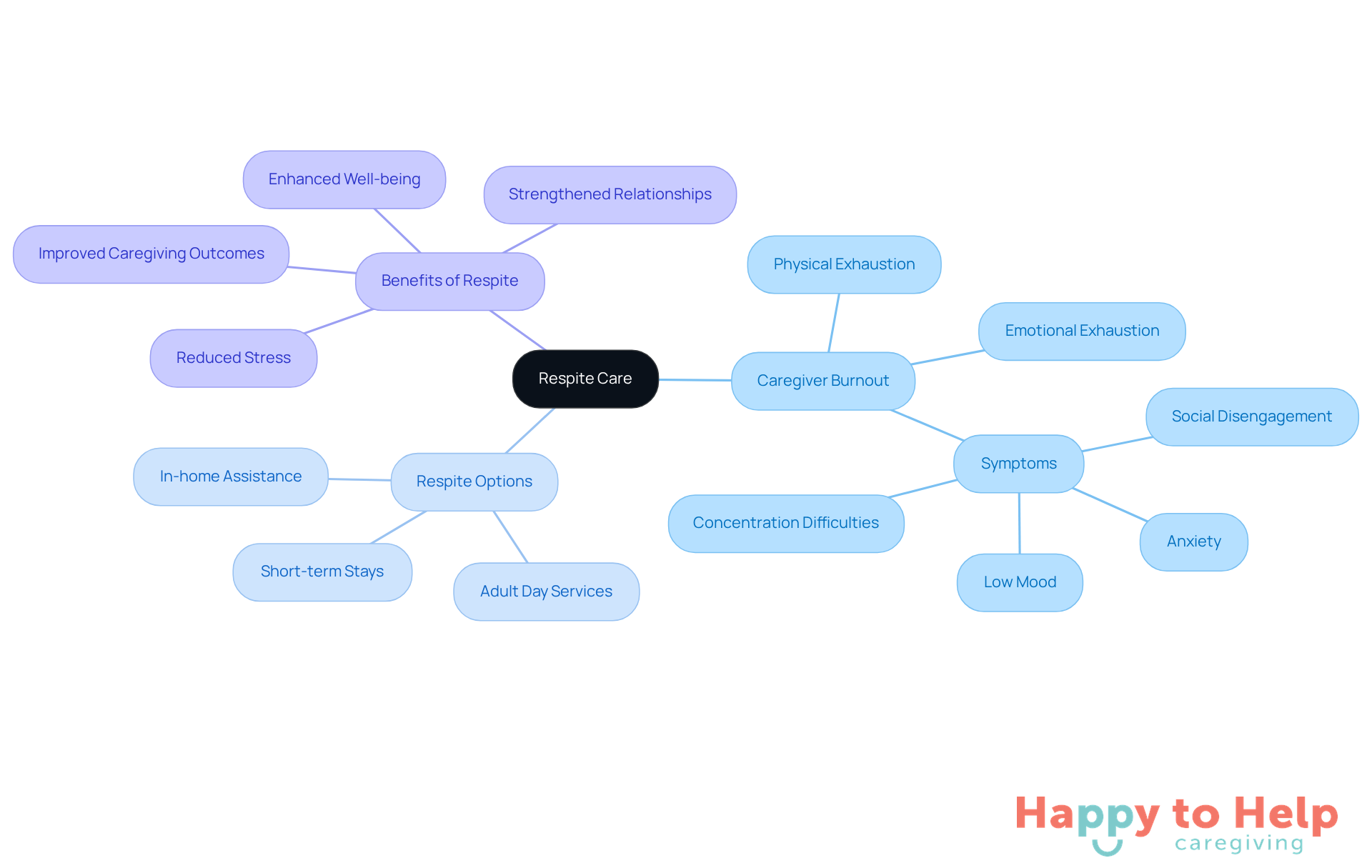
Caregiver burnout is a significant issue affecting over 57% of individuals in caregiving roles, leading to physical and emotional exhaustion. This condition not only impacts the caregivers themselves but also the quality of care they provide to their loved ones. Without adequate support, caregivers may struggle to maintain their mental wellness and overall health, which can create a cycle of stress and fatigue.
Respite assistance offers a vital solution by addressing respite costs and providing temporary relief for primary supporters. This service allows caregivers to take much-needed breaks, ensuring that their loved ones continue to receive quality support. Options for respite costs include:
- In-home assistance
- Adult day services
- Short-term stays in facilities
These options allow families to choose what best meets their unique needs. Respite can range from just a few hours to a week or longer, providing flexibility for caregivers.
Research indicates that regular breaks can lead to improved caregiving outcomes. Caregivers who prioritize self-care tend to be more effective in their roles. For instance, case studies show that programs offering respite support not only reduce stress for caregivers but also strengthen the bonds between them and their loved ones. One notable case study highlights how temporary relief can alleviate feelings of isolation and enhance overall well-being.
In summary, respite costs are not merely a luxury; they are an essential support system for caregivers. By addressing the challenges they face, respite services play a crucial role in promoting mental wellness and improving the quality of life for both caregivers and those they support.
Explore Types of Respite Care: Options for Every Need
Caregivers often face significant challenges, including stress and burnout, as they juggle their responsibilities. This can lead to negative impacts on their health and the quality of care they provide. To address these issues, various forms of respite care are available to manage respite costs while supporting family caregivers.
-
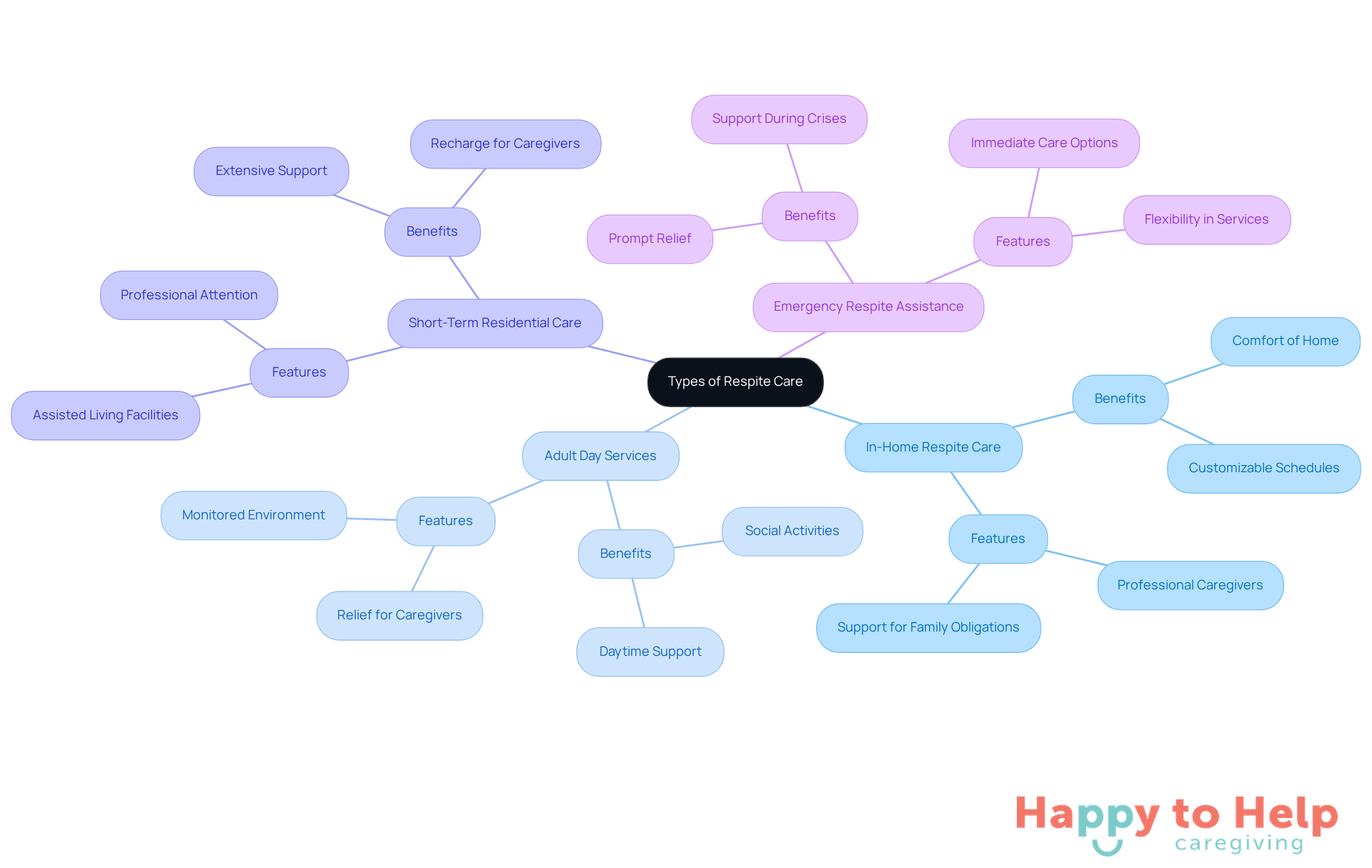
In-Home Respite Care: This option allows caregivers to hire professionals who provide care in the comfort of the client's home. It not only gives the primary caregiver a much-needed break but also ensures that the individual receiving assistance remains in a familiar setting, which is vital for their comfort and well-being. Many respite assistance programs in 2025 offer customizable schedules that accommodate various family obligations, such as work and travel.
-
Adult Day Services: Designed for daytime respite, adult day services provide organized support in a monitored environment. Participants engage in social activities and receive assistance, making it an excellent option for those needing help during working hours or other daytime commitments. Regular family supporters can benefit from as little as 4 hours of relief support each week, allowing them to relax and manage other responsibilities.
-
Short-Term Residential Care: For caregivers seeking longer breaks, short-term stays in assisted living or nursing facilities are available. These options provide extensive support, enabling caregivers to recharge while ensuring their loved ones receive professional attention. Notably, for every $1,000 spent on respite costs, there is an 8 percent decrease in the likelihood of hospitalization, highlighting the cost-effectiveness of investing in respite support.
-
Emergency Respite Assistance: This support is crucial for unforeseen circumstances, offering prompt relief when caregivers encounter sudden challenges. It ensures that caregivers can manage emergencies without compromising the well-being of their loved ones. As one specialist noted, "You may feel guilty stepping away, but you should remember this truth: sustainable support requires rest."
Each of these temporary support options plays a vital role in assisting family caregivers, helping them maintain their health and wellness while ensuring their loved ones receive high-quality care.
Analyze Factors Affecting Respite Care Costs: What to Consider
Understanding the Costs of Respite Care
Caregivers often face the challenge of managing the costs associated with respite care. These expenses can vary significantly based on several factors, making it essential to understand what influences pricing.
Factors Influencing Respite Care Costs:
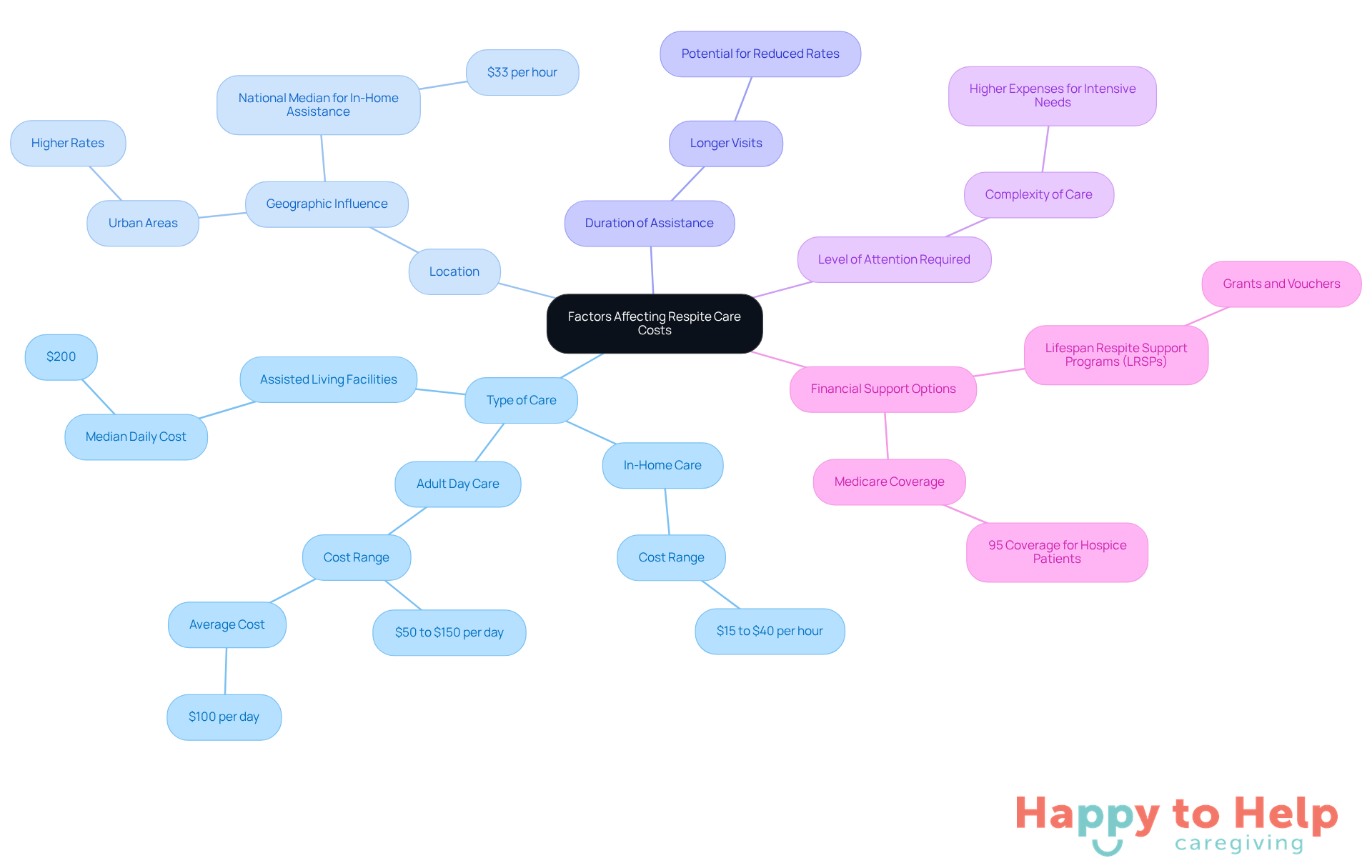
- Type of Care: In-home care is typically more affordable than facility-based options. For instance, in-home respite care ranges from $15 to $40 per hour, while adult day care services can cost between $50 and $150 per day, averaging around $100. Assisted living facilities can have median daily expenses of about $200.
- Location: Geographic location plays a crucial role in pricing. Urban areas often have higher rates due to increased demand and living costs. The national median for in-home assistance is roughly $33 per hour, but this can vary widely by state.
- Duration of Assistance: The length of time support is needed can affect pricing. Longer visits may qualify for reduced rates, so families should assess their specific needs and the potential for extended support.
- Level of Attention Required: The complexity of care directly impacts costs. More intensive medical needs, such as those requiring skilled nursing, will naturally incur higher expenses. Families should carefully evaluate their loved ones' needs to better understand potential costs.
- Financial Support Options: Caregivers should explore available financial resources, such as Lifespan Respite Support Programs (LRSPs), which provide grants and vouchers to help cover temporary relief costs. Additionally, Medicare covers 95% of temporary support expenses for hospice patients, alleviating some financial pressure.
By understanding these factors, caregivers can make informed decisions about respite costs, ensuring they find the best solutions that meet their financial and caregiving needs.
Review Payment Options and Insurance Coverage for Respite Care
Caregivers often face the challenge of covering the respite costs of respite care, which can be a significant financial burden. This situation can lead to stress and strain on family budgets, making it crucial to explore available options for assistance.
Here are several ways caregivers can manage these costs:
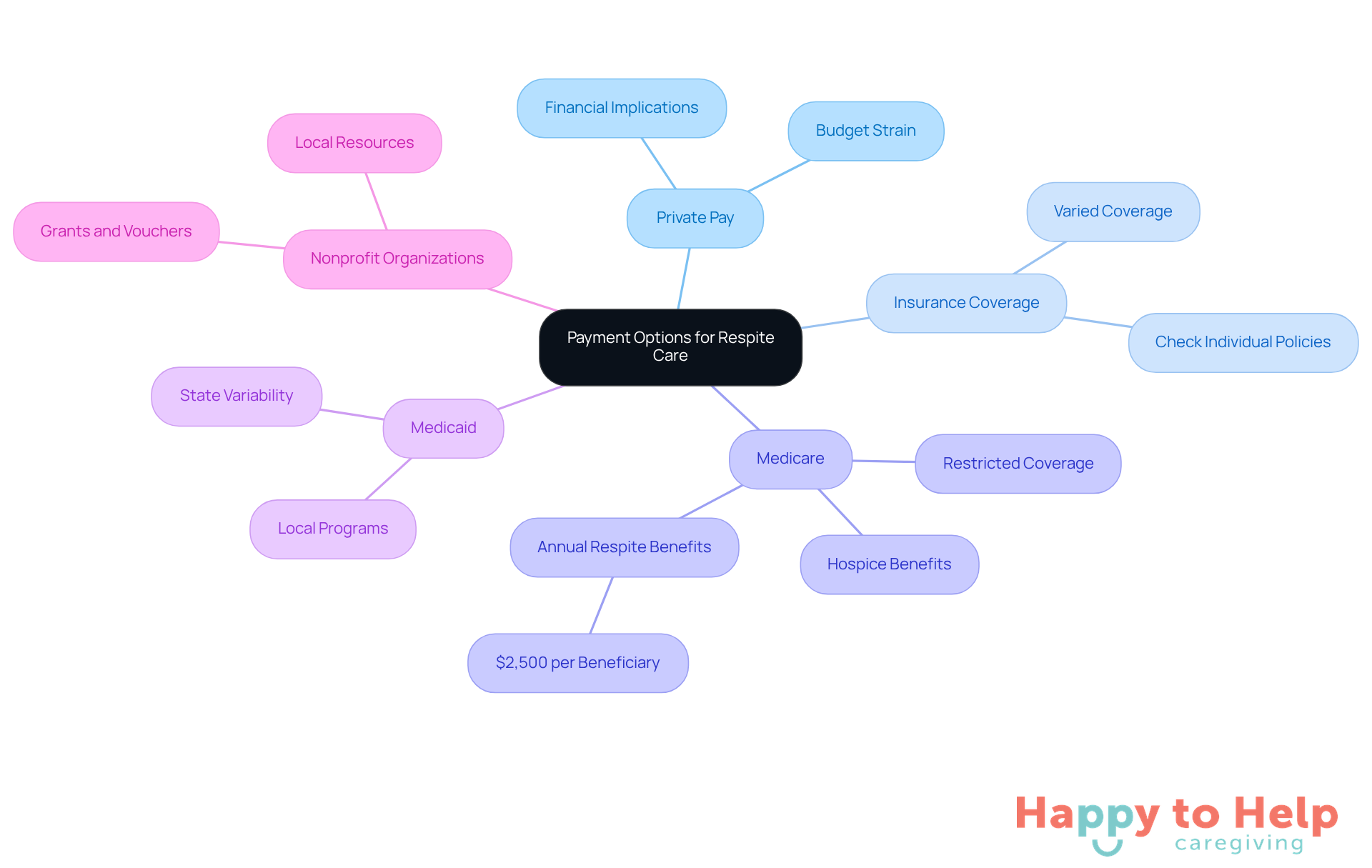
- Private Pay: Many families opt to pay out of pocket for respite services. While this can be straightforward, it may put a strain on their budgets.
- Insurance Coverage: Some private insurance plans may include support services, but coverage varies significantly. It’s essential to check individual policies for specifics.
- Medicare: Medicare offers restricted coverage for temporary support, mainly under hospice benefits, which may include up to five days of inpatient relief.
- Medicaid: Medicaid can provide assistance for eligible individuals, but coverage varies by state. Caregivers should investigate local Medicaid programs for potential support.
- Nonprofit Organizations: Various organizations offer grants or vouchers to assist with respite care costs. Researching local resources can uncover additional financial support options.
By exploring these avenues, caregivers can find practical solutions to alleviate the financial pressures associated with respite costs.
Taking the Next Steps
Understanding the complexities of respite care costs is crucial for family caregivers who want to maintain their well-being while supporting their loved ones. Caregiving can be overwhelming, and without proper breaks, caregivers risk burnout, which can negatively impact the quality of care they provide. Recognizing that respite services are essential, not just a luxury, allows families to make informed decisions that benefit both caregivers and those they care for.
Several key factors influence respite care costs, including:
- The type of care
- Geographic location
- Duration of assistance
- The specific needs of the individual receiving care
Each of these elements significantly affects expenses, underscoring the need for thorough research and planning. Caregivers should also explore various payment options and financial assistance avenues to find support that fits their budget.
Prioritizing respite care is vital for ensuring the health and happiness of both caregivers and their loved ones. By investing time in understanding available resources and options, caregivers can reduce stress and create a more balanced caregiving experience. Embracing respite care not only enhances personal well-being but also improves the quality of life for those being cared for, reinforcing the idea that self-care is a fundamental aspect of effective caregiving.
https://iframe.tely.ai/cta/eyJhcnRpY2xlX2lkIjogIjY5MjNhMGUxNmIzYzAyYTIxMjhhY2UwMCIsICJjb21wYW55X2lkIjogIjY4ZWU1ZGNhNzMxNzYyNTU3ZjNjOTVjMSIsICJpbmRleCI6IG51bGwsICJ0eXBlIjogImFydGljbGUifQ==Frequently Asked Questions
What is respite care?
Respite care is a service that provides temporary relief for primary caregivers, allowing them to take breaks while ensuring their loved ones continue to receive quality support.
Why is respite care important?
Respite care is important because it helps alleviate caregiver burnout, which affects over 57% of caregivers, leading to physical and emotional exhaustion. It supports caregivers' mental wellness and overall health, improving the quality of care they provide.
What options are available for respite care?
Options for respite care include in-home assistance, adult day services, and short-term stays in facilities, allowing families to choose what best meets their unique needs.
How long can respite care last?
Respite care can range from just a few hours to a week or longer, providing flexibility for caregivers.
What are the benefits of taking breaks through respite care?
Regular breaks through respite care can lead to improved caregiving outcomes, reduced stress for caregivers, and strengthened bonds between caregivers and their loved ones.
Are respite costs considered a luxury?
No, respite costs are not merely a luxury; they are an essential support system for caregivers, promoting mental wellness and improving the quality of life for both caregivers and those they support.
List of Sources
- Define Respite Care: Purpose and Benefits
- Caregiver Burnout: The Importance of Respite Care - CRT Care Services (https://crtcare.co.uk/2025/09/12/caregiver-burnout-the-importance-of-respite-care)
- Caregivers and the Importance of Respite Care (https://benedictineliving.org/resources/news/caregivers-and-the-importance-of-respite-care)
- New Medicare program offers much-needed relief for caregivers of dementia patients (https://finance.yahoo.com/news/new-medicare-program-offers-much-needed-relief-for-caregivers-of-dementia-patients-203450020.html)
- Improving Support for Family Caregivers (https://nationalacademies.org/news/2025/07/improving-support-for-family-caregivers)
- New Report Reveals Crisis Point for America’s 63 million Family Caregivers (https://press.aarp.org/2025-07-24-New-Report-Reveals-Crisis-Point-for-Americas-63-million-Family-Caregivers)
- Explore Types of Respite Care: Options for Every Need
- 'More pressure on families.' Nearly half of US states are on the brink of a caregiving emergency (https://usatoday.com/story/news/health/2025/05/21/columbia-university-state-caregiving-study/83651201007)
- Stats, Facts and Things to Know About Respite Care (https://bethesdaseniorliving.com/senior-resources/stats-facts-and-things-to-know-about-respite-care)
- Respite Care in 2025: Why Caregivers Should Use It Without Guilt (https://enrich519.com/respite-care-in-2025-why-caregivers-should-use-it-without-guilt)
- Respite Facts and Talking Points | ARCH National Respite Network & Resource Center (https://archrespite.org/policy/respite-facts-and-talking-points)
- It’s Time to Care for Caregivers: Senator Markey Announces Comprehensive Family Caregiving Legislative Agenda | U.S. Senator Ed Markey of Massachusetts (https://markey.senate.gov/news/press-releases/11/20/2025/its-time-to-care-for-caregivers-senator-markey-announces-comprehensive-family-caregiving-legislative-agenda)
- Analyze Factors Affecting Respite Care Costs: What to Consider
- What Is Respite Care and Where Can I Find Respite Caregivers Near Me? (https://health.usnews.com/senior-care/articles/what-is-respite-care-and-where-can-i-find-respite-caregivers-near-me)
- Understanding the Costs and Insurance Coverage for Respite Care (https://rosewood-nursing.com/post/understanding-the-costs-and-insurance-coverage-for-respite-care)
- Home Care Costs in 2025: A State-by-State Guide (https://aplaceformom.com/caregiver-resources/articles/in-home-care-costs)
- How Much Does Respite Care Cost Out Of Pocket? (https://trualta.com/resources/blog/how-much-does-respite-care-cost-out-of-pocket)
- Respite Care Costs | How Much Does it Cost for Respite Care in 2025? (https://seniorliving.org/respite/costs)
- Review Payment Options and Insurance Coverage for Respite Care
- It’s Time to Care for Caregivers: Senator Markey Announces Comprehensive Family Caregiving Legislative Agenda | U.S. Senator Ed Markey of Massachusetts (https://markey.senate.gov/news/press-releases/11/20/2025/its-time-to-care-for-caregivers-senator-markey-announces-comprehensive-family-caregiving-legislative-agenda)
- A bill in Congress would return $5,000 to millions of family caregivers every year, but will it pass? (https://cbsnews.com/newyork/news/credit-for-caring-act-family-caregiver-tax-credit)
- New Medicare program offers much-needed relief for caregivers of dementia patients (https://finance.yahoo.com/news/new-medicare-program-offers-much-needed-relief-for-caregivers-of-dementia-patients-203450020.html)
- Changes to Medicare in 2025: Support for caregivers and more (https://medicalnewstoday.com/articles/changes-to-medicare-in-2025)
- Does Medicare Pay for Respite Care? (https://ncoa.org/article/does-medicare-cover-respite-care)