

For families in our service areas
For families in our service areas, this guide explains caregiving and how non-medical in-home caregiving can support care planning in East Idaho, Treasure Valley & Magic Valley, Northern Wasatch, North Central West Virginia, and Northeast Ohio.
Understanding Senior Care Options: Importance and Key
As the global population ages, families face a significant challenge: navigating the complex landscape of senior care options. This task is crucial for ensuring that loved ones maintain their independence and quality of life. The right support can greatly enhance emotional well-being, but many caregivers feel overwhelmed by the multitude of choices available, from in-home assistance to specialized facilities.
This overwhelming array of options can lead to stress and uncertainty. Caregivers often grapple with the fear of making the wrong choice, which can impact not only their loved ones but also their own emotional health. How can families strike the perfect balance between providing care and preserving their loved ones' autonomy? The growing demand for personalized support solutions makes this question even more pressing.
To address these challenges, families can take several practical steps:
- It’s essential to assess the specific needs of the senior individual.
- Engaging in open conversations about preferences and concerns can help clarify what type of support is most suitable.
- Additionally, seeking guidance from professionals in the field can provide valuable insights and recommendations tailored to individual circumstances.
Define Senior Care Options
Senior support options present a significant challenge for families striving to help older adults maintain their independence and quality of life. Many caregivers face the daunting task of ensuring their loved ones receive adequate assistance while managing their own responsibilities. This situation can lead to emotional strain and a sense of helplessness, as families often struggle to find the right balance between care and personal life.
In-home support emerges as a crucial solution, allowing elderly individuals to receive help with daily activities in the comfort of their own homes. This arrangement not only enhances emotional well-being but also fosters a sense of security and familiarity, which is vital for many seniors. As more older adults opt for in-home assistance, it reflects a growing trend toward personalized care that meets individual needs. According to the National Investment Center for Elderly Housing & Support, the number of middle-income elderly individuals is expected to double by 2029, underscoring the increasing demand for tailored assistance solutions.
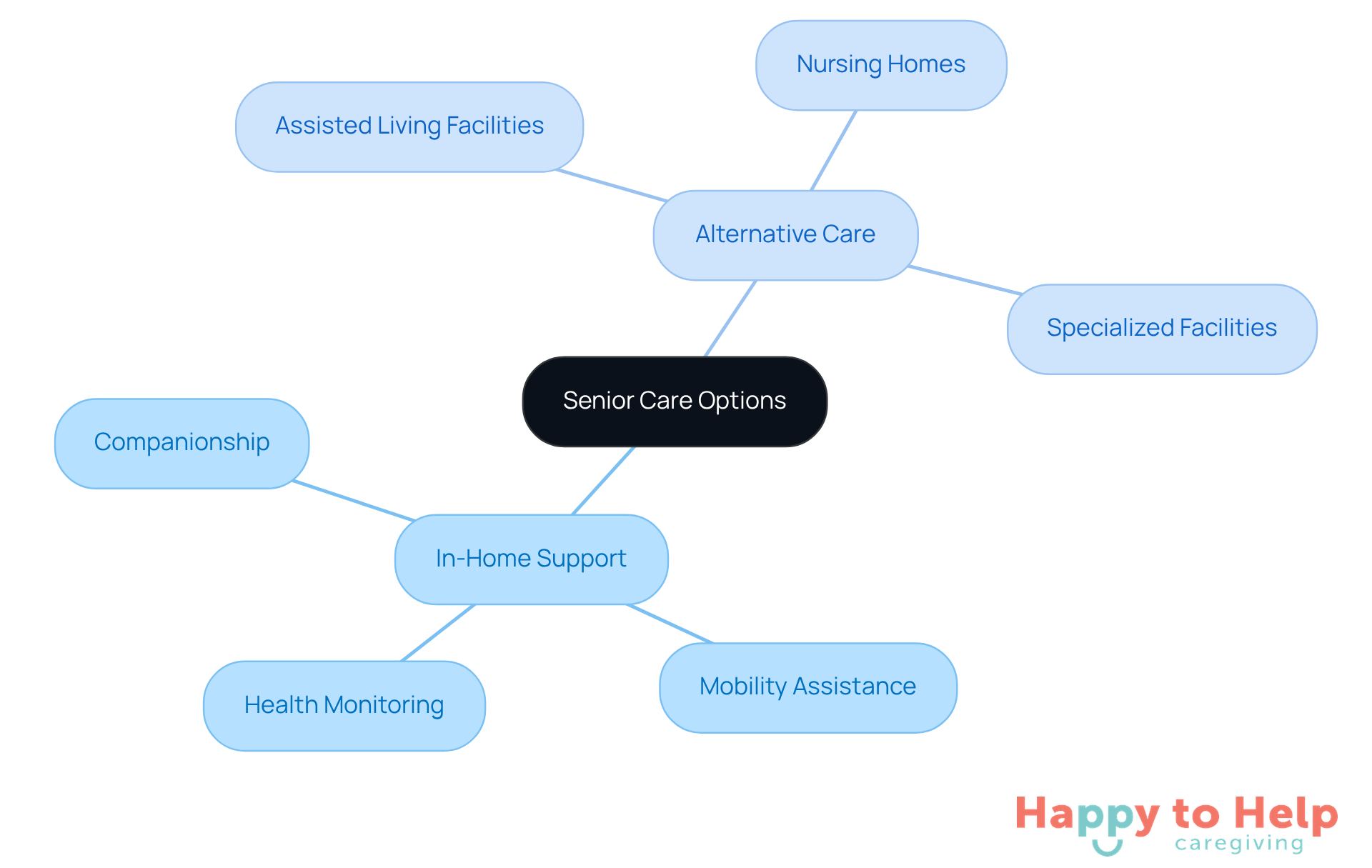
Beyond in-home care, families can explore alternatives such as:
- Assisted living facilities, which provide a community environment with support for daily tasks
- Nursing homes for those requiring more extensive medical care
- Specialized facilities that cater to seniors with specific health conditions, ensuring their unique needs are addressed
Understanding these options is essential for families seeking the [best support solutions for their loved ones](https://providermagazine.com/Articles/Pages/Long Term Care 2025 Trends and Outlook.aspx).
Successful in-home support programs focus on enhancing elderly independence through services like:
- Companionship
- Mobility assistance
- Health monitoring
These programs adapt to the evolving needs of older adults, ensuring they receive the right level of assistance at the right time. Geriatric specialists emphasize that in-home care not only improves the quality of life for seniors but also alleviates the burden on family caregivers, allowing them to maintain a healthier work-life balance. By choosing in-home assistance, families can provide their loved ones with the compassionate support they need to thrive in familiar surroundings.
Contextualize the Importance of Senior Care Options
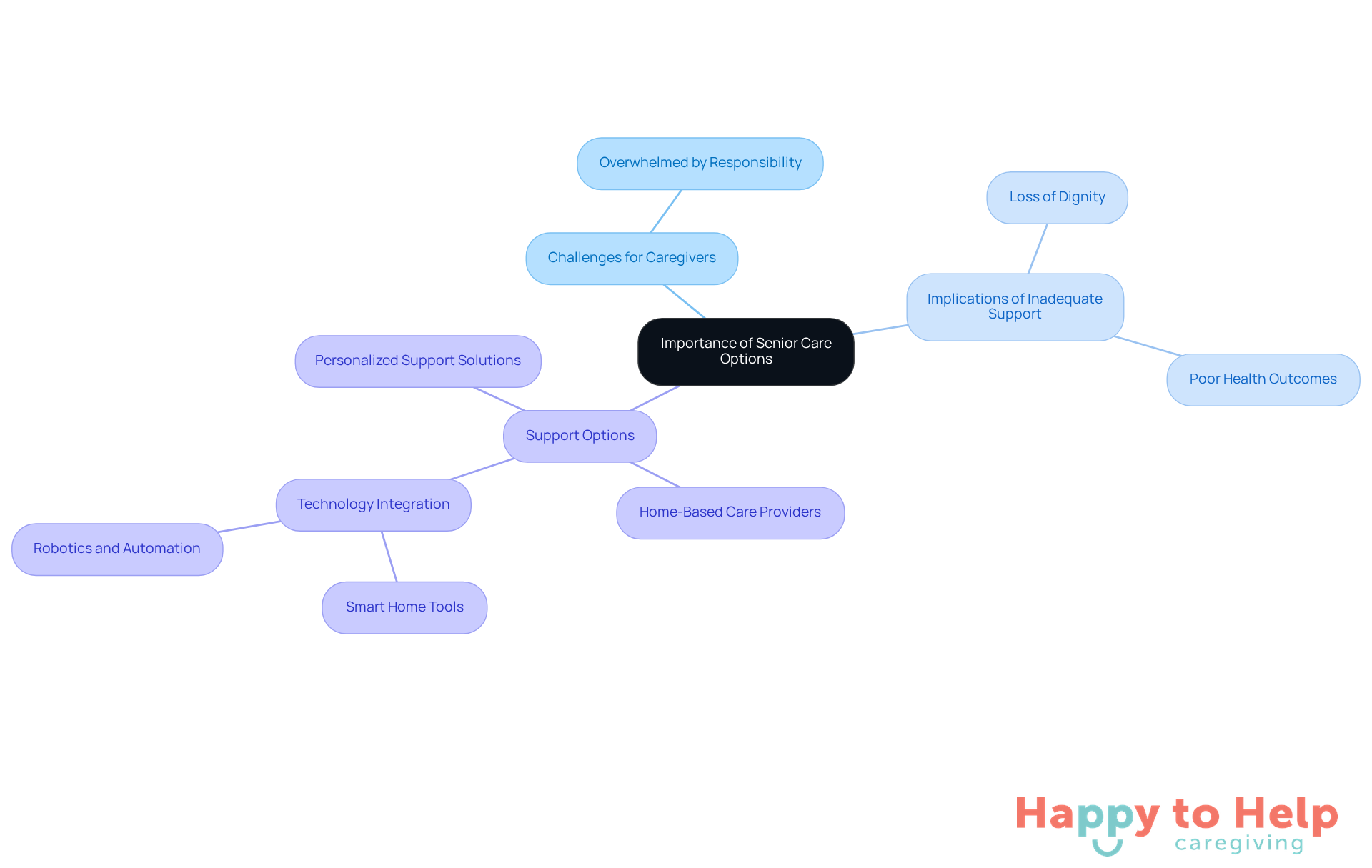
As the global population ages, the significance of senior care options has become increasingly apparent. Many seniors wish to age in place, leading to a surge in demand for adaptable and personalized support solutions. This growing need presents a challenge for family caregivers, who often feel overwhelmed by the responsibility of providing adequate care.
The implications of inadequate support are profound. Without proper assistance, seniors may struggle to maintain their dignity and independence, placing additional strain on their families. Moreover, ineffective elder support can lead to poorer health outcomes, resulting in increased hospitalizations and a decline in overall well-being.
To address these challenges, families can explore various support options that cater to their loved ones' needs. By implementing suitable assistance strategies, caregivers can ensure that seniors receive the help they require while preserving their autonomy. Effective elder support not only enhances the quality of life for older individuals but also alleviates the burden on family helpers, fostering a healthier and more balanced caregiving environment.
Explore Types of Senior Care Options
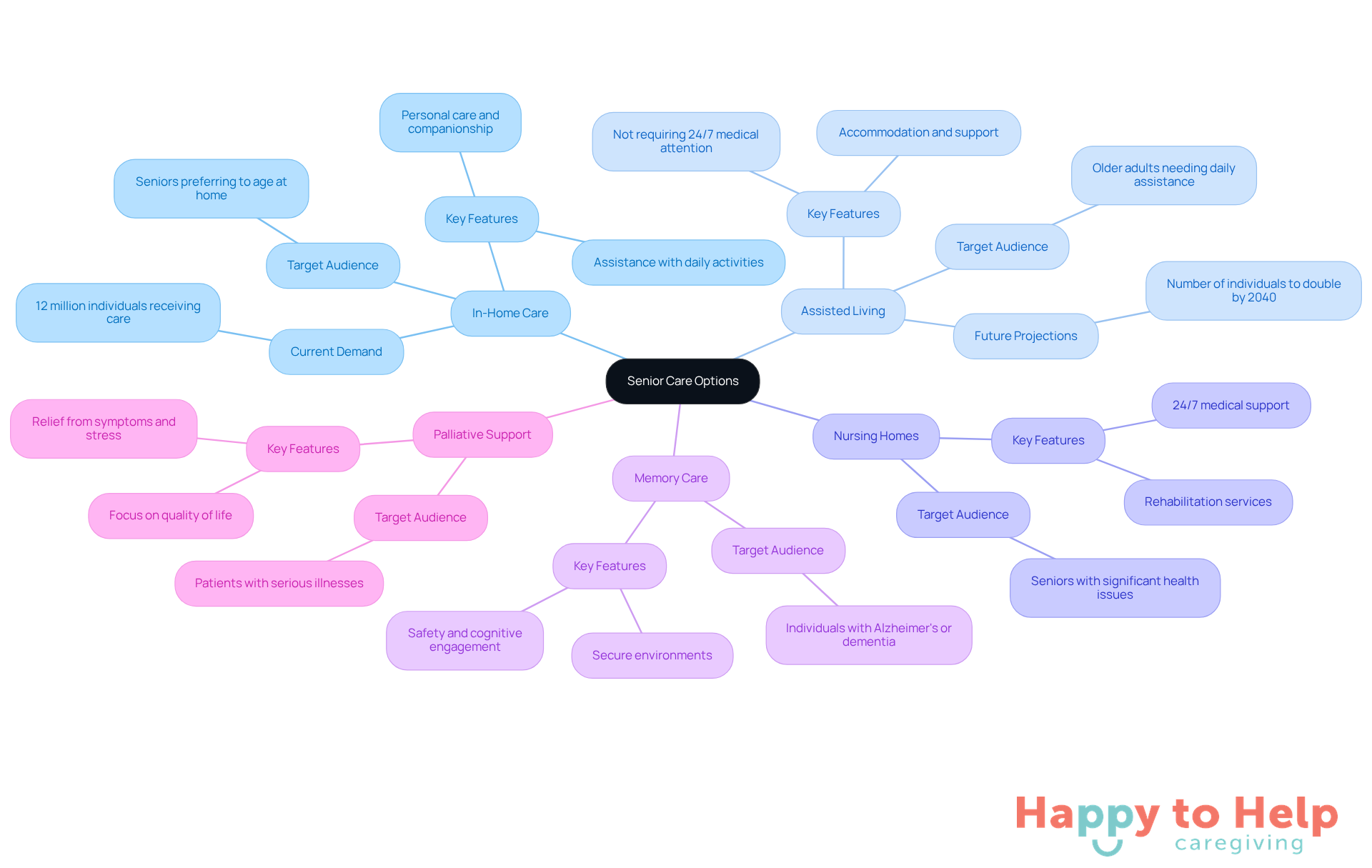
Types of senior care options include:
-
In-Home Care: This service encompasses a range of support provided directly in the senior's home, including personal care, companionship, and assistance with daily activities. It encourages autonomy and ease, enabling older adults to stay in familiar environments while receiving the assistance they require. Currently, around 12 million individuals in the U.S. obtain in-home assistance, highlighting the extensive demand for these services.
-
Assisted Living: These establishments provide accommodation and support for older adults who require help with daily activities but do not need round-the-clock medical attention. Projections indicate that the number of individuals requiring assisted living will double by 2040, underscoring the increasing demand for such facilities.
-
Nursing Homes: Nursing homes offer 24/7 medical support for seniors with significant health issues, including rehabilitation services. They are equipped to manage complex medical requirements, ensuring that residents receive comprehensive assistance.
-
Memory Care: Specialized facilities focus on individuals with Alzheimer’s or other forms of dementia, prioritizing safety and cognitive engagement. These environments are designed to facilitate memory retention and provide a secure setting for residents.
-
Palliative Support: This form of assistance aims to enhance the quality of life for patients with serious illnesses by focusing on relief from symptoms and stress. It is designed to assist both the patient and their family, ensuring comfort during challenging times.
Each category of assistance is tailored to meet the diverse needs of older adults, ensuring they receive appropriate support. The demand for at-home assistance services has increased over the past decade, indicating a rising preference among older adults to age in their own homes. With projections suggesting that the number of individuals needing assisted living will double by 2040, understanding these options is vital for families navigating elder support decisions. Furthermore, it is essential to acknowledge that one in three adults aged 50-80 reported feeling isolated at least occasionally, highlighting the significance of emotional support offered by in-home caregivers.
Identify Key Characteristics of Senior Care Options
Key Characteristics of Quality Senior Care Options
Problem: Caregivers often face challenges in providing effective support for seniors, leading to potential gaps in care.
Agitate: Without personalized care plans, seniors may not receive the support they need, which can affect their overall well-being. Additionally, a lack of compassionate care can lead to feelings of isolation, while safety concerns can create anxiety for both seniors and their families.
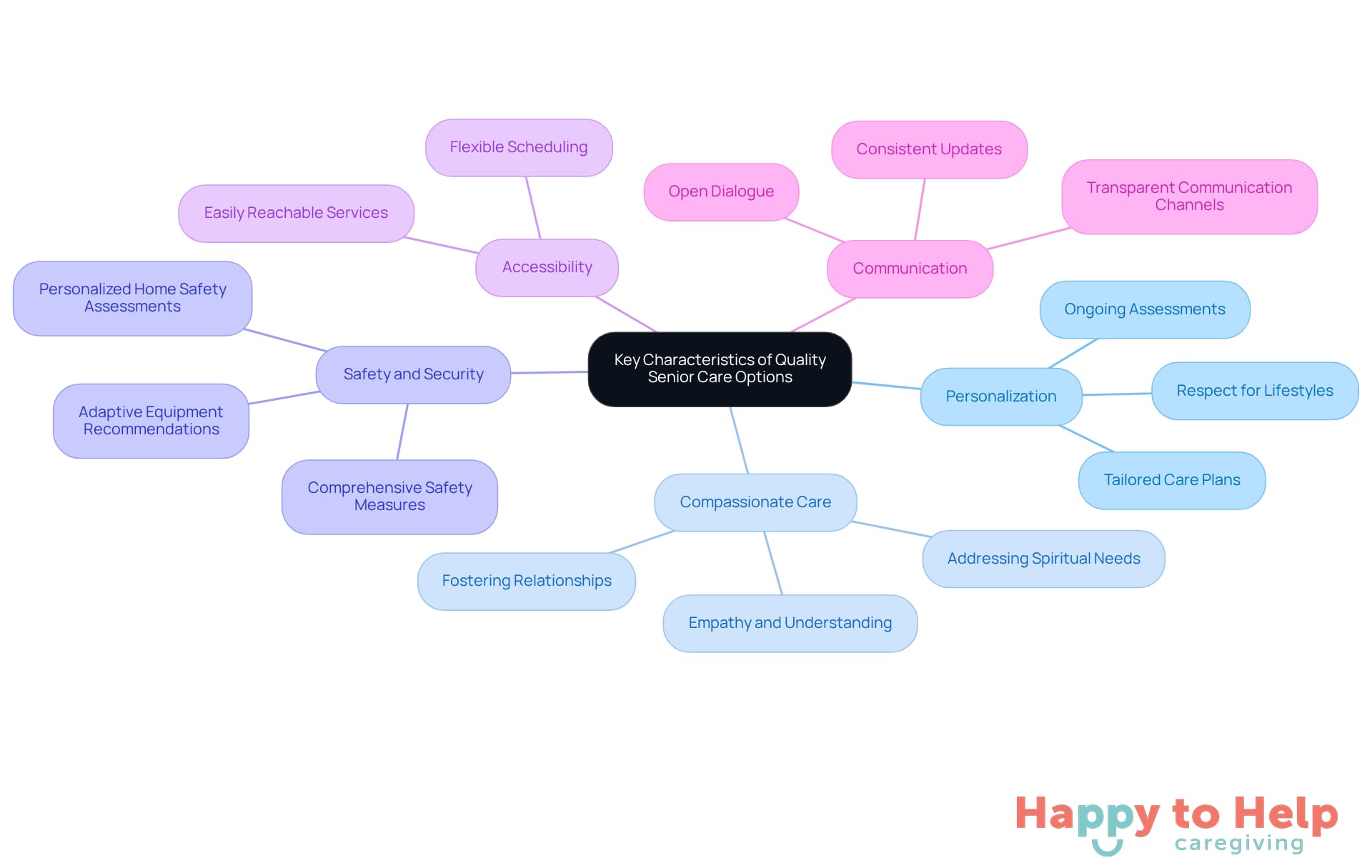
Solution: Here are key characteristics that can enhance the quality of senior care:
-
Personalization: Tailoring care plans to meet individual needs and preferences is crucial. This approach prioritizes people over paperwork, adapting care based on ongoing assessments to respect lifestyles and enhance the overall care experience.
-
Compassionate Care: Caregivers should demonstrate empathy and understanding. Actions like addressing spiritual needs and fostering significant relationships are essential in reducing feelings of isolation.
-
Safety and Security: Facilities and in-home services must prioritize safety. Implementing comprehensive safety measures, including personalized home safety assessments and adaptive equipment recommendations, is vital to prevent accidents and ensure a secure living environment.
-
Accessibility: Services should be easily reachable, featuring flexible scheduling to accommodate the diverse needs of older adults and their families. This flexibility allows for customized assistance that can adapt to evolving situations.
-
Communication: Open dialogue among caregivers, older adults, and family members is essential for effective coordination. Consistent updates and transparent communication channels help ensure everyone is informed and engaged in the process.
These characteristics are essential for ensuring that seniors receive the highest quality of care, promoting their health, happiness, and overall quality of life.
Moving Forward with Senior Care Options: Importance and Key
Understanding the various senior care options is essential for families seeking to ensure their loved ones can maintain dignity and independence as they age. The challenge lies in the increasing number of older adults preferring to age in place, which has led to a critical demand for personalized and adaptable support solutions. This comprehensive exploration of senior care options highlights the importance of making informed decisions that cater to the unique needs of each individual.
Families face the problem of navigating several key types of senior care, including:
- In-home support
- Assisted living
- Nursing homes
- Memory care
- Palliative care
Each option serves a specific purpose and addresses different aspects of care, from daily assistance to specialized medical support. Recognizing the characteristics of quality senior care-such as personalization, compassionate care, safety, accessibility, and effective communication-can empower families to make better choices.
The significance of selecting the right senior care option cannot be overstated. It impacts the quality of life for older adults and eases the emotional and physical burden on family caregivers. By prioritizing tailored support strategies, families can foster an environment where seniors thrive. This ensures that they receive the compassionate care they deserve while maintaining their independence and well-being.
https://iframe.tely.ai/cta/eyJhcnRpY2xlX2lkIjogIjY5MjEwYWEzMzc5NWM5NDI2NDE4ZjBlYyIsICJjb21wYW55X2lkIjogIjY4ZWU1ZGNhNzMxNzYyNTU3ZjNjOTVjMSIsICJpbmRleCI6IG51bGwsICJ0eXBlIjogImFydGljbGUifQ==Frequently Asked Questions
What challenges do families face when providing senior care?
Families often struggle to find the right balance between providing adequate assistance to older adults and managing their own responsibilities, which can lead to emotional strain and a sense of helplessness.
What is in-home support for seniors?
In-home support allows elderly individuals to receive assistance with daily activities in the comfort of their own homes, enhancing their emotional well-being and providing a sense of security and familiarity.
What is the trend regarding in-home assistance for seniors?
There is a growing trend toward personalized care that meets individual needs, with an increasing number of older adults opting for in-home assistance.
What types of senior care options are available beyond in-home support?
Alternatives include assisted living facilities, nursing homes for those needing extensive medical care, and specialized facilities that cater to seniors with specific health conditions.
What services are typically offered in successful in-home support programs?
Successful in-home support programs focus on enhancing elderly independence through services such as companionship, mobility assistance, and health monitoring.
How does in-home care benefit family caregivers?
In-home care improves the quality of life for seniors and alleviates the burden on family caregivers, allowing them to maintain a healthier work-life balance.
Why is understanding senior care options important for families?
Understanding the various senior care options is essential for families seeking the best support solutions for their loved ones, ensuring their unique needs are addressed.
List of Sources
- Define Senior Care Options
- Long Term Care 2025 Trends and Outlook (https://providermagazine.com/Articles/Pages/Long Term Care 2025 Trends and Outlook.aspx)
- Seven trends in senior living that will define 2025 and beyond (https://mcknightsseniorliving.com/home/columns/guest-columns/seven-trends-in-senior-living-that-will-define-2025-and-beyond)
- The Benefits of In-Home Care for Seniors - Consumer Directed Choices (https://cdchoices.org/2023/11/27/the-benefits-of-in-home-care-for-seniors)
- Senior Living Trends in 2025 | Juniper (https://junipercommunities.com/senior-living-trends-in-2025)
- Why Senior Home Care is More Important Than Ever (https://homeinstead.com/home-care/usa/la/carencro/347/news-and-media/senior-home-care-is-more-important-than-ever)
- Contextualize the Importance of Senior Care Options
- (https://belleviecare.co.uk/support-advice/60-elderly-care-quotes-to-lift-your-spirits)
- 28 Senior Care Statistics: In-Home & Assisted Living | Shortlister (https://myshortlister.com/insights/senior-care-statistics)
- Top healthcare trends of 2026: Aging in place is driving innovation in home-based care and technology (https://definitivehc.com/blog/aging-in-place-driving-innovation)
- Number of Family Caregivers Supporting Older Adults Increased Nearly One-Third Between 2011 and 2022 | Johns Hopkins Bloomberg School of Public Health (https://publichealth.jhu.edu/2025/number-of-family-caregivers-supporting-older-adults-increased-nearly-one-third-between-2011-and-2022)
- Explore Types of Senior Care Options
- News - Home Care Association of Florida (https://members.homecarefla.org/news)
- 2025 Home Care Statistics: Trends & Insights To Know (https://premierhcinc.com/blog/home-care-statistics)
- HomeCare News | HomeCare Magazine (https://homecaremag.com/news)
- News Releases (https://hcaoa.org/news-releases.html)
- Home Care News | Senior Care News | Right at Home (https://rightathome.net/news)
- Identify Key Characteristics of Senior Care Options
- 28 Senior Care Statistics: In-Home & Assisted Living | Shortlister (https://myshortlister.com/insights/senior-care-statistics)
- The Power of Personalized Care Plans for Seniors Aging at Home (https://faithcareus.com/blog/personalized-care-plans-for-seniors-at-home)
- Importance of Personalized Senior Home Care in Burlington NC (https://wisdomseniorcare.com/the-importance-of-personalized-care-plans-for-seniors)
- The Future of Senior Care: What to Expect in 2025 and Beyond (https://arhomecare.com/the-future-of-senior-care-what-to-expect-in-2025-and-beyond)
- Novel Care Model May Improve Outcomes for Older Adults With Multiple Chronic Conditions (https://consultqd.clevelandclinic.org/novel-care-model-may-improve-outcomes-for-older-adults-with-multiple-chronic-conditions)