
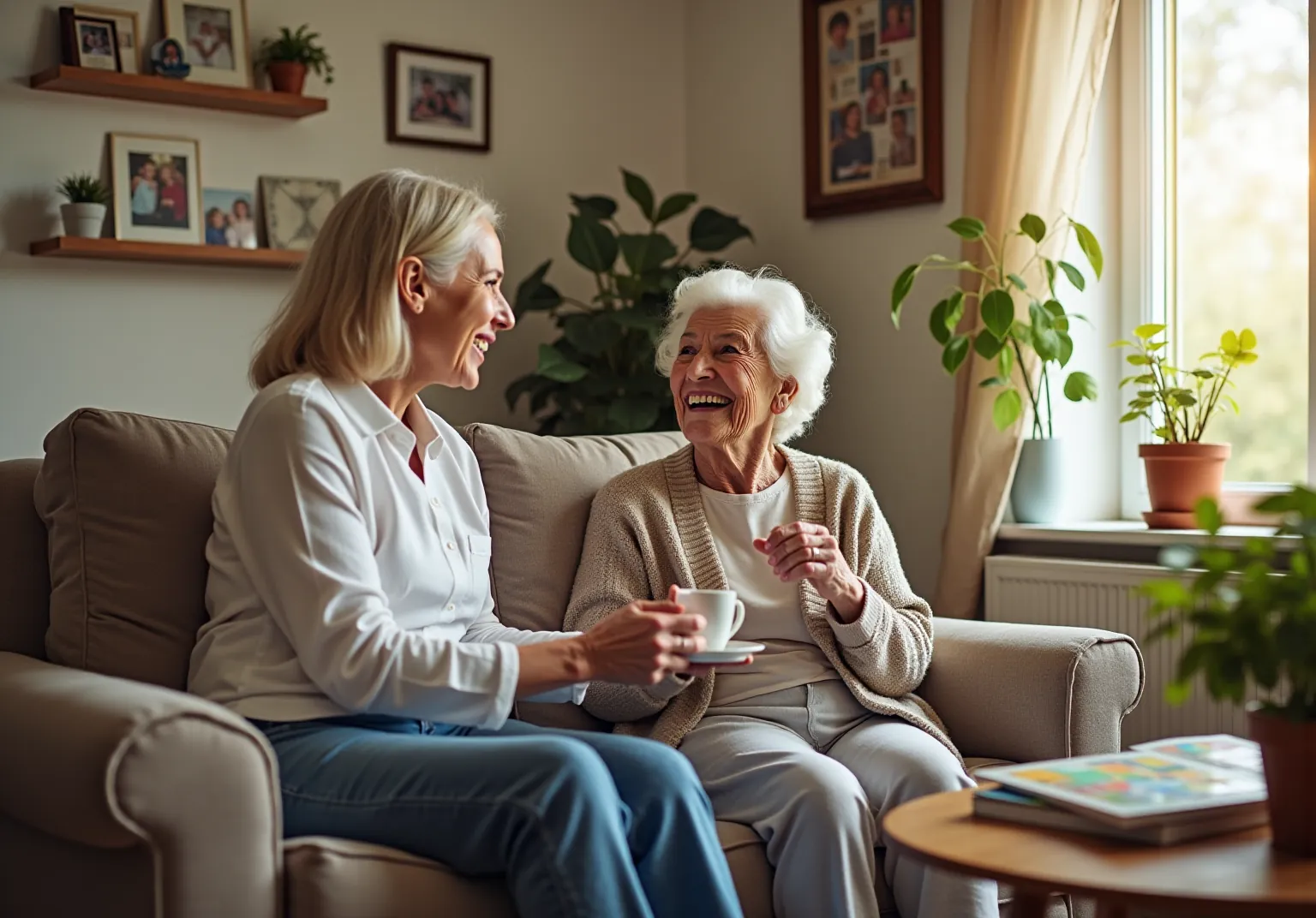
For families in our service areas
For families in our service areas, this guide explains companion care and how non-medical in-home caregiving can support care planning in East Idaho, Treasure Valley & Magic Valley, Northern Wasatch, North Central West Virginia, and Northeast Ohio.
Why Senior Companion Caregivers: Roles and Matters
Loneliness among seniors is a pervasive issue. Nearly one in three older adults report a lack of companionship, which can lead to serious emotional and physical health challenges. This isolation is not just a personal struggle; it affects the overall well-being of our aging population.
Senior companion caregivers emerge as vital allies in combating this loneliness. They offer assistance with daily tasks, but more importantly, they foster meaningful connections that enhance the quality of life for elderly individuals. These caregivers play a crucial role in bridging the gap of isolation, providing not only support but also companionship.
But what exactly defines the role of these caregivers? How do they navigate the complexities of emotional support and companionship in a rapidly aging society? Understanding their impact is essential for addressing the loneliness epidemic among seniors.
Define Senior Companion Caregiver
Loneliness is a significant issue for many elderly individuals, with approximately 30% reporting a lack of regular companionship. This isolation can lead to serious emotional and physical health challenges, making it crucial to address the needs of older adults.
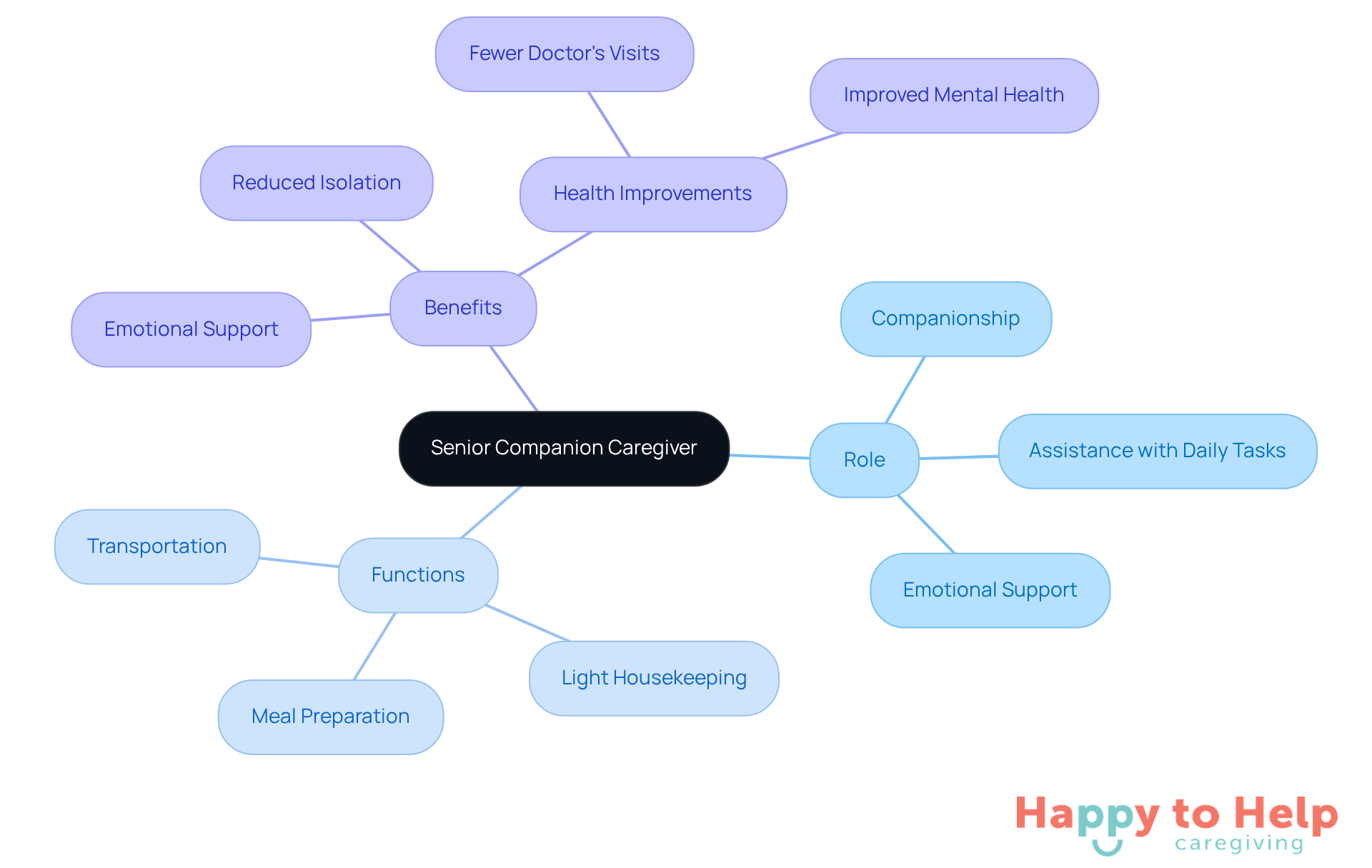
A senior companion caregiver is an experienced aide who serves as a non-medical expert dedicated to providing companionship, emotional support, and assistance with daily tasks. Their primary goal is to enhance the quality of life for seniors by fostering social interaction and helping them maintain independence in their own homes through the assistance of a senior companion caregiver. Unlike traditional caregivers who focus on medical or personal assistance, a senior companion caregiver prioritizes emotional well-being and social engagement, which are vital in combating loneliness.
Senior companion caregivers can assist with:
- Light housekeeping
- Meal preparation
- Transportation
But their core function revolves around companionship and support. This emotional connection not only alleviates feelings of loneliness experienced by one in three seniors, but also contributes to improved mental and physical health outcomes. As noted by the Family Caregiver Alliance, "Companionship can significantly improve the quality of life for older adults, reducing feelings of isolation and promoting overall well-being."
Moreover, older adults utilizing in-home care services report 25% fewer doctor’s visits annually, underscoring the health benefits of companionship and care services. By recognizing the importance of companionship, caregivers can take actionable steps to enhance the lives of elderly individuals, ultimately fostering a more supportive and connected community.
Context and Importance of Companion Care
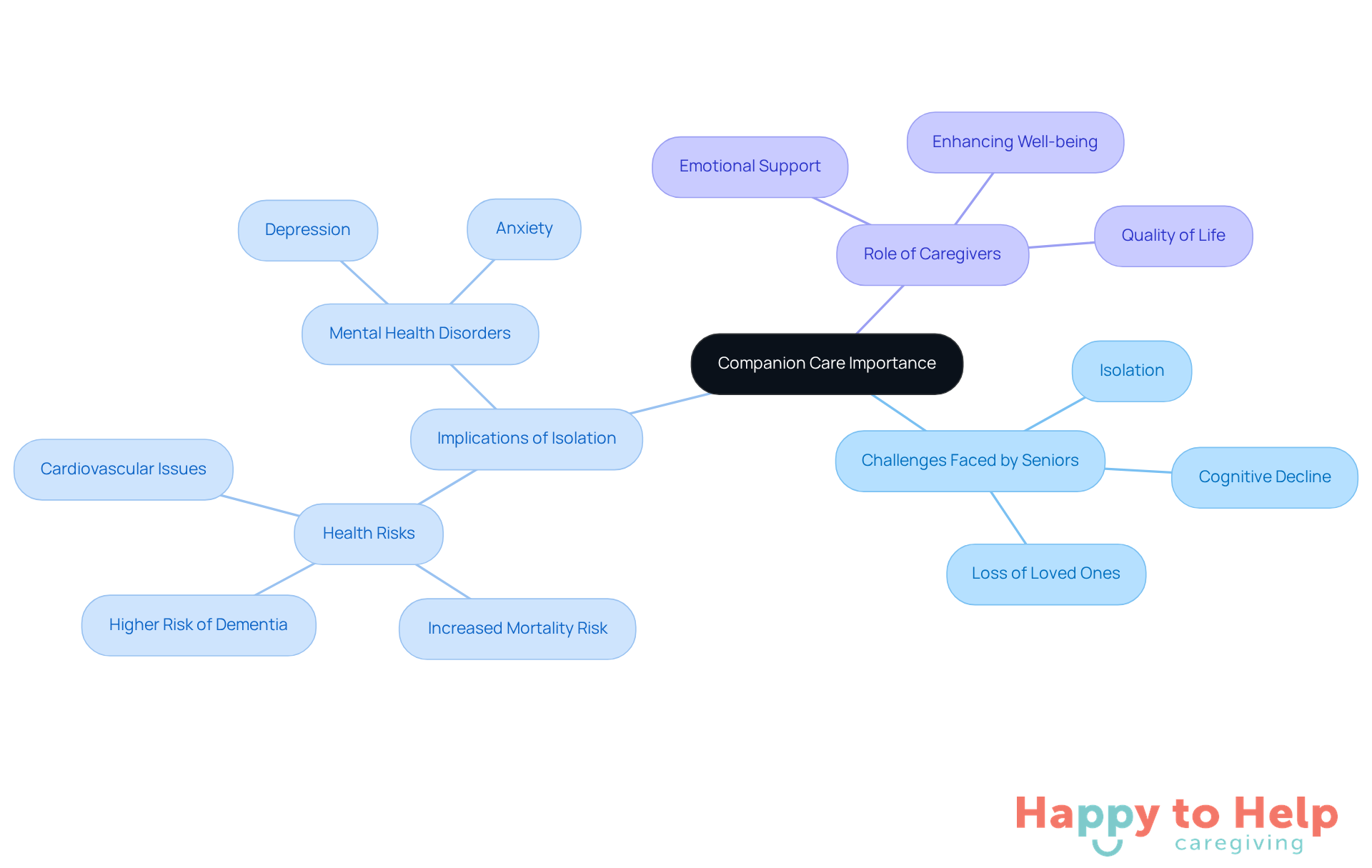
Companion care provided by a senior companion caregiver has emerged as a crucial service in the elder care landscape, especially as the older adult population continues to grow. Many seniors face significant challenges, including isolation, cognitive decline, and the loss of loved ones. These issues can deeply affect their mental and emotional well-being.
The implications of these challenges are serious. Research shows that social isolation is linked to increased risks of various health issues, such as cognitive decline and mental health disorders. Regular interpersonal interaction can significantly enhance cognitive function and reduce feelings of depression and anxiety among older adults. However, families often struggle to provide the necessary companionship due to busy schedules.
This is where senior companion caregiver services come into play. They effectively fill the void, ensuring that elderly individuals receive the emotional support they need to thrive. Senior companion caregivers foster relationships and encourage participation in activities that enhance overall well-being. By emphasizing companionship, caregivers not only improve the quality of life for seniors but also contribute to their long-term health outcomes.
In summary, senior companion caregiver services are vital for addressing the emotional and mental health needs of older adults. By providing regular interaction and support, caregivers can make a significant difference in the lives of those they serve.
Key Responsibilities of Senior Companion Caregivers
Senior companion caregivers play a vital role in enhancing the quality of life for older adults, yet many face significant challenges. One major issue is the isolation that nearly one in three elderly individuals experience, which can adversely affect their health and well-being. This loneliness often leads to feelings of anxiety and depression, making it crucial for caregivers to address these emotional needs.
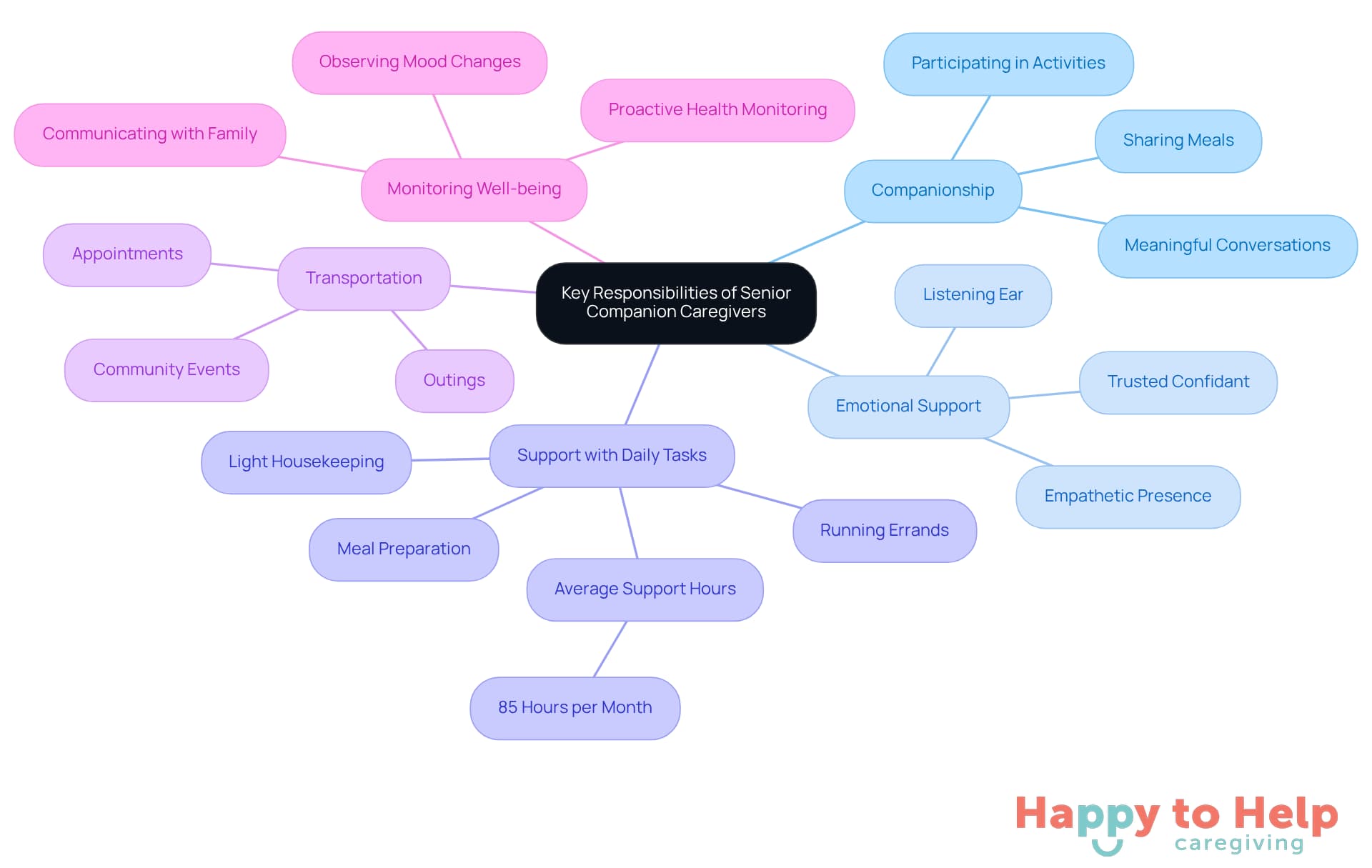
To combat this problem, companion caregivers provide essential support through various responsibilities:
- Companionship: Engaging in meaningful conversations, sharing meals, and participating in enjoyable activities fosters a sense of connection and belonging for seniors. This social interaction is essential for their emotional health.
- Emotional Support: By offering a listening ear and empathetic presence, caregivers help alleviate feelings of loneliness and anxiety. They often become trusted confidants, providing comfort during challenging times.
- Support with Daily Tasks: Caregivers assist with light housekeeping, meal preparation, and running errands, allowing elderly individuals to maintain their independence while receiving necessary help. On average, older adults needing assistance with daily activities receive about 85 hours of support per month, highlighting the importance of this role.
- Transportation: Helping older adults get to appointments, community events, or outings promotes their activity and involvement in their neighborhoods, which is vital for preventing isolation.
- Monitoring Well-being: Caregivers observe changes in the elderly person's mood or health, communicating these observations to family members or healthcare providers as needed. This proactive approach ensures that any potential concerns are addressed quickly, enhancing the elder's overall well-being.
The varied duties of a senior companion caregiver not only provide crucial assistance but also significantly improve the emotional and social wellness of older adults, enabling them to thrive in their own homes.
Emotional Support and Companionship
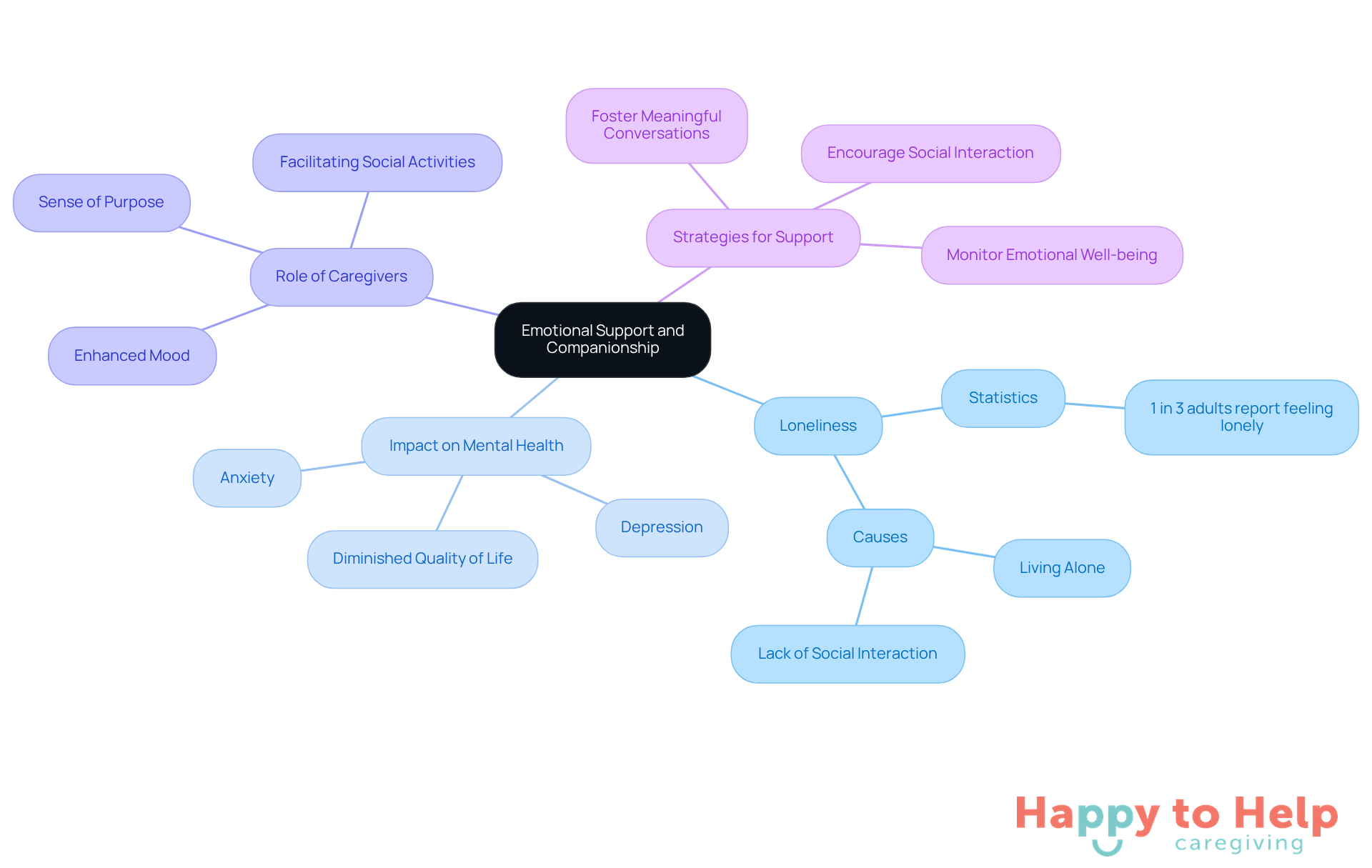
Loneliness is a significant issue faced by older adults, particularly those living alone. Approximately 1 in 3 adults in the U.S. report feeling lonely, highlighting the urgent need for effective emotional support. This isolation can lead to serious mental health challenges, including depression and anxiety, which can diminish the quality of life for seniors.
The support of a senior companion caregiver plays a crucial role in alleviating these feelings. Regular interactions with a senior companion caregiver can enhance mood, alleviate anxiety, and cultivate a greater sense of purpose. Studies show that older adults who engage in social activities with companions experience lower rates of depression and enhanced cognitive function. Senior companion caregivers can facilitate meaningful conversations, encourage hobbies, and create a supportive environment where elderly individuals feel valued and understood.
To combat loneliness, caregivers can implement several practical strategies:
- Encourage Social Interaction: Facilitate regular social activities that promote engagement and connection.
- Foster Meaningful Conversations: Create opportunities for deep discussions that help seniors express their feelings and thoughts.
- Monitor Emotional Well-being: Be vigilant for signs of depression, allowing for timely interventions that can enhance mental health.
The emotional bond formed through a senior companion caregiver not only enriches the lives of older adults but also instills a sense of security and comfort in their daily routines. As emphasized by the National Center for Chronic Disease Prevention and Health Promotion, addressing social isolation is vital for preventing significant health problems. By providing consistent support, a senior companion caregiver can make a profound difference in the lives of those they assist.
Qualifications and Skills of Effective Caregivers
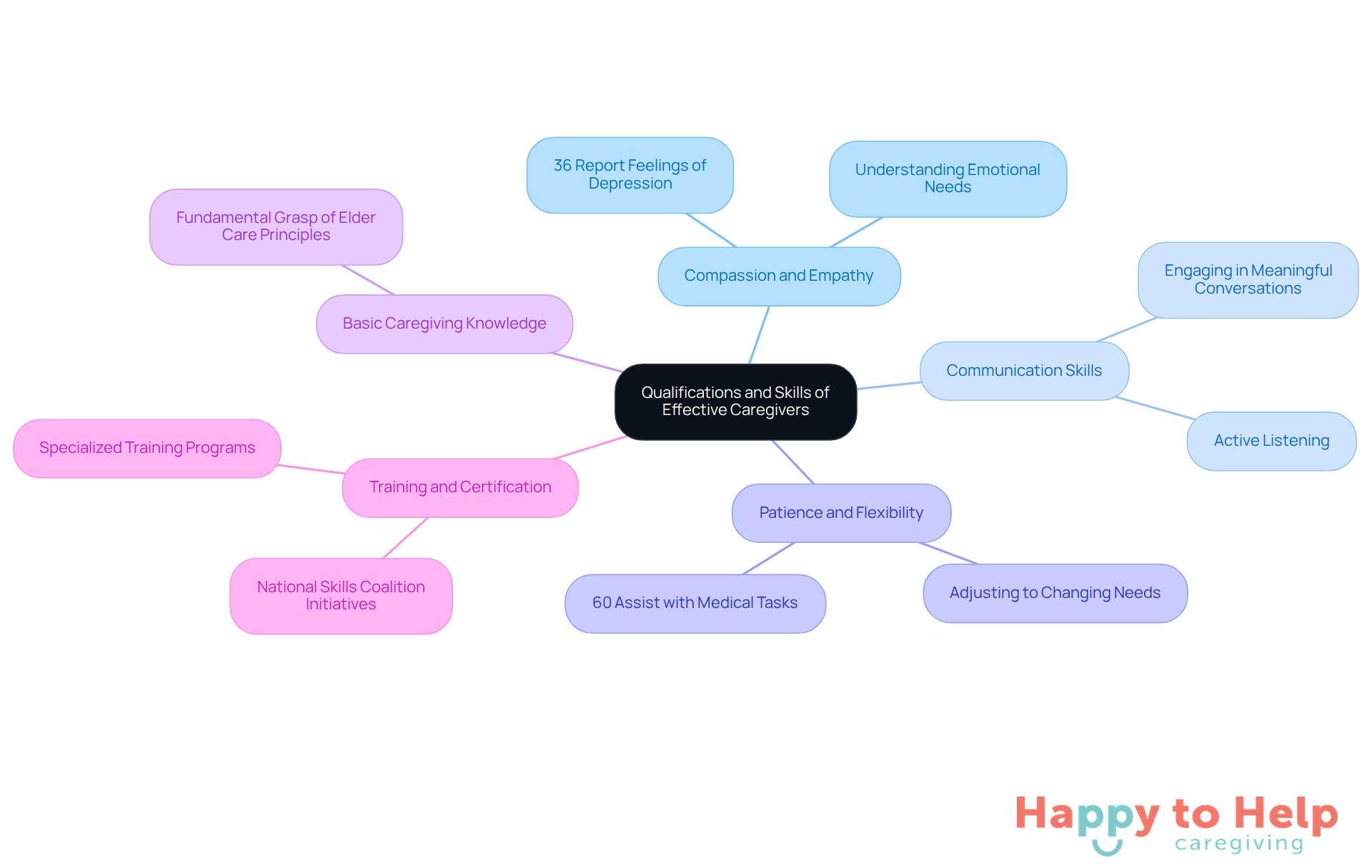
Effective senior companion caregivers encounter significant challenges in delivering high-quality care, which can lead to emotional strain and burnout. For instance, 36% of caregivers report feelings of depression, underscoring the emotional hurdles they encounter. This situation not only affects the caregivers but also impacts the quality of care provided to seniors.
To address these challenges, effective senior companion caregivers must possess a unique blend of qualifications and skills. Key attributes include:
- Compassion and Empathy: Understanding the emotional needs of seniors fosters trust and comfort, essential for effective caregiving.
- Communication Skills: Engaging in meaningful conversations and actively listening ensures clients feel heard and valued, which is crucial for building strong caregiver-client relationships.
- Patience and Flexibility: Adjusting to the changing needs and moods of older adults helps establish rapport and deliver effective support. Nearly 60% of caregivers assist with medical or nursing tasks, highlighting the importance of adaptability.
- Basic Caregiving Knowledge: While not always necessary for medical assistance, a fundamental grasp of elder care principles enables providers to respond appropriately to various situations.
- Training and Certification: Specialized training programs cover essential support skills, safety protocols, and best practices for engaging with seniors. Initiatives by the National Skills Coalition aim to enhance training and career pathways for direct care workers, ensuring they are well-prepared for the unique challenges of companion care.
The significance of training cannot be overstated. It equips providers to meet the varied requirements of their clients. Programs often include modules on communication tactics, safety protocols, and emotional assistance methods, ensuring caregivers are well-prepared for their roles. With the U.S. population aged 65 and above expected to rise by 47%, from 58 million in 2022 to 82 million by 2050, investing in the skills and training of senior companion caregivers is essential for maintaining high standards of support and promoting the well-being of elderly individuals. Organizations like the National Alliance for Caregiving and AARP emphasize the critical role of well-trained caregivers in meeting the growing demand for senior care.
Making the Right Choice
The role of senior companion caregivers is crucial in addressing the emotional and social needs of older adults. Loneliness is a pervasive issue affecting a significant portion of the elderly population, and without adequate support, it can lead to serious mental and physical health challenges. By prioritizing companionship and emotional support, these caregivers significantly enhance the quality of life for seniors, fostering independence and promoting better health outcomes.
Key responsibilities of senior companion caregivers include:
- Providing companionship through meaningful interactions
- Offering emotional support
- Assisting with daily tasks
- Facilitating transportation
- Monitoring the well-being of seniors
These services profoundly reduce feelings of isolation and improve overall health, highlighting the critical impact of companionship in the lives of older adults.
Recognizing the importance of senior companion caregivers requires a collective effort to support and invest in their training and development. As the senior population continues to grow, equipping caregivers with the necessary skills and knowledge is vital to meet the increasing demand for quality elder care. Emphasizing the significance of companionship not only enriches the lives of seniors but also contributes to building a more connected and compassionate community.
https://iframe.tely.ai/cta/eyJhcnRpY2xlX2lkIjogIjY5M2Y1MGFlNjk1NDdlMzRlNWE0ZWU3NyIsICJjb21wYW55X2lkIjogIjY4ZWU1ZGNhNzMxNzYyNTU3ZjNjOTVjMSIsICJpbmRleCI6IG51bGwsICJ0eXBlIjogImFydGljbGUifQ==Frequently Asked Questions
What is a senior companion caregiver?
A senior companion caregiver is an experienced aide who provides non-medical support, focusing on companionship, emotional support, and assistance with daily tasks to enhance the quality of life for seniors.
Why is companionship important for seniors?
Companionship is crucial for seniors as it helps combat loneliness, which affects approximately 30% of older adults. Emotional connections fostered by senior companion caregivers can improve mental and physical health outcomes.
What tasks can senior companion caregivers assist with?
Senior companion caregivers can assist with light housekeeping, meal preparation, and transportation, but their primary role is to provide companionship and emotional support.
How does companion care impact the health of older adults?
Older adults receiving companion care report 25% fewer doctor’s visits annually, indicating significant health benefits associated with companionship and emotional support.
What challenges do seniors face that make companion care necessary?
Seniors often face challenges such as isolation, cognitive decline, and the loss of loved ones, which can negatively impact their mental and emotional well-being. Companion care helps address these issues.
How does social isolation affect seniors?
Social isolation is linked to increased risks of cognitive decline and mental health disorders. Regular interpersonal interaction can enhance cognitive function and reduce feelings of depression and anxiety among older adults.
What role do families play in providing companionship to seniors?
Families often struggle to provide the necessary companionship due to busy schedules, which is where senior companion caregiver services become essential in filling that void.
What are the long-term benefits of senior companion caregiver services?
Senior companion caregiver services significantly improve the quality of life for seniors by providing regular interaction and support, which contributes to their long-term health outcomes.
List of Sources
- Define Senior Companion Caregiver
- Why Home Care Providers Are Increasingly Offering Companion Care Services for Seniors | Aaniie, formerly Smartcare Software (https://aaniie.com/news/why-home-care-providers-are-increasingly-offering-companion-care-services-for-seniors)
- The Incredible Benefits of Home Care, in 7 Amazing Stats - Companions For Seniors (https://companionsforseniors.com/2019/08/benefits-home-care-amazing-stats-trends-reports)
- Family Caregiver Annual Report and Statistics | SeniorLiving.org (https://seniorliving.org/research/family-caregiver-report-statistics)
- Fact Sheet: Trends in Family Care for Older Americans (https://prb.org/resources/fact-sheet-trends-in-family-care-for-older-americans)
- Caregiver Statistics: Demographics (https://caregiver.org/resource/caregiver-statistics-demographics)
- Context and Importance of Companion Care
- Social isolation, loneliness in older people pose health risks | Alzheimers.gov (https://alzheimers.gov/news/social-isolation-loneliness-older-people-pose-health-risks)
- Summary - Social Isolation and Loneliness in Older Adults - NCBI Bookshelf (https://ncbi.nlm.nih.gov/books/NBK557972)
- 1 in 3 older adults still experience loneliness and isolation (https://michiganmedicine.org/health-lab/1-3-older-adults-still-experience-loneliness-and-isolation)
- Addressing Social Isolation and Loneliness in Older Adults (https://behavioralhealthnews.org/addressing-social-isolation-and-loneliness-in-older-adults)
- Key Responsibilities of Senior Companion Caregivers
- Family Caregiver Annual Report and Statistics | SeniorLiving.org (https://seniorliving.org/research/family-caregiver-report-statistics)
- Nearly Half of All Seniors Need Help With Daily Activities, Far More Than We Thought (https://forbes.com/sites/howardgleckman/2014/10/08/nearly-half-of-all-seniors-need-help-with-daily-activities-far-more-than-we-thought)
- Why Home Care Providers Are Increasingly Offering Companion Care Services for Seniors | Aaniie, formerly Smartcare Software (https://aaniie.com/news/why-home-care-providers-are-increasingly-offering-companion-care-services-for-seniors)
- 28 Senior Care Statistics: In-Home & Assisted Living | Shortlister (https://myshortlister.com/insights/senior-care-statistics)
- 2025 Home Care Statistics: Trends & Insights To Know (https://premierhcinc.com/blog/home-care-statistics)
- Emotional Support and Companionship
- Why Home Care Providers Are Increasingly Offering Companion Care Services for Seniors | Aaniie, formerly Smartcare Software (https://aaniie.com/news/why-home-care-providers-are-increasingly-offering-companion-care-services-for-seniors)
- Health Effects of Social Isolation and Loneliness (https://cdc.gov/social-connectedness/risk-factors)
- The Role of Companion Care in Reducing Depression Among Seniors (https://malamamaikai.com/role-of-companion-care-in-reducing-depression-among-seniors)
- Loneliness, isolation and the health of older adults: do we need a new research agenda? - PMC (https://pmc.ncbi.nlm.nih.gov/articles/PMC3536512)
- Loneliness and Social Isolation Among US Older Adults (https://jamanetwork.com/journals/jama/fullarticle/2827710)
- Qualifications and Skills of Effective Caregivers
- An Aging America Needs a Stronger Care Workforce - National Skills Coalition (https://nationalskillscoalition.org/blog/news/an-aging-america-needs-a-stronger-care-workforce)
- Family Caregiver Annual Report and Statistics | SeniorLiving.org (https://seniorliving.org/research/family-caregiver-report-statistics)
- Caregiver Statistics: Demographics (https://caregiver.org/resource/caregiver-statistics-demographics)
- Top Qualities to Look for in a Senior Caregiver - Family First Home Companions New York (https://familyfirsthomecompanions.com/top-qualities-to-look-for-in-a-senior-caregiver-huntington-ny)
- Elderly Care Statistics (https://rosewood-nursing.com/post/elderly-care-statistics)