
What You Need to Know About Senior Services: Key Roles and Benefits
Understanding the complexities of aging reveals a pressing concern: many seniors struggle to maintain their independence and quality of life. This challenge often falls heavily on caregivers, who may feel overwhelmed and isolated. As a result, the role of senior services becomes increasingly vital in addressing these issues.
Caregivers face significant emotional and physical burdens, which can lead to burnout. This situation not only affects their well-being but also impacts the quality of care they provide. Therefore, it’s essential to explore the various types of support available that can enhance the lives of older adults while offering relief and resources for caregivers.
What solutions exist to alleviate the burdens of caregiving? Senior services can transform the experience for families navigating this intricate landscape. By providing practical assistance, these services help caregivers manage their responsibilities more effectively, ensuring that both seniors and their caregivers can thrive.
Defining Senior Services: An Overview
Senior assistance addresses a significant problem: many older adults struggle to maintain their independence and quality of life as they age. This challenge can lead to feelings of isolation and decreased well-being, not just for seniors but also for their caregivers who often feel overwhelmed by the demands of providing support.
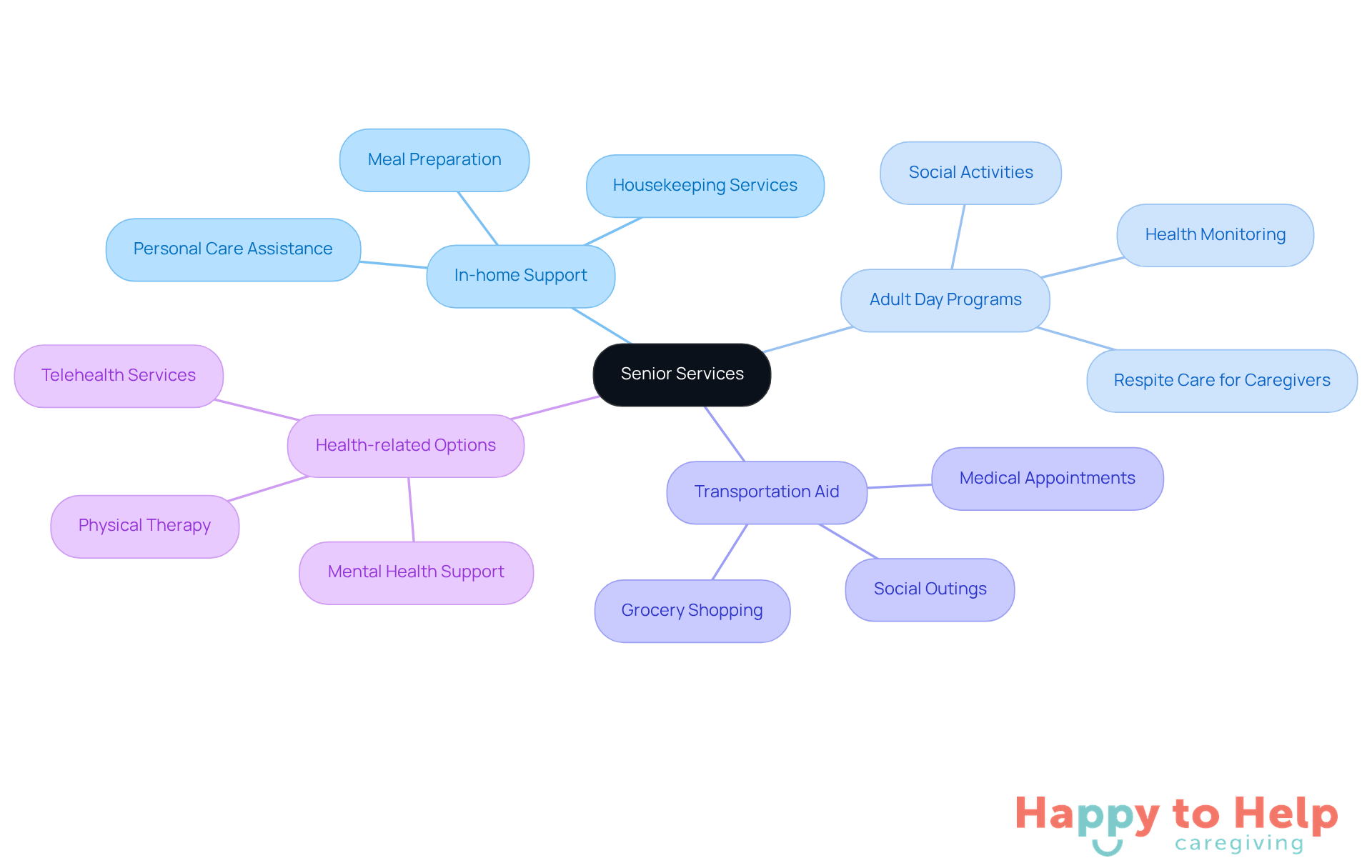
To tackle this issue, a broad range of support systems is available. These include:
- In-home support
- Adult day programs
- Transportation aid
- Various health-related options
The main objective of these elder programs is to empower older individuals to live securely and comfortably in their own homes or communities, while also providing essential assistance to their caregivers through senior service.
Understanding these offerings is crucial. They play a pivotal role in the lives of seniors and their families by ensuring that senior service is provided so that aging individuals receive the support they need. By utilizing these resources, caregivers can alleviate some of their burdens, allowing them to focus on what truly matters: the well-being of their loved ones.
The Role of Senior Services in Caregiving
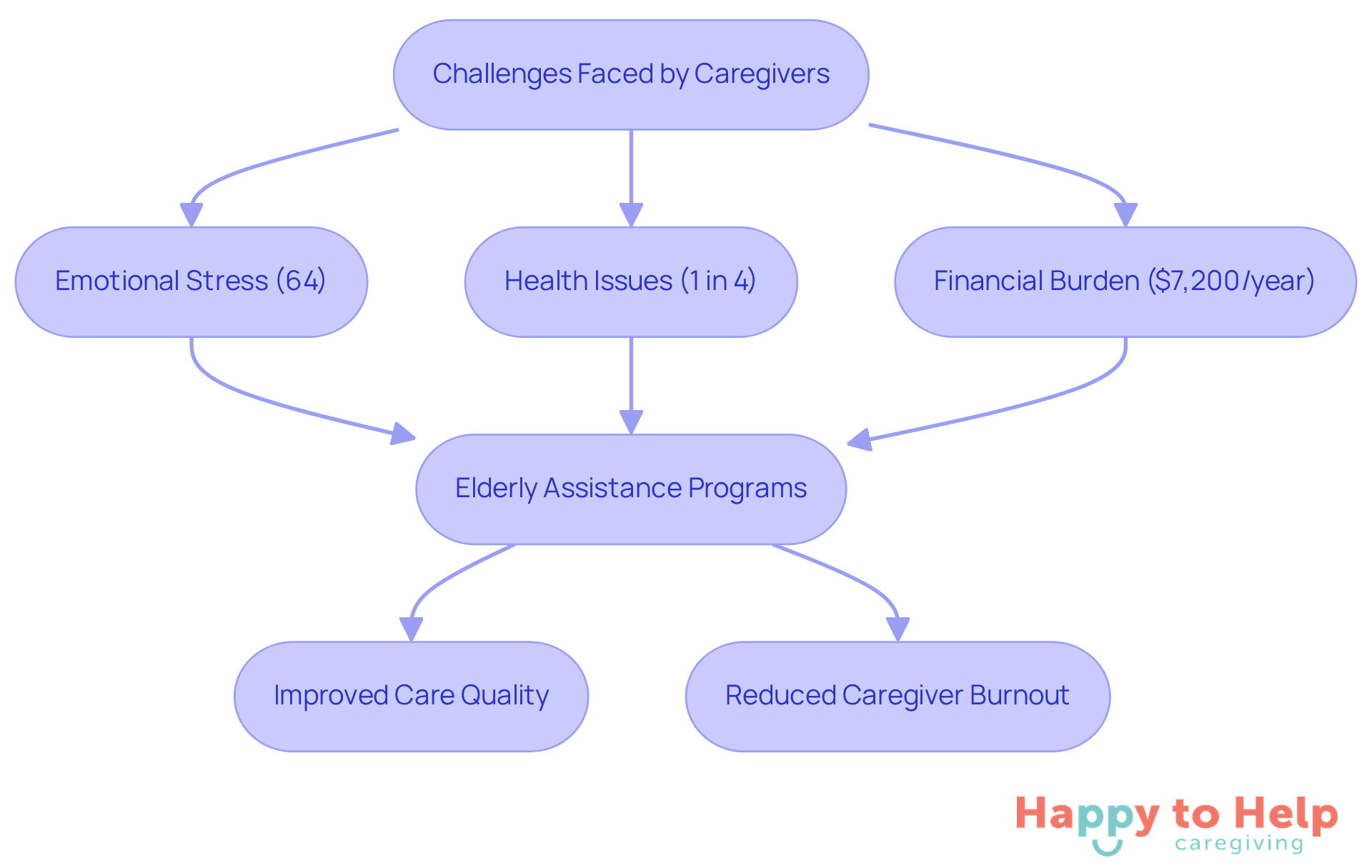
Elderly assistance addresses a significant problem: the strain on family caregivers. Many caregivers experience high emotional stress, with nearly 64% reporting this burden. Furthermore, about 1 in 4 struggle to maintain their own health due to caregiving responsibilities. The financial impact is also considerable, as the average family supporter spends approximately $7,200 annually out of pocket on caregiving expenses.
These challenges can lead to caregiver exhaustion and hinder the quality of support provided to the elderly. However, elderly assistance programs offer a solution. By providing crucial support, these programs allow caregivers to focus on emotional backing and companionship rather than solely on physical tasks. This division of labor not only enhances the quality of care but also helps prevent burnout among family members.
Moreover, senior service resources often include provider education and support, fostering a collaborative approach to caregiving. Case studies indicate that families utilizing professional support experience improved dynamics, as responsibilities can be shared, allowing for more meaningful interactions with loved ones.
In summary, engaging with elderly assistance programs can significantly alleviate the burdens faced by caregivers, promoting a healthier balance and enhancing the overall caregiving experience.
Types of Senior Services: A Comprehensive Breakdown
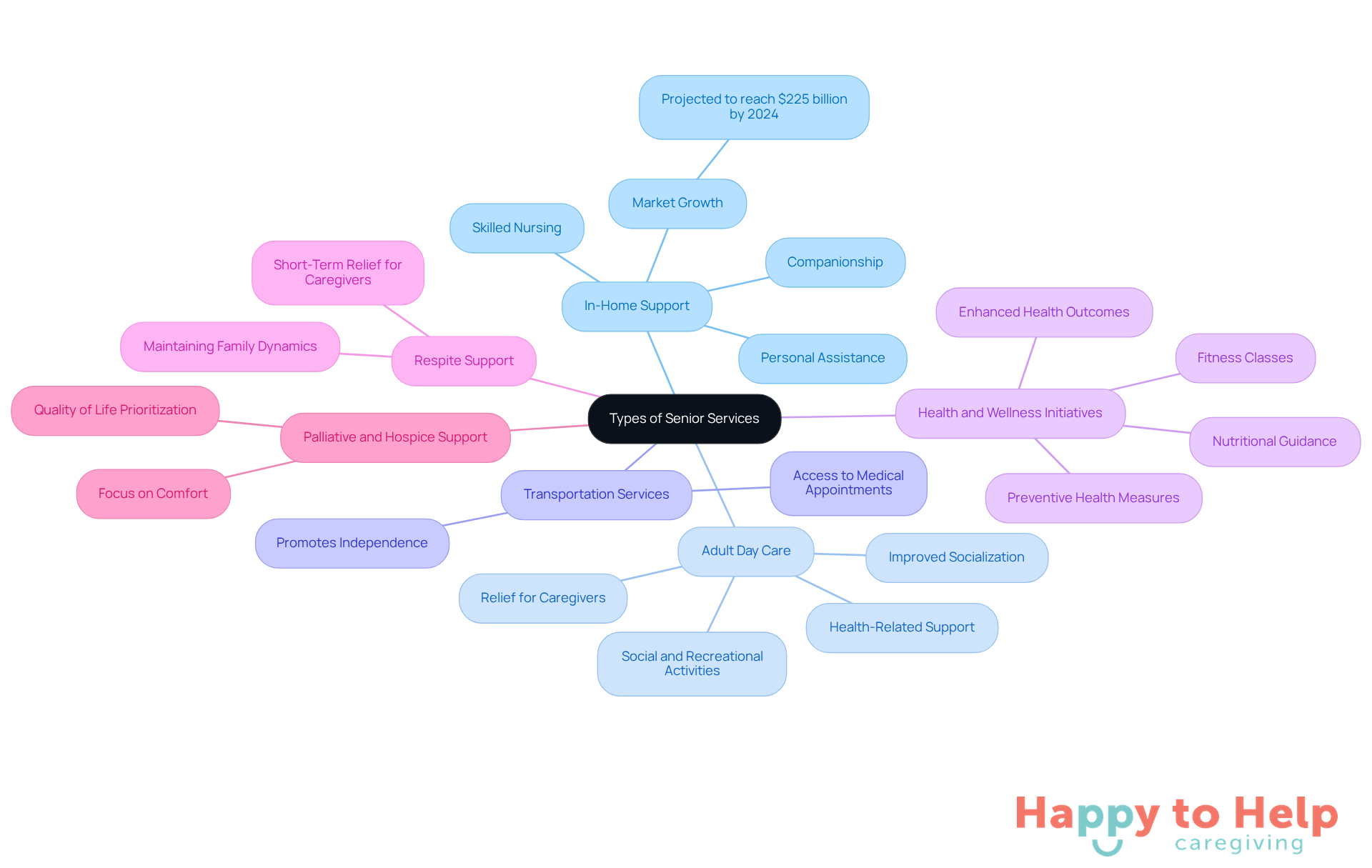
Senior services address critical challenges faced by caregivers of older adults, providing essential support tailored to their diverse needs:
-
In-Home Support: Many caregivers struggle to provide adequate assistance while managing their own responsibilities. In-home support services, as part of senior service, offer personal assistance, companionship, and skilled nursing, allowing older adults to receive help in the comfort of their own homes. With the home support market projected to reach $225 billion by 2024, this shift towards personalized, at-home assistance is crucial for enhancing quality of life.
-
Adult Day Care: Caregivers often experience burnout due to the demands of caregiving. Adult day care programs serve as a senior service by providing organized social and recreational activities, giving caregivers essential relief while ensuring older adults remain engaged and cared for. These facilities also offer health-related support, such as medication management and physical activities, which are vital for maintaining well-being. Successful programs have shown improved socialization and reduced feelings of isolation among participants.
-
Transportation Services: Mobility challenges can prevent seniors from accessing necessary resources. Senior service in transportation helps seniors attend medical appointments, social events, and run errands, promoting independence and community involvement.
-
Health and Wellness Initiatives: Preventive health measures are often overlooked. Health and wellness initiatives, including fitness classes, nutritional guidance, and senior service programs, aim to improve overall well-being. Research shows that regular participation in these programs can significantly enhance seniors' physical and mental health outcomes.
-
Respite Support: Caregiver exhaustion is a common issue. Respite support programs serve as a senior service that provides short-term relief for primary caregivers, allowing them to take necessary breaks while ensuring their loved ones receive quality assistance. This support is vital for maintaining family dynamics and preventing burnout.
-
Palliative and Hospice Support: Serious illnesses can create immense stress for families. Senior service programs such as palliative and hospice care focus on comfort and assistance for older adults, prioritizing quality of life over curative treatment. These initiatives ensure dignity and respect in end-of-life care.
Each of these services plays a vital role in supporting elderly individuals and their families. As the demand for in-home support and adult day services continues to grow, understanding these options is essential for effective caregiving.
Benefits of Senior Services: Enhancing Quality of Life
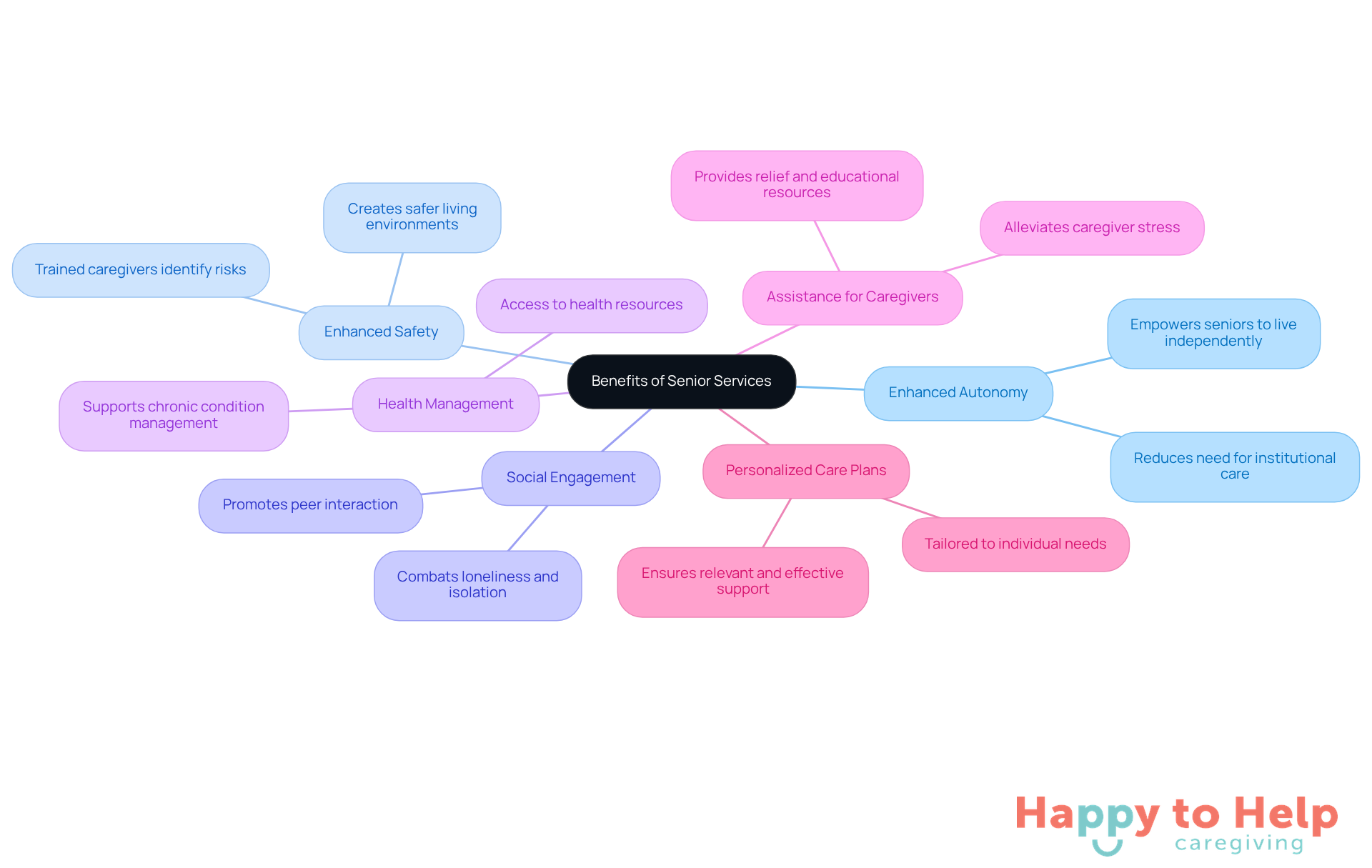
Caring for older adults can be a daunting task for families, often leading to stress and feelings of isolation. Many caregivers struggle with the complexities of ensuring their loved ones receive the best possible care while maintaining their own well-being. This is where senior service programs come into play, providing a range of solutions that significantly improve the quality of life for seniors and their families.
-
Enhanced Autonomy: Senior service programs empower older individuals to live independently in their own homes, thereby reducing the need for institutional care. This autonomy is crucial for maintaining dignity and self-esteem.
-
Enhanced Safety: Trained professional caregivers are adept at identifying and mitigating risks, creating a safer living environment for older adults. This proactive approach helps prevent accidents and ensures peace of mind for families.
-
Social Engagement: Many elder programs promote social interaction as a senior service, combating loneliness and isolation, which are common issues among seniors. Engaging with peers can greatly enhance emotional well-being.
-
Health Management: Regular access to health resources and wellness initiatives supports older adults in managing chronic conditions and maintaining overall health. This consistent care is vital for long-term well-being.
-
Assistance for Caregivers: By providing relief and educational resources, elder programs alleviate stress for family caregivers. This support enables them to offer better care while also taking care of their own needs.
-
Personalized Care Plans: Services are often tailored to meet the unique needs of each individual, ensuring that support is relevant and effective.
In summary, integrating senior service into the caregiving framework not only enhances the lives of seniors but also equips families with the tools they need to navigate the complexities of care.
Your Path Forward
Senior services play a critical role in supporting older adults and their caregivers, addressing the complex challenges that arise with aging. Caregivers often face emotional and financial burdens, making it essential to recognize the importance of these services.
These services, including in-home support, adult day care, transportation assistance, and health initiatives, promote independence and safety for seniors. They also significantly alleviate the pressures on caregivers, allowing them to manage their responsibilities more effectively. By fostering a collaborative approach to caregiving, these programs enhance family dynamics and improve the overall caregiving experience.
Engaging with senior services is crucial for caregivers. By utilizing these resources, caregivers can improve their own well-being while ensuring their loved ones receive the best possible care. Embracing available support systems empowers families to navigate the complexities of aging with confidence and compassion.
In summary, recognizing and utilizing senior services can lead to a healthier, more fulfilling life for both seniors and their caregivers. Here are some actionable tips for caregivers:
- Explore available senior services in your area to find the right support.
- Communicate openly with family members about caregiving needs and resources.
- Prioritize self-care to maintain your own health and well-being.
By taking these steps, caregivers can enhance their caregiving experience and foster a supportive environment for their loved ones.
https://iframe.tely.ai/cta/eyJhcnRpY2xlX2lkIjogIjY5MjNhMGFkYzVlZWQyYmRiNTU3YmYxNCIsICJjb21wYW55X2lkIjogIjY4ZWU1ZGNhNzMxNzYyNTU3ZjNjOTVjMSIsICJpbmRleCI6IG51bGwsICJ0eXBlIjogImFydGljbGUifQ==Frequently Asked Questions
What is the main purpose of senior services?
The main purpose of senior services is to assist older adults in maintaining their independence and quality of life as they age, while also supporting their caregivers.
What challenges do older adults face that senior services address?
Older adults often struggle with feelings of isolation and decreased well-being, which can be compounded by the overwhelming demands placed on their caregivers.
What types of support systems are included in senior services?
Senior services include in-home support, adult day programs, transportation aid, and various health-related options.
How do senior services benefit caregivers?
Senior services provide essential assistance to caregivers, helping to alleviate their burdens and allowing them to focus on the well-being of their loved ones.
Why is it important to understand the offerings of senior services?
Understanding these offerings is crucial as they play a pivotal role in ensuring that aging individuals receive the necessary support to live securely and comfortably in their own homes or communities.
List of Sources
- Defining Senior Services: An Overview
- The senior population is booming. Caregiving is struggling to keep up (https://cnbc.com/2025/11/21/senior-caregiving-labor.html)
- Warning From Older Adults: Care for Aging in America Needs Urgent Rethinking (https://johnahartford.org/newsroom/view/warning-from-older-adults-care-for-aging-in-america-needs-urgent-rethinking)
- Senior Centers Promote Healthy Aging (https://health.usnews.com/senior-care/articles/senior-centers-benefits-for-healthy-aging)
- New Study Explores the Need for Expanded Long-Term Care Services to Support Aging-in-Place | Johns Hopkins Bloomberg School of Public Health (https://publichealth.jhu.edu/2025/new-study-explores-the-need-for-expanded-long-term-care-services-to-support-aging-in-place)
- WHO calls for urgent transformation of care and support systems for older people (https://who.int/news/item/01-10-2024-who-calls-for-urgent-transformation-of-care-and-support-systems-for-older-people)
- The Role of Senior Services in Caregiving
- The senior population is booming. Caregiving is struggling to keep up (https://cnbc.com/2025/11/21/senior-caregiving-labor.html)
- Family caregivers want support from senior living professionals, report reveals (https://mcknightsseniorliving.com/news/family-caregivers-want-support-from-senior-living-professionals-report-reveals)
- The National Alliance for Caregiving and AARP Release Caregiving Report - CAPC - News Bites (https://capc.org/blog/new-data-on-family-caregivers-in-the-us)
- New Report Reveals Crisis Point for America’s 63 million Family Caregivers (https://states.aarp.org/maryland/caregiving-report)
- The Caregiving Landscape: Data & Insights on the Caregiver Experience in the U.S. (https://caregiveraction.org/caregiver-statistics)
- Types of Senior Services: A Comprehensive Breakdown
- The Future of Senior Care: What to Expect in 2025 and Beyond (https://arhomecare.com/the-future-of-senior-care-what-to-expect-in-2025-and-beyond)
- Adult day care can benefit older adults and their caregivers - Harvard Health (https://health.harvard.edu/staying-healthy/adult-day-care-can-benefit-older-adults-and-their-caregivers)
- Seven trends in senior living that will define 2025 and beyond (https://mcknightsseniorliving.com/home/columns/guest-columns/seven-trends-in-senior-living-that-will-define-2025-and-beyond)
- What has 2025 got in store for Senior Care? - Compass Associates (https://compass-associates.com/us/what-has-2025-got-in-store-for-senior-care)
- 28 Senior Care Statistics: In-Home & Assisted Living | Shortlister (https://myshortlister.com/insights/senior-care-statistics)
- Benefits of Senior Services: Enhancing Quality of Life
- Get the Facts on Economic Security for Seniors (https://ncoa.org/article/get-the-facts-on-economic-security-for-seniors)
- Senior Centers Promote Healthy Aging (https://health.usnews.com/senior-care/articles/senior-centers-benefits-for-healthy-aging)
- Empowering Aging: How Technology Enhances Independence and Safety for Older Adults - Summit Professional Education (https://summit-education.com/blog/general/empowering-aging-how-technology-enhances-independence-and-safety-for-older-adults)
- Senior Living Statistics (https://rosewood-nursing.com/post/senior-living-statistics)
- Californians Receiving In-Home Care Fear Medicaid Cuts Will End Their Independent Living - California Health Care Foundation (https://chcf.org/resource/californians-receiving-in-home-care-fear-medicaid-cuts-will-end-their-independent-living)