

For families in our service areas
For families in our service areas, this guide explains caregiver support and how non-medical in-home caregiving can support care planning in East Idaho, Treasure Valley & Magic Valley, Northern Wasatch, North Central West Virginia, and Northeast Ohio.
Why Spouse Caregiver Burnout: Causes, Matters
Spouse caregiver burnout is a critical issue that often goes unnoticed, yet it can significantly affect both caregivers and their loved ones. As caregiving demands increase, many spouses experience overwhelming fatigue, emotional strain, and physical exhaustion. This neglect of their own well-being can create a harmful cycle that impacts their health and the quality of care they provide.
Recognizing the signs of burnout is essential for caregivers. Symptoms may include:
- Chronic fatigue
- Irritability
- A sense of isolation
These feelings can lead to decreased effectiveness in caregiving, further exacerbating the situation. To combat this, caregivers must take proactive steps to prioritize their health while still supporting their partners.
Practical solutions include:
- Setting boundaries
- Seeking support from friends or support groups
- Scheduling regular self-care activities
By implementing these strategies, caregivers can reclaim their health and maintain a balanced life, ensuring they are better equipped to provide the necessary support for their loved ones.
Define Spouse Caregiver Burnout
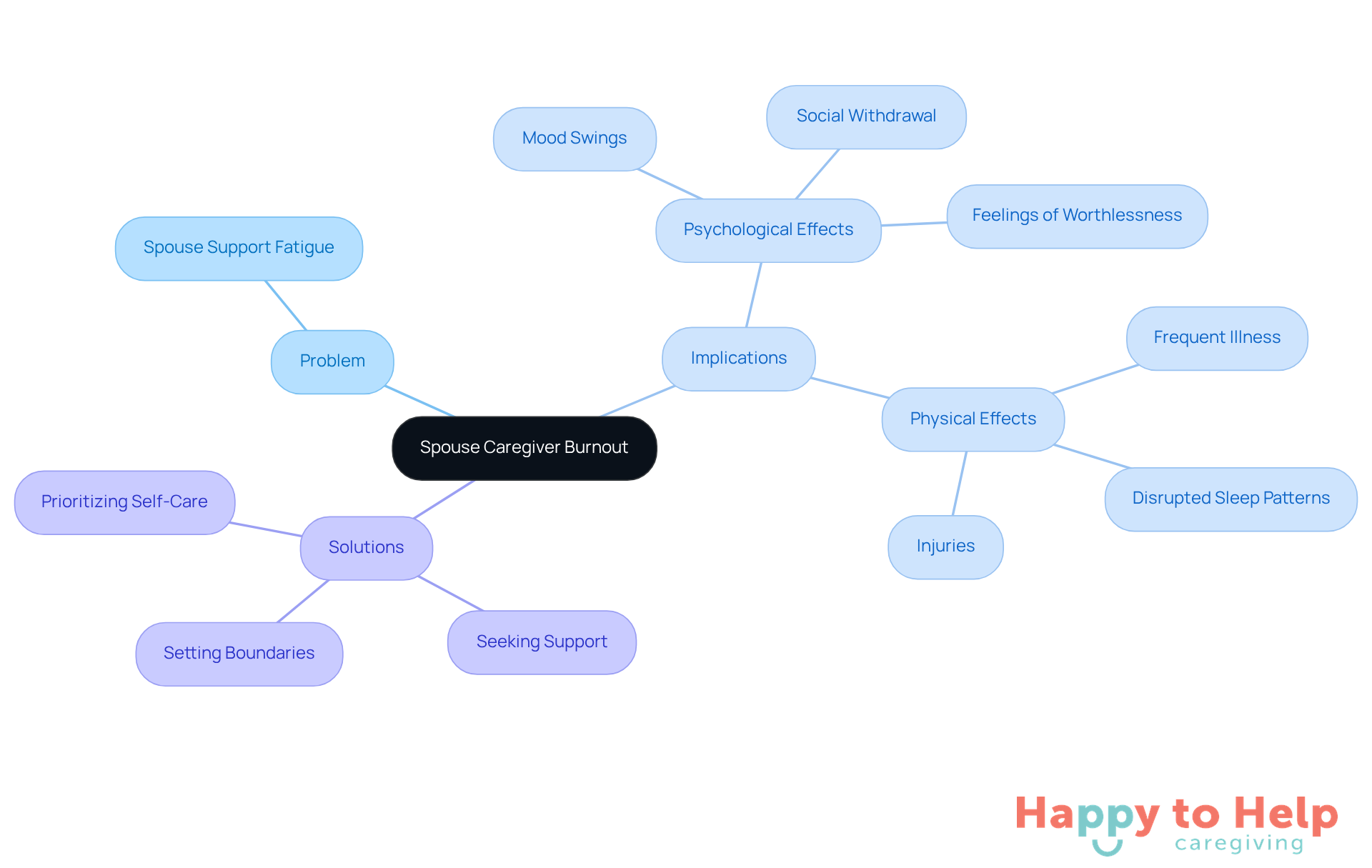
Problem: Spouse Support Fatigue
Spouse support fatigue is a significant condition characterized by physical, psychological, and mental exhaustion. It occurs when individuals caring for their partners become overwhelmed by caregiving demands. This often happens when caregivers experience spouse caregiver burnout, feeling unable to meet their loved ones' needs while neglecting their own health and well-being.
Agitate: The Implications
Unlike typical fatigue, burnout leads to a constant sense of depletion and psychological drain. Caregivers may experience feelings of resentment and frustration towards their role. Recent studies indicate that about 40% of caregivers face psychological stress, with 20% reporting financial strain and another 20% experiencing bodily stress. The emotional impacts can be severe, manifesting as mood swings, social withdrawal, and feelings of worthlessness. Additionally, physical effects may include frequent illness, injuries, weight fluctuations, and disrupted sleep patterns.
Real-life examples highlight the challenges faced by those experiencing spouse caregiver burnout, particularly when they also have their own health issues. For instance, female caregivers may struggle to assist larger male partners, increasing the risk of injury and feelings of inadequacy. As noted by The Merion, "Burnout involves physical, mental, and psychological exhaustion."
Solution: Addressing the Challenges
Understanding these dynamics is crucial for recognizing the signs of exhaustion early and seeking appropriate support. Caregivers can benefit from practical strategies such as:
- Setting Boundaries: Establish limits on caregiving tasks to protect personal time.
- Seeking Support: Engage with support groups or professional counseling.
- Prioritizing Self-Care: Incorporate regular exercise, healthy eating, and relaxation techniques into daily routines.
By implementing these solutions, caregivers can better manage their responsibilities while safeguarding their own well-being.
Identify Causes of Caregiver Burnout
Caregiver burnout is a significant issue that many spouses face, stemming from various factors:
-
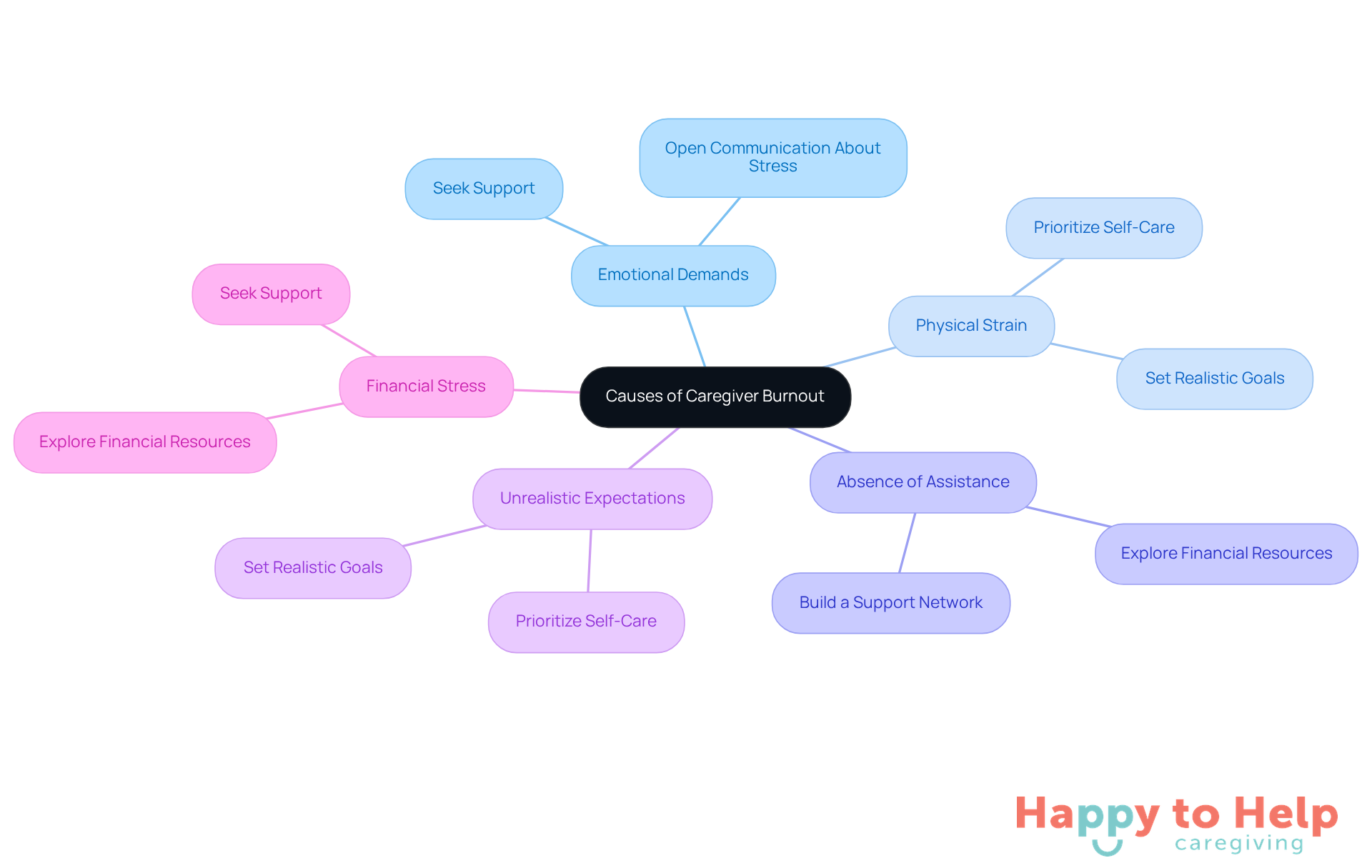
Emotional Demands: Caring for a partner, especially one with chronic or progressive health issues, can take a heavy emotional toll. This stress can lead to feelings of isolation and overwhelm.
-
Physical Strain: The physical demands of caregiving-like lifting or assisting with mobility-can result in exhaustion and even injury, compounding the caregiver's challenges.
-
Absence of Assistance: Many caregivers feel they lack a support network, which can leave them feeling alone in their responsibilities. This absence of help can intensify feelings associated with spouse caregiver burnout.
-
Unrealistic Expectations: Caregivers often set high standards for themselves. When they can't meet these expectations, it can lead to feelings of inadequacy and frustration.
-
Financial Stress: The costs associated with caregiving can add significant pressure, creating additional stress and anxiety.
To combat these challenges, caregivers can take several practical steps:
- Seek Support: Building a network of friends, family, or support groups can provide emotional relief and practical assistance.
- Set Realistic Goals: Adjusting expectations can help caregivers feel more accomplished and less overwhelmed.
- Prioritize Self-Care: Taking time for oneself is crucial. Engaging in regular physical activity, hobbies, or relaxation techniques can help alleviate stress.
- Explore Financial Resources: Investigating available financial assistance programs can ease the financial burden of caregiving.
By recognizing these factors and implementing these solutions, caregivers can better manage their responsibilities and reduce the risk of spouse caregiver burnout.
Recognize Symptoms of Caregiver Burnout
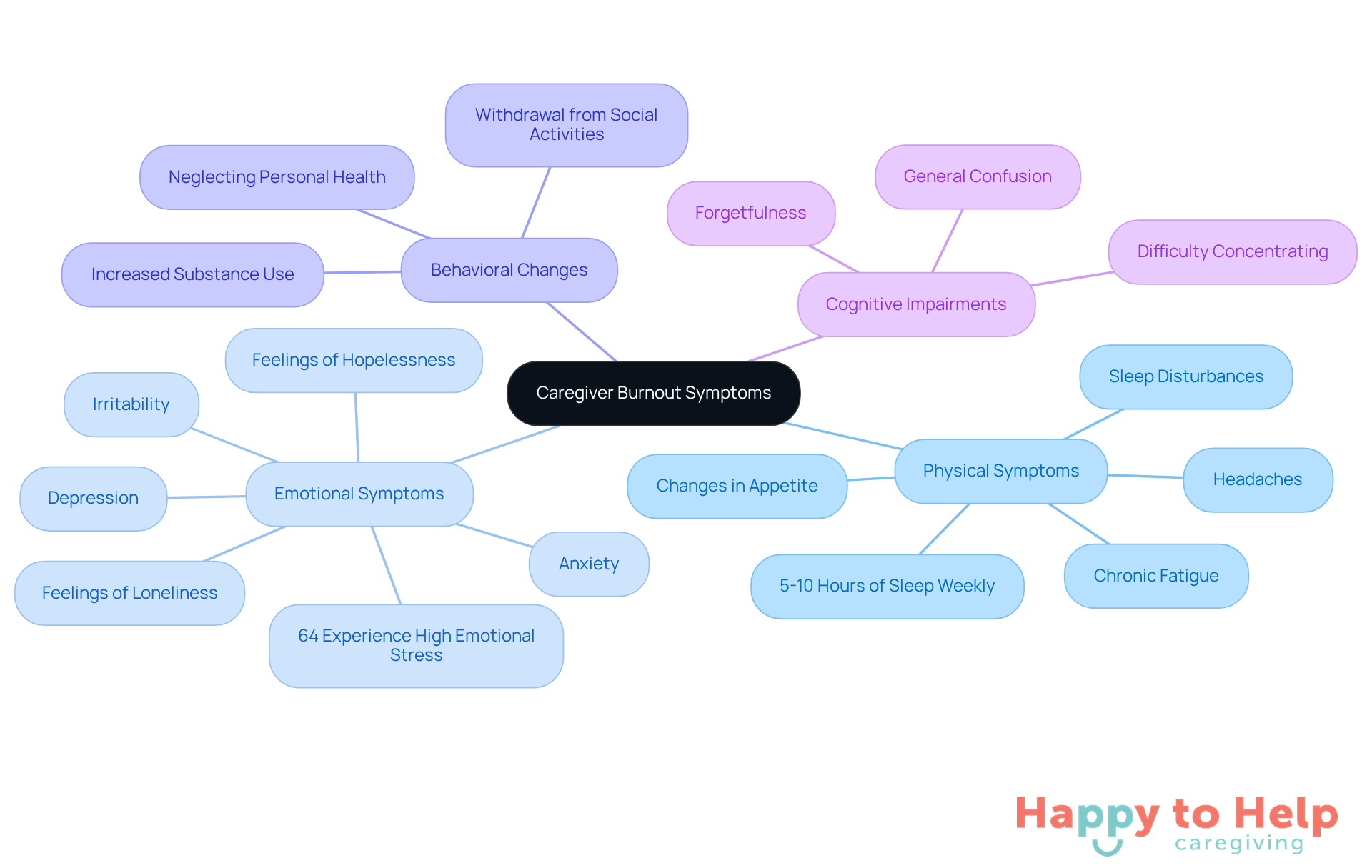
Identifying the signs of spouse caregiver burnout among caregivers is crucial for the well-being of both the provider and the recipient of care. Burnout can manifest in various ways, often categorized into physical, emotional, behavioral, and cognitive impairments.
Physical Symptoms: Caregivers frequently experience chronic fatigue, headaches, sleep disturbances, and changes in appetite. These symptoms can be debilitating, leading to a decline in overall health. For instance, many support providers report sleeping only 5-10 hours weekly, which exacerbates feelings of fatigue and stress.
Emotional Symptoms: Feelings of hopelessness, irritability, anxiety, and depression are common among caregivers. A survey revealed that 64% of caregivers experience high emotional stress, highlighting the emotional toll of caregiving. Many individuals, especially those assisting partners, may feel isolated and overwhelmed, with nearly a quarter indicating feelings of loneliness.
Behavioral Changes: Caregivers may withdraw from social activities, neglect their personal health, and increase reliance on substances like alcohol or medication as coping mechanisms. This withdrawal can further isolate them, leading to a cycle of stress and spouse caregiver burnout.
Cognitive Impairments: Difficulty concentrating, forgetfulness, and a general sense of confusion are common cognitive symptoms. These impairments can hinder a caregiver's ability to manage daily tasks effectively, leading to increased frustration and anxiety.
Recognizing these symptoms is essential for caregivers to understand when they need assistance. Specialists point out that caregivers often do not seek help until they reach a point of exhaustion or worse. Therefore, awareness and preventive actions are vital for their well-being and to reduce spouse caregiver burnout, ensuring the quality of care they provide.
Actionable Solutions: To combat burnout, caregivers should prioritize self-care, seek support from peers or professionals, and establish healthy boundaries. Regular breaks, engaging in hobbies, and maintaining social connections can significantly improve their mental health and overall resilience.
Implement Solutions for Managing Burnout
Spouse caregiver burnout is a significant issue that many spouses face, leading to emotional and physical exhaustion. This can affect not only the caregiver's well-being but also the quality of care provided to the recipient. To effectively manage and prevent this burnout, consider implementing the following strategies:
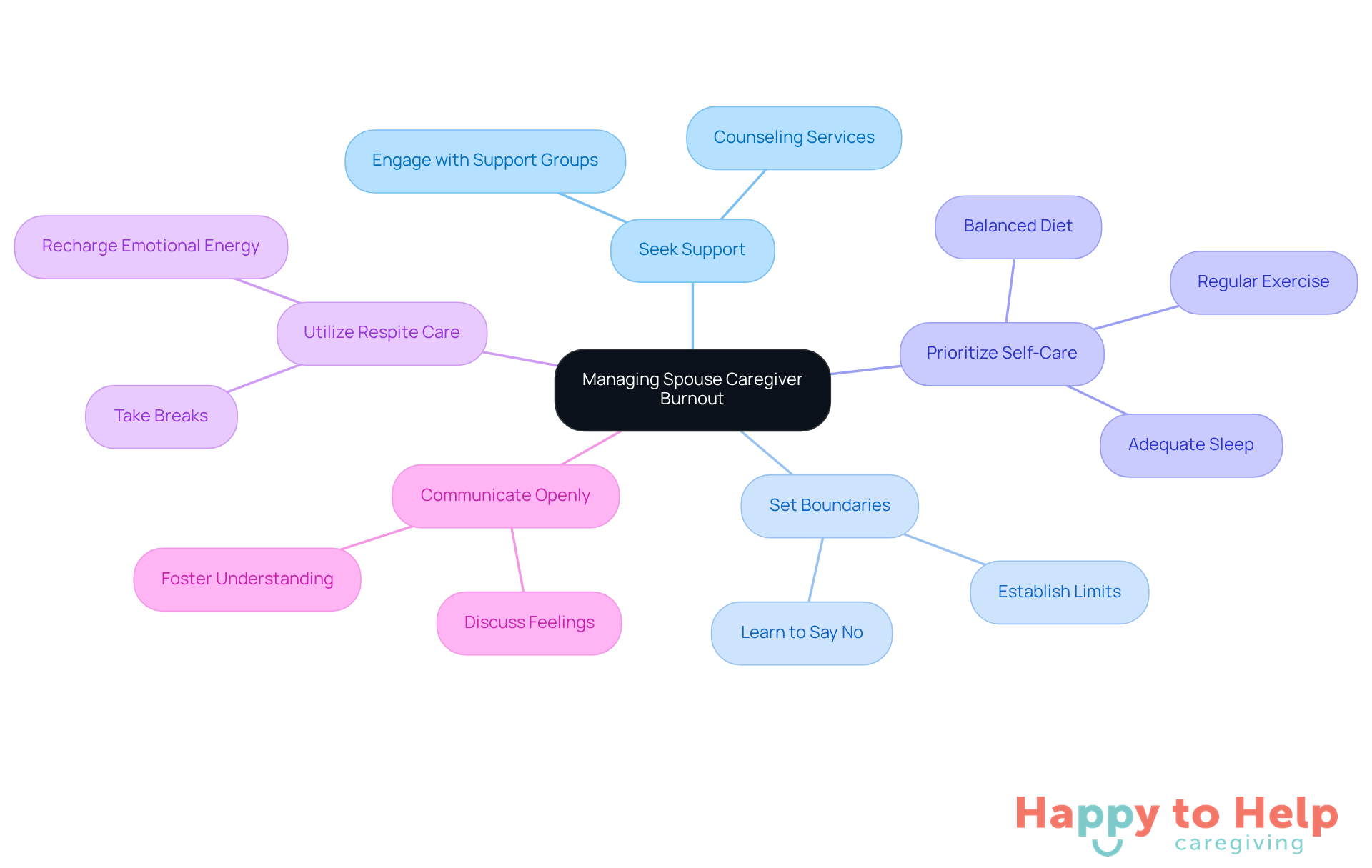
- Seek Support: Engaging with support groups or counseling services can be invaluable. Sharing experiences with others in similar situations provides insights and emotional relief.
- Set Boundaries: It's crucial to learn to say no. Establishing limits on caregiving duties helps protect your personal time and energy, which is essential for maintaining balance.
- Prioritize Self-Care: Make time for your health. Regular exercise, a balanced diet, and adequate sleep are vital components of self-care that can rejuvenate your spirit.
- Utilize Respite Care: Taking advantage of respite care services allows for necessary breaks. These breaks can help recharge both emotional and physical energy, making caregiving more sustainable.
- Communicate Openly: Discussing feelings and challenges with the care recipient and family members fosters understanding and support, creating a more collaborative caregiving environment.
Key Takeaways for Caregivers
Understanding spouse caregiver burnout is essential for ensuring that caregivers can provide the best support to their partners while also maintaining their own well-being. This condition, characterized by profound physical, emotional, and mental exhaustion, affects not only the caregiver but also the quality of care received by the partner. Recognizing the signs of burnout and implementing effective strategies can significantly improve the caregiving experience.
The problem of spouse caregiver burnout stems from emotional demands, physical strain, and lack of support. These challenges lead to symptoms such as chronic fatigue, emotional distress, and cognitive impairments, highlighting the urgent need for caregivers to prioritize their health.
To address this issue, practical solutions are vital. Caregivers can:
- Set boundaries
- Seek support
- Prioritize self-care
These steps are crucial in mitigating the effects of burnout and enhancing the overall caregiving experience.
Ultimately, addressing spouse caregiver burnout is not just about improving the caregiver's life; it enhances the quality of care provided to loved ones. By fostering a supportive environment and encouraging caregivers to seek help, the cycle of burnout can be broken. It is crucial for caregivers to take proactive steps in managing their responsibilities and ensuring their own well-being, which in turn benefits the entire caregiving dynamic.
https://iframe.tely.ai/cta/eyJhcnRpY2xlX2lkIjogIjY5MjdhNWRiMTRjODUwNzI1NGI4N2M4MCIsICJjb21wYW55X2lkIjogIjY4ZWU1ZGNhNzMxNzYyNTU3ZjNjOTVjMSIsICJpbmRleCI6IG51bGwsICJ0eXBlIjogImFydGljbGUifQ==Frequently Asked Questions
What is spouse caregiver burnout?
Spouse caregiver burnout is a condition characterized by physical, psychological, and mental exhaustion experienced by individuals caring for their partners. It occurs when caregivers feel overwhelmed by caregiving demands and unable to meet their own health and well-being needs.
What are the implications of spouse caregiver burnout?
The implications include a constant sense of depletion and psychological drain, leading to feelings of resentment and frustration. About 40% of caregivers experience psychological stress, while 20% report financial strain and bodily stress. Emotional impacts can manifest as mood swings, social withdrawal, and feelings of worthlessness, while physical effects may include frequent illness, injuries, weight fluctuations, and disrupted sleep patterns.
What challenges do caregivers face when experiencing spouse caregiver burnout?
Caregivers often face significant challenges, especially if they have their own health issues. For instance, female caregivers may struggle to assist larger male partners, increasing their risk of injury and feelings of inadequacy.
How can caregivers address the challenges of spouse caregiver burnout?
Caregivers can address these challenges by recognizing the signs of exhaustion early and seeking appropriate support. Practical strategies include setting boundaries on caregiving tasks, seeking support from groups or professional counseling, and prioritizing self-care through regular exercise, healthy eating, and relaxation techniques.
Why is it important for caregivers to prioritize self-care?
Prioritizing self-care is crucial for caregivers to manage their responsibilities effectively while safeguarding their own well-being. By incorporating self-care into their routines, caregivers can reduce the risk of burnout and maintain their physical and mental health.
List of Sources
- Define Spouse Caregiver Burnout
- Spouse Caregiver Burnout: Signs, Solutions, And Treatments (https://merionevanston.com/blog/spouse-caregiver-burnout)
- How To Cope With Spouse Caregiver Burnout | Monarch Landing (https://welcometomonarchlanding.com/blog/spouse-caregiver-burnout)
- Preventing Caregiver Burnout (https://thenews-gazette.com/article/3633,preventing-caregiver-burnout)
- Caregiver Burnout and Strategies to Help (https://health.usnews.com/senior-care/articles/caregiver-burnout-and-strategies-to-help)
- Identify Causes of Caregiver Burnout
- Caregiving crisis: New data shows rising burden in California (https://kcra.com/article/california-national-family-caregivers-month-aarp/69544348)
- New Report Reveals Crisis Point for America’s 63 million Family Caregivers (https://press.aarp.org/2025-07-24-New-Report-Reveals-Crisis-Point-for-Americas-63-million-Family-Caregivers)
- Caregiving can be a tough, lonely mission. One daughter found ways to reconnect (https://npr.org/sections/shots-health-news/2024/10/31/nx-s1-5172517/caregiver-caregiving-isolation-burnout-resources)
- Opinion | America’s Caregivers Are in Crisis (https://nytimes.com/2025/11/24/opinion/caregiving-crisis.html)
- 'I don't know where to start.' Parents and caregivers are burned out. Who's most at risk? (https://usatoday.com/story/money/2025/04/04/parents-caregivers-burnt-out-help/82695959007)
- Recognize Symptoms of Caregiver Burnout
- Caregiving crisis: New data shows rising burden in California (https://kcra.com/article/california-national-family-caregivers-month-aarp/69544348)
- Caregiver Statistics: Health, Technology, and Caregiving Resources (https://caregiver.org/resource/caregiver-statistics-health-technology-and-caregiving-resources)
- New Report Reveals Crisis Point for America’s 63 million Family Caregivers (https://press.aarp.org/2025-07-24-New-Report-Reveals-Crisis-Point-for-Americas-63-million-Family-Caregivers)
- National Family Caregivers Month: Recognizing 63 million Americans (https://bio.news/latest-news/national-caregivers-awareness-month-recognizing-63-million-unpaid-carers)
- 'I don't know where to start.' Parents and caregivers are burned out. Who's most at risk? (https://usatoday.com/story/money/2025/04/04/parents-caregivers-burnt-out-help/82695959007)
- Implement Solutions for Managing Burnout
- LifePath receives $63K grant to support family caregivers - Greenfield Recorder (https://recorder.com/2025/11/26/lifepath-receives-state-grant)
- Preventing and managing caregiver burnout (https://mdanderson.org/cancerwise/preventing-and-managing-caregiver-burnout.h00-159777234.html)
- Caregiver Burnout and Strategies to Help (https://health.usnews.com/senior-care/articles/caregiver-burnout-and-strategies-to-help)
- Opinion | America’s Caregivers Are in Crisis (https://nytimes.com/2025/11/24/opinion/caregiving-crisis.html)
- Booker Introduces Legislation to Support Unpaid Family Caregivers | U.S. Senator Cory Booker of New Jersey (https://booker.senate.gov/news/press/-booker-introduces-legislation-to-support-unpaid-family-caregivers)