
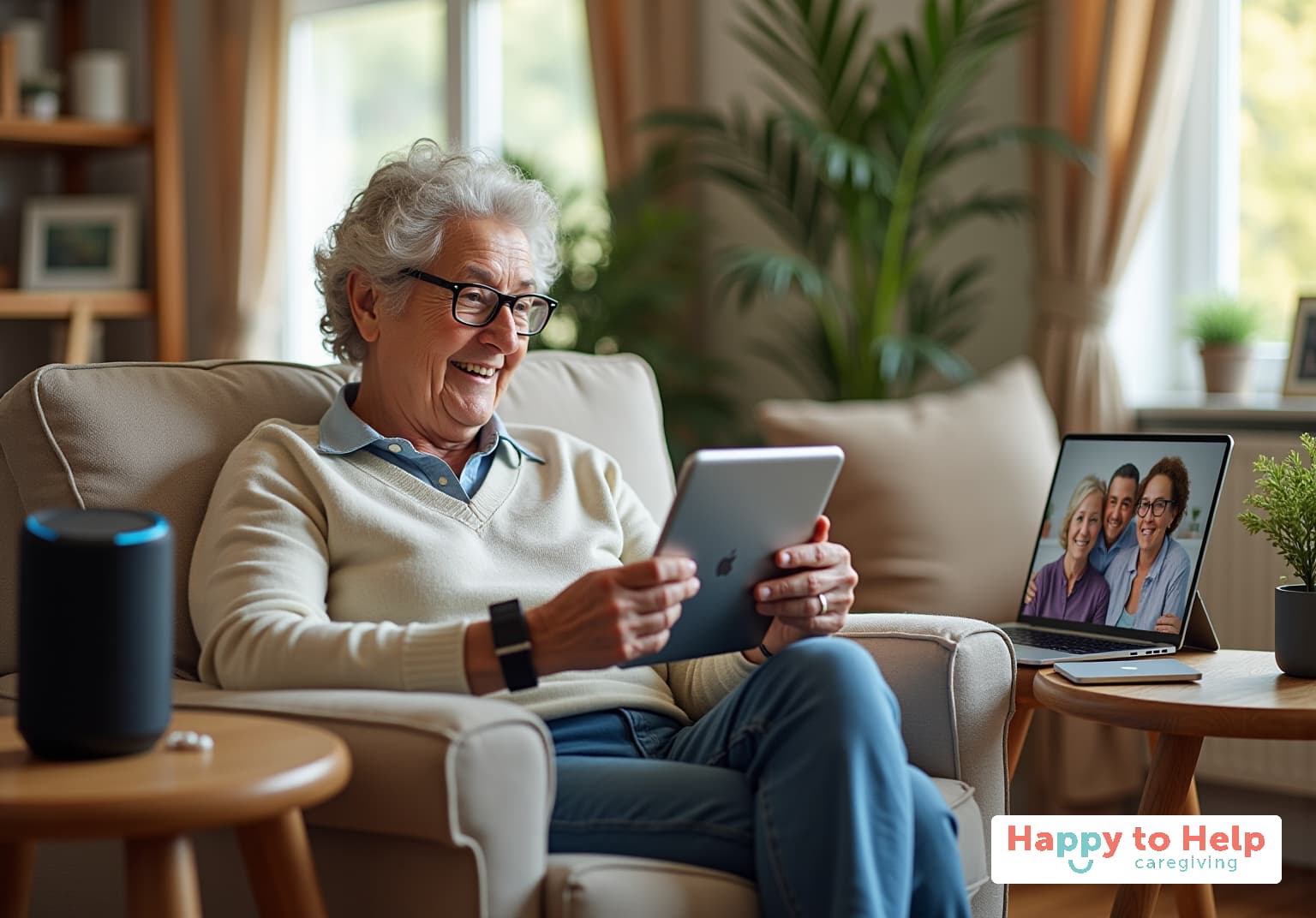
For families in our service areas
For families in our service areas, this guide explains caregiving and how non-medical in-home caregiving can support care planning in East Idaho, Treasure Valley & Magic Valley, Northern Wasatch, North Central West Virginia, and Northeast Ohio.
What You Need to Know About Tech
As digital advancements continue to reshape our lives, the challenges faced by seniors become increasingly evident. Social isolation and health management are critical issues that can significantly impact the well-being of older adults. Without effective solutions, these challenges can lead to a diminished quality of life.
However, technology designed specifically for seniors offers a promising avenue for addressing these problems. By enhancing independence and safety, these innovations can help bridge the gap between isolation and connection. Exploring various types of technology reveals opportunities to improve the quality of life for older adults, while also highlighting the hurdles that must be overcome for widespread acceptance and effective use.
To truly make a difference, caregivers must understand how to implement these technologies in a way that resonates with seniors. This involves not only selecting the right tools but also ensuring that they are user-friendly and accessible. By focusing on practical solutions, we can empower older adults to embrace the digital age.
Defining Technology for Seniors
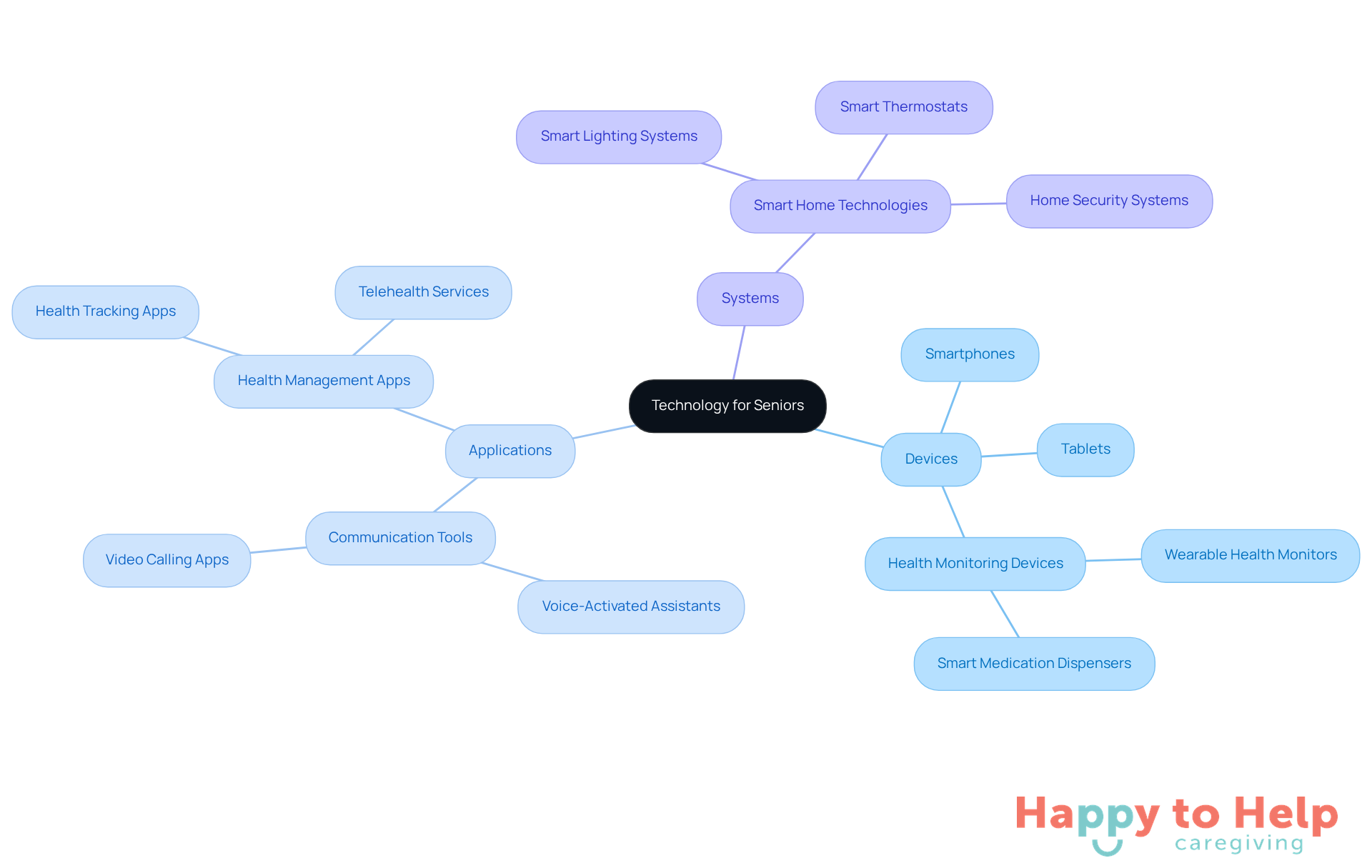
Technology for seniors refers to a range of devices, applications, and systems specifically designed to assist older adults in maintaining their independence, safety, and quality of life. This includes everything from smartphones and tablets to specialized health monitoring devices and smart home technologies. The goal is to create user-friendly solutions that empower seniors to engage with the digital world, facilitating communication, health management, and daily living tasks.
Contextualizing the Importance of Technology for Seniors
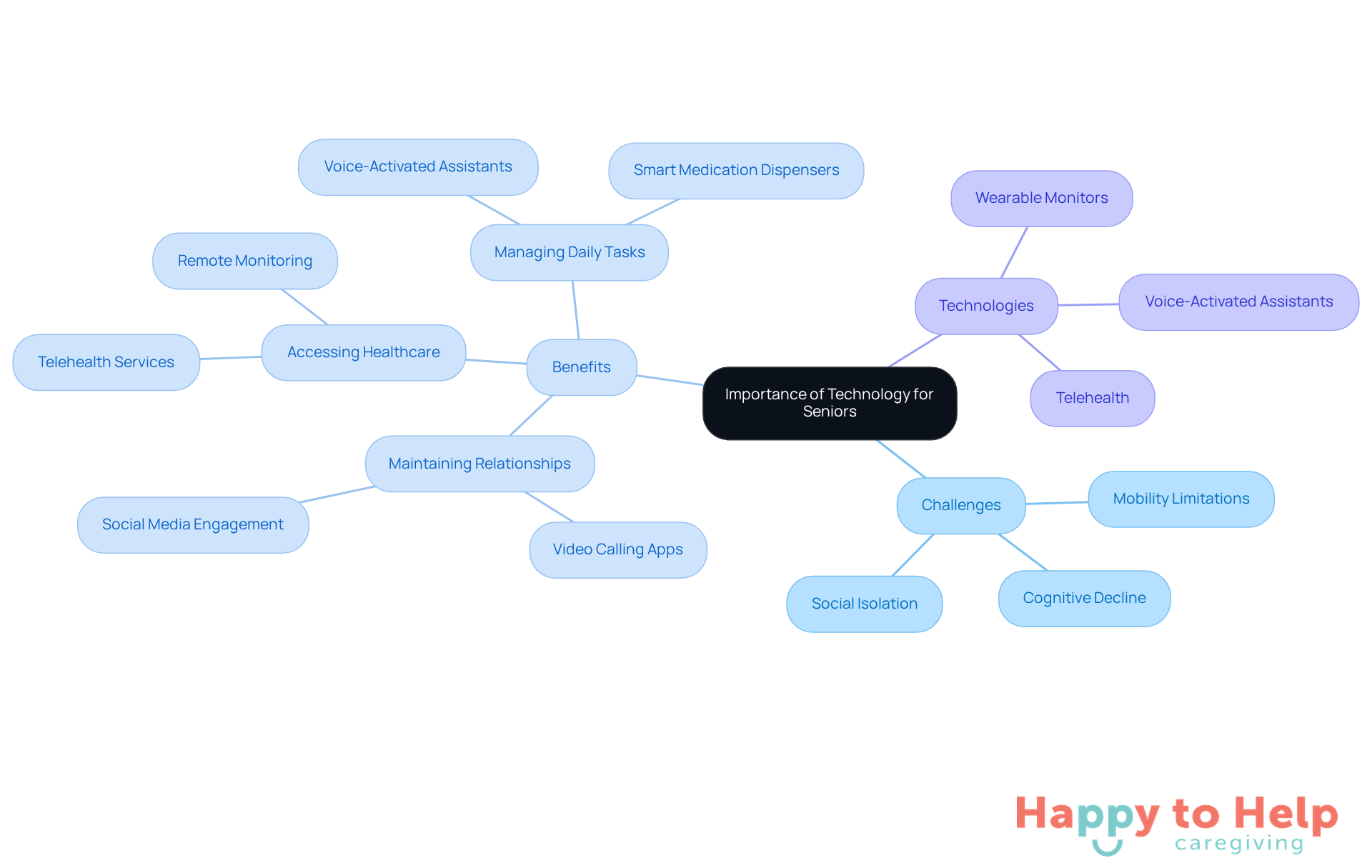
The importance of tech for seniors is becoming increasingly clear as solutions that promote independence and connectivity are essential. Many older adults face significant challenges, including mobility limitations, cognitive decline, and social isolation. These issues can lead to feelings of loneliness and hinder their quality of life.
Tech for seniors serves as a vital partner in addressing these challenges. Tech for seniors enables older adults to maintain relationships with family and friends, access healthcare services remotely, and manage daily tasks more effectively. For example, telehealth services allow older adults to consult healthcare providers from the comfort of their homes, significantly reducing travel burdens and enhancing access to necessary care. This shift not only improves healthcare access but also fosters a sense of security and well-being, allowing older adults to thrive in their familiar surroundings.
Moreover, advancements in tech for seniors, including wearable wellness monitors and voice-activated assistants, further support older adults in managing their health and staying connected with loved ones. This technology plays a crucial role in combating feelings of loneliness and isolation. As nursing specialist Olivia Wolfe states, "Wellness now goes far beyond physical health. It encompasses mental clarity, social engagement, emotional resilience, and the confidence to live safely at home for longer."
As technology continues to evolve, tech for seniors will increasingly enhance the quality of life for older adults.
Tracing the Origins of Senior Technology
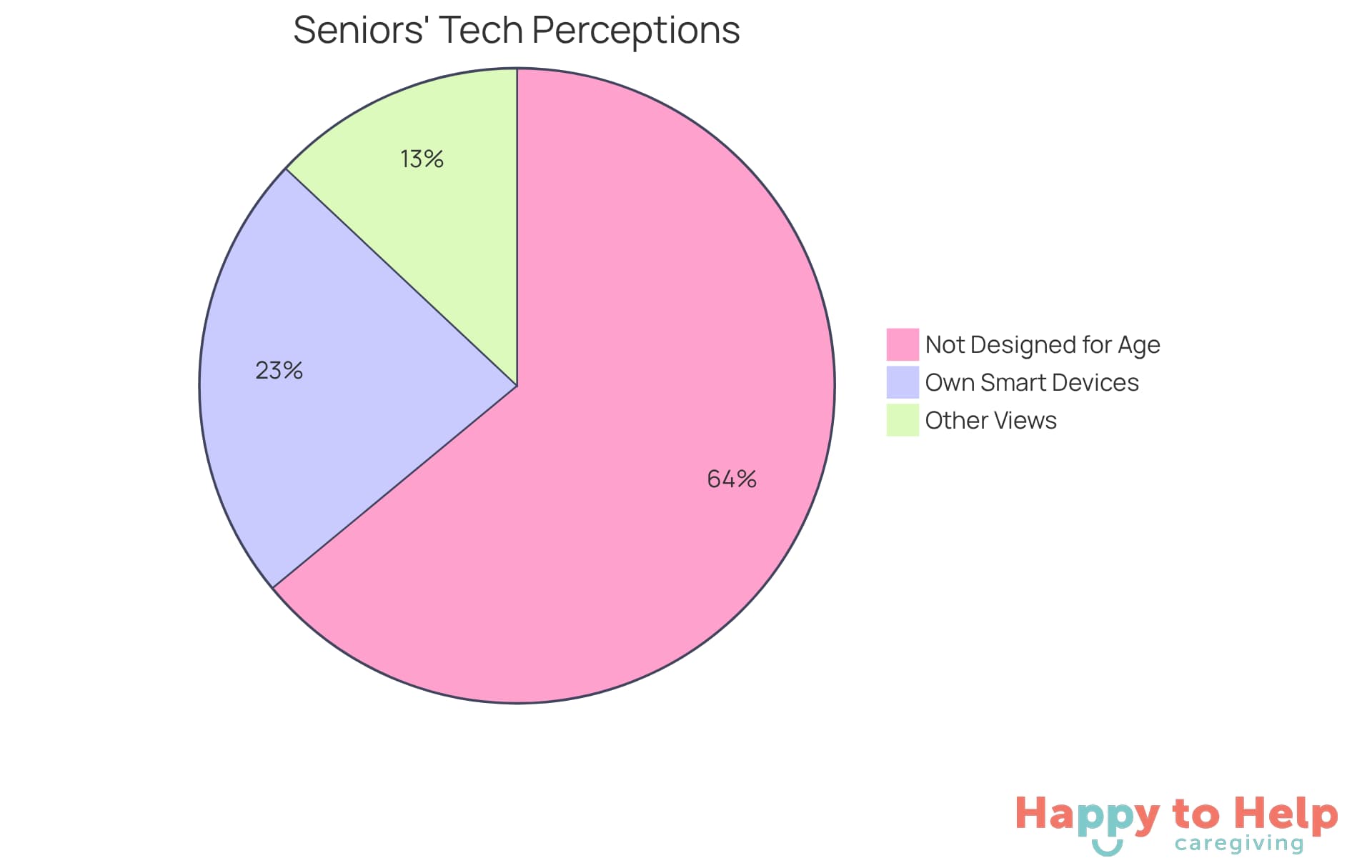
The advancement of tech for seniors presents a significant challenge. Many older adults struggle with adopting new devices, which can hinder their independence and quality of life, emphasizing the need for tech for seniors. A staggering 64% of individuals aged 50 and older feel that devices are not designed with their age in mind, creating a barrier to acceptance. Additionally, affordability remains a concern, impacting their ability to embrace these innovations.
However, there are actionable solutions to these challenges through tech for seniors. The introduction of personal emergency response systems (PERS) in the 1970s marked a pivotal moment, empowering seniors to call for assistance during emergencies. Today, 23% of individuals aged 50 and older possess smart home devices, indicating a rising acceptance of technology. Experts like Sheryl Emery and Theo W. Braddy emphasize the importance of inclusivity and accessibility in design, particularly in tech for seniors, which can foster greater adoption.
Moreover, case studies illustrate how intelligent home systems can greatly enhance the quality of life for older adults. These advancements not only improve safety but also promote independence and well-being. By focusing on user-friendly designs and affordable options, we can bridge the gap between technology and older adults, ensuring that they can benefit from tech for seniors and the innovations available today.
Key Characteristics of Technology for Seniors
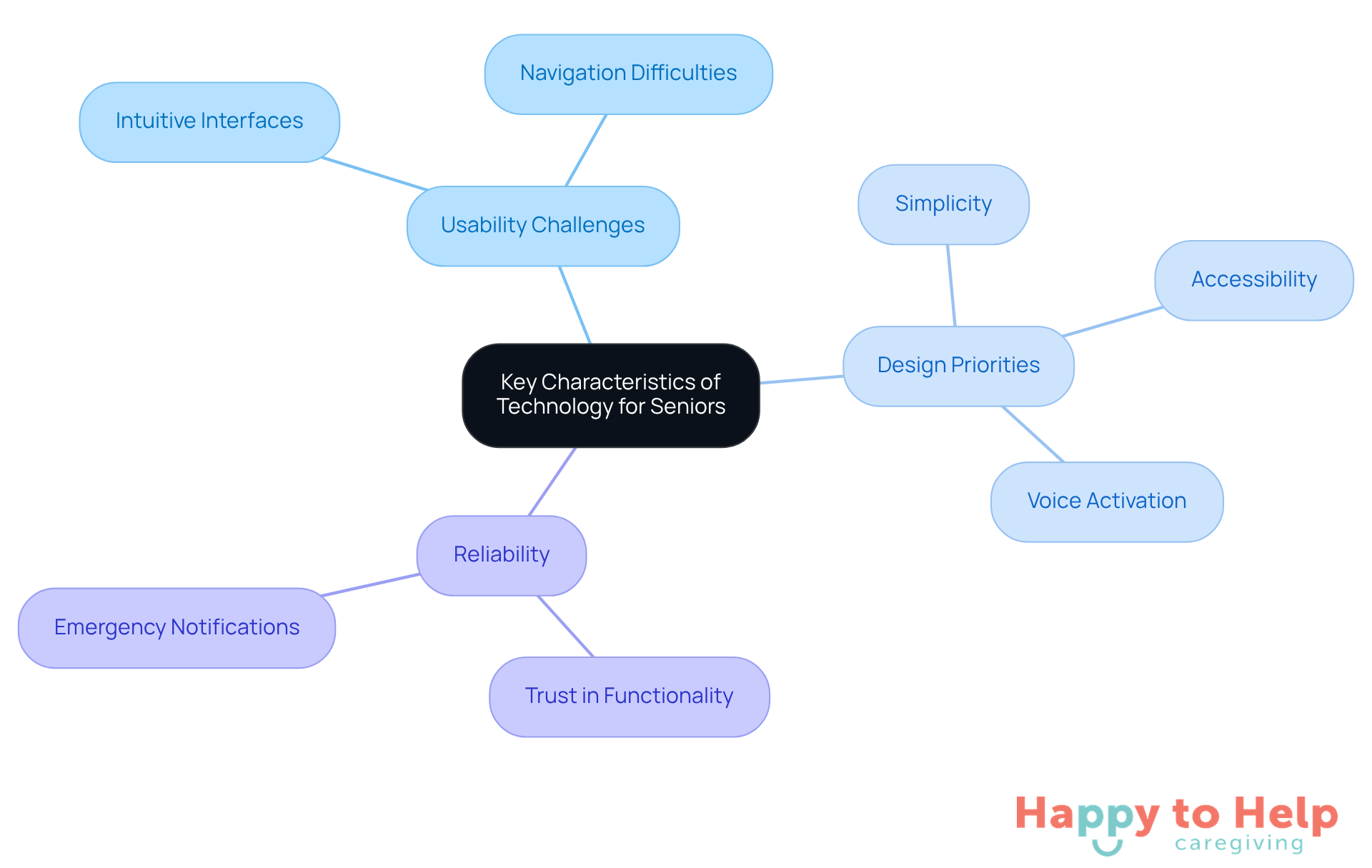
Older adults often face significant challenges when using tech for seniors, primarily due to issues of usability. Many devices lack intuitive interfaces, making it difficult for seniors to navigate them effectively. This can lead to frustration and a decreased ability to perform essential tasks, which can impact their independence and safety.
To address these challenges, tech for seniors should be designed to prioritize simplicity, accessibility, and reliability. For instance, devices should feature larger buttons and clear displays to accommodate visual impairments. Voice-activated features can also enhance usability for those with mobility challenges, allowing them to interact with technology more easily.
Moreover, reliability is crucial. Older adults need to trust that their devices will function correctly for essential tasks, such as wellness tracking and emergency notifications. Tech for seniors, such as smart home devices that enable elderly individuals to manage their surroundings through voice commands, can significantly enhance their independence and safety. By implementing these features, caregivers can ensure that older adults have the tools they need to thrive.
Examples of Beneficial Technology for Seniors
Problem: Caregivers often face challenges in managing the health and safety of older adults. With age, individuals may struggle to monitor their vital signs or adhere to medication schedules, leading to potential health risks.
Agitate: This situation can lead to increased anxiety for caregivers, who worry about their loved ones' well-being. The fear of missing critical health changes or medication doses can be overwhelming, contributing to feelings of helplessness.
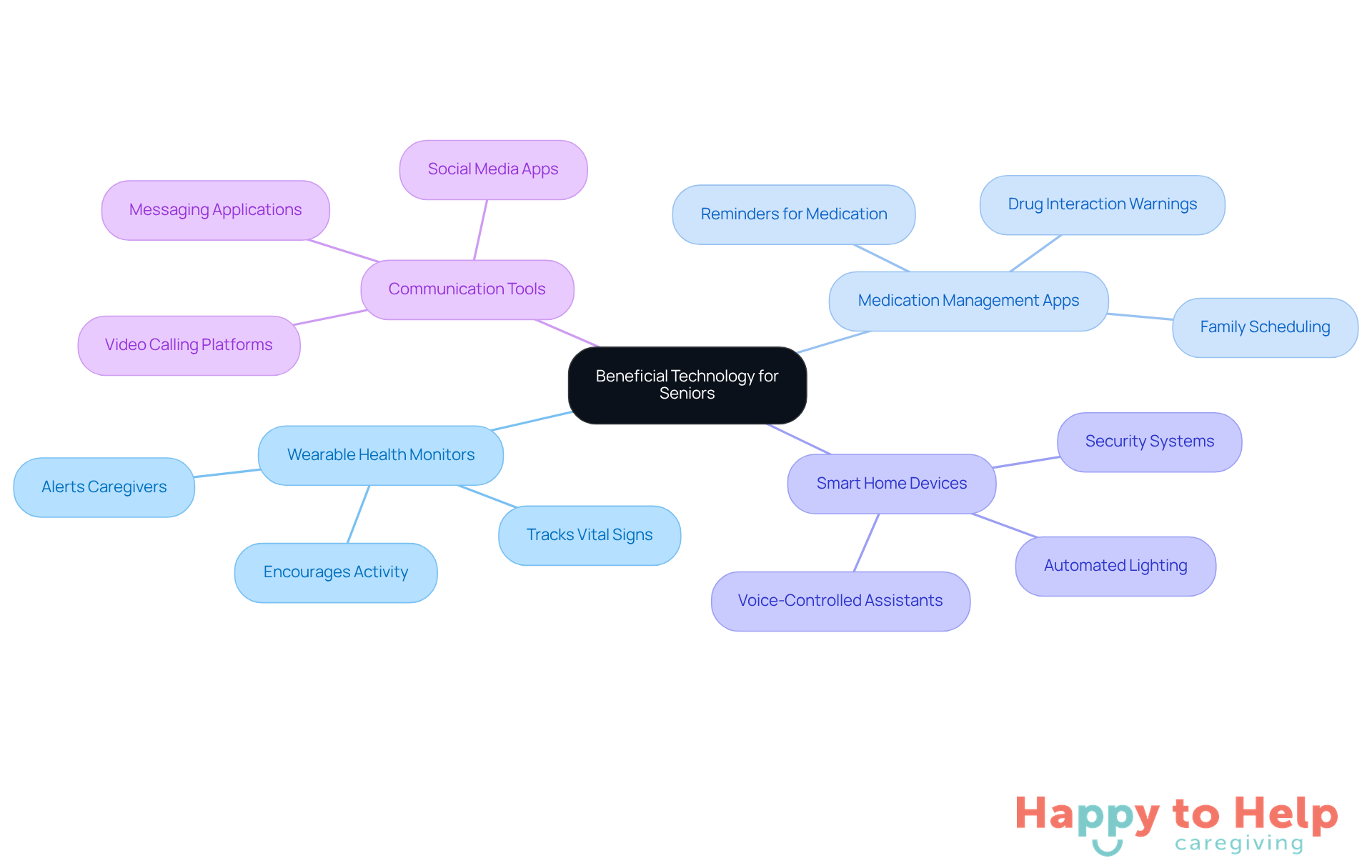
Fortunately, tech for seniors offers practical solutions. Wearable health monitors track vital signs and alert caregivers to potential health concerns. Medication management applications remind users to take their medications on time, ensuring adherence to prescribed regimens.
Smart home devices, such as automated lighting and security systems, enhance safety by allowing older adults to manage their environments with ease. Additionally, communication tools like video calling platforms help seniors maintain social connections, reducing feelings of isolation.
Tech for seniors not only improves daily living but also contributes to better health outcomes and an overall enhanced quality of life.
Moving Forward with Tech
The exploration of technology designed specifically for seniors highlights a significant problem: many older adults struggle with maintaining their independence and staying connected with loved ones. This challenge is compounded by mobility limitations and social isolation, which can severely impact their quality of life.
However, technology has the potential to address these issues effectively. By focusing on user-friendly solutions, it empowers seniors to manage their health and enrich their daily experiences. Innovations such as telehealth services and wearable devices are tailored to meet the unique needs of older adults, ensuring accessibility, usability, and reliability.
To truly support the elderly population, it is crucial to advocate for the development and adoption of senior-friendly technology. By bridging the gap between innovation and usability, society can help older adults thrive in an increasingly digital world. Embracing this change not only enhances individual lives but also fosters a more connected and supportive community for seniors everywhere.
https://iframe.tely.ai/cta/eyJhcnRpY2xlX2lkIjogIjY5MjY0MzVjZDdhYTIxYWI5OTE3NmUwMSIsICJjb21wYW55X2lkIjogIjY4ZWU1ZGNhNzMxNzYyNTU3ZjNjOTVjMSIsICJpbmRleCI6IG51bGwsICJ0eXBlIjogImFydGljbGUifQ==Frequently Asked Questions
What is technology for seniors?
Technology for seniors refers to a variety of devices, applications, and systems designed to assist older adults in maintaining their independence, safety, and quality of life. This includes smartphones, tablets, health monitoring devices, and smart home technologies.
Why is technology important for seniors?
Technology is important for seniors as it helps address challenges such as mobility limitations, cognitive decline, and social isolation. It promotes independence and connectivity, enabling older adults to maintain relationships, access healthcare services remotely, and manage daily tasks more effectively.
How does technology help seniors with healthcare?
Technology helps seniors with healthcare by offering telehealth services, allowing them to consult healthcare providers from home. This reduces travel burdens and enhances access to necessary care, contributing to their overall sense of security and well-being.
What are some examples of technology that supports seniors?
Examples of technology that supports seniors include wearable wellness monitors, voice-activated assistants, smartphones, tablets, and smart home devices, all of which help manage health and facilitate communication with loved ones.
How does technology combat loneliness in seniors?
Technology combats loneliness in seniors by enabling them to stay connected with family and friends, providing access to social engagement opportunities, and promoting emotional resilience, which enhances their overall quality of life.
List of Sources
- Defining Technology for Seniors
- 2025 Categories of Technology for Older Adults – Why and What | Aging and Health Technology Watch (https://ageinplacetech.com/blog/2025-categories-technology-older-adults-why-and-what)
- Easy-to-Use Tech Devices That Are Boosting Senior Wellness in 2025 - WorldHealth.net (https://worldhealth.net/news/easy-to-use-tech-devices-senior-wellness)
- Embracing Technology: How Smart Home Devices Enhance Senior Living in 2025 (https://carepatrol.com/lorain-medina-wooster-mansfield/embracing-technology-how-smart-home-devices-enhance-senior-living-in-2025)
- The Rise of Tech-Savvy Seniors: How Older Adults are Adapting in 2025 (https://textmygov.com/news/tech-savvy-seniors)
- Contextualizing the Importance of Technology for Seniors
- Easy-to-Use Tech Devices That Are Boosting Senior Wellness in 2025 - WorldHealth.net (https://worldhealth.net/news/easy-to-use-tech-devices-senior-wellness)
- How Older People Are Reaping Brain Benefits From New Tech - KFF Health News (https://kffhealthnews.org/news/article/tech-apps-ai-older-adults-health-benefits)
- Seniors who use technology more socially engaged, study finds (https://mcknights.com/news/seniors-who-use-technology-more-socially-engaged-study-finds)
- (https://connectednation.org/blog/how-technology-is-enhancing-the-well-being-of-older-adults)
- How Technology Helps Older Adults Stay Connected (https://christianhealthnj.org/news/2024/september/how-technology-helps-older-adults-stay-connected)
- Tracing the Origins of Senior Technology
- Older Adults Embracing Technology, AARP Reports (https://forbes.com/sites/jamiegold/2024/01/23/older-adults-embracing-technology-aarp-reports)
- What People with Disabilities Wish Those Outside the Community Would Stop Saying (https://goodhousekeeping.com/health/wellness/a60343482/disability-quotes)
- 30 Incredibly Inspiring Quotes For People With Disabilities | Vantage Mobility (https://vantagemobility.com/blog/blogincredibly-inspiring-quotes-for-people-with-disabilities)
- Key Characteristics of Technology for Seniors
- 2025 Categories of Technology for Older Adults – Why and What | Aging and Health Technology Watch (https://ageinplacetech.com/blog/2025-categories-technology-older-adults-why-and-what)
- Innovative New Technology Helps Seniors Age in Place (https://ucdavis.edu/health/news/innovative-new-technology-helps-seniors-age-place)
- A Guide to Useful Technology for Older Adults in 2025 (https://seniorsbluebook.com/articles/a-guide-to-useful-technology-for-older-adults-in-2025)
- Assistive Technology Devices: Helping Seniors Age In Place » Online Graduate Programs in Innovative Aging Studies » College of Medicine » University of Florida (https://online.aging.ufl.edu/2025/03/19/assistive-technology-devices-helping-seniors-age-in-place)
- Embracing Technology: How Smart Home Devices Enhance Senior Living in 2025 (https://carepatrol.com/lorain-medina-wooster-mansfield/embracing-technology-how-smart-home-devices-enhance-senior-living-in-2025)
- Examples of Beneficial Technology for Seniors
- 50% of Seniors May Use Wearables As Life-Saving Devices in 2030 (https://scnsoft.com/healthcare/wearable-technology-for-elderly)
- 18 Awesome Technology Quotes to Inspire & Motivate (https://criteriaforsuccess.com/18-awesome-technology-quotes-to-inspire-motivate)
- 8 Best Senior Apps That Make Daily Life Easier in 2025 (https://arhomecare.com/8-best-senior-apps-that-make-daily-life-easier-in-2025)
- Top Wearable Technology for Elderly Loved One in 2025 (https://achievehomecarenj.com/best-wearable-technology-for-elderly-loved-ones)
- Wearable Medical Devices Market Size | Forecast Report [2032] (https://fortunebusinessinsights.com/industry-reports/wearable-medical-devices-market-101070)