

Active service-area notice
Happy to Help does not currently list Texas as an active service area. This article is general educational information. For local care availability, browse our active service areas.
Browse active service areasFor families in our service areas
For families in our service areas, this guide explains home care and how non-medical in-home caregiving can support care planning in East Idaho, Treasure Valley & Magic Valley, Northern Wasatch, North Central West Virginia, and Northeast Ohio.
Why Texas Home Care: Services and Benefits Matters
The increasing number of aging individuals in Texas presents a pressing challenge for families seeking to provide adequate support at home. Many seniors express a strong desire to remain in familiar surroundings, which has led to a surge in demand for Texas home care services. This situation raises critical questions:
- How can families effectively access the right support?
- What benefits do these services truly offer in terms of quality of life?
Navigating the complexities of home care services can be daunting. Families often feel overwhelmed by the options available and unsure of how to choose the best fit for their loved ones. This uncertainty can lead to stress and anxiety, impacting both seniors and their caregivers.
However, understanding the landscape of Texas home care reveals essential services that can significantly enhance the lives of both seniors and their caregivers. These services not only provide necessary assistance but also promote comfort and independence, allowing seniors to thrive in their own homes. By exploring available options and seeking guidance, families can find the support they need to improve their loved ones' quality of life.
Defining Texas Home Care: An Overview
The challenge of aging individuals needing support at home is significant. Many seniors and those with disabilities struggle with daily living tasks, which can impact their quality of life. This situation not only affects their independence but also places a burden on caregivers and families who want to ensure their loved ones are safe and comfortable.
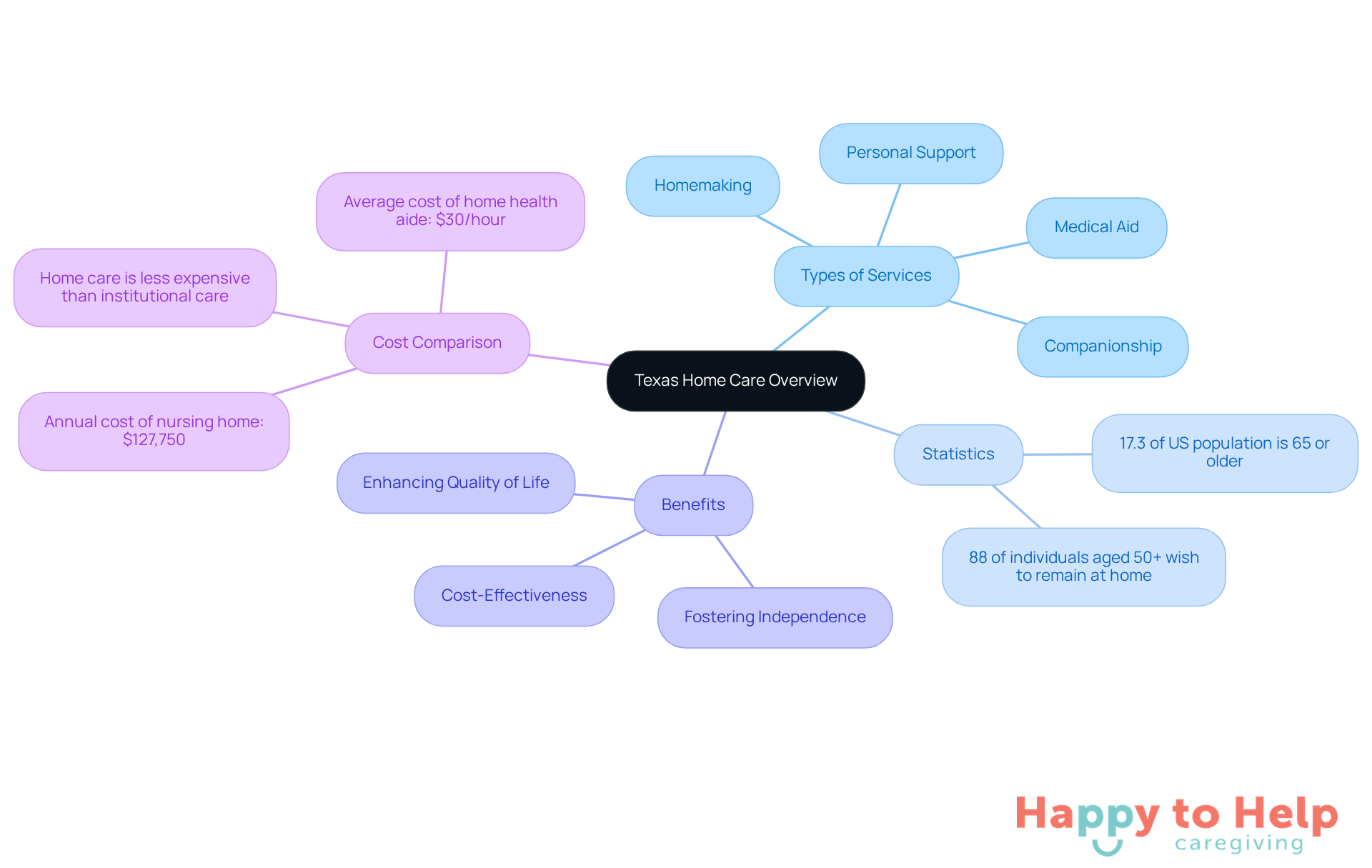
Texas home care provides residential support services that offer a solution to this pressing issue. These services encompass a range of non-medical assistance, such as:
- Companionship
- Personal support
- Homemaking
Alongside medical aid like skilled nursing and therapy. The primary goal is to help individuals maintain their quality of life while receiving assistance in a familiar environment. This approach enhances comfort and fosters a sense of security and well-being for clients and their families.
Statistics highlight the importance of these services: as of 2022, around 17.3% of the total US population is 65 or older, and 88% of individuals aged 50 and above wish to remain in their homes for as long as possible. This growing demand for residential support underscores its vital role in fulfilling the preferences of the elderly population.
Successful Texas home care programs focus on fostering independence, enabling seniors to thrive in their own residences while receiving necessary support. Moreover, the yearly expense of residential support is considerably less than institutional alternatives, making it a financially feasible option for families.
As the demand for residential support continues to rise, the benefits of these services become increasingly clear. They provide essential help that aligns with the needs and desires of the elderly, ensuring they can live comfortably and independently.
The Context of Home Care in Texas: Meeting Local Needs
The environment of domestic assistance in Texas faces significant challenges due to a rapidly aging demographic and varied cultural backgrounds. As families increasingly opt for in-home assistance over institutional alternatives, the demand for these services continues to rise. This situation is compounded by the need for tailored support during recovery from medical procedures and the desire for seniors to maintain their independence.
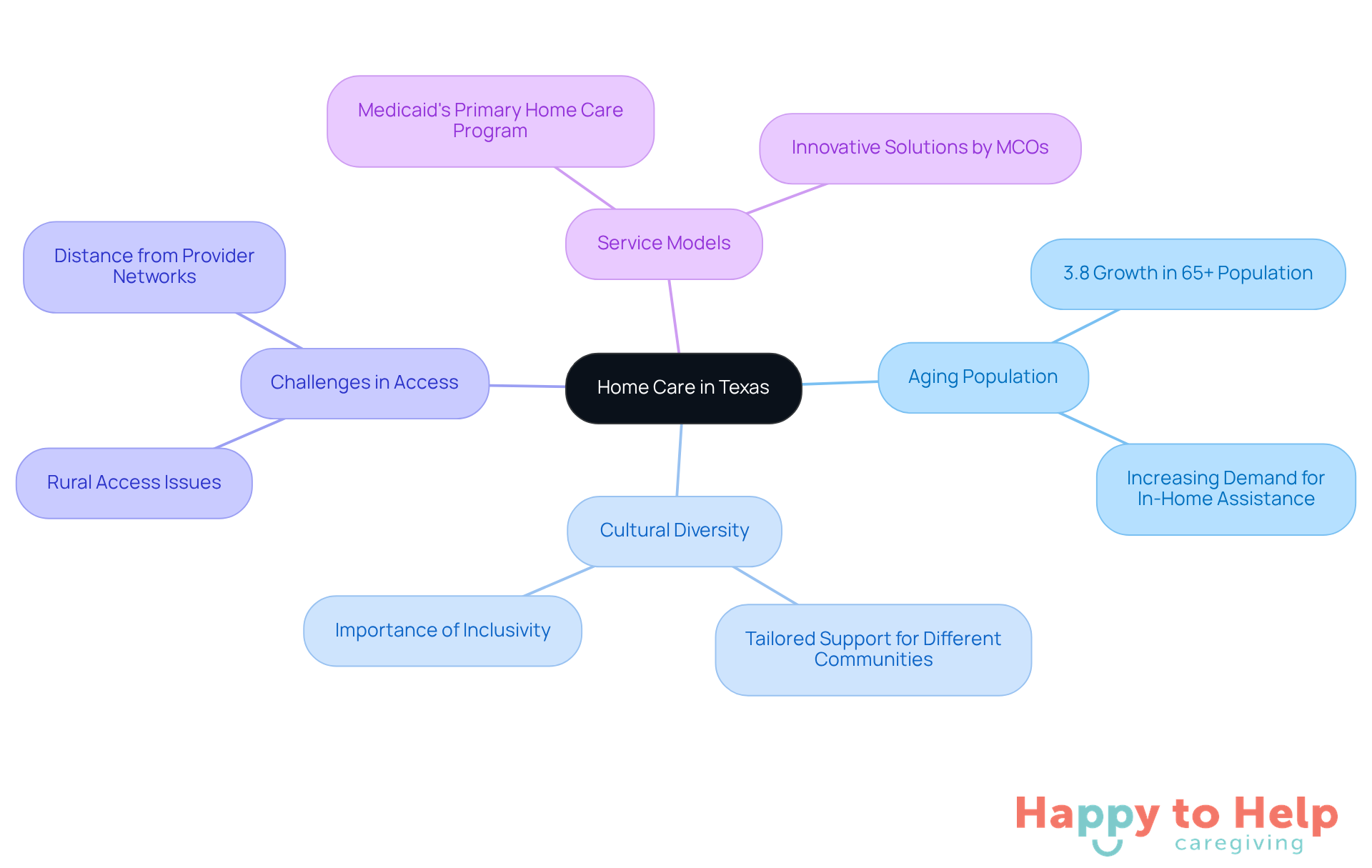
Recent data reveals that the population of Texans aged 65 and older grew by 3.8% from 2023 to 2024, underscoring the urgent need for in-home assistance. Medicaid's Primary Home Care (PHC) program plays a crucial role in shaping the availability and quality of these services, ensuring families can access the support they need. However, obstacles remain, particularly for rural families who often struggle to obtain services due to their distance from provider networks.
To address these challenges, effective home support models in Texas are increasingly recognizing the importance of cultural diversity. Customized offerings are essential to meet the unique needs of different communities. This focus on inclusivity not only enhances service quality but also fosters a sense of belonging among clients, ultimately improving their overall well-being.
As highlighted by QMedic, the demand for home- and community-based support is on the rise, driven by an aging population and the desire for greater comfort, connection, and independence. By prioritizing tailored assistance and addressing access issues, caregivers can better support the growing number of seniors in Texas.
Key Services in Texas Home Care: Comprehensive Support Options
Key services in home care Texas address significant challenges faced by caregivers and their loved ones.
-
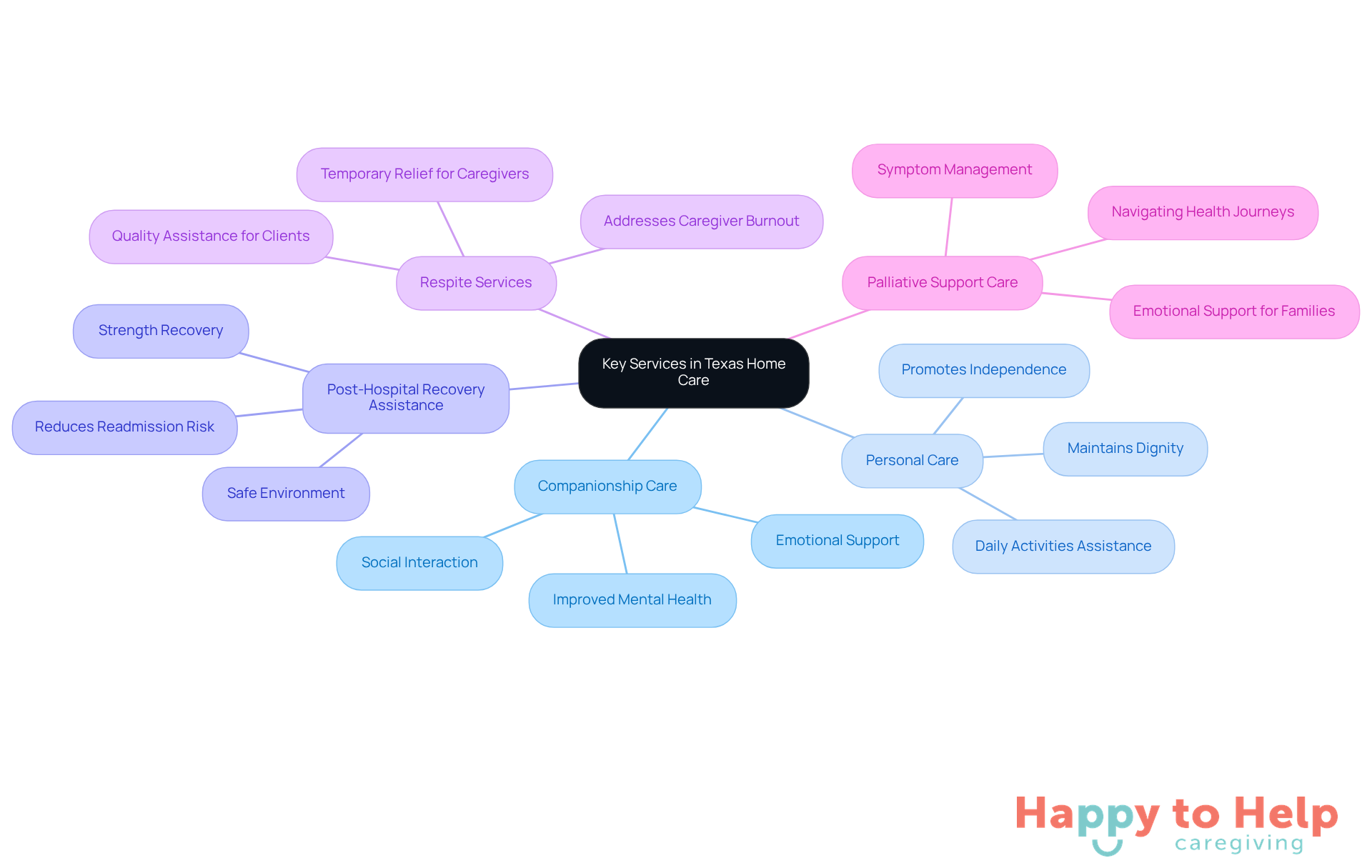
Companionship Care: Loneliness and isolation can deeply affect seniors and individuals with special needs. This service provides essential emotional support and social interaction, which are crucial for improving mental health. Research indicates that companionship can significantly enhance quality of life, making this support indispensable.
-
Personal Care: Many individuals struggle with daily activities like bathing, dressing, and meal preparation. Personal care services not only promote independence but also ensure that clients maintain their dignity and comfort in their own homes.
-
Post-Hospital Recovery Assistance: Transitioning from hospital to home can be daunting after surgery or illness. Effective recovery programs focus on creating a safe environment and helping clients regain strength, thereby reducing the risk of readmission. Tailored support during this critical period is vital for successful recovery.
-
Respite Services: Family caregivers often face burnout, making temporary relief essential. Respite services allow caregivers to take necessary breaks while ensuring their loved ones receive quality assistance. In Texas, family providers contribute an estimated $41 billion of unpaid support annually, highlighting the urgent need for Texas home care systems that relieve caregiver stress.
-
Palliative Support Care: For individuals with serious illnesses, specialized care is crucial. This service focuses on symptom management and emotional support, helping clients and their families navigate challenging health journeys with dignity and compassion.
These services are designed to be adaptable, fostering independence and dignity while addressing the unique needs of each client. As the demand for residential assistance grows, particularly among the elderly, the importance of these services cannot be overstated. Furthermore, Texas ranks 50th in average aide compensation, underscoring the challenges caregivers face and the necessity for adequate support and recognition of their invaluable contributions.
Benefits of Texas Home Care: Enhancing Quality of Life
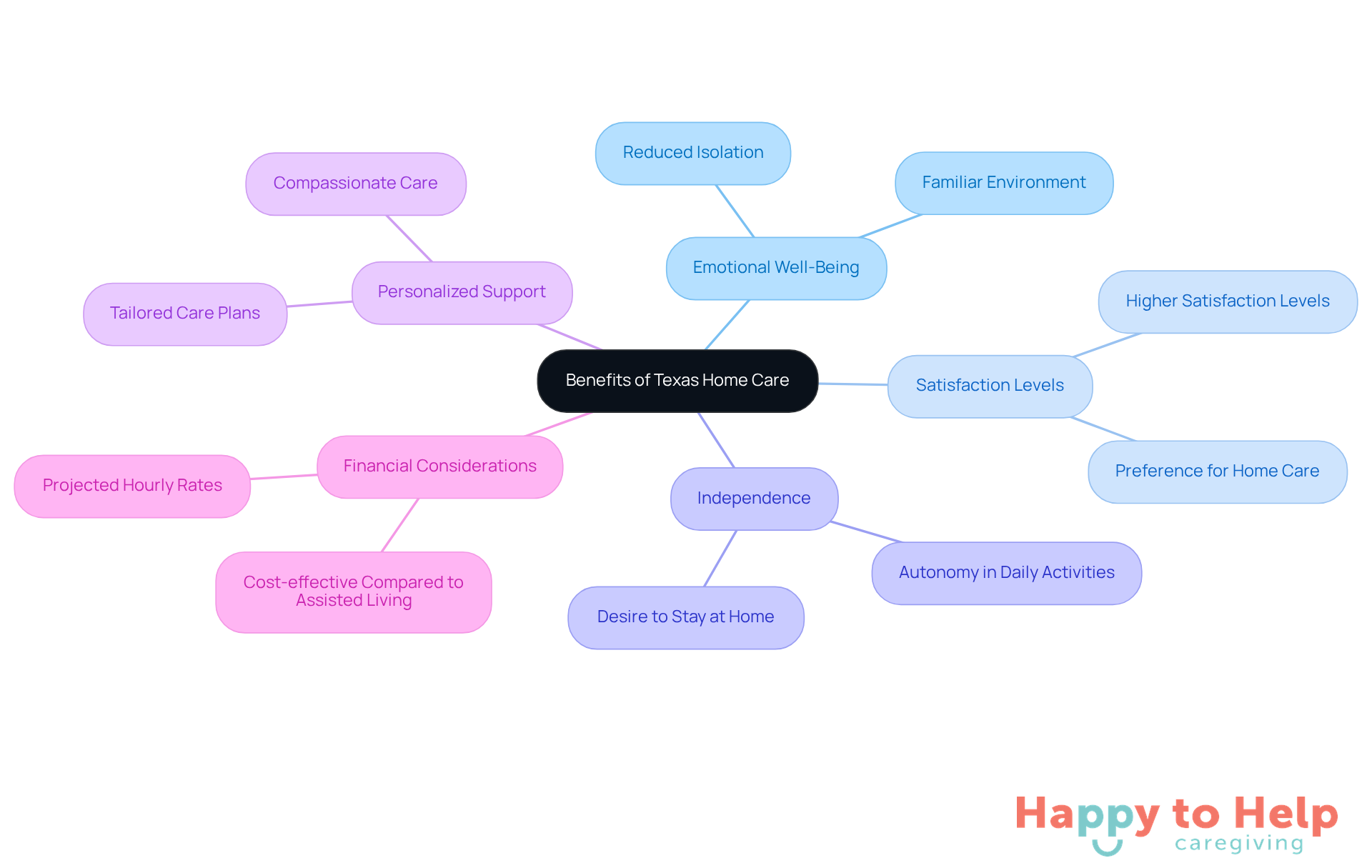
The challenges faced by elderly individuals and their caregivers are significant. Many seniors wish to remain in their own homes, which is crucial for their emotional well-being. Studies indicate that older adults receiving support at home report higher satisfaction levels compared to those in assisted living facilities. This highlights the importance of familiar environments for mental health. In fact, 88% of adults aged 50 and older prefer to stay at home for as long as possible, reflecting a strong desire for independence.
However, caregivers often struggle to provide the necessary support while ensuring their loved ones maintain autonomy. Personalized support plans are essential in this context, as they address each individual's unique needs. This tailored approach not only leads to better health outcomes but also enhances client satisfaction. Families experience reduced stress and greater peace of mind, knowing their loved ones receive compassionate care that aligns with their preferences.
Moreover, at-home support can be a more economical alternative to institutional services. Families frequently find it to be a financially feasible option compared to the high costs associated with assisted living, which can range from $4,500 to $6,000 monthly. In 2025, average hourly rates for Texas home care residential assistance are expected to be between $24 and $26, providing families with a clearer financial perspective.
In summary, residential assistance significantly improves the quality of life for seniors while offering families the reassurance that their loved ones are supported in a nurturing environment.
Challenges in Accessing Home Care Services in Texas
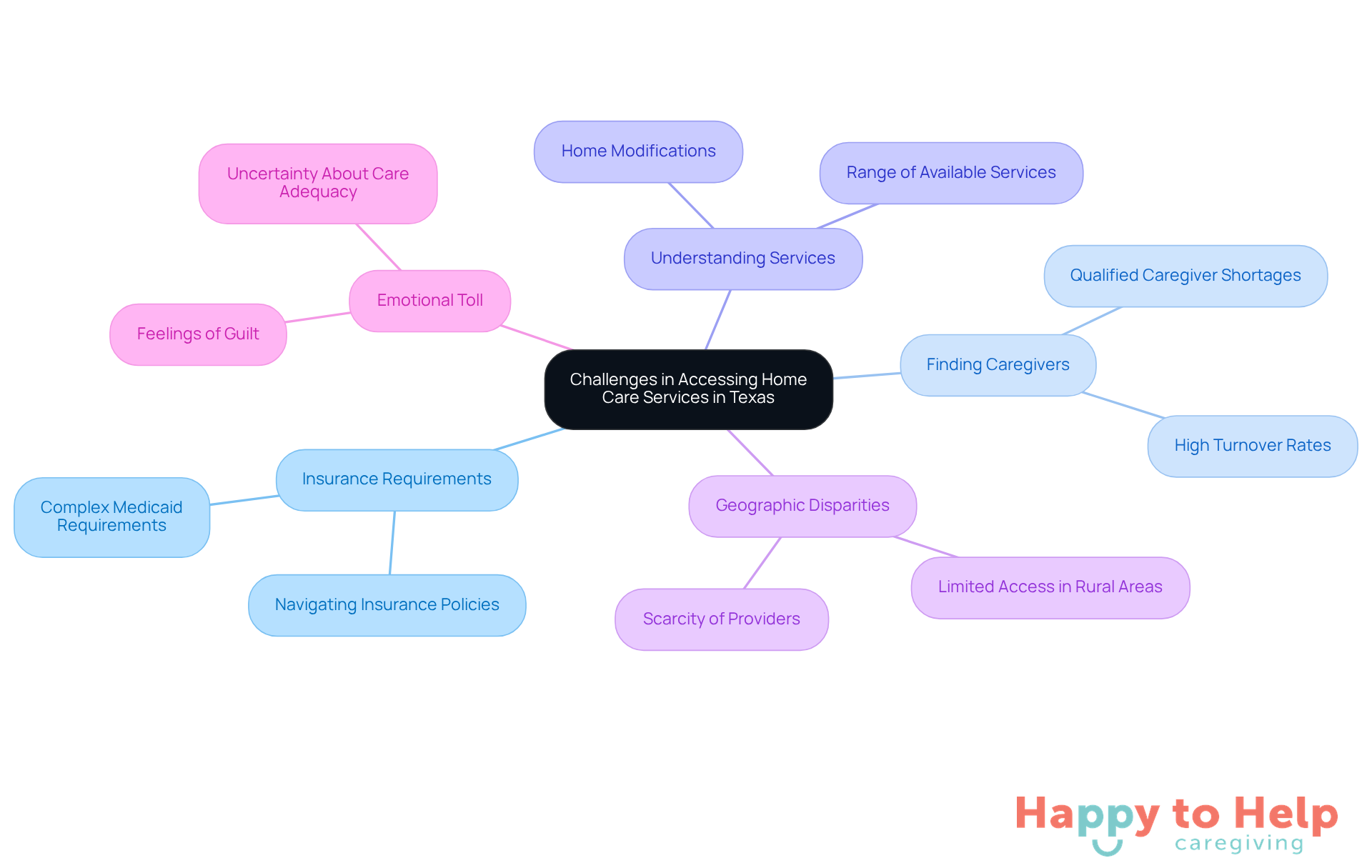
Families in Texas often encounter significant challenges when seeking Texas home care support. These difficulties can stem from:
- Navigating complex insurance and Medicaid requirements
- Finding qualified caregivers
- Understanding the range of available services
Additionally, geographic disparities can limit access to Texas home care services, particularly in rural areas where in-home support providers may be scarce.
The emotional toll of transitioning to home care can also weigh heavily on families. Feelings of guilt and uncertainty about the adequacy of care can complicate this process. To address these issues, families are encouraged to seek guidance from experienced professionals. Utilizing resources available through local agencies and support networks can provide valuable assistance in overcoming these hurdles.
Taking the Next Steps
The landscape of home care in Texas presents a significant challenge as the aging population grows. Many elderly individuals prefer to age in place, yet they often lack the necessary support to do so effectively. This situation can lead to feelings of isolation and decreased quality of life for seniors.
The implications of inadequate home care are profound. Without tailored support, seniors may face health complications and diminished independence, which can also burden their families emotionally and financially. The need for personalized care plans is critical, as these plans not only improve health outcomes but also enhance satisfaction for both clients and their families.
Fortunately, there are viable solutions. Families can actively seek out home care services that offer a range of support, from companionship and personal care to specialized recovery and palliative care. By prioritizing in-home assistance, families can ensure their loved ones receive the care they need while maintaining their independence.
Moreover, embracing home care can provide economic advantages, making it a more affordable alternative to institutional settings. This approach not only offers peace of mind but also financial relief for families.
In conclusion, it is essential for families to navigate the complexities of home care services proactively. By utilizing available resources and prioritizing in-home support, they can significantly improve the well-being of their loved ones. This commitment contributes to a more inclusive and supportive community for seniors in Texas, ensuring a dignified and fulfilling life for the aging population.
https://iframe.tely.ai/cta/eyJhcnRpY2xlX2lkIjogIjY5MjdhNWUxYTIwZThlMDAxYzFhMjJhOSIsICJjb21wYW55X2lkIjogIjY4ZWU1ZGNhNzMxNzYyNTU3ZjNjOTVjMSIsICJpbmRleCI6IG51bGwsICJ0eXBlIjogImFydGljbGUifQ==Frequently Asked Questions
What is Texas home care?
Texas home care refers to residential support services designed to assist aging individuals and those with disabilities with daily living tasks, helping them maintain their quality of life in a familiar environment.
What types of services are included in Texas home care?
Texas home care includes non-medical assistance such as companionship, personal support, and homemaking, as well as medical aid like skilled nursing and therapy.
Why is home care important for seniors?
Home care is important for seniors as it allows them to receive necessary support while maintaining their independence and comfort in their own homes, which enhances their overall well-being.
What statistics highlight the need for home care services?
As of 2022, around 17.3% of the total US population is 65 or older, and 88% of individuals aged 50 and above wish to remain in their homes for as long as possible, indicating a growing demand for residential support.
How does Texas home care contribute to the independence of seniors?
Successful Texas home care programs focus on fostering independence by enabling seniors to thrive in their own residences while receiving the necessary support, thus allowing them to live comfortably and independently.
How does the cost of home care compare to institutional alternatives?
The yearly expense of residential support through home care is considerably less than that of institutional alternatives, making it a more financially feasible option for families.
What challenges does the home care environment in Texas face?
The home care environment in Texas faces challenges such as a rapidly aging demographic, varied cultural backgrounds, and access issues, particularly for rural families who struggle to obtain services.
How does Medicaid impact home care services in Texas?
Medicaid's Primary Home Care (PHC) program plays a crucial role in shaping the availability and quality of home care services, ensuring families can access the support they need.
Why is cultural diversity important in Texas home care?
Cultural diversity is important in Texas home care as customized offerings are essential to meet the unique needs of different communities, enhancing service quality and fostering a sense of belonging among clients.
What is driving the demand for home and community-based support in Texas?
The demand for home and community-based support in Texas is driven by an aging population and the desire for greater comfort, connection, and independence among seniors.
List of Sources
- Defining Texas Home Care: An Overview
- HB 2938 Explained: What Texas Home Care Agencies Must Know (https://caresmartz360.com/blog/news-events/hb-2938-for-texas-home-care-agencies)
- Several Texas health, social service agencies are under ‘sunset’ review. What does that mean? | Houston Public Media (https://houstonpublicmedia.org/articles/news/health-science/healthcare/2025/10/17/533626/several-texas-health-social-service-agencies-are-under-sunset-review-what-does-that-mean)
- 10 Must-Know U.S. Home Care Industry Stats for 2025 - North American Community Hub (https://nchstats.com/us-home-care-industry-stats)
- 52 Eye-Opening Home Health Statistics: Insights for 2025 (https://boosthomehealth.com/home-health-statistics)
- Understanding the Cost and Value of Home Care in 2025 (https://assistinghands.com/135/texas/nesanantonio/blog/understanding-the-cost-and-value-of-home-care-in-2025)
- The Context of Home Care in Texas: Meeting Local Needs
- Demand for senior services grows in Central Texas as elder population booms (https://kxan.com/news/local/williamson-county/demand-for-senior-services-grows-in-central-texas-as-elder-population-booms)
- Tension Between Demand Growth, Rate Pressure Shape At-Home Care Playbooks (https://homehealthcarenews.com/2025/08/tension-between-demand-growth-rate-pressure-shapes-at-home-care-playbooks)
- Aging at home: How families and care teams are meeting the rising demand for in-home support (https://aol.com/articles/aging-home-families-care-teams-190007085.html)
- Texas is getting older and its child population is growing - The Texas Tribune (https://texastribune.org/2025/06/26/census-aging-population-texas)
- Texans age 65 and older are fasting growing demographic (https://news.yahoo.com/texans-age-65-older-fasting-143008578.html)
- Key Services in Texas Home Care: Comprehensive Support Options
- Addus looks to grow personal care business in Texas, CEO says (https://mcknightshomecare.com/news/addus-looks-to-grow-personal-care-business-in-texas-ceo-says)
- Home Care Wage Final Rule: What Agencies Must Know in 2025 (https://caresmartz360.com/blog/news-events/home-care-wage-final-rule-2025)
- HB 2938 Explained: What Texas Home Care Agencies Must Know (https://caresmartz360.com/blog/news-events/hb-2938-for-texas-home-care-agencies)
- Valuing the Invaluable: Family Caregivers in Texas Provide $41 Billion in Unpaid Care -- 2023 (https://states.aarp.org/texas/valuing-the-invaluable-family-caregivers-in-texas-provide-41-billion-in-unpaid-care)
- Disruption Redefines Home-Based Care: Providers Confront Challenges, Seize New Opportunities (https://homehealthcarenews.com/2025/10/disruption-redefines-home-based-care-providers-confront-challenges-seize-new-opportunities)
- Benefits of Texas Home Care: Enhancing Quality of Life
- 52 Eye-Opening Home Health Statistics: Insights for 2025 (https://boosthomehealth.com/home-health-statistics)
- 10 Must-Know U.S. Home Care Industry Stats for 2025 - North American Community Hub (https://nchstats.com/us-home-care-industry-stats)
- 2025 Home Care Statistics: Trends & Insights To Know (https://premierhcinc.com/blog/home-care-statistics)
- Families Prefer In-Home Care To Senior Living – Yet Struggle To Identify Needed Support (https://homehealthcarenews.com/2025/11/families-prefer-in-home-care-to-senior-living-yet-struggle-to-identify-needed-support)
- Understanding the Cost and Value of Home Care in 2025 (https://assistinghands.com/135/texas/nesanantonio/blog/understanding-the-cost-and-value-of-home-care-in-2025)
- Challenges in Accessing Home Care Services in Texas
- 52 Eye-Opening Home Health Statistics: Insights for 2025 (https://boosthomehealth.com/home-health-statistics)
- TXST research identifies real solutions to improve rural healthcare in Texas (https://news.txst.edu/research-and-innovation/2025/txst-research-identifies-real-solutions-to-improve-rural-healthcare-in-texas.html)
- 10 Must-Know U.S. Home Care Industry Stats for 2025 - North American Community Hub (https://nchstats.com/us-home-care-industry-stats)
- Payment Rates for Medicaid Home Care: States’ Responses to Workforce Challenges | KFF (https://kff.org/medicaid/payment-rates-for-medicaid-home-care-states-responses-to-workforce-challenges)
- Predict Health Care Accessibility for Texas Medicaid Gap - PMC (https://pmc.ncbi.nlm.nih.gov/articles/PMC8465286)