Why The Benefits of Home Senior Care for Matters
Home senior care has become a vital solution for families facing the challenges of elder care, allowing seniors to flourish in the comfort of their own homes. This approach nurtures independence and emotional well-being, providing tailored support that addresses the unique needs of each individual. Yet, as the aging population continues to rise, families grapple with a pressing question: how can they ensure their loved ones receive the compassionate care they deserve while managing their own responsibilities?
It's a delicate balance, one that often leaves caregivers feeling overwhelmed and stressed. The emotional weight of ensuring a loved one is well cared for can lead to feelings of burnout. But there is hope. Home senior care services offer not just practical assistance, but also the emotional support that families need during this challenging time.
Imagine a scenario where a caregiver can take a moment to breathe, knowing that their loved one is in capable, compassionate hands. This is the essence of home senior care - a service designed to alleviate the burdens of caregiving while fostering a nurturing environment for seniors.
As we explore the options available, remember that you are not alone in this journey. There are resources and support systems in place to help you navigate these complexities, ensuring that your loved ones receive the care they deserve.
Defining Home Senior Care
Assisted living services highlight the benefits of home senior care by providing essential support to elderly individuals in their own homes, helping them maintain their independence and improve their quality of life. Imagine the relief of knowing that your loved one can receive assistance with daily tasks like bathing, dressing, meal preparation, and medication management, highlighting the benefits of home senior care through companionship and emotional support.
Unlike institutional settings, the benefits of home senior care allow individuals to stay in familiar surroundings, surrounded by their cherished belongings and memories. This connection to home can significantly uplift their emotional well-being, showcasing the benefits of home senior care. Each service is tailored to meet the unique needs of every person, showcasing the benefits of home senior care through a personalized approach that truly cares for their individual circumstances.
For caregivers, the journey can often feel overwhelming. The stress and burnout are real, but there’s hope. With the right support, you can find peace of mind knowing that your loved one is receiving compassionate care. Remember, you’re not alone in this; there are services designed to lighten your load and provide the nurturing support your family deserves.
The Importance of Home Senior Care in Modern Society
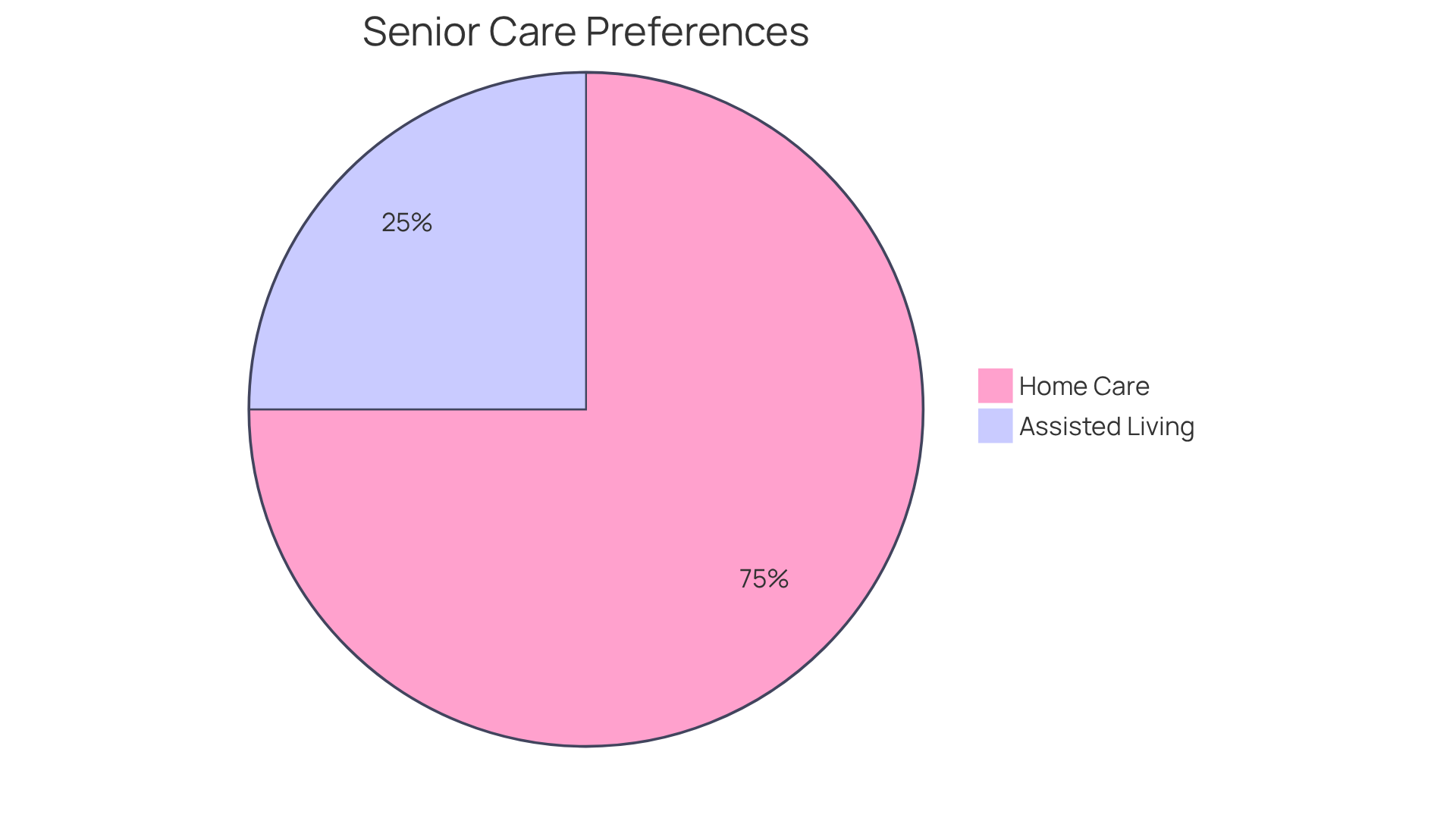
In today’s world, many older adults face the emotional challenge of wanting to remain in their homes as they age. It’s heartening to know that around 75% of them prefer to stay in their residences rather than move to assisted living facilities. This desire to age in place highlights the growing importance of the benefits of home senior care, which can effectively cater to their individual needs.
Research shows the benefits of home senior care, as older adults receiving support at home often enjoy better health outcomes and greater satisfaction than those in institutional settings. Imagine the comfort of receiving care in a familiar environment, surrounded by cherished memories. Studies reveal that the benefits of home senior care not only enhance the quality of life but also reduce hospital readmissions, thereby easing the burden on our healthcare systems.
As we look ahead, projections indicate that by 2029, about 71.4 million Americans aged 65 and older will require some form of assistance. This shift underscores the vital role of in-home support in elder care strategies, which includes the benefits of home senior care. It’s not just about helping older adults maintain their independence; it’s also about fostering a sense of safety and comfort in their own homes.
Moreover, the integration of technology, like remote patient monitoring and AI, is revolutionizing how we deliver care at home. This ensures that elderly individuals receive the best possible support right where they feel most at ease. Together, we can create a nurturing environment that respects their wishes and enhances their well-being.
Key Benefits of Home Senior Care
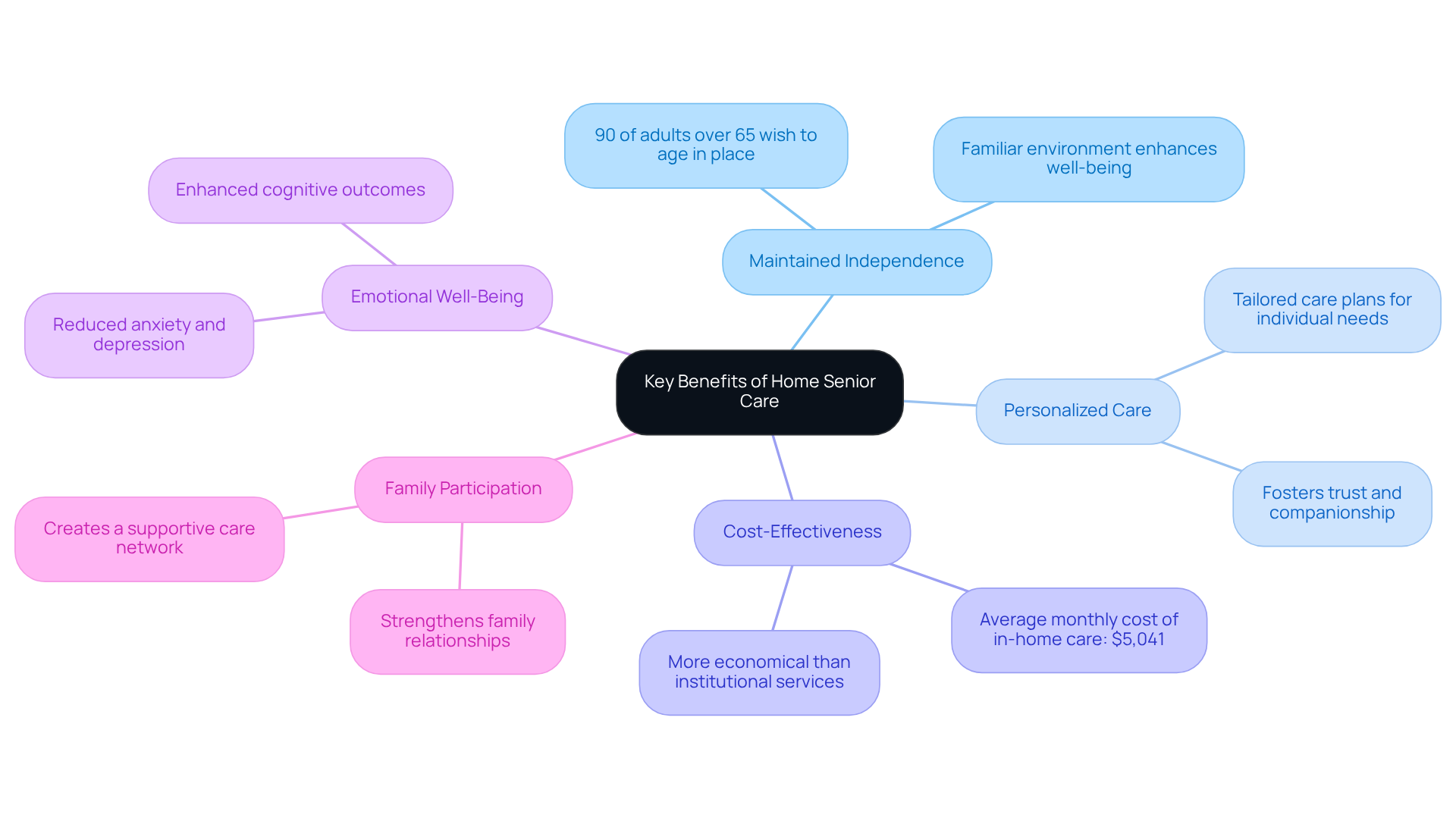
Home senior care brings a wealth of benefits that truly cater to the needs of our beloved seniors:
-
Maintained Independence: Imagine the comfort of staying in your own home, surrounded by familiar sights and sounds. For many seniors, understanding the benefits of home senior care is not just a preference but a vital aspect of their well-being. Research shows that 90% of adults over 65 wish to age in place, highlighting how important it is to maintain that sense of autonomy and independence.
-
Personalized Care: Each individual is unique, and so are their needs. With home care, plans are tailored specifically to meet those needs, ensuring that seniors receive the right level of support. This personalized approach illustrates the benefits of home senior care by fostering deep connections between caregivers and clients, nurturing trust and companionship that can brighten their days.
-
Cost-Effectiveness: Financial concerns can weigh heavily on families. Thankfully, the benefits of home senior care often include being more economical than institutional services. With the average monthly cost of in-home assistance around $5,041, families can find relief knowing they’re making a wise financial choice. Financial advisors often highlight the benefits of home senior care as a way to better manage budgets and allocate funds effectively.
-
Emotional Well-Being: Staying in a familiar environment can significantly reduce feelings of anxiety and depression. It’s heartening to know that the benefits of home senior care often include enhanced cognitive outcomes and a lower risk of cognitive decline for seniors receiving in-home assistance. Engaging activities tailored to their interests can make all the difference in promoting mental health.
-
Family Participation: Home assistance opens the door for family members to be more involved in their loved one’s care. This not only strengthens relationships but also creates a supportive network that eases the emotional burden on family caregivers. Together, they can foster a collaborative environment that enhances the quality of care and highlights the benefits of home senior care for everyone involved.
Components of Home Senior Care Services
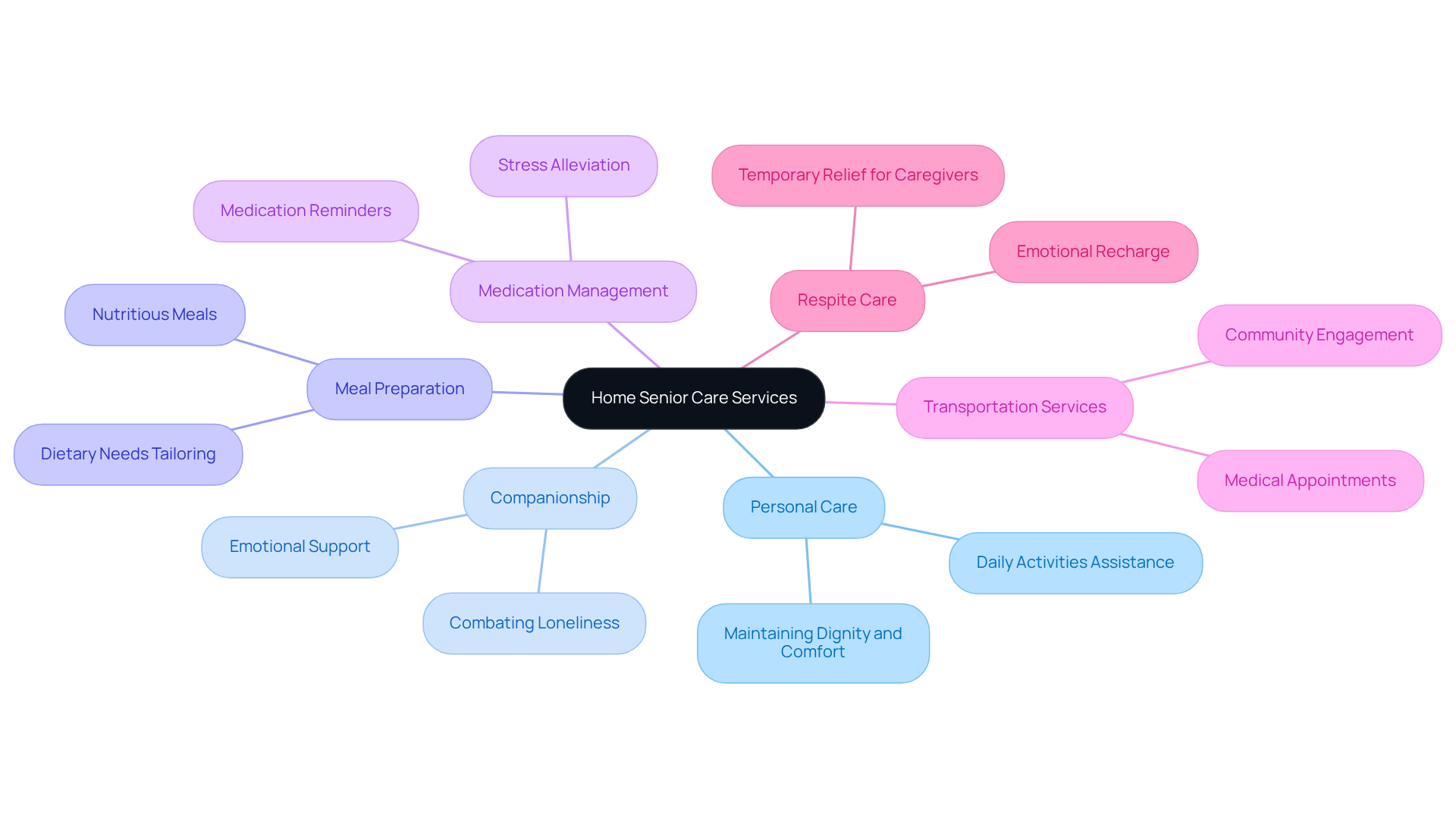
Caring for elderly loved ones can be a challenging journey, filled with emotional ups and downs. The benefits of home senior care include services designed to address the diverse needs of older adults, providing not just assistance, but also companionship and understanding.
-
Personal Care is a vital aspect, offering help with daily activities like bathing, grooming, and dressing. This support ensures that older adults maintain their dignity and comfort in their daily lives.
-
Companionship plays a crucial role in combating loneliness. By engaging older adults in social activities and providing emotional support, caregivers help foster connections that can brighten their days.
-
Meal Preparation is another essential service, ensuring that nutritious meals are tailored to meet dietary needs. A well-balanced diet is key to maintaining health and vitality, and caregivers take pride in preparing meals that nourish both body and soul.
-
Medication Management is also critical. Caregivers assist older adults in managing their medications, offering reminders and support to ensure they stay on track. This not only promotes health but also alleviates the stress that can come with managing multiple prescriptions.
-
Transportation Services provide vital support, helping older adults get to medical appointments, social events, or run errands. This assistance fosters independence and ensures they remain connected to their community.
-
Respite Care offers temporary relief for family caregivers, allowing them to take much-needed breaks while ensuring their loved ones are well cared for. This service acknowledges the emotional toll caregiving can take and provides a chance for caregivers to recharge.
Together, these components create a holistic approach to senior care that emphasizes the benefits of home senior care, promoting independence and enhancing the quality of life for older adults. By understanding and addressing the emotional and practical needs of both seniors and their caregivers, these services offer a nurturing environment where everyone can thrive.
Taking the Next Steps
Home senior care offers a compassionate solution for families wanting to support their elderly loved ones in a familiar and comforting environment. It allows seniors to receive personalized assistance right at home, preserving their independence and enhancing their quality of life. This approach is significant because it addresses the unique needs of each individual, helping them thrive emotionally and physically in a space filled with cherished memories.
The benefits of home senior care are numerous:
- It maintains independence.
- It provides personalized care tailored to individual needs.
- It is often more cost-effective than institutional settings.
- It promotes emotional well-being through companionship and engagement.
- Family involvement in the caregiving process is crucial, as it fosters stronger relationships and creates a supportive network for both seniors and their caregivers.
As our aging population grows, the role of home senior care becomes increasingly vital. By investing in these services, families can ensure their loved ones receive the compassionate care they deserve while maintaining their dignity and independence. Embracing home senior care enriches the lives of seniors and alleviates the emotional and practical burdens on families. Ultimately, it creates a nurturing environment where everyone can flourish.
https://iframe.tely.ai/cta/eyJhcnRpY2xlX2lkIjogIjY5MWU1YWI4MDAzNjA5ODRkZWZlZjk5OSIsICJjb21wYW55X2lkIjogIjY4ZWU1ZGNhNzMxNzYyNTU3ZjNjOTVjMSIsICJpbmRleCI6IG51bGwsICJ0eXBlIjogImFydGljbGUifQ==Frequently Asked Questions
What is home senior care?
Home senior care refers to assisted living services that provide essential support to elderly individuals in their own homes, helping them maintain independence and improve their quality of life.
What types of assistance do home senior care services provide?
Home senior care services assist with daily tasks such as bathing, dressing, meal preparation, and medication management, as well as offering companionship and emotional support.
How does home senior care differ from institutional settings?
Unlike institutional settings, home senior care allows individuals to stay in familiar surroundings, surrounded by their cherished belongings and memories, which can significantly enhance their emotional well-being.
Are home senior care services personalized?
Yes, each service is tailored to meet the unique needs of every individual, showcasing a personalized approach that cares for their specific circumstances.
What challenges do caregivers face?
Caregivers often experience feelings of overwhelm, stress, and burnout while caring for their loved ones.
Is there support available for caregivers?
Yes, there are services designed to provide support and lighten the load for caregivers, offering peace of mind that their loved ones are receiving compassionate care.