

For families in our service areas
For families in our service areas, this guide explains caregiver support and how non-medical in-home caregiving can support care planning in East Idaho, Treasure Valley & Magic Valley, Northern Wasatch, North Central West Virginia, and Northeast Ohio.
The Caregiver Center: Services and at a Glance
Caregivers often face overwhelming emotional challenges. They experience stress and burnout while trying to provide the best care for their loved ones. This is where caregiver centers step in, offering vital support that truly makes a difference.
These centers provide essential services designed to meet both the emotional and practical needs of caregivers. They offer:
- Educational programs that empower caregivers with knowledge
- Respite care that allows them a much-needed break
- Community resources that connect them with others facing similar challenges
By alleviating caregiver stress, these services significantly enhance their well-being.
Imagine the relief of knowing that you’re not alone in this journey. The compassionate support from caregiver centers not only helps caregivers but also improves the quality of care they can provide to their loved ones. It’s a nurturing environment where caregivers can find solace and strength.
As one caregiver shared, "Having access to these resources has changed my life. I feel supported and understood, which allows me to be a better caregiver."
In conclusion, caregiver centers play a crucial role in fostering a sense of community and support. They remind us that it’s okay to seek help and that taking care of oneself is just as important as caring for others. You are not alone, and there is hope and help available.
Understanding The Caregiver Center: Services and
Caring for a loved one can often feel like an uphill battle. The emotional and physical challenges can leave caregivers feeling overwhelmed and isolated. It’s important to recognize these feelings and understand that you’re not alone in this journey.
Caregiver centers emerge as essential lifelines, offering a variety of services designed to support individuals in these demanding roles. They provide resources like:
- Educational workshops
- Respite care
- Emotional support
These services not only help alleviate stress but also foster a sense of community among caregivers, reminding you that there are others who share your experiences and challenges.
As the number of family caregivers continues to rise, it’s crucial to consider how these centers can evolve to meet the ever-changing needs of those who dedicate their lives to caring for others. Together, we can explore ways to enhance support and ensure that caregivers feel valued and understood.
Defining the Caregiver Center
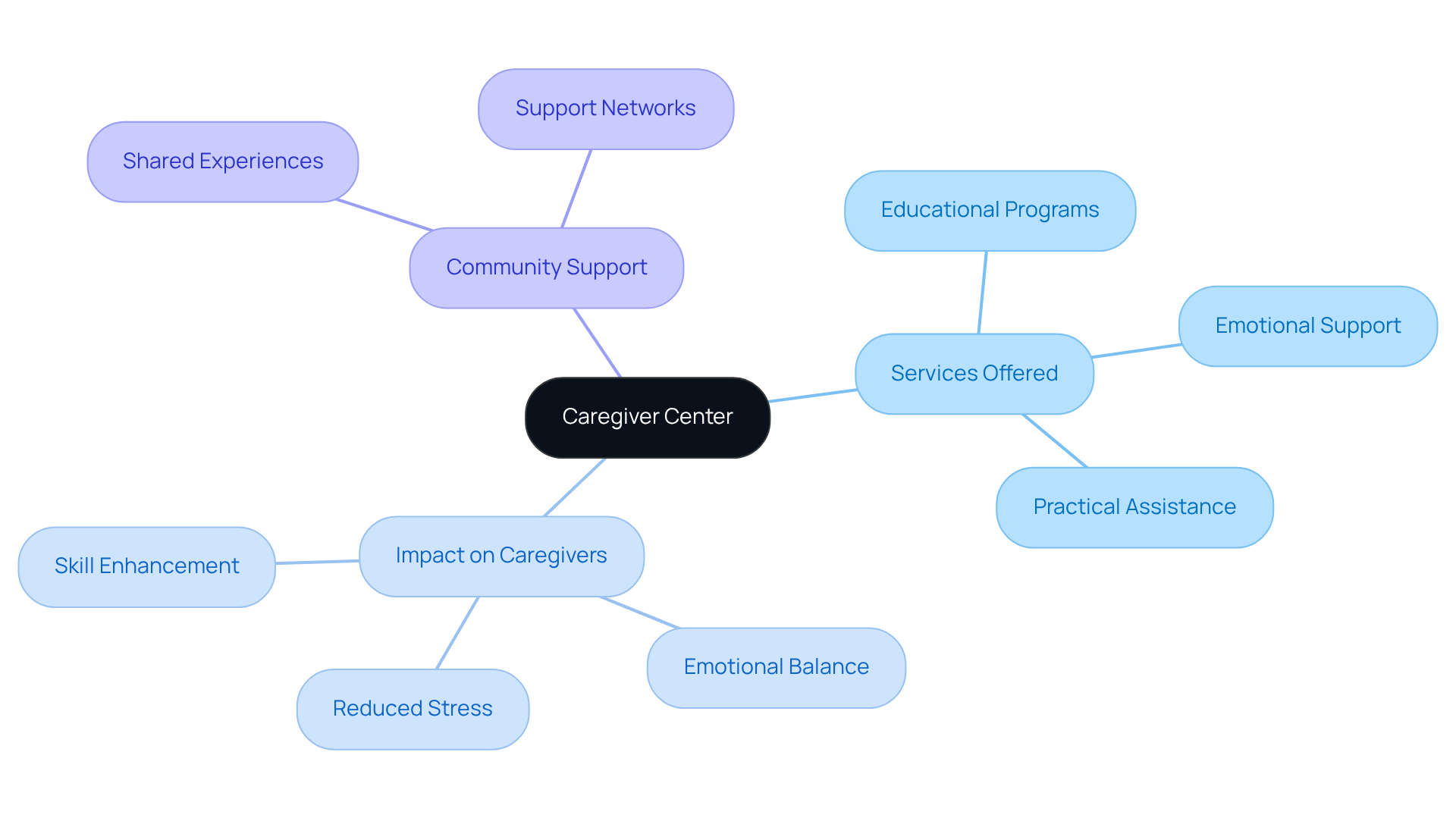
Caring for a loved one dealing with health issues can be incredibly challenging. The caregiver center serves as a vital resource for those who take on this responsibility, offering a range of services designed to empower caregivers. From educational programs to emotional support and practical assistance, these dedicated facilities aim to lighten the load for those providing care. By acting as a caregiver center, they connect caregivers with essential services and support networks, significantly easing the burdens they face.
The impact of these support facilities on caregivers' well-being is profound. Many caregivers who take advantage of these resources report feeling less stressed and more emotionally balanced. These caregiver centers not only offer a much-needed break from the demands of caregiving but also foster a sense of community. Caregivers can share their experiences and strategies, creating a supportive environment where they feel understood. As Jennifer L. Wolff points out, "many individuals providing care face extraordinary demands and should be the focus of assistance services." This statement underscores the significant challenges caregivers often encounter without adequate support.
Effective support facilities in a caregiver center showcase the positive outcomes of comprehensive assistance frameworks. They empower caregivers by providing access to training, counseling, and peer support, which can enhance their caregiving skills and boost their confidence. With the number of family caregivers on the rise—63% of financially struggling individuals living paycheck to paycheck—the importance of caregiver centers in promoting caregiver empowerment and well-being is undeniable.
In this journey of caregiving, remember that you are not alone. Support facilities are here to help you navigate the emotional and practical challenges you face, offering a compassionate hand when you need it most.
Contextualizing the Caregiver Center in Family Caregiving
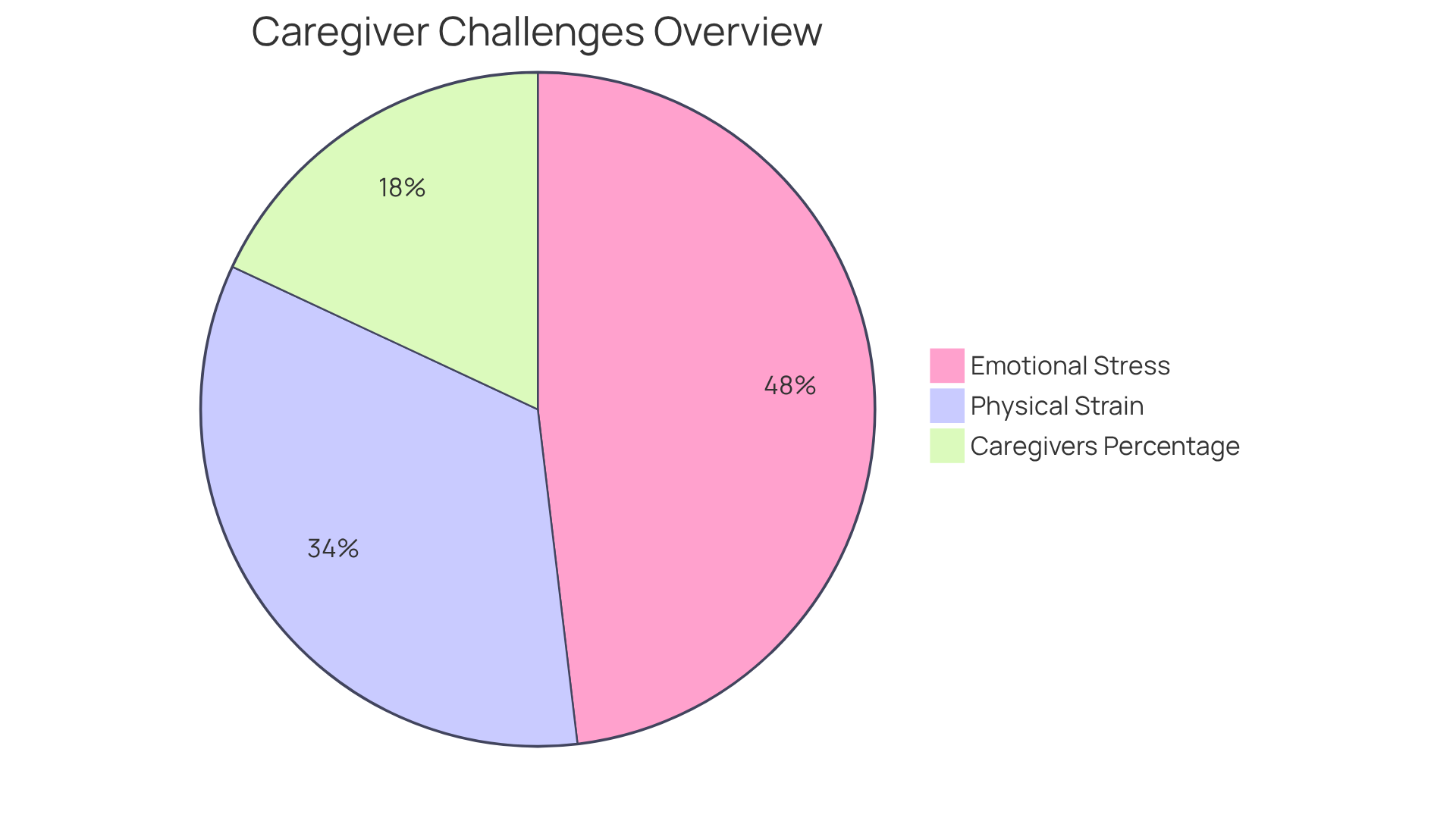
Family support has become a vital part of our healthcare system, especially as more people age and need help with daily activities. Caregivers often face numerous challenges, such as emotional strain, physical exhaustion, and financial pressures, which can lead to significant stress and burnout. Research shows that nearly 64% of caregivers report high emotional stress, while 45% feel physically strained. Alarmingly, one in five caregivers rate their health as fair or poor, underscoring the toll caregiving can take. In this light, caregiver centers are essential, offering support systems like counseling, respite care, and educational workshops tailored to meet caregivers' unique needs.
These facilities aren’t just service providers; they’re crucial allies on the caregiver center journey. By offering resources that address both emotional and practical aspects of caregiving, they help ease the burdens families face. For instance, these facilities can improve access to training and guidance, which is especially important since only 11% of caregivers have received formal training for daily living tasks, even though 55% manage complex medical responsibilities.
Moreover, the impact of support centers goes beyond immediate help. They foster a sense of community among caregivers, reducing feelings of isolation and providing a space for sharing experiences and strategies. This communal aspect is vital, as nearly 24% of U.S. adults are caregivers, many of whom juggle multiple responsibilities, including raising children—one in three caregivers is also caring for kids under 18. By addressing emotional challenges and providing practical support, the caregiver center significantly helps reduce stress and burnout, ultimately enhancing the quality of care given to loved ones. As noted by the National Alliance for Caregiving and AARP, the percentage of Americans providing care has risen to 24% of the adult population, highlighting the growing need for assistance.
Tracing the Origins of the Caregiver Center
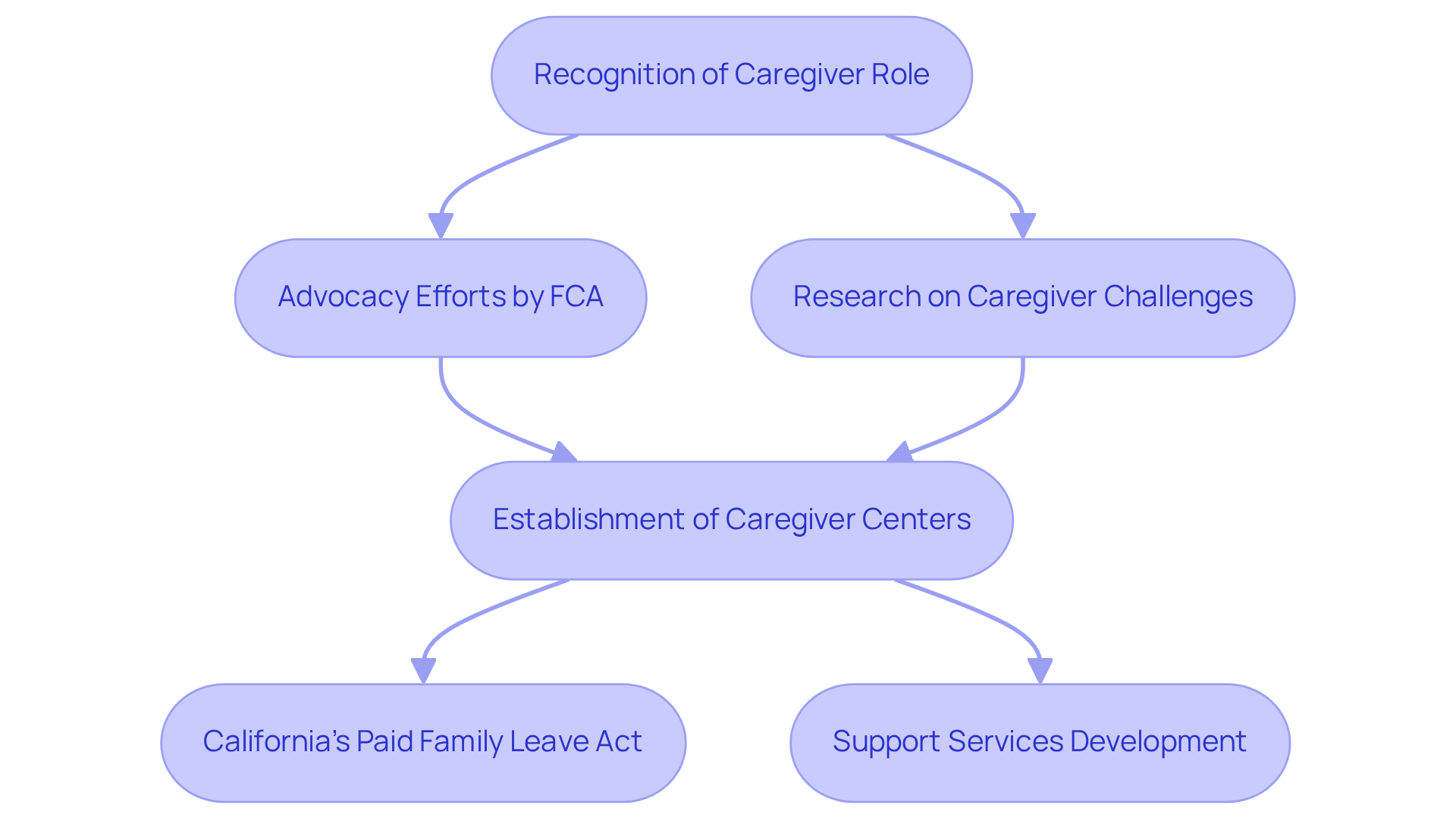
The emergence of caregiver centers signifies a substantial response to the increasing acknowledgment of family caregivers' vital role in our healthcare system. For too long, caregiving was seen merely as a personal family duty, often lacking the necessary support structures. Yet, as our population ages and chronic illnesses rise, the need for organized support has become increasingly evident. Advocacy efforts in the late 20th century, particularly by organizations like the Family Caregiver Alliance (FCA), have been pivotal in this shift. Research began to shed light on the numerous challenges faced by those providing care, leading to the establishment of support facilities that have become vital components of the caregiving network. These caregiver centers offer crucial services and resources to millions of caregivers across the nation.
The growth of these facilities has been impressive, with many states developing a caregiver center to provide tailored assistance. California, for example, set a benchmark in 1984 by creating a statewide system that others have since emulated. These caregiver centers not only provide practical support but also foster a sense of community among caregivers, helping to alleviate feelings of isolation. Sharing inspirational quotes from caregivers through social media and community events further strengthens this connection.
Advocates' quotes underscore the importance of compassion and understanding in caregiving. As Rosalynn Carter poignantly stated, 'There are only four kinds of people in the world: those who have been caregivers, those who are caregivers, those who will be caregivers, and those who will need caregivers.' Tia Walker emphasizes that caregiving is about deeply understanding and loving others, while Mother Teresa reminds us that love in action is what truly matters. These perspectives highlight the universal nature of caregiving and the pressing need for robust support systems.
Case studies illustrate the profound impact of caregiver centers. Take, for instance, California’s Paid Family Leave Act, implemented in 2002. This landmark legislation provided financial assistance to caregivers, acknowledging their invaluable contributions. As a result, businesses have expanded services, offering referral programs for caretakers and subsidized in-home assistance, making these benefits highly sought after among staff. Such advocacy has fostered a broader understanding of caregivers within the healthcare system, paving the way for more comprehensive support services. Today, these facilities continue to evolve, adapting to the changing landscape of care and ensuring families receive the help they need to navigate their journeys.
Key Services and Characteristics of the Caregiver Center
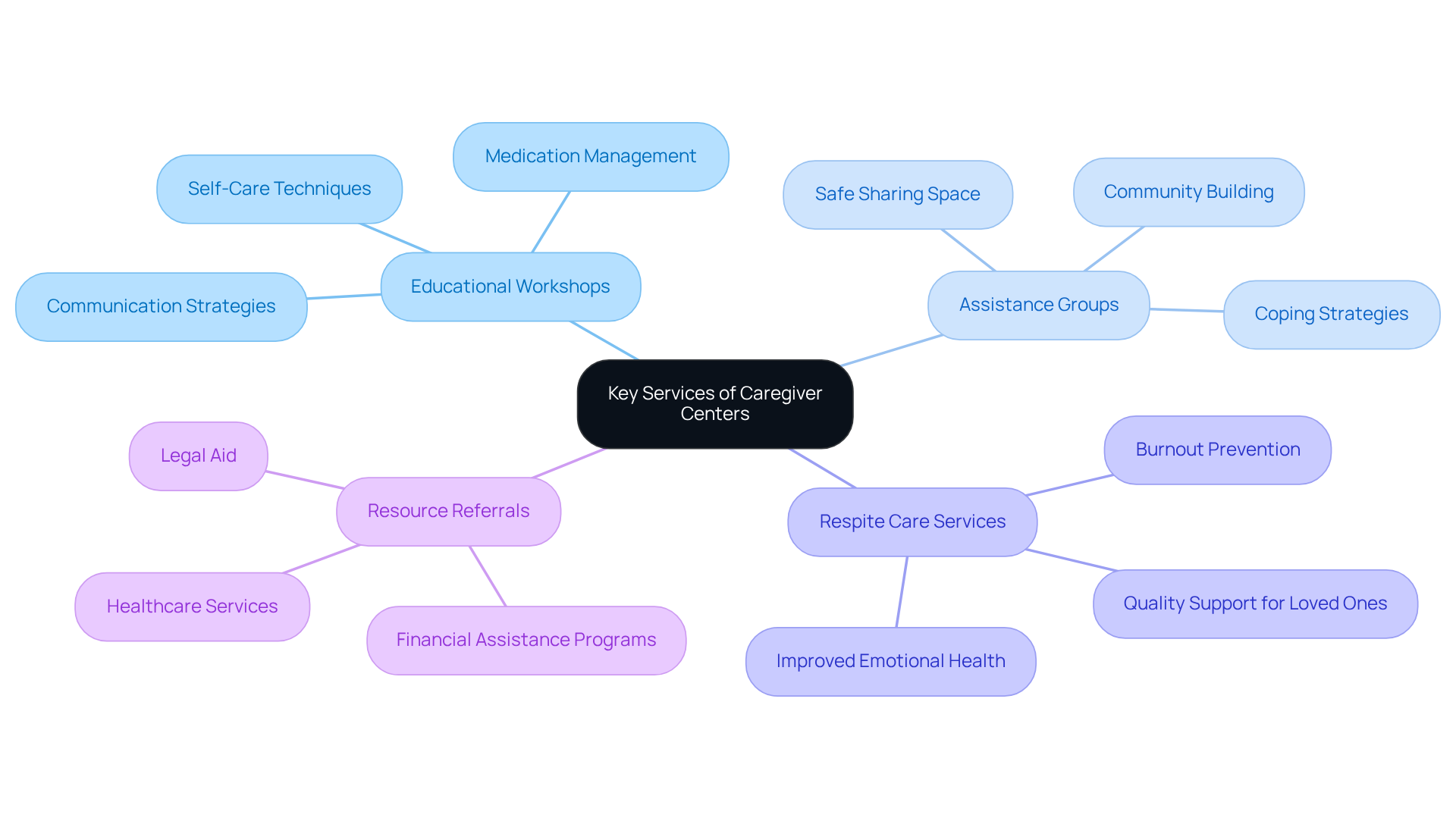
Support centers, known as caregiver centers, provide essential services tailored to meet the unique needs of caregivers. These offerings include:
-
Educational Workshops: These sessions empower caregivers with crucial skills and knowledge for effective caregiving. Topics often cover medication management, communication strategies, and self-care techniques, helping individuals navigate their responsibilities with confidence. As David Lee from Nautilus Home Care emphasizes, "Practicing self-care is vital for those providing care to maintain their physical and mental well-being."
-
Assistance Groups: Led by experienced professionals, assistance groups create a safe space for caregivers to share their experiences, challenges, and coping strategies. Research indicates that participating in these groups can significantly reduce feelings of isolation and stress, fostering a sense of community and understanding. Notably, 40% to 70% of family caregivers exhibit clinically significant symptoms of depression, highlighting the critical need for such support.
-
Respite Care Services: Many caregiver centers offer respite care options, allowing caregivers to take necessary breaks while ensuring their loved ones receive quality support. This service is vital for preventing burnout and preserving the well-being of those who provide care. Case studies reveal that individuals utilizing respite care report improved emotional health and reduced stress levels.
-
Resource Referrals: Support centers often act as a central hub, connecting caregivers with community resources such as financial assistance programs, legal aid, and healthcare services. This support is crucial in helping caregivers at the caregiver center manage the complexities of their roles. Additionally, 77% of caregivers report saving time as a technological benefit, underscoring the importance of these resource referrals.
These services embody a compassionate approach, emphasizing the significance of emotional support and community connection in enriching the caregiving experience.
The Importance of Caregiver Centers for Family Well-Being
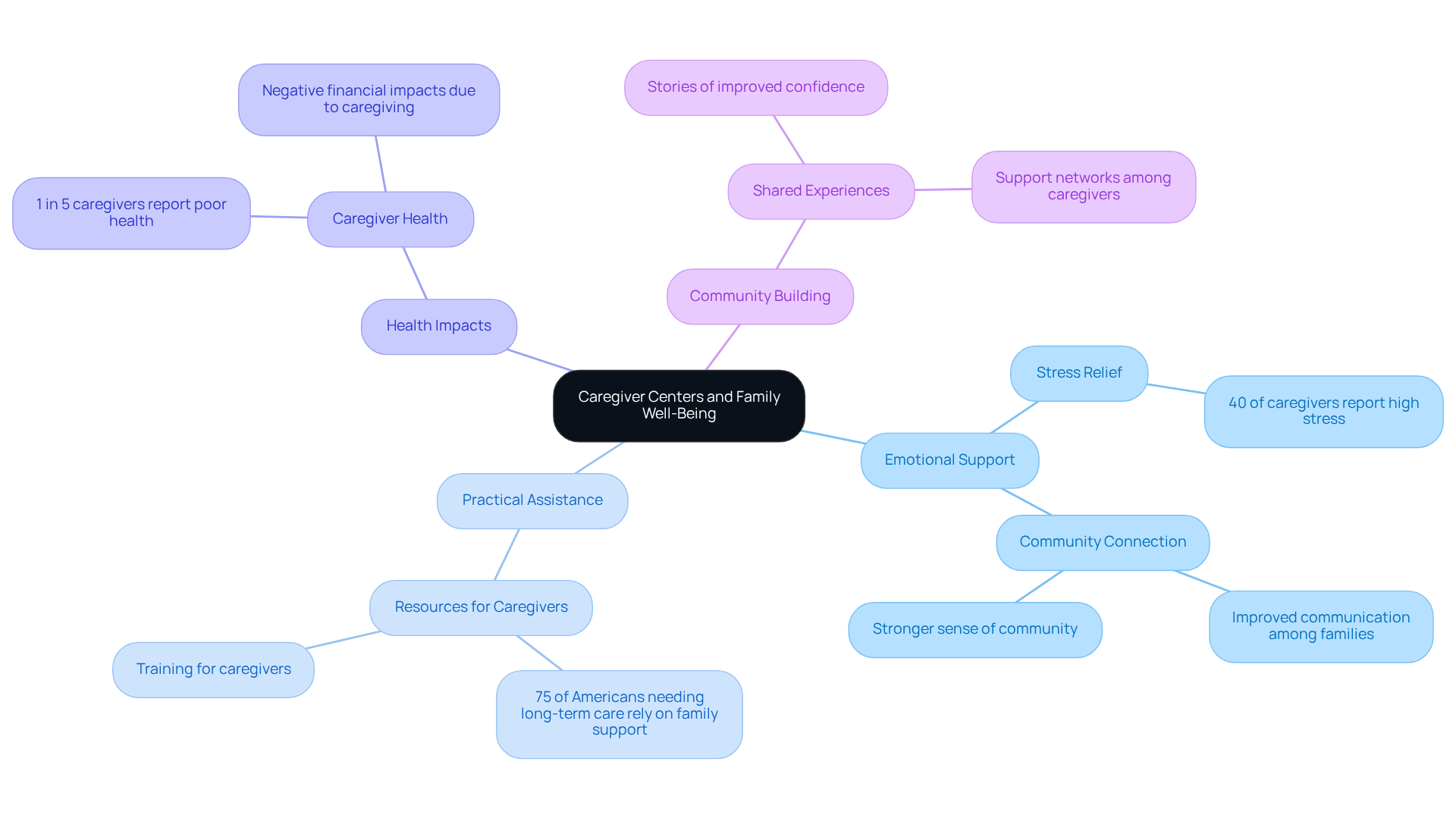
Support facilities are essential in enhancing family welfare by providing crucial assistance through the caregiver center. At the caregiver center, they address both the emotional and practical needs of those who care for others, helping to ease stress and prevent burnout. This support leads to better care for family members. In fact, nearly 40% of family support providers report experiencing high levels of stress, and one in five indicates poor health, highlighting the significant health impacts of caregiving.
Families that engage with support facilities often share stories of improved communication, increased confidence in their caregiving roles, and a stronger sense of community. The resources and assistance offered empower caregivers, making them feel less isolated in their responsibilities. For instance, 75% of Americans needing long-term care rely on family support, underscoring the critical role of relatives in caregiving and the importance of resources from care facilities.
In this way, caregiver centers not only uplift individual caregivers but also enhance the overall health and resilience of families. They provide a nurturing environment where caregivers can find solace and strength, ensuring that they are not alone in their journey.
Key Takeaways for Caregivers
Caregiver centers play a vital role in supporting families on the challenging journey of caregiving. They offer essential services like educational workshops, respite care, and emotional support, empowering caregivers to manage their responsibilities while also taking care of their own well-being. These centers are truly a lifeline, helping caregivers feel less isolated and more connected to a community that understands their struggles.
Key insights throughout the article reveal the many benefits of caregiver centers. They not only ease the emotional and physical burdens that caregivers face but also foster a sense of belonging and shared experience. With many caregivers experiencing high levels of stress and burnout, the resources and support provided by these centers become even more crucial. The focus on community connection and access to training enhances caregivers' skills and confidence, ultimately leading to better care for their loved ones.
Reflecting on this, the importance of caregiver centers goes beyond individual support; they are essential for the health and resilience of families as a whole. By acknowledging the challenges caregivers encounter and offering tailored assistance, these centers significantly contribute to the overall well-being of families. Engaging with a caregiver center not only makes the caregiving experience more manageable but also enriches the lives of everyone involved. Families are encouraged to explore the resources available at caregiver centers, as they can provide invaluable support during one of life's most demanding journeys.
https://iframe.tely.ai/cta/eyJhcnRpY2xlX2lkIjogIjY5MGE5M2ZiMmVlYzMyNmQzNzg1YzUwYiIsICJjb21wYW55X2lkIjogIjY4ZWU1ZGNhNzMxNzYyNTU3ZjNjOTVjMSIsICJpbmRleCI6IG51bGwsICJ0eXBlIjogImFydGljbGUifQ==Frequently Asked Questions
What is the purpose of a caregiver center?
A caregiver center serves as a vital resource for individuals caring for loved ones with health issues, offering services such as educational programs, emotional support, and practical assistance to empower caregivers and ease their burdens.
How do caregiver centers impact the well-being of caregivers?
Caregiver centers help reduce stress and promote emotional balance among caregivers. They provide a supportive community where caregivers can share experiences, which can lead to decreased feelings of isolation and improved overall well-being.
What types of support do caregiver centers provide?
Caregiver centers offer a range of support services including counseling, respite care, training, and educational workshops tailored to meet the unique needs of caregivers.
What challenges do caregivers commonly face?
Caregivers often experience emotional strain, physical exhaustion, and financial pressures, leading to stress and burnout. Research indicates that many caregivers report high levels of emotional stress and poor health.
How prevalent is caregiving in the U.S.?
Approximately 24% of U.S. adults are caregivers, highlighting the growing need for support and resources for those providing care, especially as many caregivers also juggle other responsibilities, such as raising children.
Why is training important for caregivers?
Training is crucial because many caregivers manage complex medical responsibilities without formal training. Only 11% of caregivers have received formal training for daily living tasks, making access to training and guidance essential.
How do caregiver centers foster a sense of community?
Caregiver centers create a space for caregivers to connect, share experiences, and exchange strategies, which helps reduce feelings of isolation and builds a supportive community among caregivers.