
For families in our service areas
For families in our service areas, this guide explains caregiver support and how non-medical in-home caregiving can support care planning in East Idaho, Treasure Valley & Magic Valley, Northern Wasatch, North Central West Virginia, and Northeast Ohio.
What You Need to Know About The Causes of Falls: Essential Insights
Falls among older adults represent a significant and often preventable crisis. Alarming statistics reveal that over 41,000 retirement-age Americans succumbed to such incidents in 2023 alone. For caregivers, understanding the multifaceted causes of falls - ranging from environmental hazards to medication side effects - offers a crucial opportunity to enhance safety and well-being for their loved ones.
Yet, despite knowing that many falls can be avoided, the emotional toll on both seniors and caregivers raises pressing questions. How can caregivers effectively mitigate these risks while also addressing the underlying fears and anxieties associated with falls? This is where the journey of compassion begins.
Exploring these insights not only empowers caregivers but also fosters a safer, more supportive environment for seniors. By sharing personal stories and testimonials, we can highlight the compassionate care that makes a difference. Together, we can navigate these challenges, ensuring that both caregivers and seniors feel supported and understood.
Explore the Fundamentals of Falls in Older Adults
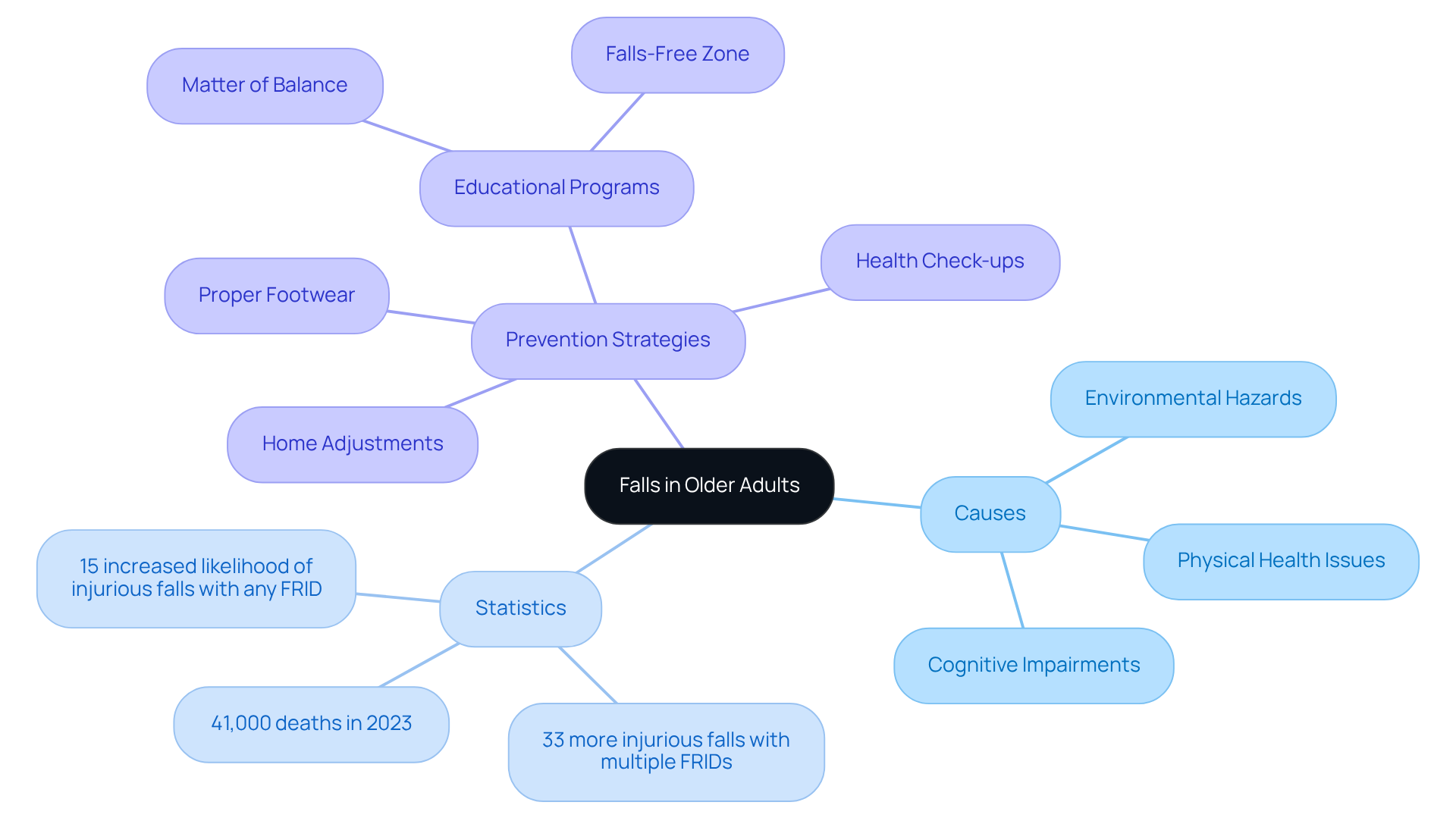
Falls are a leading cause of injury among older adults, with several causes of fall leading to serious consequences like fractures, head injuries, and even death. It’s heartbreaking to note that over 41,000 retirement-age Americans lost their lives due to tumbles in 2023. This statistic underscores the gravity of the issue we face together.
Understanding that accidents aren’t an inevitable part of aging is crucial. As caregivers, it’s important to recognize that many accidents can be prevented through awareness and proactive measures. Key factors that contribute to falls include:
- Environmental hazards
- Physical health issues
- Cognitive impairments
Additionally, seniors taking any risk-increasing drugs (FRIDs) are 15% more likely to experience an injurious fall, highlighting the importance of careful medication management.
By acknowledging these fundamental aspects, caregivers can better prepare to implement effective prevention strategies. Simple home adjustments, ensuring seniors wear well-fitting, durable shoes with nonskid soles, and scheduling regular health check-ups can significantly reduce the risk of accidents.
Programs like Matter of Balance and Falls-Free Zone have shown promise in educating seniors about reducing hazards and encouraging physical activity. As Dr. Miranda Durham emphasizes, incidents are avoidable. Each fall that we prevent allows seniors to thrive within their communities and enjoy precious moments with their families.
Let’s work together to create a safer environment for our loved ones, filled with care and compassion.
Identify Key Risk Factors for Falls
As caregivers, it’s essential to recognize the causes of fall in older adults, as these risk factors can weigh heavily on our hearts.
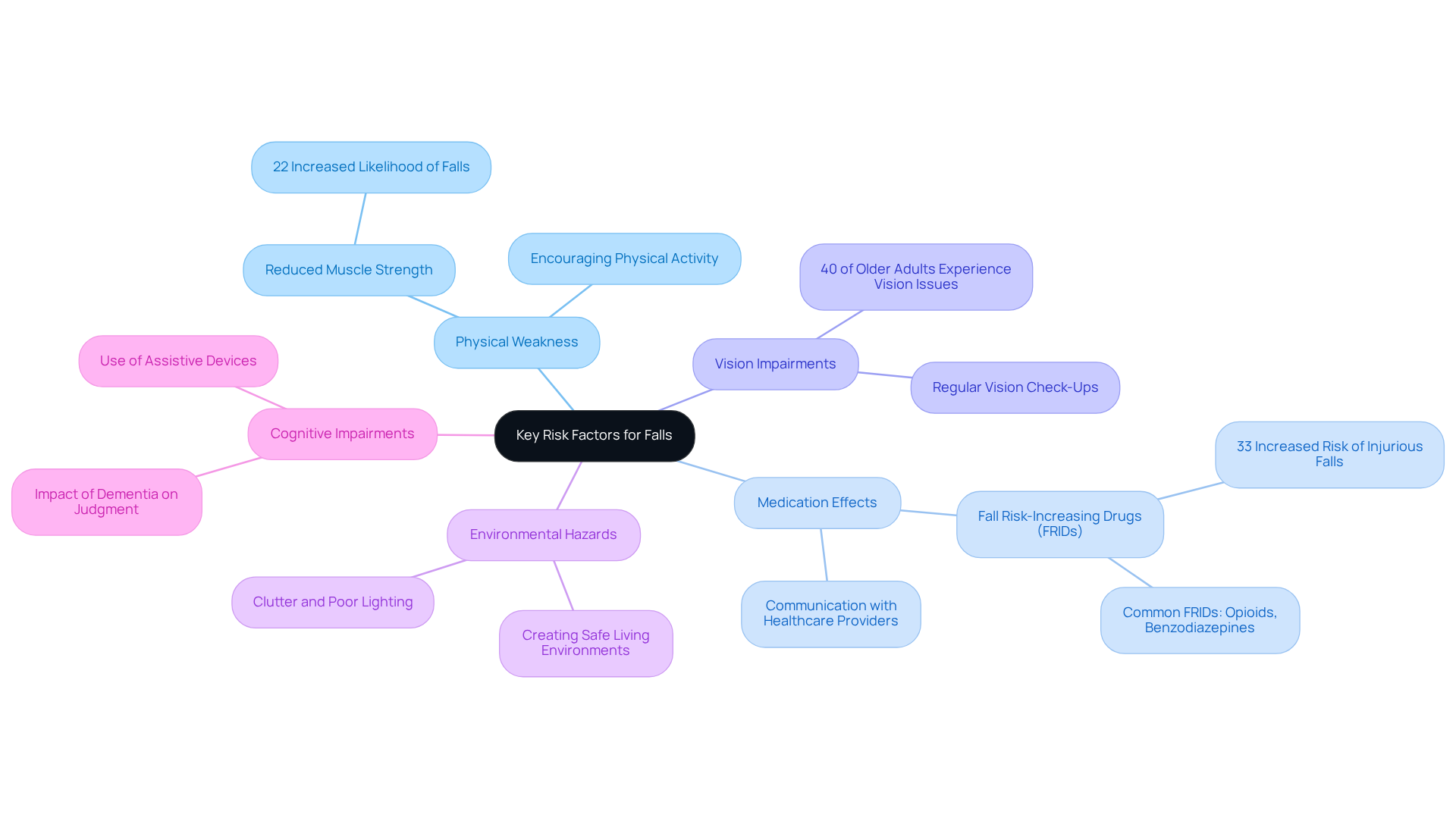
Physical weakness is a significant factor among the causes of fall risk. Many older adults face reduced muscle strength and balance, making them 22% more likely to experience tumbles. When multiple medications are involved, the causes of fall increase the risk of injurious incidents by 33%. This can be a source of stress for caregivers, who want to ensure their loved ones remain safe and strong.
Vision impairments can also be considered as causes of fall. Poor eyesight often leads to misjudgments about distances and obstacles, which are significant causes of fall, increasing the likelihood of accidents. It’s concerning to note that approximately 40% of older adults experience some form of vision impairment, which can severely impact their ability to navigate safely. Regular vision check-ups can be a simple yet effective way to address this issue.
Environmental hazards in the home, such as clutter, poor lighting, and uneven surfaces, are identified as causes of fall that create dangerous conditions. A well-organized and well-lit environment can significantly reduce the risk of tripping. As caregivers, we can take proactive steps to assess and modify living spaces, ensuring they are safe and welcoming.
Medication side effects are one of the causes of fall that should be considered. Certain medications, especially those affecting the brain and nervous system, can cause dizziness or drowsiness. The mortality rate from falls among seniors has tripled over the past 30 years, with many incidents linked to the use of FRIDs, including opioids and antidepressants. It’s vital to communicate with healthcare providers about these risks.
Lastly, cognitive impairments such as dementia can be considered causes of fall, as they affect judgment and spatial awareness. Seniors with cognitive challenges may not recognize hazards or may forget to use assistive devices, increasing their risk.
By identifying these factors, we can take compassionate steps to reduce hazards. Encouraging physical activity can improve strength and balance, while ensuring regular vision check-ups can help maintain safety. Creating a safe living environment is crucial, and as caregivers, we play a pivotal role in this journey. Together, we can foster a nurturing atmosphere that prioritizes safety and well-being.
Implement Effective Fall Prevention Strategies
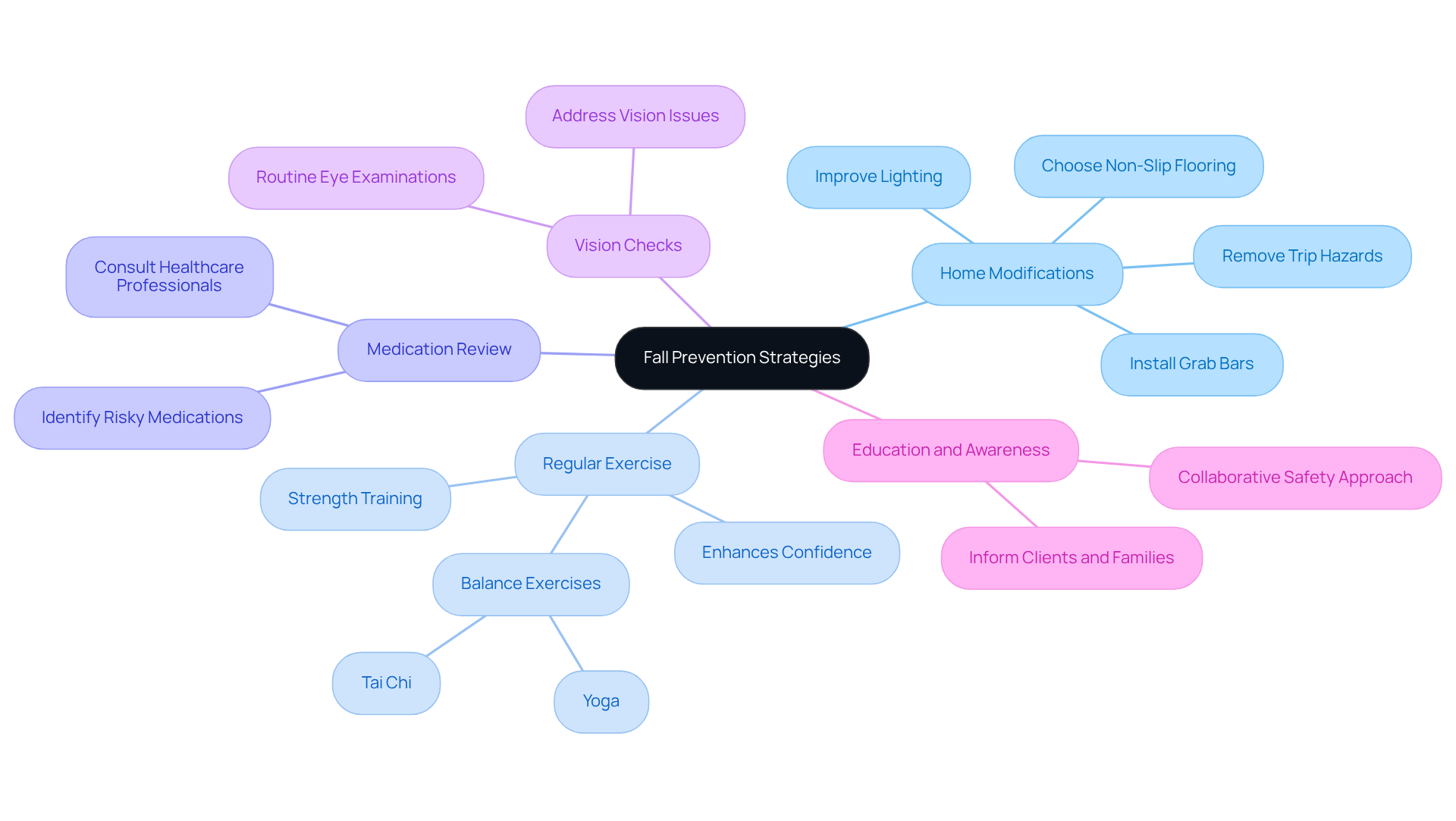
Effective fall prevention strategies encompass several key components that can truly make a difference in the lives of seniors and their caregivers:
-
Home Modifications: Creating a safe living environment is essential. It’s important to ensure that homes are free of clutter, well-lit, and equipped with grab bars in bathrooms and handrails on stairs. A secure living environment is vital for addressing the causes of fall, especially for elderly individuals living alone. These adjustments significantly lower the likelihood of accidents by providing stability and assistance, giving peace of mind to both seniors and their families.
-
Regular Exercise: Encouraging clients to engage in strength and balance exercises is crucial. Activities like tai chi, yoga, and gentle strength training can improve coordination and muscle stability, which are key for maintaining balance. Regular exercise not only enhances physical health but also boosts confidence in mobility. It’s concerning to note that one out of four individuals over age 65 experiences a fall each year, which highlights the causes of fall and underscores the importance of exercise in preventing accidents.
-
Medication Review: Regularly reviewing medications with healthcare professionals is essential. This helps identify any prescriptions that might increase the risk of falls, specifically those that are causes of fall, such as those causing dizziness or drowsiness. Taking a proactive approach can help mitigate potential hazards associated with medication side effects, ensuring that seniors feel safe and supported.
-
Vision Checks: Scheduling routine eye examinations is vital for addressing vision issues that can lead to accidents. Clear vision is crucial for spotting hazards and maintaining balance, making timely assessments an important part of safety.
-
Education and Awareness: Informing clients and their families about potential hazards and prevention strategies fosters a collaborative approach to safety. Understanding the causes of fall and implementing preventive measures can greatly enhance the overall well-being of seniors. As Amanda Rudderman wisely states, "Most incidents are preventable with the right support, education, and small changes."
By incorporating these compassionate approaches, support providers can create a nurturing atmosphere that encourages autonomy while significantly reducing the chances of accidents among senior individuals.
Understand the Impact of Falls on Caregivers and Clients
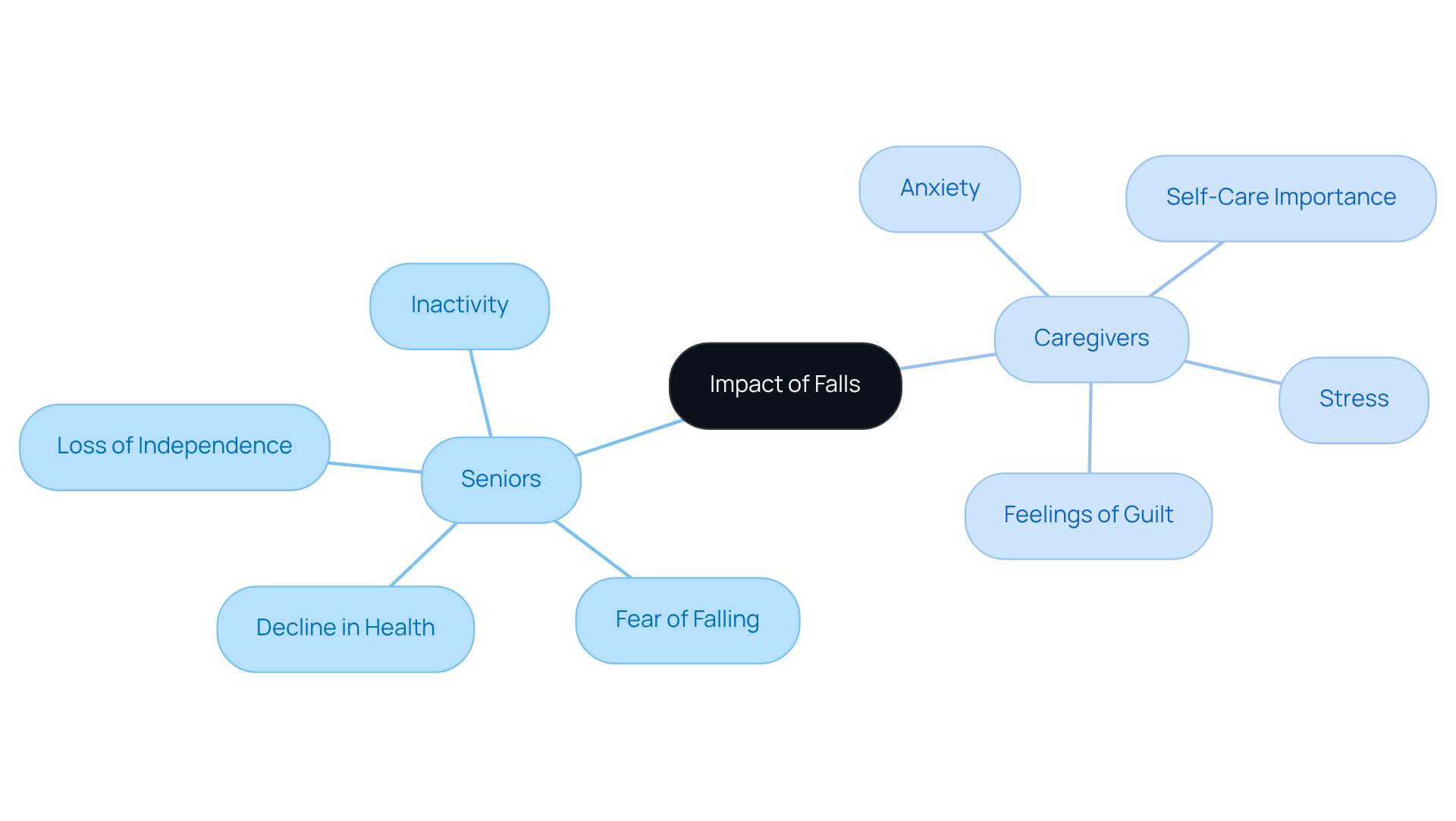
Falls can deeply affect not just senior adults but also their caregivers, making it essential to recognize the causes of fall. For seniors, understanding the causes of fall is crucial, as a tumble often means losing independence, feeling anxious about another fall, and experiencing a decline in overall health. Many older individuals who fall develop a fear related to the causes of fall, which can lead to less physical activity and increases their risk of future incidents. This cycle of fear and inactivity underscores the importance of addressing both the physical and emotional aspects of preventing accidents, particularly the causes of fall.
For caregivers, witnessing a loved one fall can stir up feelings of guilt, anxiety, and stress. It's concerning that about 43% of significant incidents in nursing homes go unreported, highlighting how common these accidents are and how underreporting can skew staff's understanding of the situation. Additionally, around 37% of older adults who fall report injuries that require medical attention, which can be attributed to various causes of fall, restricting their daily activities and adding emotional strain on those who care for them. It's crucial for caregivers to prioritize self-care and seek help when needed, as their well-being directly impacts the quality of care they provide.
Understanding these emotional impacts allows caregivers to approach their responsibilities with greater empathy and resilience, ultimately enhancing the care they offer. By acknowledging the psychological toll of falls, caregivers can navigate their challenges more effectively and create a supportive environment for both themselves and their loved ones.
Making the Right Choice
Falls among older adults aren’t just unfortunate events; they pose a significant challenge that can often be prevented with the right knowledge and strategies. By understanding the various causes of falls, caregivers can take meaningful steps to protect their loved ones, shifting the narrative from fear and anxiety to one of empowerment and safety.
Key factors contributing to falls include:
- Environmental hazards
- Physical and cognitive health issues
- Medication side effects
Caregivers can significantly reduce the risks associated with falls by implementing effective prevention strategies, such as:
- Home modifications
- Regular exercise
- Medication reviews
- Vision checks
Programs aimed at educating seniors about safety can further enhance their ability to navigate their environments with confidence.
Creating a safe and supportive atmosphere for seniors is essential, not just for their physical well-being but also for their emotional health. Caregivers play a pivotal role in this journey. By prioritizing their own well-being alongside that of their loved ones, they can foster a nurturing environment that minimizes the risk of falls. Embracing these insights and strategies will enhance the quality of life for seniors and alleviate the emotional burdens faced by caregivers, ensuring a healthier and more secure future for everyone involved.
https://iframe.tely.ai/cta/eyJhcnRpY2xlX2lkIjogIjY5MWE2NjFiY2Q2NzdlNTM5Yjc2Y2JiYyIsICJjb21wYW55X2lkIjogIjY4ZWU1ZGNhNzMxNzYyNTU3ZjNjOTVjMSIsICJpbmRleCI6IG51bGwsICJ0eXBlIjogImFydGljbGUifQ==Frequently Asked Questions
Why are falls a significant concern for older adults?
Falls are a leading cause of injury among older adults, resulting in serious consequences such as fractures, head injuries, and even death. In 2023, over 41,000 retirement-age Americans lost their lives due to falls, highlighting the severity of the issue.
What are the main causes of falls in older adults?
Key factors contributing to falls include environmental hazards, physical health issues, cognitive impairments, and the use of certain medications known as fall risk-increasing drugs (FRIDs).
How do medications affect the risk of falls in seniors?
Seniors taking fall risk-increasing drugs (FRIDs) are 15% more likely to experience an injurious fall, emphasizing the importance of careful medication management.
What preventive measures can caregivers take to reduce the risk of falls?
Caregivers can implement preventive measures such as making simple home adjustments, ensuring seniors wear well-fitting, durable shoes with nonskid soles, and scheduling regular health check-ups.
Are there programs that help reduce falls among seniors?
Yes, programs like Matter of Balance and Falls-Free Zone have shown promise in educating seniors about reducing hazards and encouraging physical activity to prevent falls.
What is the overall message regarding falls in older adults?
The article emphasizes that falls are not an inevitable part of aging and that many incidents are preventable through awareness and proactive measures. Preventing falls allows seniors to thrive within their communities and enjoy time with their families.